
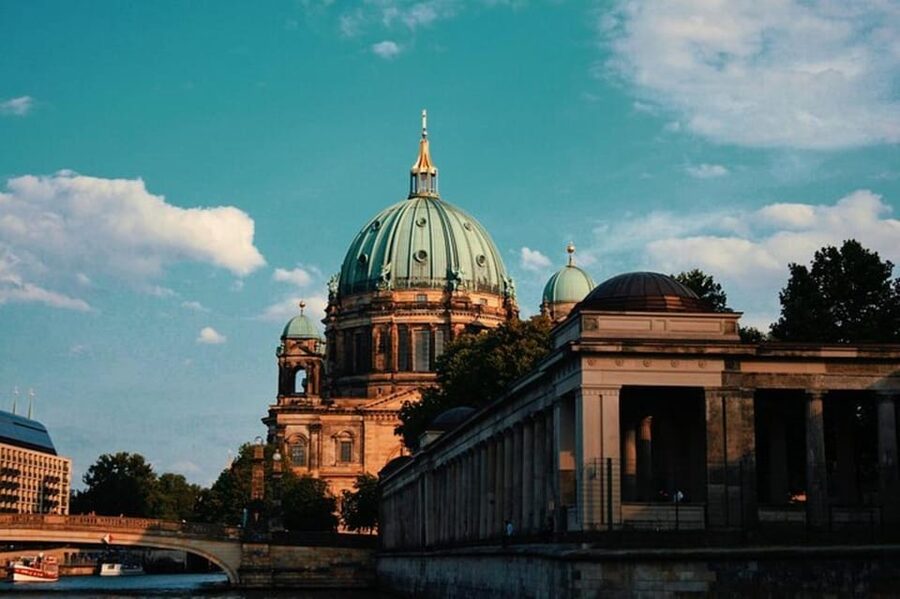
Review · CITY HIGHLIGHTS WALKING TOURS
Berlin : Must-see attractions Walking Tour
Berlin tells its story outdoors. This three-hour private walk links the Berlin Wall, Brandenburg Gate, Reichstag, Checkpoint Charlie, and the Holocaust Memorial with clear local guidance. I like the one-to-one format, which lets you ask questions and adjust the pace, and I like the way the route connects Nazi Germany, the Cold War, reunification, and modern Berlin. The main consideration is distance: five major sights in three hours means some stops receive more explanation than others.
I also like that public transport is included when needed, rather than treating Berlin as one long march. Guides speak English, French, Spanish, Italian, or German, and the strong 4.8 rating from 83 bookings suggests a consistently well-run experience. Pierre has been especially helpful with late arrivals and extra points of interest, while Bastian has been praised for making the time pass quickly with plenty of city stories.
Key points at a glance
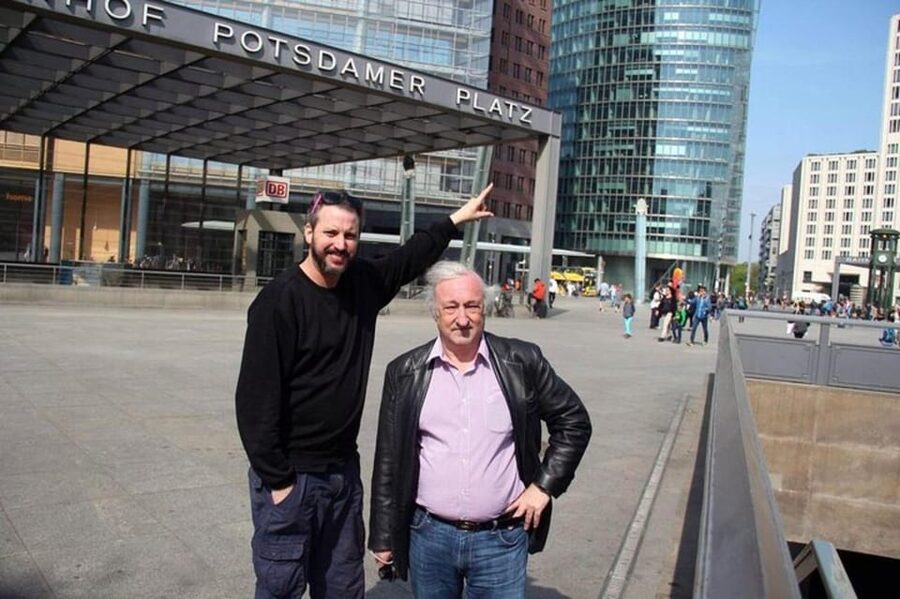
- Private from start to finish: Your group has the guide to itself, with no unrelated participants added.
- Five major Berlin sights: The route covers the Berlin Wall, Brandenburg Gate, Reichstag, Checkpoint Charlie, and the Holocaust Memorial.
- A flexible route: You can ask to spend more time on the subjects or places that matter most to you.
- Useful local advice: The guide can suggest other things to do in Berlin and help arrange tickets for visits you want to make.
- Three hours, with walking and public transport: The format helps cover a lot of central Berlin without turning the outing into a race.
- Several language choices: Tours are available in English, French, Spanish, Italian, and German.
Why this short tour works well in Berlin
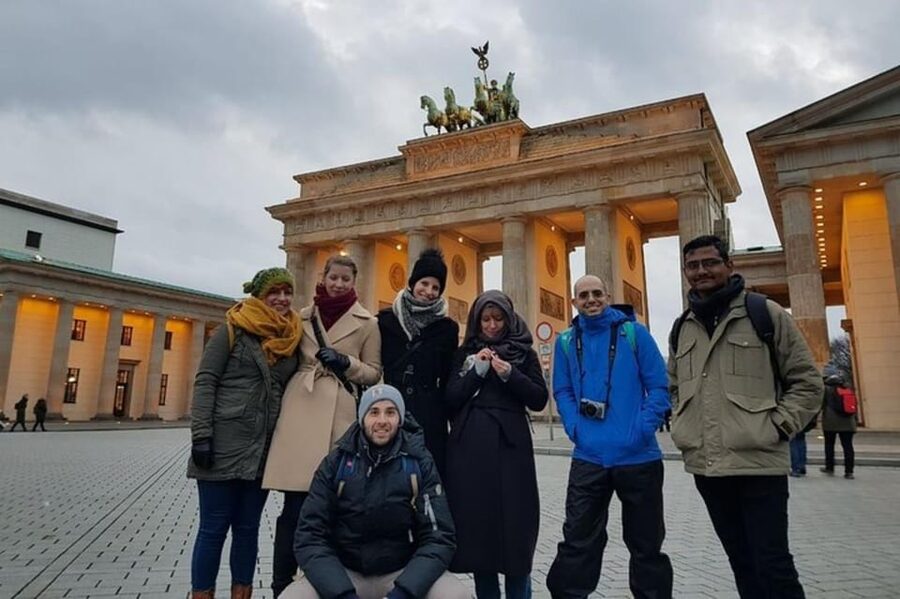
Berlin can feel scattered at first. Its major sights do not form one neat medieval center, and its story is spread across streets, memorials, government buildings, and fragments of the Wall. This tour gives you a useful first framework.
For $44 per person, the value comes less from admission tickets and more from having a private guide connect the stops. You are paying for context, directions, questions, and flexibility. The price is particularly reasonable if two or more people in your party can share the private experience, though you should remember that food and drinks are not included.
The route covers some of the most important places in central Berlin, but it is not designed as a slow, museum-heavy outing. You will mainly see the sights from outside and receive guided explanations along the way. The provider can help book tickets for visits you want to make, but the information does not say that entrance fees are included.
More City Highlights Walking Tours in Germany
- Berlin Historical Highlights Walking Tour
★ 4.9 · 657 reviews - Berlin: Sightseeing Walking Tour of the Top 20 Attractions
★ 4.5 · 196 reviews - Berlin: Walking Tour of the Top 10 Sightseeing Attractions
★ 4.7 · 150 reviews
Starting at Friedrichstrasse 103
The meeting point is in front of Meliá Berlin at Friedrichstrasse 103. That gives you a clear urban starting point, but arrive with enough time to locate the hotel entrance and identify your guide.
The tour is private and exclusive, so you do not need to spend the first few minutes learning the names of a large group. That matters in Berlin, where a personal question about the Wall, the Nazi period, or the city’s division can easily lead to a useful side conversation.
If you are running late, contact the guide immediately. Pierre has helped a late-arriving party find the meeting point by phone, which is reassuring in a city where a small delay can become confusing around busy stations and large streets.
The Berlin Wall and the divided city
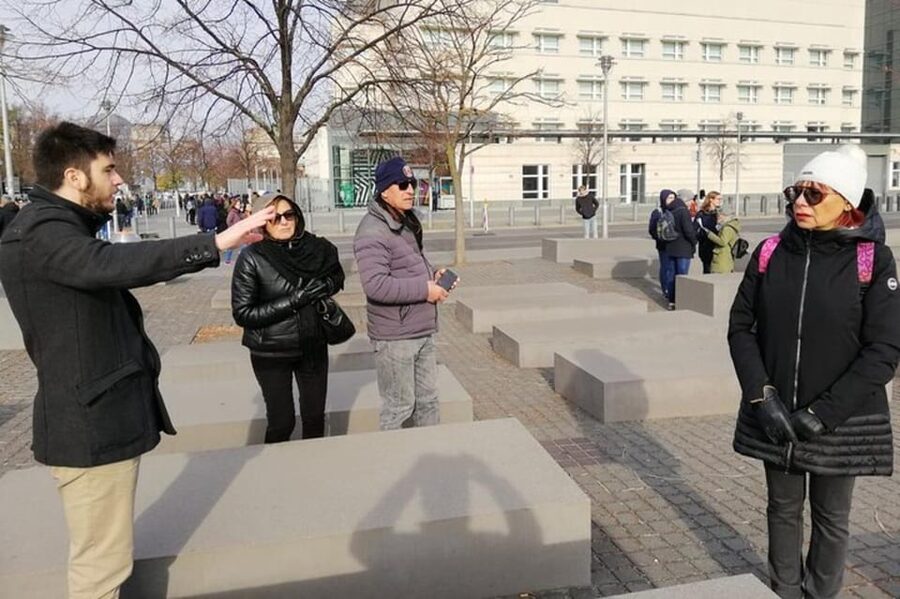
The Wall is the right place to begin the historical story. Here, your guide explains why it was built, how it divided Berlin during the Cold War, and how its fall changed the city.
A visit to the Wall can be visually understated. You may see a remaining section, a marked route, or a memorial area rather than a complete barrier cutting through the city. That is exactly why explanation matters. Without a guide, it can be hard to understand where the border once ran and how much daily life was shaped by it.
This stop also gives you a chance to ask practical questions. You can ask how the city worked on either side, how the Wall affected movement, and what reunification meant for Berlin. The private setting is useful here because the subject often raises questions that would be difficult to fit into a large group tour.
Do not expect a long, museum-style presentation at this first stop. The goal is to establish the facts and give the rest of the walk a stronger frame.
Brandenburg Gate and the idea of unity

Brandenburg Gate is one of Berlin’s easiest sights to recognize, with its neoclassical columns and crowning chariot. It has also carried several political meanings, and your guide explains its history and its role as a symbol of German unity.
The gate is more than a photo stop. It helps you see how Berlin has repeatedly changed meaning without changing its physical setting. A landmark once linked with imperial power later became associated with division, and then with reunification.
This is likely one of the busier points on the route, so your guide’s explanation helps you look beyond the standard photograph. Take time to notice the architecture, the open space around the gate, and the way modern Berlin uses this historic setting.
The drawback is simple: the Brandenburg Gate is an open public landmark, not a quiet attraction. If you want an unhurried picture or a longer architectural discussion, ask your guide to allow extra time here.
More City Highlights Walking Tours in Berlin:
- Berlin Highlights in 2 Hours: Express Walking Tour
★ 5.0 · 120 reviews - Berlin Highlights Private Guided Walking Tour
★ 4.5 · 89 reviews - Explore Berlin History and Highlights Sightseeing Walking Tour
★ 5.0 · 81 reviews - Historic Charleston Guided Sightseeing Walking Tour
★ 5.0 · 6,216 reviews
The Reichstag and modern German government
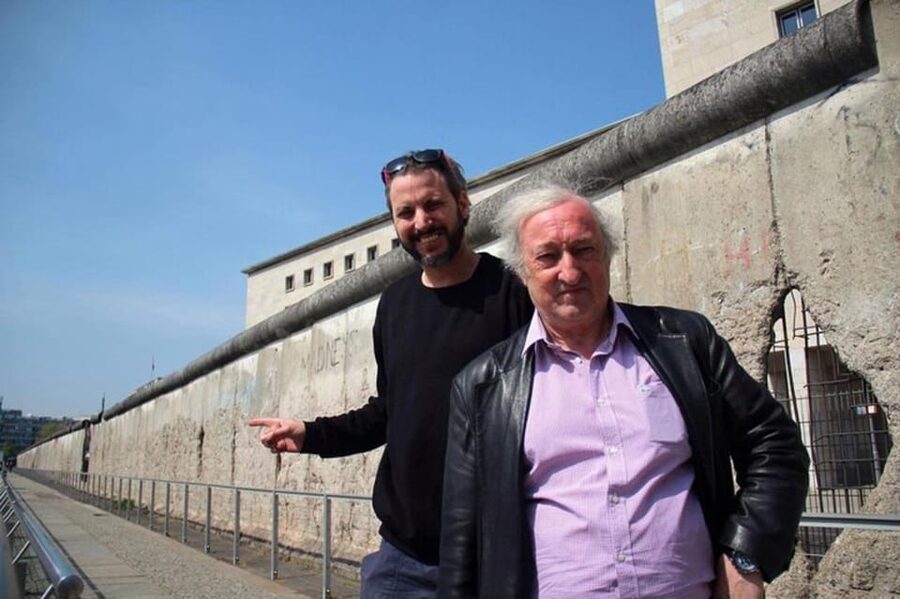
The Reichstag brings the story into present-day Germany. Your guide discusses the building’s role and its connection to Berlin as the national capital.
The visit is valuable because it places the country’s political past beside its current government. The same city that served as the center of the Nazi Third Reich was later divided, reunited, and restored as Germany’s capital. Seeing the Reichstag within that sequence makes the changes easier to understand.
The tour information describes a guided stop, not guaranteed entry inside the building. If you want to visit interior spaces, ask the guide about tickets. The provider offers help booking desired visits, but you should confirm availability and any added cost before making plans.
This is one reason the private format helps. You can tell the guide if you care more about architecture, modern politics, wartime history, or the practical story of how Berlin became the capital again.
Checkpoint Charlie and Cold War memory
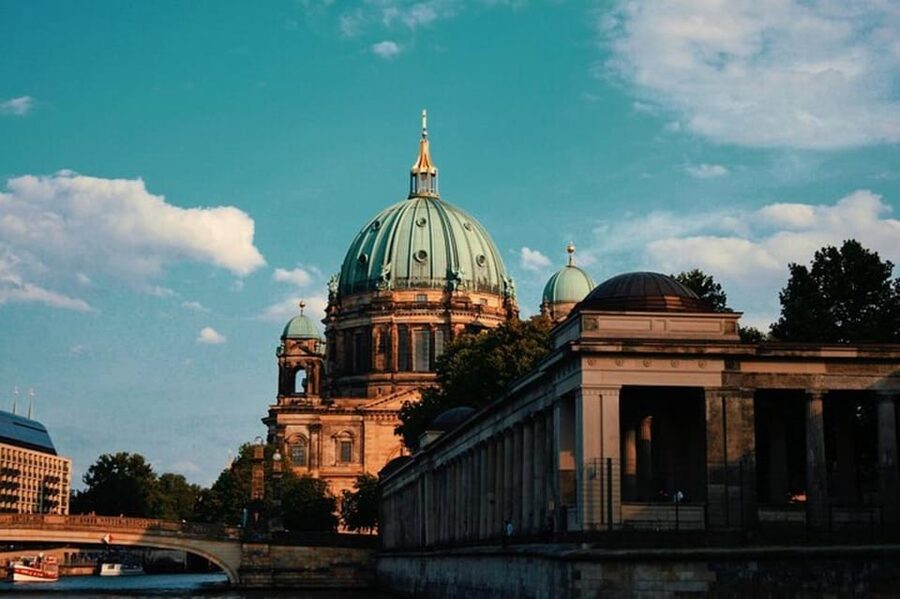
Checkpoint Charlie is one of the best-known names from divided Berlin. It represents the former crossing point between East and West and offers another way to understand the Cold War city.
The stop works best when you treat it as a place of historical explanation rather than a complete monument. Your guide discusses its role in the divided city and helps separate the genuine historical importance from the modern displays and photo opportunities around it.
This is a place where context matters. A quick photograph tells you very little about the people who needed permission to cross, the political tension between the superpowers, or the risks attached to movement across the border. Use your guide’s time here to ask questions and get the sequence of events straight.
If you prefer quiet memorials and long historical interpretation, Checkpoint Charlie may feel more commercial than the Wall or Holocaust Memorial. That is not a flaw in the route, but it is worth knowing before you arrive.
The Holocaust Memorial and a more serious pause
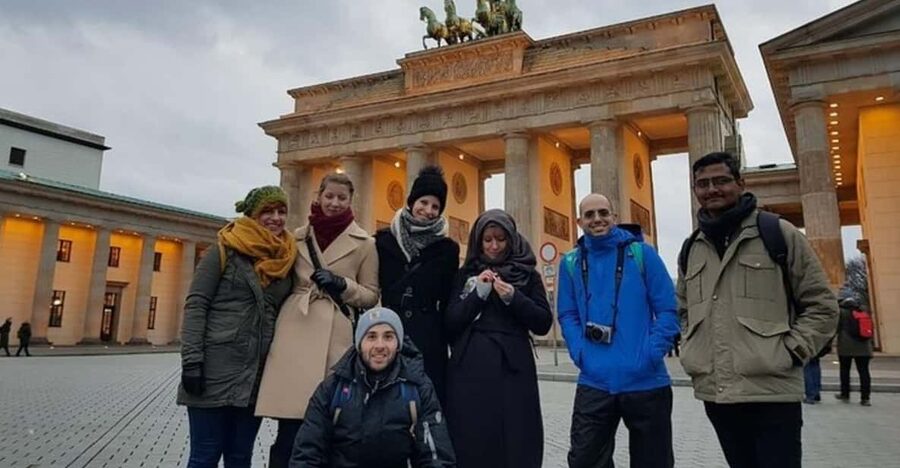
The Memorial to the Murdered Jews of Europe offers the tour’s most solemn stop. Your guide explains Berlin’s role as the capital of Nazi Germany and places the memorial within the wider story of the Holocaust.
The memorial’s concrete blocks create an uneasy, disorienting space. You do not need a long speech to understand that the setting is meant to prompt reflection, but historical explanation gives the place greater weight. This is not just another central Berlin landmark to photograph and leave behind.
Allow yourself a quieter pace here. The emotional tone changes from political division and reunification to the murder of Europe’s Jews under the Nazi regime. A private guide can respond to your questions with care and avoid forcing the group through a fixed script.
The stop is near other central attractions, so you may want to return later for more time. Three hours is enough for an introduction, but not enough for every museum and memorial in the area.
The guide makes the difference
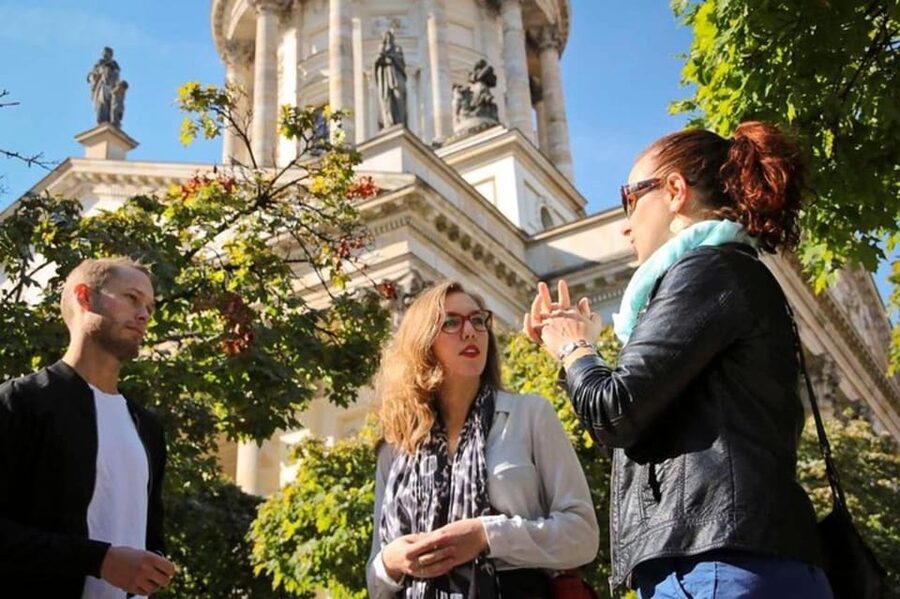
The strongest part of this experience is the individual attention. You are not simply following a flag through Berlin. You can ask about a particular period, request extra stops, or spend more time where your interest is strongest.
Pierre has been praised for his exceptional English, clear explanations, friendliness, and willingness to stay a little longer when a group wanted more. He also asked about other points of interest and adapted the outing accordingly. That suggests a useful approach: arrive with two or three priorities, then let the guide shape the rest.
Bastian has also received warm praise for explaining a great deal about the city while keeping the pace enjoyable. The comment that the time passed quickly is important for a three-hour history walk. Berlin’s past can be heavy, but a good guide keeps the information moving without making it feel like a lecture.
You can request English, French, Spanish, Italian, or German. The available guide depends on the booking, so make your language preference clear when arranging the tour.
Walking, public transport, and the three-hour pace
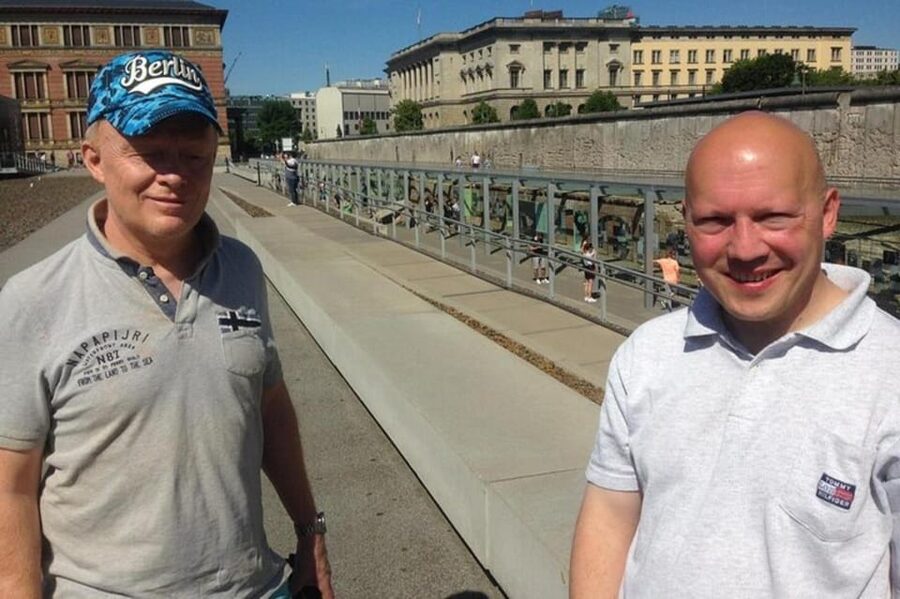
The experience combines walking with public transport, unless you select an option that changes that arrangement. This is practical because Berlin’s central sights are connected, but they are not all next door to one another.
Wear comfortable shoes and expect a steady outing. You will move through public streets, open squares, memorial spaces, and major tourist areas. The route is wheelchair accessible, which is useful for visitors who need step-free planning, though you should still confirm any specific mobility needs before booking.
Three hours gives you a strong orientation, but the itinerary is ambitious. The guide must balance travel time, explanations, questions, and stops at five major sights. If you want a detailed visit inside the Reichstag or a long examination of every Wall memorial, book additional time elsewhere.
For a first day in Berlin, the length works well. You get the city’s main historical outline without spending a full day on one subject. You can then decide which locations deserve a second visit.
Who will get the most from this tour?
I would recommend this walk to first-time visitors who want Berlin’s central sights explained in one sitting. It also suits families, couples, and small private groups with different interests, since the route can be adjusted.
History-minded visitors will appreciate the way the stops connect the Nazi era, the Cold War, reunification, and the current German capital. People who dislike fixed group tours will value the private setup and the ability to ask direct questions.
It may be less suitable if you want a slow, specialist tour devoted only to the Berlin Wall or only to Nazi history. It also may not suit anyone hoping for included meals, drinks, or guaranteed interior entry at the Reichstag. Those are not part of the stated package.
The best use of this tour is as a foundation. Afterward, you will know which places deserve more of your time and have a better sense of how Berlin fits together.
Booking and practical value
The tour costs $44 per person and lasts three hours. That is a fair price for a private guide covering five major sights, especially if you value personal questions and local suggestions.
Food and drinks are not included, so plan your own refreshment before or after the walk. The guide can offer advice about other things to do in Berlin, which may be one of the most useful parts of the experience if you are still planning the rest of your stay.
You can cancel up to 24 hours before the start for a full refund. The reserve-now, pay-later option also gives you flexibility if your schedule is still taking shape.
Should you book it?
Book this tour if you want a private, adaptable introduction to Berlin’s major historical sights. The best reasons are the clear route, the language choices, the chance to ask as many questions as you like, and the guide’s ability to adjust the experience.
I would especially choose it early in a Berlin visit. Use the Wall, Brandenburg Gate, Reichstag, Checkpoint Charlie, and Holocaust Memorial as your first map of the city, then return to the places that catch your attention.
Skip it if you want a slow specialist tour, included food, or guaranteed access inside every major building. For most first-time visitors, though, $44 buys a useful three-hour orientation with real human guidance instead of a hurried list of landmarks.
FAQ
Where does the tour begin?
It begins at Friedrichstrasse 103, in front of Meliá Berlin.
How long does the walking tour last?
The tour lasts three hours.
Is this a private tour?
Yes. The experience is private and exclusive, with no one else added to your group.
Which Berlin sights are included?
The route includes the Berlin Wall, Brandenburg Gate, Reichstag, Checkpoint Charlie, and the Memorial to the Murdered Jews of Europe.
Is public transport included?
Walking and public transport are included unless you select an option that changes this arrangement.
Which languages are available?
Guides are available in English, French, Spanish, Italian, and German.
Is the tour wheelchair accessible?
Yes, the activity is listed as wheelchair accessible.
Are food and drinks included?
No. Drinks and food are not included in the tour price.
Just added around Berlin
- Berlin Walking Tour★ 4.5 · 378 reviews
- Small Group Walking Tour of East Berlin with a French Guide★ 5.0 · 176 reviews
- Berlin Street Art Walking Tour – Off The Grid★ 5.0 · 270 reviews
- Berlin Highlights Private Guided Walking Tour★ 4.5 · 89 reviews
- Private Walking Tour: World War 2 and Cold War Sites in Berlin★ 5.0 · 230 reviews
- East Meets West: Berlin Food Culture & Street Art★ 5.0 · 157 reviews
- Kreuzberg Berlin: Off the Beaten Track PRIVATE Walking Tour★ 5.0 · 128 reviews
- The History of Berlin: WWII PRIVATE Walking Tour With Locals★ 5.0 · 209 reviews
City Highlights Walking Tours, compared.

Historic Charleston Guided Sightseeing Walking Tour
Read our review →
Dublin Highlights and Hidden Gems Guided Walking Tour
Read our review →
Guided Walking Tour of City Center Highlights
Read our review →

City Highlights Temple and Market Walking Tour
Read our review →
Montmartre Hidden Gems and Scenic Highlights Walking Tour
Read our review →
Browse the lists this tour appears in