
Review · CITY HIGHLIGHTS WALKING TOURS
Berlin: Sightseeing Walking Tour of the Top 20 Attractions
Berlin rewards a good first walk. This three-hour tour links the Brandenburg Gate, Reichstag, Checkpoint Charlie, Berlin Wall sites, and Museum Island with stories that help you understand how the city was built, broken, and reunited. I like the broad route, and I especially like the guides’ dry Berlin humor, which keeps a serious history lesson from feeling stiff.
I also like the personal touch. Guides such as Carlos, Carlo, Antonella, Max, and Carlos have been praised for warmth, local insight, and the ability to adjust the pace. A guide even stopped for a hot drink during cold rain, while another gave two guests extra time for photographs.
The main drawback is simple: six kilometers on foot in three hours is tiring. You see a great deal, but several stops are outdoor explanations rather than full visits. At $94 per person, this makes the tour best for someone who values orientation and storytelling, not someone seeking a slow museum day.
Key things to know before you book
- Brandenburg Gate and the government district anchor the route: You begin near the Paul-Löbe-Haus and Federal Chancellery, then connect modern German politics with older landmarks.
- Nazi and Cold War history are treated as central subjects: Checkpoint Charlie, the Topography of Terror, the Berlin Wall, the Holocaust Memorial, and Potsdamer Platz give the walk real historical weight.
- The pace is brisk but personal: The route covers about six kilometers, with private and small-group options and chances to ask questions.
- Guides add character: Berlin humor, personal memories of the Wall’s fall, food suggestions, nightlife tips, and neighborhood advice make this more than a list of monuments.
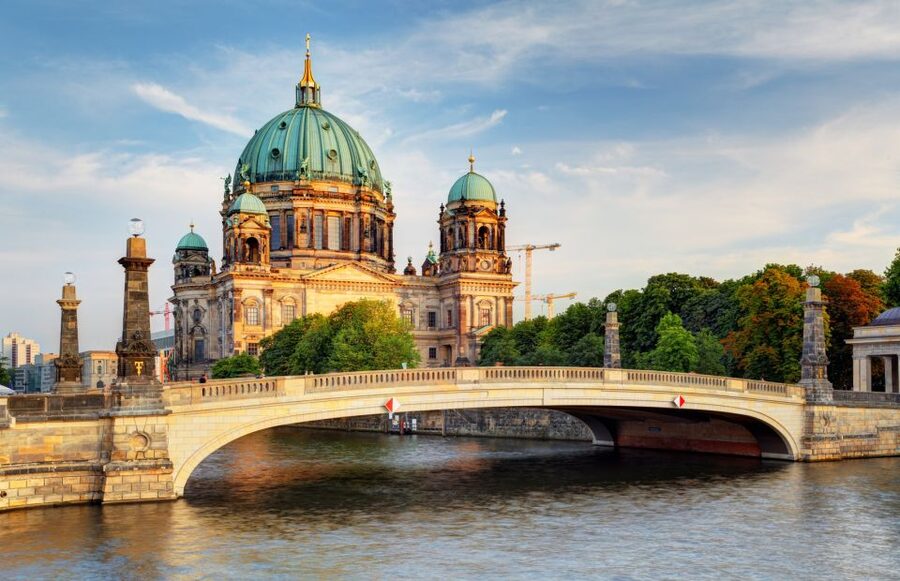
- The finish near Museum Island is useful: You end at Friedrichsbrücke, close to the cathedral, museums, and central transport connections.
- Weather matters: The tour runs in all conditions, so comfortable shoes, water, and weather protection are practical necessities.
Starting beside the Federal Chancellery
The meeting point is in front of the main entrance to the Paul-Löbe-Haus at Konrad-Adenauer-Straße 1, opposite the Federal Chancellery. Look for a TourguideMe guide. The tour runs daily at 10:00 a.m. and 2:00 p.m.
This is a smart starting point because you begin in the heart of present-day Germany. The Paul-Löbe-Haus and Federal Chancellery form part of the government district, where modern Berlin handles the business of a reunited country. Your guide sets the scene here before moving toward the older ceremonial center.
You should arrive ready to walk rather than expecting a bus or vehicle between sights. The route is mainly on foot, which means you see the gaps between monuments and get a better sense of how central Berlin fits together. It also means you need shoes that can handle several hours on city streets.
More City Highlights Walking Tours in Germany
- Berlin Historical Highlights Walking Tour
★ 4.9 · 657 reviews - Berlin: Walking Tour of the Top 10 Sightseeing Attractions
★ 4.7 · 150 reviews - Berlin Highlights in 2 Hours: Express Walking Tour
★ 5.0 · 120 reviews
Reichstag, Brandenburg Gate, and the city’s new political center
The Reichstag is one of Berlin’s essential sights, and the tour uses it to explain the German government and the city’s changing identity. You should expect an exterior visit and a guided explanation rather than entry into the building. The experience is about placing the Reichstag within the wider story of Berlin.
From here, the Brandenburg Gate brings the grandest visual moment early in the walk. It is one of the city’s most familiar symbols, but a guide gives it more meaning than a quick photograph can. You hear how the gate fits into Prussian Berlin, the divided city, and the celebrations that followed reunification.
I like this early section because it gives you a useful mental map. You see where political power sits today, then connect it with a monument that has witnessed major changes in German history. If you are new to Berlin, that context helps the later stops make more sense.
The Holocaust Memorial and the weight of Bebelplatz
The Holocaust Memorial requires a quieter pace. The guide explains the site and gives you free time to look around, which is important here. The rows of concrete blocks are not simply another photo stop. You need a moment to consider what the place represents.
Bebelplatz brings another difficult chapter of the Nazi period into the walk. It is associated with the book burning of 1933, and the guide explains how public space in Berlin can carry painful political memory. This stop is especially useful if you want more than military dates and famous buildings. It shows how ideology entered everyday civic life.
The tone matters. Berlin’s humor can make the tour lively, but these locations call for care. A good guide knows when to be light and when to let the subject speak for itself. The strongest guide experiences described here combine warmth with respect, rather than turning tragedy into entertainment.
Potsdamer Platz and the vanished Berlin Wall
Potsdamer Platz helps you see how quickly Berlin can change. Once divided and heavily damaged, it became a modern commercial center after reunification. Your guide uses the area to explain the physical and political effects of the Wall, then shows how the city rebuilt itself.
The Wall story continues through longer sections of the former border area. This is one reason the extended route offers more than a basic list of central sights. You learn not only where the Wall stood, but also how division shaped movement, neighborhoods, and daily life.
You should keep in mind that most of the Wall-related material is encountered outdoors. There is no promise of a long museum visit during this walk. The benefit is that you connect several places across the city instead of seeing one preserved fragment in isolation.
More City Highlights Walking Tours in Berlin:
- Berlin Highlights Private Guided Walking Tour
★ 4.5 · 89 reviews - Berlin : Must-see attractions Walking Tour
★ 4.8 · 83 reviews - Explore Berlin History and Highlights Sightseeing Walking Tour
★ 5.0 · 81 reviews - Historic Charleston Guided Sightseeing Walking Tour
★ 5.0 · 6,216 reviews
Checkpoint Charlie and the Topography of Terror
Checkpoint Charlie is one of Berlin’s best-known Cold War locations. It can feel heavily visited and commercial around the crossing, but the historical subject remains important. Your guide explains its role in the divided city and adds stories about the people, tensions, and political drama connected with the border.
The nearby Topography of Terror memorial stands on the former grounds of the Gestapo headquarters. This stop gives the tour a more serious Nazi-era focus. You should expect an outdoor explanation and an introduction to the memorial rather than a full exhibition visit.
The sequence from Checkpoint Charlie to the Topography of Terror works well. One stop deals with the Cold War border, the next with the Nazi machinery that came before it. Together, they show that Berlin’s twentieth-century story cannot be reduced to the Wall alone.
Martin-Gropius-Bau is included along this central route. It is a striking building and an important cultural landmark, though the tour does not include a museum admission. You will hear about the site as part of the city’s architecture and history while continuing on foot.
Gendarmenmarkt and the grandeur of Prussian Berlin
Gendarmenmarkt offers a change of mood. After the memorials and former border sites, you reach one of Berlin’s grandest squares, framed by the French Cathedral, German Cathedral, and Konzerthaus. The guide uses the setting to explain Prussian ambition, royal planning, and the city’s architectural growth.
This is a good place for photographs, but it is also a useful reminder that Berlin is not only a city of modern political history. Its older identity is tied to court life, public squares, music, religion, and state power.
You may find that the visit is more satisfying when you pause to compare the buildings rather than rushing from one viewpoint to the next. The schedule is tight, so use the guide’s explanation first and save longer photography for the moments when the group stops.
Unter den Linden, Bebelplatz, and the road toward Museum Island
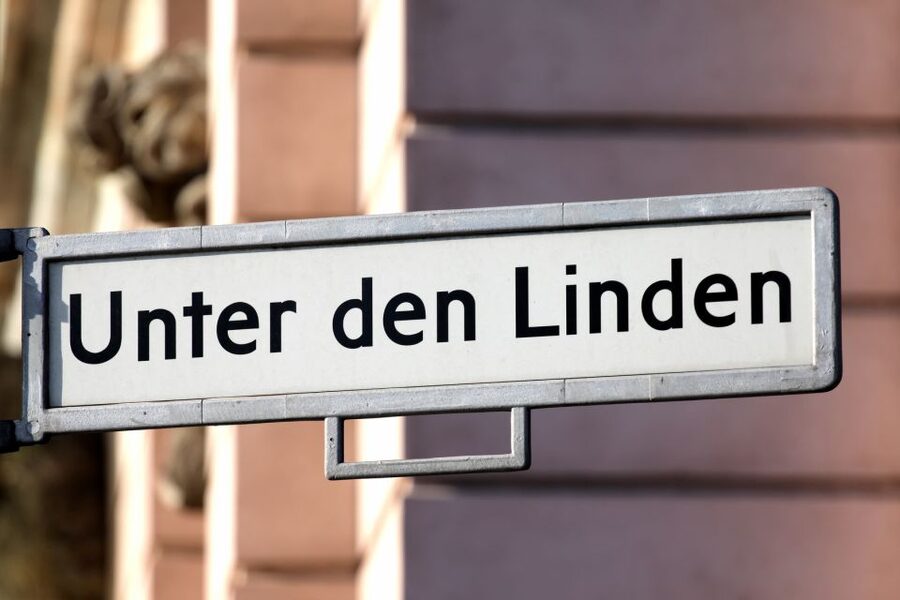
The walk continues along Unter den Linden, Berlin’s famous boulevard. This broad route links the old royal center with Museum Island and gives you a sense of how the city was organized around ceremony and power.
Along the way, the tour places Bebelplatz in its wider setting. The square is surrounded by important buildings, and the guide can connect the book burning with the university, royal, and civic institutions nearby. That local setting makes the event feel less like an isolated historical fact.
The itinerary also includes the New City Palace, rebuilt as the Humboldt Forum. The building represents Berlin’s effort to restore a major part of its historic center while giving it a new cultural role. You see how reconstruction, memory, and modern city planning overlap in central Berlin.
Lustgarten, Berlin Cathedral, and Museum Island
Lustgarten opens onto one of the most impressive central views. From here, the Berlin Cathedral and Museum Island form a strong architectural group, with the River Spree adding space between the buildings.
Berlin Cathedral is covered from the outside. You should not expect admission to the dome or interior as part of this experience, but the guide explains its place in Berlin’s religious and royal history. The exterior alone gives you plenty to look at, especially if you are interested in monumental architecture.
Museum Island is one of the tour’s most useful orientation stops. You learn where the city’s major museums sit and how they relate to the cathedral, river, and surrounding avenues. Alte Nationalgalerie is included in the route, though museum entry is not part of the walking tour.
If you plan to return to the museums, ask your guide for practical suggestions. The tour is designed to help you decide what deserves more of your time later, rather than trying to cover an entire collection in a few minutes.
What the guides add to the walk
The strongest part of this experience is the human explanation between the landmarks. The guides speak English, Spanish, or German, and the tone is intended to be informative without becoming formal. Berlin humor and personal anecdotes give the walk a local voice.
Carlos and Carlo receive particularly warm praise for combining historical skill with an easy manner. One guide had lived through the fall of the Wall, which added a personal connection to a major turning point. Max was described as warm and friendly, while Antonella was praised for creating an excellent experience.
Those details matter because three hours is a long time to listen while walking. A guide who can answer questions, notice when people need a pause, and adjust the conversation makes the distance easier. The tour can also run beyond three hours when the guide and group want to continue, though you should not count on extra time if you have a firm appointment afterward.
Price, pace, and who gets the best value
At $94 per person, this is not a budget stroll. It becomes better value when you consider the private or small-group format, the certified local guide, and the amount of ground covered. You are paying for interpretation, route planning, and local recommendations as much as for the monuments themselves.
The price is harder to justify if you already know Berlin well or prefer to explore at your own speed. You may also find the route too fast if you want long stops at every memorial or building. This is an orientation tour, not a full museum program.
I would choose it for a first or second day in Berlin. You get a strong overview, then you can return to the Holocaust Memorial, Topography of Terror, Museum Island, or another area with a clearer sense of place.
The tour is described as suitable for all ages and fitness levels, and it is wheelchair accessible. Still, six kilometers in three hours can be demanding, particularly in rain, wind, or cold. Bring water, wear comfortable shoes, and dress for the forecast. The tour runs in all weather.
Free cancellation is available up to 24 hours before the start, and you can reserve while paying later. Those terms help if your schedule is still shifting, but the key practical choice remains the walking distance and brisk timing.
Who should book this Berlin walk?
I would recommend it to first-time visitors who want to understand Berlin quickly. It also suits couples, families, small groups, curious locals, and anyone who prefers a guide who can connect politics, architecture, Nazi history, and the Cold War in one route.
It is especially useful if you want honest suggestions for food, nightlife, and neighborhoods after the walk. The guide can help you decide where to spend the rest of your stay instead of leaving you with a pile of disconnected facts.
I would hesitate if you want indoor attractions, extensive free time, or a slow photography tour. The route is full, and the city’s difficult history deserves more than a quick explanation in some places.
Final verdict: a strong first look at Berlin
Book this tour if you want a fast, serious, and personable introduction to central Berlin. The best reasons are the wide route, the mix of Nazi and Cold War sites, and guides who bring local experience and humor to the streets.
Skip it if you dislike long walks or would rather choose one museum and explore it thoroughly. For most first-time visitors with a reasonable walking pace, $94 buys a useful foundation for the rest of your Berlin stay.
FAQ
How long is the Berlin sightseeing walking tour?
The tour lasts three hours, or 180 minutes, and covers approximately six kilometers on foot.
Where does the tour begin?
It begins in front of the main entrance to the Paul-Löbe-Haus, opposite the Federal Chancellery, at Konrad-Adenauer-Straße 1 in Berlin.
Where does the tour finish?
The walk finishes at Friedrichsbrücke, near Museum Island and Berlin Cathedral.
What time does the tour start?
Tours are available daily at 10:00 a.m. and 2:00 p.m.
Which languages are available?
The live tour guide can conduct the experience in English, Spanish, or German.
Is the tour private or shared?
Private and small-group options are available.
What happens if the weather is bad?
The tour runs in all weather conditions. Comfortable walking shoes, water, and suitable weather protection are recommended.
Just added around Berlin
- Berlin Walking Tour★ 4.5 · 378 reviews
- Small Group Walking Tour of East Berlin with a French Guide★ 5.0 · 176 reviews
- Berlin Street Art Walking Tour – Off The Grid★ 5.0 · 270 reviews
- Berlin Highlights Private Guided Walking Tour★ 4.5 · 89 reviews
- Private Walking Tour: World War 2 and Cold War Sites in Berlin★ 5.0 · 230 reviews
- East Meets West: Berlin Food Culture & Street Art★ 5.0 · 157 reviews
- Kreuzberg Berlin: Off the Beaten Track PRIVATE Walking Tour★ 5.0 · 128 reviews
- The History of Berlin: WWII PRIVATE Walking Tour With Locals★ 5.0 · 209 reviews
City Highlights Walking Tours, compared.

Historic Charleston Guided Sightseeing Walking Tour
Read our review →
Dublin Highlights and Hidden Gems Guided Walking Tour
Read our review →
Guided Walking Tour of City Center Highlights
Read our review →

City Highlights Temple and Market Walking Tour
Read our review →
Montmartre Hidden Gems and Scenic Highlights Walking Tour
Read our review →
Browse the lists this tour appears in