
Review · FOOD WALKING TOURS
San Francisco: Chinatown Culinary Walking Tour
Come hungry, leave well fed. This three-hour walk through San Francisco Chinatown mixes generous food tastings with stories about Chinese culture, local shops, and the people who keep the district going. You move through streets, alleys, markets, bakeries, tea shops, and restaurants rather than simply viewing Chinatown from the sidewalk.
I especially like the chance to taste several kinds of food in one outing, including dim sum, pastries, fortune cookies, and tea. I also like the access to places many first-time visitors would miss, such as a Buddhist temple on an upper floor and small shops selling herbs, pottery, cookware, and ritual objects. The main thing to consider is the pace: some groups have found the walking and talking brisk, and the food portions can be so large that you may struggle to finish everything.
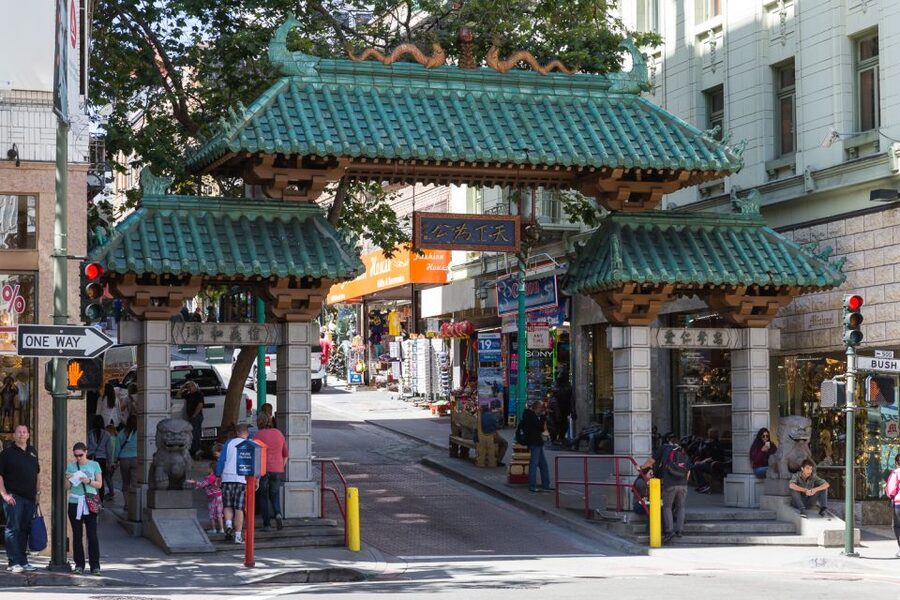
The meeting point is the Chinatown Gate at Bush and Grant streets. From there, an English-speaking guide leads you into a district that rewards curiosity. Guides such as Andre, Brian, Cynthia, Isabella, Scott, and Ryan have earned praise for their local knowledge, warmth, humor, and care with dietary needs. At $84 per person, this is not a cheap snack crawl, but the amount of food and the three hours of personal context make it a strong choice if you want more than a restaurant list.
Key points at a glance
- A full three-hour food walk: Plan this as a half-day activity, not a quick tasting stop.
- Come with an empty stomach: Tastings may include pastries, dim sum, moon cake, pork rolls, onion buns, fortune cookies, tea, and more.
- Chinatown beyond Grant Avenue: The route includes side streets, alleys, markets, tea shops, Buddhist sights, and specialist stores.
- A useful introduction for first-time visitors: The guide explains food, customs, local businesses, and San Francisco history as you walk.
- Dietary needs receive attention: Guides have worked to provide alternatives for vegetarian, gluten-free, no-pork, and other food preferences.
- Comfortable shoes matter: You walk for three hours, and at least one guide has been described as moving at a quick pace.
Starting at the Chinatown Gate on Bush Street
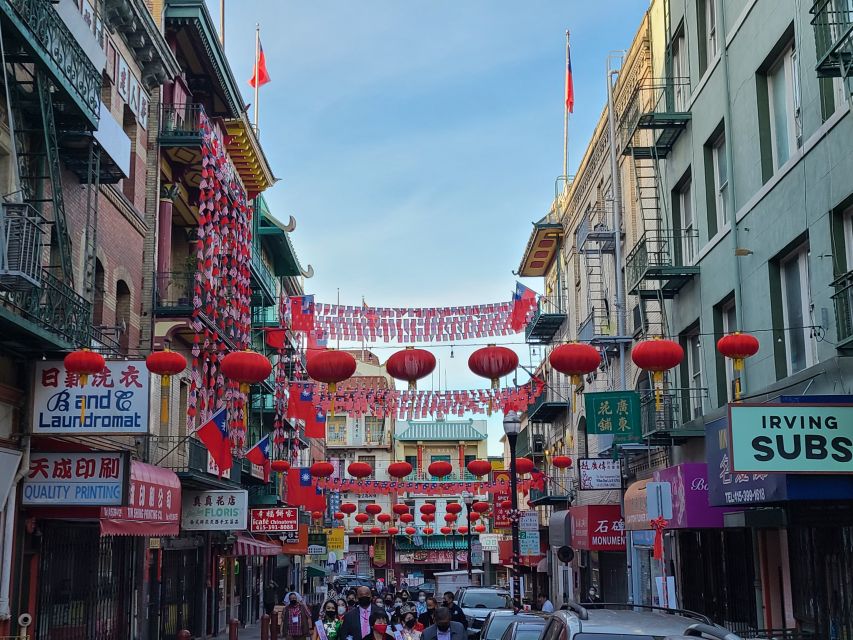
The tour begins in front of the Chinatown Gate at the corner of Bush and Grant streets. This is a practical meeting point, right at the edge of the district and easy to recognize. You meet your guide there before heading into the food shops and narrow streets beyond Grant Avenue.
The opening matters because Chinatown can feel confusing if you arrive without a plan. Grant Avenue is the familiar main street, but much of the useful detail sits in side lanes, upper floors, market windows, and small businesses that are easy to pass without noticing. A guide gives you a route and a reason to look closer.
Expect a walking tour rather than a series of long seated meals. You will stop often, listen to short explanations, taste something, and then continue. That format keeps the afternoon moving, but it also means you should wear shoes that can handle several hours on foot.
One practical warning: do not eat a large meal beforehand. The advice to arrive hungry is serious. The tastings are not tiny samples designed merely to tease your appetite. Several people have found there was more food than expected, and one person could not finish by the final stops.
More Food Walking Tours in the USA
- Little Havana Food and Walking Tour in Miami
★ 5.0 · 8,882 reviews - New Orleans Food Walking Tour of the French Quarter with Small-Group Option
★ 5.0 · 6,118 reviews - Savannah First Squares Culinary & Cultural Walking Food Tour
★ 5.0 · 3,229 reviews
Grant Avenue, Stockton Street, and Chinatown’s working streets
The route explores the area around Grant Avenue and Stockton Street, along with alleys and smaller lanes. This gives you two different views of Chinatown. Grant Avenue presents the district many visitors expect, with decorative storefronts, souvenirs, antiques, cookware, and traditional objects. Stockton Street and the side streets offer a stronger sense of everyday shopping, food supply, and neighborhood life.
You may see produce that is unfamiliar, along with herbs, teas, pottery, and goods used in Chinese cooking and religious practice. The point is not simply to label each object as exotic. A good guide explains how the items fit into food traditions, family life, or local commerce.
The walking also provides context for San Francisco beyond Chinatown. Guides have included references to nearby Little Italy and the wider city, making the tour useful if you want to understand how several districts fit together. It is not a full San Francisco city tour, but you receive more than a narrow lesson about restaurants.
The pace can be the only snag here. Andre was praised repeatedly for his humor and command of the subject, but one person found him fast in both speech and walking. If you like stopping for photographs every few minutes, you may need to tell the guide early. The route covers a lot of ground and aims to show you many places in three hours.
Tea shops, Chinese herbs, and the pleasure of asking questions
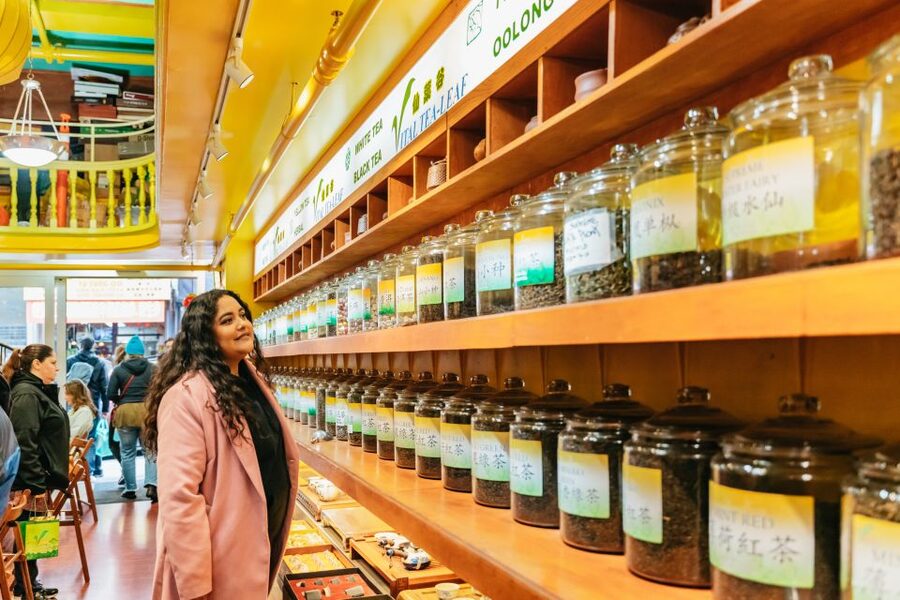
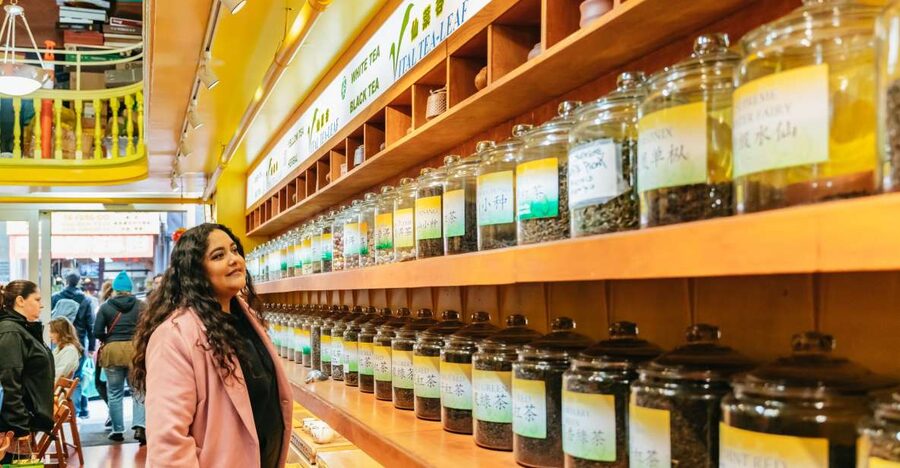
The tea tasting is one of the most praised parts of the experience. You visit a tea shop and learn about different varieties, aromas, and preparation. This is more useful than simply drinking a cup because the guide and shop staff can explain what you are tasting and why the teas differ.
The tour also introduces Chinese herbs and traditional ingredients through local vendors. You might see dried goods, roots, leaves, and other products that are unfamiliar if your kitchen experience has been limited to standard Western groceries. The guide helps turn a shop full of unusual containers into something you can understand.
I like this part because it slows the tour down. Food tours can become a race from one bite to the next. A tea stop asks you to pay attention to smell, texture, and preparation, while also connecting the food to older practices that are still present in the neighborhood.
Several people have singled out the tea tasting, including one person who especially enjoyed the session with Mae. The enthusiasm is understandable, though tea preferences are personal. If you are not a tea drinker, this may be more educational than thrilling. Still, it gives the afternoon a welcome change of pace.
Bakeries, dim sum, and a serious amount of food
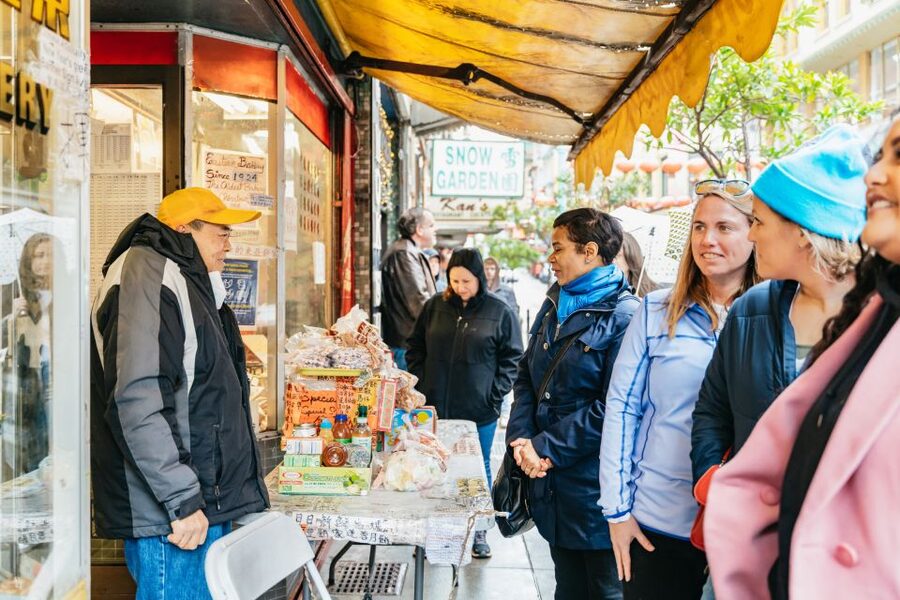
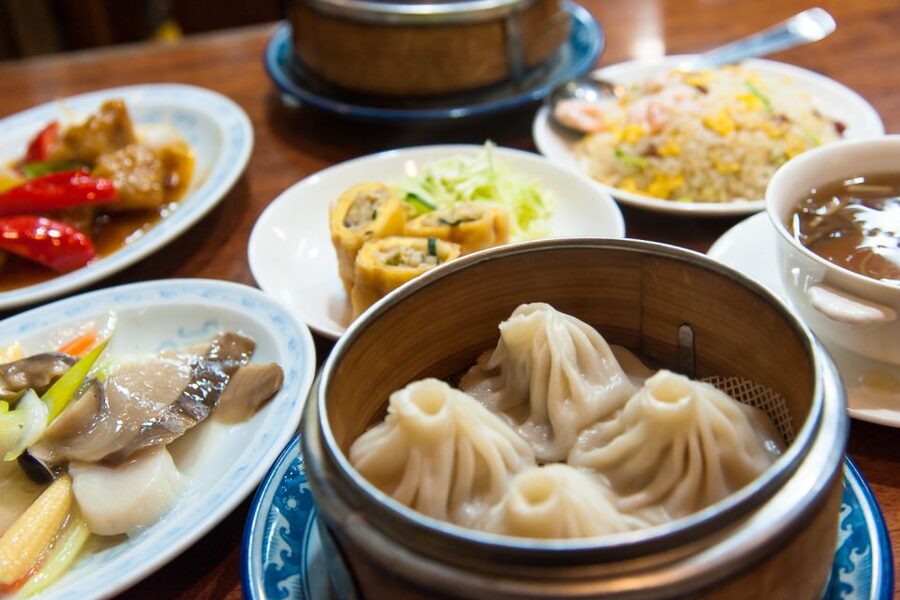
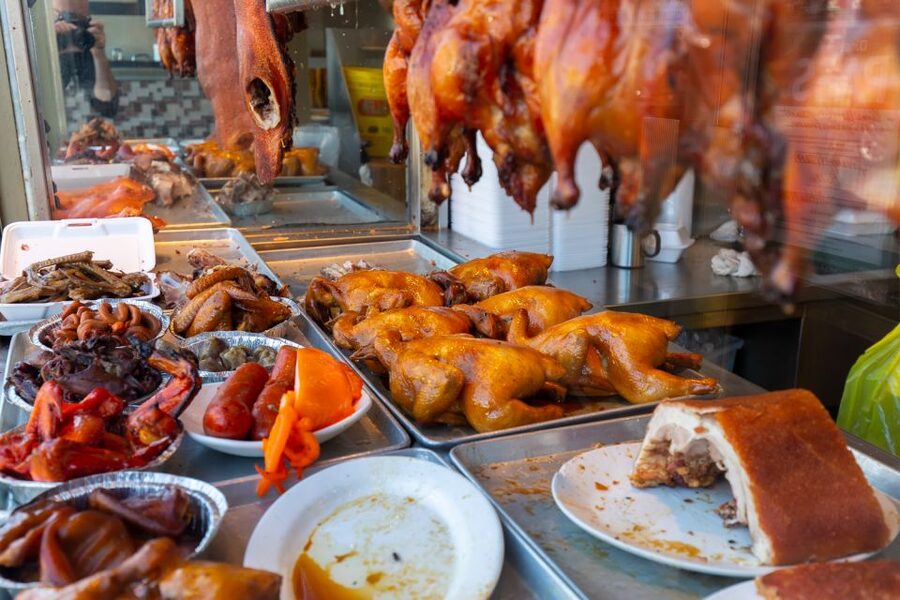
The food is the tour’s main draw, and the selection is broader than the title might suggest. You taste dim sum at the oldest Chinese bakery of its kind in San Francisco, along with pastries and other local specialties. Depending on the route and day, the food has included onion buns, pork rolls, moon cake, fortune cookies, and two seated food stops.
The bakery visit gives you more than a pastry in your hand. It connects the food to a long-running local business and shows how baked goods fit into Chinatown’s food culture. Moon cake may be unfamiliar to you, and the guide can explain its place in Chinese traditions. Fortune cookies offer a lighter stop, especially when you see them being made by hand rather than receiving one from a restaurant table.
The dim sum tasting is another reason to book this experience instead of simply walking around on your own. You can try a Chinese specialty without having to decode a menu, choose a restaurant, or order a full meal for the whole group. The tasting format also lets you sample more than one kind of food during the afternoon.
Portions vary, but the overall amount is substantial. One person described the tour as such good food value that it exceeded expectations. Another said the food was plentiful enough to make walking home difficult. I would treat the tour as lunch, or even a combined lunch and early snack, rather than a warm-up before dinner.
Food preferences are worth discussing with the guide at the start. Guides have made efforts to accommodate vegetarian, gluten-free, no-pork, and other needs. That does not mean every item will suit every diet, so you should be clear about restrictions before the first tasting. The care shown by guides such as Cynthia, Brian, Isabella, and Andre has been a consistent strength.
Same streets, a different way to see them:
- History and Hauntings of Salem Guided Walking Tour
★ 5.0 · 14,564 reviews - New Orleans Premier Ghost, Voodoo and Vampire Walking Tour
★ 4.5 · 12,856 reviews - Chicago: Gangsters and Ghosts Walking Tour
★ 5.0 · 7,155 reviews - Boston: Freedom Trail History Small Group Walking Tour
★ 5.0 · 6,450 reviews
Fortune cookies, markets, and the small details you would miss
Watching fortune cookies being made by hand is one of the tour’s more playful moments. It turns a familiar American-Chinese restaurant symbol into a physical process. You see the craft behind the item, then taste the result.
The markets add a different layer. You may encounter fresh produce, dried ingredients, herbs, and goods that are rarely seen in ordinary supermarket aisles. The value here comes from having someone explain what you are looking at. Without context, a market visit can become a quick parade of unfamiliar products. With a guide, you can ask questions and connect the ingredients to meals and customs.
The tour also takes you into shops with antiques, cookware, pottery, statuettes, and ritual objects. Some objects may be thousands of years old, according to the information provided during the experience. You are browsing rather than taking part in a formal museum visit, so do not expect detailed catalog-style interpretation of every item. The appeal is the combination of shopping, craft, and cultural explanation.
This is where the experience feels most different from a standard food crawl. You are not only eating restaurant dishes. You are seeing the tools, ingredients, decorative objects, and working businesses that give the neighborhood its character.
A Buddhist temple and one of San Francisco’s old cathedrals
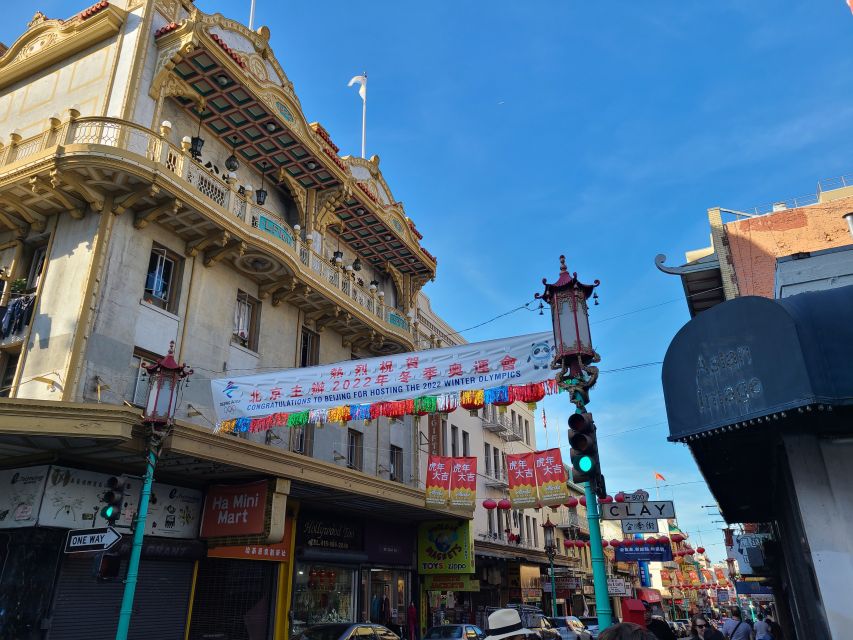
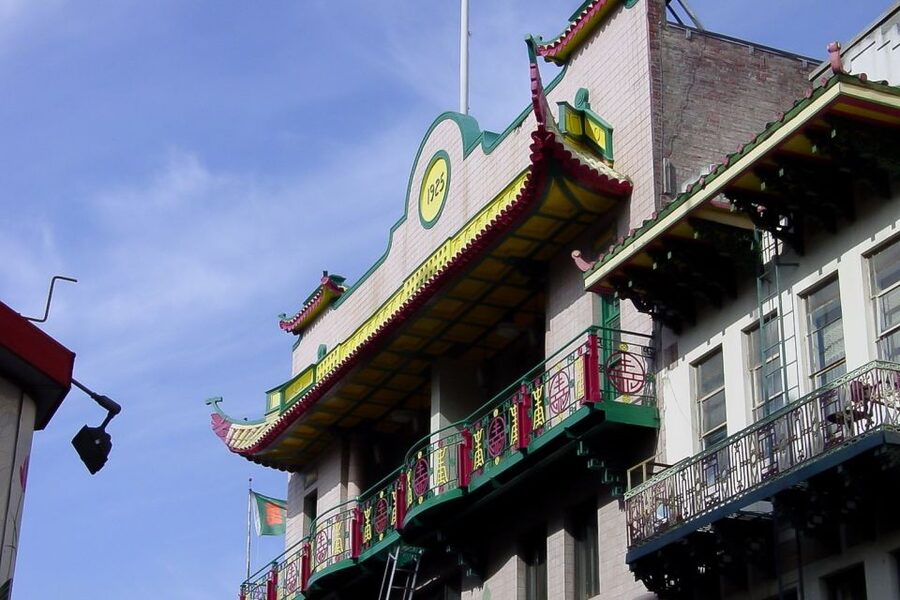
The cultural stops help balance the food. The route includes a Buddhist temple located on an upper floor, a place several people considered especially easy to miss without a guide. You also visit one of the city’s oldest cathedrals and have a chance to look inside.
The temple is a good example of why the route matters. You might pass the building without realizing what is above the street-level shops. Reaching the fourth floor, as one guide pointed out, requires awareness of the building and confidence that you are going to the right place. The visit adds a quiet pause to an otherwise busy walk.
The cathedral visit broadens the story beyond one religious tradition. Chinatown is not presented as a single, sealed-off attraction. The tour shows a district with different institutions, businesses, and layers of San Francisco life.
These stops are relatively brief compared with a dedicated religious or architecture tour. That is a fair trade for a food-focused afternoon. You get orientation and a look inside, but not a long lecture or extended time for private reflection.
The guides make the difference
The strongest part of this experience is the guide. Food can be good, but a guide determines if the route feels like a list of stops or a connected story.
Andre has been praised for explaining Chinatown, San Francisco, Little Italy, and the food with energy and detail. Brian is known for local connections, humor, and careful handling of dietary restrictions. Isabella has been praised for her warmth, stories, and ability to take people to places they would not find alone. Cynthia has received similar praise for making people comfortable and adjusting to food preferences.
Scott has been noted for keeping the historical material interesting while leading people through a generous food route. Ryan has also made a strong impression, with one person hoping to take another tour with him. These names matter because guide quality can vary on any scheduled walking tour, but the pattern here is unusually consistent.
The trade-off is that an engaging guide may talk quickly or cover a lot of material. If you need a slower pace, say so. The guides appear attentive to comfort and special needs, but they cannot know your limits unless you speak up.
Is $84 a fair price?
At $84 per person, the tour costs more than wandering Chinatown and buying one snack at a time. That comparison misses the main value, though. Your fee includes three hours of guiding, all food and drink tastings, access to a planned route, and explanations that help you understand what you are seeing.
The food quantity is a major part of the value. Dim sum, pastries, fortune cookies, tea, and other tastings can add up quickly if purchased separately. You also avoid the risk of ordering something unfamiliar without knowing what it is. For a first visit, the combination of food and orientation makes the price easier to justify.
I would be less enthusiastic if you already know Chinatown well, dislike group pacing, or prefer to choose every dish yourself. You may also find the price high if your main goal is a single meal. For most first-time visitors who want history, food, and local context in one afternoon, the cost is reasonable.
Flexible booking helps if your schedule is uncertain. You can reserve now and pay later, and cancellation is free up to 24 hours before the tour for a full refund.
Who will enjoy this Chinatown food tour?
This is a strong choice for first-time visitors who want a useful introduction without spending days researching restaurants and shops. It also suits curious eaters who enjoy trying unfamiliar pastries, teas, herbs, and dim sum in a guided setting.
Families and mixed groups may appreciate the range of stops. You are not locked into one long meal, and the mix of walking, sweets, tea, shopping, history, and religious sights keeps the afternoon varied. Food restrictions can often be handled with advance notice, though you should explain them clearly.
You may want another type of outing if you walk slowly, need long breaks, or dislike eating several times in a row. The tour covers a lot, and the generous tastings are both its biggest strength and its main physical challenge.
Should you book it?
Book this tour if you want Chinatown to make sense, not just look attractive. The combination of tea, dim sum, pastries, fortune cookies, markets, temples, shops, and local stories gives you a broad first look at the district in three hours.
Skip it if you want a quiet, self-guided afternoon or a single sit-down meal. For everyone else, arrive very hungry, wear comfortable shoes, tell the guide about dietary needs at the beginning, and expect a full meal’s worth of food. The 4.8 rating from 265 reviews fits the experience described here: the food is generous, the route is varied, and the guides are the reason the afternoon becomes memorable.
FAQ
Where does the San Francisco Chinatown Culinary Walking Tour meet?
The meeting point is in front of the Chinatown Gate at the corner of Bush and Grant streets.
How long does the tour last?
The walking tour lasts three hours. Starting times vary, so you should check availability when booking.
What food and drinks are included?
All food and drink tastings are included. Stops may feature dim sum, pastries, moon cake, onion buns, pork rolls, fortune cookies, and Chinese tea, although the exact selection can vary.
Should I eat before the tour?
You should avoid eating too much beforehand. The tasting portions are described as generous, and many people find the total amount of food substantial.
Is the tour suitable for dietary restrictions?
Guides have accommodated vegetarian, gluten-free, no-pork, and other food preferences. Tell your guide about your restrictions at the beginning so alternatives can be considered.
What should I bring?
Wear comfortable shoes. The experience lasts three hours and includes walking through Chinatown streets, alleys, shops, and food stops.
Just added around the USA
- Savor Bar Harbor Culinary Walking Tour in Maine★ 5.0 · 169 reviews
- Savor Bar Harbor Culinary Walking Tour★ 4.5 · 75 reviews
- 90-minute Ghost Walking Tour in Bar Harbor★ 4.5 · 161 reviews
- Baltimore Walking Foodie Tour in Fells Point★ 5.0 · 182 reviews
- The Original Fells Point Ghost Walk by Baltimore Ghost Tours★ 4.5 · 73 reviews
- The Story of Austin: Downtown History Walking Tour★ 5.0 · 216 reviews
- Austin Small Group Morning Walk★ 5.0 · 412 reviews
- The Madam’s Curse Walking Ghost Tour★ 4.5 · 103 reviews
Food Walking Tours, compared.
Reykjavik Food Walk – Local Foodie Adventure in Iceland
Read our review →
New Orleans Food Walking Tour of the French Quarter with Small-Group Option
Read our review →
Authentic Parisian Gourmet Food Tour with 10 Local Dishes & Wines
Read our review →
Tapas Walking Tour with Food, Wine, and History
Read our review →
Browse the lists this tour appears in