
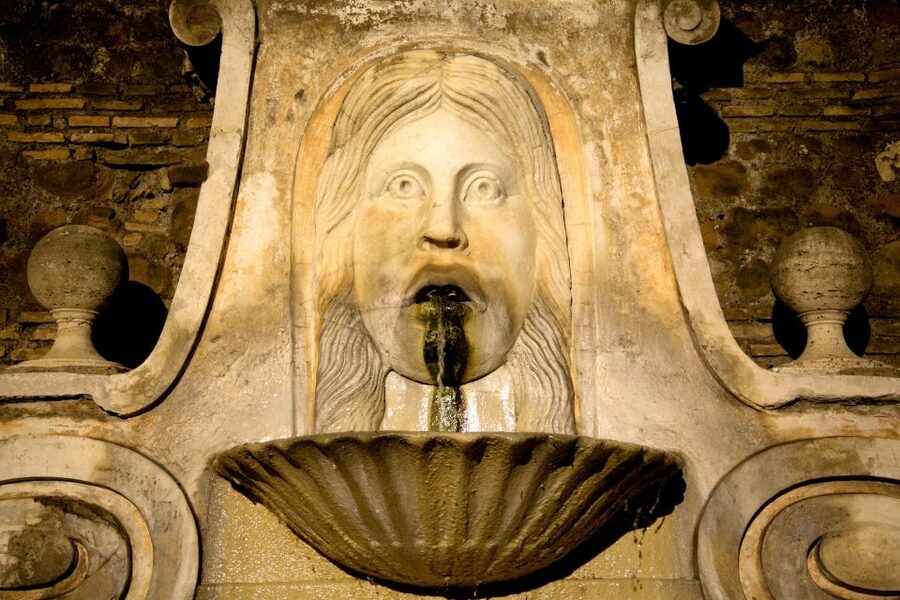
Review · CRIME AND MYSTERY WALKING TOURS
Dark Heart of Rome – Facts, Legend & Mystery Walking Tour
Rome gets stranger after sunset. The Dark Heart of Rome tour trades the usual ancient monuments for morbid legends, ghost stories, and overlooked details in the historic center. I like its evening timing, which gives you Rome under streetlamps rather than harsh midday sun, and I like the way the stories add context to places you may otherwise pass without a glance. The $14 price is also easy to justify.
The main consideration is the walking. The route lasts 90 minutes, includes winding streets, and ends at Castel Sant’Angelo, so it is not a sit-down storytelling session. The supernatural material may also be more entertaining than frightening, and one past participant specifically noted that there were no ghosts, only plenty of unusual history.
Key points to know before booking
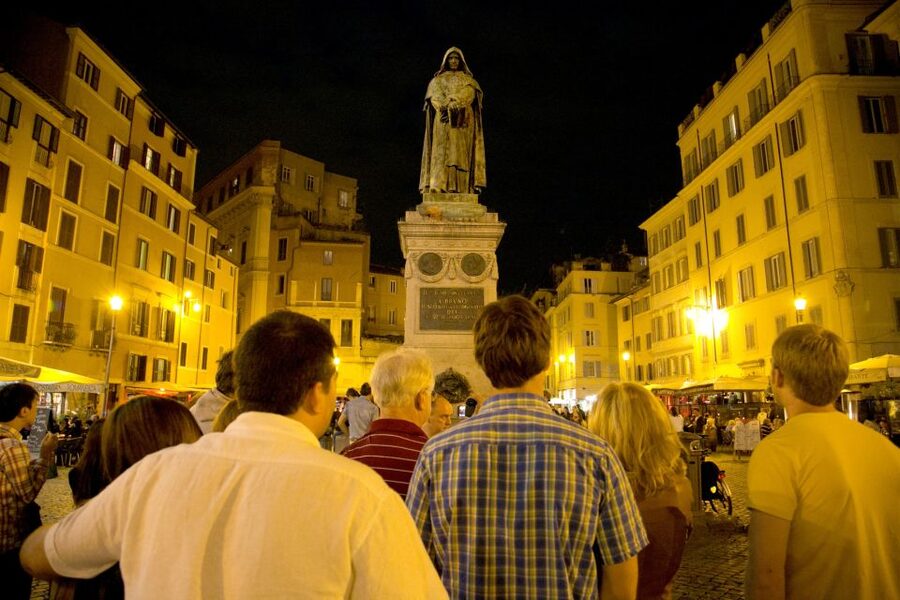
- Starts at Sant’Andrea della Valle: Meet on the church steps near Largo di Torre Argentina, then head through central Rome toward the Tiber.
- Rome after dark: The route includes Campo de Fiori, Via Giulia, Piazza Farnese, and Castel Sant’Angelo, all seen in a more atmospheric setting.
- Stories take center stage: Expect dark characters, crime, strange legends, supernatural tales, and lesser-known pieces of Roman history.
- Strong guide-led experience: Guides such as Rob, Alethea, Alberto, Inti, and Blitch earned particular praise for expressive storytelling and humor.
- Good value at $14: For 90 minutes with an English-speaking guide, the price is modest, especially if this is your first evening in Rome.
- Plan for a walk home: The tour finishes at Castel Sant’Angelo, with public transport and taxis available nearby.
Why Rome after sunset changes the whole walk
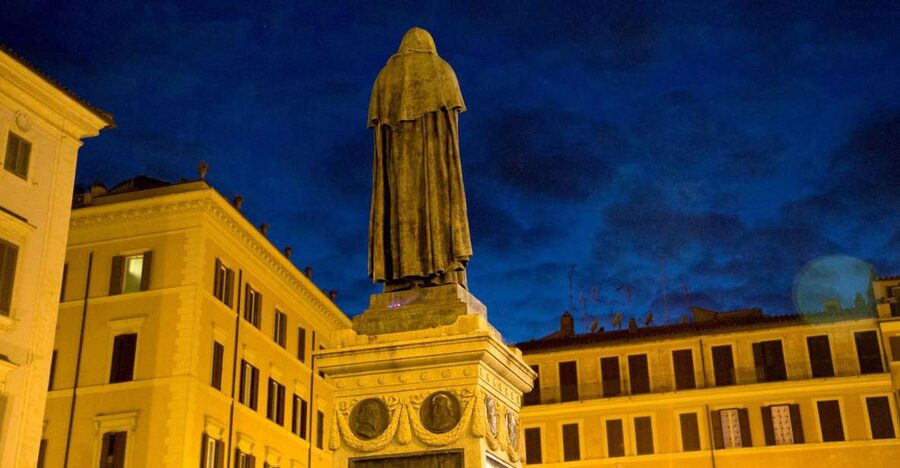
Rome can feel like two cities. During the day, the big attractions pull you toward queues, crowds, and the familiar facts about emperors, popes, and artists. At night, the same lanes can feel quieter and more suggestive. That shift is the main appeal here.
This is not a standard highlights tour with a long list of construction dates. It uses Rome’s darker side as a way to tell stories about power, punishment, scandal, crime, belief, and people whose behavior was far stranger than a textbook usually admits.
I like that approach because it gives you a reason to look closely. A church façade, a narrow lane, or a small architectural detail may become part of a story. The tour also gives you a useful orientation to the central city during your first evening. Several people who took it early in their stay found that the walk helped them notice places and details later in the trip.
The mood is usually more playful than terrifying. The best guides use humor to keep the darker material from becoming grim. Rob was repeatedly praised for his lively delivery, while Alethea was singled out for clear English, enthusiasm, and a talent for keeping the group involved. Inti was appreciated for his charismatic manner and dark sense of humor. Your guide will vary, but the experience depends heavily on that person’s timing and storytelling.
More Crime and Mystery Walks in Rome:
- Rome by Night Walking Tour – Legends & Criminal Stories
★ 4.5 · 1,003 reviews - Ghosts, Legends & Mysteries of Rome Tip-Based Walking Tour
★ 4.7 · 284 reviews - Rome Night Mysteries Guided Walking Tour
★ 4.9 · 119 reviews
Starting at Sant’Andrea della Valle
The meeting point is the steps of the Church of Sant’Andrea della Valle on Corso Vittorio Emanuele II. It is about 150 meters from Largo di Torre Argentina, on the left as you walk toward the Tiber, beside Piazza Vidoni and Piazza Sant’Andrea della Valle.
This is a practical starting point because it sits in the middle of Rome’s historic center. You can reach it from several well-known areas on foot, though you should allow time to find the church and the guide. Bring your voucher and arrive ready to walk.
The church itself provides a fitting opening setting. You are not beginning in a bland meeting area or outside a modern transport hub. You start among monumental buildings and old streets, where the evening atmosphere is already part of the experience.
The guide then sets the tone. Expect an English-language presentation built around Rome’s unusual stories rather than a formal lecture. Past guides have encouraged questions, interacted with people in the group, and made an effort to keep the walk social. That matters because a story told well in a dark lane depends as much on delivery as content.
Campo de Fiori and Rome’s less comfortable stories
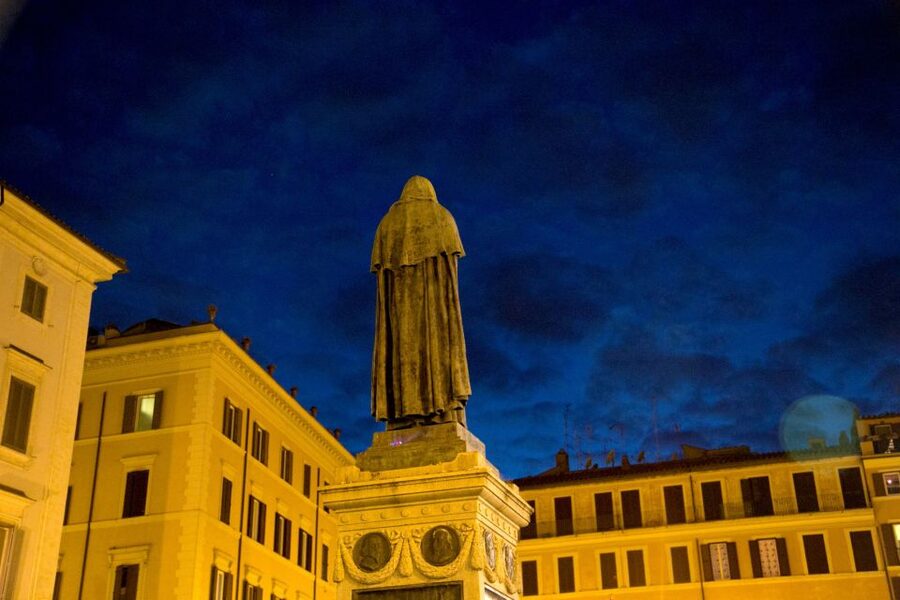
Campo de Fiori is one of the most recognizable stops on the route. By day, it is associated with its market and central location. At night, the square takes on a different character, and its history provides plenty of material for a tour about public punishment, controversial figures, and the darker side of Roman life.
The value here is not simply seeing another famous square. You get a different frame for a familiar place. Instead of treating Rome as a collection of beautiful façades, the tour asks you to consider what happened in these public spaces and how stories of fear, faith, power, and spectacle became part of the city’s memory.
This section can be emotionally heavier than the lighter ghost tales. Some of the stories are sad or disturbing, although the guides generally balance them with jokes and relaxed commentary. If you want only cheerful sightseeing, this is not the right evening activity. If you enjoy true crime, strange historical personalities, and the parts of the past that are usually softened, Campo de Fiori is likely to be one of the strongest portions.
Corso Vittorio Emanuele II and the winding lanes
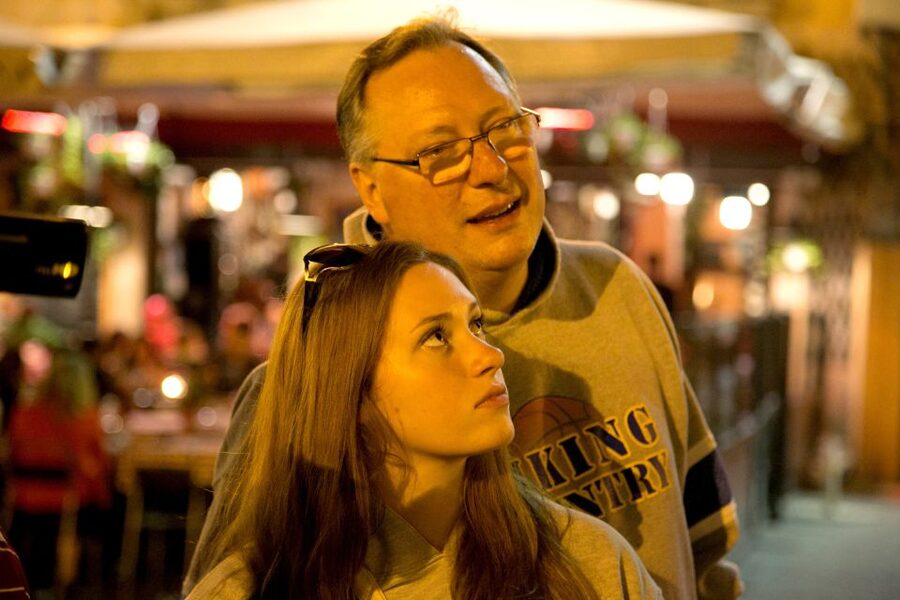
From the central area, the walk continues through streets including Corso Vittorio Emanuele II and Via del Governo Vecchio. These sections help connect the major stops, but they are not filler. The guide uses the route to point out details and tell stories that you might miss while walking alone.
Via del Governo Vecchio is especially suited to the tone of the tour. Its older urban fabric and winding course feel less formal than Rome’s grand avenues. The group moves through the city rather than simply stopping at monuments, which gives the experience a more local rhythm.
You should not expect every story to be a proven supernatural event. The appeal comes from the way facts, local legends, and old beliefs overlap. A good guide makes clear enough what belongs to documented history and what belongs to folklore, while still allowing the tale to work its magic.
That mixture is also why the tour suits curious people who are not committed ghost hunters. You can enjoy it as unusual social history, as a spooky evening walk, or as an introduction to Rome’s old stories. One person even spent time checking some of the tales afterward, which says something about how effectively the tour can send you back to your phone or guidebook with new questions.
A few more walks around Rome worth a look
- Rome: Guided Food Walking Tour with Wine in Trastevere
★ 4.9 · 3,105 reviews - Rome: Trastevere & Campo de Fiori Street Food Walking Tour
★ 4.9 · 2,768 reviews - Rome: Paranormal Night Walking Tour & Secret Backstreets
★ 4.9 · 1,921 reviews - Rome: Trastevere Street Food Walking Tour with Local Expert
★ 4.8 · 1,784 reviews
Via Giulia, Piazza Farnese, and the art of atmosphere
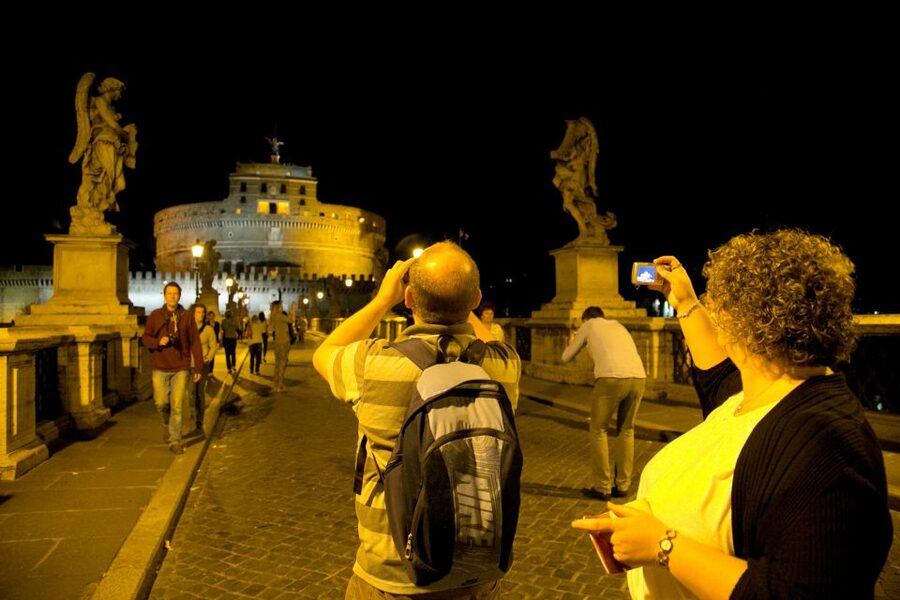
Via Giulia and Piazza Farnese bring a grander side of Rome into the route. These places are beautiful, but the tour does not treat beauty as the whole story. The nighttime setting lets the guide contrast elegant architecture with accounts of violence, secrecy, odd behavior, and supernatural belief.
Piazza Farnese is a strong location for spoken storytelling because it gives the group room to pause while remaining close to the narrow streets. You may find yourself paying attention to the space in a different way after hearing how the city’s powerful families and dramatic personalities shaped it.
The route’s best feature is this contrast. Rome can look polished and theatrical, yet its history is full of ordinary fear and extraordinary cruelty. The tour places those two sides next to each other without turning the city into a theme park.
The guides also seem to understand that a 90-minute walk needs variety. Stories shift between historical characters, ghostly accounts, crimes, myths, and odd facts. That range keeps the mood from becoming repetitive. Reviews repeatedly praised the guides for making people laugh, asking questions, and maintaining energy through the whole route.
Finishing near Castel Sant’Angelo
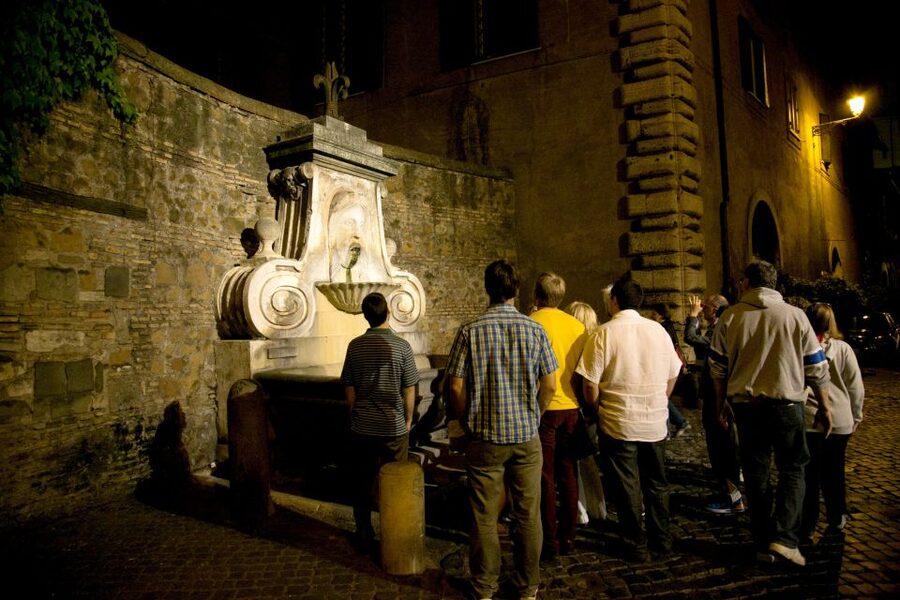
The tour ends at Castel Sant’Angelo. You do not enter the castle as part of this activity, so think of it as the final landmark and a useful endpoint rather than a museum visit.
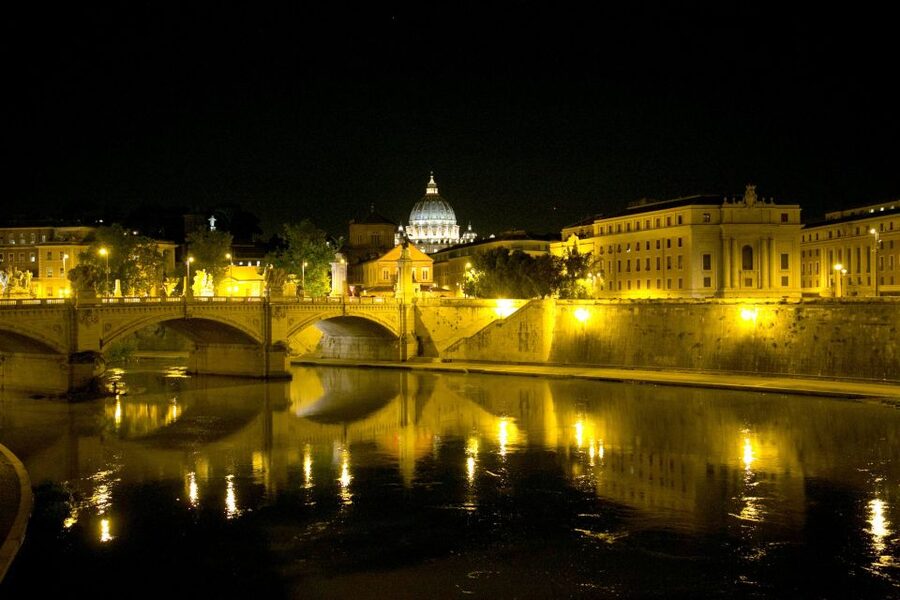
This is a satisfying place to finish. Castel Sant’Angelo has its own imposing nighttime presence, and reaching it gives the walk a clear sense of progress. It also puts you near the Tiber and within reach of public transport and taxis.
The endpoint can shape your evening plans. If you want dinner or a drink afterward, arrange that before the tour or use the route to decide where to continue. You should not assume you will finish back at the starting church.
The walk between the final stops also means you need sensible footwear. Comfortable shoes are strongly recommended. The tour is not described as physically extreme, but 90 minutes on Rome’s streets can be tiring, particularly after a full day of museums and monuments.
What the guides do best
This activity rises or falls on the guide. The route is appealing, but the stories need pace, clarity, and a little theatrical skill.
Rob received especially strong praise for his expressive delivery, friendly manner, and ability to involve individual people in the group. He was also credited with making the material funny without losing its darker edge. Alethea was praised for her clear English, enthusiasm, and ability to maintain attention. Alberto was described as interactive and relaxed, with a good balance between sad material and humor.
Other guides named in positive feedback include Inti, Blitch, Ricardo, Giacomo, Giacone, Matteo, Max, Sabrina, and Roberto. This does not mean every guide will use the same style or tell every story in exactly the same way. It does show that the provider has a broad pool of guides who have made a strong impression.
A useful detail is that one person specifically appreciated not needing an audio system because the guide spoke clearly. That will not matter to everyone, but it suggests the experience is built around direct contact rather than a recorded commentary.
The guides also sometimes offer suggestions for local food and other sights. Treat that as a helpful extra, not a guaranteed part of the formal program.
Is $14 good value for 90 minutes?
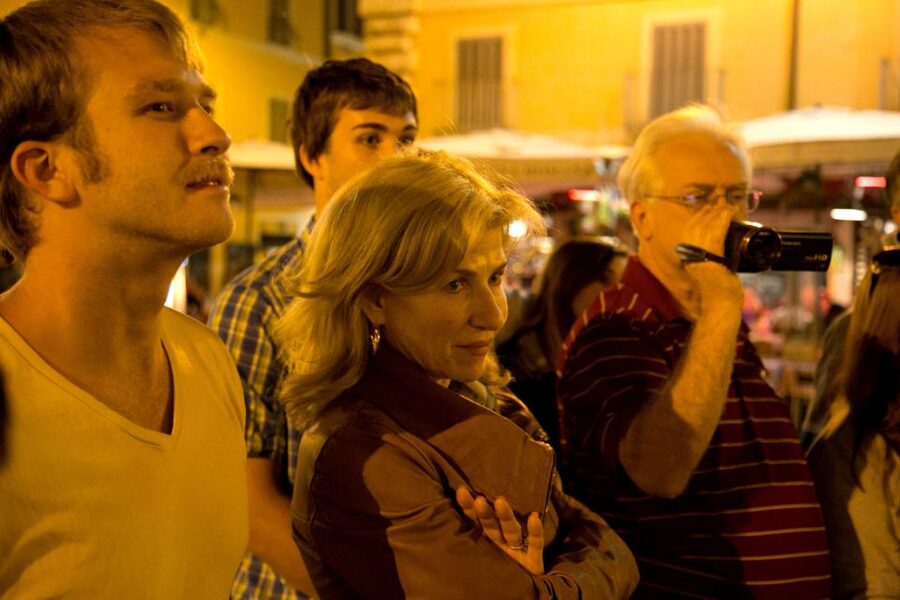
Yes, provided you want a guided evening walk rather than access to a major monument. At $14 per person, the tour costs less than many sightseeing activities in Rome, yet gives you a live English-speaking guide, a planned route, and a theme that differs from the usual ancient Rome circuit.
The value is strongest if you are new to the city. The route helps you get your bearings, introduces streets you might revisit in daylight, and gives you stories that can add meaning to later walks. It also fills a useful evening slot after museums close.
The value is weaker if you dislike walking, prefer academic historical tours, or expect a guaranteed ghost sighting. The experience is designed to entertain and stimulate the imagination. It mixes fact and legend rather than presenting a purely scholarly account.
The activity allows free cancellation up to 24 hours before the start and offers reserve-now, pay-later booking. Those policies are useful if your Rome schedule is still changing, though the main decision should be based on your interest in the subject and comfort with the walk.
Who should book this Rome night tour?
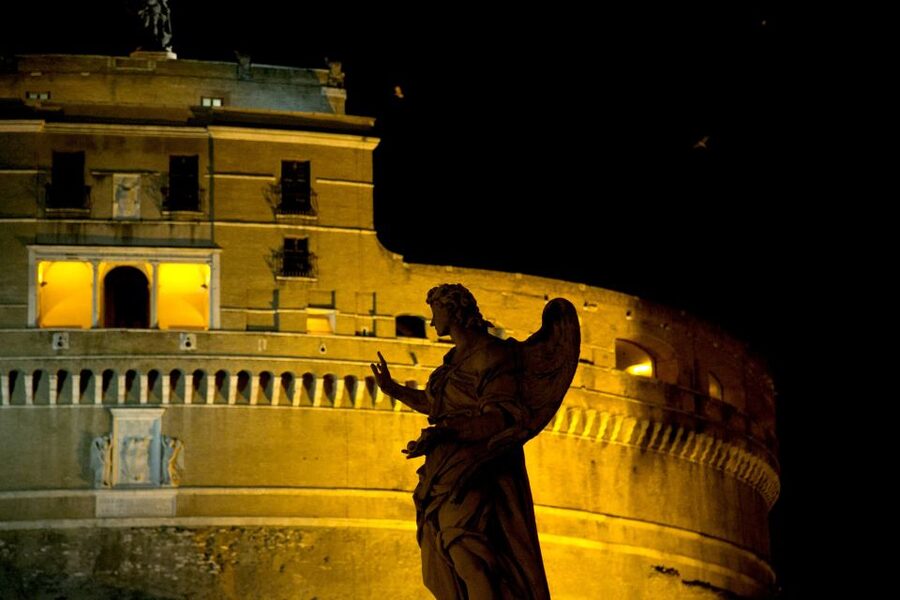
I would recommend it to adults, older children, and teenagers who enjoy dark history, unusual characters, true crime, ghost stories, and urban legends. It also works well for people who have already seen the major monuments and want a different way to read the city.
It is a smart first-night activity if you want a gentle orientation to the historic center. It is also a good final-night choice because the atmosphere matters more than ticking off another major sight.
You may want to skip it if you need step-free access, use a wheelchair, or are traveling with a stroller. The provider cannot accommodate wheelchairs, mobility impairments, or baby strollers, and the walk includes enough distance that comfortable shoes are important.
Families should consider the age and temperament of their children. The tour is not presented as a horror attraction, but the material includes murder, cruelty, disturbing historical figures, and supernatural tales. Children who like spooky stories may enjoy it. Sensitive children may not.
Should you book the Dark Heart of Rome tour?
Book it if you want Rome’s stories rather than only Rome’s monuments. The tour offers an atmospheric route, a low price, and a welcome change from standard facts about buildings and dates. Its strongest feature is the guide’s ability to turn dark material into an entertaining evening walk.
Skip it if you want a serious academic lecture, a short stroll with many seated breaks, or a guaranteed paranormal encounter. The ghosts may remain uncertain, but the history, legends, humor, and nighttime streets make this a worthwhile $14 addition to a Rome itinerary.
FAQ
How long does the Dark Heart of Rome tour last?
The tour lasts 1.5 hours, or 90 minutes.
What language is the tour conducted in?
The tour is conducted in English with a live English-speaking guide.
Where does the tour begin?
The meeting point is on the steps of the Church of Sant’Andrea della Valle on Corso Vittorio Emanuele II, about 150 meters from Largo di Torre Argentina.
Where does the tour finish?
The tour ends at Castel Sant’Angelo. Public transport and taxis are available from the area.
What places are included on the route?
The route includes Campo de Fiori, Corso Vittorio Emanuele II, Via del Governo Vecchio, Via Giulia, Piazza Farnese, and Castel Sant’Angelo.
Is the tour suitable for wheelchair users or strollers?
No. The provider cannot accommodate wheelchair users, people with mobility impairments, or baby strollers. Comfortable shoes are recommended because the tour involves a fair amount of walking.
Just added around Rome
- Rome: Colosseum and Ancient Rome Guided Walking Tour★ 4.5 · 95 reviews
- Rome: Trevi Fountain, Spanish Steps & Pantheon Walking Tour★ 4.6 · 336 reviews
- Rome: Guided Walking Tour and Pantheon Priority Entry Ticket★ 4.3 · 317 reviews
- Rome Walking Tour: Pantheon, Trevi, Navona & Hidden Gems★ 4.8 · 501 reviews
- Rome: Trastevere Food Walking Tour with Beer and Wine★ 4.9 · 71 reviews
- Rome Trastevere Walking Food Tour★ 4.8 · 97 reviews
- Rome: Underground Trastevere Guided Walking Tour★ 4.8 · 87 reviews
- Rome: Relics from the Passion of the Christ Walking Tour★ 4.9 · 84 reviews
Crime and Mystery Walking Tours, compared.
Ghost Walking Tour Where Legends Come To Life
Read our review →
Edinburgh Darkside Walking Tour: Mysteries, Murder and Legends
Read our review →
New Orleans Adults-Only True Crime and Ghost Walking Tour
Read our review →
Mysteries and Murders of Salem Guided Night-Time Walking Tour
Read our review →
Ghosts and Legends Nighttime Guided Walking Tour
Read our review →Browse the lists this tour appears in