
Review · HISTORY WALKING TOURS
A History of Terror – Belfast City Centre Walking Tour
Belfast’s past is close beneath your feet. This 2.5-hour walking tour connects city streets, memorial art, former trouble spots, and political turning points in a way that makes the past easier to grasp. I like the clear route from City Hall to the River Lagan, and I like that guides such as James, Mylie, Anne, Róisín, and Rory bring both historical facts and personal memories to the story.
The tour is also praised for its balanced treatment of The Troubles, rather than pushing one political line. The main drawback is that you spend more time standing and listening than steadily walking, and the subject can be painful. One faulty headset also caused a serious problem for a large group, though headsets are normally supplied.
Key things to know before you book
- The tour covers about 1.5 miles: Belfast city centre is flat, with no hills or steps on the route.
- The story begins at City Hall: You get the political and religious background before reaching the most difficult events.
- Personal memories add weight: Several guides, including Anne and Róisín, grew up during The Troubles and share firsthand recollections.
- The Cathedral Quarter provides contrast: Modern bars, street art, and nightlife sit beside stories from the years of violence.
- The group can reach 25 people: Headsets help you hear, but stay close if you want the best connection with the guide.
- The ending is hopeful, not tidy: The Beacon of Hope gives the guide a place to discuss peace, uncertainty, and Belfast today.
Why this Belfast walking tour matters
If you know little about Northern Ireland, Belfast can be hard to read at first. The streets look ordinary. Shops fill Donegall Place. Cafés and bars occupy the Cathedral Quarter. Public art brightens the waterfront. The signs of conflict are often subtle, while the political story behind them is not.
This tour gives you a useful framework. It explains the long relationship between Britain and Ireland, the religious and political divisions that hardened over time, and the events that led to The Troubles in the late 1960s. From there, you move through specific places tied to bombings, shootings, policing, public fear, and the slow road toward peace.
I especially value the way the tour links major events to everyday life. You are not only hearing about governments, armed groups, or agreements. You are also hearing what it meant to walk through town, use a nightclub, pass a police station, or live with security barriers and sudden violence.
The guides vary, but the strongest performances share three qualities: solid command of the subject, a calm tone, and an ability to explain difficult issues without turning the walk into political theatre. James is repeatedly praised for energy and clear storytelling. Mylie is described as engaging and fair-minded. Anne and Róisín bring memories of growing up during the conflict. Those personal accounts can make the facts feel immediate, but the tour still aims to give both sides enough context for you to form your own view.
More History Walking Tours in the UK
- Belfast: A History of Terror Walking Tour
★ 4.9 · 854 reviews - Belfast: Best of Belfast History, Culture & Art Walking Tour
★ 4.9 · 158 reviews - Belfast Walking Tour with a Local – History & Craic
★ 4.9 · 130 reviews
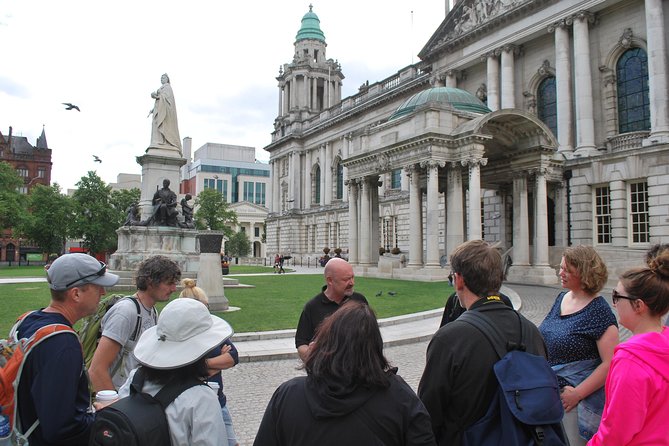
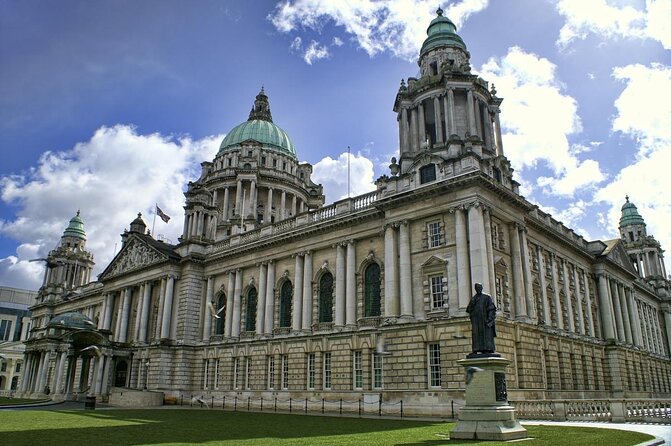
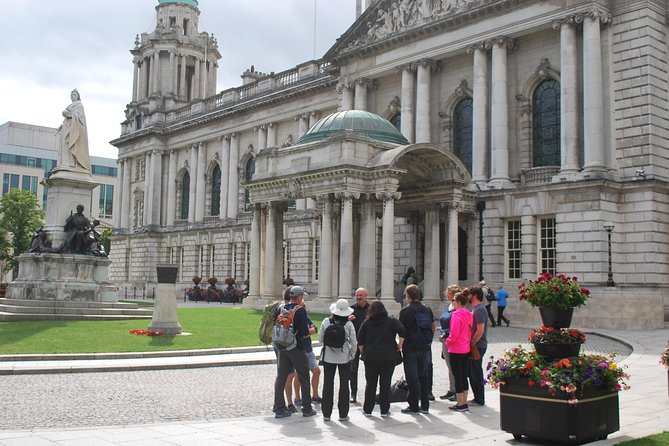
Starting at Belfast City Hall
Meet at Belfast City Hall at 10:30 a.m. The opening takes place in the grounds, where the guide sets out the basic story of Northern Ireland and explains how tensions developed before The Troubles began in the late 1960s.
This first 20 minutes is important. Without it, later stops could feel like a string of grim locations with no clear connection. Instead, you get an outline of the centuries-old relationship between British and Irish identities, along with the religious and political divisions that shaped Belfast.
The guide also explains why the conflict is not simply a story of two religions. Catholic and Protestant identities often overlapped with different national and political aims, but the issues also involved civil rights, government, policing, territory, and competing ideas about Northern Ireland’s future.
You should expect to stand during much of the introduction. There may be places to sit if the weather is kind, but this is not a museum talk with a chair waiting at every stop. Wear shoes you can stand in comfortably.
Donegall Place and the security of ordinary streets
Donegall Place is now a central shopping street. That normal appearance is part of the point. Your guide discusses a nightclub bombing in 1971, the deaths and injuries connected with the attack, and the events that followed.
This is where the tour begins to show how quickly daily life changed. A familiar shopping area became part of a city shaped by fear, searches, checkpoints, and security measures. The guide also explains the introduction of the Ring of Steel, the name given to the system of barriers and controls placed around Belfast city centre.
For you, this stop offers a useful lesson in reading the modern city. A shopfront or pedestrian street may not reveal what happened there. The tour gives those places a second layer without pretending that the past has disappeared.
The subject is distressing. This is not a light city orientation walk with a few dramatic anecdotes added for effect. You will hear about death, political violence, and the impact on ordinary people. The presentation is generally described as careful and non-sensational, but you should still decide if this is the right subject for your first morning in Belfast.
Castle Lane and the city at the height of The Troubles
At Castle Lane, the tour moves through a busy pedestrian area and considers what life was like during the worst years of the conflict. The guide discusses a specific event that remains strongly remembered in Belfast.
The value here is the contrast between present and past. You may be surrounded by ordinary city activity, yet the guide is describing a time when public places carried a different meaning. A walk into town was not always casual. Security concerns shaped routes, routines, and expectations.
This section is less about a single grand monument and more about understanding how violence affected the city as a whole. You hear how the conflict entered public life rather than remaining confined to distant political debates.
The advertised walking distance is about 1.5 miles, but the pace is not brisk. You will move between stops, then pause while the guide speaks. One useful detail from the experience is that the tour can feel like more standing and listening than walking. That suits anyone who wants explanation, but it may disappoint you if you expect constant movement.
More History Walking Tours in Belfast:
- History and Hauntings of Salem Guided Walking Tour
★ 5.0 · 14,564 reviews - Lisbon: History, Stories and Lifestyle Walking Tour
★ 4.8 · 10,902 reviews - Boston: Freedom Trail History Small Group Walking Tour
★ 5.0 · 6,450 reviews - Historic Charleston Guided Sightseeing Walking Tour
★ 5.0 · 6,216 reviews
The Spirit of Belfast and the chain of events
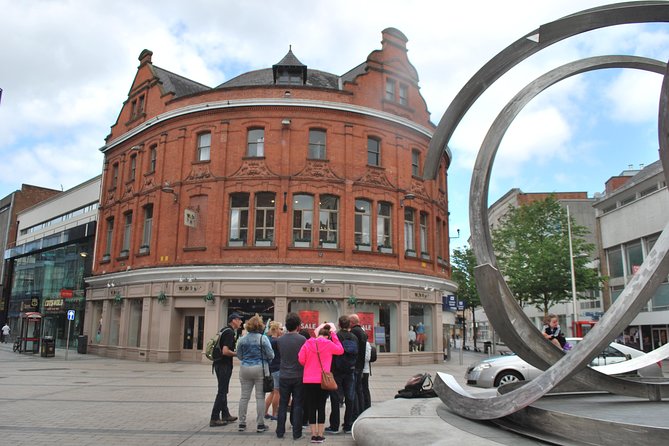
The Spirit of Belfast is a public artwork near the city centre. Its rounded metal form has earned it the local nickname the Onion Rings. The sculpture is meant to suggest resilience, and it provides a fitting setting for a darker part of the story.
Here, the guide describes events that began in a nearby bar in 1971 and helped push Northern Ireland into a rapidly worsening period of violence. The location gives the discussion a strong sense of place. You are not only memorizing dates. You are seeing how a particular part of Belfast connects to the wider escalation.
This stop also shows why the tour works best with a good storyteller. The facts are difficult, but the guide has to explain cause and effect without suggesting that one incident alone explains everything. The strongest guides keep the narrative clear while acknowledging the many forces at work.
The supplied headsets are useful here and throughout the tour. With a group of up to 25 people, you may not always be standing beside the guide. The equipment lets you hear while looking at the surrounding streets. Still, check that your headset works at the start and speak up quickly if it does not. One participant reported losing the guide’s audio halfway through and missing much of the rest of the talk. That appears to be an equipment failure, not a normal feature, but it is worth being practical.
The Cathedral Quarter after the violence
The Cathedral Quarter is the tour’s most striking change of mood. Today, its streets and lanes are associated with art, bars, culture, and nightlife. The guide uses this regenerated district to discuss important events from The Troubles and the early steps toward peace.
I like this section because it avoids treating Belfast as a city frozen in conflict. You see a place that has changed, while still learning what those same streets represented decades ago. Modern street art and nightlife do not erase the past, but they show how the city has made room for a different kind of public life.
The guide also begins to explain the path away from violence. This is not presented as a simple happy ending. Peace is described as fragile, and the tour leaves room for unresolved political questions.
The Cathedral Quarter stop lasts about 20 minutes. Expect another period of standing, with the guide using the surrounding streets as a backdrop. If the weather is wet, this can be one of the less comfortable parts of the walk, so a waterproof jacket is a sensible idea. The tour runs in poor weather unless conditions force a cancellation, and the weather in Belfast can change quickly.
Ann Street, policing, and the question of borders
Near Ann Street, beside Belfast’s largest police station, the focus shifts to policing during The Troubles. You learn how security operated during the conflict, how policing changed after the peace agreement, and why Brexit created fresh concern about borders and Northern Ireland’s political future.
This stop gives the tour a useful modern link. You are not left with the impression that the peace agreement ended every argument. Instead, the guide connects past security arrangements with present debates about identity, trade, borders, and constitutional change.
For anyone who thinks The Troubles ended with a single agreement and a neat final chapter, this is an important correction. The violence declined dramatically, but political and cultural questions remain part of daily life.
The location beside a police station also makes the subject feel concrete. You can better understand why policing was such a charged issue and why changes to the system mattered. It is a fairly serious portion of the walk, but it helps explain why peace required more than simply stopping attacks.
Finishing at the Beacon of Hope
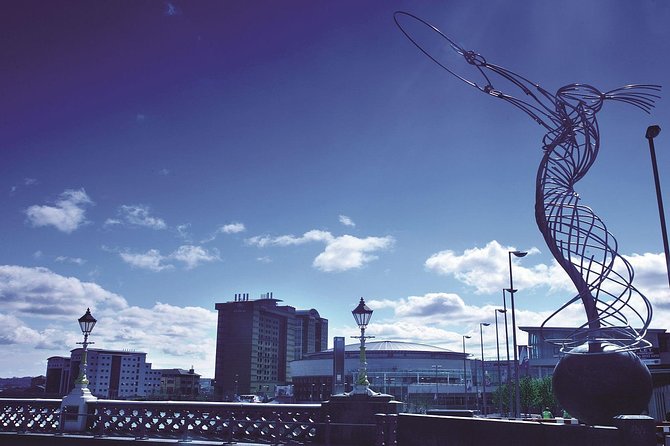
The tour ends beside the River Lagan at the Beacon of Hope on Oxford Street. From here, it is about a five-minute walk back to City Hall, making the finish convenient if you have plans nearby.
The Beacon of Hope is a piece of public art that celebrates resilience and regeneration. It gives the guide a natural place to compare Belfast today with one of the darkest periods in the city’s past.
This final discussion covers how peace was achieved, why it remains fragile, and what the future might hold. I appreciate that the tour ends with hope without pretending that all differences have vanished. Belfast’s progress is real, but the political story remains active.
The riverfront also changes the feel of the walk. After several stops devoted to bombing, loss, and fear, the open setting gives you time to consider how much the city has changed. It is a thoughtful ending rather than a dramatic one.
What the guides do best
The guide can make or break a subject this sensitive. The strongest accounts here describe James as warm, funny, and highly informed. Mylie is praised for making complicated history easy to follow and for connecting Belfast’s past with its present. Anne and Róisín are especially effective for personal recollections of growing up during the conflict.
You may also meet a guide who experienced the period directly. That can add emotional force, especially when the guide gives names and voices to victims rather than reducing the story to statistics.
At the same time, personal experience should not be confused with a complete account. The tour’s best feature is the attempt to combine personal memory with a neutral presentation of political history. Several people specifically value hearing more than one side and being given enough information to reach their own conclusions.
The mixed guide backgrounds can also be a strength. One highly praised guide was American, yet had spent time learning the subject and presenting it with care. The important issue is not birthplace. It is preparation, fairness, clarity, and respect for the people affected.
Price, pace, and practical value
At $36.06 per person, the tour is not the cheapest way to see Belfast’s centre, but it offers more than a basic orientation walk. You get about two and a half hours of guided explanation, a structured route through key locations, headsets, and access to personal stories that you would not get from simply walking around alone.
The value is strongest if The Troubles are a main reason you want to visit Belfast. You will leave with a clearer timeline and a better sense of how politics shaped ordinary streets. If you are mainly looking for architecture, shopping, or pub recommendations, a general city tour may suit you better.
The group limit is 25 people. That is small enough for a guided city walk to feel manageable, but large enough that you should stay attentive and keep close to the guide. The headsets help, yet they cannot replace positioning yourself where you can see and hear clearly.
The route is flat and uses city streets. A moderate amount of walking is involved, but the frequent stops mean this is not an athletic outing. Comfortable footwear matters more than hiking gear. Bring warm clothing in winter and a waterproof jacket in any season.
The minimum age is 12. Because the subject includes bombing, deaths, and political violence, parents should judge the material for their own children rather than relying only on the age limit. Service animals are allowed, and the route is near public transport.
Free cancellation is available up to 24 hours before the start time. Changes or cancellations inside that window are not accepted for a refund. If the operator cancels because of poor weather, you are offered another date or a full refund.
Who should book this tour?
I would choose this tour if you want a serious introduction to Belfast before exploring further. It suits first-time visitors, people interested in modern European history, and anyone who wants to understand why politics still matters so much in Northern Ireland.
It is also a good choice if you prefer places to explain themselves through local stories. The route shows you the city centre, but the main purpose is interpretation rather than sightseeing.
I would think twice if you dislike standing outdoors, want a fast-paced walk, or prefer to avoid violent history while on holiday. The tour is emotional in places, and the material cannot be softened into a simple tale of good and bad sides.
Should you book A History of Terror?
Yes, if you want a thoughtful and well-priced introduction to Belfast’s Troubles. The route is easy, the ending is convenient, and the guides can turn difficult history into a clear human story.
Book it early if your Belfast dates are fixed, since it is often reserved around 24 days ahead. Check the weather, wear sensible shoes, and make sure your headset works at the start. Most of all, arrive ready to listen. This tour will not give you every answer, but it can give you the context to understand the city with more care.
FAQ
Where does the Belfast walking tour begin?
It begins in the grounds of Belfast City Hall at Donegall Square North, Belfast BT1 5GS.
What time does the tour start?
The tour starts at 10:30 a.m.
Where does the tour finish?
It finishes at the Beacon of Hope on Oxford Street, Belfast BT1 3NB. From there, it is about a five-minute walk back to City Hall.
How long is the tour?
The tour lasts approximately two hours and 30 minutes.
How much walking is involved?
The route covers about 1.5 miles. Belfast city centre is flat, with no hills or steps, though comfortable footwear is advised.
Is the tour suitable for children?
The minimum age is 12 years. The subject includes violence, bombings, deaths, and political conflict, so adults should consider whether the material suits younger participants.
Are headsets provided?
Yes. Headsets are included so you can hear the guide clearly during the walk.
What happens if the tour is canceled because of bad weather?
You will be offered a different date or a full refund if the experience is canceled because of poor weather.
Just added around Belfast
- The Real Eclectic Belfast City Walking Tour/Experience.★ 5.0 · 152 reviews
- Belfast Political Tour-Conflicting Stories Walking Tour★ 4.5 · 459 reviews
- Belfast Eclectic Walking City Center Experience, The Marti Way★ 5.0 · 348 reviews
- The Real Story of Belfast walking tour with a local guide★ 5.0 · 144 reviews
- Best of Belfast Walking Tour★ 5.0 · 399 reviews
- Belfast Centre Food Tour of 12+ Local Irish Dishes & Drinks★ 5.0 · 266 reviews
- Belfast Troubles Murals Street Art and Peace Wall Walking Tour★ 5.0 · 163 reviews
- Belfast: Best of Belfast History, Culture & Art Walking Tour★ 4.9 · 158 reviews
History Walking Tours, compared.
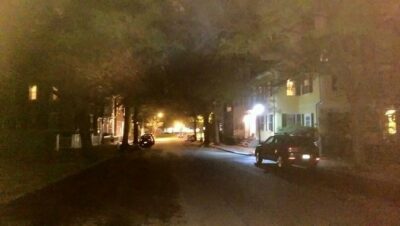
History and Hauntings of Salem Guided Walking Tour
Read our review →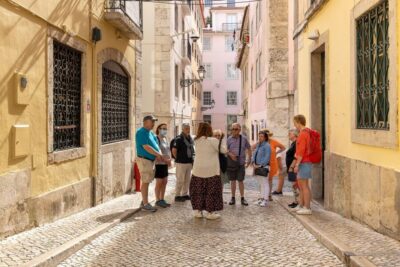
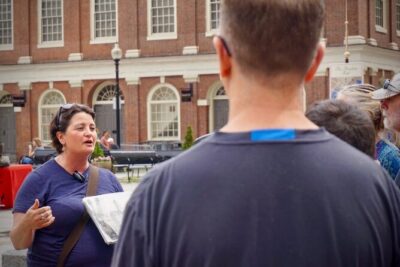
Freedom Trail History Small Group Walking Tour
Read our review →
Historic Charleston Guided Sightseeing Walking Tour
Read our review →
Tapas Walking Tour with Food, Wine, and History
Read our review →
Savannah History and Haunts Candlelit Ghost Walking Tour
Read our review →
New Orleans Garden District History Walking Tour
Read our review →Browse the lists this tour appears in