
Review · INDIA WALKING TOURS
Agra Walking Tour
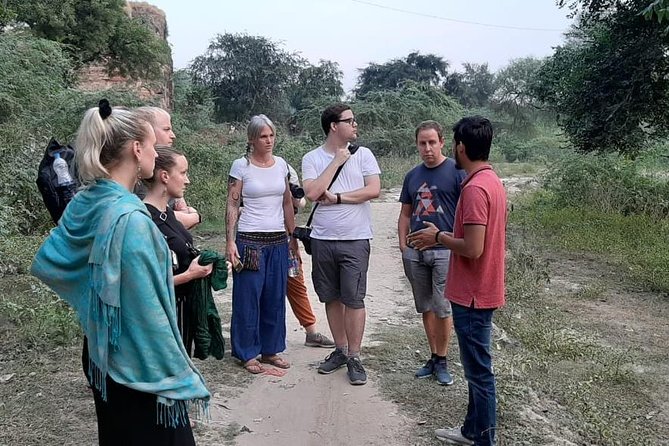
Agra has more stories than the Taj Mahal. This $11 private walking tour takes you into the old city for Jama Masjid, a 650-year-old temple, crowded markets, and a taste of Agra’s famous pethe sweet. I like the personal guide and the chance to see places many sightseeing plans skip. I also like that transport is provided, so you are not left to solve every short ride yourself. The main caution is timing: although the tour is advertised for two to three hours, some outings have finished much sooner.
With an English-speaking local and no strangers in your group, you can ask questions and adjust the pace more easily than on a large group outing. Guides such as Amit and Ritik have been praised for their energy, local insight, clear communication, and friendly company. Still, ask at the start to confirm the route and expected finish time, especially if you have another Agra sight booked afterward.
Key points to know before you book
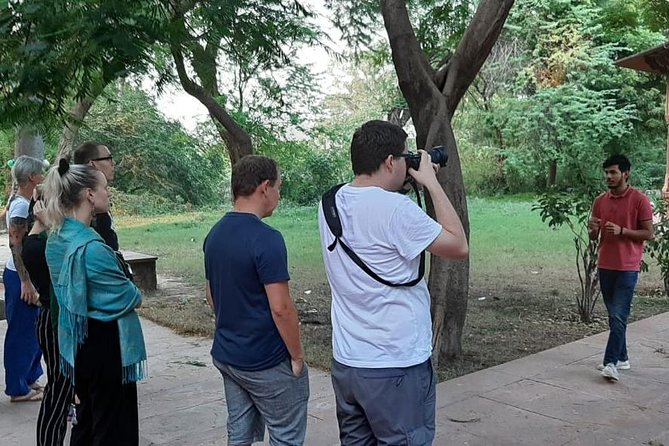
- Jama Masjid opens the old-city story: You begin at one of Agra’s biggest mosques, with about 20 minutes to look around.
- The Mankameshwar Temple adds a different viewpoint: This 650-year-old Hindu temple brings local stories and religious tradition into the walk.
- Markets are a major part of the experience: Kinari Bazar and Subash Bazar show shopping streets used for clothing, wedding goods, and everyday commerce.
- Pethe gives the tour a tasty local finish: At Gopal Das Pethe Wale in Johri Bazar, you can see and sample Agra’s white-pumpkin sweet.
- Transport is built into the outing: Some tours have included metro rides and auto-rickshaw hops, though the exact mix can vary.
- The short duration keeps the price low: At $11 for a private outing, the value is strong if the full two to three hours are delivered.
Why this short Agra walk is worth considering
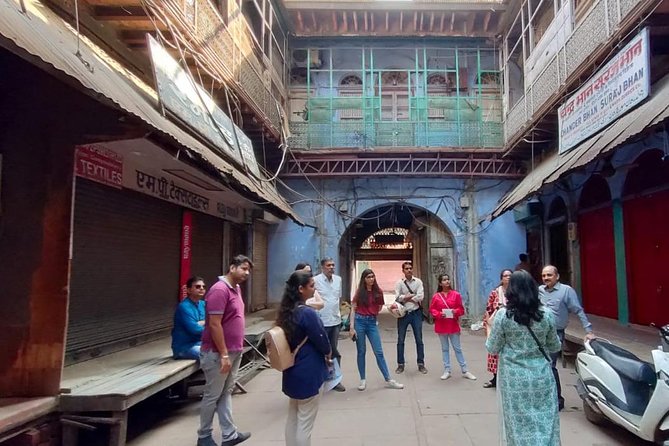
Agra is often treated as a one-sight stop. You arrive, visit the Taj Mahal, perhaps add Agra Fort, and move on. This outing takes a different approach. It focuses on the streets where people shop, worship, commute, and eat.
I like that the route is not built around another grand monument. Jama Masjid is important, but the tour also gives time to a railway station, small lanes, local markets, and a sweet shop. Those ordinary places can tell you more about daily life than another polished viewpoint.
The tour is private, which matters in Agra. You can ask your guide to explain a temple custom, pause at a market stall, or slow down when the streets get crowded. You are not trying to keep up with 20 other people. The tradeoff is that the experience depends heavily on your individual guide and on how faithfully the advertised timing is followed.
The published rating is 4.9 from 109 ratings, with 96 percent recommending the experience. That is a strong signal, but I would read it alongside the timing concern. The most useful question is not simply Is it good? It is Will your guide give you the full route and enough time at each stop?
A few more walks around India worth a look
- Fontainhas Heritage Walk by Make It Happen
★ 5.0 · 2,834 reviews - The Great Indian Food Tour: Old Delhi Food and Heritage Walk
★ 5.0 · 1,698 reviews - Group Guided Walking Tour in Fort and Colaba
★ 5.0 · 1,073 reviews
Starting at Jama Masjid in Subash Bazar
The meeting point is Jama Masjid in the Subash Bazar and Kinari Bazar area, near Hing ki Mandi and Mantola. The tour ends back at this same meeting point, so you do not have to arrange a return transfer across town.
Your first stop is Jama Masjid, one of Agra’s biggest mosques. The planned visit lasts around 20 minutes, and admission is listed as free. That is not a long mosque visit, so think of it as an introduction to the old city rather than a full architectural study.
This opening works well because it places you directly among Agra’s older streets. Your guide can set the scene before you move into the markets and side lanes. If seeing the entrance is important to you, make that clear early. One past outing required the guest to ask specifically to see the mosque entrance door, so a direct request may help you get the view you want.
As with any religious site, dress and behavior should be respectful. The supplied tour details do not set out a formal dress code, so your guide is the best person to ask about current local expectations.
Shri Mankameshwar Mandir and its local stories
Next comes Shri Mankameshwar Mandir, described as a 650-year-old temple. The scheduled visit is about 20 minutes, with no admission charge listed.
The value here is not just the age of the building. The stop is meant to bring out the stories connected with the temple, giving you a glimpse of Agra’s Hindu traditions alongside the earlier mosque visit. That contrast makes the route feel like an introduction to the city rather than a string of unrelated stops.
Twenty minutes is enough for a quick look and explanation, but not a long temple visit. If the stories interest you, ask your guide to spend less time on a market stop later and more time here. The private format gives you some room to do that, though the exact flexibility depends on the guide and the day’s route.
The tour information says there are also smaller places in Agra whose locations may not appear on Google. These spots are not presented as headline attractions. Their value comes from the stories your local guide attaches to them, so this is one part of the outing where conversation matters as much as sightseeing.
Agra Fort Railway Station and a British-era stop
The third stop is Agra Fort Railway Station, with about 20 minutes planned. It is described as the city’s oldest railway station, built by the British, with unusual architecture and many stories connected to it. Admission is included.
This is an appealing choice for anyone who likes places that sit outside the usual monument circuit. A railway station can show how imperial systems, transport, and modern city life overlap. It also gives the walk a change of pace after two religious sites.
Do not expect a long railway tour. The schedule allows only 20 minutes, and the stop is best understood as a short architectural and historical pause. Ask your guide to point out the features that make the building unusual. Without that explanation, a station can be easy to pass through without noticing much.
One positive feature of this stop is its practical setting. The route does not pretend Agra is only palaces and shrines. It includes a working piece of the city, which helps connect the past with the place you see today.
Same streets, a different way to see them:
- Private Guided Walking Tour in Fort & Colaba
★ 5.0 · 895 reviews - Old Goa Heritage Walk by Make It Happen
★ 5.0 · 797 reviews - Old Delhi Food, Heritage&Cultural Walk with Rickshaw ride to Masterji Kee Haveli
★ 5.0 · 742 reviews - Breakfast Walk in Old Delhi
★ 5.0 · 449 reviews
Kinari Bazar, a 400-year-old shopping street
Kinari Bazar is scheduled for roughly 20 minutes. It is described as a 400-year-old market where the old-city character remains especially strong.
This is one of the tour’s better stops for understanding how Agra shops. You will see the narrow market environment, local trade, and the visual clutter that makes old Indian bazaars so memorable. The route description calls it a place where time seems to have stopped, but the practical point is simpler: this is a shopping district with a long commercial life, not a set built for sightseeing.
You should keep your belongings secure and watch your footing in crowded lanes. The tour data does not promise specific purchases or demonstrations, so treat Kinari Bazar as an atmosphere and orientation stop rather than a shopping package.
The short visit may feel rushed if you enjoy browsing. That is another reason to tell your guide what interests you. If you want photos, market detail, or time to look at goods, you may need to choose between lingering here and keeping every later stop.
Pethe at Gopal Das Pethe Wale
The sweet stop at Gopal Das Pethe Wale in Johri Bazar lasts about 15 minutes. Admission is included, and food expenses are otherwise not included in the tour price.
Pethe is Agra’s famous sweet made from white pumpkin. For many people, this will be the most memorable small detail of the route because it gives you something to taste, not just something to photograph. The visit also comes with a story about the sweet, which gives the snack a stronger connection to the city.
Do not assume every food item is covered. The listing says personal and food expenses are not included, so you should expect to pay for anything you choose to buy beyond what the guide provides or arranges. Ask clearly before ordering if you want to avoid confusion.
Fifteen minutes is enough for a sample and a quick explanation. It is not a full food tour. Still, this is a smart addition to a short walking route because it breaks up the historical stops with a local flavor.
Subash Bazar and the everyday shopping scene
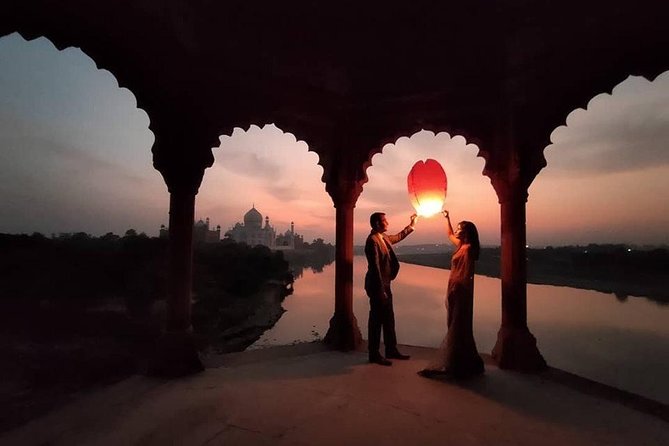
Subash Bazar receives about 20 minutes. It is described as a wholesale market for Indian clothing, with a wide range of garments and a strong local shopping atmosphere.
This stop may appeal most to you if you like seeing how residents shop rather than browsing a souvenir shop designed for tourists. The market is associated with clothes and Indian wear, so you may find more interest here if you enjoy textiles, wedding clothing, or the energy of a working retail district.
The word madness is used in the tour description for a reason. A wholesale market can feel crowded and fast-moving, and it may not be relaxing. If you prefer calm streets, this could be the least comfortable stop. If you want to see Agra as a lived-in city, it may be one of the most useful.
The guide’s role is important here. A local can help explain what the shops sell and how the market works. You may not have time to compare prices carefully, so do not make this stop your main shopping plan unless your guide confirms that extra time is possible.
The small places that do not appear on Google
The final listed section gives about 25 minutes to smaller spots around Agra. The tour describes them as places whose locations may not be available on Google, with stories that help you connect with the city.
This is the most flexible part of the experience and also the hardest to assess in advance. You are not being promised one famous building. You are being offered local knowledge, walking through parts of Agra that are not standard map pins.
That can be a real strength for repeat visitors or anyone who has already seen the Taj Mahal and Agra Fort. It is also useful for first-time visitors who want context for the streets between major sights. The limitation is that the quality depends on how well your guide explains what you are seeing.
Ritik has been praised for being professional, responsive, detailed, and accommodating. Amit has been described as energetic and good fun. Those qualities matter more on this portion of the walk than at a fixed monument. A guide who talks naturally and welcomes questions can turn an ordinary lane into a worthwhile stop.
How the transport changes the walking tour
The experience is called a walking tour, but transportation is provided. That is helpful because Agra’s old-city route may involve short transfers between areas. One outing included the metro and auto-rickshaw rides, with the group getting on and off as needed.
You should not assume that exact transport plan is guaranteed. The confirmed details only promise transportation, not a fixed vehicle or a particular number of rides. Ask your guide at the beginning how the route will work that day.
I like this arrangement for two reasons. First, it reduces the strain of covering several areas in a short time. Second, it gives you a quick look at how people move around Agra. The drawback is that a transport-heavy outing may feel less like a continuous walk if that is what you hoped for.
The tour is private, so only your group participates. That gives you a better chance to ask for help with directions, pauses, and local explanations. Near public transportation is also listed, which makes the starting area practical for many visitors.
Is $11 good value for two to three hours?
At $11, this is priced as an inexpensive local introduction rather than a full-day sightseeing service. If you receive the advertised two to three hours, the private guide, included transport, several historical stops, market visits, and pethe stop make the price attractive.
The value drops if the outing lasts only a little over an hour. One reported tour lasted about 75 minutes, and another was affected by a guide arriving 20 minutes late. That is the clearest concern in the entire experience.
You can protect yourself by confirming three things before setting off:
- How long the tour is expected to last
- Which stops are planned that day
- What transport will be used
If you have a Taj Mahal entry time, train, or hotel transfer afterward, build in extra space. The published duration is approximate, and the route includes busy streets where delays can happen.
Who should book this Agra experience?
I would recommend it to you if you have already seen Agra’s headline sights or want a first look at the city beyond them. It suits curious visitors who enjoy markets, local food, religious sites, and short conversations with a guide.
It is also a good match for solo visitors and couples who want private attention without paying for an expensive custom tour. The English-speaking local guide can help connect the stops, and the small format makes it easier to ask questions.
You may want another option if you need a tightly timed itinerary or want long visits at each attraction. The stops are brief, and the timing record is not perfectly consistent. Visitors who dislike crowded markets may also find Subash Bazar and Kinari Bazar demanding.
The outing requires good weather. If poor weather cancels it, you are offered another date or a full refund. Standard cancellation is free up to 24 hours before the start time, but cancellations inside that window are not refunded.
Should you book the Agra Walking Tour?
Book it if your goal is to see ordinary Agra with a local guide, not to collect another major monument. Jama Masjid, the old temple, railway station, markets, small lanes, and pethe create a varied route for only $11.
Before you begin, confirm the start time, route, transport, and expected finish. If your guide delivers the full two to three hours, this is a very good low-cost way to add local color to a Taj Mahal visit. If timing is your top concern, keep your schedule flexible and treat the tour as a compact introduction rather than a precisely managed sightseeing appointment.
FAQ
Where does the Agra Walking Tour start?
The tour starts at Jama Masjid in the Subash Bazar, Kinari Bazar, Hing ki Mandi, and Mantola area of Agra, Uttar Pradesh.
Where does the tour finish?
The activity ends back at the meeting point near Jama Masjid.
How long does the tour last?
The expected duration is approximately two to three hours. Actual timing can vary, so confirm the schedule with your guide at the start.
Is this a private tour?
Yes. Only your group participates in the activity.
Is transportation included?
Yes. Transportation is provided, although the exact type and route are not fixed in the supplied details.
Is the guide English-speaking?
Yes. An English-speaking local guide from Agra is included.
Are entrance fees included?
The listed stops are shown with admission included or free. Personal expenses and food expenses are not included.
Can I cancel for a full refund?
Yes, if you cancel at least 24 hours before the experience start time. Cancellations made less than 24 hours beforehand are not refunded.
What happens if bad weather cancels the tour?
You will be offered a different date or a full refund.
Just added around India
- Tipu Palace + Koté Vishnu + Fort + KR Market + Jain Temple = Bengaluru Pété Walk★ 5.0 · 150 reviews
- Street Food walking tour in Bangalore with a food evangelist★ 5.0 · 83 reviews
- Bengaluru Pete City Market Half-Day Walking Tour★ 5.0 · 163 reviews
- Amritsar Heritage Walking Tour★ 5.0 · 112 reviews
- The Great Indian Food Tour: Old Delhi Food and Heritage Walk★ 5.0 · 106 reviews
- Spiritual Walk Tour Trivandrum (Guided Walking Experience)★ 4.6 · 87 reviews
- Spiritual Walking tour with Puja Ceremony -The Pushkar Route★ 5.0 · 101 reviews
- Panaji: Heritage Walk through Goa’s Latin Quarter★ 4.8 · 291 reviews
India Walking Tours, compared.

The Great Indian Food Tour: Old Delhi Food and Heritage Walk
Read our review →

Old Delhi Food, Heritage&Cultural Walk with Rickshaw ride to Masterji Kee Haveli
Read our review →

Delhi Food Walk: Rickshaw Ride, Street Eats & Market Tour
Read our review →Browse the lists this tour appears in