
Review · INDIA WALKING TOURS
Spiritual Walk Tour Trivandrum (Guided Walking Experience)
Trivandrum reveals itself through its temples. This two-hour walk brings together East Fort, small working shrines, royal buildings, and the sacred world around Sree Padmanabhaswamy Temple. I like the way it goes beyond the big postcard sight, and I especially like the access to quieter lanes and lesser-known temples that you could easily miss alone.
The guides are the tour’s strongest feature. Siddharth, Gokul, Arunkumar, Hari, and Prijith are repeatedly praised for clear explanations, patience, and respectful help with temple customs. The main caution is pace: two hours passes quickly, and the advertised route contains several stops, so you should expect a brisk walk rather than a slow museum visit.
Key points to know before booking
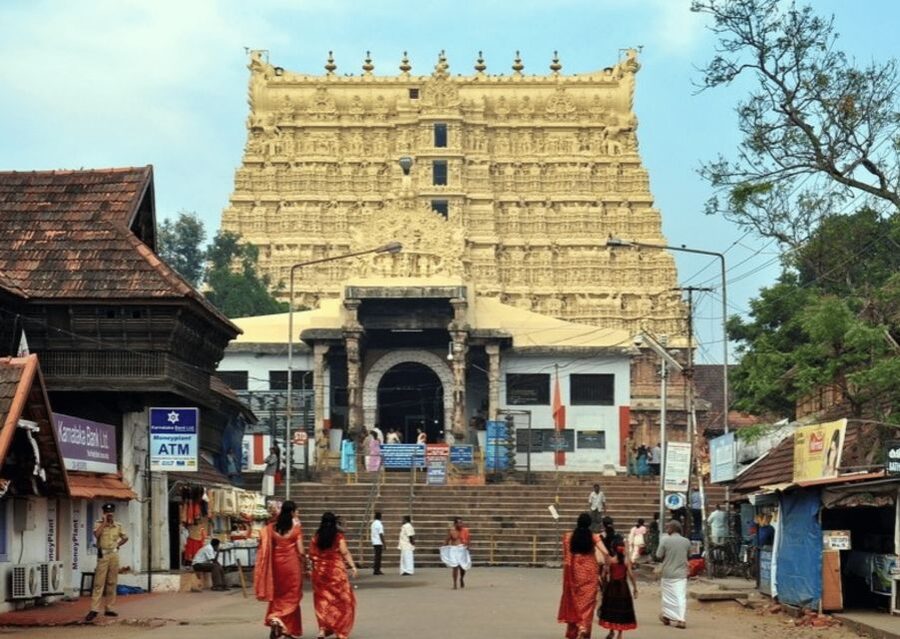
- Seven or eight temples may feature in the walk, including smaller shrines that are difficult to find without local help.
- The 5pm departure is a smart choice, bringing temple activity, evening light, and, at times, ceremonies into the experience.
- Siddharth, Gokul, Arunkumar, Hari, and Prijith are praised for patient explanations and careful guidance.
- Modest clothing is required: no shorts, short skirts, or sleeveless shirts, and you should be prepared to remove your shoes.
- The tour costs $14 per person, a strong price for a live guide, local orientation, and access to places you might otherwise pass by.
- This is a spiritual and cultural walk, not a standard sightseeing loop, so it suits curious visitors more than anyone seeking only grand architecture.
Why this walk gives Trivandrum a different shape
Trivandrum, also called Thiruvananthapuram, is often introduced through Sree Padmanabhaswamy Temple. That is fair, since the temple is one of the city’s defining sights and is widely considered one of the world’s wealthiest religious institutions.
But the temple alone does not explain the city. The old Fort area is a web of shrines, palace buildings, ponds, lanes, ritual spaces, and royal connections. The value of this walk is that it joins those pieces together. You are not simply checking off a palace and a temple. You are hearing how religion, royal life, local customs, and ideas about spirituality connect.
The guides use an infotainment approach, mixing stories with explanations instead of giving you a long lecture. That matters if you are interested in Hindu traditions but do not already know the names of the deities, the meaning of temple ceremonies, or the rules visitors need to follow.
I also like the promise of conversation. Several guides are praised for answering questions patiently, including questions beyond the planned route. That makes a real difference in a place where a quick look at a shrine may leave you wondering what you just saw.
More Guided Walks in India:
- Group Guided Walking Tour in Fort and Colaba
★ 5.0 · 1,073 reviews - Private Guided Walking Tour in Fort & Colaba
★ 5.0 · 895 reviews - Private Guided Walking Tour in Bandra Queen of Suburbs
★ 5.0 · 383 reviews
Starting at East Fort and entering the old city
The walk begins at East Fort, a useful place to start because it puts you near the historic core of Trivandrum. From here, the route moves through an area where royal buildings and religious sites sit close together.
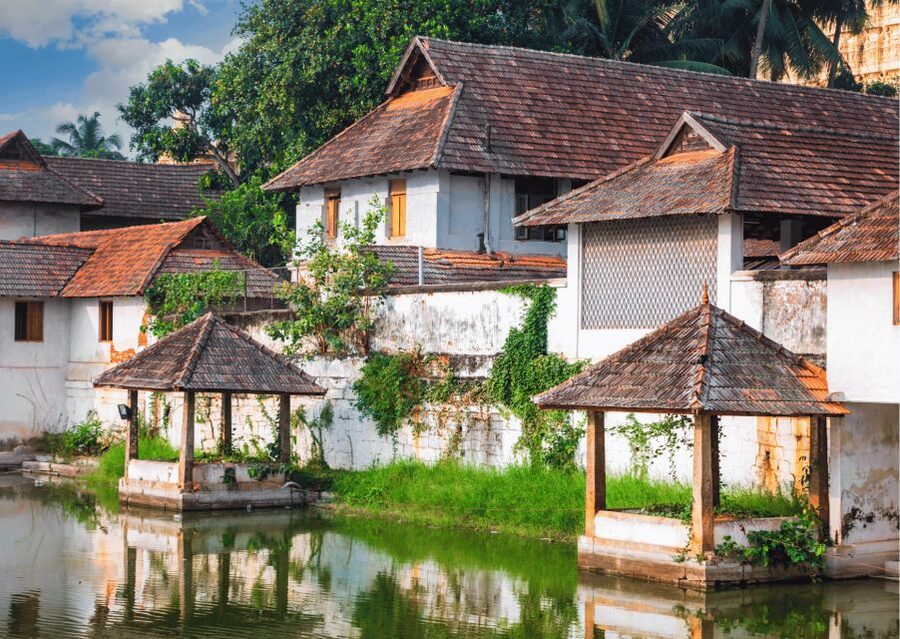
You may pass places named in the tour description, including Pazhavangadi Ganapathi Temple and Padmatheertha Pond. Sundara Vilasom Palace and West Fort are also part of the wider route and help frame the old city around the central temple complex.
The walk is not built around grand views or long distances. Its interest comes from small details: a side lane, a shrine you might overlook, a ceremony in progress, or a local custom that only makes sense after your guide explains it.
This is also where a guide can save you from awkward mistakes. Temple visits require attention to clothing, footwear, photography, and behavior. Gokul was specifically praised for giving gentle warnings about when photographs were suitable and when they were not. That kind of quiet guidance lets you pay attention instead of worrying about breaking a rule.
Ananthankadu Sree Nagaraja Temple Trust

One of the named stops is Ananthankadu Sree Nagaraja Temple Trust, with about 30 minutes set aside for a guided visit. The stop adds a different religious focus to a route otherwise strongly associated with Padmanabhaswamy.
The important point is not simply seeing another temple. Your guide explains the shrine, its customs, and its place in local religious life. Several people who took similar routes valued the chance to enter and understand smaller temples rather than only viewing major buildings from outside.
You should approach this part with respect and patience. This is an active religious setting, not a museum display. Your guide may ask you to remove shoes or follow local practices, and there may be limits on photography. Comfortable, modest clothing is essential.
The quiet atmosphere can be one of the best parts of the walk, but it also means this is not the right tour for someone who wants constant commentary or a rapid list of facts. Some moments are meant to be observed rather than filled with talk.
Kuthira Maliga Palace Museum and royal connections
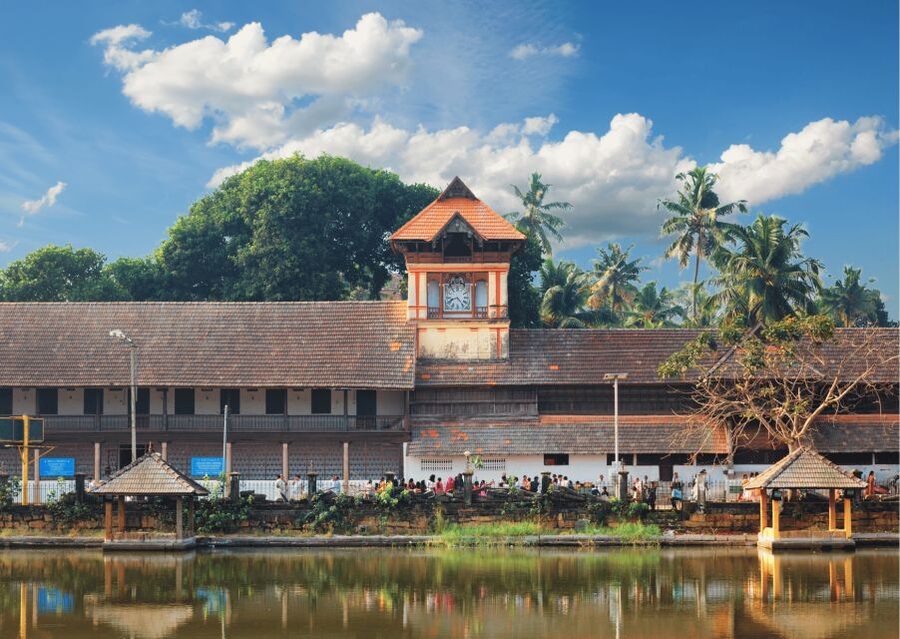
Kuthira Maliga Palace Museum, also known as the Maharaja Swathi Thirunal palace, brings the former royal residence into the story. The building is connected with Travancore’s royal past and gives the walk a useful change of pace after the temple visits.
The itinerary allows around 30 minutes here, including a guided visit, walking, and passing by parts of the site. That wording matters. You should not expect a long museum session with time for every room or display. Instead, the palace helps you understand the relationship between the royal household, religious patronage, and the old Fort area.
The route also highlights Sundara Vilasom Palace and West Fort. These places give you more context for the city’s former royal center, even if your time at each is brief.
I would especially value this stop early in a visit to Trivandrum. It gives you a basic framework for later sightseeing. Afterward, the lanes around the Fort are not just old streets. They become part of a former seat of power shaped by ceremony, faith, and court life.
A few more walks around India worth a look
- Fontainhas Heritage Walk by Make It Happen
★ 5.0 · 2,834 reviews - The Great Indian Food Tour: Old Delhi Food and Heritage Walk
★ 5.0 · 1,698 reviews - Old Goa Heritage Walk by Make It Happen
★ 5.0 · 797 reviews - Old Delhi Food, Heritage&Cultural Walk with Rickshaw ride to Masterji Kee Haveli
★ 5.0 · 742 reviews
Methan Mani and the small details between major sights
Methan Mani is another named stop, with roughly 30 minutes listed for a guided visit. It is the sort of place that can disappear into the background if you explore without a local guide.
The walk’s appeal lies partly in these transitions. You may be moving from a large, famous temple to a smaller site, then past a palace or an old lane. The guide connects those locations so they do not feel like unrelated stops.
The tour description promises hidden lanes and places, and this is where that promise is most useful. You are not paying only for directions. You are paying for someone to notice what matters, explain why it matters, and help you behave appropriately in a setting that may be unfamiliar.
Past participants particularly valued finding temples they would not have entered alone. Solo visitors may appreciate this most. Louise, traveling alone, described the complex temple area as difficult to manage without help, while Makoto valued the chance to experience places that a guidebook alone could not provide.
Sree Padmanabhaswamy Temple and the central spiritual focus
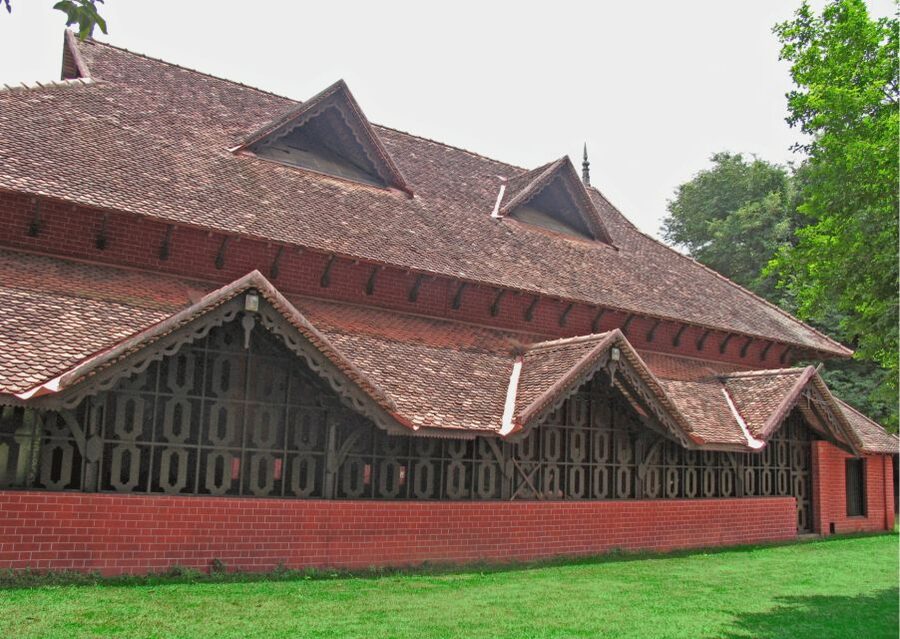
Sree Padmanabhaswamy Temple is the best-known stop and the emotional center of the experience. It is widely considered the world’s richest temple, though that headline should not be the only reason you visit.
The temple matters because it is a living religious center with strict customs and a strong connection to Trivandrum’s identity. Your guide can explain the history, architecture, rituals, and surrounding sacred spaces in a way that a view from the street cannot.
Be careful with expectations. The supplied information describes a guided visit, but temple access and visitor rules can vary. Some people on the walk entered several shrines and temples, while others focused on the surrounding sacred area and smaller places. Your guide will help you understand what is possible on the day.
The 5pm option is particularly appealing. It may place you near temple activity at the end of the day, with evening light and ceremonies adding atmosphere. Several people found the timing ideal for puja and sunset, while another person enjoyed seeing the colored lights after dark.
You should not treat ceremonies as performances arranged for visitors. Watch quietly, follow instructions, and ask before taking photographs. The guide’s role here is not just to provide facts. It is to help you enter the setting with the right attitude.
What the spiritual side actually means
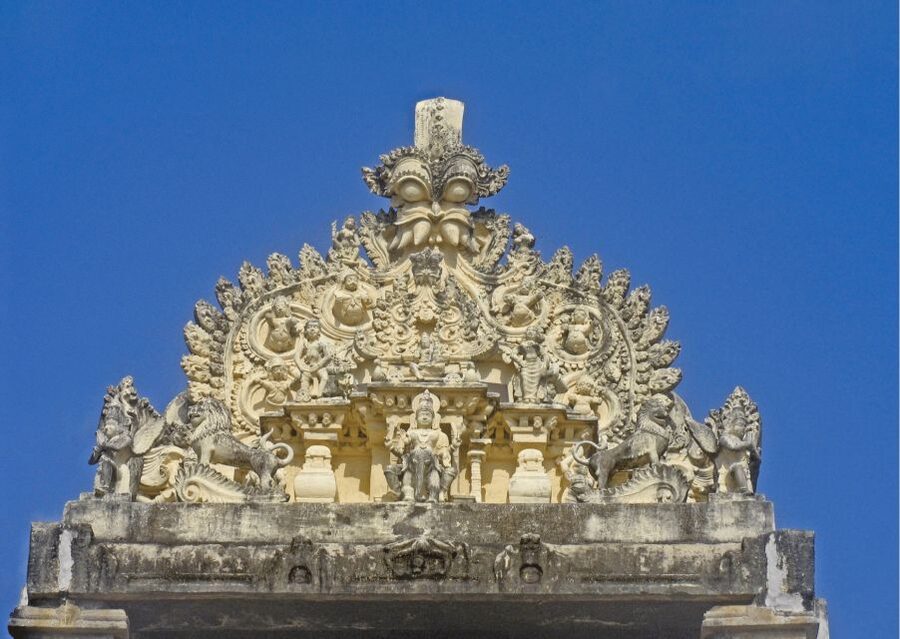
The title may sound grand, but the experience is not presented as a religious conversion exercise. Its spiritual angle comes from observing devotion, learning how Hindu practices work, and considering the connection between religion, science, and personal reflection.
The guide may encourage you to think beyond a purely factual explanation. Some people will find that meaningful. Others may prefer a more conventional history tour. The tour works best if you are open to both: learning concrete information about temples and allowing room for personal reflection.
The strongest part is the contrast between explanation and silence. A guide might explain a deity, a ceremony, or a temple rule, then give you space to watch what is happening. That balance was praised by Jenny, who enjoyed receiving context without losing time simply to experience the temples.
You may also encounter festival activity. One person joined during Pongal and found the busy temple setting especially interesting. Festival days can add energy, but they may also make movement and quiet observation harder. If you prefer calm, ask about the expected conditions when you book.
Guides, language, and the human side of the walk
The tour provides an English or Hindi-speaking storyteller guide. The names most often associated with strong experiences are Siddharth and Gokul, with Arunkumar, Hari, and Prijith also receiving warm praise.
Siddharth is repeatedly described as patient, clear, and considerate. He helped visitors with appropriate temple clothing, answered questions, and adjusted his pace for people taking photographs or notes. Gokul is praised for his command of temple customs and for looking after people until they had safely found a tuk-tuk or taxi home.
That last detail says something useful about the style of the experience. The guides are not simply walking encyclopedias. They help you manage the practical side of visiting religious places in an unfamiliar city.
Solo visitors can fit into a family group, as one solo participant did, and the experience appears suitable for people with different levels of interest in Hinduism. If your English is limited, the tour may require extra concentration, since the main explanation is spoken rather than printed. Still, one participant who did not speak English well found the experience possible and worthwhile.
Price, timing, and what you actually receive
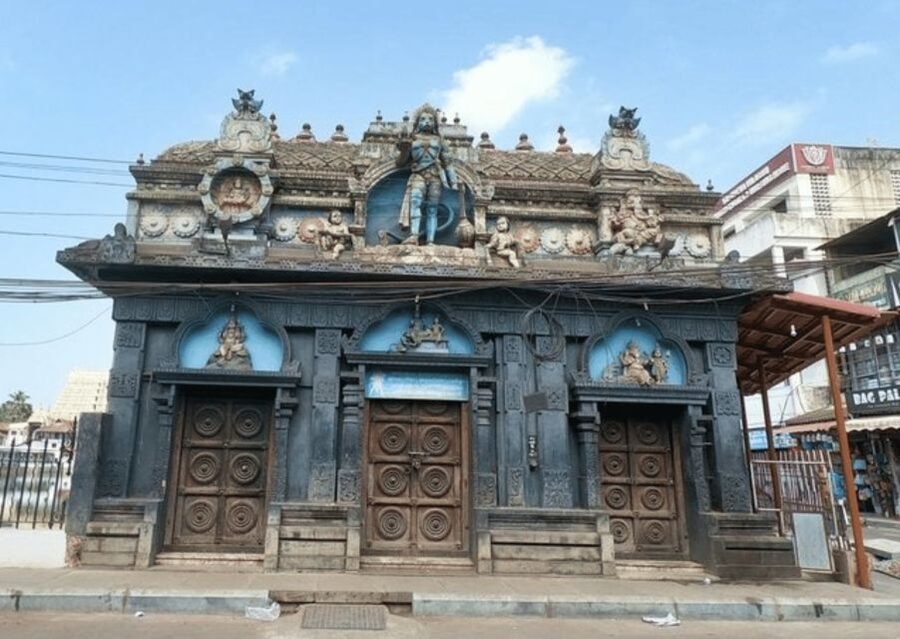
At $14 per person, this is inexpensive for a two-hour guided cultural experience. The value comes from local interpretation, route planning, access to smaller shrines, and practical help with temple etiquette.
You do not receive hotel pickup, hotel drop-off, a water bottle, or food and drinks beyond anything specifically mentioned. Plan to reach East Fort on your own and carry water. The walk ends at West Fort near Pazhavangadi, not back at your hotel.
The two-hour length suits a first afternoon or evening in Trivandrum. It is long enough to give you a strong introduction without taking over the day. At the same time, the number of temples and sites means the schedule can feel full. If you like lingering over architecture, taking many photographs, or asking long questions, you may wish the walk lasted longer.
A five-star rating of 4.6 from 87 bookings indicates strong satisfaction, but I would still judge the tour by your interests. It is excellent value if you want cultural context and help entering the old city’s religious world. It is less suitable if you want a slow architectural study or a private vehicle.
Cancellation is flexible, with a full refund available up to 24 hours in advance, and you can reserve now and pay later. Those policies are useful if your Kerala schedule is still shifting.
What to wear and how to prepare
Wear comfortable clothes that cover you appropriately for temple visits. Short skirts, shorts, and sleeveless shirts are not allowed.
You should also be ready to remove your shoes and walk barefoot in temple areas. Avoid bringing a hat if you do not want to manage it during visits, and carry water since a bottle is not included.
Keep your phone and camera ready, but do not assume you can photograph everything. Ask your guide first. Temple customs can change from one site to another, and the safest approach is to follow local instructions without argument.
Arrive with an open mind and a little patience. The best moments may be small: a priest’s blessing, a ceremony already under way, a tucked-away shrine, or an explanation that suddenly makes the surrounding streets easier to understand.
Who should book this walk?
I would choose this tour if you are visiting Trivandrum for the first time, especially if you are staying near Kovalam and want an organized way to reach the Fort area. A tuk-tuk can get you to the starting point, but the tour itself gives you the local understanding that transport alone cannot provide.
It is a strong match for:
- Solo visitors who want help with temple customs
- Couples interested in religion, history, and local life
- First-time visitors who want more than the major sights
- People who enjoy asking questions
- Anyone seeking a calm evening activity with cultural depth
I would think twice if you dislike removing shoes, following strict dress rules, or visiting active places of worship. The route also involves walking, and the two-hour schedule may feel quick if you want extensive time at each palace and temple.
Should you book the Spiritual Walk Tour?
Book it if you want Trivandrum explained from the inside out. The price is modest, the route reaches places you might not find alone, and the guides are praised for the qualities that matter most here: patience, cultural care, clear English or Hindi, and practical help.
Choose the 5pm departure if you can. Evening light, temple activity, ceremonies, and colored illumination can give the walk extra atmosphere. Wear suitable clothing, bring water, and expect a respectful working religious environment rather than a standard sightseeing show.
I would not book this for a grand palace tour or a guaranteed long visit inside every major temple. I would book it for the smaller shrines, the local stories, the hidden lanes, and the chance to understand why the Fort area remains the spiritual heart of Trivandrum.
FAQ
How long is the Spiritual Walk Tour Trivandrum?
The tour lasts two hours. Availability should be checked for the current starting times.
What languages does the guide speak?
The live guide speaks English or Hindi.
Where does the tour start and finish?
It starts at East Fort and finishes at West Fort, Pazhavangadi, in Thiruvananthapuram.
What should I wear?
Wear comfortable, modest clothing. Short skirts, shorts, and sleeveless shirts are not allowed.
Will I need to remove my shoes?
Yes, you should be prepared to remove your shoes and walk barefoot in temple areas.
Is food or hotel transportation included?
No. Hotel pickup and drop-off, a water bottle, and food or drinks other than those specifically mentioned are not included.
Just added around India
- Tipu Palace + Koté Vishnu + Fort + KR Market + Jain Temple = Bengaluru Pété Walk★ 5.0 · 150 reviews
- Street Food walking tour in Bangalore with a food evangelist★ 5.0 · 83 reviews
- Bengaluru Pete City Market Half-Day Walking Tour★ 5.0 · 163 reviews
- Amritsar Heritage Walking Tour★ 5.0 · 112 reviews
- Agra Walking Tour★ 5.0 · 109 reviews
- The Great Indian Food Tour: Old Delhi Food and Heritage Walk★ 5.0 · 106 reviews
- Spiritual Walking tour with Puja Ceremony -The Pushkar Route★ 5.0 · 101 reviews
- Panaji: Heritage Walk through Goa’s Latin Quarter★ 4.8 · 291 reviews
India Walking Tours, compared.

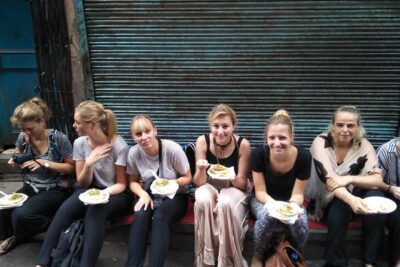
The Great Indian Food Tour: Old Delhi Food and Heritage Walk
Read our review →

Old Delhi Food, Heritage&Cultural Walk with Rickshaw ride to Masterji Kee Haveli
Read our review →

Delhi Food Walk: Rickshaw Ride, Street Eats & Market Tour
Read our review →Browse the lists this tour appears in