
Review · HISTORY WALKING TOURS
Amritsar Heritage Walking Tour
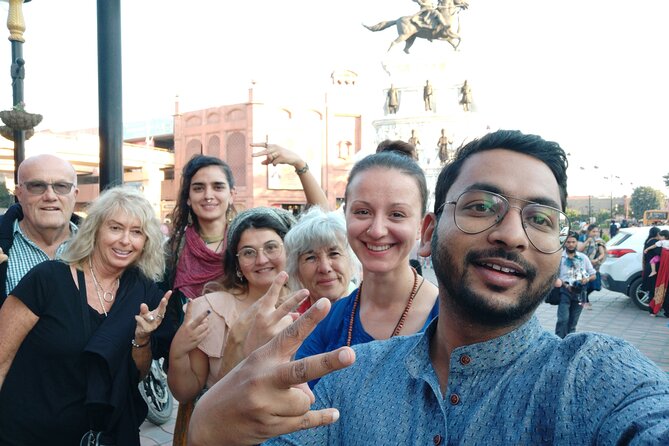
Amritsar tells its story on foot. I like the way this tour links major events with old city lanes, rather than keeping you on a standard Golden Temple route. I also like the mix of Sikh history, architecture, local customs, and small details such as bargaining tips.
The main caution is that this is a group walk of up to 20 people, and the depth may depend on your guide. The tour can offer useful historical context, but some visitors may find parts more like short stories and local fragments than a full historical study.
Key points at a glance
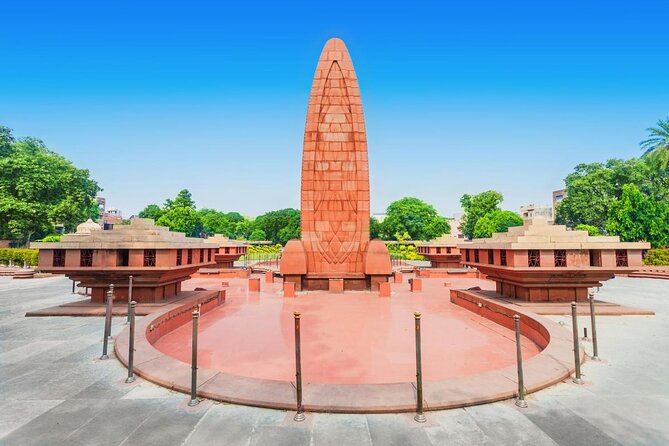
- Starts at the Partition Museum: Begin in Amritsar’s Town Hall area with the story of the 1947 division of India and Pakistan.
- Walks beyond the usual sights: Reach narrow lanes, old bazaars, religious sites, and local corners that are easy to miss on your own.
- Covers major Sikh and Punjab history: Learn about the Sikh soldiers of Saragarhi, Maharaja Ranjit Singh, and the city’s religious traditions.
- Includes Jallianwala Bagh: Spend about 30 minutes at the memorial connected with the massacre of 13 April 1919.
- Ends outside the Golden Temple: The route finishes near Sri Harmandir Sahib, making it useful early in your Amritsar stay.
- Costs $16.66 per person: That is fair value for nearly three hours with an English, Hindi, or Punjabi-speaking guide, though entry fees are extra.
Why a walking tour works well in Amritsar
Amritsar is best understood at street level. The city’s major landmarks matter, but the character of the old center appears in its lanes, shrines, markets, memorials, and everyday conversations.
This tour gives you a framework for those details. You move from the Partition Museum toward the Golden Temple area, with stops that connect Punjab’s political past, Sikh identity, military traditions, commerce, and local religious life.
I like that the route does not treat Amritsar as only a Golden Temple destination. The Golden Temple is the city’s great focus, but Amritsar has several layers. The tour tries to show how those layers sit beside one another.
The advertised length is about two hours and 45 minutes. In practice, some people have completed it in a little over two hours, while the exact pace will depend on group size, questions, and time spent at each stop. Plan for a relaxed city walk rather than a tightly timed museum visit.
More History Walking Tours in India
- Fontainhas Heritage Walk by Make It Happen
★ 5.0 · 2,834 reviews - The Great Indian Food Tour: Old Delhi Food and Heritage Walk
★ 5.0 · 1,698 reviews - Old Goa Heritage Walk by Make It Happen
★ 5.0 · 797 reviews
Starting at the Partition Museum

The walk begins at the Partition Museum in the Town Hall building. This is a fitting place to start because the 1947 Partition changed Amritsar, Punjab, and the lives of more than 18 million people.
The museum focuses on personal stories and the upheaval caused by the division of India and Pakistan. The tour allows about 10 minutes here, and admission is not included. That short allocation suggests an introduction rather than a full museum visit.
If you want to examine the exhibits carefully, you will likely need to return separately. The tour’s value here is the opening context: you begin with a major event before moving into streets shaped by centuries of religious, commercial, and political change.
The meeting point is listed as The Partition Museum, Hall Road, Town Hall, in the Katra Ahluwalia area. It is near public transportation, which makes the start fairly practical for visitors staying in central Amritsar.
Saragarhi Memorial and the story of 21 soldiers
From the museum, the route continues toward Saragarhi Memorial Gurudwara. This stop honors 21 Sikh soldiers who died while serving in the British army.
The memorial gives your guide a chance to explain Sikh military tradition and the way particular battles have become part of public memory. It also helps connect local history with the wider history of British India.
The stop is listed as part of the walk, but no separate duration is given. You should expect a brief visit and explanation rather than a long formal program. Admission is not listed as an extra cost.
For many people, this is one of the more useful stops because it moves beyond the most familiar Amritsar subjects. You are not simply hearing about temples and colonial events. You are also seeing how military service, faith, and regional identity overlap.
Maharaja Ranjit Singh and the Punjab Empire
The next named stop is the statue of Maharaja Ranjit Singh. The guide explains the ruler and the Punjab Empire associated with his reign.
The visit is planned for about 10 minutes, and there is no admission fee. That is enough time for a clear introduction, but not enough for a detailed political biography. I would treat this as a street-side lesson that helps you recognize an important figure as you continue through the city.
Maharaja Ranjit Singh is central to understanding Punjab’s past. His name appears often in Amritsar, and the stop gives you a basic reference point for later conversations about Sikh power, architecture, and regional history.
The value here depends heavily on the guide’s storytelling. Prerit and Hardik are among the guides associated with this walking program, and the strongest descriptions of the tour praise warm delivery, clear English, and the ability to answer questions. If your guide invites questions, use the opportunity. This part of the walk can otherwise pass quickly.
Same streets, a different way to see them:
- Group Guided Walking Tour in Fort and Colaba
★ 5.0 · 1,073 reviews - Private Guided Walking Tour in Fort & Colaba
★ 5.0 · 895 reviews - Old Delhi Food, Heritage&Cultural Walk with Rickshaw ride to Masterji Kee Haveli
★ 5.0 · 742 reviews - Breakfast Walk in Old Delhi
★ 5.0 · 449 reviews
Jallianwala Bagh, where history becomes personal
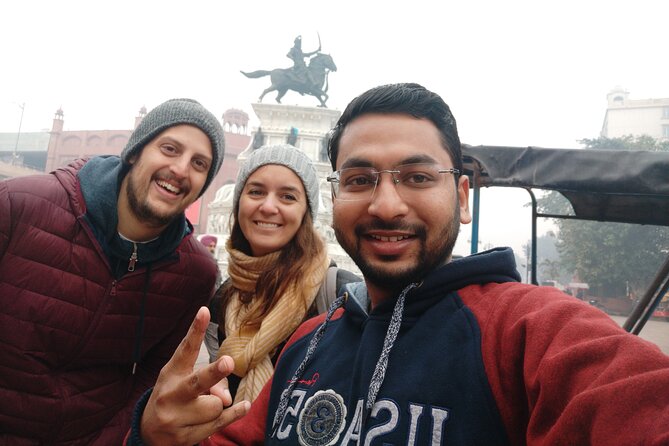
Jallianwala Bagh receives about 30 minutes, making it one of the most substantial stops. The memorial recalls the massacre of 13 April 1919, which took place on the eve of Baisakhi.
This is not a light sightseeing stop. You should expect a more serious mood and a discussion of the colonial period, public gatherings, and the violence that occurred at the site.
The tour helps place Jallianwala Bagh within the wider story of Amritsar. Rather than arriving with only a name from a guidebook, you hear why the location matters and how it connects to Punjab’s political memory.
Admission is not included, so check the current fee when booking or at the entrance. The tour does not promise a long independent visit, but the half-hour allocation gives the guide enough time to explain the event without rushing through it.
I consider this one of the strongest reasons to take the walk early in your stay. It gives emotional and historical weight to the old city around you. You may later return to spend more time on your own, especially if you prefer to read every display and pause quietly at the memorial.
Udasin Akhara and Amritsar’s religious life
The route then reaches Udasin Akhara on Sangal Wala Road. The stop lasts about 20 minutes and introduces the role of akharas in Amritsar.
An akhara is connected with religious communities and traditional spiritual practice. The point here is not simply to view another religious building. You get a glimpse of institutions that may be overlooked if you only visit the Golden Temple and the city’s best-known monuments.
This stop also broadens the tour’s picture of Sikh and Punjabi culture. The guide explains why akharas matter in the city and how they fit into local religious life.
The stop is free, according to the tour details. As with any religious site, you should follow the guide’s instructions about respectful behavior and photography. The supplied information does not promise a formal ceremony or special access, so think of this as an introduction rather than a private religious encounter.
Guru Bazar and the old lanes
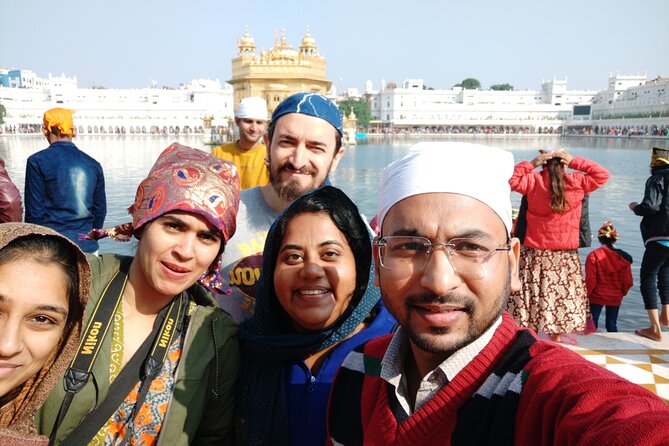
The longest section comes in Guru Bazar, with about 90 minutes set aside for old streets, local life, and historic details.
This is where the tour becomes less about single monuments and more about how Amritsar works. You walk through narrow alleys toward Baba Bohar, a large old banyan tree in the middle of the city. You also see a 150-year-old feature, although the supplied details do not specify exactly which building or object that age refers to.
The route is designed to show parts of Amritsar that you might not find through a quick map search. That can include small lanes, old commercial areas, religious spaces, and buildings whose importance is easier to understand with a local guide beside you.
One useful feature is the attention to business communities and commerce. A candid assessment is that the tour may spend more time on particular community histories and market life than on a broad survey of every part of Amritsar. If you enjoy street details, shopfronts, local customs, and the way people use old neighborhoods, this should suit you. If you want a strict architectural lecture, you may find the treatment lighter.
The guide also provides bargaining advice and suggestions for saving money. That is practical in a market city, though you should treat any buying advice as a starting point rather than a guarantee of the best price.
Ending outside the Golden Temple
The walk ends outside Sri Harmandir Sahib, better known as the Golden Temple, in the Atta Mandi area.
The ending is well chosen. You finish near Amritsar’s most important sight without the tour pretending to replace a proper Golden Temple visit. The guide can help you understand where you are, but the tour details do not include entry tickets or a guided interior visit.
That makes the walk especially useful on your first day. You get your bearings around the Golden Temple complex, then return later when you can give the shrine more time. One useful point from the tour format is that it ends outside the temple rather than inside it, so you should plan your own visit separately.
The ending also makes the tour easy to combine with other central activities. You can continue exploring the area after the walk, though the tour itself does not include meals, personal purchases, or extra admissions.
The guide makes or breaks the experience
This is a storyteller-led walk, so the person leading it matters. The guide team speaks English, Hindi, and Punjabi, and names associated with the experience include Prerit and Hardik.
The strongest guide accounts praise punctual starts, friendly conversation, clear English, strong knowledge of Amritsar, and a willingness to answer extra questions. One guide waited patiently for a delayed participant before setting off, which suggests a considerate approach, though you should not assume every departure will work at the same pace.
The tour also has a real limitation. One poor experience raised concerns about unsupported claims and an overly narrow focus on one business community. That does not define every departure, but it is a useful warning: ask questions when you want sources or clarification, especially during historical sections.
A good guide should separate established events from local stories and popular legends. You can help by asking where a story comes from. That usually leads to a better conversation and helps you judge the information for yourself.
Group size, pace, and physical demands
The maximum group size is 20 people. That is not a private tour, and one past participant specifically found the group format worth noting.
A group of this size can be lively, but it may also make narrow lanes and street-side explanations less intimate. If you want constant access to the guide, a private walk would be more suitable, but this tour is priced as a shared experience.
The walk lasts close to three hours and includes old streets and bylanes. Most people can take part, according to the tour information, but you should be comfortable walking for the duration and standing during several explanations.
The pace appears designed for conversation rather than speed. You will have stops of about 10, 20, and 30 minutes, followed by the longer Guru Bazar section. Wear sensible footwear and leave room in your schedule. The listed duration is approximate, and questions or group movement can affect the finish time.
Is $16.66 good value?
At $16.66 per person, this is a reasonable price for a nearly three-hour introduction to Amritsar.
You are paying mainly for the guide’s time, interpretation, local route, and access to streets you might not choose alone. Eight to ten heritage and historic places are included in the route, though not every stop is described in detail in advance.
The price does not include entry fees, personal expenses, or adventure activities. The Partition Museum and Jallianwala Bagh are specifically listed without admission included, so bring extra money if you want to enter them.
I see the best value if you are new to Amritsar and want context before exploring alone. The walk can save you time by showing how the old city connects its major landmarks with less obvious streets. It is less useful if you already know the city well or want a specialist-level history lecture.
Free cancellation is available up to 24 hours before the start time. Cancellations within 24 hours are not refunded, and changes during that period are not accepted.
Who should book this Amritsar walk?
I would choose this tour if you are visiting Amritsar for the first time, especially if you want more than a quick Golden Temple visit.
It suits you if you enjoy:
- Local streets and old neighborhoods
- Sikh history and Punjab’s political past
- Short stories tied to real places
- Small-group sightseeing
- A guide who can answer questions in English, Hindi, or Punjabi
- Practical tips about bargaining and local life
You may want another option if you need a private guide, extensive museum time, or a tightly academic account of every historical claim. The group may also feel too large if your main goal is quiet photography or long, independent visits at each stop.
Should you book the Amritsar Heritage Walking Tour?
Yes, if you want a well-priced introduction to Amritsar’s old center and plan to visit the Golden Temple separately.
The strongest parts are the route through Guru Bazar, the connection between major historical events, and the chance to see religious and commercial corners that are easy to miss. The 99 percent recommendation rate and 4.9 rating suggest a consistently positive experience, with especially strong praise for guides such as Hardik and Prerit.
Book it early in your stay so the walk can guide the rest of your sightseeing. Keep your expectations sensible: this is a lively shared walk, not a private university seminar. Ask questions, allow extra time for the memorials, and bring money for admissions. At $16.66, it offers a useful first layer of Amritsar without taking over your entire day.
FAQ
Where does the Amritsar Heritage Walking Tour start?
It starts at The Partition Museum, Hall Road, Town Hall, Katra Ahluwalia, Amritsar, Punjab 143006.
Where does the walking tour end?
It ends outside Sri Harmandir Sahib, commonly known as the Golden Temple, in the Atta Mandi area.
How long does the tour last?
The advertised duration is approximately 2 hours and 45 minutes.
How much does the tour cost?
The listed price is $16.66 per person.
What languages can the guide speak?
The guide can speak English, Hindi, and Punjabi.
Is the tour private?
No. It is a group tour with a maximum of 20 people.
Are entry tickets included?
No. Entry fees are not included. The Partition Museum and Jallianwala Bagh are listed with admission not included.
Does the tour visit the Golden Temple?
The walk ends outside the Golden Temple. A separate visit inside the complex is not included.
Is the tour suitable for most people?
The tour information states that most people can participate. It involves walking through old streets and lanes for nearly three hours.
Can I cancel for a full refund?
Yes, if you cancel at least 24 hours before the experience start time. Cancellations within 24 hours are not refunded.
Just added around India
- Tipu Palace + Koté Vishnu + Fort + KR Market + Jain Temple = Bengaluru Pété Walk★ 5.0 · 150 reviews
- Street Food walking tour in Bangalore with a food evangelist★ 5.0 · 83 reviews
- Bengaluru Pete City Market Half-Day Walking Tour★ 5.0 · 163 reviews
- Agra Walking Tour★ 5.0 · 109 reviews
- The Great Indian Food Tour: Old Delhi Food and Heritage Walk★ 5.0 · 106 reviews
- Spiritual Walk Tour Trivandrum (Guided Walking Experience)★ 4.6 · 87 reviews
- Spiritual Walking tour with Puja Ceremony -The Pushkar Route★ 5.0 · 101 reviews
- Panaji: Heritage Walk through Goa’s Latin Quarter★ 4.8 · 291 reviews
History Walking Tours, compared.

History and Hauntings of Salem Guided Walking Tour
Read our review →

Freedom Trail History Small Group Walking Tour
Read our review →
Historic Charleston Guided Sightseeing Walking Tour
Read our review →
Tapas Walking Tour with Food, Wine, and History
Read our review →
Savannah History and Haunts Candlelit Ghost Walking Tour
Read our review →
A History of Terror – Belfast City Centre Walking Tour
Read our review →Browse the lists this tour appears in