
Review · NIGHT WALKING TOURS
Berlin: Kreuzberg Guided Walking Evening Tour
Kreuzberg tells its best stories after sunset. This two-hour walk moves from Kottbusser Tor through Oranienstraße, SO36, Görlitzer Park, and nearby streets, connecting old working-class Berlin with punk music, protest, migration, and late-night café life. I especially like the focus on local stories rather than postcard sights, and the way the route ends among Kreuzberg’s evening bars and cafés.
I also like the chance to ask questions in a private or small group, where guides such as Stefan and Kevin can make the walk feel more personal. The main consideration is that this is a story-led neighborhood tour, not a parade of major monuments. Some stops are simply street corners or photo points, and the two-hour schedule means you will need to keep moving.
Key points to know before you book
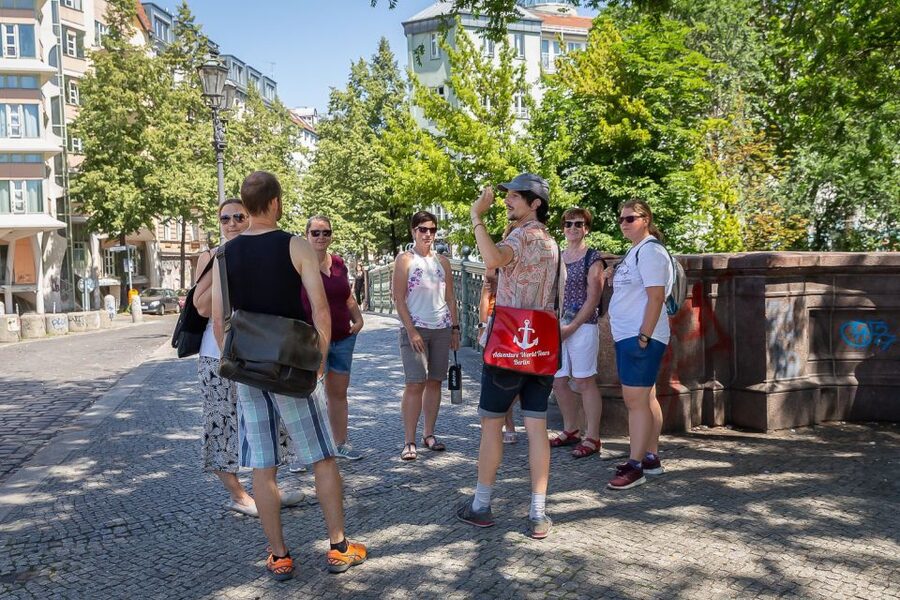
- Kotti is the starting point: Begin at Kottbusser Tor, known locally as Kotti, the district’s main meeting point and a useful introduction to Kreuzberg.
- The route is packed with social history: Expect stories about 19th-century housing, protest, street fights, punk, anarchist culture, and changing city life.
- SO36 brings the music story alive: The legendary club connects Kreuzberg with punk and new wave bands from the 1970s and 1980s.
- Görlitzer Park adds a darker tale: The walk includes the story of Berlin’s own Jack the Ripper.
- Evening timing matters: Bars and cafés are filling up as the tour moves through the neighborhood, giving you a more current view of Kreuzberg.
- The price is fair for a small-group walk: At $27 per person, you are paying for a guide’s local storytelling, not admission to attractions.
Why Kreuzberg works so well for an evening walk
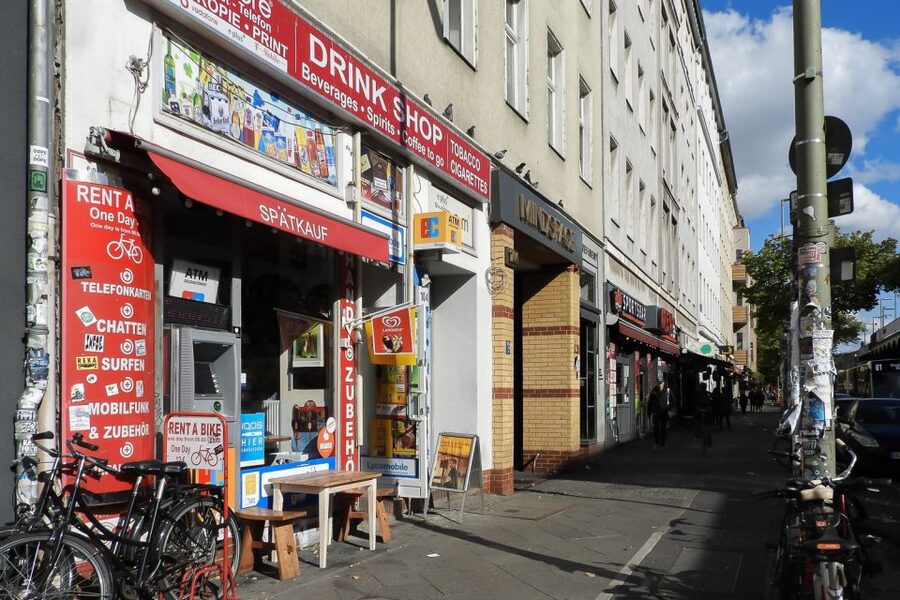
Kreuzberg is best understood as a neighborhood shaped by people, pressure, and change. The route traces the area back to the 19th century, when dense housing helped create the crowded urban character that still defines parts of the district.
That background matters. Instead of seeing Kreuzberg as only a nightlife quarter, you get a sense of how housing, immigration, protest, music, and political conflict affected daily life. The guide connects ordinary streets to larger events, which gives the walk more purpose than simply pointing out colorful walls or busy bars.
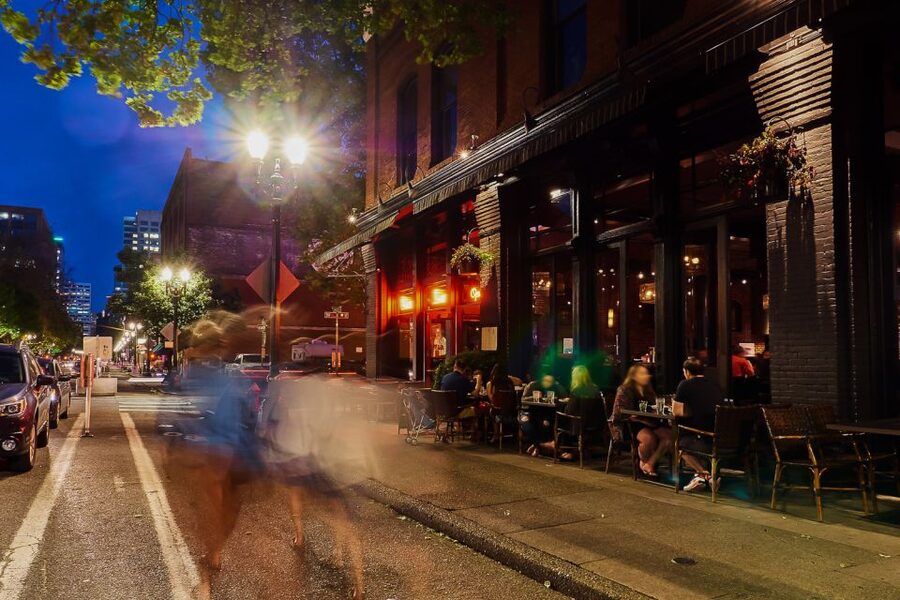
The evening setting adds another layer. As daylight fades, cafés and bars become part of the scene. You are not looking at Kreuzberg as a museum exhibit. You are walking through a functioning district while people meet for drinks, meals, and music.
Still, you should set your expectations correctly. This is not a quiet historical walk through grand buildings. Much of the experience takes place outdoors on ordinary urban streets. Its appeal comes from the stories attached to those places.
More Night Walking Tours in Berlin:
- Private Street Food Evening Walking Tour in Ho Chi Minh City
★ 5.0 · 3,175 reviews - Granada: Albaicín and Sacromonte Guided Sunset Walking Tour
★ 4.9 · 2,962 reviews - Bremen: Walking Tour in German with Night Guard
★ 4.7 · 2,922 reviews
Starting at Kotti, Kreuzberg’s famous meeting point
The walk begins at one of two possible starting points, FightClub Casino or Cems Burgerhouse, depending on the option booked. Confirm the exact meeting location before you set out, since the starting point can vary.
From there, the guide introduces Kottbusser Tor, usually shortened to Kotti. This is the practical heart of the route and a good place to begin because it immediately places you in the middle of Kreuzberg’s movement and daily life.
The first guided section takes about 10 minutes around Zentrum Kreuzberg. You can expect a broad introduction to the district’s history, culture, and social character. This opening is useful because later stories about protest and music make more sense once you understand how the neighborhood developed.
I would arrive with comfortable shoes and weather-ready clothing. You will be walking for the full two hours, and there is no promise of indoor shelter if the weather turns unpleasant.
Oranienstraße and the crowded 19th-century district
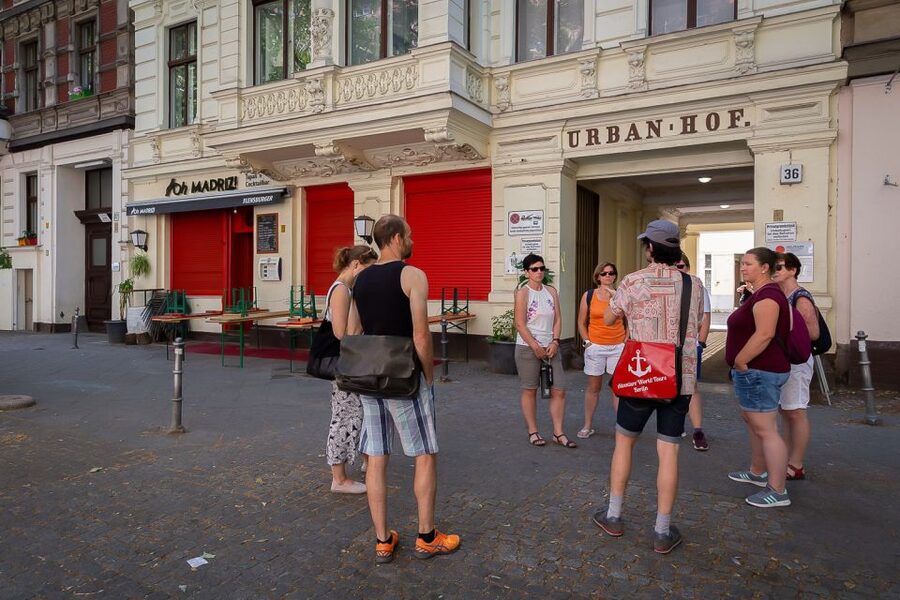
The route then follows Oranienstraße, one of Kreuzberg’s best-known streets. At Oranienstraße 24, the guide spends around 20 minutes explaining how the densely populated district took shape in the 19th century.
This is one of the most useful parts for first-time visitors. Kreuzberg’s present-day character did not appear overnight. Dense housing and working-class life helped form the physical and social setting that later became associated with protest and alternative culture.
At Oranienstraße 190, another 20-minute stop continues the story. The route gives you time for photos and questions, but the value is mainly in the explanation. A guide can point out how a normal-looking stretch of street fits into the longer story of the district.
I like this approach because it avoids treating history as a list of dates. You hear how the area developed as a place where many people lived close together, and how that setting helped shape its rebellious reputation.
The drawback is simple: if you want detailed architectural commentary, this tour may not go far enough. The supplied information focuses on life, culture, protest, and notable stories more than on building design.
Mariannenstraße and the roots of protest
The walk continues to Mariannenstraße 15 for about 10 minutes. Here, the focus turns more directly toward Kreuzberg’s rebellious spirit and the events surrounding what the tour calls the Mother of all Street Fights.
That title hints at the tone of this section. You should expect stories about conflict between local residents, police, authorities, and political groups. The guide explains why certain confrontations became part of Kreuzberg’s public identity.
This is where the small-group format can be especially useful. The subject is not just a date and a location. It involves motives, local tensions, and different ideas about how a city should be run. With fewer people, you have a better chance to ask how the events affected the neighborhood.
The tour does not present Kreuzberg as rebellious simply for style. It shows how political frustration and urban pressure helped create that reputation. That gives the district’s alternative image some needed context.
More Guided Walks in Berlin:
- Berlin: Third Reich & Cold War Guided Walking Tour
★ 4.9 · 8,378 reviews - Berlin: Hidden Backyards Guided Walking Tour
★ 4.8 · 5,360 reviews - Berlin: City Street Art Guided Walking Tour
★ 4.8 · 1,051 reviews - Berlin: History of the Third Reich Guided Walking Tour
★ 4.7 · 791 reviews
Lausitzer Platz and the SO36 music story
At Lausitzer Platz 8A, the route spends roughly 20 minutes on another important part of Kreuzberg’s identity. From here, the guide links the district to SO36, the legendary music club associated with anarchist punk and new wave bands in the 1970s and 1980s.
SO36 was not merely a place to hear music. The club became tied to a scene that challenged government and police authority. The story helps explain why Kreuzberg became known far beyond Berlin as a center for alternative music and political resistance.
If you enjoy music history, this may be the strongest stop on the walk. It gives you a clear connection between a physical place and the people who used it to express anger, humor, and independence.
You should also keep the setting in mind. The tour includes a stop connected to SO36, but it is not advertised as a concert or club visit. The experience is about the history and meaning of the place, not entry to a performance.
Görlitzer Park and Berlin’s own Jack the Ripper
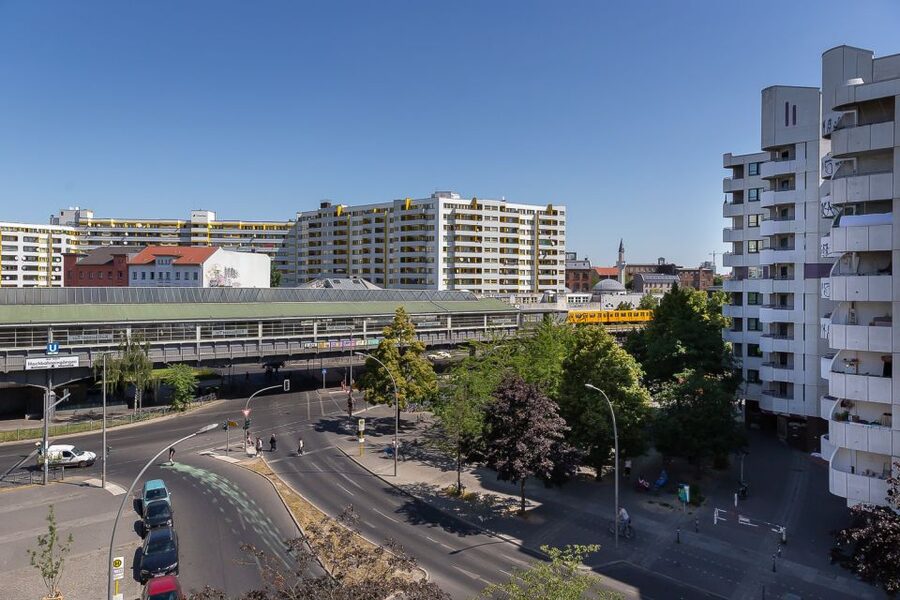
The route next reaches Görlitzer Park, with about 20 minutes for a guided stop. This section brings a different mood, moving from music and street protest to a murder story linked with Berlin’s own Jack the Ripper.
The tale adds suspense, but it also shows how a neighborhood can collect legends alongside its political and cultural history. You will hear the story as part of the walk through the area rather than as a separate ghost tour.
Görlitzer Park is one of the more recognizable places on the route, and it gives the tour a change of pace after the streets around Oranienstraße and Lausitzer Platz. The park setting also allows the guide to discuss a different side of Kreuzberg’s public life.
Do not expect a long stop in a formal park attraction. The schedule remains tight, with sightseeing, walking, and questions folded into the same short visit. If you like stories with a darker edge, this should be memorable. If murder tales are not your thing, it is still a limited part of a much broader tour.
The Pamukkale fountain ruins and the final streets
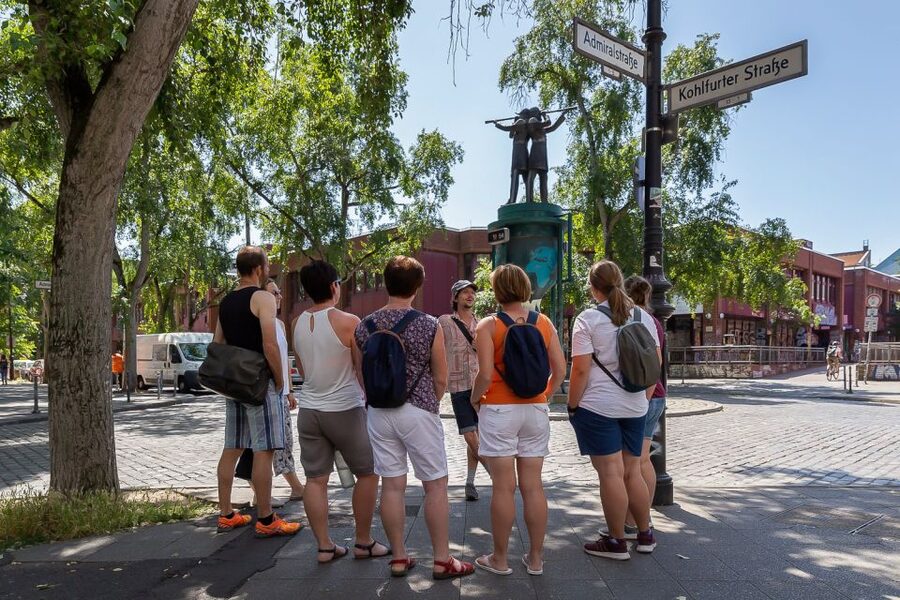
The walk continues to the Ruinen des Pamukkale-Brunnens, with about 10 minutes for a photo stop and explanation. The name refers to the ruins of the Pamukkale fountain, an unusual piece of public art whose remains form part of the route.
This stop is brief, but it gives the walk a visual change after the longer historical sections. It is a reminder that Kreuzberg’s public spaces contain failed, damaged, and altered projects as well as celebrated ones.
From there, the group continues to Oppelner Straße 3 for around 15 minutes. The guide keeps drawing together the district’s street life, historic conflicts, and cultural identity. By this point, the route should feel less like a list of separate addresses and more like one connected story about how Kreuzberg presents itself.
The final stop is at Bevernstraße 6. You have about 10 minutes there for sightseeing and free time. This ending gives you a chance to ask a last question, take photos, or decide where to continue your evening.
Because the tour finishes in the neighborhood rather than at a major transport landmark, it is smart to know your next destination before you begin. The provided details identify the finish point, but they do not specify onward transport arrangements.
What the guides add to the experience
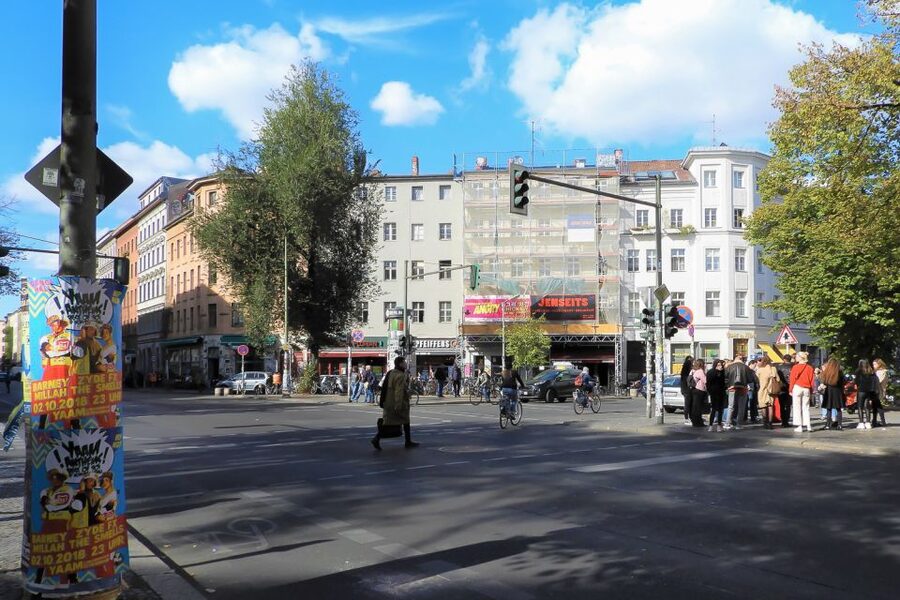
The quality of this walk depends heavily on the guide. The strongest praise centers on guides who know Kreuzberg personally and can explain its special character without turning the tour into a lecture.
Stefan receives especially warm approval for his local understanding and ability to bring Kreuzberg’s distinct qualities to life. Kevin is also praised for making the walk informative and easy to follow. Another highly rated guide was described as having almost endless insider information and helping participants feel much closer to the neighborhood.
That pattern tells you what to value here. You are not paying for a headset and a fixed script. You are paying for someone who can answer questions, connect separate stops, and add local background.
The language options are German and English. Private and small-group formats are available, which should suit you if you prefer conversation over standing at the back of a large crowd.
One piece of feedback described a group of three spending about two and a half hours on the experience, even though the stated duration is two hours. That suggests the pace can stretch when the guide and group spend time on questions. I would allow a little extra time if you have a firm dinner booking afterward.
Is $27 a fair price?
At $27 per person, this is a reasonable price for a two-hour guided neighborhood walk, especially if you book a private or small-group option. You are not paying for museum tickets or transport. The value lies in the guide’s local knowledge, route planning, and ability to explain places that would otherwise be easy to pass without understanding.
I would compare it with the cost of spending two hours wandering Kreuzberg alone. You can certainly walk Oranienstraße, Görlitzer Park, and nearby streets without a guide. What you cannot easily recreate is the connected account of the 19th-century district, street protests, SO36, the park’s darker story, and the neighborhood’s evening culture.
The value is strongest if you want context. It is weaker if you only want a quick orientation or a checklist of famous sights. Since most stops are streets, parks, or photo points, the guide is the main attraction.
Free cancellation up to 24 hours before the tour and the option to reserve now and pay later reduce the risk of fitting it into a changeable Berlin schedule. Starting times depend on availability, so check the evening slot before making other plans.
Who should book this Kreuzberg tour?
I would recommend it to you if you enjoy urban history, music, politics, local personalities, and stories about how neighborhoods change. It also suits repeat visitors who have already seen Berlin’s central sights and want a closer look at one district.
It is a good match for solo visitors, couples, and small groups who like asking questions. The German and English guide options make it practical for a mixed-language group, and the evening schedule leaves your daytime free for museums or major landmarks.
You may want to skip it if you dislike walking, prefer grand monuments, or want a tour built around indoor attractions. The route is fully on foot, lasts two hours, and includes ordinary streets where the guide’s explanation is more important than the view.
Wear shoes you can walk in and dress for the weather. Kreuzberg’s evening atmosphere is part of the experience, but the tour does not control the temperature, rain, or the noise of the neighborhood.
Should you book the evening walk?
Book this tour if you want Berlin explained from street level. The best reasons are the focused Kreuzberg route, the mix of protest and music history, the SO36 story, and the chance to finish among active bars and cafés rather than beside a conventional monument.
I would choose a private or small-group option if the price difference works for your budget. That format gives you more room to ask about the street fights, the punk scene, Berlin’s Jack the Ripper tale, or the guide’s own connection to Kreuzberg.
At $27, this is a solid choice for context and local storytelling. Just remember that you are booking a neighborhood conversation with a moving route, not a grand sightseeing circuit.
FAQ
How long does the Kreuzberg walking tour last?
The stated duration is two hours. One recorded experience lasted about two and a half hours, so allow extra time if you have a fixed evening appointment.
What languages are available?
The tour is available in German and English.
Where does the tour begin?
The starting location may vary by booking option. The listed starting choices are FightClub Casino and Cems Burgerhouse.
Where does the tour finish?
The walk finishes at Bevernstraße 6.
Is this a private tour?
Private and small-group options are available.
What places are included on the route?
The route includes Zentrum Kreuzberg, Oranienstraße, Mariannenstraße, Lausitzer Platz, Görlitzer Park, the ruins of the Pamukkale fountain, Oppelner Straße, and Bevernstraße.
Does the tour include SO36?
Yes. The guide discusses SO36 and its role in Kreuzberg’s punk and new wave music scene during the 1970s and 1980s.
What should I bring?
Bring comfortable shoes and clothing suitable for the weather.
Can I cancel for a refund?
You can cancel up to 24 hours in advance for a full refund. A reserve-now, pay-later option is also available.
Just added around Berlin
- Berlin Walking Tour★ 4.5 · 378 reviews
- Small Group Walking Tour of East Berlin with a French Guide★ 5.0 · 176 reviews
- Berlin Street Art Walking Tour – Off The Grid★ 5.0 · 270 reviews
- Berlin Highlights Private Guided Walking Tour★ 4.5 · 89 reviews
- Private Walking Tour: World War 2 and Cold War Sites in Berlin★ 5.0 · 230 reviews
- East Meets West: Berlin Food Culture & Street Art★ 5.0 · 157 reviews
- Kreuzberg Berlin: Off the Beaten Track PRIVATE Walking Tour★ 5.0 · 128 reviews
- The History of Berlin: WWII PRIVATE Walking Tour With Locals★ 5.0 · 209 reviews
Night Walking Tours, compared.

Private Street Food Evening Walking Tour in Ho Chi Minh City
Read our review →
Albaicín and Sacromonte Guided Sunset Walking Tour
Read our review →
Bremen: Walking Tour in German with Night Guard
Read our review →
Ghosts of Charleston Night-Time Walking Tour with Unitarian Church Graveyard
Read our review →
Savannah’s Ghost City “Dead of Night” Walking Night Tour
Read our review →
Gion Magical Night Walking Tour with Geisha Trivia
Read our review →
Browse the lists this tour appears in