
Review · WORKSHOPS
Cape Town: Bo-Kapp Walking Tour and Malay Cooking Class
Bo-Kaap is more than a photo stop. This four-hour experience joins a guided walk through one of Cape Town’s most distinctive neighborhoods with a hands-on Cape Malay cooking class in a local home. I like the way the walk gives meaning to the colorful houses, mosques, shops, and streets. I also like that you do not simply watch a demonstration: you fold samosas, make roti, help prepare curry, and sit down to eat the results.
The main point to consider is that the cooking space is small, so not everyone can work at the counter at once. The activity is also best suited to people who enjoy conversation and food as much as sightseeing. At $68 per person, it offers good value if you want a local introduction to Bo-Kaap rather than a quick circuit of its famous painted homes.
Key points to know before booking
- The walk adds context to the colorful houses: You learn about Bo-Kaap’s people, faith, architecture, and community instead of simply taking photographs.
- The cooking class takes place in a local home: Faldela and other hosts create a friendly setting where you prepare food and share the meal.
- You make several Cape Malay dishes: Depending on the session, this can include samosas, chili bites, chicken curry, roti, sambal, and koesisters.
- The spice lesson is a real highlight: The host explains different spices, their uses, and their possible health benefits.
- You receive the recipes afterward: The food is practical enough to try again at home, especially the roti and samosas.
- The format can vary slightly: Guides may include Faldela, Gadija, Gandija, or Ilyas, and the walking route and cooking roles may change with the group.
Why Bo-Kaap works better with a local guide
Bo-Kaap is easy to recognize and easy to misunderstand. Its bright pink, blue, yellow, green, and purple houses make an immediate impression, but the color is only the first layer of the neighborhood.
A local guide helps you notice the older buildings, narrow streets, Islamic traditions, and close links between homes and small businesses. Guides such as Faldela, Gadija, Gandija, and Ilyas bring different personalities to the walk, but the strongest experiences share one feature: the neighborhood is explained by someone connected to it.
That matters because Bo-Kaap is not an open-air set built for visitors. It is a lived-in area. People greet the guide, local shops open their doors, and the walk can include conversations with artists or visits to small souvenir and art businesses. You get a better sense of the area when you slow down and listen.
The route includes some of Bo-Kaap’s oldest buildings, the first and oldest mosque in South Africa, and the cultural museum. The museum entrance fee is included. One important practical note: the exact museum visit can depend on how the session runs. One participant did not visit it and suggested making separate time if it is important to you, so confirm the day’s plan when you arrive.
The walking portion is also useful as an appetite builder. It is not a long city hike, but you will spend time on cobblestone streets and standing while the guide explains the area. Wear comfortable shoes, especially if you want to enjoy the walk rather than rush through it.
More Cooking Classes in South Africa:
- Tokyo: Tsukiji Market Walking Tour & Sushi Cooking Class
★ 4.6 · 122 reviews - Budapest: Hungarian Cooking Class and Market Walk
★ 5.0 · 91 reviews - Naxos: Food Walking Tour & Cooking Class with Meal & Drinks
★ 4.9 · 86 reviews
The houses are colorful, but the stories matter more
The painted homes are the obvious attraction. They give Bo-Kaap its familiar look and make this one of Cape Town’s most photographed neighborhoods. The tour is more satisfying when you treat the colors as an invitation to look closer, not as the whole experience.
The architecture reflects several periods of Cape Town’s past, and the guide explains how the homes, streets, and religious buildings fit together. You may hear about why the houses became so colorful, an especially interesting detail for anyone who has already seen photographs of the area and wants to know what lies behind them.
The walk also introduces Cape Malay culture and the role of Islam in the community. That cultural background gives the cooking class more meaning. The food is not presented as a generic Cape Town menu, but as part of a living local tradition shaped by families, faith, spices, and shared meals.
The neighborhood is also politically active, and signs of current concerns can appear on the houses. One person felt that political commentary during the activity was more direct than expected. I would not book this experience assuming it is a purely decorative or food-focused outing. It is a community tour, and the guide may discuss subjects connected to local identity and current events.
Inside the spice shop
The spice shop visit is one of the most useful stops because it connects the walking tour to the kitchen. Instead of meeting the ingredients only after they have been measured and cooked, you get an introduction to the raw materials first.
Faldela is especially praised for her explanations of spices and their different uses. The lesson can cover how spices are combined, how they affect flavor, and the health benefits associated with particular ingredients. If your guide begins an extended spice explanation, have your phone ready for a short video if that is permitted. The information comes quickly, and it is the sort of practical advice that is easy to forget later.
This stop also helps you understand why Cape Malay cooking tastes layered rather than simply hot. The dishes use spice for aroma, warmth, sweetness, and depth. You do not need advanced cooking skills, but you should be prepared to pay attention and try unfamiliar techniques.
The walking route may include local art and souvenir shops as well. These stops are not the same as browsing a large commercial market. You might meet artists or see small businesses run by people from the area, which adds a personal touch to the outing. If you prefer a tightly timed sightseeing route with no shopping or conversation, this part may feel less direct.
Cooking samosas, chili bites, and flaky roti
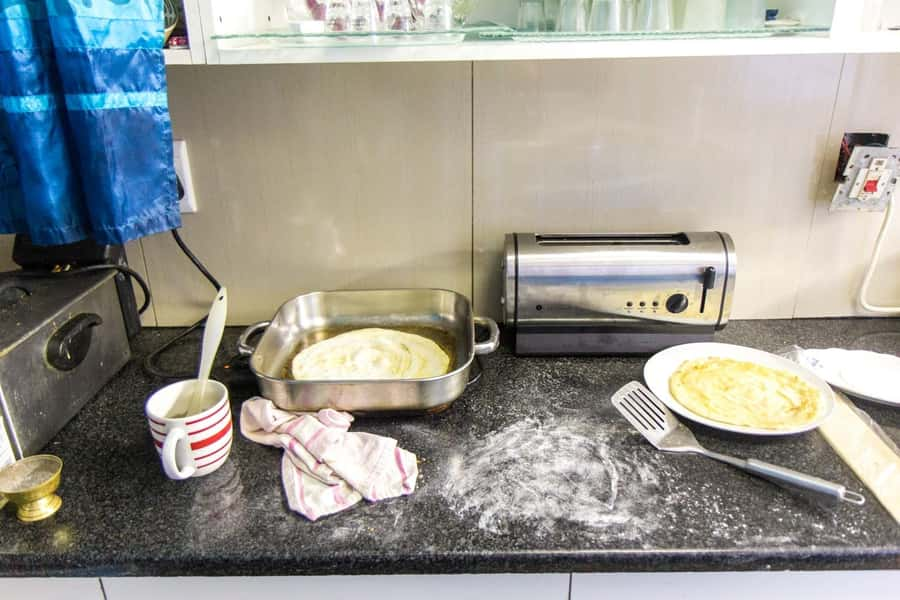
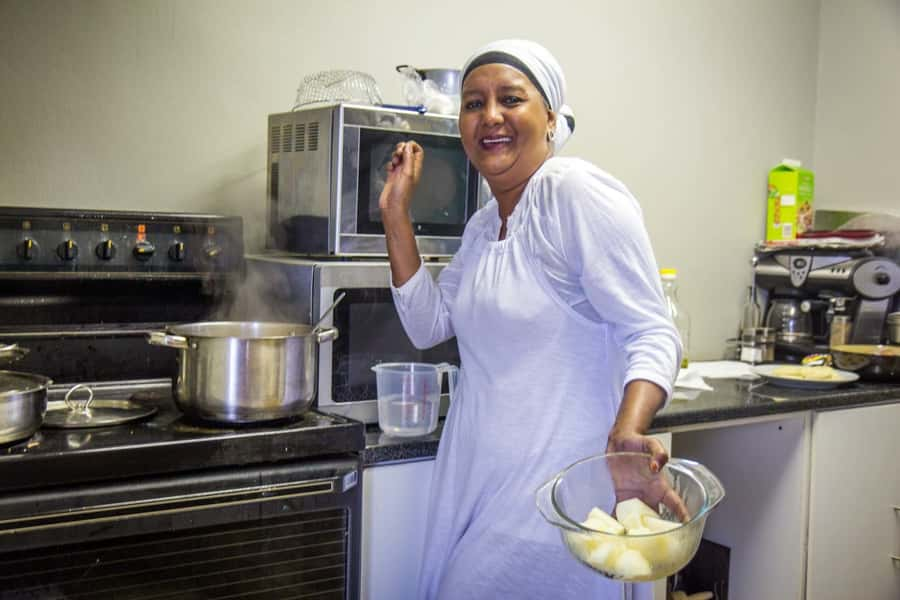
The second half takes place at a host’s home, often with Faldela leading the class. The tone is informal and social. You are not expected to arrive as a cook, and the hosts guide you through each stage.
Samosas are one of the first hands-on tasks. You learn how to fold them, which is more difficult than it looks until someone shows you the trick. Some sessions also include chili bites. These small tasks are good for beginners because you can join in without needing to manage an entire dish on your own.
The roti is often the most memorable skill. You prepare the dough and learn techniques for making the flatbread flaky. Several people specifically wanted to repeat the method at home, which tells you something about the class: it offers more than a meal, but the instruction remains manageable.
The cooking area is tiny. Usually, only one or two people can work at the counter at a time, so a larger group may need to take turns. That does not ruin the class, but it does mean the experience is not a fully equal cooking session from start to finish. If you want constant hands-on work, ask about the group size and cooking setup before paying.
The host does much of the organizing and may handle parts of the preparation herself. That is helpful because it keeps the meal moving, but it also means you should think of this as a guided home cooking lesson rather than a professional culinary workshop.
A few more walks around South Africa worth a look
- Brussels Chocolate Walking Tour and Workshop
★ 4.5 · 885 reviews - Brussels: Chocolate Workshop and Guided Walking Tour
★ 4.6 · 263 reviews
Cape Malay curry, sambal, and a full meal
The main dish is chicken curry, served with the roti you help make. You also prepare sambal, described here as a salsa salad, which brings a fresh contrast to the warm curry and bread.
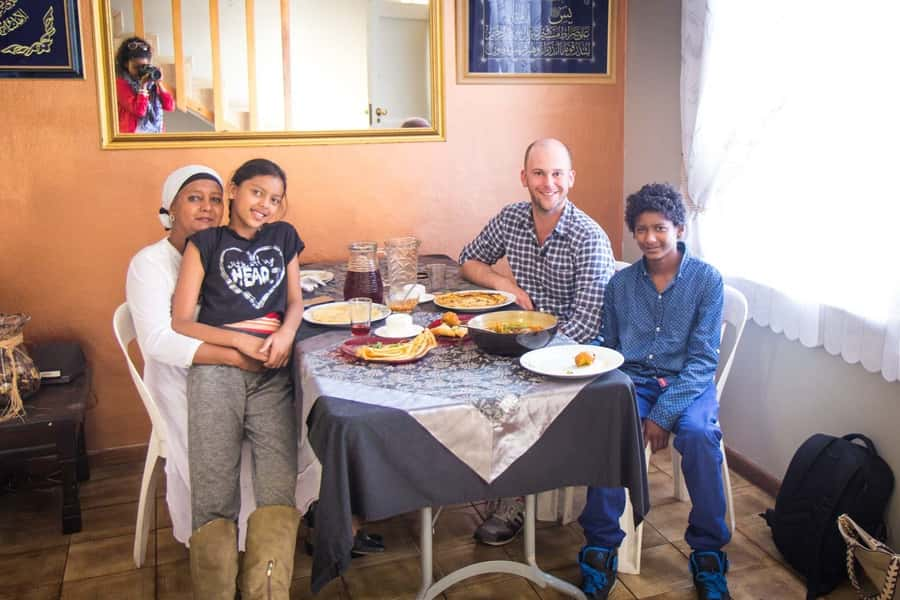
The portions are generous. The meal is intended to be filling, not a token tasting. You sit down after the cooking and eat together, often with the host and other people in the group. This shared table is one of the strongest parts of the experience because it turns the class into a social afternoon rather than a sequence of demonstrations.
The menu may vary slightly. One session included chili bites, samosas, chicken curry, and roti. Another included sambal and koesisters. Dietary needs have been handled well in past sessions, but you should still communicate them when booking rather than assume every menu can be changed at the last moment.
The meal is also a chance to talk. You can ask about Bo-Kaap, cooking at home, local traditions, and the dishes you have just prepared. Faldela is widely praised for her humor, warmth, and ability to make people feel welcome. That personality is central to the experience. If you enjoy learning through conversation, you will likely get more from this than from a formal class.
Koesisters and cardamom tea to finish
Dessert is usually koesisters, described as spicy, savory donuts served with cardamom tea. The name and flavor may be unfamiliar if you have only tried European-style donuts, so this is a useful final taste of the Cape Malay kitchen.
The dessert and tea give the meal a proper ending. You have moved from street history to spices, then from preparation to a shared table. It is a simple structure, but it works because each part supports the next.
You leave with the recipes for the dishes you prepared. That is a practical benefit. Samosas and roti are the most likely projects for a home kitchen, while the curry and spice combinations give you a starting point for further cooking.
What $68 buys you
At $68, the price is fair for a four-hour experience that combines a guided neighborhood walk, museum entrance, spice-shop visit, cooking instruction, and a substantial meal. You are paying not only for food, but also for a local guide, a small-group home setting, and access to a part of Bo-Kaap that is difficult to understand from photographs alone.
The value is strongest if you would otherwise pay separately for a city walking tour and a cooking class. It is less compelling if you only want a short look at the colorful streets or a restaurant meal without participation.
There is one confusing point in the practical information. Water and the museum entrance are listed as included, while food and drinks are listed as not included, yet the experience clearly involves cooking and eating a full meal. Since the meal is the center of the class, confirm exactly what the food wording means before booking. Alcohol is not included.
The activity lasts four hours, with starting times depending on availability. That is a useful length for a half-day in Cape Town. You still have room before or afterward for other plans, but you should not schedule it so tightly that a conversation, museum stop, or cooking delay becomes stressful.
Free cancellation up to 24 hours before the activity and the option to reserve without paying immediately make the booking easier to fit into a changing Cape Town itinerary. These are useful policies, but the real booking decision comes down to your interest in food, local culture, and a slower pace.
Who will enjoy this Bo-Kaap experience most
I would choose this for a first visit to Cape Town if you want an introduction to Bo-Kaap that goes beyond photographs. It also suits repeat visitors who have already seen the main sights and want time with a local host.
Food lovers will enjoy the spice discussion and the chance to make roti, samosas, curry, and other dishes. Beginners should feel comfortable too. The hosts explain the process, and the meal is set up so that the result is likely to be tasty even if your folding technique is not perfect.
You do not need to be passionate about cooking. The walk, history, conversations, and meal carry the experience, and one participant specifically noted that non-cooks should not be put off. Still, if you dislike group activities, standing in a compact kitchen, or eating food prepared with spices you may not know, this may not be your best choice.
The experience can also work well for solo visitors. One session went ahead with only one person, allowing a very personal afternoon. Group size can affect how much time you spend cooking, so ask if that matters to you.
A few practical tips before you go
Wear comfortable shoes for cobblestones and walking. Arrive at the meeting point, a purple house with flower pots on top, and keep the location description handy because the house is the key landmark.
Bring an appetite, but do not expect to eat immediately. The walk and spice-shop stop come before the meal, and the cooking takes time. Keep some room in your schedule for conversation.
If you have dietary restrictions, state them in advance. The hosts have accommodated dietary needs successfully, but clear notice gives the kitchen a fair chance to prepare.
Do not treat the painted houses as the only goal. Listen for the explanation of the mosque, museum, older buildings, and local businesses. The walk earns its place in the itinerary by giving the cooking class a cultural setting.
Should you book it?
Yes, if you want a warm, personal introduction to Bo-Kaap and Cape Malay food. The strongest reasons to book are the local guides, the spice lesson, the hands-on roti and samosa work, and the generous meal shared at the end.
I would hesitate only if you want a fast photo tour, a large professional kitchen, or a tightly scripted museum visit. The cooking area can feel crowded, and the day has a conversational pace. For most visitors who value food, community, and practical cultural insight, $68 is a sensible use of half a day in Cape Town.
FAQ
How long does the Bo-Kaap walking tour and cooking class last?
The activity lasts four hours. Starting times vary, so you need to check availability for the date you want.
What food do you prepare?
The menu includes chicken curry, roti, sambal or salsa salad, samosas, and koesisters. Some sessions also include chili bites. The exact dishes may vary slightly.
Is the meal included?
The experience includes cooking and eating a traditional meal, but the practical information also says food and drinks are not included. Confirm the food arrangement before booking. Alcohol is not included.
Where is the meeting point?
You meet your host at a purple house with flower pots on top.
What should I bring?
Bring comfortable shoes for the walking portion on cobblestone streets. You may also want your phone available for notes or photos during the spice lesson.
Is the activity offered in English?
Yes. The live tour guide and cooking instruction are in English.
Just added around South Africa
- Stellenbosch: Guided Historical Walking Tour★ 4.7 · 283 reviews
- Cape Town: Street Art Walking Tour in Woodstock★ 4.8 · 293 reviews
- Johannesburg: City Centre Walking Tour★ 4.8 · 152 reviews
- Durban: City Sightseeing and Walking Tour★ 4.6 · 98 reviews
- Durban: Local Markets and Culture Guided Walking Tour★ 4.9 · 89 reviews
- Cape Town: Private Walking Tour with a Local★ 4.6 · 243 reviews
- Cape Town Walking Tour: Bo-Kaap & City Highlights★ 4.8 · 161 reviews
- Cape Town: Langa Township Walking Tour★ 4.8 · 272 reviews
Workshops, compared.


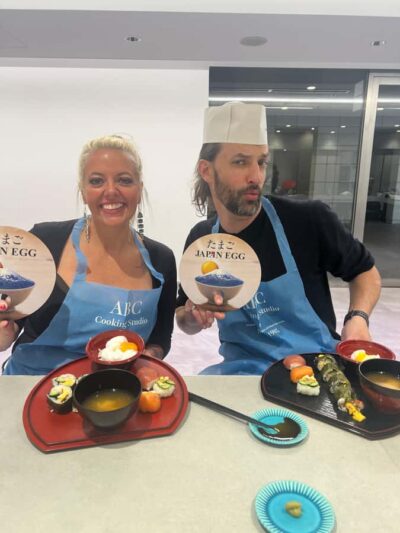
Tsukiji Market Walking Tour & Sushi Cooking Class
Read our review →
Naxos: Food Walking Tour & Cooking Class with Meal & Drinks
Read our review →Browse the lists this tour appears in