
Review · MARKET WALKING TOURS
Durban: Local Markets and Culture Guided Walking Tour
The real Durban is found between market stalls. This local walking tour links Durban’s Indian, African, and traditional medicine markets with everyday city travel, giving you far more than a quick photo stop. I like the friendly, well-connected guide Johnny, and I like ending at North Beach with bunny chow. The main drawback is the pace: expect about 8,000 steps, crowded market areas, and local minibus taxis that may feel uncomfortable in bad weather.
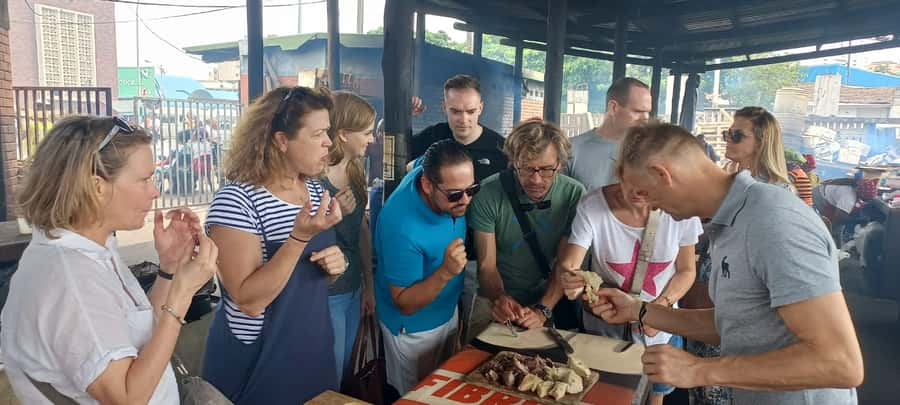
You meet at Tekweni Backpackers on Ninth Avenue, then spend roughly four to five hours moving through central Durban on foot and by combi. Johnny’s long connection with the markets is a major part of the experience. He knows the stalls, greets local traders, explains the city’s past and present, and helps you feel at ease in places you might not visit alone.
Key points to know before you go
- Several markets in one morning: Visit the Early Morning Market, bridge market, Indian markets, African market, Muti market, and Victoria Street Market.
- Johnny makes the difference: His local connections and stories cover Durban’s politics, food, traditions, cultures, and daily life.
- Local transport is part of the tour: Ride minibus taxis, known locally as combis, rather than using a private vehicle throughout.
- Shopping can be excellent value: You may find spices, souvenirs, herbs, oils, and local goods at prices lower than in tourist-focused shops.
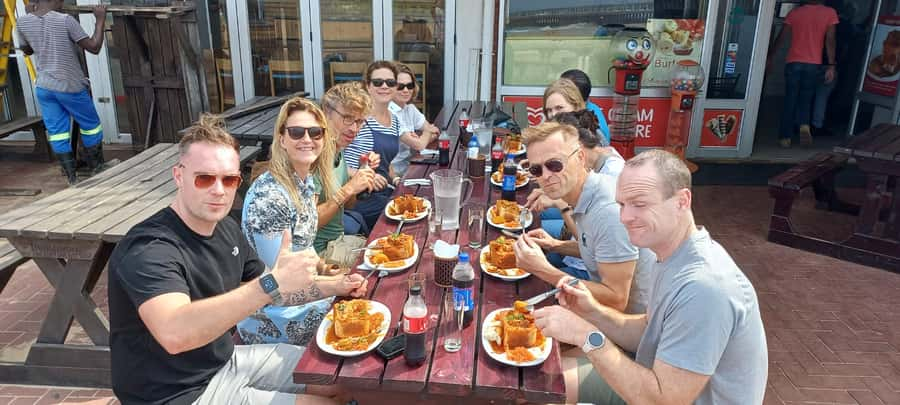
- The tour ends with bunny chow: Lunch takes place near Durban’s beachfront at North Beach, with beverages paid separately.
- Plan for a physical morning: Wear comfortable shoes, carry water and cash, and expect a slow walk of about 8,000 steps.
Starting at Tekweni Backpackers on Ninth Avenue
The tour begins inside Tekweni Backpackers at 169 Ninth Avenue, just off Florida Road in Morningside. Johnny waits inside the premises, which gives you a clear and simple meeting point. If you drive, safe parking is available at the starting location.
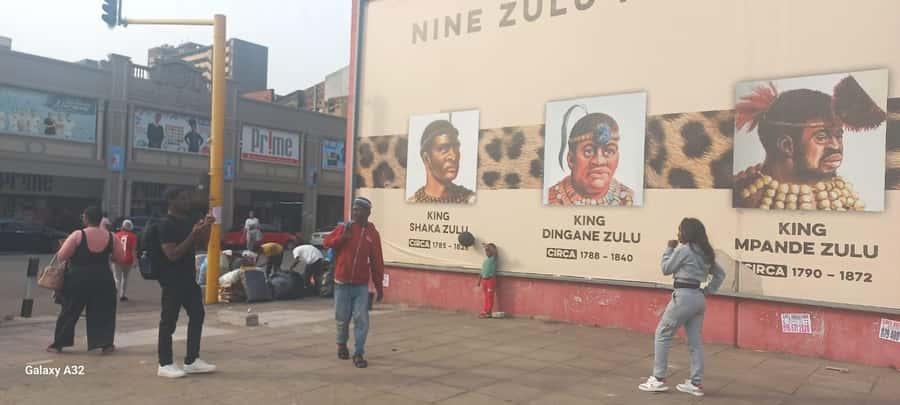
The first part introduces Durban’s story before you head toward the markets. This matters because the stalls make more sense when you understand the city’s mix of African, Indian, and other cultural influences. You are not simply looking at goods on tables. You are learning why different communities, foods, beliefs, and trading traditions appear side by side.
A viewpoint and photo stop are included early in the route. It gives you a chance to see Durban from above before moving into the denser city streets. Bring sunglasses and a hat, since parts of the day take place outdoors with little reason to expect shade.
More Market Walking Tours in South Africa:
- Bangkok: City Highlights Temple and Market Walking Tour
★ 4.5 · 3,990 reviews - Tokyo Tsukiji Fish Market Food and Culture Walking Tour
★ 5.0 · 3,184 reviews - London Bridge & Borough Market Food Tour with 7 Authentic Dishes
★ 5.0 · 1,972 reviews
Riding Durban’s combi taxis
One of the most memorable parts of this outing is also one of the least polished. You ride local minibus taxis, often called combis, for about 15 minutes on the way to the markets and another 15 minutes when heading toward the beachfront.
This is not private sightseeing transport. It is ordinary local travel, and that is the point. Johnny explains how the system works, which helps you use a form of transport that can seem confusing if you are seeing it for the first time. You get a closer look at how people move around Durban rather than watching the city through the window of a tour vehicle.
I think this works best for curious visitors who want a real slice of city life. It may not suit you if you prefer air-conditioned transport, a fixed private vehicle, or a quiet ride. One person found the waiting and local transport unpleasant on a rainy day, so weather can affect this part of the outing.
The combi ride is also a good reason to carry small amounts of cash. Cash is specifically recommended for the tour, and it is useful for personal purchases in the markets.
Walking through the Markets of Warwick
The main market section takes place around the Markets of Warwick. Rather than stopping at one polished market hall, you move through several connected trading areas. The range is the key attraction.
You visit the Early Morning Market, the bridge market, Indian markets, the African medicine market, the African market, and Victoria Street Market. Each has a different feel and purpose, and Johnny provides the context that turns a quick walk into a useful city lesson.
The Early Morning Market and other Warwick areas show the working side of Durban. You might see produce, food, household items, clothing, and goods sold for everyday use. This is a place to pay attention to how people trade and interact, not just to hunt for souvenirs.
The bridge market adds another layer to the route. Its position helps you see how different market areas connect, while the walk between locations gives Johnny time to explain the city around you. The tour moves at a slow pace, but there is plenty to look at, so the morning can feel full.
Indian and African markets: shop with patience
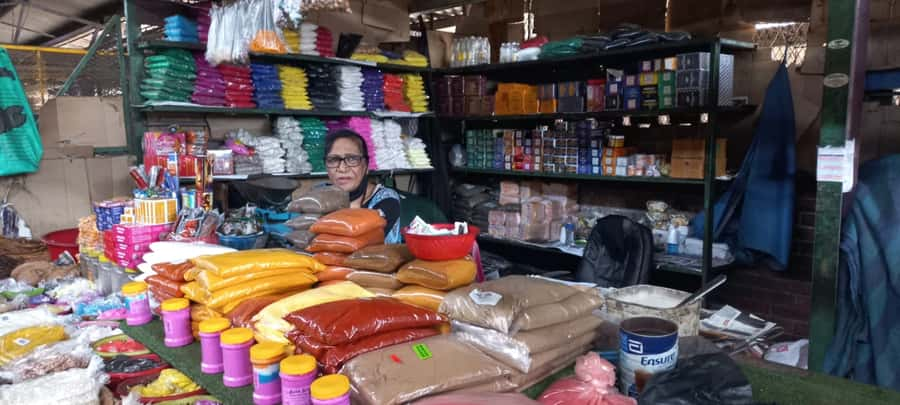
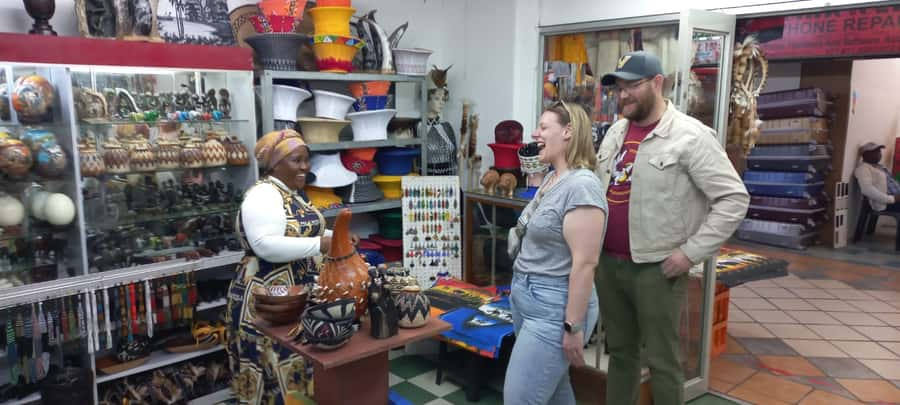
Durban’s Indian markets are a strong part of the experience, especially if you want spices and local food-related goods. You may find ingredients and souvenirs that cost less than they do in tourist shops. One useful tip from the experience is to save some of your spice and trinket shopping for this visit, and bring a larger bag if you expect to buy several items.
You should still shop thoughtfully. Prices are not fixed in the same way they are in a department store, and you will need to keep track of your purchases. Johnny can help you understand what may be a good buy, which is particularly useful if you are unsure about local products.
The African market gives you another view of Durban’s trading culture. You can browse goods, talk with stallholders where appropriate, and ask Johnny about what you see. This is not a silent museum visit. It is an active market walk, so expect noise, movement, close quarters, and plenty of distractions.
That lively setting is part of the value, but it also requires good manners. Ask before photographing people or products, stay close to the guide, and listen when he explains how to move through each area.
More Cultural Walking Tours in South Africa:
- Cape Town: Art, Culture & History Walking Tour
★ 4.9 · 392 reviews - Savannah First Squares Culinary & Cultural Walking Food Tour
★ 5.0 · 3,229 reviews - New Orleans French Quarter, Voodoo and Culture Walking Tour
★ 4.5 · 2,961 reviews - Amsterdam: Cultural Highlights Walking Tour
★ 4.9 · 2,629 reviews
The Muti market and traditional medicine

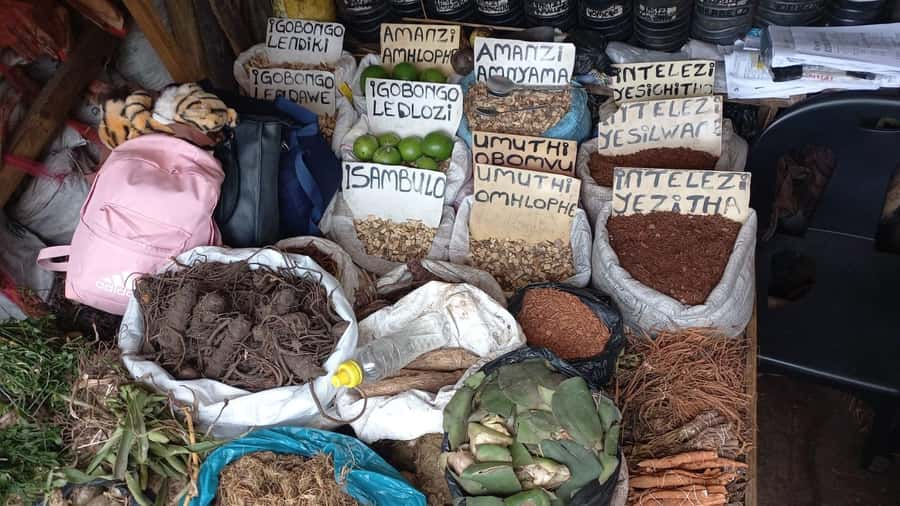
The African medicine, or Muti, market is likely to be the most unusual stop for many visitors. Traditional healers sell powders, oils, herbs, and products associated with traditional medicine. Some stalls may also contain items derived from animals, according to the explanations given by healers and traders.
This section needs an open mind and a respectful attitude. You do not have to accept every claim to appreciate the cultural role of traditional medicine. Johnny helps explain the beliefs and practices rather than leaving you to guess what each item means.
For me, this is one of the tour’s most valuable stops because it provides a view of Durban that a standard sightseeing route would miss. It also raises difficult questions about poverty, access to care, tradition, and the ways people support themselves. The market is not arranged for outside approval, so some products or displays may be confronting.
If you are sensitive to animal products, strong smells, or unfamiliar medical traditions, prepare yourself before entering. The tour is educational, but it is not sanitized for comfort.
Victoria Street Market and the best time to shop
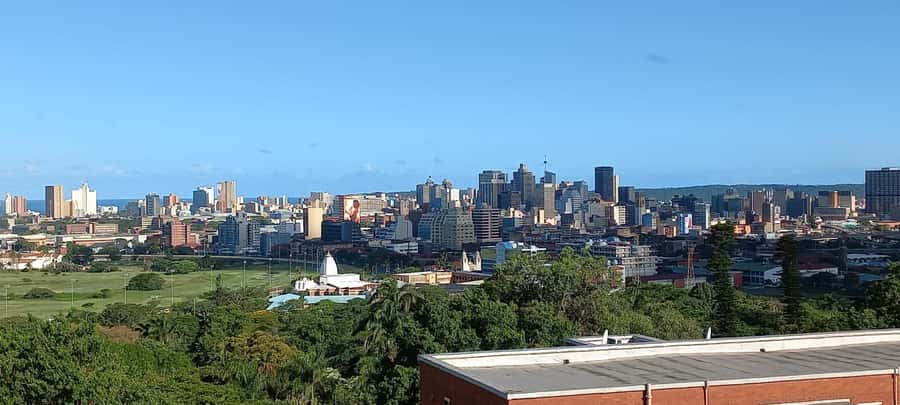
Victoria Street Market is the best-known shopping stop on the route. It brings together the colorful food, spice, craft, and souvenir side of the day, and it is an easy place to compare what you have seen in the other markets.
I would wait until you have looked around before buying everything that catches your eye. Johnny has been guiding people through Durban’s markets for more than 14 years, and his local relationships help him point out sensible purchases. His long experience also means he can explain how the market areas have changed over time.
Several people who took the tour praised the low prices, especially for spices and souvenirs. That does not mean every item is automatically a bargain. Use your judgment, ask about prices, and buy only what you can carry comfortably for the rest of the walk.
The shopping portion can also stretch the day. The stated duration is 330 minutes, but one outing lasted closer to eight hours because of extra food, rain delays, and added stops. If your schedule is tight, tell Johnny early and ask how much time the planned route is likely to take.
Johnny’s role in making the markets accessible

The guide is not a minor detail here. Johnny is repeatedly praised for his enthusiasm, humor, honesty, and personal connection to Durban. Local traders recognize him, and that welcome can make a noticeable difference when you are walking through unfamiliar market areas.
He explains Durban’s history, politics, food, cultures, and traditions in plain terms. He also welcomes questions, so this is a good tour for you if you like conversation rather than a memorized speech. Several people felt safe with him, including a solo woman, and his familiarity with the markets helps you relax while still paying attention to your surroundings.
His style appears flexible. One group received extra stops and a longer day because they wanted more time and had specific interests. That flexibility is useful, but it also means the exact timing may not be rigid.
The tour is offered in English only. If you want a quiet, tightly timed sightseeing route, Johnny’s conversational style may feel loose. If you want to ask why a market works a certain way or how Durban’s communities fit together, it is a strong match.
Bunny chow at North Beach
After the markets, you continue through Durban on foot and by local transport, ending near the beachfront at North Beach. Lunch is the city’s famous bunny chow, a traditional meal made with bread and meat.
Bunny chow is a fitting finish because it connects the city’s Indian influence with an uncomplicated, filling local meal. The tour includes lunch, but beverages are not included, so carry enough cash for a drink. Lunch lasts about an hour and takes place along the beach promenade.
This final stop changes the rhythm of the day. After crowded markets and city streets, you have time to sit, eat, and look toward the beachfront. It also gives you a chance to ask final questions or compare what you saw earlier with the polished public face of Durban’s coast.
The meal is not a gourmet tasting menu, and you should not book this tour expecting one. Its value is in trying a local specialty in the city where it belongs, after seeing the communities and markets that give Durban its food culture.
Is $68 a fair price?
At $68 per person, the price is reasonable if you value access, guidance, and local transport more than a private vehicle or a short highlight tour. The fee covers the guide, walking tour, two local transport legs, and lunch. You still pay for personal purchases and drinks.
A private taxi could make the route more comfortable, but it would remove one of the most distinctive parts of the day. You are paying for Johnny’s time, his market relationships, his city explanations, and a route that would be difficult to reproduce on your own.
The value is strongest if you plan to shop. Spices and souvenirs may cost less in the markets than in tourist areas, though your savings depend on what you buy. The tour can also help you avoid wasting time or choosing poorly, since Johnny can explain the products and point out useful places.
At the same time, the price does not buy luxury. You walk, ride public minibus taxis, handle your own shopping, and spend time in busy markets. Think of it as a local orientation with lunch, not a polished coach excursion.
What to bring and who should book
Wear comfortable walking shoes and loose, practical clothing. Add sunglasses, a sun hat, sunscreen, and water. Cash is important for drinks, purchases, and personal expenses.
I would book this for you if you want:
- A close look at Durban’s daily life and market culture
- A guide who welcomes questions and explains local customs
- An unusual food and shopping experience
- A chance to ride public minibus taxis with local guidance
- A tour that includes both African and Indian cultural influences
I would think twice if you need step-free access, dislike crowded places, or cannot walk for several hours. The tour is not suitable for wheelchair users, and the route includes about 8,000 steps at a slow pace. It is also not designed for people over 95.
Free cancellation is available up to 24 hours before the start, and you can reserve now and pay later. Starting times vary, so check availability when choosing your date.
Should you book this Durban market tour?
Book it if you want Durban explained from the inside rather than viewed from a sightseeing bus. The strongest reasons are Johnny’s personal connection with the markets, the chance to use combi taxis, the Muti market, and the bunny chow finish at North Beach.
Skip it if comfort, privacy, and strict timing matter more than local contact. For the right person, $68 buys a memorable day of market shopping, honest conversation, city history, and food that feels tied to place.
FAQ
Where does the tour begin?
It begins inside Tekweni Backpackers at 169 Ninth Avenue, just off Florida Road in Morningside.
Where does the tour finish?
The tour finishes at North Beach on the beachfront promenade after lunch.
How long does the tour last?
The stated duration is 330 minutes, or about five and a half hours. The tour information also describes it as four to five hours, and the actual timing can run longer if the group spends extra time shopping or adds stops.
What transport is included?
Local minibus taxi transport is included from the meeting point to the markets and from the markets to the beachfront. Each listed ride takes about 15 minutes.
Which markets does the tour visit?
The route includes the Early Morning Market, bridge market, Indian markets, African medicine market, African market, and Victoria Street Market.
Is lunch included?
Yes. Lunch is bunny chow at the beachfront. Beverages are not included.
What language is the tour offered in?
The live tour guide speaks English, and the activity is offered in English.
How much walking is involved?
The walk is about 8,000 steps at a slow pace. Comfortable shoes, water, sun protection, and comfortable clothing are recommended.
Is the tour suitable for wheelchair users?
No. The tour is not suitable for wheelchair users.
Just added around South Africa
- Stellenbosch: Guided Historical Walking Tour★ 4.7 · 283 reviews
- Cape Town: Street Art Walking Tour in Woodstock★ 4.8 · 293 reviews
- Johannesburg: City Centre Walking Tour★ 4.8 · 152 reviews
- Durban: City Sightseeing and Walking Tour★ 4.6 · 98 reviews
- Cape Town: Private Walking Tour with a Local★ 4.6 · 243 reviews
- Cape Town Walking Tour: Bo-Kaap & City Highlights★ 4.8 · 161 reviews
- Cape Town: Bo-Kapp Walking Tour and Malay Cooking Class★ 4.7 · 105 reviews
- Cape Town: Langa Township Walking Tour★ 4.8 · 272 reviews
Market Walking Tours, compared.

City Highlights Temple and Market Walking Tour
Read our review →
Tokyo Tsukiji Fish Market Food and Culture Walking Tour
Read our review →
London Bridge & Borough Market Food Tour with 7 Authentic Dishes
Read our review →
Air Raid Shelter + St. Nicholas Market Walking Tour
Read our review →
Nishiki Market Brunch Walking Tour (7 Tastings + Brunch)
Read our review →
Bologna Food & Market Tour with 6 Tastings, Pasta, Wines & More
Read our review →Browse the lists this tour appears in