
Review · HISTORY WALKING TOURS
Stellenbosch: Guided Historical Walking Tour
History comes alive under the oaks. This 90-minute walk makes Stellenbosch’s old center easy to understand, from Simon van der Stel’s first camp beside the Eerste River to the town’s damaging fires and changing identity. I like the mix of grand landmarks and small local stories, and I like that guides such as Johan, Marlene, Juliana, and Julietta adjust their storytelling to the group.
The $18 price is fair for a guided introduction, especially if you are new to Stellenbosch. The main consideration is simple: this is a walking tour, so you will need comfortable shoes and some tolerance for standing outdoors. There is no transport from the meeting point or between sights.
Key points at a glance
- Oak-lined streets and water furrows: Walk the shaded avenues beside the Mill Stream and see why Stellenbosch is known as the village of the oaks.
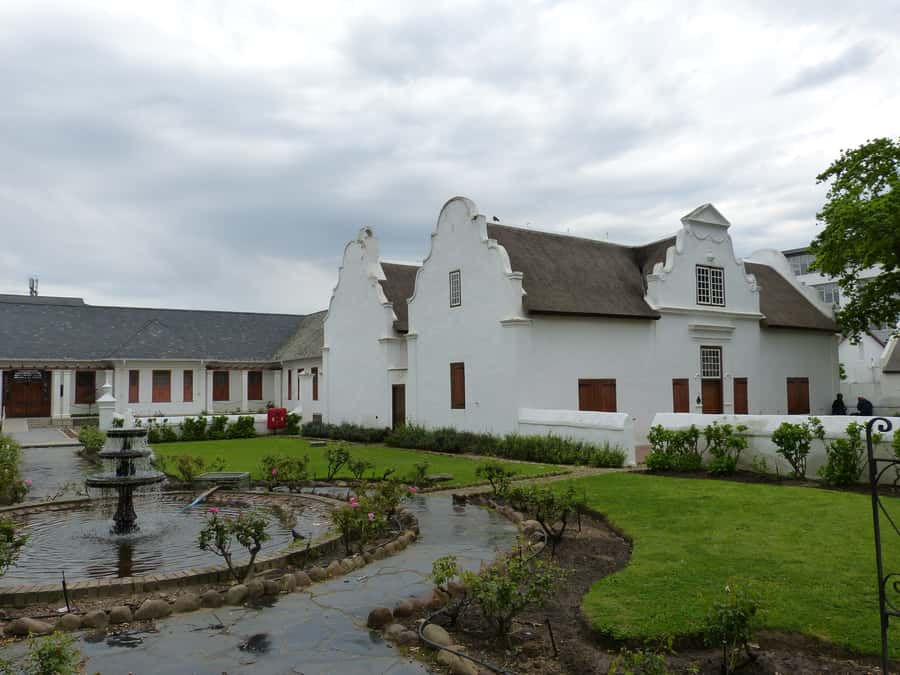
- Cape Dutch architecture: Study historic buildings around The Braak and along Dorp Street, South Africa’s oldest residential street.
- Stories beyond the façades: Hear about fires, colonial beginnings, university life, local customs, and colorful residents.
- A guide-led experience: Johan is often praised for humor and clear explanations, while Marlene, Juliana, Julietta, and Maureen bring their own local style.
- Easy 90-minute format: The route gives you useful background without taking over your entire day.
- Good first activity: The walk can help you get your bearings before exploring Stellenbosch on your own.
Starting at 47 Church Street
The tour begins at 47 Church Street in Stellenbosch Central. You should arrive 15 minutes early, which gives you time to find the meeting point without beginning the walk in a rush.
This central starting place suits the tour well. Stellenbosch is compact enough for a walking introduction, and the route focuses on the older heart of town rather than sending you out to distant attractions. You do not need a car once you arrive at the meeting point.
The experience is conducted in English with a live guide. It is also listed as wheelchair accessible, although the tour still takes place outdoors on town streets, so you may want to confirm any particular mobility needs when booking.
More History Walking Tours in South Africa:
- Cape Town: Art, Culture & History Walking Tour
★ 4.9 · 392 reviews - History and Hauntings of Salem Guided Walking Tour
★ 5.0 · 14,564 reviews - Lisbon: History, Stories and Lifestyle Walking Tour
★ 4.8 · 10,902 reviews
Oak avenues and the Mill Stream
The first impression is visual. Stellenbosch has broad, shady avenues lined with oak trees, with water furrows connected to the Mill Stream running through parts of the town. These details give the center a strong sense of place and make the walk more than a simple parade of old façades.
I like this opening because it explains how the town works as a lived-in place. You are not only looking at buildings. You are seeing how water, trees, roads, and settlement patterns shaped the town over time.
The shade is welcome in the Western Cape, but do not treat it as a guarantee of cool weather. Wear comfortable shoes, bring water, and dress for outdoor conditions. The walk is described as easy, yet you will be on your feet for about an hour and a half.
Simon van der Stel and the Eerste River
A central story concerns Simon van der Stel, the colonial founder associated with Stellenbosch. You learn where he set up camp beside the Eerste River and how the river received its name.
This is a useful moment because it ties the town to a specific location rather than presenting its beginnings as a vague date in a textbook. A good guide can make the origin story feel connected to the streets you are walking through.
The tour also places Stellenbosch within the wider story of South Africa. Several people who took the walk appreciated that the discussion went beyond local buildings and included political and national context. That broader frame matters, particularly if you are still trying to understand how the Cape’s colonial past connects with present-day South Africa.
The tone is not purely formal. Johan is praised for using humor and amusing facts, and other guides are described as warm, energetic, and willing to answer questions. That style helps keep historical information from becoming a list of names and dates.
The Braak and its surrounding buildings
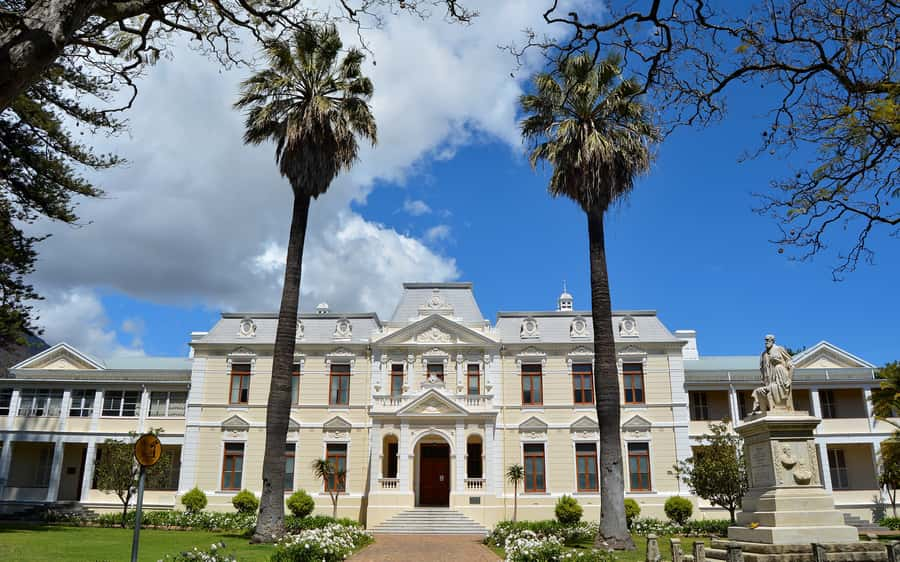
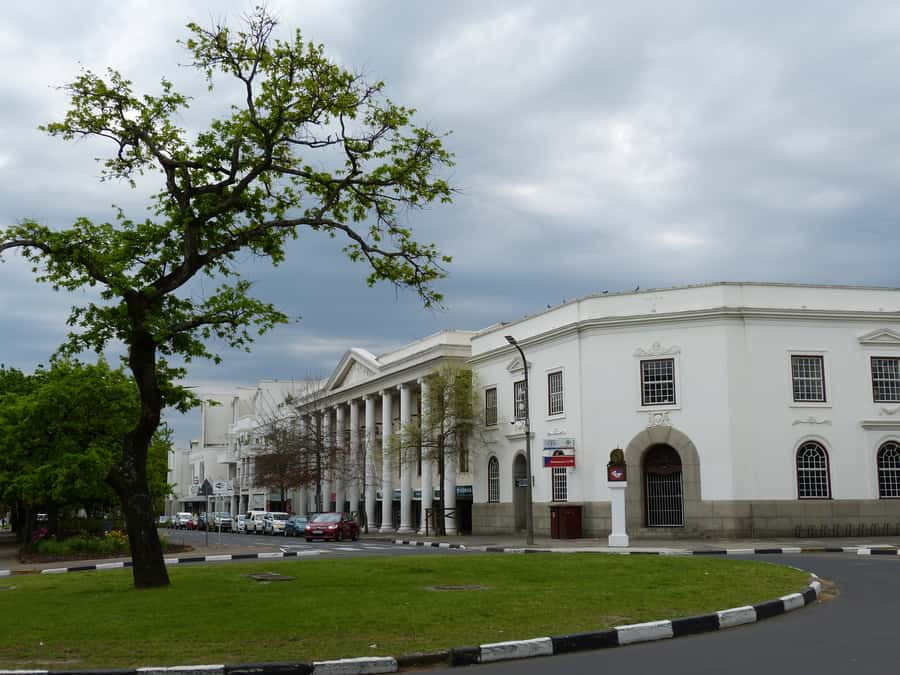
The Braak, or village green, is one of the tour’s clearest visual stops. Historic buildings surround it on three sides, creating a space where you can take in several parts of Stellenbosch’s architectural character at once.
This is where the Cape Dutch style gets a proper setting. Instead of seeing one old building in isolation, you can compare the shapes, proportions, and placement of several structures around the green. The guide helps explain why the area matters and points out details you might pass without noticing.
The Braak is also a good place to pause and listen. A walking tour works best when the guide allows you time to look around, and the strongest accounts of this experience describe a relaxed pace rather than a rushed march from one stop to the next.
Do not expect a museum visit at every building. The value comes from the guide’s explanation and the setting itself. If you prefer long interior visits, this tour may feel light on indoor sightseeing. If you want context before exploring independently, it does the job well.
More Guided Walks in South Africa:
- Soweto: Walking Tour with a Local Guide and Lunch
★ 4.9 · 648 reviews - Durban: Local Markets and Culture Guided Walking Tour
★ 4.9 · 89 reviews - Magical London: Harry Potter Guided Walking Tour
★ 4.7 · 22,044 reviews - Amsterdam Anne Frank: Small-Group Walking Tour & Local Guide
★ 4.8 · 12,789 reviews
Dorp Street, the oldest residential street
Dorp Street is one of the tour’s headline sights. It is identified as the oldest residential street in South Africa, and its historic character gives you a strong sense of how Stellenbosch developed as a settled town.
The street is especially useful for understanding the relationship between architecture and daily life. You see how homes, roads, and older town structures fit together, while the guide adds stories about the people who lived there.
This is also the sort of stop where a local guide earns the fee. You can walk along Dorp Street alone and enjoy the façades, but you may miss the reason certain buildings matter or how the town changed around them. Juliana, Marlene, and Julietta are often praised for pointing out details that a casual walk would overlook.
The route stays manageable. It is not designed as a strenuous hike, and several accounts describe it as an easy city walk. Still, allow enough time to stop, listen, and take photographs without treating the tour as a race.
Fires, rebuilding, and four centuries of people
Stellenbosch’s past is not just a neat collection of preserved buildings. The town suffered devastating fires in the 18th century, with large sections destroyed and rebuilt. That part of the story adds useful tension to the pretty streets.
You begin to see the center differently once you know that the town’s appearance is tied to repeated loss and rebuilding. The buildings are not simply old survivors. Some reflect later repair, adaptation, or reconstruction after fire.
The guide also introduces you to the people who shaped the town across four centuries. The material includes stories about colorful inhabitants, local habits, and the changes that brought Stellenbosch into the modern era.
This human element receives some of the strongest praise. Visitors describe guides as funny, personable, and good at making history feel alive. Johan’s easy manner is repeatedly appreciated, while Marlene is praised for a well-paced and varied walk. Juliana is noted for her energy and for giving full answers to questions rather than brushing them aside.
That personal approach makes a difference. You are not expected to arrive with specialist knowledge. The guides explain the setting in plain terms and can adapt the amount of detail to the group.
The Moederkerk graveyard and the Angel Factory
The route includes darker and more unusual stories. You may hear about a ghost in the graveyard of the Moederkerk and possibly encounter the story of an angel at the Angel Factory.
These touches give the tour some personality. They break up the formal discussion of architecture and colonial settlement with local tales that are easier to remember. One particularly amused account praised the guide’s explanation of the local morgue, suggesting that the walk does not avoid unusual or slightly macabre subjects.
The exact emphasis can vary with the guide and the group. This is not presented as a ghost tour, and you should not book it expecting theatrical scares. The supernatural stories are part of a wider historical walk, used to show how local memory and storytelling sit alongside documented events.
I consider this balance a strength. You receive solid historical background, but the tour does not become dry. A little humor and folklore make the town easier to recall after you leave.
Stellenbosch University and the modern town
Stellenbosch is also a university town, and the walk discusses famous university graduates, including prime ministers and sportsmen. This gives the tour a present-day connection rather than leaving you in the colonial period.
The university’s role helps explain why the town feels both historic and active. You are shown a place that preserves old streets while remaining tied to education, politics, sport, and modern South African life.
Several guides also include present-day context in their explanations. That is important because a town’s history should not be treated as a sealed chapter. The better version of this tour connects the old buildings with the town you see around you now.
If your main interest is wine, note that this is not a vineyard excursion or wine tasting. The focus is the historic town center. You can combine it with other Stellenbosch activities, but this walk itself is about streets, buildings, people, and local stories.
How the guides shape the experience
The guide is the main reason to book this rather than simply download a map. Johan receives repeated praise for clear explanations, humor, and his ability to answer questions. Marlene is described as charming, well informed, and good at keeping the walk varied. Juliana is praised for enthusiasm and for tailoring the tour to individual interests.
Julietta is also noted for sharing information that would otherwise be easy to miss. Maureen is remembered for making the town’s development and fire damage understandable. These different personalities mean the experience is not completely uniform, but the pattern is encouraging: the guides know the place and enjoy explaining it.
Group size can vary. Some departures have been very small, including solo walks and groups of four. That can make it easier to ask questions and adjust the discussion. A larger group may feel less personal, though the 90-minute format keeps the basic structure clear.
The most useful tip is to speak up. Ask about architecture, language, politics, university life, or places to explore afterward. The guides appear comfortable with conversation, and several accounts specifically value their willingness to give thoughtful answers.
Is $18 good value?
At $18 per person, this is a strong-value introduction to Stellenbosch. You receive a professional guide and a 90-minute walking tour, with no added transport cost inside the route.
The real value lies in what the guide adds. The oak avenues and old buildings are free to see, but understanding the fires, the river, the colonial founder, Dorp Street, The Braak, and the town’s university connections gives those sights more meaning.
It is also a sensible use of time. Ninety minutes is long enough to cover the old center without consuming a full morning or afternoon. You can schedule lunch, shopping, wine tasting, or another activity afterward.
Personal expenses and transportation to the meeting point are not included. You should also be prepared for the possibility that gratuities may be customary, as one booking account specifically advised keeping a tip available. That is not part of the listed price, so carry a little extra if you wish to thank your guide.
Free cancellation up to 24 hours before the activity and a reserve-now, pay-later option add flexibility. Those terms are useful if your Western Cape plans depend on weather or changing transport arrangements.
Who should book this walk?
I recommend it most strongly for first-time visitors to Stellenbosch, people interested in architecture, and anyone who wants local context before exploring alone. It also suits repeat visitors. One person who had visited the town many times still learned new things from the walk.
Families and older visitors may appreciate the short, easy format, though everyone should be comfortable walking and standing outdoors. History fans will get more from it than someone looking only for food or wine.
The tour is less suitable if you want a long museum visit, a vineyard experience, or private transportation. It also may not satisfy you if you prefer to move at your own pace without a guide. In that case, use the route as a starting point and continue independently afterward.
Should you book the Stellenbosch historical walk?
Yes, if you have 90 minutes and want to understand more than the pretty façades. The combination of oak avenues, Cape Dutch buildings, The Braak, Dorp Street, fire stories, university connections, and local folklore gives you a useful picture of Stellenbosch.
Book it early in your stay so you can use the guide’s suggestions during the rest of your visit. Choose comfortable shoes, arrive 15 minutes early, and bring questions. At $18, this is an easy recommendation for an informative first look at one of the Western Cape’s most historic towns.
FAQ
How long is the Stellenbosch walking tour?
The tour lasts 90 minutes.
What language is the tour conducted in?
The live guided tour is conducted in English.
Where does the tour meet?
The meeting point is 47 Church Street, Stellenbosch Central, Stellenbosch, 7599.
How early should I arrive?
You should arrive 15 minutes before the activity begins.
What does the price include?
The price includes a professional guide and the walking tour.
Is transportation included?
No. Transportation to and from the starting location is not included.
Is the tour wheelchair accessible?
Yes, the activity is listed as wheelchair accessible.
What should I bring?
Bring comfortable shoes. Pets, alcohol, and drugs are not allowed.
Can I cancel the booking?
Yes. You can cancel up to 24 hours in advance for a full refund. A reserve-now, pay-later option is also available.
Just added around South Africa
- Cape Town: Street Art Walking Tour in Woodstock★ 4.8 · 293 reviews
- Johannesburg: City Centre Walking Tour★ 4.8 · 152 reviews
- Durban: City Sightseeing and Walking Tour★ 4.6 · 98 reviews
- Durban: Local Markets and Culture Guided Walking Tour★ 4.9 · 89 reviews
- Cape Town: Private Walking Tour with a Local★ 4.6 · 243 reviews
- Cape Town Walking Tour: Bo-Kaap & City Highlights★ 4.8 · 161 reviews
- Cape Town: Langa Township Walking Tour★ 4.8 · 272 reviews
- Cape Town: Bo-Kapp Walking Tour and Malay Cooking Class★ 4.7 · 105 reviews
History Walking Tours, compared.
History and Hauntings of Salem Guided Walking Tour
Read our review →
Freedom Trail History Small Group Walking Tour
Read our review →
Historic Charleston Guided Sightseeing Walking Tour
Read our review →
Tapas Walking Tour with Food, Wine, and History
Read our review →
Savannah History and Haunts Candlelit Ghost Walking Tour
Read our review →
A History of Terror – Belfast City Centre Walking Tour
Read our review →Browse the lists this tour appears in