

Review · SOUTH AFRICA WALKING TOURS
Cape Town: Nathi Langa Township Walking Tour
See Cape Town beyond the postcards. The Nathi Langa Township Walking Tour gives you a personal introduction to Langa through local guides, neighborhood streets, markets, historic sites, and everyday community life. I like the local connection, especially with guides such as Nathi and Zuzie, who live in or grew up in Langa and know many residents by name. I also like the visit to Guga S’thebe, where you can see local crafts and learn about community projects.
The main consideration is that this is a real neighborhood, not a polished museum visit. You may see poverty, cramped housing, and the lasting effects of inequality. That can feel uncomfortable, but it is also the point of the tour. Go with respect, listen carefully, and avoid treating people’s homes as scenery.
Key points to know before you go
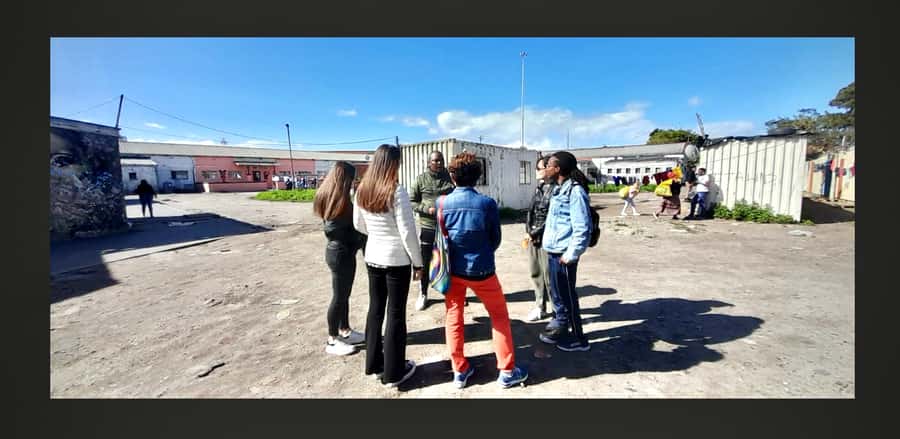
- Local guides lead the way: Nathi, Zuzie, and other guides bring firsthand knowledge of Langa’s past and present.
- Guga S’thebe is a central stop: See handmade work, local art, skills projects, and the cultural center’s marketplace.
- Expect about 150 minutes: The tour combines walking, conversation, cultural stops, and time for questions.
- The atmosphere is personal: Guides greet residents, answer questions, and help you move through the neighborhood with confidence.
- Bring some cash if you wish to support local projects: You may want to buy crafts or make a donation to a preschool or community center.
- English and Xhosa are offered: The tour is wheelchair accessible, and hotel pickup may be available from central Cape Town, the Waterfront, and parts of the Atlantic seaboard.
Why Langa adds something important to Cape Town
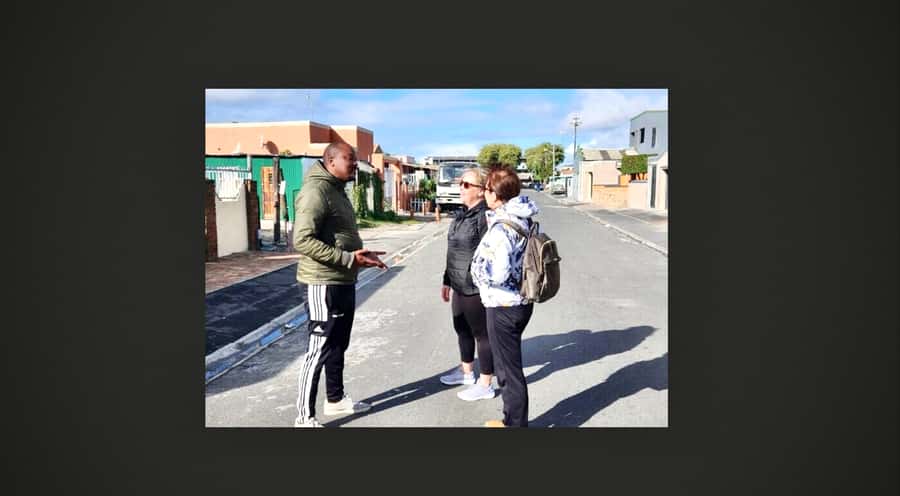
Cape Town is easy to enjoy from the Waterfront, Table Mountain, and the beaches. Those places are worth your time, but they do not explain the whole city. Langa offers another view, one shaped by apartheid, forced removals, unequal access to housing, and the strong social ties that help residents manage daily life.
You are not simply looking at old buildings or listening to a fixed historical speech. You are walking through a living community. That changes the way you hear the history. A street, house, school, or cultural project can be connected to what happened before and to the choices people are making now.
The tour is especially useful if you want to understand why townships remain such an important part of South African life. It also gives you a chance to see more than hardship. Langa has small businesses, artists, children playing, local meeting places, and residents working to create better opportunities.
That balance matters. A township should not be presented as either a tourist attraction or a place defined only by poverty. The strongest part of this experience is the way the guides explain both the problems and the pride.
A few more walks around South Africa worth a look
- Soweto: Walking Tour with a Local Guide and Lunch
★ 4.9 · 648 reviews - Plettenberg Bay: Bungee Jumping with Zipline and Sky Walk
★ 5.0 · 506 reviews - Cape Town: Art, Culture & History Walking Tour
★ 4.9 · 392 reviews
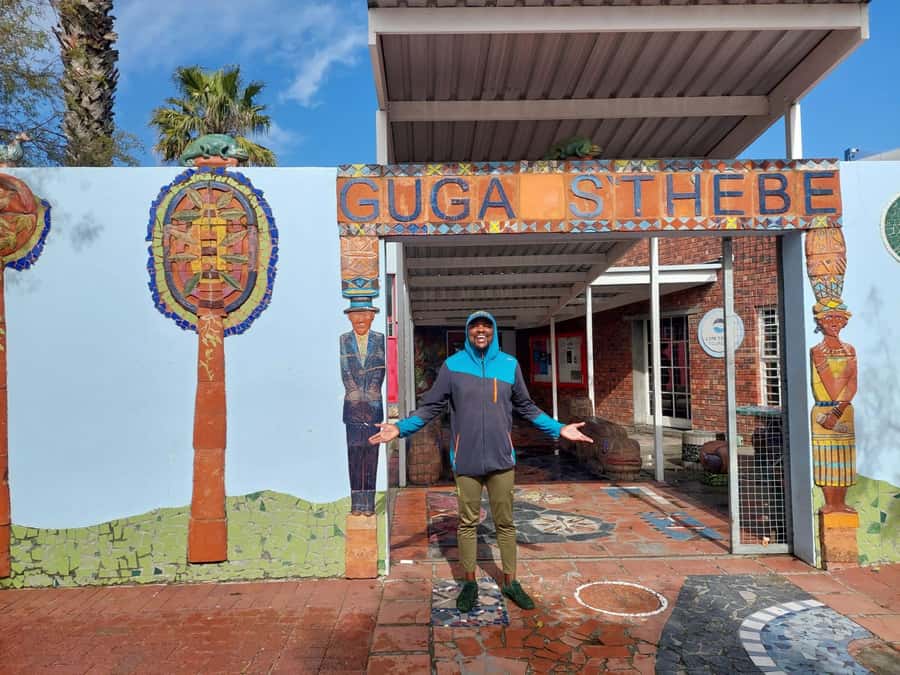
Meeting at Guga S’thebe on Washington Street
The usual meeting point is the main entrance of Guga S’thebe at 36 Washington Street in Langa. You are asked to arrive 15 minutes before the start. Pickup may be available from hotels in Cape Town’s city center, the Waterfront, and Atlantic seaboard areas such as Camps Bay, but you need to contact the provider for details.
Guga S’thebe is more than a place to gather. It is a cultural center and marketplace linked to local creative and training projects. You may see pottery, artwork, crafts, and other handmade goods. Some projects help unemployed residents and school leavers build practical skills that can lead to income.
This is a good opening because it gives you context before the walk begins. You can ask about the work on display, learn how the center supports the community, and get a sense of the tour’s wider purpose. You are also given the chance to buy something, but the experience is not built around pressured shopping.
Some tours include a short drumming session at the center. This has been a highlight for families and first-time visitors, especially because it turns the opening stop into a shared activity rather than a lecture. If you are visiting with children, this may help them settle into the experience.
Walking through Langa with someone from the community

The quality of this tour depends heavily on the guide, and that is where Nathi Langa Township Walking Tour has earned strong praise. Nathi grew up in Langa and is familiar with its people, streets, and stories. Guides such as Zuzie have also shared personal knowledge of growing up in the township and living there today.
That local connection affects the whole walk. You may see the guide greet people along the way, exchange jokes, or stop for a quick conversation. Several tour experiences included a second guide or assistant, sometimes a student guide, who helped explain details and answer questions.
You are not left to wander around wondering where to look. The guide explains what you are seeing and why it matters. The discussion can include township history, architecture, daily routines, local opportunities, and the effects of apartheid that are still visible in the present.
The pace is generally suited to conversation rather than rushing from one landmark to another. You should have time to ask direct questions. If you want to understand how people live, work, study, and make plans in Langa, use that time. The most useful parts of the walk may be the informal explanations between official stops.
Markets, homes, shops, and everyday life
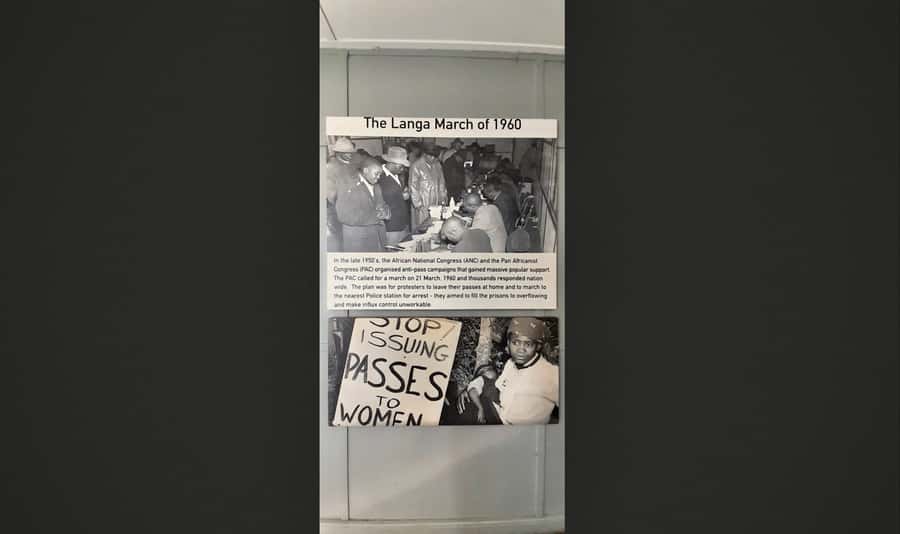
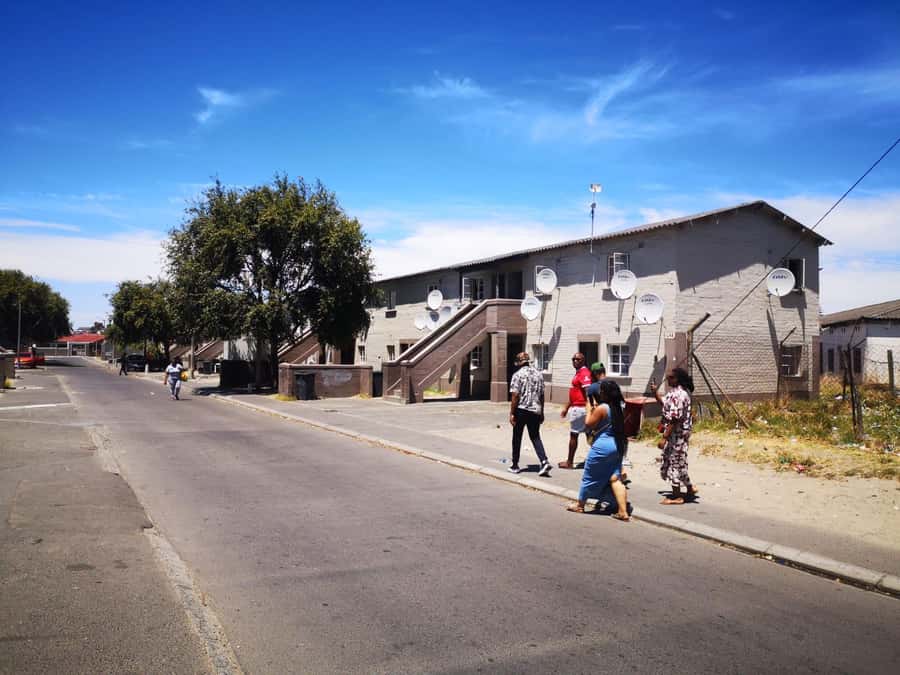
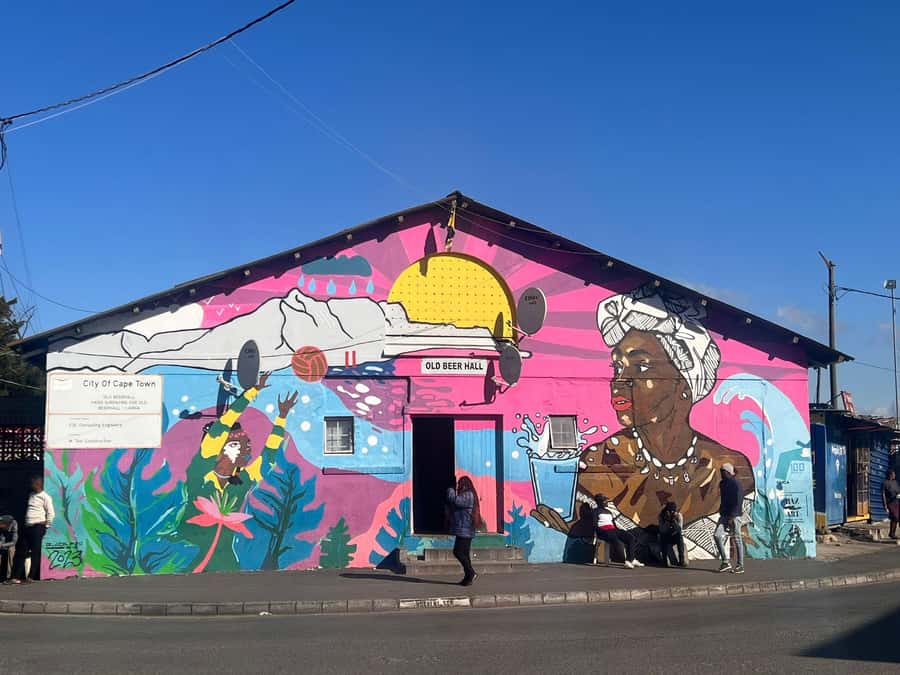
The route takes you through streets, neighborhood areas, local shops, and community spaces. The precise path can vary, but the purpose is consistent: to show you parts of Langa that a visitor would not normally see alone.
You might pass homes made from different materials, including a shipping container converted into a house. You may also see a contrast between areas with difficult living conditions and sections sometimes referred to as Langa’s Beverly Hills, where residents hold more elaborate celebrations and take pride in their homes.
These contrasts are important. They show that a township is not one uniform place. Living conditions differ, just as incomes, housing, ambitions, and family situations differ anywhere else. The guide helps you avoid making quick judgments based on one street or one building.
You may also meet local barbers, shopkeepers, artists, families, and children. One experience included a haircut at a local barbershop, while another involved visiting a kindergarten and sharing chicken feet with the children. Those activities are not guaranteed parts of every tour, so do not book expecting a specific haircut or meal. Still, they show the kind of personal encounters that can happen when the guide has genuine ties to the neighborhood.
Food may also be available from street vendors or local eateries. The description promises opportunities to sample local food, but exact dishes and prices are not fixed. If you are interested, ask the guide what is available that day and mention any dietary concerns before trying anything.
Same streets, a different way to see them:
- Cape Town: Street Art Walking Tour in Woodstock
★ 4.8 · 293 reviews - Stellenbosch: Guided Historical Walking Tour
★ 4.7 · 283 reviews - Cape Town: Langa Township Walking Tour
★ 4.8 · 272 reviews - Cape Town: Private Walking Tour with a Local
★ 4.6 · 243 reviews
Guga S’thebe and the value of local spending
The cultural center is one of the strongest stops because it gives your money a practical route into the community. You may buy pottery or other crafts, learn about training programs, or support local creative work.
I would treat this as an opportunity rather than an obligation. You do not need to buy something to prove that you respect the area. If you do see a piece you like, purchasing directly from local artists is more meaningful than buying a generic souvenir at a large tourist shop.
Some people also choose to donate to a preschool or community project. Bring some South African rand if you want that option. Cash is not described as required, but it can make small purchases and donations easier.
Be thoughtful with gifts for children. One experience mentions that children appreciate sweets, crayons, and books, but handing out treats can create awkward moments or encourage children to approach visitors for gifts. Ask your guide what is suitable before giving anything directly.
The human side of the tour
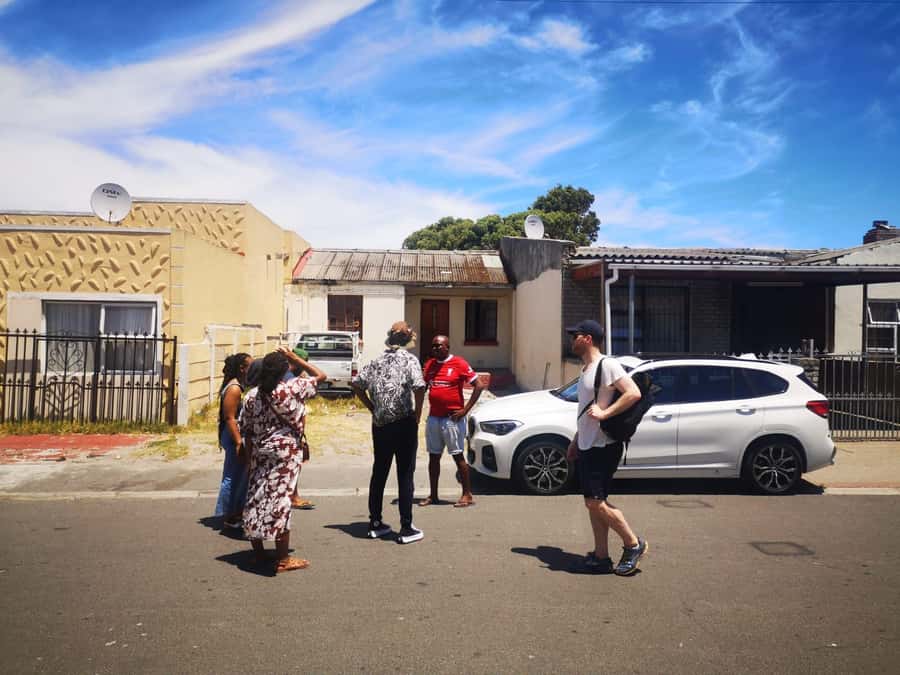
The best guides make this experience feel less like observation and more like conversation. Nathi is described as warm, humorous, and widely known in Langa. Zuzie is also praised for her humor, patience, and ability to explain difficult subjects in a clear way.
That matters because township tours can easily become uncomfortable if the guide speaks about residents as though they are objects of study. Here, the guide’s own background gives the stories a personal center. You can ask about the past, but you can also ask what has changed, what remains difficult, and what people hope to improve.
The tour does not pretend that every problem has been solved. You may hear about unemployment, inequality, housing pressure, and limited opportunities. At the same time, you will see local projects, community relationships, and residents working toward change.
Several tour experiences also involved children joining part of the walk, playing football, or giving visitors high fives. These moments can be touching, but remember that children are not performers. Ask before taking photographs, and follow the guide’s lead around schools, homes, and private spaces.
Safety and respectful conduct
Safety is a common concern when visiting a township, especially if you have never been to one before. The guide’s local reputation is a major practical advantage. Nathi and the other guides know the area well, and their relationships with residents help visitors feel more at ease.
That does not mean you should ignore normal city precautions. Keep valuables out of sight, stay with the guide, and avoid wandering off to take photographs. Dress in a way that is comfortable and modest, and listen when the guide explains where you may or may not take pictures.
One useful detail is that a ride-hailing driver once hesitated to enter the area, while the guide met the visitor outside and helped them get started. That does not mean every driver will have the same reaction, but it suggests that arranging the meeting point clearly is sensible.
The tour is wheelchair accessible, though a walking route through a working neighborhood may still involve surfaces and spaces that feel less predictable than a modern attraction. If you have specific mobility needs, contact the provider before booking and confirm what support is available.
Is 150 minutes enough?
The tour lasts about 150 minutes, or two and a half hours. That is long enough to cover Guga S’thebe, walk through several parts of Langa, meet people, and stop for questions without taking your entire day.
I like this length for a Cape Town itinerary. You can schedule it alongside another activity, but do not place it immediately before something with a strict start time. Conversations and community visits do not always run like a museum timetable.
The walk may feel emotionally fuller than its length suggests. You are dealing with history, inequality, family life, and personal stories, not just taking photographs. Leave yourself a little quiet time afterward if you want to think through what you have seen.
Is the $31 price fair?
At $31 per person, the tour is reasonably priced for a 150-minute guided experience, especially when you consider that it is led by a local person with direct ties to Langa. The value is not in the number of landmarks. It is in the interpretation, access, and community connection.
A standard city walk may give you dates and buildings. This tour gives you a chance to ask how history affects people now. It can also direct spending toward a cultural center, artists, small businesses, and community work.
The price does not appear to include food, crafts, donations, or personal purchases, so bring extra money only if you want those options. Free cancellation up to 24 hours before the tour and the reserve-now, pay-later option also make booking less risky if your Cape Town plans may change.
Who should book this Langa experience?
I would recommend it to first-time visitors who want a fuller picture of Cape Town, history-minded travelers, families with older children, and anyone interested in community-based tourism. It is also a good choice if you have already seen the Waterfront and Table Mountain and want something more grounded in local life.
Families should know that the subject matter can be serious, but children may enjoy the drumming, crafts, football, and friendly interactions. Ask your guide to explain difficult topics in an age-appropriate way.
This is not the best choice if you want a quick photo stop, luxury transport, or a carefully staged performance. It is also not suitable for anyone unwilling to accept the presence of poverty and unequal living conditions. Langa is a home first and a tour destination second.
The tour has a 4.9 rating from 493 reviews, and the most consistent praise centers on the guides’ warmth, local connections, humor, and clear explanations. That is the real product here. Choose it for the person leading you and the conversations that person makes possible.
Should you book the Nathi Langa Township Walking Tour?
Yes, if you want to understand Cape Town beyond its polished visitor zones. For $31 and roughly two and a half hours, you get a thoughtful introduction to Langa, its past, its present-day challenges, and its community strengths.
Book with an open mind and practical expectations. Stay close to the guide, ask before taking photographs, bring cash for optional crafts or donations, and give yourself time to absorb what you see. If you do that, this can become one of the most useful experiences of your Cape Town visit.
FAQ
Where does the Nathi Langa Township Walking Tour meet?
The meeting point is the main entrance of Guga S’thebe at 36 Washington Street in Langa. You should arrive 15 minutes before the tour begins.
How long does the tour last?
The tour lasts 150 minutes, or about two and a half hours.
Is hotel pickup available?
Pickup may be available from hotels in Cape Town city center, the Waterfront, and Atlantic seaboard areas including Camps Bay. You need to contact the provider for more details.
Which languages are available?
The live tour is offered in English and Xhosa.
Is the tour wheelchair accessible?
Yes, the tour is listed as wheelchair accessible. Contact the provider in advance if you need to confirm particular mobility arrangements.
Can I cancel the tour or pay later?
You can cancel up to 24 hours in advance for a full refund. The reserve-now, pay-later option lets you book without paying at the time of reservation.
Just added around South Africa
- Stellenbosch: Guided Historical Walking Tour★ 4.7 · 283 reviews
- Cape Town: Street Art Walking Tour in Woodstock★ 4.8 · 293 reviews
- Johannesburg: City Centre Walking Tour★ 4.8 · 152 reviews
- Durban: City Sightseeing and Walking Tour★ 4.6 · 98 reviews
- Durban: Local Markets and Culture Guided Walking Tour★ 4.9 · 89 reviews
- Cape Town: Private Walking Tour with a Local★ 4.6 · 243 reviews
- Cape Town Walking Tour: Bo-Kaap & City Highlights★ 4.8 · 161 reviews
- Cape Town: Langa Township Walking Tour★ 4.8 · 272 reviews
South Africa Walking Tours, compared.

Soweto: Walking Tour with a Local Guide and Lunch
Read our review →
Plettenberg Bay: Bungee Jumping with Zipline and Sky Walk
Read our review →



Cape Town Walking Tour: Bo-Kaap & City Highlights
Read our review →Browse the lists this tour appears in