
Review · MALTA WALKING TOURS
Malta: Mdina and Rabat Walking Tour with Catacombs
History feels close here. This 2.5-hour walking tour links Mdina’s medieval lanes with Rabat’s underground sights, giving you far more context than a quick solo stroll. I especially like the sweeping views from Mdina’s bastions and the fact that the catacombs, St. Paul’s Grotto, and WWII shelters are included. The main drawback is the amount of walking and standing, plus some time in airless underground spaces.
I also like the way the guides bring the towns to life instead of simply naming buildings. Mario, known for his lively history-teacher style, Carmel, Matthew, Dylan, and other local guides have been praised for clear storytelling, humor, and patience with questions. If you prefer to explore slowly or dislike guided commentary, this may feel a little packed.
Five reasons this Mdina and Rabat tour is worth considering
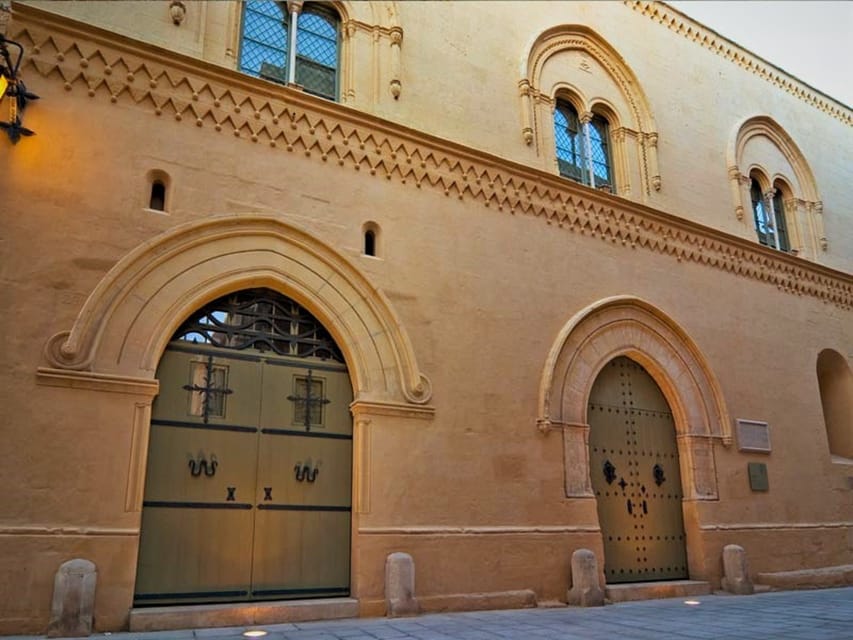
- Mdina’s narrow streets: Walk through the former capital, where medieval lanes, baroque churches, and grand palazzos create a remarkably compact historic center.
- Bastion panoramas: Look across central Malta from the city walls and understand why Mdina was built on a high plateau.
- Four included historic stops: Your ticket covers the catacombs, St. Paul’s Grotto, and WWII shelters at the Wignacourt Museum.
- Guides with personality: Guides such as Mario, Carmel, Matthew, and Dylan are praised for humor, local facts, and answering questions without losing track of time.
- Strong value at $29: The price includes a licensed guide and entrance fees, which makes this a useful introduction to two of Malta’s most important historic areas.
Starting outside Mdina Gate
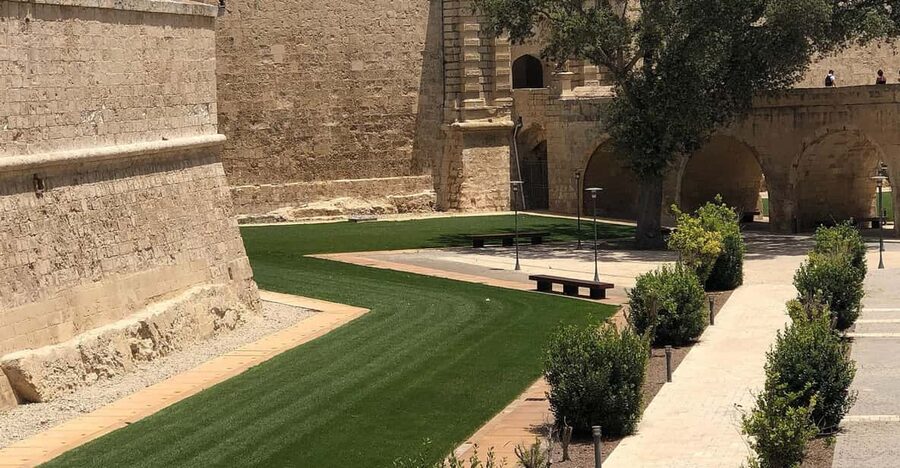
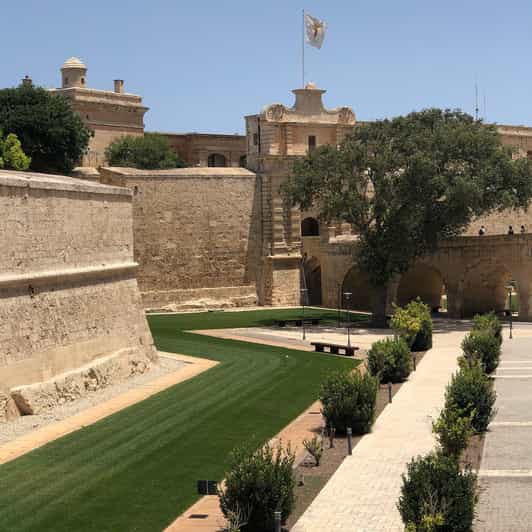
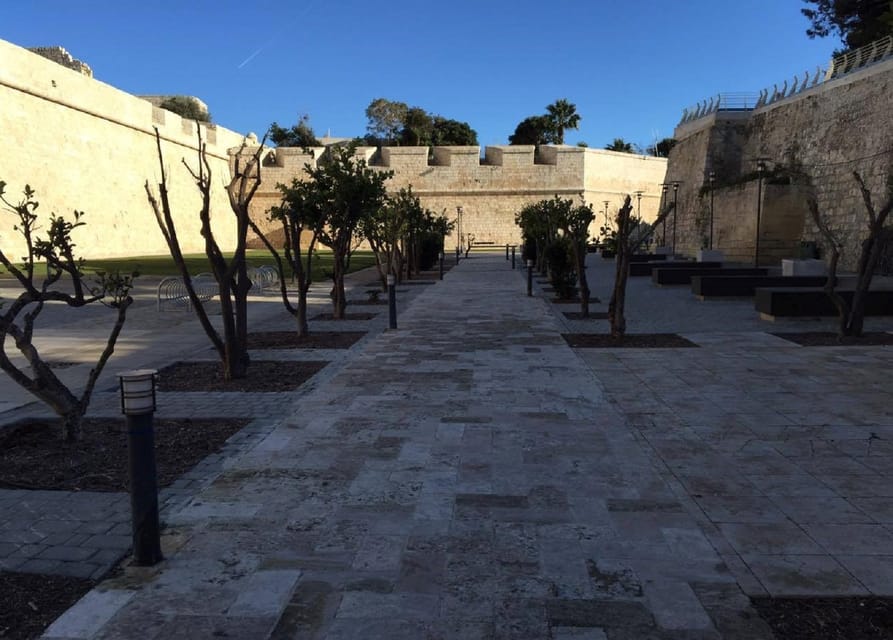
You meet the guide outside Mdina Gate, next to the playing field. This is an important detail because Mdina is easy to reach in theory but can feel confusing once you are near the walls. Give yourself extra time to find the exact meeting point, especially if you are relying on public transport.
The tour is conducted in English by a professional licensed guide. Guides have helped people who were delayed by public transport or had trouble finding the meeting point, but you should still arrive early rather than count on a last-minute rescue.
The route may begin in Mdina or Rabat depending on the guide and timing. The main plan is the same: a guided walk through Mdina, followed by Rabat’s archaeological and wartime sites. Some outings finish closer to three hours, especially when the group asks many questions, so avoid scheduling a tight connection immediately afterward.
A few more walks around the world worth a look
- Magical London: Harry Potter Guided Walking Tour
★ 4.7 · 22,044 reviews - Reykjavik Food Walk – Local Foodie Adventure in Iceland
★ 5.0 · 18,952 reviews - History and Hauntings of Salem Guided Walking Tour
★ 5.0 · 14,564 reviews
Mdina’s silent medieval lanes
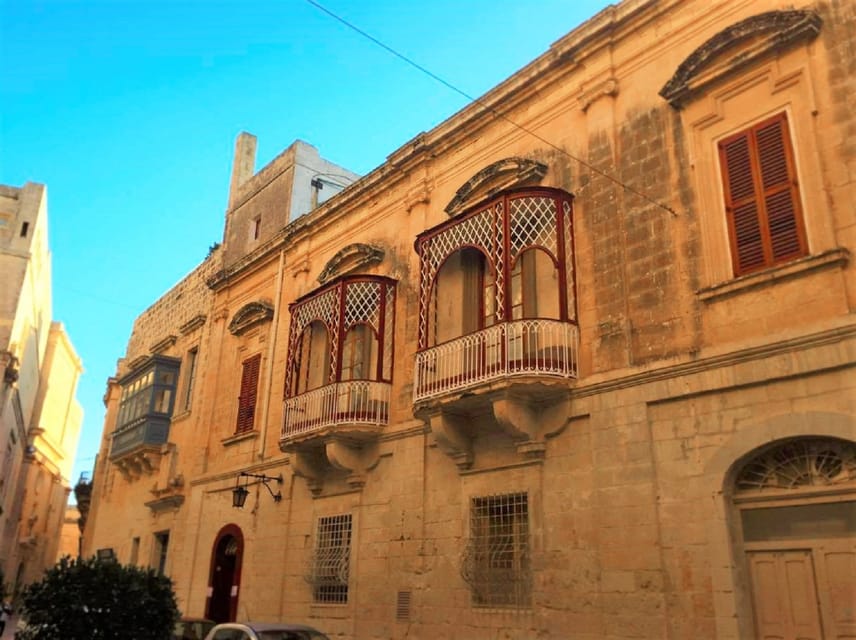
Mdina was once Malta’s capital and is often called the Noble City. That title makes sense as soon as you pass through the gate. The city is small, quiet, and enclosed by thick fortifications, with stone streets leading between churches, palazzos, courtyards, and old civic buildings.
A guide adds useful order to what can otherwise look like a beautiful but confusing collection of limestone walls. You will hear how the area was occupied in the Bronze Age, then shaped by Phoenician, Roman, Arab, Norman, and later Maltese rule. The city’s modern layout reflects several layers of that past.
The Arab period matters because it helped shape the city’s name and street plan. Later, Mdina served as Malta’s capital until Valletta took over that role. A powerful earthquake in 1693 damaged much of the island and led to rebuilding in the baroque style. That is why Mdina can look medieval at one corner and grandly baroque at the next.
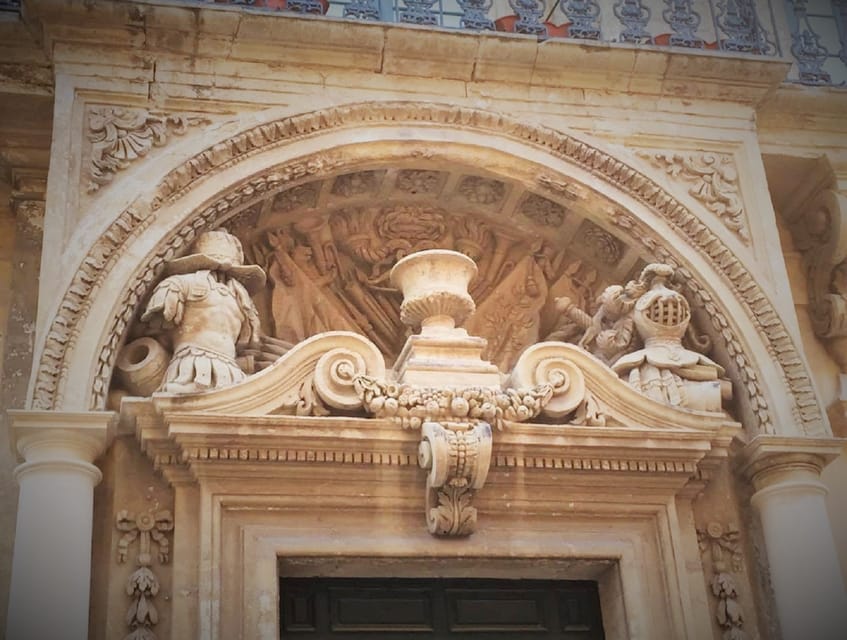
The walking pace is generally moderate. Carmel has been praised for keeping the group moving without rushing, while Matthew is often credited with explaining complicated subjects in simple terms. That balance matters in Mdina, where stopping too often can make a short tour feel long, but moving too quickly means missing the details above the doorways and along the stone facades.
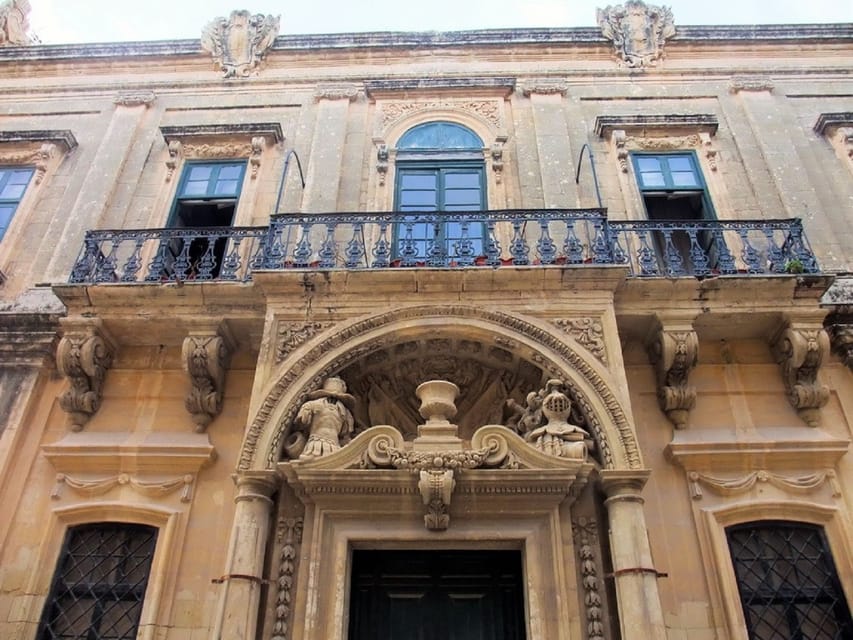
Palazzo Falzon, Vilhena Palace, and the city’s grand buildings
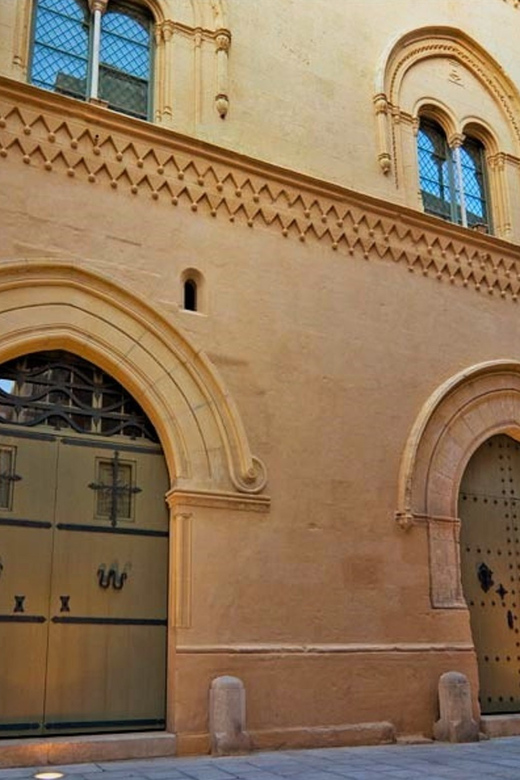
The route passes several of Mdina’s best-known buildings, including Palazzo Falzon, also called the Norman House, Vilhena Palace, St. Agatha’s Chapel, and the Banca Giuratale. You should not expect a long interior visit at every site. The value is in seeing how these buildings fit together and learning what their styles and functions reveal about Mdina.
Palazzo Falzon gives you a sense of the city’s older noble character. Vilhena Palace reflects the later baroque rebuilding, while the Banca Giuratale points to the civic business of the city. St. Agatha’s Chapel adds another religious stop to a route already filled with churches and sacred spaces.
The guide’s job here is less about giving you a list of names and more about helping you read the city. Look for the contrast between plain medieval stonework and more decorative baroque details. Notice how narrow lanes open suddenly onto small squares or views across the island.
This is also where a good guide makes a real difference. Mario has been described as giving careful explanations of even small details, while Dylan is praised for presenting facts in an easy and entertaining way. Carmel has also offered suggestions for lunch, sweets, and museums to visit after the walk, which can help you make better use of the rest of your day.
Mdina Cathedral and the view from the bastions
Mdina Cathedral is one of the major landmarks on the route. Its importance is not only architectural. The cathedral helps explain Mdina’s role as Malta’s religious and political center before Valletta became the capital.
You should expect to see the cathedral as part of the walking route, but the supplied details do not promise a long interior visit or a separate cathedral admission. If entering the cathedral is a personal priority, ask the guide what is possible during your particular departure.
The bastion walls provide one of the clearest rewards of the tour. From this high plateau, you can look over central Malta and see why the site was so valuable for defense and government. The view also gives you a helpful geographic reference before you continue into Rabat.
Bring a hat, sunscreen, water, and comfortable clothes. Malta’s sun can be strong, and much of the tour takes place outdoors on pale stone that reflects heat. Comfortable shoes matter more than stylish ones. The streets are easy enough for many people, but this is still a walking tour with repeated stops and periods of standing.
Same streets, a different way to see them:
- New Orleans Premier Ghost, Voodoo and Vampire Walking Tour
★ 4.5 · 12,856 reviews - Amsterdam Anne Frank: Small-Group Walking Tour & Local Guide
★ 4.8 · 12,789 reviews - Edinburgh: Harry Potter Magical Guided Walking Tour
★ 4.8 · 11,944 reviews - Edinburgh Castle: Guided Walking Tour with Entry Ticket
★ 4.7 · 11,699 reviews
Crossing into Rabat for a different side of Malta
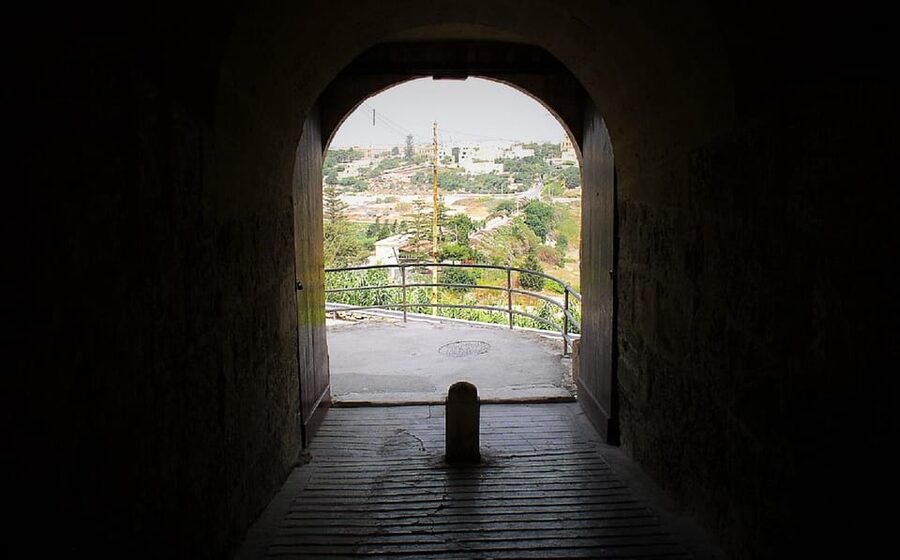
Rabat sits beside Mdina, but it does not feel exactly the same. Mdina presents the fortified former capital, while Rabat gives you a closer look at religious sites, burial practices, wartime life, and the layers below the modern streets.
This change of mood is one of the tour’s strengths. You are not spending the full 2.5 hours looking at palaces and church fronts. Instead, the route shifts from grand city history to spaces connected with ordinary life, death, worship, and survival.
The Wignacourt Museum is the base for the included underground visits. Your entrance covers the catacombs, St. Paul’s Grotto, and the WWII shelters. That bundled admission adds real value because you do not have to choose only one of these sites or pay separately at each stop.
The tour does not turn Rabat into a rushed add-on. Guides explain how Mdina and Rabat relate to one another, and several guides have been praised for giving both towns a fair share of the walking time. If you want only postcard views of Mdina, this part may feel less exciting. If you want a better grasp of Malta’s past, it is essential.
Catacombs, St. Paul’s Grotto, and underground Malta

The catacombs are among the most memorable parts of the outing. These burial spaces show how communities dealt with death and remembrance long before modern cemeteries. A guide can explain what you are looking at, which makes the chambers more meaningful than a quick walk through underground passages.
The catacombs are not described as frightening or especially claustrophobic for most people, but some visitors find the airless sections uncomfortable. One guide has sensibly warned people before descending farther into the underground areas. If you dislike enclosed spaces, ask how much of the catacomb route is required and decide how far you want to go.
St. Paul’s Grotto adds a strong religious connection to the Rabat visit. It is tied to Malta’s Christian tradition and gives the guide another chance to explain how stories, belief, and place have shaped the island’s identity.
The WWII shelters bring the tour into much more recent history. Here you move away from medieval rulers and ancient burial customs and learn about how people in Malta lived through wartime danger. This stop is particularly useful because it connects Malta’s famous military past with the practical experience of civilians seeking protection.
Some people may find the underground portion a little long, especially if the air feels stale. Still, cutting it out would remove one of the clearest contrasts in the itinerary. Mdina shows power and ceremony above ground. Rabat shows burial, belief, and wartime shelter below it.
The guides are the biggest strength
The guide can make or break a historic walking tour, and this experience has a strong record in that department. Mario has been praised for his former history-teacher approach and for using local stories to explain the past. Carmel is known for warmth, humor, and detailed answers. Matthew is often described as both well organized and generous with questions.
Dylan has also been singled out for making information easy to follow, while Allysia has been praised for clear English and a friendly manner. The exact guide depends on the departure, but the pattern is consistent: expect a live guide who knows the subject and enjoys talking about Malta.
Personal stories can add something special. One guide connected places along the route with his own family history, turning abstract dates into something closer to daily life. Another guide included Game of Thrones filming facts for a group that wanted them. Those extras are not guaranteed, but they show how the commentary can adjust to the people on the tour.
The best approach is to ask questions. Guides have been praised for making room for them while keeping the schedule on track. Ask about a building, a local custom, or the difference between Mdina and Rabat. You will get more from the tour than by simply following along quietly.
Is $29 a fair price?
At $29 per person, I consider this good value for a first visit to Mdina and Rabat. You are paying for a licensed English-speaking guide plus entrance to the catacombs, WWII shelters, and St. Paul’s Grotto. Those inclusions matter because independent visits can become more expensive once admission fees are added.
The price does not include transport to or from Mdina, food, or drinks. You also need to arrange your own way to the meeting point outside Mdina Gate. Bring water and a snack, since the tour itself does not provide refreshments.
The value is strongest if you want historical explanation. You can walk through Mdina without a guide, take photographs, and enjoy the atmosphere at no cost. What you cannot easily reproduce is the connection between Bronze Age settlement, Arab planning, medieval government, baroque rebuilding, Christian tradition, and WWII life in one compact route.
If you already know Malta’s history well, the tour may feel basic in places. Even then, the included underground sites and local stories can justify the price, especially if you want the practical ease of having one person organize the sequence.
Who should book this walking tour?
I would recommend it to first-time visitors who want a clear introduction to central Malta. It suits adults, older children who can handle history and walking, and anyone who prefers a guide to explain the meaning behind the buildings.
It is less suitable for very young children who may lose patience with long explanations and repeated stops. It is also not a good choice if you have serious mobility limits, since the route includes walking, standing, Mdina’s historic streets, and underground areas.
There is conflicting information about accessibility: the activity details describe it as wheelchair accessible, while the same information says it is not suitable for wheelchair users or people with mobility impairments. Do not rely on the general accessibility label. Contact the provider before booking and ask about the exact route, stairs, and catacomb access.
You should also consider the weather. Rain does not automatically cancel the experience, and guides have adapted by using covered areas during wet spells. Still, Mdina is most comfortable when you have sun protection, water, and sensible shoes.
Cancellation is flexible, with a full refund available if you cancel at least 24 hours in advance. You can also reserve now and pay later, which is useful if your Malta plans are still shifting.
Final verdict: a strong half-day introduction
Book this tour if you want Mdina and Rabat explained together rather than treated as two disconnected stops. The best reasons are the excellent local guides, the included underground admissions, and the way the route moves from noble palazzos to burial chambers and wartime shelters.
Skip it if you want complete freedom, dislike group pacing, or cannot manage a long walk with underground sections. For most first-time visitors, though, $29 buys a well-balanced introduction to two of Malta’s most important historic areas. I would choose an earlier departure if possible, since you will have more time afterward to eat, visit another museum, or return to Mdina’s lanes on your own.
FAQ
How long does the Mdina and Rabat walking tour last?
The stated duration is 2.5 hours. Some outings may run closer to three hours when the guide spends extra time answering questions.
Where does the tour meet?
You meet the guide outside Mdina Gate, next to the playing field.
What language is the tour conducted in?
The live guided tour is conducted in English.
Are entrance fees included?
Yes. Admission to the catacombs, WWII shelters, and St. Paul’s Grotto is included.
Does the tour include hotel pickup and drop-off?
No. Hotel pickup and drop-off are not included, so you must make your own way to Mdina Gate.
What should I bring?
Bring comfortable shoes, a sun hat, sunscreen, water, food, and comfortable clothes.
Is the tour suitable for wheelchair users?
The activity information gives conflicting accessibility details. It is described as wheelchair accessible but also listed as unsuitable for wheelchair users and people with mobility impairments. Contact the provider before booking to confirm the exact route and underground access.
Just added around the world
- Walking Tour of Boston’s Freedom Trail★ 4.5 · 77 reviews
- Downtown Freedom Trail Walking Tour – History & Architecture★ 4.5 · 194 reviews
- Boston “Death and Dying” Walking Ghost Tour★ 4.5 · 223 reviews
- Boston Food of the North End Private Walking Tour★ 5.0 · 174 reviews
- Boston Seafood Lovers Food and History Walking Tour★ 5.0 · 208 reviews
- Boston Movie Mile Walking Tour★ 4.5 · 119 reviews
- 1 If By Land Walking Tours★ 5.0 · 95 reviews
- Boston History and Freedom Trail Private Walking Tour★ 5.0 · 117 reviews
Malta Walking Tours, compared.


Valletta: Street Food and Culture Walking Tour
Read our review →
From Cospicua: Senglea, Bormla, and Birgu Walking Tour
Read our review →Browse the lists this tour appears in