
Review · FOOD WALKING TOURS
Marseille: No-Diet Club Local Food Tasting and Walking Tour
Come hungry, leave happily stuffed. This three-and-a-half-hour walk is a smart way to meet Marseille through its food, especially if you want more than the usual French menu. I like the small groups of up to six and the mix of Provençal, Tunisian, sweet, savory, and market foods. The main drawback is that the tour can run long and may not include classic dishes such as bouillabaisse or local wine.
I also like how the food is tied to Marseille’s mixed cultural life. Guides such as Paul, Myriam, Nathalie, Joris, and Olivier have been praised for adding city history, neighborhood stories, humor, and restaurant tips between tastings. Come with a large appetite, though. Several stops serve more than tiny samples, and some people found there was too much to finish.
Key points at a glance
- Eight or more food stops may fill the afternoon: Expect generous portions, not just a nibble at every stop.
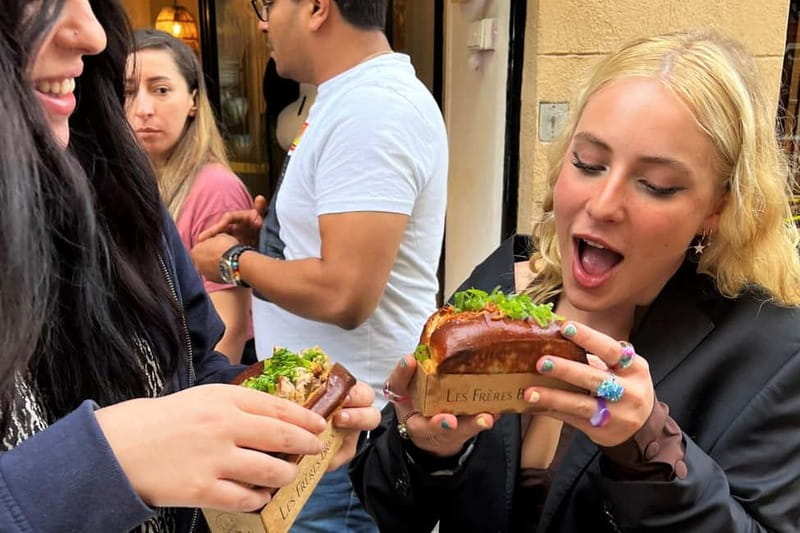
- Marseille’s mixed food culture is the focus: Tastings can include panisses, navettes, Tunisian treats, seafood, ice cream, almond macaroons, and Provençal-style burgers.
- A group of six keeps the walk personal: You have a better chance to ask questions and keep up with the guide.
- Guides add much more than food: Paul, Myriam, Nathalie, Joris, and Olivier have all been praised for history, humor, and local advice.
- The route changes with the season: Food choices are not fixed, so a pictured item may not appear on your tour.
- Allow extra time if your schedule is tight: The advertised length is 210 minutes, but one tour lasted close to five hours.
Why this food walk fits Marseille so well
Marseille is not a city where one tidy food label tells the whole story. Its cooking reflects Provence, the Mediterranean, North Africa, and the many communities that have shaped the port city. That is why this tour can feel different from a standard French food walk.
You might begin with familiar southern French flavors, then move to Tunisian pastries or savory bites, before ending with an artisanal ice cream or another sweet. The point is not to present a perfect postcard version of Marseille. It is to show you how people eat here now.
I like that approach. If you expect only cheese, baguettes, and bouillabaisse, you may be surprised. If you want food that reflects the city’s everyday character, the range makes more sense.
The guide also helps explain why each item belongs on the route. Myriam, for example, has been praised for connecting dishes with the city’s past and present culture. Paul has been especially good at explaining why Marseille’s food includes so many different influences.
More Food Walking Tours in France
- Authentic Parisian Gourmet Food Tour with 10 Local Dishes & Wines
★ 5.0 · 4,754 reviews - Montmartre Hill French Gourmet Food and Wine Tasting Walking Tour
★ 5.0 · 2,588 reviews - Private Montmartre Food Tour with Wine, Cheese & Pastries
★ 5.0 · 1,027 reviews
Meeting at Calissons du Roy René
The meeting point is in front of the purple Calissons du Roy René shop. Look for the shop’s strong purple color, which makes the location easier to spot than a vague street corner.
The route takes place in the heart of Marseille, with walking between food shops, restaurants, markets, and tasting counters. You are not simply seated in one restaurant for three hours. The movement matters because the city itself is part of the experience.
You see more than the next dish. You pass through different streets and neighborhoods, learn small bits of local history, and get a sense of how food businesses fit into daily life. Several guides have also added stories about street art, local habits, and places you might otherwise skip.
A little patience helps. Food stops can involve waiting, and the guide may need to explain things in both English and French. Those pauses give you a chance to rest your feet and talk with the small group.
The savory heart: panisses and Provençal-style burgers
Panisses are one of the most useful introductions to Marseille food. These handmade chickpea-based bites are simple, filling, and closely linked with the city’s southern cooking. They may not look dramatic, but they show how good food can come from a few basic ingredients.
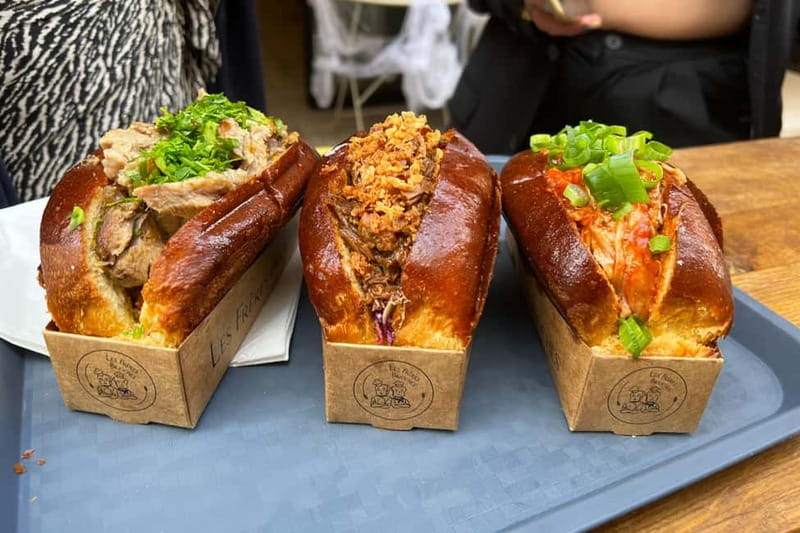
The tour also includes homemade Provençal burgers. This is not necessarily the sort of burger you would expect from a fast-food chain. It gives the guide a chance to show how local flavors can appear in a familiar format.
The balance of the route is one of its strongest features. Some stops offer a proper snack, while others are smaller tastings. You may eat enough savory food to feel satisfied before the sweets arrive, so do not plan a large lunch immediately afterward.
Richard, who took the tour with dietary concerns in the group, praised the way alternatives were handled. The options were treated as part of the experience rather than as a last-minute substitute. Vegetarians are welcome, although you should make your needs clear when booking or at the start.
Navettes, macaroons, and the sweet stops
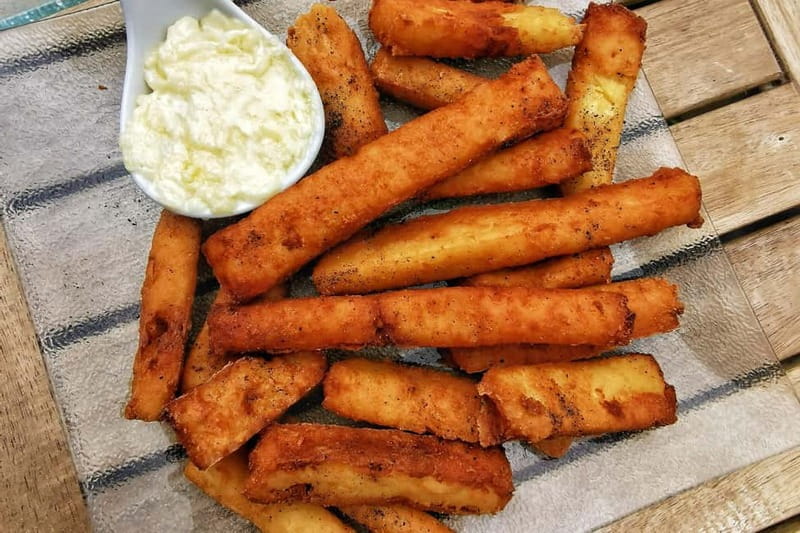
Marseille’s famous navettes are another key tasting. These small, firm biscuits are associated with the city and have a distinct flavor that may not suit every palate. They are worth trying because they are local and traditional, even if you prefer the softer sweets later in the walk.
Almond macaroons add another Provençal note. Depending on the day and season, you may also try choux pastries, Tunisian sweets, French toast in a local style, or other surprises.
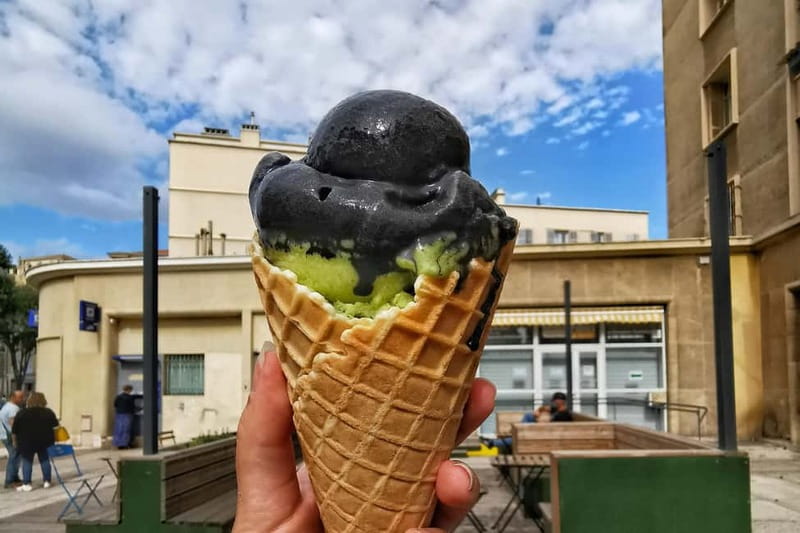
The sweet course is not limited to one token dessert. Artisanal ice cream has appeared on the route, and some guides finish with a dessert after a steady build from savory foods. Myriam’s tour, for instance, was described as a happy food coma by the end, which tells you something about portion size.
Seasonal changes are important here. The exact menu can shift, and the food shown in promotional pictures may not be served on your particular outing. That is normal for a route built around local shops and available products, but it is worth knowing before you book.
Same streets, a different way to see them:
- Paris Top Sights Half Day Walking Tour with a Fun Guide
★ 5.0 · 2,893 reviews - Montmartre Hidden Gems and Scenic Highlights Walking Tour
★ 5.0 · 2,684 reviews - Paris: Montmartre Highlights Walking Tour with a Local Guide
★ 4.9 · 2,318 reviews - Paris Île de la Cité and Notre-Dame Walking Tour With Crypt
★ 5.0 · 2,272 reviews
Tunisian food gives the tour its wider view
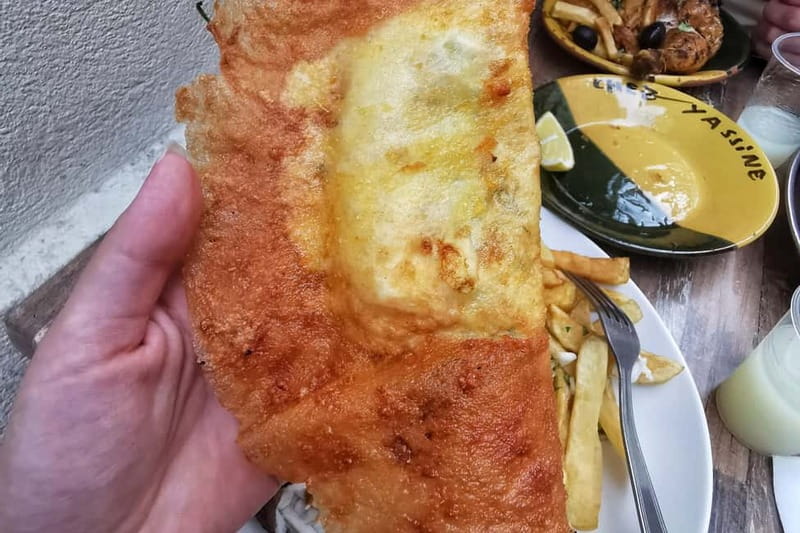
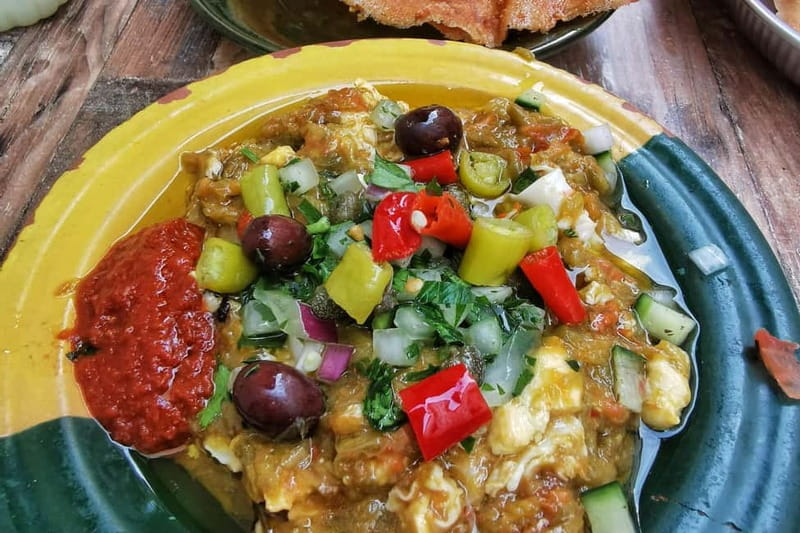
One of the most praised parts of the experience is its attention to Tunisian food. Marseille’s food culture is not limited to old Provençal classics, and the Tunisian stops make that clear.
You may try pastries or other Tunisian delicacies that you would not think to order on your own. This is where the guide’s role earns its keep. Rather than asking you to choose from an unfamiliar counter, the guide selects items and explains their place in Marseille’s food life.
Paul has been particularly effective at presenting this side of the city. His explanations help connect the food to Marseille’s communities, rather than treating it as a random detour from French cuisine.
If you want only foods that have been served in Marseille for centuries, this may not be your ideal tour. A previous participant wanted more classic local dishes. But if you understand Marseille as a city shaped by many arrivals and influences, the Tunisian tastings are one of the most interesting parts.
Markets, seafood, and Les Grandes Halles
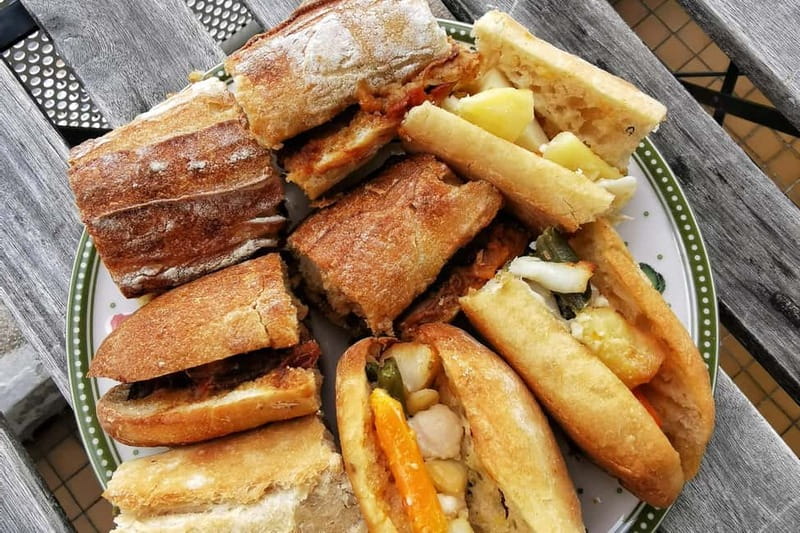
The route can include a fresh fruit and vegetable market, seafood, local shops, and Les Grandes Halles. These stops broaden the experience beyond a set list of famous specialties.
At Les Grandes Halles, a tasting may include oysters, sandwiches, pizza, fried bites, and local drinks. That is a lot of ground in one stop, and it shows the casual side of eating in Marseille. You may also visit a seafood counter or a shop selling local products.
The market stop is useful because it gives you a look at ingredients rather than finished dishes. You can see the kind of produce that supports the city’s cooking, then compare it with the prepared foods served later.
Seafood is not guaranteed as a major part of the tour, and bouillabaisse is not listed as a standard tasting. One participant found that disappointing, especially in a coastal city. Another wished local wine had been included. If those are your main goals, choose a restaurant meal separately.
The guide makes or breaks the afternoon
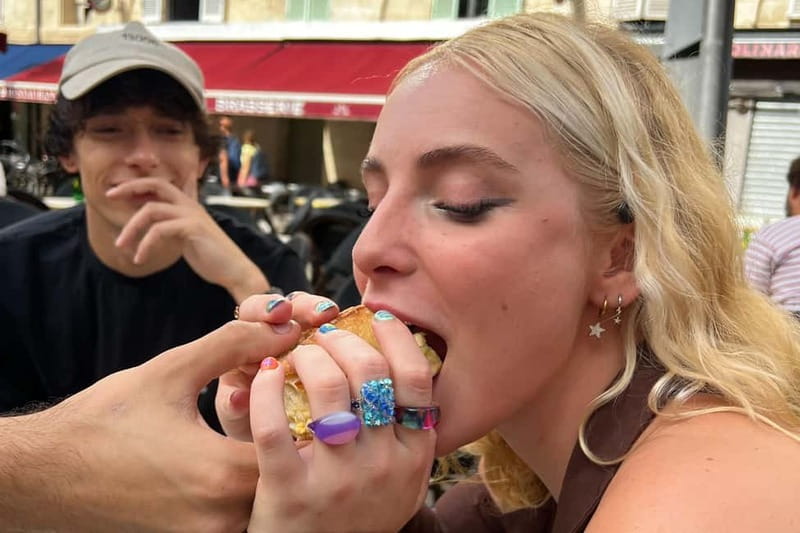
This is a guide-led food walk, and the guide matters as much as the menu. The strongest guides bring three jobs to the table: they choose the food, explain the city, and keep strangers talking.
Paul has been praised for his calm manner, local knowledge, and friendly communication. Myriam brings energy, humor, history, and practical suggestions for the rest of your stay. Nathalie has been especially good at pointing out favorite local places and adding a history lesson.
Joris has been described as enthusiastic and patient, with a strong interest in the cultural mix behind Marseille’s food. Olivier has offered explanations in both French and English and has shared recommendations after the tour. Some guides have also taken photographs of the group, food, and landmarks, though you should not assume that every guide will do this.
The group size helps. With no more than six participants, the guide can usually notice dietary needs, answer questions, and keep the pace comfortable. It also makes it easier to chat with the other people in your group.
How much walking and eating should you expect?
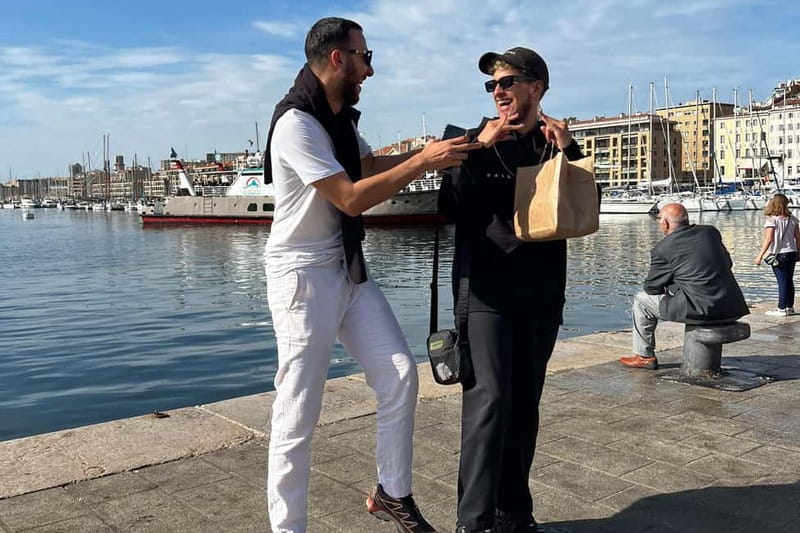
The listed duration is 210 minutes, or three and a half hours. The walk is generally considered manageable rather than strenuous, with pauses between tastings. Still, you should expect a good amount of time on your feet.
The food is the bigger physical challenge. Eight stops have been reported on one outing, and the portions ranged from small tastes to full enough snacks that people could not finish everything. Eat a light breakfast or early meal, but do not arrive without an appetite.
The pace is usually one of the better parts of the tour. Food, walking, and explanation are spaced out so the afternoon does not become one long standing meal. A few pauses may feel slow if you are eager to eat, but they also prevent the food from arriving too quickly.
Allow a time cushion. One tour ran close to five hours, partly because the guide provided explanations in two languages. That is fine if you have an open afternoon. It is less comfortable if you need to return to a cruise ship at a strict time.
Is $77 a fair price?
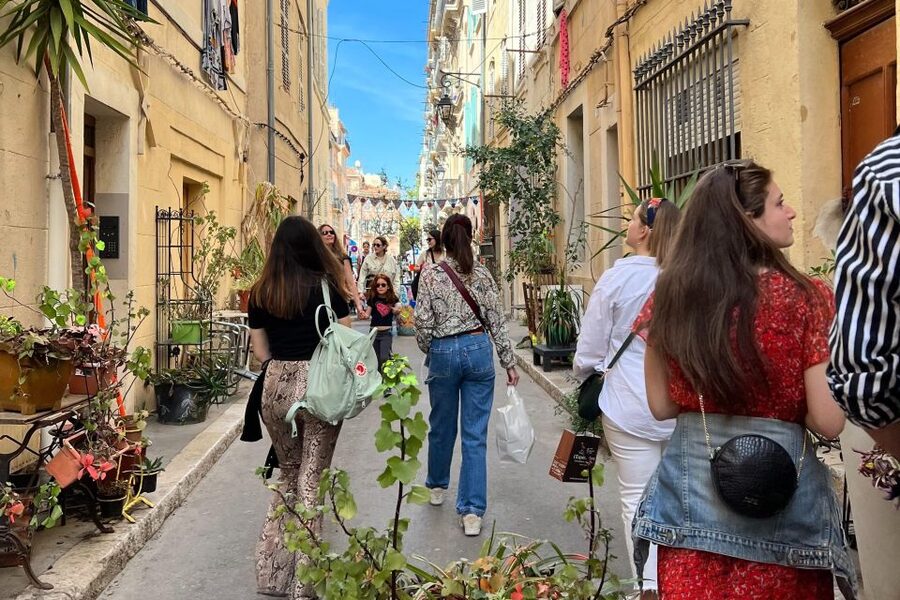
At $77 per person, the tour is not the cheapest way to eat in Marseille. You could buy individual snacks for less. But that comparison misses the planning involved.
The fee includes many tastings, a route through several parts of the city, and a guide who selects places you may not find by chance. You also get context for the food and suggestions for places to return to later. One participant who initially thought the price seemed high decided afterward that it offered good value because of the quality and quantity.
The small group improves the value. A group capped at six feels very different from a large food procession entering tiny shops. At one stop, a small group was able to taste and shop before a much larger group arrived.
Still, value depends on your appetite and interests. If you eat very little, dislike trying unfamiliar foods, or want one specific dish such as bouillabaisse, the price may feel less convincing. If you want a full introduction to Marseille’s food culture in one afternoon, it is easier to justify.
Practical details before you book
The tour is offered in English and French. If your group includes both languages, explanations may take longer, but guides have made an effort to keep everyone included.
Vegetarians are welcome. Dietary alternatives have been handled well on some tours, but you should communicate allergies and strong dislikes clearly. This is a shared tasting format, so the menu is not completely private or customizable.
Free cancellation is available up to 24 hours before the start for a full refund. You can also reserve and pay later, which helps if your Marseille plans may change.
For cruise passengers, the tour can fit well into a port day, as several outings have done. I would only book it when your return schedule has breathing room. The official length is 210 minutes, but the actual walk may be longer.
Who should book this Marseille food tour?
I would choose this tour if you want a first look at the city and prefer eating to sightseeing from a bus or checking off monuments. It is especially good for solo visitors, couples, families, and small groups who enjoy conversation and trying food outside their normal routine.
It also suits you if you want local recommendations for the rest of your stay. Guides have pointed people toward shops, restaurants, neighborhoods, and other places to explore.
I would hesitate if you are looking for a formal culinary class, a wine-focused outing, or a guaranteed taste of bouillabaisse. It is also not ideal for a tight schedule, because the tour may continue well beyond the advertised three and a half hours.
Should you book it?
Book it if you want Marseille explained through its food, including the parts that do not fit a narrow French menu. The generous tastings, small group, and strong guides make this a useful first-day activity, when you still have time to return to places you like.
Just arrive hungry, wear comfortable shoes, keep your afternoon open, and expect seasonal surprises. If you can accept that the menu may include Tunisian pastries, market bites, burgers, panisses, and ice cream instead of bouillabaisse, this is a tasty and practical way to get your bearings in Marseille.
FAQ
How long does the Marseille food tour last?
The stated duration is 210 minutes, or three and a half hours. Some outings have lasted close to five hours, so allow extra time.
How many people are in the group?
The tour is limited to six participants, creating a small-group experience.
What foods might I taste?
Possible tastings include panisses, Provençal-style burgers, navettes de Marseille, almond macaroons, artisanal ice cream, Tunisian delicacies, seafood, market foods, pastries, and other seasonal items.
Is bouillabaisse included?
Bouillabaisse is not listed as a standard tasting, and it has not been included on every tour.
Are vegetarians welcome?
Yes. Vegetarians are welcome, and alternatives have been provided for some dietary needs. Tell the guide about your requirements.
What languages are available?
The tour is offered in English and French.
Where do I meet the guide?
Meet in front of the purple Calissons du Roy René shop in Marseille.
Just added around France
- Avignon Walking Tour including Pope’s Palace★ 4.5 · 158 reviews
- The Official Emily in Paris Locations Walking Tour★ 4.9 · 383 reviews
- Strasbourg: Private Walking Tour of the Historical Center★ 4.2 · 107 reviews
- Strasbourg: Historic Center Walking Tour★ 4.7 · 88 reviews
- Strasbourg: Guided Walking Tour★ 4.7 · 127 reviews
- Strasbourg : European District Walking Tour★ 5.0 · 95 reviews
- Paris: Montmartre Food Tasting Walking Tour with Secret Dish★ 4.8 · 107 reviews
- Paris: Emily Inspired Walking Tour★ 4.9 · 312 reviews
Food Walking Tours, compared.
Reykjavik Food Walk – Local Foodie Adventure in Iceland
Read our review →
New Orleans Food Walking Tour of the French Quarter with Small-Group Option
Read our review →
Authentic Parisian Gourmet Food Tour with 10 Local Dishes & Wines
Read our review →
Tapas Walking Tour with Food, Wine, and History
Read our review →
Browse the lists this tour appears in