
Review · PRIVATE WALKING TOURS
Marseille: Private Walking Tour with a Local
Marseille rewards a flexible approach. This private walking tour is interesting because it replaces a fixed script with a conversation shaped around your interests. I like the one-to-one format and the chance to meet at your hotel or another central spot. I also like the local advice, from favorite cafés and shops to help choosing a bus for Notre Dame de la Garde. The main drawback is that your experience depends on the guide assigned to you.
You can book two to six hours, so this works for a quick introduction or a fuller city walk. Guides such as Antoine, Iseult, Naya, and Dörthe have helped visitors connect Marseille’s landmarks with present-day life. Just remember that this is a walking tour, not a museum tour, and entrance fees, meals, taxis, and public transport cost extra.
Key points to know before you book
- Your route is built around you: Ask for old Marseille, street art, food shops, shopping, history, or a mix.
- The Old Port and Le Panier are natural highlights: These central areas offer history, views, shops, cafés, and plenty of room for local stories.
- You can meet at a convenient central location: The guide can come to your hotel, Hôtel de Ville, an iconic landmark, or a nearby café.
- The guide adds local judgment: You can get restaurant suggestions, shopping help, food translations, and practical transport advice.
- The pace is usually relaxed: The walk can change when weather, city closures, or your energy level call for a new plan.
- The price buys privacy, not admission tickets: At $56 per person, the value is strongest for couples, families, and small private groups who want personal attention.
Why a private local walk works well in Marseille
Marseille is easier to understand when you connect its sights with the way people live there now. A guide can point out a building, explain its past, then tell you what the area feels like today. That shift from dates and monuments to daily life is the heart of this experience.
You are not assigned to a large group moving in a straight line. The guide meets you at an agreed location and adjusts the walk as you go. If you are fascinated by architecture, you can spend more time looking at buildings. If food matters most, you can ask for bakeries, chocolate, wine, or restaurants.
I especially like this setup for a first day in Marseille. You can ask practical questions before making your own plans. Where should you eat near the Old Port? How do you reach Notre Dame de la Garde? Which shopping areas suit your budget? A local guide can help you make better use of the rest of your stay.
The experience also suits a repeat visit. On a first trip, you may want an overview of the central sights. On a later trip, you might ask for street art, lesser-seen corners, local customs, or a neighborhood you missed before. There is no fixed route to force you through attractions you have already seen.
More Private Walking Tours in France
- Private Montmartre Food Tour with Wine, Cheese & Pastries
★ 5.0 · 1,027 reviews - Lyon: Private Walking Tour of “Traboules” in the Old Town
★ 5.0 · 866 reviews - Paris: Private Walking Tour with a Local
★ 4.6 · 506 reviews
Starting at Hôtel de Ville or your own central meeting point
The listed starting point is Hôtel de Ville, a practical place near Marseille’s Old Port. You can also request a meeting at your hotel, a landmark, or a quiet café, as long as it is in or near the city center. That flexibility matters if you are arriving from a hotel, port area, or another central location.
The operator contacts you after booking to confirm the time and meeting point. You also answer questions about your interests, which helps match you with a suitable local guide. Give useful details rather than saying only that you want to see Marseille. Tell the guide if you care about food, history, shopping, photography, family activities, architecture, or everyday life.
The guides listed in past experiences have included Antoine, Iseult, Naya, Dörthe, Tamas, Sylvie, Franck, and Elisa. The strongest descriptions focus on warmth, flexibility, and useful local judgment. Antoine, for example, adjusted a walk when city streets and museums were closed during a presidential visit. Instead of treating the closures as a disaster, he changed the plan and took the group to a local area, a French bistro, a wine shop, and a store selling lavender products.
That example shows why your meeting conversation matters. If something unexpected affects Marseille on the day, a private guide can change direction more easily than a large scheduled group.
The Old Port: an easy first lesson in Marseille
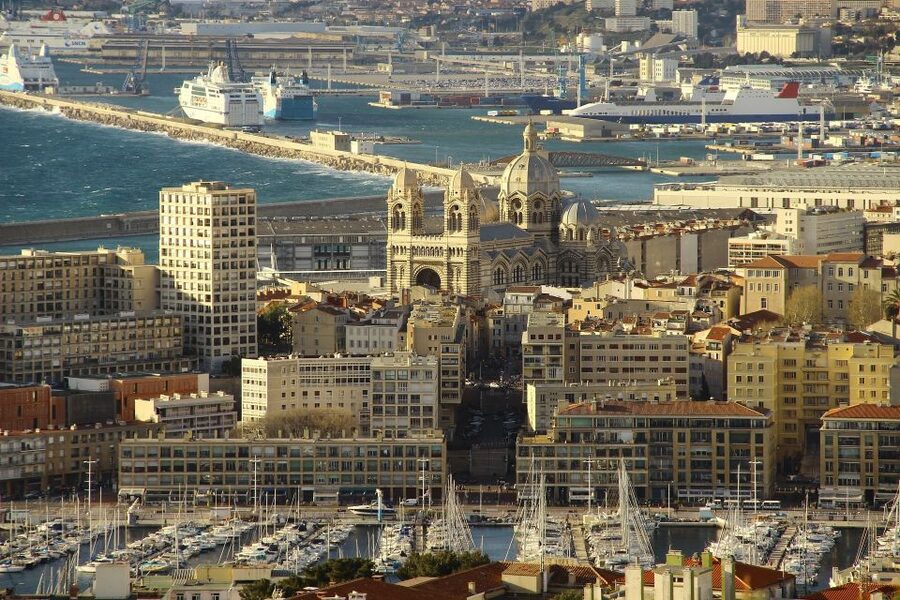
The Old Port is the most natural place to begin. You can expect a mix of sightseeing, photographs, walking, and conversation rather than a formal attraction-by-attraction program. Your guide may explain the port’s importance, point out notable buildings, and help you read the city through its waterfront.
The area is also useful for orientation. You can learn how the central streets connect, where the main sights sit, and which direction leads toward Le Panier or other points of interest. If you only have two hours, the Old Port gives you a strong first look without requiring a long trip across the city.
Guides have used personal images showing Marseille before and after the wars, adding a visual layer to the city’s story. That kind of material can make changes easier to grasp than a string of dates. You may also hear about local customs and current issues, depending on your guide’s background and your questions.
The limitation is simple: the Old Port is a popular central area, so it may feel more public and familiar than the quieter places your guide knows. Tell the guide if you want less time on standard views and more time in ordinary streets, shops, or cafés.
Le Panier: old streets with room for personal stories
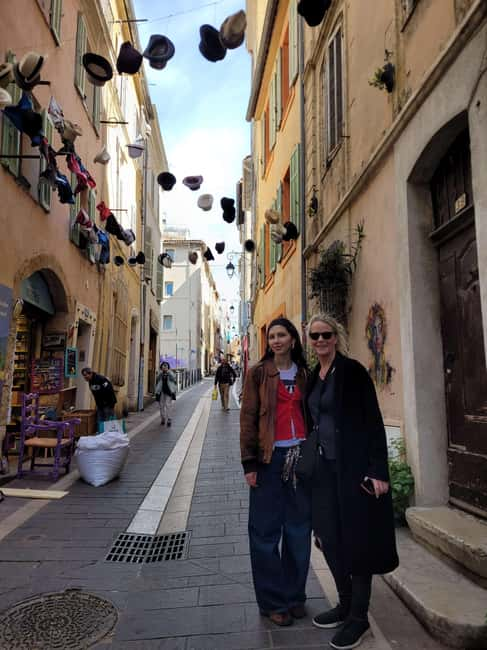
Le Panier is another likely focus, especially if you want old Marseille, culture, and local atmosphere. The walk can include historic streets, views, shops, and stops where your guide explains a personal or cultural connection to the area.
This is where a private format makes a real difference. You can pause for a photograph, ask about a building, or step into a shop without holding up a group. Dörthe took one group through favorite shops and a Marseille chocolate shop, helping translate the choices. That is a small service, but it can turn an uncertain purchase into a pleasant local stop.
Naya’s walk included a well-known bakery, biscuits, views from high points, Marseille Cathedral, and the old city. The important point is not that every tour includes those exact stops. Your route is personal, so these examples show the kinds of small discoveries you might request or encounter.
Le Panier also gives you a chance to ask how Marseille feels beyond its postcards. I would use this part of the walk to ask about neighborhood life, local food habits, customs, and places to return for a slower visit. You will get more from the area if you treat your guide as a conversation partner, not just a source of directions.
Same streets, a different way to see them:
- Authentic Parisian Gourmet Food Tour with 10 Local Dishes & Wines
★ 5.0 · 4,754 reviews - Paris Top Sights Half Day Walking Tour with a Fun Guide
★ 5.0 · 2,893 reviews - Montmartre Hidden Gems and Scenic Highlights Walking Tour
★ 5.0 · 2,684 reviews - Montmartre Hill French Gourmet Food and Wine Tasting Walking Tour
★ 5.0 · 2,588 reviews
Food, shopping, and restaurant advice you can use later
The most useful part of this experience may come after the landmark stops. Several guides have helped with food and shopping choices, including bakery treats, chocolate, wine, lavender products, coffee, and restaurants.
If you want food advice, be specific. Tell your guide if you want a quick lunch, a sit-down meal, local specialties, a wine shop, a bakery, or something suitable for children. The guide can recommend places based on your preferences, but meals and drinks are not included.
I like the shopping help because it solves a common problem in Marseille: you may see something appealing but not understand the options or labels. Dörthe helped translate chocolate choices, while Antoine accompanied a visitor looking for local wine and lavender products. These are practical moments that guidebooks cannot always provide.
Several guides also offered restaurant suggestions for later in the trip, and even advice for another French city on a visitor’s next stop. Ask for names, locations, and the best time to go. Write them down in your phone before the walk ends.
Do not assume every guide will take you to a meal or arrange tastings. The tour includes a customized walk and local guide, not food or drink. You pay for anything you buy.
Views, Marseille Cathedral, and Notre Dame de la Garde advice
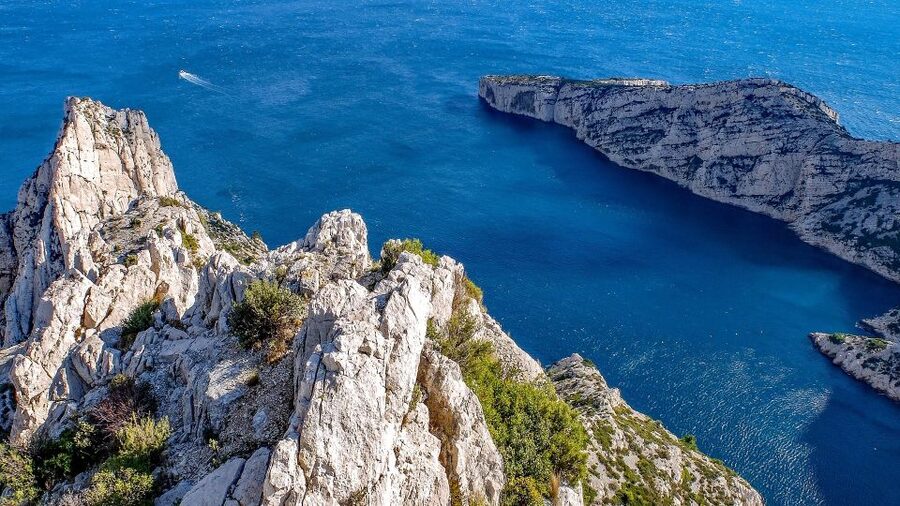
The walk can include scenic views on the way, and one guide took a group to high points without much effort. That is useful if you want photographs but do not want a strenuous climb. Still, the exact viewpoints depend on your time, interests, weather, and guide.
Marseille Cathedral may fit naturally into a central walk. It gives you a major architectural sight while keeping the route connected to the old city and waterfront. Ask your guide to explain what you are seeing rather than rushing past for a photograph.
Notre Dame de la Garde requires a separate plan if you want to go up to the basilica. One guide explained how to catch the bus there after the walking tour. Public transport or a taxi may be used during the experience, but you pay those costs yourself. The guide can advise you, but transport is not included.
If you want to enter any attraction during the walk, you also cover the guide’s entrance fee. This is an important cost detail for anyone planning museums or paid sites. For a landmark-focused visit, you may prefer to keep the walk outdoors and use the guide’s time for orientation and local advice.
How much time should you book?
Two hours is enough for a useful introduction if you stay near the Old Port and Le Panier. It suits a short stay, a cruise stop, or anyone who wants help getting oriented before exploring alone.
A longer booking gives you more flexibility. You can spend time on historic streets, add food or shopping stops, ask more questions, and include additional viewpoints. A four to six-hour walk may be especially helpful if you want to connect several parts of central Marseille without rushing.
The walk is not described as a hard hike, and past experiences often used a relaxed pace. Comfortable shoes still matter. Marseille streets can require steady walking, and you should tell the guide about mobility needs before the meeting.
The private format also lets you make the day easier. In cold wind, one guide changed the route away from the harbor. In another case, a visitor had wanted to see specific places, and the guide arrived with a route but changed it when the visitor wanted to go off plan.
What $56 per person really buys
At $56 per person, the price is reasonable when the group is small and you value personal attention. A couple gets a private conversation, a route shaped around their interests, and recommendations they can use for the rest of the stay. For a family, the ability to adjust the pace and focus can be worth more than joining a cheaper fixed group.
The value is less clear if you only want a list of famous sights or a formal history lecture. This experience is built around a local connection. Guides may have strong personal interests and useful city experience, but the offering does not promise a specialist historian or guaranteed entry to attractions.
You also need to budget for extras. Meals, drinks, admission tickets, personal purchases, and any bus, taxi, or other local transport are separate. Children under three can join free, and children from three to twelve receive a 50 percent discount.
Free cancellation is available up to 24 hours before the start for a full refund. You can request a specific start time, which helps if you are fitting the walk around trains, cruises, meals, or other plans.
Who will get the most from this walk?
I would choose this tour for a first-time visitor who wants a friendly introduction without a rigid schedule. It is also a good fit if you prefer questions and conversation over memorized facts.
Food-focused visitors should explain their interests early. The same goes for shoppers, photographers, families, and anyone with mobility concerns. If you want street art or cultural details, say so before the guide plans the route.
This is less suitable if you want guaranteed entry to museums, a fixed list of attractions, or transportation included in the price. It is also not the right choice if you dislike walking or prefer a large group with a formal presentation.
The guide match matters. The strongest experiences described guides who were friendly, adaptable, and able to explain both Marseille’s past and its current life. Antoine’s use of old photographs, Iseult’s cultural insight, Naya’s food and bus advice, and Dörthe’s help in a chocolate shop show the range you may receive. Your own questions will help shape that result.
Should you book the Marseille private walking tour?
Book it if you want personal attention, local recommendations, and a flexible route through central Marseille. It is especially worthwhile at the start of a visit, when a good two-hour conversation can help you choose restaurants, shops, viewpoints, and transport for the days ahead.
Think twice if your priority is a paid attraction, a specialist lecture, or a fully planned sightseeing schedule. In that case, a standard guided visit may fit better.
For most independent visitors, I see the best value in booking two or three hours, arriving with a short list of interests, and leaving room for the guide to suggest something unexpected. Bring comfortable shoes, ask practical questions, and treat the walk as your first local conversation in Marseille.
FAQ
Where does the tour start?
The listed pickup point is Hôtel de Ville in Marseille. The guide can also meet you at your hotel, an iconic landmark, or a quiet café in or near the city center.
How long does the walking tour last?
You can book a tour lasting from two to six hours. Available starting times depend on the date you select, and you can request a specific time.
Is the tour private?
Yes. The experience is for a private group, with a local guide and a customized walking route.
Which languages are available?
Live guiding is available in English and Spanish.
Is the tour wheelchair accessible?
Yes, the activity is listed as wheelchair accessible. Tell the operator about your needs when confirming the details.
Are attraction tickets, food, and transport included?
No. Entrance fees, meals, drinks, personal expenses, optional activities, and local transportation are not included. If you enter an attraction, you also cover the guide’s entrance fee.
Can children join the tour?
Children under three years old can join free of charge. Children from three to twelve receive a 50 percent discount.
Just added around France
- Avignon Walking Tour including Pope’s Palace★ 4.5 · 158 reviews
- The Official Emily in Paris Locations Walking Tour★ 4.9 · 383 reviews
- Strasbourg: Private Walking Tour of the Historical Center★ 4.2 · 107 reviews
- Strasbourg: Historic Center Walking Tour★ 4.7 · 88 reviews
- Strasbourg : European District Walking Tour★ 5.0 · 95 reviews
- Strasbourg: Guided Walking Tour★ 4.7 · 127 reviews
- Paris: Montmartre Food Tasting Walking Tour with Secret Dish★ 4.8 · 107 reviews
- Paris: Emily Inspired Walking Tour★ 4.9 · 312 reviews
Private Walking Tours, compared.

Private 3 hrs Venice Tour: St Mark’s, Walking tour & Boat tour
Read our review →
Private Street Food Evening Walking Tour in Ho Chi Minh City
Read our review →
Old Quebec City: Grand Walking Tour with Private Option
Read our review →
Barcelona Helicopter, Sailboat & Old Town Private Walking Tour
Read our review →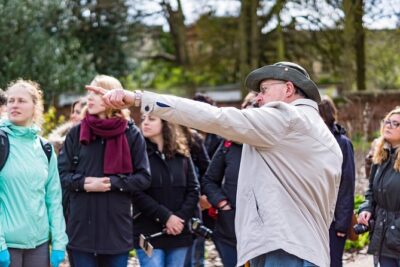
Browse the lists this tour appears in