
Review · OLD TOWN WALKING TOURS
Montréal: Old Town Small Group Guided Walking Tour
Old Montréal rewards a slower look. This 2.5-hour walking tour keeps the group to eight people, making it easy to hear the guide, ask questions, and notice the details that a quick solo stroll can miss. You move through cobbled streets, old squares, narrow lanes, and landmark buildings while a certified local guide explains how Montréal began and how it changed.
I especially like the small group size and the quality of the guides. Sarah, Martin, Vanessa, David, Carole, Elise, and others have been praised for mixing solid history with humor and personal stories. The main consideration is that this is still a walking tour on old streets, so comfortable shoes and clothing suited to the weather matter.
At $51 per person, the tour costs more than walking Old Montréal with a guidebook, but the value is strong if you want a clear introduction to the city. You get 150 minutes with an official city-certified guide, and the small format can feel almost private when fewer than eight people book.
Key points to know before booking
- Meet at the obelisk in front of 206 Place d’Youville: The tour begins in a central part of Old Montréal, with no hotel pickup included.
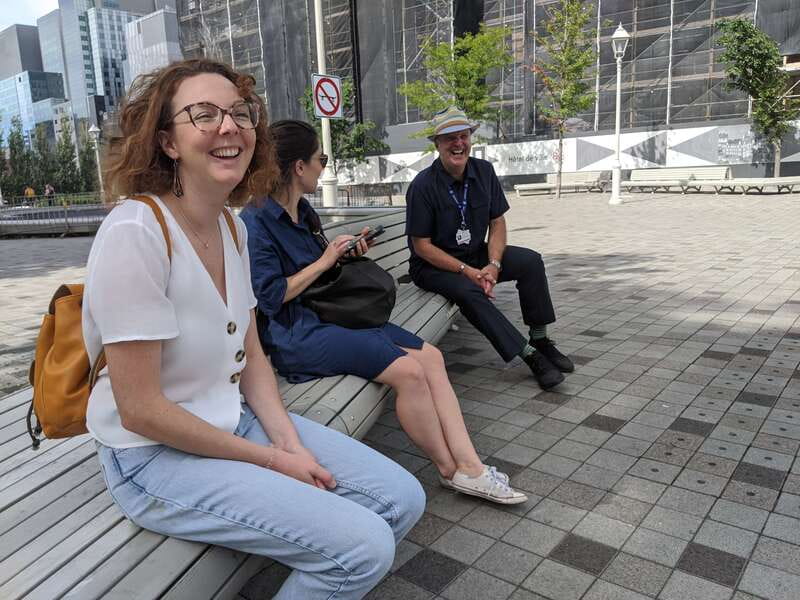
- Expect a maximum of eight people: The size makes questions easier and keeps the pace more personal.
- Place Royale anchors the city’s beginnings: This is one of the best spots for understanding Montréal’s early settlement.
- Notre-Dame is a highlight, but interior entry is not guaranteed: Past tour conditions have sometimes prevented a visit inside.
- Guides make the difference: Names praised for warmth and strong storytelling include Sarah, Martin, Vanessa, Elise, Isabelle, David, and Carole.
- The pace is relaxed but covers ground: Allow for two and a half hours on foot, with weather-appropriate clothes and good shoes.
Starting at Place d’Youville
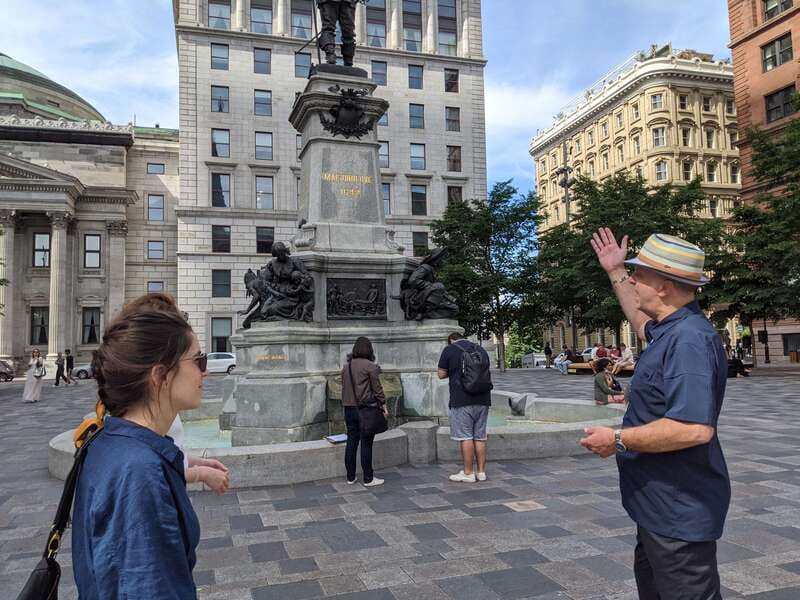
Your meeting point is the obelisk in front of 206 Place d’Youville. This is a useful starting place because it puts you close to the historic core, and you can reach it without arranging a transfer from your hotel.
The tour begins with orientation. Instead of rushing straight to a famous façade, your guide sets the scene for Old Montréal and explains why this part of the city matters. That opening context helps the rest of the walk make sense. Streets, squares, and buildings are easier to appreciate once you understand how Montréal developed from its first settlement.
The official city certification is reassuring. It means you are not simply following someone who knows a few entertaining anecdotes. You should expect a guide who can place architecture, local events, and the city’s founding story into a broader timeline.
The exact route can vary slightly with the guide and conditions. That is a good thing in a small group. A guide can spend more time on a question, adjust the pace, or point out something especially relevant to the people in the group.
More Old Town Walking Tours in Canada:
- Old Town Toronto Highlights 3 Hour Walking Tour | Gratuity-Based
★ 4.5 · 290 reviews - Underground Vaults Walking Tour in Edinburgh Old Town
★ 4.5 · 8,506 reviews - Prague: 3-Hour Walking Tour of Old Town & Prague Castle
★ 4.7 · 5,696 reviews
Place Royale and Montréal’s beginnings
Place Royale is one of the most important stops on the walk. It helps you picture Montréal as a young settlement rather than the modern city you see today. Your guide explains the people and events connected with the area, along with the pressures and difficulties faced by those who settled here.
This part of the tour is especially useful if you like history told through places. Dates alone can blur together. A square surrounded by old architecture gives the story a physical setting, and a good guide can show how the buildings and street pattern reflect Montréal’s early life.
Martin received special praise for tailoring the discussion to a couple from Louisiana. That kind of adjustment is one benefit of a small group. If your family, home city, or background connects to a topic, you have a better chance of getting a relevant answer instead of listening to a fixed script.
The tour also looks at architecture, not just famous names. You might hear why a building uses a particular style, how different periods shaped Old Montréal, and how the city’s appearance changed over time. Jeanne’s experience with guide Guy focused especially on architecture and history, while other guides used stories and humor to make the information stick.
Place Jacques-Cartier and the city in public view
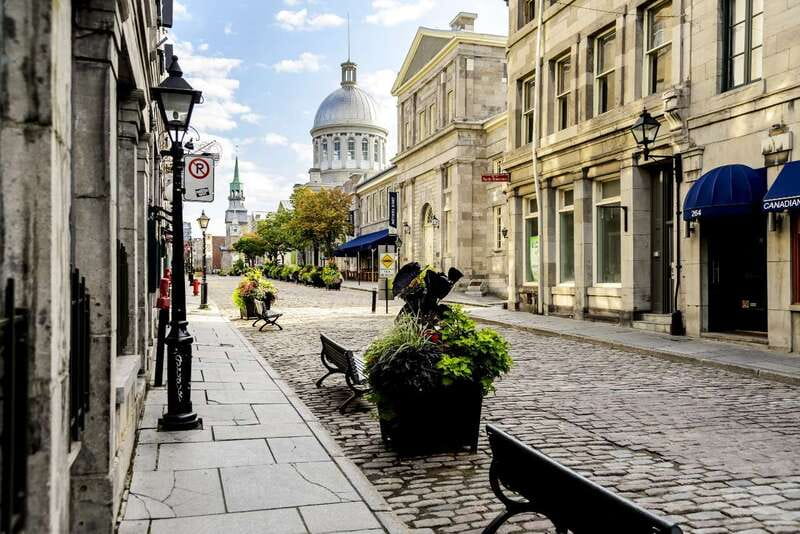
Place Jacques-Cartier gives the walk a different feel. This broad public space links the historic quarter with the everyday life of Old Montréal. It is a natural place to pause, look around, and connect the city’s past with its present streetscape.
Your guide may use the square to explain how public spaces functioned in earlier periods and how the area fits into Montréal today. The attraction is not just the view. It is the chance to see how streets, buildings, and gathering places work together.
The small group matters here. In a large tour, the guide may need to raise a voice while the people at the back strain to see. With eight or fewer participants, you can stand close, hear the explanation, and ask about a detail that catches your eye.
The walk is described as relaxed, and that comes through in the strongest experiences. David was praised for using anecdotes and humor without making the tour feel rushed. Diane was also praised for her pacing and her attention to the needs of the people in her group. That is important on a city walk, where the best moments often come from pausing for one more question.
Place d’Armes and the architectural story
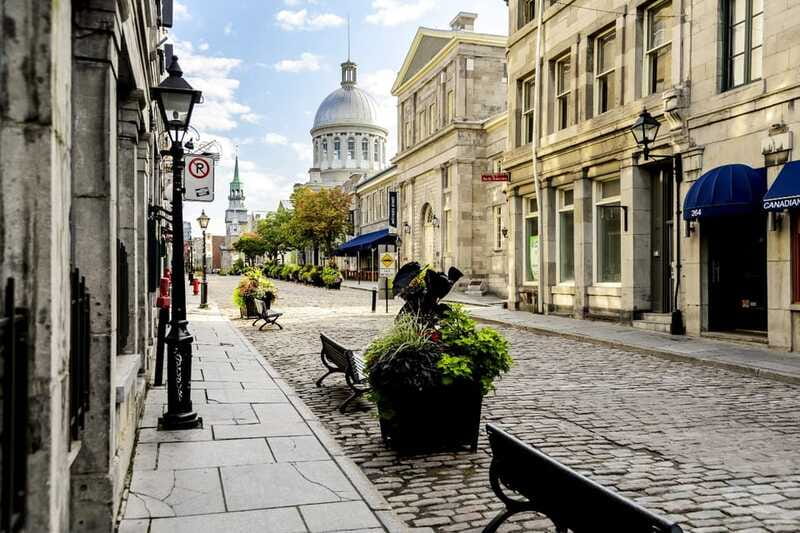
Place d’Armes is another major stop, and it gives your guide room to explain the architectural character of Old Montréal. This is where the tour moves beyond a simple list of sights. You learn to look at the buildings as evidence of changing eras, purposes, and tastes.
The square also provides a strong sense of scale. You can compare different façades and see how the historic center was shaped around important public and religious buildings. A guide can point out details you might otherwise walk past, then explain why they matter.
The most useful guides do not bury you in dates. They connect facts to people, decisions, and visible features. Past participants praised Sarah for explaining key founders and events in a conversational way. Nicola was described as bringing earlier events to life, while Thomas made the history feel relevant and amusing.
That range of guide personalities is worth considering. You cannot normally choose a particular guide, so the experience may depend on who leads your departure. The strong pattern across the tour is clear, though: guides are expected to be friendly, flexible, and able to communicate well in English or French.
More Small-Group Walking Tours in Canada:
- Old Montreal Small-Group Walking Tour | Max 10 | by MTL Detours
★ 5.0 · 2,088 reviews - Show me the City! A Small Group Walking Tour of Toronto
★ 5.0 · 621 reviews - Montreal: Top Rated Small Group Old Montreal Walking Tour
★ 4.9 · 611 reviews - Prince Edward Island: Small Group Charlottetown Walking Tour
★ 4.4 · 147 reviews
Notre-Dame and an important expectation
Notre-Dame is one of the central landmarks on the route. Even from outside, its scale and design give your guide plenty to discuss. The stop adds architectural drama to a walk that has already covered squares, streets, and the city’s earliest chapters.
Do not assume that your ticket guarantees entry inside the basilica. One past participant specifically noted that the interior visit was not possible, even though it had been presented as part of the experience. Conditions can change, so check the current details before booking if seeing the interior is a priority.
This is the main point where I would keep expectations measured. The tour remains worthwhile if the route focuses on the exterior and surrounding history, but visitors who want a dedicated basilica visit may need to make separate plans.
A previous guide, Sarah, continued with a couple as they explored the basilica after the official portion, adding information along the way. That shows how a good guide can add value beyond a memorized route, but you should not count on the same arrangement every time.
Saint-Paul Street and the smaller details
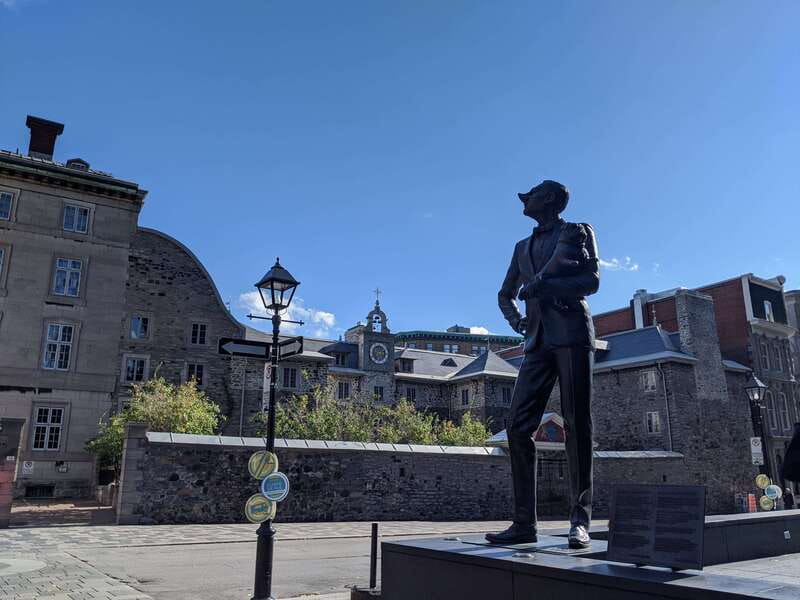
Saint-Paul Street brings the walk back to street level. Here, the pleasure is in the old façades, side lanes, and details that reward a slower pace. The route is not only about checking off the biggest landmarks. It is also about seeing how Old Montréal feels as a connected historic district.
This is where a local guide can point out less obvious features and explain how the street fits into the city’s development. You may notice doorways, masonry, architectural changes, or small corners that have little meaning without context.
Carole was praised for offering food recommendations and suggestions for authentic handmade souvenirs. That kind of practical advice is useful near the end of a first walk, when you are ready to explore on your own. It can also help you avoid spending your limited time in places that do not match your interests.
The tour has sometimes included a small treat at the end. Several past experiences referred to a surprise or special treat, including gelato or ice cream on earlier versions of the tour. Treats and inclusions can change, so enjoy it as a pleasant possibility rather than a guaranteed feature.
What the two and a half hours feel like
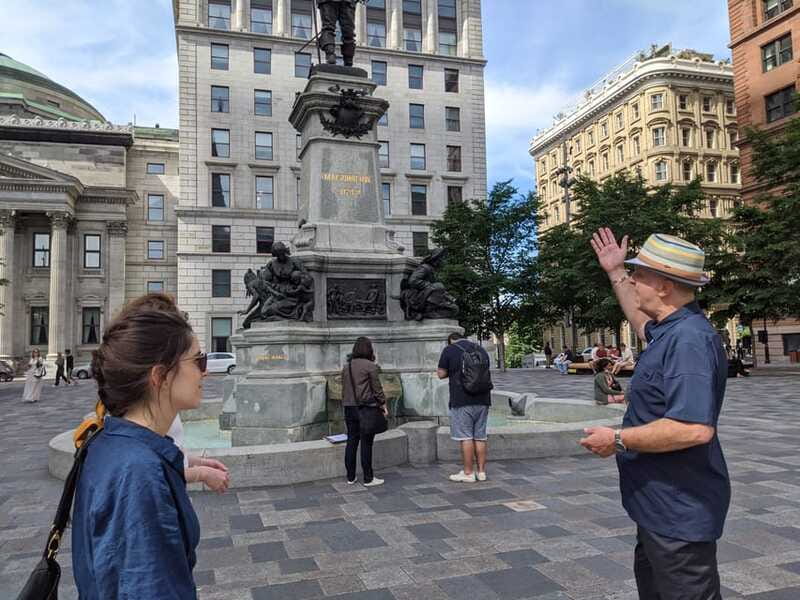
Two and a half hours is a good length for an introduction to Old Montréal. It gives you enough time for history, architecture, questions, and a useful amount of walking without turning the outing into an all-day commitment.
The route does cover substantial ground. One participant noted that the group saw many highlights at a comfortable pace, while another said the tour gave a clear sense of the city from its beginnings to modern times. You should be prepared to stay on your feet for the full 150 minutes.
The pace is not designed for people who want to stop inside every building or spend long periods taking photographs. It is an overview, with enough detail to help you decide where to return later. Jessica found several stops worth revisiting after the tour, which is exactly how a good orientation should work.
Rain is not necessarily a deal breaker. A past guide kept the outing comfortable during wet weather, but you should bring clothing suited to the forecast. Comfortable shoes are essential on cobbled streets, and a light rain layer is sensible when conditions look uncertain.
Why eight people can be worth $51

At $51 per person, the tour is priced above a self-guided visit but below a fully private experience. The best value comes from the combination of an official city-certified guide and a group capped at eight.
You are paying for more than movement between landmarks. You get explanations, answers, local recommendations, and a route shaped by someone who can connect Montréal’s past to what you are looking at now. If you are new to the city, that can save time and prevent the historic quarter from becoming a blur of attractive façades.
The format also works well for couples and families. One past group had only four people and found the experience especially easy for questions. Another group of two effectively received private attention because no one else had booked that departure.
Families should note the positive experience with a four-year-old. Guide Carol adjusted the storytelling so the child could follow along, rather than treating the youngest participant as a distraction. Still, the walk lasts 150 minutes, so consider your child’s comfort with extended walking.
The tour is wheelchair accessible, but Old Montréal’s historic streets may still require attention to surfaces and route conditions. If accessibility is essential for your group, confirm the current route details before arrival.
Guides who make the walk memorable
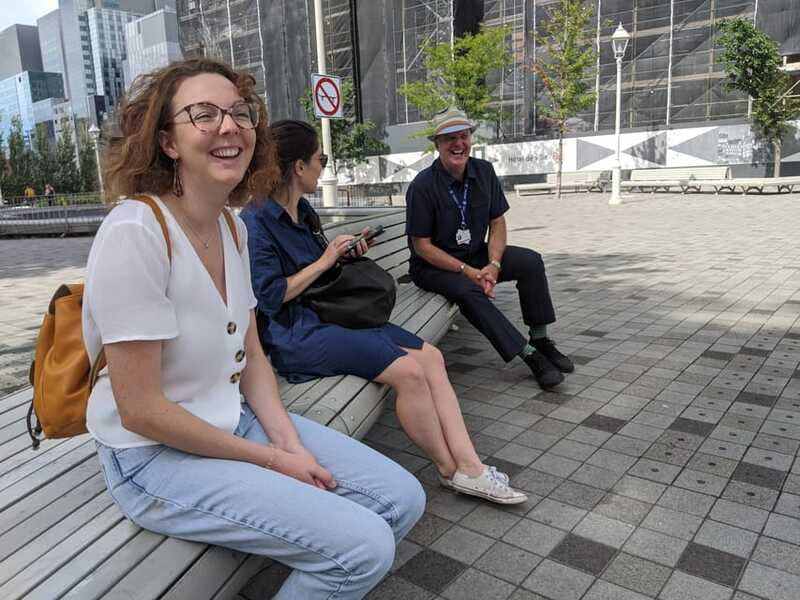
The strongest praise is directed at the guides. Sarah was described as clear and engaging, Martin as personal and thorough, and Vanessa as warm, funny, and well paced. Elise, Isabelle, David, Carole, Felicite, and Diane also received particularly warm comments.
That consistency matters because a walking tour rises or falls on the person leading it. A guide who simply recites dates can make even a beautiful district feel flat. Here, the better examples use humor, questions, personal connections, and stories about the people who shaped the city.
David’s sense of humor helped make facts easier to remember. Maryse was compared to an ideal history teacher. Carole made an effort to include a young child. Those details show the range of teaching styles you may encounter.
You cannot guarantee a specific guide, though you may request one when booking. I would not make the reservation dependent on getting a particular person. The overall record suggests that the company has a deep bench of capable guides, and the official certification adds another layer of confidence.
Who should book this Old Montréal walk?
I would choose this tour if you are visiting Montréal for the first time and want to get your bearings before exploring alone. It works particularly well on your first day in the old quarter, since the guide can help you decide which squares, buildings, shops, and food stops deserve a second visit.
It is also a good match if you enjoy history but do not want a lecture. The best guides tell stories, explain architecture, and respond to questions in a natural way.
You may want something else if you prefer to move entirely at your own pace, spend long stretches inside museums, or avoid walking on uneven historic streets. The tour is also not the right choice if guaranteed interior access to Notre-Dame is your main goal.
Flexible booking helps. You can cancel up to 24 hours in advance for a full refund, and the reserve-now, pay-later option lets you hold a place without paying immediately. Those terms are useful when your Montréal schedule is still shifting.
Should you book it?
Book it if you want a friendly, well-paced introduction to Old Montréal with a real chance to ask questions. The eight-person limit, certified guides, strong attention to architecture and founding history, and practical recommendations make $51 a fair price for a first look at the city.
If you already know Old Montréal well, the route may cover familiar ground. In that case, a more specialized walk could suit you better. For most first-time visitors, though, this tour provides the right mix of orientation, local storytelling, and time to explore further on your own.
FAQ
How long is the Old Montréal walking tour?
The tour lasts 150 minutes, or two and a half hours.
How many people can join the group?
The group is limited to a maximum of eight participants.
Where does the tour meet?
Meet your guide at the obelisk in front of 206 Place d’Youville.
Is hotel pickup included?
No. Hotel transfer is not included, so you need to make your own way to the meeting point.
Which languages are available?
The tour is offered in English and French.
Is the tour wheelchair accessible?
Yes, the activity is listed as wheelchair accessible.
Can I cancel for a full refund?
Yes. You can cancel up to 24 hours in advance for a full refund.
Just added around Canada
- The Banff Stargazing Tour – 2hr Walking Tour★ 5.0 · 189 reviews
- Toronto: Private Walking Tour with a Local★ 4.7 · 150 reviews
- Toronto: Dark History Nighttime Walking Tour★ 4.7 · 273 reviews
- Toronto: Distillery District Historic Walking Tour★ 4.8 · 267 reviews
- Toronto: City Walking Tour★ 4.9 · 185 reviews
- Toronto: 2-Hour Downtown Walking Tour★ 4.4 · 101 reviews
- Quebec City: Old Quebec Classic Walking Tour with Funicular★ 4.9 · 695 reviews
- Quebec City: Christmas Magic Walking Tour in Old Quebec★ 4.7 · 146 reviews
Old Town Walking Tours, compared.
Underground Vaults Walking Tour in Edinburgh Old Town
Read our review →
3-Hour Walking Tour of Old Town & Prague Castle
Read our review →
Old Town and Jewish Quarter Guided Walking Tour
Read our review →
Cartagena: Historic Center and Getsemaní Shared Walking Tour
Read our review →Browse the lists this tour appears in