
Review · FOOD WALKING TOURS
Oslo: Grünerløkka Food & Culture Walking Tour
Come hungry, and bring a coat. This 150-minute Grünerløkka food tour pairs Norwegian specialties with a close look at one of Oslo’s most interesting districts. I like the way it connects reindeer, moose, brunost, waffles, and chocolate to the city’s working-class past. I also like the easy pace, with about 2 kilometers of walking beside the Akerselva River and through streets filled with art, cafés, and independent food businesses.
The main concern is the $166 price. That is a serious bite for a food walk, even in costly Norway. You do receive a generous amount of food, a drink, an English-speaking guide, and a neighborhood tour that goes beyond central Oslo. Still, the food selection can vary, and some people may find the sweet stops, especially the waffle and cocoa, a little heavy.
The experience earns a 4.5 rating from 204 bookings, with especially strong praise for guides such as Shaf, Christian, Alicia, Astrid, Katerina, and Alisha. Small groups can make this feel like a private stroll, although you should expect the route and individual tastings to change if a venue closes or a stop is adjusted.
Key points to know before booking
- Wild Norwegian tasting platter: Try minke whale, reindeer, moose, venison, brunost, flatbread, and lingonberries at the opening food stop.
- A full meal, not just nibbles: The creamy wild game stew with mashed potatoes and berries can replace lunch for many people.
- Working-class Oslo in a creative district: The guide explains how factories, workers, and industry shaped present-day Grünerløkka.
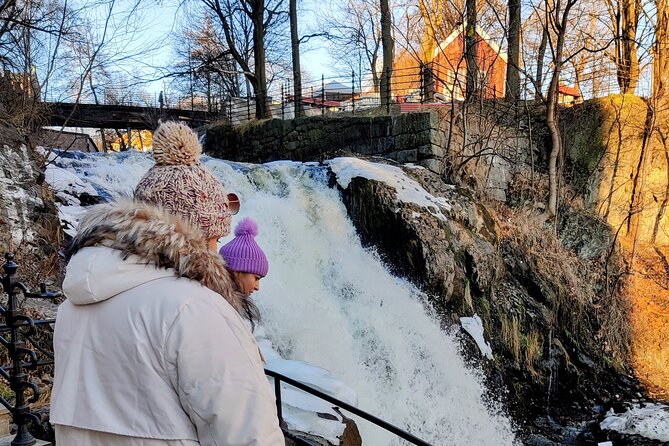
- Akerselva adds scenery: The river walk brings waterfalls, paths, bridges, and a break between food stops.
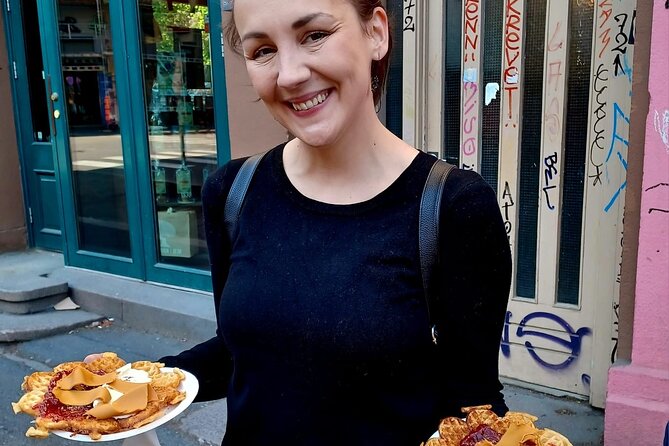
- Sweet finishes are part of the deal: Expect hot chocolate or iced cocoa, plus a heart-shaped waffle with brunost, rømme, and raspberry jam.
- Plan for changing weather: The tour operates in all weather, and vegetarian, alcohol-free, and gluten-free options require advance notice.
Meeting at Mathallen, Oslo’s food-filled starting point
The tour begins at Mathallen Oslo, inside the Vulkan complex. This is a useful starting point because Mathallen is not simply a place to meet. It is one of the city’s best-known food halls, with a broad mix of Norwegian and international products under one roof.
Finding the correct entrance matters. Meet in the main courtyard entrance at Vulkan 5, marked by a red brick building with large black 1908 numbers above doors labeled MATHALLEN OSLO. This entrance faces the open square beside Dansens Hus and sits near a tall brick chimney.
Do not wait beside the bridge at the other side of the building. The entrance there has Mathallen written in red and is not the meeting point. Arrive five to ten minutes early. If you want time to look around the food hall, come earlier still, since the tour itself moves on quickly.
The opening tasting may include a Nordic platter with reindeer, moose, venison, minke whale, brunost, flatbread, and lingonberries. Some groups have also received sausages, cheese, scampi, bread, and beer. That variation is worth knowing. You will receive plenty of food, but the exact combination is not locked in.
The wild game stew is one of the more substantial servings. Reindeer, moose, and venison are cooked in a creamy sauce and served with mashed potatoes and berries. If you want a quick sample of Nordic ingredients, the platter does the job. If you want to understand how those ingredients work in a meal, the stew is more satisfying.
You also receive one Norwegian craft beer or a local soft drink. The alcohol-free option is available, and the minimum drinking age for alcohol on the tour is 18.
More Food Walking Tours in Norway:
- Food and Culture walk
★ 4.5 · 243 reviews - Oslo: Norwegian Food Tour & Hidden Gems City Walk
★ 4.8 · 165 reviews - 3 Hour Guided Food Walk Tour in Alesund, Norway
★ 5.0 · 124 reviews
Vulkan and the food culture behind the dishes
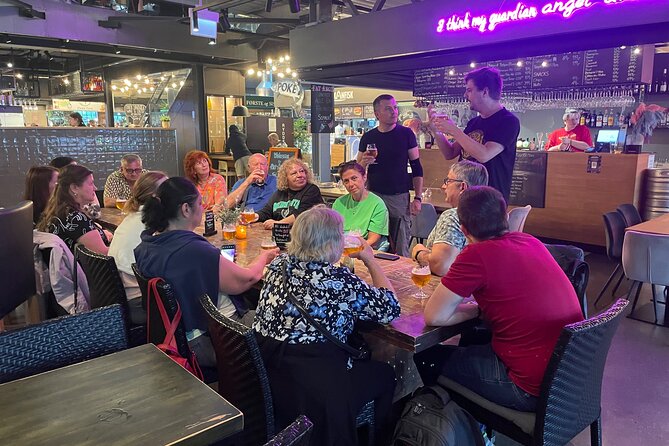
The first 45 minutes take place around Vulkan and Mathallen, combining food tastings, a market visit, and time at a local bar. This opening section gives you a useful introduction to Norwegian food without sending you straight into a lecture.
The best part is the explanation behind the ingredients. Reindeer, moose, and venison are not presented as exotic trophies. They are tied to Norwegian food traditions and the country’s connection with the outdoors. Brunost, the sweet brown cheese often served with waffles or bread, can surprise you if you expect ordinary cheddar. Its caramel-like flavor is one of the clearest tastes of Norway.
You may also try salmon with cream cheese in a lefse wrap. Lefse is a soft Norwegian flatbread, and this combination is a familiar everyday-style pairing rather than a fancy restaurant dish. It gives the tour some balance after the heavier meats and cheese.
Food tours often fail by offering tiny bites that leave you hungry. This one generally gives you enough to function as lunch. Several servings are described as full size, and the wild game stew adds real weight to the meal. If your appetite is modest, eat lightly beforehand.
The main limitation is that the food is not always as varied as the promotional list suggests. One group did not receive the hot dog mentioned in the description, though it still had plenty to eat. Another found the selection somewhat underwhelming. The stops are locally run, so a closed venue can be replaced with another treat, and the menu can shift.
Walking beside the Akerselva River
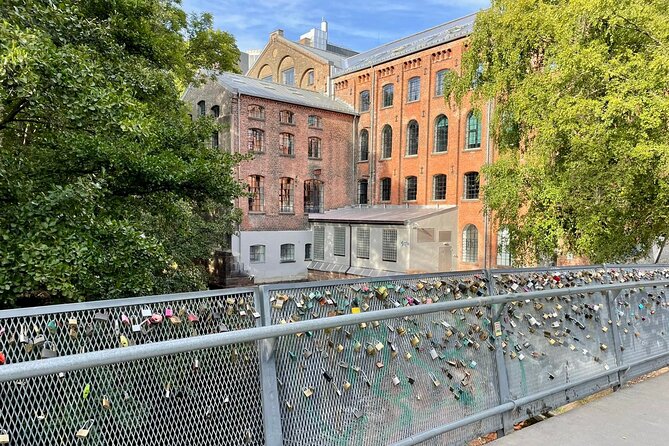
After the first food stop, the route follows the Akerselva for about 30 minutes. This is where the tour becomes more than a meal with commentary attached.
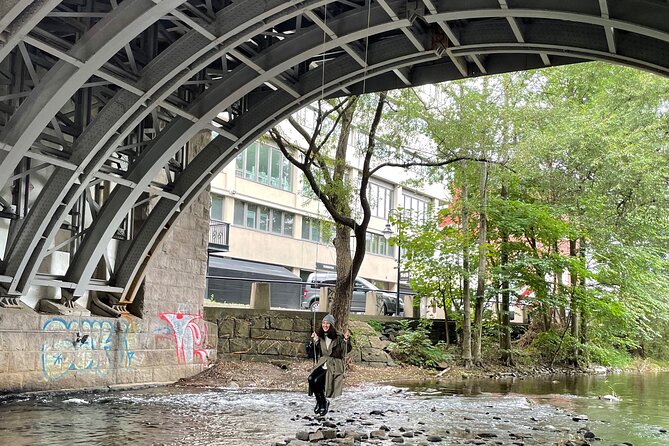
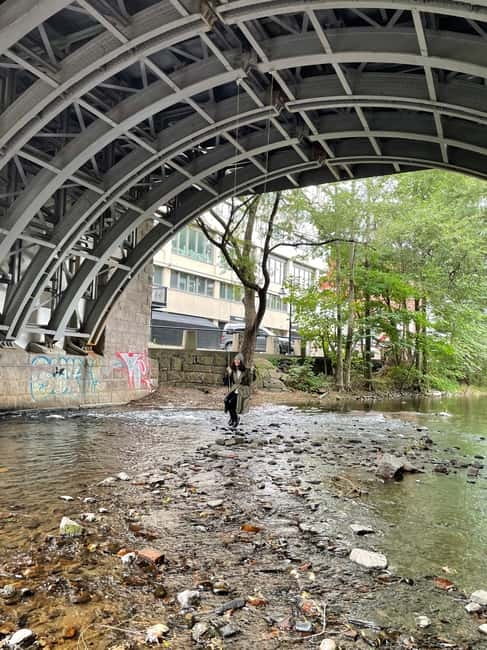
The Akerselva runs through Oslo and helps explain the city’s industrial past. Along the route, you pass paths, river views, and waterfalls, while the guide explains how factories and worker housing once shaped the area. The contrast is clear: old industrial surroundings now sit beside restaurants, creative spaces, street art, and small businesses.
I like this part because the walking creates room to digest both the food and the information. You are not rushing from one counter to another. You get a change of scene, and the river gives the district a calmer side.
The walking is described as easy, but it is still walking. The total route is about 2 kilometers, and the tour lasts two and a half hours. Wear shoes you can use on paths and city streets, and dress for rain, wind, or cold. The tour runs in all weather.
The route also includes BLÅ, a well-known cultural and music venue in Grünerløkka. The stop is listed as sightseeing for about 15 minutes. It gives you a look at the district’s creative side and helps explain why the neighborhood feels so different from Oslo’s more formal central streets.
Grünerløkka, from workers’ district to creative center

Grünerløkka is close to central Oslo, but its character changes quickly. The district was shaped by industry and working-class life before becoming associated with art, music, cafés, bars, and independent shops.
Your guide uses the streets and landmarks to explain that change. This is one of the tour’s strongest features. You are not just hearing dates and names. You are seeing how economic change affects a neighborhood, from factory buildings and river infrastructure to cultural venues and food businesses.
The guide matters a lot here. Shaf is praised for his patience, humor, and ability to answer many questions. Christian is described as engaging and strong at telling local stories. Alicia, Astrid, Katerina, Alisha, and other guides have also received warm praise for making the walk relaxed and personal.
Small groups are especially useful on this route. With only two guests, guides have been able to adjust the conversation to questions about Norwegian life, local prices, the economy, and neighborhood change. A larger group may feel less personal, but the English-language commentary remains the main thread.
The street art element deserves a realistic note. The district certainly has an art-focused identity, and BLÅ is included, but you should not assume the route will stop at every famous mural. One group expected more time with street art and felt disappointed. If that is your main interest, allow extra time before or after the tour to explore on your own.
More Cultural Walking Tours in Norway:
- Savannah First Squares Culinary & Cultural Walking Food Tour
★ 5.0 · 3,229 reviews - Tokyo Tsukiji Fish Market Food and Culture Walking Tour
★ 5.0 · 3,184 reviews - New Orleans French Quarter, Voodoo and Culture Walking Tour
★ 4.5 · 2,961 reviews - Amsterdam: Cultural Highlights Walking Tour
★ 4.9 · 2,629 reviews
Cocoa, waffles, and Norway’s sweet side
The later stops bring a noticeable shift toward sweets. Near the Freia Chocolate Factory, you choose hot chocolate or iced cocoa. The experience may include a cinnamon bun or another small sweet depending on the day, and a local soda such as Tøyen Cola has appeared as an extra treat.
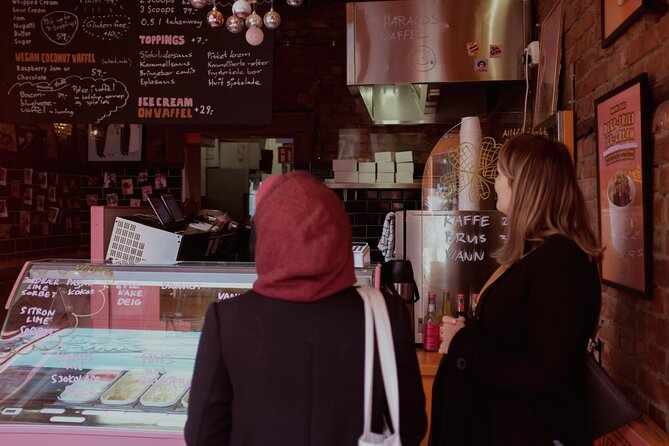
The final highlight is a heart-shaped Norwegian waffle topped with brunost, sour cream, and raspberry jam. It sounds unusual, and it is. The mix of sweet jam, tangy rømme, and salty-sweet brown cheese makes the waffle more interesting than a standard café dessert.
A stop at one of Oslo’s best-known waffle shops gives the dish some local context. The food is not just sugar for sugar’s sake. Waffles are a familiar Norwegian comfort food, and the toppings show how local ingredients are used in ordinary treats.
Still, the sweet course will not suit everyone equally. One person felt that a waffle and cinnamon bun made the tour too dessert-heavy. Another found the hot cocoa less fitting on a warm spring day. If you prefer savory food, keep your expectations in check. This tour includes meat, fish, cheese, and stew, but it finishes with a clear tilt toward cocoa and pastry.
How much food do you really receive?
You should expect more than small samples. The food list includes:
- A Nordic tasting platter
- Wild game stew with mashed potatoes and berries
- Salmon and lefse with cream cheese
- One craft beer or local soft drink
- Hot chocolate or iced cocoa
- A Norwegian waffle with brunost, rømme, and raspberry jam
The exact sequence and menu can change. Stops may be replaced if a business is unexpectedly closed, and the hot dog or other individual items are not guaranteed. Vegetarian alternatives are available with advance notice, as are alcohol-free choices. Gluten-free waffles can also be arranged if requested ahead of time.
For most people, this is enough food to skip lunch. That fact helps explain the price. Norwegian meals and drinks are costly, so a tour that includes several substantial tastings can be better value than the headline figure first suggests.
Even so, $166 is not a bargain food crawl. You are paying for the guide, the neighborhood walk, the historical context, the food, and the convenience of having the route organized. If you only want to sample Norwegian dishes, you could spend less by visiting Mathallen and a few cafés yourself. If you want the food connected to Oslo’s social and industrial story, the price becomes easier to justify.
Who will enjoy this Grünerløkka walk?
I would recommend this tour to first-time visitors who want an introduction to Norwegian food without spending an evening at a formal restaurant. It also suits people who prefer a neighborhood walk to a standard city-center sightseeing route.
You will get the most from it if you:
- Enjoy trying unusual meats and traditional ingredients
- Like history explained through streets, buildings, and local food
- Want a substantial afternoon meal
- Prefer small-group conversation
- Are happy walking outdoors in uncertain weather
- Want suggestions for cafés, bars, and food spots to revisit
It is less suitable if you want a tightly fixed menu, a large number of restaurant visits, or a tour focused mainly on street art. The pace is relaxed, and some time is spent walking or waiting between food stops. That can feel pleasantly unhurried, or slightly inefficient, depending on what you want from a food tour.
The route is wheelchair accessible, but you should still confirm current conditions when booking if you need specific assistance. Vegetarian and alcohol-free options need advance notice, and the tour requires at least two participants to operate.
Practical details that make the day easier
Book this early in your Oslo stay if you can. You will learn about foods such as brunost, lefse, reindeer, and game stew, then have time to return to places you liked.
Wear weatherproof clothing and comfortable shoes. The tour runs for approximately 2.5 hours in all weather, and the river walk is an important part of the experience rather than a short transfer between restaurants.
Do not arrive at the wrong side of Mathallen. Use the courtyard entrance with the black 1908 numbers, and arrive five to ten minutes before departure. If you want to browse the food hall properly, arrive before the meeting time.
The advertised route returns to Mathallen, though the final stop and exact sequence may change. A full refund is available for cancellations made at least 24 hours in advance, and you can reserve now and pay later, which is useful if your Oslo schedule is still moving around.
Should you book this tour?
Book it if you want food and local context in equal measure. The strongest parts are the warm guides, the generous servings, the Akerselva walk, and the explanation of how Grünerløkka changed from an industrial working district into one of Oslo’s cultural centers.
Think twice if $166 feels too high for a food walk, or if you want mostly savory dishes and a long list of restaurant stops. The menu can change, the street art component may be lighter than expected, and the cocoa and waffle finish is not for every palate.
For first-time visitors, food lovers, and anyone curious about a less formal side of Oslo, I think it is a worthwhile way to spend an afternoon. Come hungry, request dietary alternatives in advance, and treat the tour as both lunch and a neighborhood introduction.
FAQ
Where does the Grünerløkka food tour begin?
It begins at the main courtyard entrance of Mathallen Oslo at Vulkan 5, 0178 Oslo. Look for the red brick building with large black 1908 numbers above the doors marked MATHALLEN OSLO.
Which Mathallen entrance should I use?
Use the entrance facing the open square in the Vulkan complex, beside Dansens Hus and near the tall brick chimney. Do not use the entrance beside the river bridge where Mathallen appears in red letters.
How long does the tour last?
The tour lasts approximately 150 minutes, or 2.5 hours.
How much walking is involved?
The route includes about 2 kilometers of easy walking through Grünerløkka and beside the Akerselva River.
Is food included in the price?
Yes. All listed food tastings are included, along with one Norwegian craft beer or local soft drink. Extra food and drinks cost more.
Are vegetarian or alcohol-free options available?
Yes. Vegetarian and alcohol-free alternatives are available with advance notice.
Can the tour accommodate gluten-free guests?
Gluten-free waffles can be arranged on request. Contact the provider in advance about other dietary needs.
Does the tour operate in bad weather?
Yes. The tour runs in all weather, so dress appropriately for Oslo’s conditions.
Just added around Norway
- City Walking Tour – Bergen On Foot★ 5.0 · 436 reviews
- Food and Culture walk★ 4.5 · 243 reviews
- 3 Hour Guided Food Walk Tour in Alesund, Norway★ 5.0 · 124 reviews
- Stavanger: Private Walking Tour with a Local★ 4.5 · 100 reviews
- Oslo: Snowy Forest Torchlight Walk with Campfire★ 4.6 · 254 reviews
- Oslo: Norwegian Food Tour & Hidden Gems City Walk★ 4.8 · 165 reviews
- Oslo: Private Walking Tour★ 4.8 · 87 reviews
- Oslo: Private Walking Tour with a Local★ 4.5 · 263 reviews
Food Walking Tours, compared.
Reykjavik Food Walk – Local Foodie Adventure in Iceland
Read our review →

New Orleans Food Walking Tour of the French Quarter with Small-Group Option
Read our review →

Authentic Parisian Gourmet Food Tour with 10 Local Dishes & Wines
Read our review →
Tapas Walking Tour with Food, Wine, and History
Read our review →
Browse the lists this tour appears in