
Review · FOOD WALKING TOURS
Oslo: Norwegian Food Tour & Hidden Gems City Walk
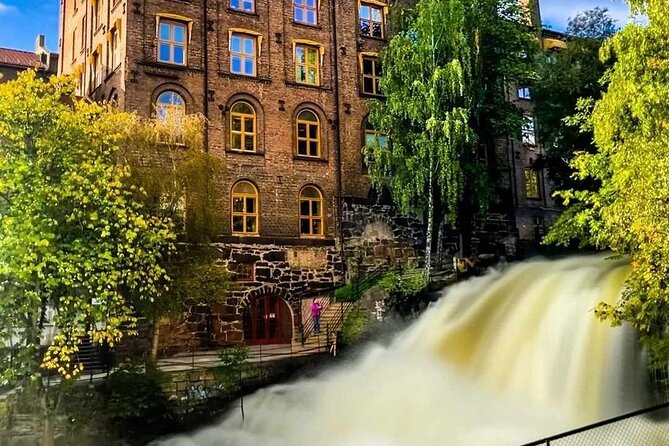
Oslo tastes better away from the center. I like this tour for its excellent mix of Norwegian food and local scenery, especially the river walk, wooden houses, bridges, and unexpected waterfall. I also like the small groups, capped at 10, which give guides such as Margarita, Annie, Idunn, and Kaja room to share personal stories. The main drawback is the walking: 3 kilometers with several short, steep hills and some cobblestones.
This is not a quick round of snacks between sightseeing stops. You spend roughly half the three hours eating and half walking, with about 1.5 hours on your feet and 1.5 hours seated at restaurants. At $167 per person, it is a serious spend, but the price makes more sense if you want food, transport, local orientation, and parts of Oslo you would likely miss on your own.
Key points to know before booking
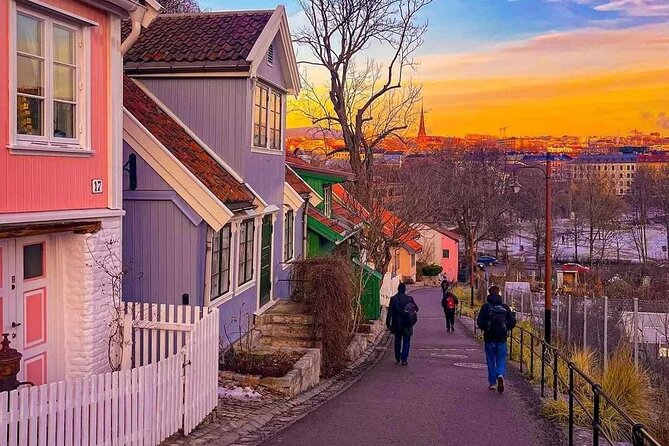
- A city waterfall is part of the surprise: The route follows Oslo’s river through older streets, bridges, wooden homes, and a dramatic waterfall.
- Three food stops offer a proper tasting meal: Expect fish soup, Norwegian cheese, smoked trout, elk, waffles, brown cheese, and other seasonal items.
- The walk is active, not decorative: You cover about 3 kilometers, with short steep sections, cobbled paths, and winter surfaces that may become slippery.
- Small groups make the guide important: Groups are limited to 10, and guides such as Margarita, Annie, Idunn, and Kaja are praised for personal stories and flexible pacing.
- The route ends away from the start: You meet at Oslo Central Station and finish on Karl Johans gate, with a tram ride included along the way.
- Come hungry, but do not expect dinner-sized excess: Portions can be generous, yet the tastings leave room to try another restaurant later.
Why this Oslo tour feels different from a standard city walk
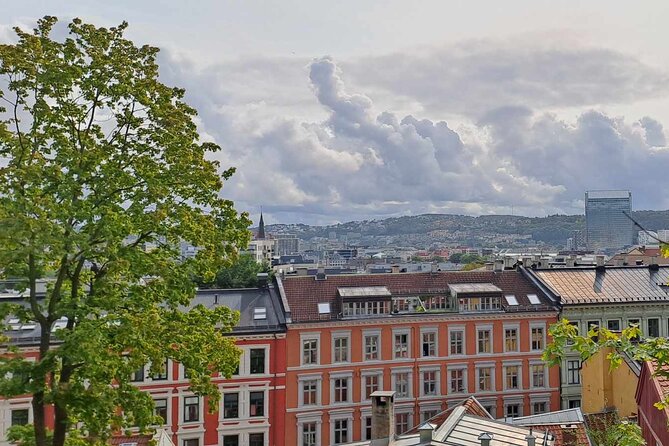
Many first visits to Oslo stay around the station, Karl Johans gate, the harbor, and the major museums. This tour takes a different line through the city, using the river and quieter neighborhoods as its thread.
You will see old and cozy streets, traditional Norwegian wooden houses, bridges, viewpoints, and areas shaped by local life rather than the usual sightseeing circuit. The route also includes a dramatic waterfall, an especially welcome surprise in a capital city.
I like that the walking has a purpose. You are not simply ticking off landmarks. Your guide connects food, neighborhoods, history, art, local habits, and current city life as you move between restaurants.
That personal touch matters here. Guides including Margarita, Annie, Idunn, Kaja, Ingunn, and Johan have been praised for warmth, humor, local stories, and a willingness to answer questions. When the group is very small, the experience can feel almost like an afternoon with a well-informed local friend.
The tour is offered in English and Norwegian. English-speaking visitors should have no trouble following the explanations, and the limited group size makes it easier to speak up when you want more detail.
More Food Walking Tours in Norway:
- Food and Culture walk
★ 4.5 · 243 reviews - Oslo: Grünerløkka Food & Culture Walking Tour
★ 4.5 · 204 reviews - 3 Hour Guided Food Walk Tour in Alesund, Norway
★ 5.0 · 124 reviews
Starting at the tiger statue near Oslo Central Station
The meeting point is the tiger statue outside Oslo Central Station, a simple place to find in the middle of Oslo. Look for a woman wearing a yellow reflective vest.
The first walk lasts about 15 minutes. This opening stretch gets you away from the immediate station area and toward the first restaurant. It also gives the guide time to explain the route and set the tone for the afternoon.
The walk is mostly flat asphalt, but do not read that as completely easy. There are short uphill sections, and some parts may include cobblestones. The highest point is only about 45 meters above sea level, so this is not a mountain hike, but the inclines can still be noticeable if you have a low level of fitness.
Wear comfortable shoes with good grip. In winter, weather can alter the route, and slippery roads may slow the group. Bring clothing suited to the forecast. Oslo weather can make a pleasant river walk feel very different from the same walk on a mild day.
First stop: creamy fish soup and a gentle introduction to Norwegian food
The first restaurant stop lasts about 30 minutes and centers on creamy fish soup. The listed version includes pollock, salmon, mussels, and vegetables.
This is a smart opening dish. It introduces Norway through seafood, but in a warm, familiar form rather than an intimidating specialty. The combination also gives you several tastes in one bowl, from mild white fish to richer salmon and mussels.
The soup has been one of the most praised parts of the experience. One particularly enthusiastic food lover returned to the same restaurant for dinner after trying it on the tour. That is useful information if you want to turn a tasting stop into a later meal.
You should tell the operator about allergies or dietary needs before the tour. Vegetarian alternatives are available, and pescatarian preferences have been accommodated. The menu can change with the season and holidays, so treat the published dishes as a strong guide rather than an absolute promise.
Following Oslo’s river to the waterfall and viewpoints
After the first food stop, the tour shifts into its longest sightseeing section, about an hour of guided walking. This is where the experience earns its city-walk title.
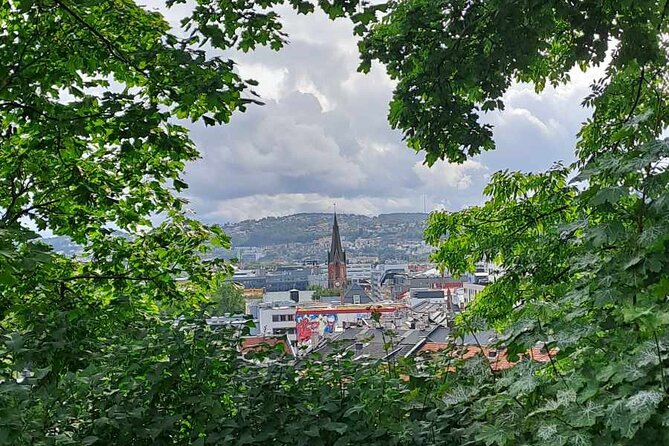
You follow the river through a less expected side of Oslo. The setting includes bridges, older streets, wooden houses, viewpoints, and a waterfall that many people do not expect to find in the city.
The waterfall is a memorable feature because it changes your sense of Oslo. The city is not just grand avenues and modern waterfront buildings. Along the river, you get a closer look at old neighborhoods, natural features, and areas that feel removed from the normal visitor route.
The walking section also gives your meal time to settle. That balance is one of the tour’s strengths. You eat, walk, stop to look around, then eat again instead of sitting through one long meal or rushing between tiny samples.
Expect information about Oslo’s past and present, with stories tied to the areas you pass. Guides have also pointed out art, sculptures, allotment gardens, and places that are easy to miss without local help. The exact order and route can shift with weather, but the basic idea remains the same: move through quieter parts of the city while learning how they fit together.
Do not underestimate the hills. Several people have enjoyed the effort, especially because the walking breaks up the food, but the route is not a good choice if steep sections, uneven surfaces, or a total of 1.5 hours on foot would be difficult.
More Hidden Gems Walking Tours in Norway:
- Dublin Highlights and Hidden Gems Guided Walking Tour
★ 5.0 · 6,020 reviews - Explore Berlin: See All The Iconic Sights & Some Hidden Gems
★ 5.0 · 4,429 reviews - Kyoto Geisha Walking Tour: Gion District & Hidden Gems
★ 4.7 · 3,273 reviews - Marrakech: Ben Youssef, Secret Garden, & Souks Walking Tour
★ 4.6 · 2,802 reviews
Second stop: Norwegian cheese, trout, and elk
The second restaurant stop lasts about 45 minutes and is the heart of the savory food portion. The planned selection includes three main tastings:
- Grilled Norwegian cheese with sweet pickled apple, pickled red onions, toasted hazelnuts, and honey vinaigrette
- Smoked trout with pickled beetroot and cucumber
- Roast elk with potato salad, pickled mushrooms, and lingonberries
This is where the tour moves beyond the familiar fish-and-potatoes idea of Norwegian cuisine. The grilled cheese brings sweetness and sharp pickled flavors. The trout adds a distinctly Nordic seafood taste, while the elk offers a lean game meat paired with earthy mushrooms and tart lingonberries.
For many people, this stop is the best reason to arrive hungry. The portions are not merely decorative tastes, and some groups have left full and happy. At the same time, the meal is usually not so large that you lose interest in Oslo’s restaurants later.
The dishes also explain why the food component costs more than a casual snack crawl. You are sampling several carefully prepared plates, not just buying a pastry and a coffee. The value depends on your priorities: food-focused visitors may find the variety worthwhile, while anyone mainly seeking a long walking tour may consider the price high.
The menu can change. Holiday schedules, seasonal ingredients, and restaurant availability may affect the exact plates you receive. That is normal for a local food experience, but it is worth remembering if you book mainly for the elk or a particular dish.
The tram ride and the final café stop
After the second restaurant, you take public transportation by tram for about 15 minutes. The tram ticket is included, which is a small but useful detail. More importantly, the ride links two parts of the route and gives your feet a break.
The final food stop is at a local café and lasts about 30 minutes. The featured dessert is a Norwegian waffle with brown cheese and butter. Some menus may also include jam, sour cream, or other seasonal additions.
Norwegian brown cheese is worth trying with an open mind. It is sweet, caramel-like, and quite different from the mild yellow cheese many people expect. Paired with a warm waffle, it becomes an easy introduction to one of Norway’s most recognizable food traditions.
Coffee may be available, but extra drinks are not included. Still water is included. If you want beer, wine, soft drinks, or a specialty coffee, plan to pay separately.
The route finishes at Karl Johans gate 8, not back at the station. That is useful for continuing an afternoon of sightseeing, shopping, or dinner in central Oslo. It also means you should not assume the final stop is close to where you began.
How much food do you actually get?
The tour includes enough food to function as a substantial lunch for many people. You have soup, a multi-item savory tasting, and a waffle dessert, spread across three restaurants and a café.
Still, the amount depends on the menu that day and your appetite. One useful advantage is that you are unlikely to be too full for another meal later. You can use this tour as a late lunch, then choose dinner based on what you enjoyed most.
The food is also designed to show range. Seafood appears in several forms, but the menu adds cheese, game meat, pickled vegetables, potatoes, berries, nuts, honey, and a classic Norwegian sweet. That variety is more useful than a tour that serves three versions of the same dish.
Vegetarian alternatives are available, but you need to communicate dietary needs in advance. The supplied information does not promise a fully vegan menu, so strict vegans should confirm what can be substituted before paying.
The guide can make or break the afternoon
A food tour is only as good as the person connecting the plates to the place. Here, the guide receives unusually strong praise for warmth, humor, flexibility, and local insight.
Margarita has been singled out for her stories about Oslo, culture, and neighborhoods. Annie is praised for energy and fun facts. Idunn has been described as engaging and responsive, while Kaja is noted for adjusting the pace and discussing art, history, and current city life.
Ingunn and Johan have also led the experience, and one guide has sometimes brought a large black dog. These details are not guaranteed, but they show the personal character of the operation.
A small group helps. With no more than 10 participants, you can hear the guide more easily and ask questions without holding up a large crowd. On quiet dates, the tour may run with only one or two people, creating an almost private outing. That can be a great benefit, though the experience will feel more social when the group is full.
Is $167 a fair price for three hours?
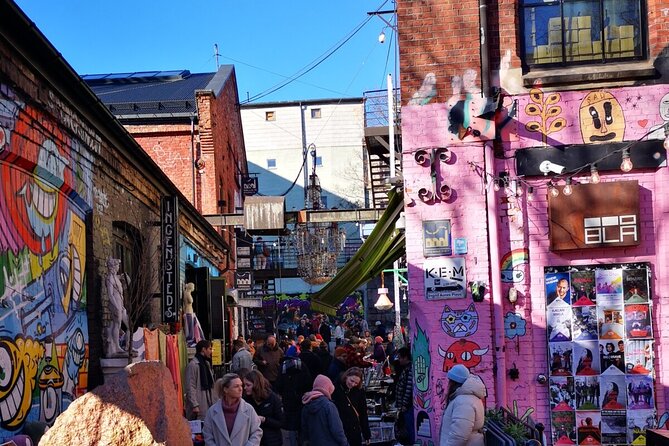
At $167 per person, this is not a budget food walk. Oslo is expensive, and the price includes several restaurant tastings, a local guide, and public transportation, but the value still depends on how much you want from the experience.
I see the strongest value in the combination. You are paying for a guided city walk, a local introduction to Norwegian food, three restaurant visits plus a café stop, and an itinerary that reaches areas you might not find alone.
The price is harder to justify if you want only a large meal or only a history walk. You could eat more cheaply on your own, and you could explore the river without booking a tour. What you cannot easily reproduce is the connection between the food, the neighborhoods, the waterfall, and a guide’s personal recommendations in one organized afternoon.
The excellent rating of 4.8 from 165 reviews supports the idea that the experience usually delivers well, but you should still book it for the right reason. Think of it as a food-centered orientation to Oslo, not a cheap way to fill your stomach.
Who should book this Oslo food walk?
You are a good match if you want to:
- Try several Norwegian foods without ordering full meals blindly
- See neighborhoods beyond central Oslo
- Walk beside a river and visit a city waterfall
- Hear local stories from an English-speaking guide
- Eat seafood, game, cheese, waffles, and pickled foods
- Start your Oslo visit with practical restaurant and sightseeing suggestions
You should think twice if you have limited mobility, a low level of fitness, vertigo, respiratory issues, or difficulty walking on hills and uneven surfaces. The experience is not suitable for wheelchair users, people with mobility impairments, children under 10, people over 70, or people with hearing impairments, according to the stated restrictions.
That age guidance is broad, so if you are an active older visitor, check directly before booking rather than relying only on the general rule. The same applies to anyone with a medical concern.
Should you book it?
I would book this tour early in an Oslo stay, especially if you want food and local orientation in the same afternoon. The waterfall, river route, well-chosen tastings, and personal guide make it more distinctive than a standard center-only walk.
Book it if you are happy to pay for quality and convenience, and if 3 kilometers with hills sounds enjoyable rather than tiring. Skip it if you want a cheap meal, a fully accessible route, or a relaxed tour with almost no walking.
Come hungry, wear shoes with grip, tell the operator about dietary needs ahead of time, and leave room in your plans for the guide’s restaurant suggestions. For many visitors, that is the real payoff: you finish with a better sense of where Oslo eats, walks, and lives beyond its main streets.
FAQ
Where does the Oslo food tour begin?
It begins at the tiger statue outside Oslo Central Station, known as Jernbanetorget. Look for a woman wearing a yellow reflective vest.
Where does the tour finish?
The tour finishes at Karl Johans gate 8, 0154 Oslo. It does not finish at the starting point.
How long is the experience?
The experience lasts three hours. About 1.5 hours are spent walking and about 1.5 hours are spent seated at food stops.
How far do you walk?
The route covers about 3 kilometers. It is mainly on asphalt and mostly flat, but includes several short, steep uphill sections.
What food is included?
The planned food includes creamy fish soup with pollock, salmon, mussels, and vegetables; grilled Norwegian cheese; smoked trout; roast elk; and a waffle with brown cheese and butter. Menus may vary by season and holidays.
Are vegetarian options available?
Yes. Vegetarian alternatives are available, but you should tell the operator about allergies or dietary preferences in advance.
Are drinks included?
Still water is included. Extra drinks are not included, so you pay separately for other beverages.
Is public transportation included?
Yes. A public tram ticket is included for the approximately 15-minute tram ride during the tour.
How large is the group?
The group is limited to 10 participants. The tour is offered in English and Norwegian.
What should I bring?
Bring comfortable shoes and clothing suited to the weather. Winter conditions may make parts of the route slippery, and the route can change slightly because of weather.
Is the tour suitable for children?
It is not suitable for children under 10 years old. The stated restrictions also include wheelchair users, people with vertigo, respiratory issues, low fitness, mobility impairments, hearing impairments, and people over 70.
Just added around Norway
- City Walking Tour – Bergen On Foot★ 5.0 · 436 reviews
- Food and Culture walk★ 4.5 · 243 reviews
- 3 Hour Guided Food Walk Tour in Alesund, Norway★ 5.0 · 124 reviews
- Stavanger: Private Walking Tour with a Local★ 4.5 · 100 reviews
- Oslo: Snowy Forest Torchlight Walk with Campfire★ 4.6 · 254 reviews
- Oslo: Private Walking Tour★ 4.8 · 87 reviews
- Oslo: Private Walking Tour with a Local★ 4.5 · 263 reviews
- Oslo: Grünerløkka Food & Culture Walking Tour★ 4.5 · 204 reviews
Food Walking Tours, compared.
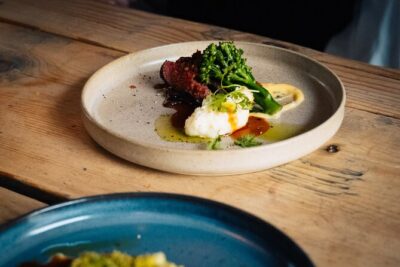
Reykjavik Food Walk – Local Foodie Adventure in Iceland
Read our review →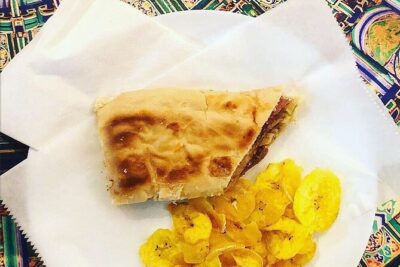

New Orleans Food Walking Tour of the French Quarter with Small-Group Option
Read our review →

Authentic Parisian Gourmet Food Tour with 10 Local Dishes & Wines
Read our review →
Tapas Walking Tour with Food, Wine, and History
Read our review →
Browse the lists this tour appears in