Review · FOOD WALKING TOURS
Picasso Museum and Walking Tour Plus Wine Tasting Upgrade
Picasso’s Barcelona is hiding in plain sight. This tour links Els Quatre Gats, Sala Parès, Carrer d’Avinyó, and the Picasso Museum into one clear story. I like the way the walking route gives the museum context, and I like the skip-the-line entry, especially during a busy Barcelona day. The main thing to consider is that the museum visit is self-guided, so you will not have a guide beside you inside the galleries.
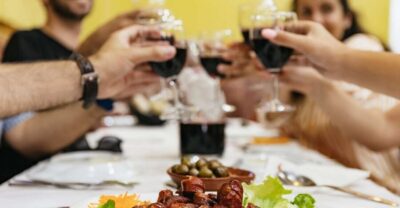
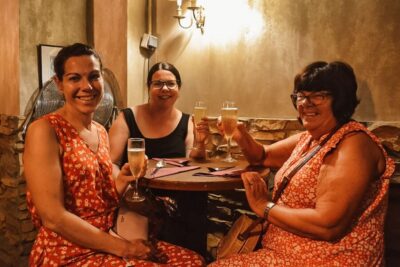
The optional tasting adds a pleasant second act: Catalan tomato bread, cured meats, cheeses, and premium wines in a private room at Vila Viniteca. Guides such as Owen, Cal, Thomas, Nicholas, and Daniela have been praised for their warmth, humor, patience, and clear storytelling. One useful warning: the tasting upgrade is offered only with the English option and is not wheelchair or stroller accessible.
Key points at a glance
- Picasso’s first Barcelona exhibition site: Hear about Els Quatre Gats, the modernist café where Picasso and his artist friends met and where he first showed his work.
- A gallery with a past life: Visit or look inside Sala Parès, a former paint shop that became the first Spanish art gallery where Picasso exhibited.
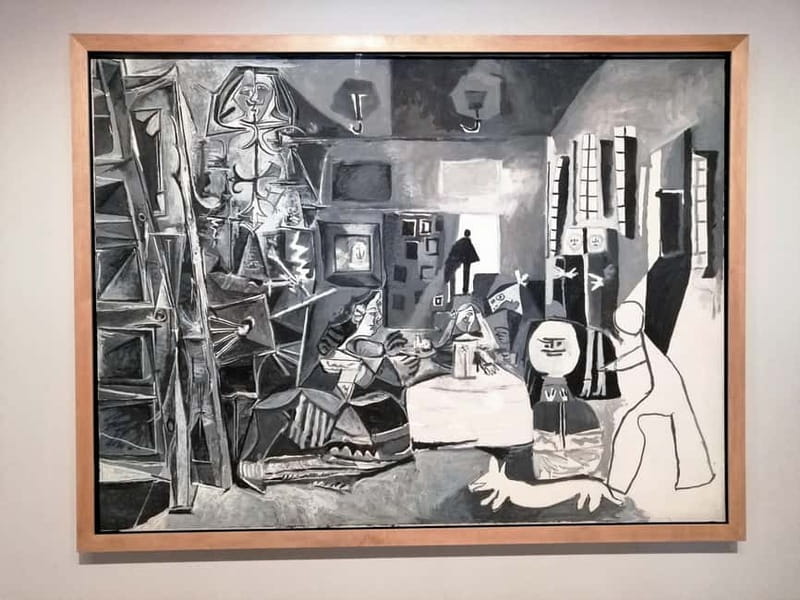
- The street behind a famous title: At Carrer d’Avinyò 44, learn how the area inspired the name of Les Demoiselles d’Avignon.
- More than 4,200 works at the museum: Enter the Picasso Museum on your own after your guide explains what to notice.
- A private food and wine finish: Upgrade for Catalan specialties and premium wines led by a sommelier at Vila Viniteca.
- A small-group feel: Private or small-group formats are available, with English, French, and Italian guides.
Why Picasso makes more sense on Barcelona’s old streets
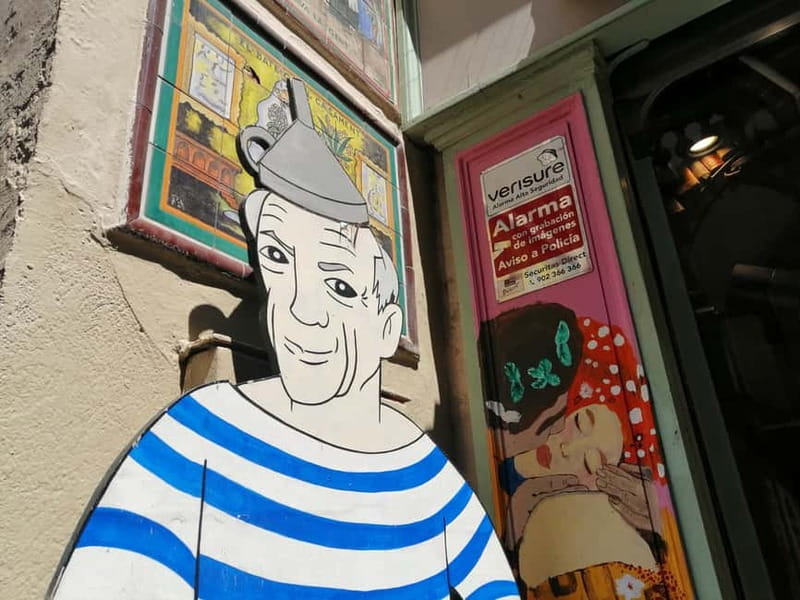
Picasso was born in Málaga, but Barcelona helped shape his artistic life. He arrived as a young man, studied and worked here, met other artists, and developed the circles that supported his early career. This tour uses the city itself as a kind of introduction before you enter the museum.
That approach matters because the Picasso Museum is not simply a room full of famous paintings. It follows Picasso through different periods, and the early Barcelona material becomes easier to understand when you have walked the streets connected to his youth and first exhibitions.
The walking portion lasts roughly one to two hours, depending on the selected option and group pace. The full plan can run up to four hours when you include the museum and the food and wine upgrade. You should allow enough time to listen carefully outside each stop rather than treating the route as a quick transfer between addresses.
The route is in Barcelona’s historic center, where streets can be narrow and busy. You will be walking on foot between stops, so comfortable shoes are sensible. The walk itself is wheelchair and stroller accessible, but the optional tasting has a different accessibility status and is not suitable for wheelchairs or strollers.
More Food Walking Tours in Barcelona
- Barcelona: Tapas Walking Tour with Food, Wine, and History
★ 4.8 · 4,261 reviews - Barcelona: Food Walking Tour with Tapas and Wine
★ 4.9 · 2,180 reviews - Barcelona Tapas Walking Tour: Food, Wine & History
★ 4.5 · 1,928 reviews
Els Quatre Gats and Picasso’s early circle
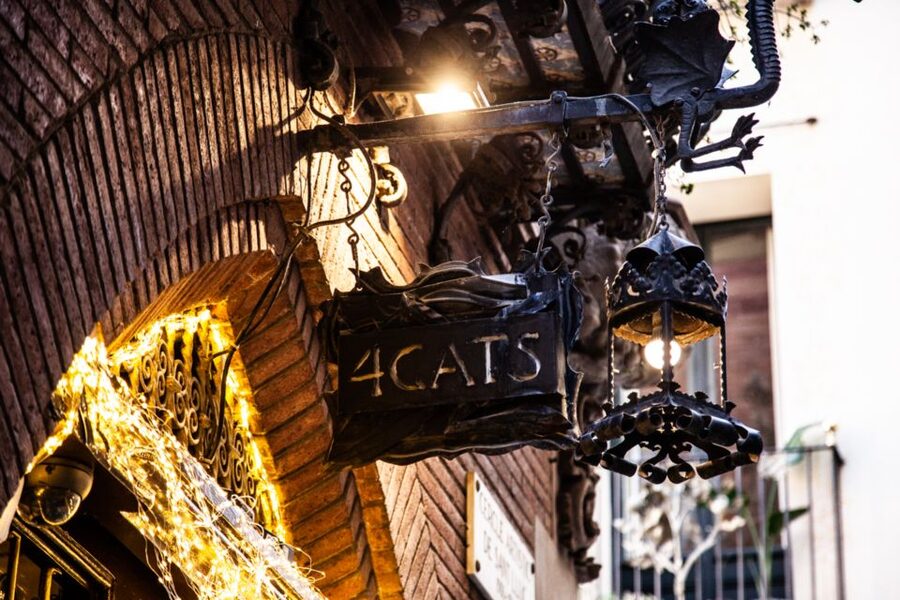
The tour begins with Els Quatre Gats, a former tavern and modernist café that became a meeting place for artists. The building and its artistic connections give you an early look at the Barcelona that Picasso knew as a young painter.
You will hear about Picasso and his friends outside the café rather than sitting down for a meal there. That distinction is worth knowing. This is a storytelling stop, not a restaurant reservation or a café visit included in the price.
Still, it is a strong opening. The setting helps you picture the social world around Picasso, when artists gathered, argued, showed one another work, and built reputations through personal connections. The guide’s job here is to put Picasso among those people instead of presenting him as an isolated genius.
This is also where the quality of the guide matters most. Owen has been praised for a warm manner, humor, and a strong command of Picasso’s story. Cal has also received praise for making the history approachable and for offering useful suggestions for places to visit after the tour.
You should expect interpretation rather than formal art instruction. The route focuses on the people, places, and events that shaped Picasso’s Barcelona years. If you want a detailed architectural tour of the café itself, you may find this stop fairly brief.
Sala Parès, from paint shop to gallery
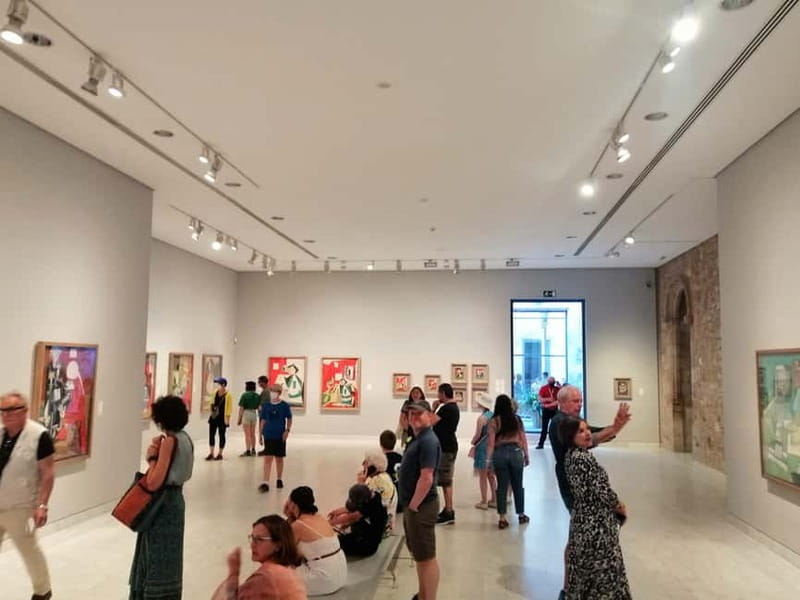
Next comes Sala Parès, a paint shop that became an art gallery. Picasso and other artists once exhibited their paintings here, making it an important stop for understanding how artists could begin showing work in Barcelona.
The tour may include a look inside, depending on access and the conditions on the day. That wording matters because you should not treat an interior visit as guaranteed. Even seeing the building from the street still connects Picasso’s early career with the practical business of selling and displaying art.
I like this stop because it gives you a useful correction to the usual Picasso story. Great artists do not appear fully formed in a museum. They need places to show their work, people willing to look, and galleries prepared to give them space. Sala Parès helps explain that early network.
The guide will also help connect Picasso with other artists who exhibited in Barcelona. You are not only following one man through the city. You are seeing how the local art scene operated around him.
Carrer d’Avinyò 44 and a provocative title
At Carrer d’Avinyò 44, the guide explains the women associated with the address and how this place inspired the name of Les Demoiselles d’Avignon, one of Picasso’s most important and challenging paintings.
The stop is not a claim that the painting was created here or that you will see the original on the street. Instead, it gives the title a physical setting and explains the local reference behind it. That kind of context can change how you approach the work later in the museum.
This is one of the route’s more unusual details. You are not simply being taken to famous monuments. You are being shown how ordinary addresses, city life, and Picasso’s experiences fed into his art.
The tour does not promise a full walking tour of Gothic Quarter architecture. One visitor expected more general information about the Gothic area and felt that the emphasis remained firmly on Picasso. That is a fair expectation to set: choose this route for Picasso’s Barcelona, not for a broad survey of medieval streets and buildings.
More Food Walking Tours in Spain
- Barcelona Food Tour: Tapas, Paella, Sangria & 8+ Local Tastings
★ 5.0 · 1,275 reviews - Barcelona: Guided Food Walking Tour with Tapas and Wine
★ 5.0 · 848 reviews - Barcelona: El Born Food Walking Tour with Tapas and Drinks
★ 4.9 · 662 reviews - Picasso Museum and Walking Tour Plus Optional Wine & Food Tasting
★ 5.0 · 596 reviews
Carrer Montcada and the museum entrance
The walking portion finishes on picturesque Carrer Montcada, a medieval street leading to the Picasso Museum. This is a fitting transition from the city’s older fabric to the museum that holds so much of Picasso’s work.
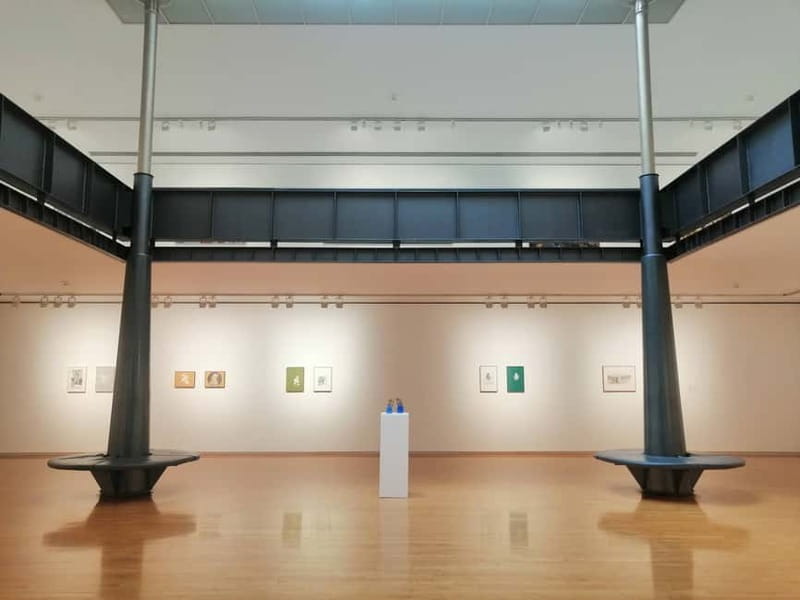
Before you enter, the guide gives you practical advice about what to look for. That short briefing is valuable because the museum contains more than 4,200 Picasso pieces. A collection of that size can feel like a lot to absorb, especially if you are unfamiliar with Picasso’s early development.
The guide does not accompany you through the galleries. After the introduction, you visit the museum independently. For some people, that is a plus. You can move at your own pace, pause in front of works that interest you, and leave when you have had enough.
For others, the lack of an interior guide will be the main weakness. If you want sustained analysis of individual paintings, you will need to use the museum’s own information or explore independently. The walking tour prepares you, but it does not replace a guided museum visit.
The skip-the-line ticket is a real practical benefit. Barcelona’s most popular sights can consume time in queues, and entering with a reserved museum ticket gives you more control over your day. It also reduces the awkward gap between the end of the walk and your museum visit.
Pay attention to your entry instructions and timing. The meeting point can vary by the option you book, so check the exact details before setting out.
What to look for inside the Picasso Museum
A museum with thousands of works can tempt you into rushing. I suggest using the walking tour’s introduction as a short checklist.
First, look for the connection between the young Picasso and Barcelona. The city was not just a backdrop. It was a place where he studied, exhibited, met fellow artists, and formed ideas.
Second, notice how much the collection helps you follow change over time. Picasso’s name is often linked with his later, more radical styles, but this museum experience is especially useful when you want to understand his development from an earlier stage.
Third, return to the story of the streets. Els Quatre Gats, Sala Parès, Carrer d’Avinyò, and Carrer Montcada are not random stops. They give you a framework for thinking about the works you see.
The museum can reward careful looking, but do not assume you will see every one of the 4,200 pieces in a single visit. The guide’s pre-museum advice is most useful if you accept that you are choosing highlights, not completing a catalogue.
The wine and Catalan food upgrade at Vila Viniteca
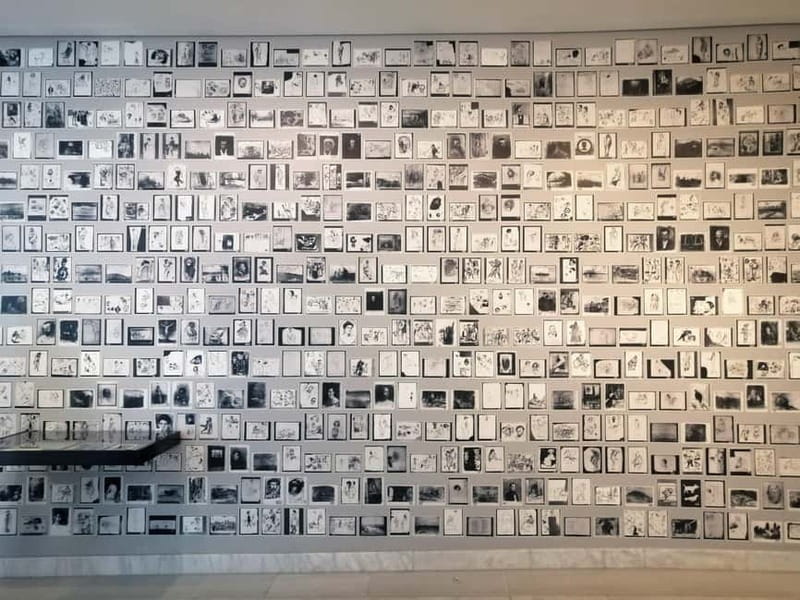
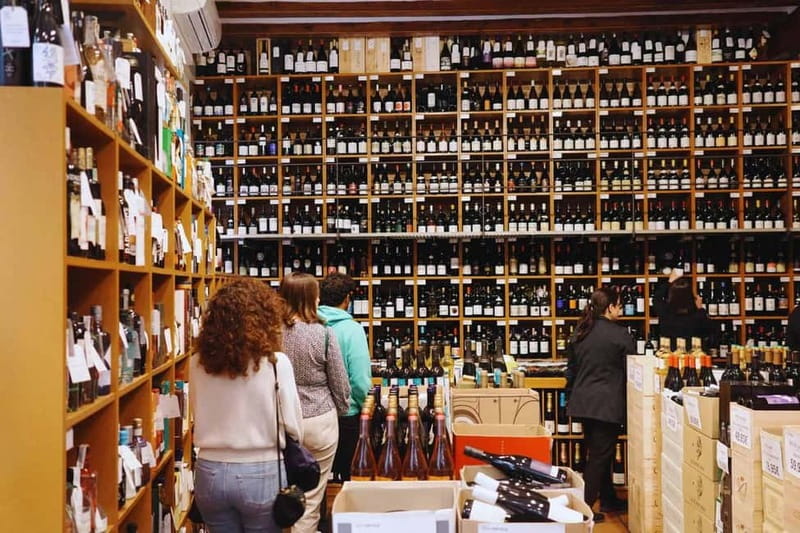
The optional tasting takes place after the museum in a private room at Vila Viniteca, one of Barcelona’s respected wine shops. A guide meets you outside the Picasso Museum at 1:45 p.m. if you have selected this option. Look for the guide holding an orange ExperienceFirst sign.
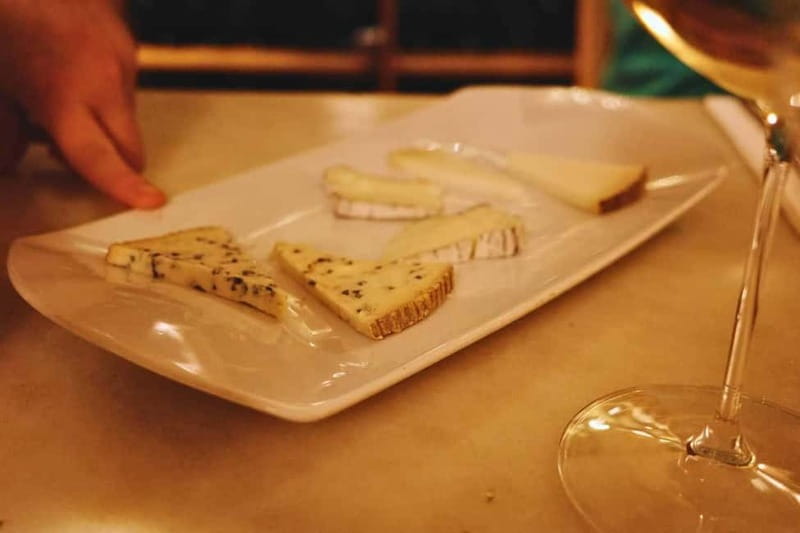
The tasting includes a selection of cheeses, cured meats, Catalan tomato bread, premium wines, and other food. A sommelier leads the session, giving you more structure than simply ordering a glass at a bar.
Catalan tomato bread is a simple local staple, but it is a useful part of the meal because it shows how regional food often depends on a few strong ingredients rather than elaborate preparation. The cheeses and cured meats also make the tasting feel like a small introduction to local eating habits, not just an add-on drink.
The upgrade is best for you if you enjoy sitting down after a walking tour and want time to talk about what you have seen. It also gives the day a social finish. If you are mainly interested in Picasso and want to keep moving, the base tour and museum may be enough.
The tasting is available only with the English option. For anyone under 18, soft drinks replace the wine. The upgrade is not accessible for wheelchairs or strollers, even though the walking route itself is accessible.
Is the $47 price good value?
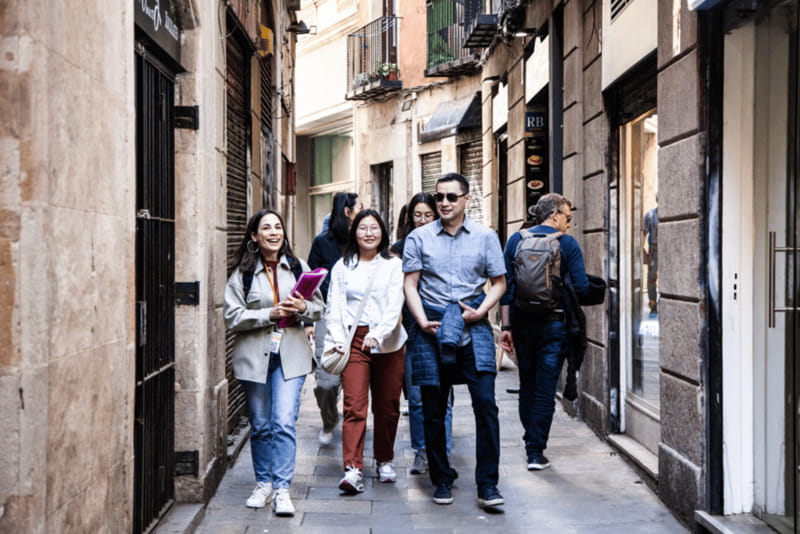
The listed price is $47 per person. For that amount, the important inclusions are the guided walking tour and Picasso Museum entry with skip-the-line access. That is a reasonable package if you want the museum but would otherwise arrive without much context.
The value depends on how much you appreciate guided storytelling. If you already know Picasso’s Barcelona well and are happy to research the streets yourself, you could prefer an independent visit. You would, however, lose the link between the addresses and the artist’s early career.
For first-time visitors, I think the price is easier to justify because the tour combines three useful services: a local route, an introduction to Picasso’s life in Barcelona, and a reserved museum entry. The guides have also been praised for being patient and willing to answer questions. One guide even waited to make sure a participant entered the museum without trouble.
The food and wine upgrade should be judged separately. It is not necessary for the museum visit, and the additional cost is not provided here, so check the total before booking. Its value lies in the private setting, sommelier-led tasting, and generous mix of Catalan food and wine. It is less useful if you do not drink wine or would rather spend the afternoon on your own.
The guides make or break the walking portion
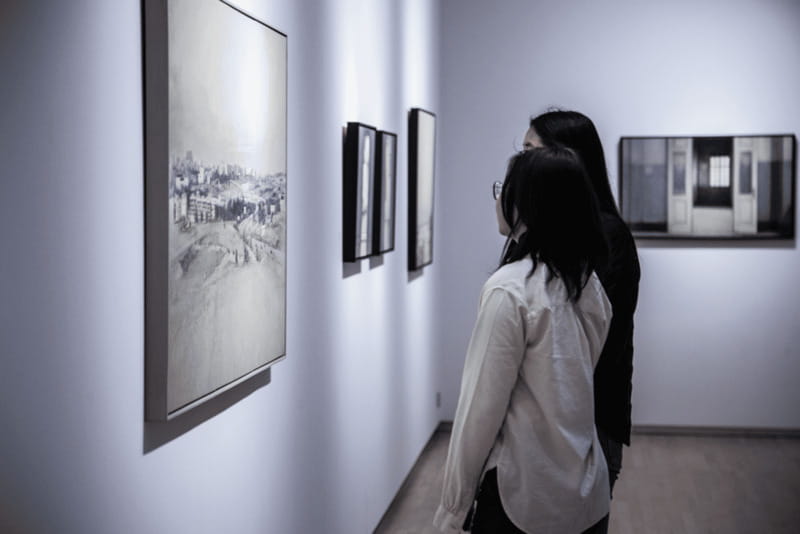
The strongest part of this tour is its human touch. Owen has been described as friendly, funny, clear, and passionate about Picasso. Cal is praised for patient answers and practical suggestions beyond the route. Thomas is noted for adding energy and charm, while Nicholas has been credited with telling the story in a way that made the walk more engaging than a museum-only visit.
Daniela has also been praised for being accommodating and for helping adjust a museum entrance time when possible. That does not mean every timing change can be arranged, but it shows why speaking with your guide early is worthwhile.
The tone appears to be warm rather than academic. You should expect stories, humor, and conversation, with enough art background to make the museum more rewarding. This will suit you if you like learning through people and places.
It may not suit you if you want a specialist lecture on modern art or a formal architectural tour. The tour’s strength is making Picasso’s life easier to follow, not covering every debate around his work.
Practical details before you book
The tour is offered in English, French, and Italian, but the tasting upgrade is only available with the English option. Private and small-group formats are available, so check the specific choice carefully when booking.
The duration is listed as one to four hours. That wide range reflects the selected format and whether you add the tasting. Read the start time and meeting point closely because the meeting location can change with the option booked.
Cancellation is free up to 24 hours before the start time, and you can reserve now and pay later. That helps if your Barcelona schedule is still shifting.
The walk is suitable for wheelchairs and strollers. The food and wine upgrade is not, so families and visitors with mobility needs should choose based on the walking and museum portion alone.
Who should book this Picasso tour?
I would choose this tour if you want the Picasso Museum but also want to understand why Barcelona mattered to him. It is a good fit for first-time visitors, art lovers who prefer stories to formal lectures, and anyone who likes a short walking route before entering a major museum.
The base option is enough for most people. You get the city walk, the museum ticket, skip-the-line access, and advice before exploring the galleries alone.
Add the tasting if you enjoy regional food, premium wine, and a slower finish in a private room. Skip it if you need full accessibility, are traveling with a stroller, do not drink wine, or prefer to keep the afternoon flexible.
The tour earns its place in your itinerary because it connects addresses, friendships, exhibitions, and artworks. Book it for that connection, not because it promises a full Gothic Quarter tour or a guide inside every museum room.
FAQ
Is the Picasso Museum visit guided?
No. The guide leads the walking route, takes you to the museum entrance, and explains what to look for, but you visit the Picasso Museum independently.
How many works are in the Picasso Museum?
The museum collection includes more than 4,200 Picasso pieces.
What does the food and wine upgrade include?
The upgrade includes premium wines, cheeses, cured meats, Catalan tomato bread, and other food. A sommelier leads the tasting in a private room at Vila Viniteca.
Where is the tasting held?
The tasting is held at Vila Viniteca, at Carrer dels Agullers 7, in Barcelona’s Vila Viniteca area.
Is the tasting available in every language?
No. The food and wine upgrade is available only with the English option. Guests under 18 receive soft drinks instead of wine.
Is the tour wheelchair accessible?
The walking tour is wheelchair and stroller accessible. The optional food and wine upgrade is not accessible for wheelchairs or strollers.
More Wine and Tapas Walking Tours in Spain
- Barcelona: La Boqueria Food, Wine & History Walking Tour
★ 5.0 · 126 reviews - Madrid Tapas & Wine Tasting Walking Tour – Small Group Local Bars
★ 5.0 · 3,644 reviews - Toledo Tour & Vineyard Walk with Wine Tasting from Madrid
★ 5.0 · 2,546 reviews - Madrid: Tapas & Wine Tasting Tour with Local Guide
★ 4.8 · 2,171 reviews
More Wine and Tapas Walking Tours in Barcelona
- Barcelona Tapas and Wine Experience Small-Group Walking Tour
★ 5.0 · 5,804 reviews - Barcelona: Sagrada Familia, Park Guell & Tapas Private Tour
★ 5.0 · 903 reviews - Barcelona Gothic Quarter Walking Tour with Tapas
★ 5.0 · 248 reviews - Barcelona Private Food Tour: Tapas, Paella & 8+ Food Tastings
★ 5.0 · 164 reviews
Just added around Barcelona
- Barcelona Private Food Tour: Tapas, Paella & 8+ Food Tastings★ 5.0 · 164 reviews
- Barcelona Gothic Quarter Walking Tour with Tapas★ 5.0 · 248 reviews
- Picasso Museum and Walking Tour Plus Optional Wine & Food Tasting★ 5.0 · 596 reviews
- Private Barcelona Old Town and Gothic Quarter Walking Tour★ 5.0 · 134 reviews
- Barcelona Architecture Walking Tour With Casa Batlló Upgrade★ 5.0 · 137 reviews
- Montjuïc Walking Tour With Optional Flamenco Show★ 5.0 · 196 reviews
- Semi-Private Montserrat Monastery, Funicular & Scenic Nature Walk★ 5.0 · 172 reviews
- Private Tour Spanish Civil War & Franco’s Dictatorship★ 5.0 · 116 reviews
Food Walking Tours, compared.
Reykjavik Food Walk – Local Foodie Adventure in Iceland
Read our review →
New Orleans Food Walking Tour of the French Quarter with Small-Group Option
Read our review →

Authentic Parisian Gourmet Food Tour with 10 Local Dishes & Wines
Read our review →
Tapas Walking Tour with Food, Wine, and History
Read our review →