
Review · ROME WALKING TOURS
Rome: Dark Past Walking Tour with Capuchin Crypt Ticket
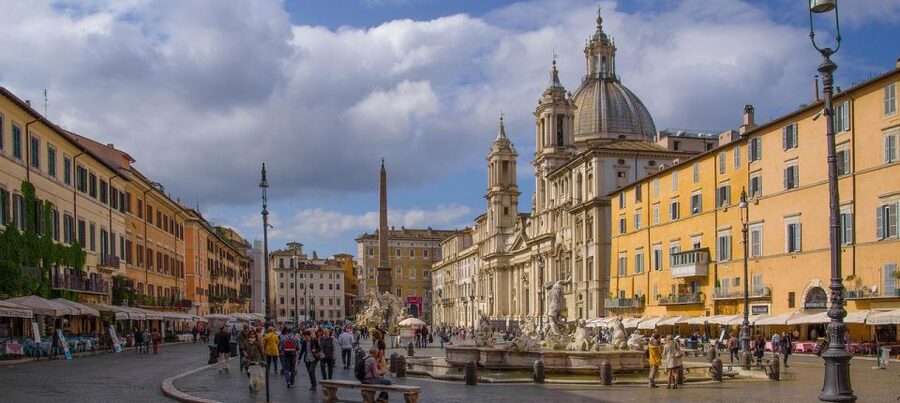
Rome keeps its darkest stories underground. This two-hour walk pairs the Capuchin Crypt with famous sights such as Trevi Fountain, the Pantheon, and Piazza Navona. I like the intimate group format and the way the tour mixes facts, legends, and local curiosities instead of treating Rome like a list of monuments.
I also like the route through cobbled streets and lesser-known corners between the big sights. The main drawback is that the pace can feel tight, and the walk is not suitable for children under 12, wheelchair users, or anyone with limited mobility. Late arrivals cannot join, so arrive early at the meeting point.
Key points to know before booking
- The Capuchin Crypt is the tour’s strongest stop: Expect a solemn, unusual collection of skeletal remains arranged beneath the church.
- You see several central Rome landmarks in two hours: The route links Trevi Fountain, the Pantheon, Piazza Navona, and Campo de’ Fiori.
- The stories matter as much as the sights: Guides cover legends, ghosts, Giordano Bruno, and the stranger side of Roman history.
- Small groups make a difference: Guides such as Fabienne, Sarah, Gabby, and Giuseppe have been praised for warmth, energy, and vivid storytelling.
- Dress rules are strict: No shorts, short skirts, sleeveless shirts, large bags, photos, or video inside the crypt.
- The tour ends near Campo de’ Fiori: You finish at the Church of St. Mary of the Oration and Death, not back at Piazza Barberini.
What this dark Rome walking tour is really about
This is not a standard Rome highlights walk. You are not spending an hour inside one monument or receiving a long lecture on Roman emperors. Instead, the guide uses a string of famous places to tell stories about death, superstition, ghosts, executions, religious devotion, and the people who shaped the city.
The tone is more curious than frightening. You get legends alongside established history, so a good guide should make clear when a story is folklore and when it is a documented event. The route works best if you enjoy Rome’s odd details, dramatic tales, and slightly unsettling corners.
The tour costs $76 per person, which is not cheap for a two-hour walk. Still, the price includes the Capuchin Crypt admission, a live guide, and a headset. You are also covering several central sights in one outing, with the benefit of a guide who can explain what you are seeing instead of leaving you to decode each monument alone.
I would consider it fair value if the crypt is high on your list and you want a focused introduction to Rome’s darker side. It is less compelling if you only want major monuments explained in depth, since each stop receives limited time.
More Tickets and Entries in Rome:
- Rome: Guided Walking Tour and Pantheon Priority Entry Ticket
★ 4.3 · 317 reviews - Edinburgh Castle: Guided Walking Tour with Entry Ticket
★ 4.7 · 11,699 reviews - Beijing: Forbidden City Tour(Group/Private)-Tickets Included
★ 4.8 · 7,974 reviews
Meeting at Piazza Barberini
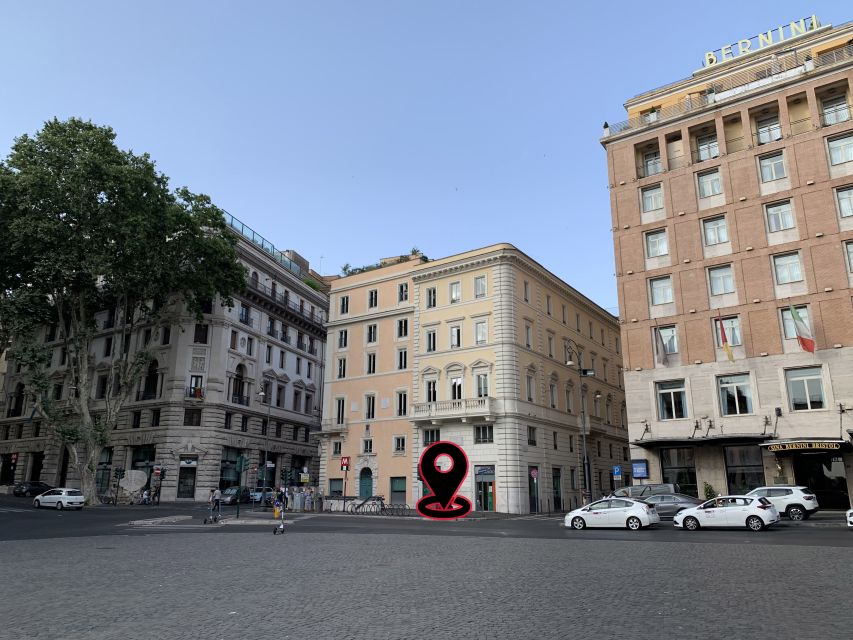
The tour begins at Piazza Barberini, 21, on the corner of Via di S. Nicola da Tolentino, next to the Hotel Bernini. This is an important detail because central Rome meeting points can be crowded and confusing, especially at night.
Give yourself extra time to find the exact corner. One person had trouble locating the guide and suggested that a flag or banner would have helped. Since late arrivals are not allowed to join, arriving early is more than a minor convenience.
The tour may run as a private outing or a small-group walk. That flexibility can shape the experience. A small group makes it easier to hear the guide and ask questions, while a private tour can feel more relaxed and personal. Several visitors ended up with very small groups, sometimes only two people, though you should not assume that will happen on your date.
Headsets are included. They are useful at Trevi Fountain and other busy spots, where street noise and crowds can make a normal conversation hard to follow.
The Capuchin Crypt: the unsettling centerpiece
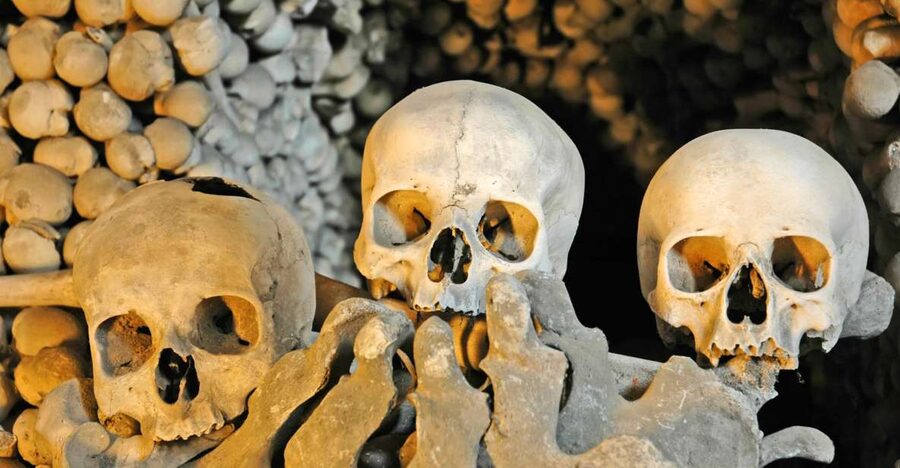
The first stop is the Capuchin Crypt, with about 30 minutes for a guided visit. This is the reason many people book the tour, and I can understand why. The underground rooms are decorated with the skeletal remains of Capuchin friars, creating a setting that is both macabre and deeply tied to religious ideas about mortality.
The crypt is not a haunted attraction. Its power comes from the real remains and the quiet, unusual way they have been arranged. Your guide explains the place and its meaning, helping you see it as more than a shock-filled photo opportunity.
Photography and video are forbidden inside. That rule may disappoint anyone hoping for a record of the visit, but it also helps preserve the solemn atmosphere. You need to pay attention rather than view the crypt through a phone screen.
The dress code is strict. Wear clothing that covers your shoulders and knees. Shorts, short skirts, and sleeveless shirts are not allowed, and large bags or luggage are prohibited. Bring a passport or identification card, as this is listed among the items to carry.
The crypt may be too intense for younger children, and the tour does not accept anyone under 12. If you are sensitive to displays of human remains, consider this carefully. For many people, though, the crypt is the most memorable part of the afternoon or evening, and it gives the rest of the walk a clear theme.
Trevi Fountain and the art of seeing it in a crowd
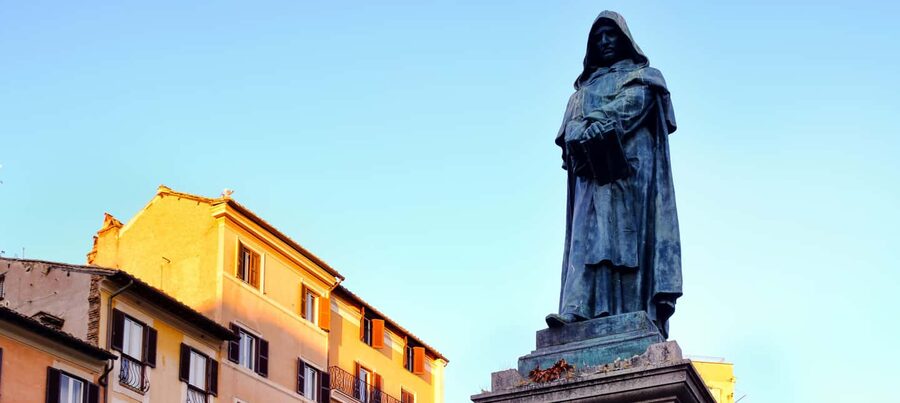
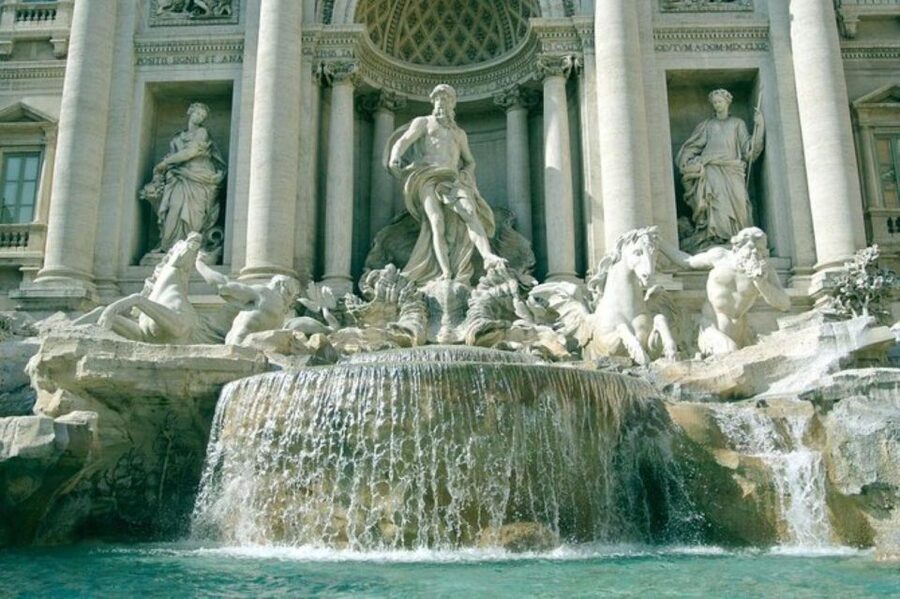
From the crypt, the group walks toward Trevi Fountain, with about 20 minutes for the guide’s explanation. The fountain is one of Rome’s most famous sights, but the crowd can make it difficult to appreciate. A strong guide helps you find a workable viewing spot and keeps the group together.
One guide, Sarah, received praise for handling the busy fountain area well, making the stop feel more enjoyable rather than rushed and chaotic. That kind of practical skill matters here. Trevi is not a quiet place for a slow, private look.
You will hear the familiar coin-toss tradition. Toss one coin over your shoulder to promise a return to Rome, though the tour’s emphasis is broader than the ritual. Your guide connects the Baroque setting with stories and local details that give the fountain more meaning than a quick photograph.
Do not expect an extended art lesson. Twenty minutes is enough for orientation and a few stories, not a detailed study of every figure and design choice. The value lies in seeing the fountain as part of a larger route rather than as an isolated stop.
A few more walks around Rome worth a look
- Rome: Guided Food Walking Tour with Wine in Trastevere
★ 4.9 · 3,105 reviews - Rome: Trastevere & Campo de Fiori Street Food Walking Tour
★ 4.9 · 2,768 reviews - Rome: Paranormal Night Walking Tour & Secret Backstreets
★ 4.9 · 1,921 reviews - Rome: Trastevere Street Food Walking Tour with Local Expert
★ 4.8 · 1,784 reviews
The Pantheon in a short, story-filled visit
The walk continues to the Pantheon, where the scheduled guided stop lasts about 15 minutes. This is a compact visit, so your guide will focus on selected facts, myths, and curiosities rather than attempt a full account of the building.
The Pantheon is a place where ancient religious ideas and later Roman life overlap. That makes it a good fit for this tour’s theme. Your guide can connect the monument to the stories people have told about it, while also separating myth from history as the explanation unfolds.
The short timing is both a strength and a weakness. It keeps the tour moving and allows you to cover more ground, but it will not satisfy you if you want a slow architectural examination. I would treat this stop as a useful introduction and return later if the Pantheon becomes a priority.
The route between sights is part of the pleasure. Instead of moving only along broad streets, you pass through cobbled lanes and smaller squares. The guide gives you a sense of how the famous Rome of postcards connects with the ordinary streets around it.
Piazza Navona and the ghosts of the palaces
At Piazza Navona, you get another 15-minute guided stop. The square is one of Rome’s grandest Baroque spaces, but this tour looks beyond the fountains and façades.
The guide tells stories about spectral presences linked to the palaces facing the square. These tales add an eerie layer without changing the fact that you are standing in a magnificent public space. This contrast is one of the tour’s best ideas: Rome’s beauty and its darker stories occupy the same ground.
You should expect atmosphere rather than a theatrical ghost show. The quality of this section depends heavily on the guide’s delivery. Sarah has been praised for animated storytelling, while Fabienne was singled out for bringing excitement and detail to each location. A lively guide can make a familiar square feel fresh.
Piazza Navona can be busy, and the group may need to pause at the edge rather than in the ideal central position. Keep close to the guide and listen through the headset. The square is easy to admire on your own, but the legends give you another reason to stop and look.
Campo de’ Fiori and the story of Giordano Bruno
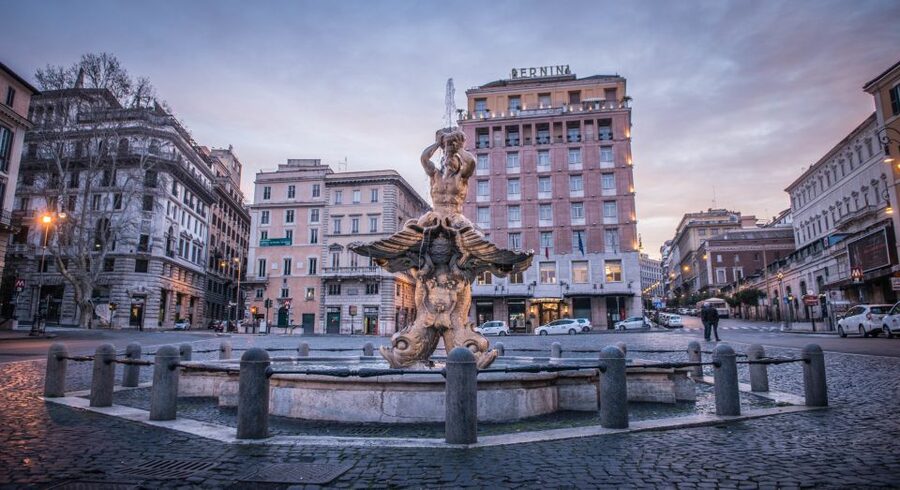
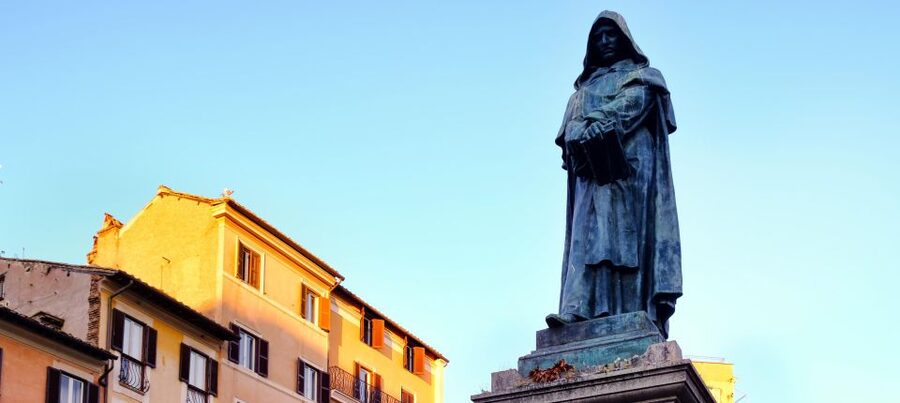
The route then reaches Campo de’ Fiori, with another 15-minute explanation. This market square is known for its daytime activity, but the tour focuses on its serious and painful past.
Here you learn about Giordano Bruno, whose story gives the walk a more historical and political weight. The account is impressive but sad, and it prevents the tour from becoming a string of ghost stories. Rome’s darker past includes real people, real punishment, and real consequences.
This is where the tour’s balance matters most. Legends are entertaining, but Bruno’s story asks you to think about intolerance, power, and the cost of challenging accepted ideas. A guide who can move from folklore to documented history without losing the thread makes the whole walk stronger.
Campo de’ Fiori is also a useful location for the end of the route because you are in a central part of Rome with plenty of streets leading onward. Food and drinks are not included, so you can make your own plans after the tour.
The Church of St. Mary of the Oration and Death
The tour ends at the Church of St. Mary of the Oration and Death, a church associated with mystery and mortality. Your guide explains the stories connected with this place and leaves you with a final reminder that Rome’s most interesting details are often beneath the polished surface.
The ending is atmospheric rather than practical. You do not return to Piazza Barberini, so note the final location before booking, especially if you have an evening reservation elsewhere. The walk covers enough ground that you may want comfortable shoes from the start.
An umbrella is also listed as a useful item to bring. The tour takes place outdoors for much of its length, and no transport is provided. Hotel pickup and drop-off are not included.
The guides make or break the evening
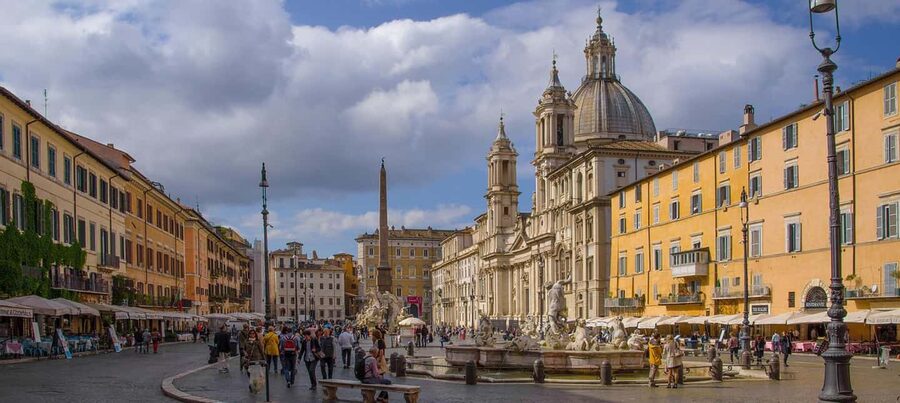
The strongest praise is directed at the guides. Fabienne was described as excellent at giving each place energy and historical depth. Sarah was praised for animated stories and for managing the crowds at Trevi Fountain. Célia, Giuseppe, Gabby, Marinelly, and Gabriela were also singled out for warmth, passion, and helpful advice.
Gabby, in particular, was praised for offering restaurant and sightseeing suggestions to first-time visitors. That is a welcome extra, though it should not be treated as a guaranteed part of every departure. Guides vary, and the exact person leading your tour will affect the tone.
The best guides bring humor and a sense of place without making light of serious subjects. One person felt the stories could have been delivered with more drama and noted that the guide had forgotten the photographs normally used during the tour. That is a useful warning: the experience is not identical every time, and some guides may rely more on spoken storytelling than visual material.
The headset helps, but it cannot replace good pacing. If the group is large or the streets are noisy, stay near the guide and keep your eyes open for the next stop.
Who should book this tour?
I would choose this tour if you:
- Want the Capuchin Crypt explained rather than visited alone
- Enjoy legends, ghost stories, and unusual historical details
- Are visiting Rome for the first time and want a guided orientation through the center
- Prefer a small group to a large sightseeing crowd
- Can walk comfortably on cobbled streets
- Are at least 12 years old and comfortable seeing human remains
I would skip it if you want a relaxed pace, a full interior visit at every monument, or a tour designed for young children. It is also a poor fit for anyone with limited mobility, since the walk includes multiple streets and the activity is not suitable for wheelchair users.
The tour is offered in English, Italian, Portuguese, Russian, Spanish, and French. You can also reserve now and pay later, and cancellation is free up to 24 hours before the start time. Those policies make it easier to fit the walk into a changing Rome schedule.
My verdict on the $76 price
At $76, this is a premium walking tour, but the crypt ticket is included and the route covers several major sights. You are paying mainly for the guide’s stories and the convenience of connecting places that you might otherwise visit without context.
The value rises if you receive a small group and a guide such as Fabienne, Sarah, Gabby, or Giuseppe, whose energy can turn a familiar route into a memorable evening. The value falls if you want long visits at the Pantheon or Piazza Navona, since both receive only about 15 minutes.
I would not book this as your only Rome sightseeing activity. I would book it as a themed walk that adds an unusual side to the city, especially after you have seen the standard highlights or if you want something different from another museum tour.
Should you book it?
Book this tour if the Capuchin Crypt is calling your name and you like Rome with a little shadow around the edges. The crypt is the clear highlight, while Trevi Fountain, the Pantheon, Piazza Navona, Campo de’ Fiori, and the final church give you a useful central Rome route.
Skip it if you dislike skeletal remains, need step-free access, are traveling with children under 12, or prefer a slow and detailed tour of each monument. For the right audience, this is an unusual and well-focused way to meet Rome’s legends, darker history, and quieter corners.
FAQ
How long does the Rome Dark Past Walking Tour last?
The tour lasts two hours.
Where does the tour meet?
Meet at the corner of Piazza Barberini, 21, and Via di S. Nicola da Tolentino, next to the Hotel Bernini.
Where does the tour finish?
The tour finishes at the Church of St. Mary of the Oration and Death.
Is the Capuchin Crypt entrance included?
Yes. The entrance ticket to the Capuchin Crypt is included.
Can I take photos inside the Capuchin Crypt?
No. Photography and video are not allowed inside the crypt.
What should I wear?
Wear comfortable shoes and clothing that covers your shoulders and knees. Shorts, short skirts, and sleeveless shirts are not allowed.
Is the tour suitable for children?
No. The tour is not suitable for children under 12.
Is the tour accessible for wheelchair users?
No. It is not recommended for people with mobility impairments or wheelchair users.
What languages are available?
The tour is available in English, Italian, Portuguese, Russian, Spanish, and French.
Just added around Rome
- Rome: Colosseum and Ancient Rome Guided Walking Tour★ 4.5 · 95 reviews
- Rome: Trevi Fountain, Spanish Steps & Pantheon Walking Tour★ 4.6 · 336 reviews
- Rome: Guided Walking Tour and Pantheon Priority Entry Ticket★ 4.3 · 317 reviews
- Rome Walking Tour: Pantheon, Trevi, Navona & Hidden Gems★ 4.8 · 501 reviews
- Rome: Trastevere Food Walking Tour with Beer and Wine★ 4.9 · 71 reviews
- Rome Trastevere Walking Food Tour★ 4.8 · 97 reviews
- Rome: Underground Trastevere Guided Walking Tour★ 4.8 · 87 reviews
- Rome: Relics from the Passion of the Christ Walking Tour★ 4.9 · 84 reviews
Rome Walking Tours, compared.

Guided Food Walking Tour with Wine in Trastevere
Read our review →
Trastevere & Campo de Fiori Street Food Walking Tour
Read our review →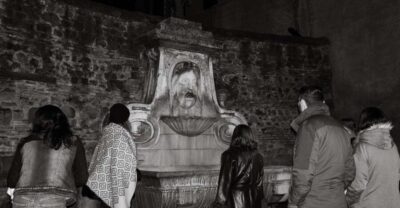
Paranormal Night Walking Tour & Secret Backstreets
Read our review →
Colosseum Arena, Roman Forum & Palatine Hill Tour
Read our review →
Trastevere Street Food Walking Tour with Local Expert
Read our review →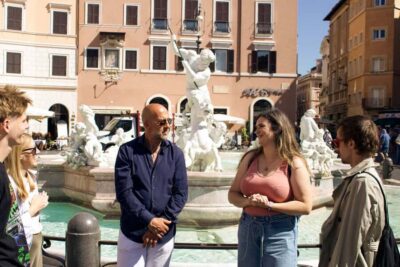
Rome by Night Walking Tour – Legends & Criminal Stories
Read our review →
Rome Food Tour in the Historic Centre with 8+ Food Tastings
Read our review →Browse the lists this tour appears in