
Review · NIGHT WALKING TOURS
Rome: Small-Group Guided Day or Night Walking Tour
Rome looks better after sunset. This two-hour evening walk links the city’s grandest squares and monuments, from Piazza Navona to the Colosseum, with a guide adding stories, trivia, and useful local advice. I especially like the cooler evening timing and the chance to see major sights with fewer daytime crowds. The main drawback is that the Colosseum stop can vary by departure time, so you should confirm your chosen schedule if that monument is your priority.
I also like the small-group format, which makes it easier to hear the guide and ask questions without an audio headset. Guides such as Sharon, Dan, Domenica, Csenge, Sila, and Tsion have been praised for clear explanations and restaurant or nightlife suggestions. Just remember that this is an outdoor walking tour, not an entry ticket tour, and the route covers a lot of ground.
Key points before you book
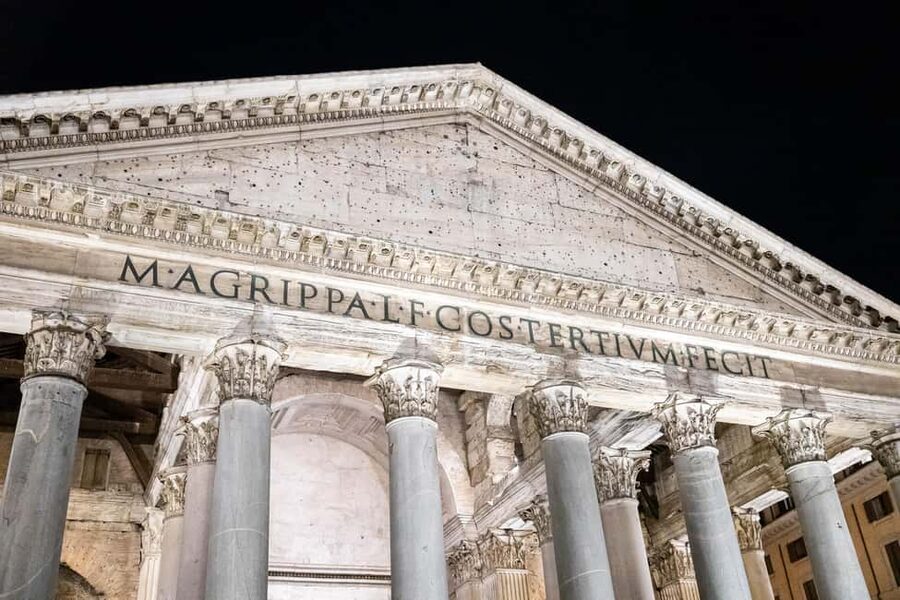
- Rome after sunset: See fountains, churches, piazzas, and ancient ruins under evening lighting.
- A useful first-night introduction: The route gives you a broad sense of central Rome before you explore on your own.
- Major sights without museum entries: You pass the Pantheon, Roman Forum, and Colosseum, but admission is not included.
- Small groups make a difference: A compact group helps you hear the guide and keeps questions practical and personal.
- Good guide feedback: Sharon, Dan, Domenica, Csenge, Sila, and Tsion are among the guides praised for lively explanations and helpful local tips.
- Bring proper shoes: You will walk over Rome’s hard streets and cover several central districts in one outing.
Why Rome works so well after dark
Rome’s center can feel crowded and hot during the day. In the evening, the light softens, the fountains become more atmospheric, and monuments take on a different mood. The Colosseum is the obvious prize, glowing against the night sky, but the smaller stops can be just as rewarding.
I like this tour as an opening look at Rome. You get a map in your head without spending a full day inside one museum or archaeological site. Your guide can point out places to return to, explain what you are seeing, and suggest restaurants or later activities.
The timing also helps in warm weather. Several people praised the cooler evening air, and one family found the route comfortable even in June. Still, Rome in summer can remain warm after sunset, so carry water and wear light, comfortable clothing.
The tour is listed as lasting two hours. Some feedback describes a walk closer to two and a half hours, with breaks for gelato or rest. That may depend on the departure, guide, group, and pace, so leave some flexibility around the booking.
More Night Walking Tours in Rome
- Rome: Paranormal Night Walking Tour & Secret Backstreets
★ 4.9 · 1,921 reviews - Rome by Night Walking Tour – Legends & Criminal Stories
★ 4.5 · 1,003 reviews - Rome: Guided City Center Evening Sightseeing Walking Tour
★ 4.4 · 953 reviews
Starting in Piazza Navona or near Piazza Venezia
The meeting point depends on the option you choose. Possible starting locations include Piazza di Pasquino and Piazza d’Aracoeli, while the planned route centers on Piazza Navona. Check the exact meeting point carefully before setting off, since Rome’s central squares can be close on a map but confusing when you are standing among narrow streets.
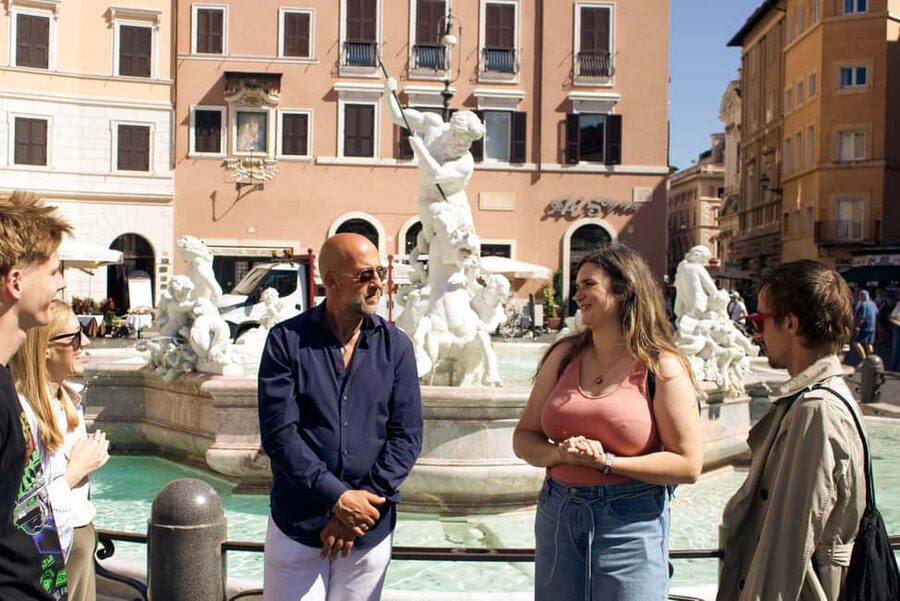
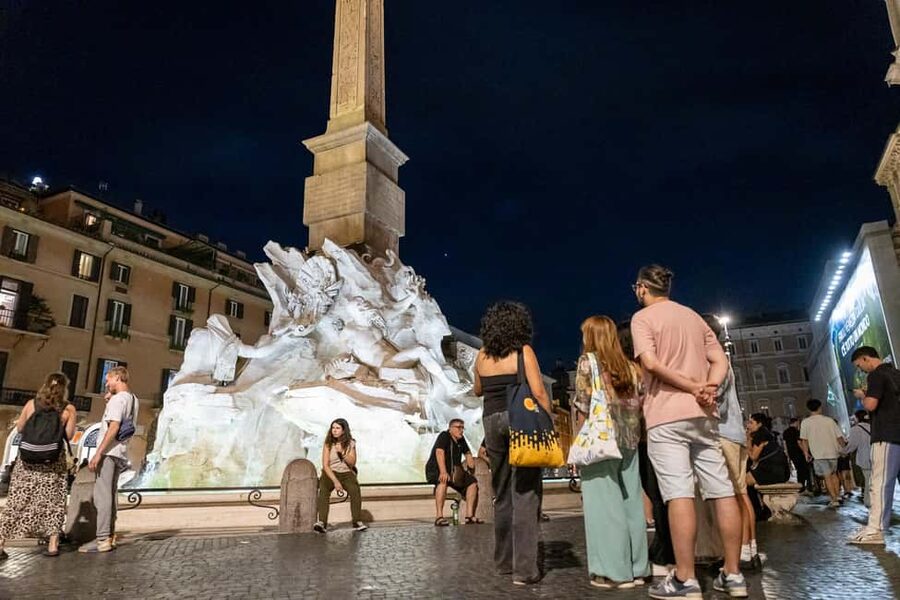
If you begin at Piazza Navona, you start with one of Rome’s best public spaces. The long oval shape follows the footprint of an ancient stadium, and the Fontana dei Quattro Fiumi gives the center of the square a strong visual focus. Your guide explains the fountain and the surrounding buildings before the group moves on.
This is a good place to settle into the tour. The square gives you room to gather, and the fountain provides an easy first subject for the guide. At night, the water and sculptures are especially pleasant to photograph.
One practical point: Piazza Navona is not a quiet corner. Even after dark, it may have plenty of people around it. Stay close to the guide, especially when the group begins moving through the lanes.
The Pantheon and the churches of central Rome
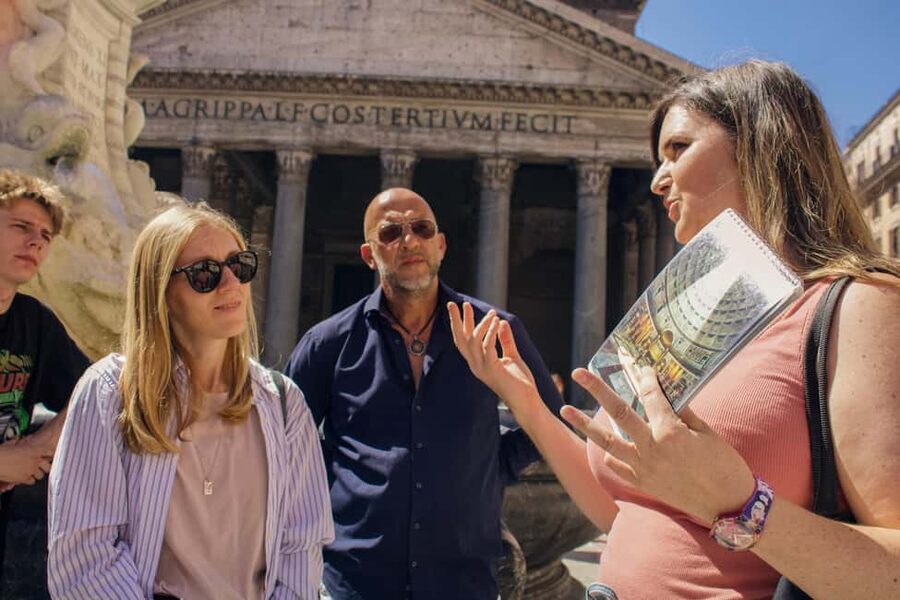
The Pantheon is one of the tour’s key landmarks. The building is famous for its remarkable preservation, and your guide places it in the story of ancient Rome and Emperor Hadrian. On this experience, the Pantheon is listed as a pass-by stop rather than a guaranteed interior visit.
That distinction matters. You can admire the exterior, hear the explanation, and take photographs, but you should not book this walk expecting admission inside. If the Pantheon interior is important to you, plan a separate visit.
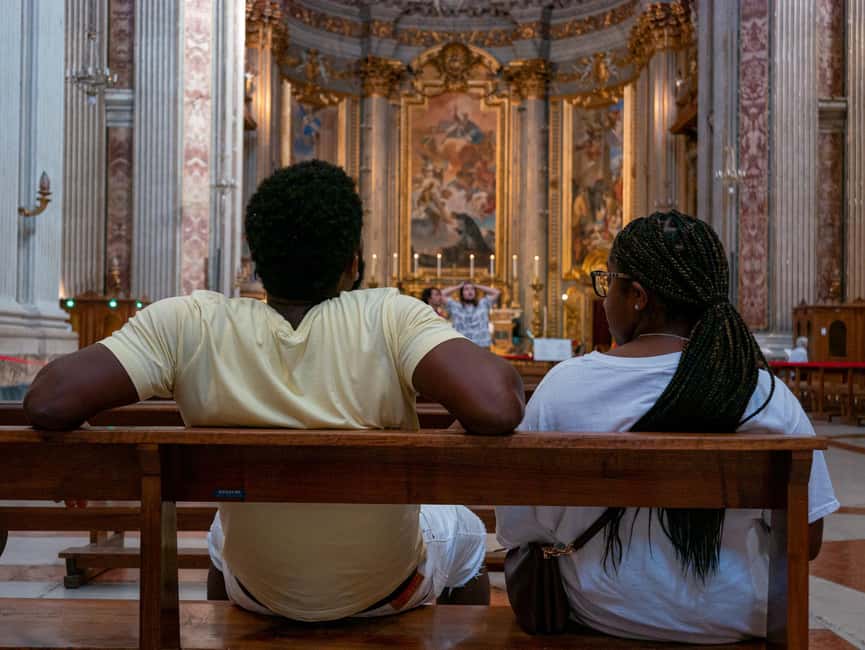
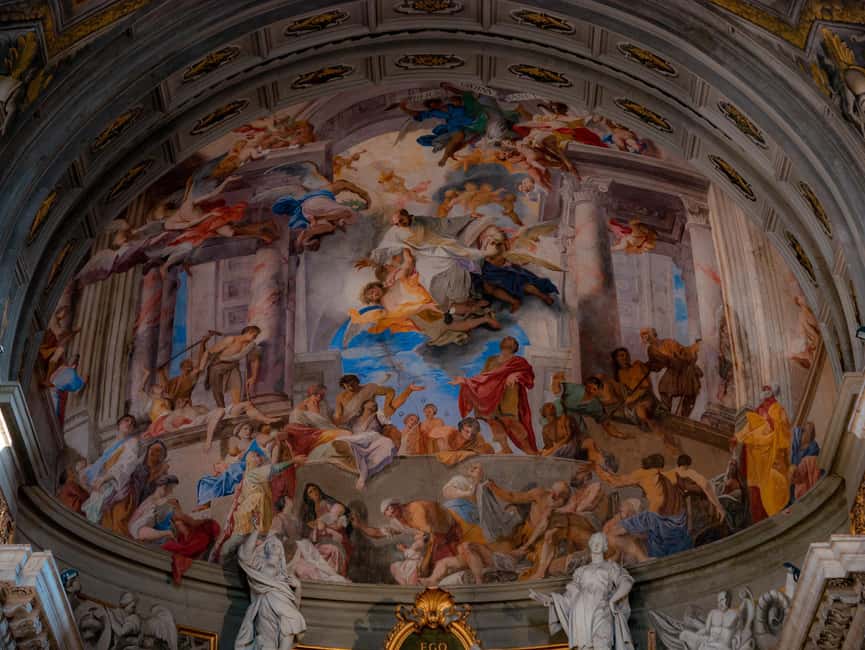
The route also includes the Church of Sant’Ignazio di Loyola, where the guide spends more time explaining what you are seeing. This stop adds a different layer to the walk. Rome is not only ancient temples and imperial ruins. Its churches, paintings, façades, and public squares show how the city changed over many centuries.
A guide who can connect these periods makes the route more useful than a simple monument checklist. Several people praised the guides for explaining Roman history in a way that was detailed but not overwhelming. That balance matters during a walking tour, because too many dates can make even a beautiful square feel like homework.
Galleria Sciarra and the pleasure of looking up
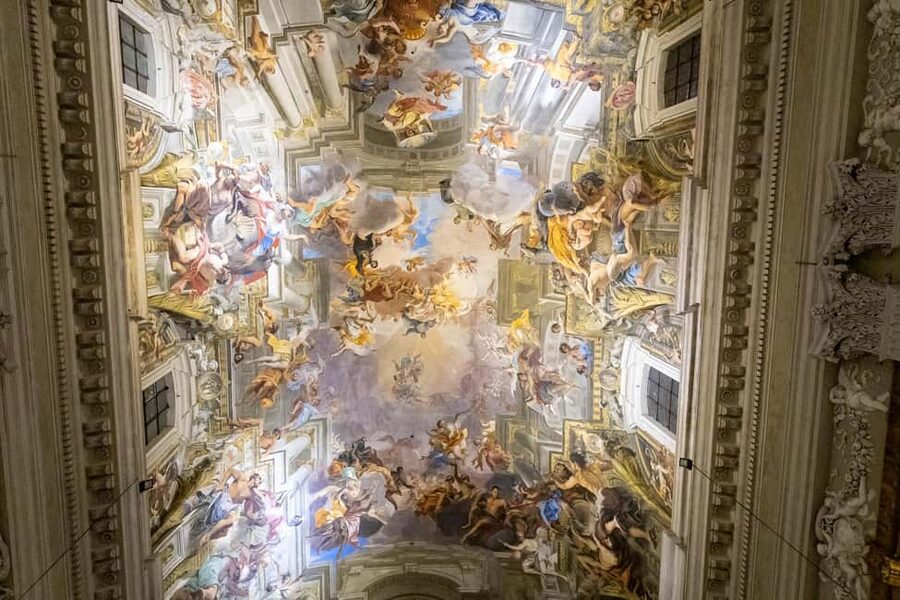
Galleria Sciarra is a smaller stop, but it gives the walk some variety. Rather than focusing only on famous ruins, the route takes you past an architectural detail that you might miss on your own.
This is where a good guide earns the fee. You may walk through central Rome and never think to look closely at a building’s decoration or notice how one street connects to another. The guide can point out details, explain their purpose, and give you a reason to pause.
The route is not built around long indoor visits. It is a moving tour, with stops for explanation and photographs. That suits you if you like learning while walking. It may disappoint you if you prefer a slow visit inside each monument.
Same streets, a different way to see them:
- Rome: Guided Food Walking Tour with Wine in Trastevere
★ 4.9 · 3,105 reviews - Rome: Trastevere & Campo de Fiori Street Food Walking Tour
★ 4.9 · 2,768 reviews - Rome: Colosseum Arena, Roman Forum & Palatine Hill Tour
★ 4.5 · 1,874 reviews - Rome: Trastevere Street Food Walking Tour with Local Expert
★ 4.8 · 1,784 reviews
Trevi Fountain: time for a coin and a photo
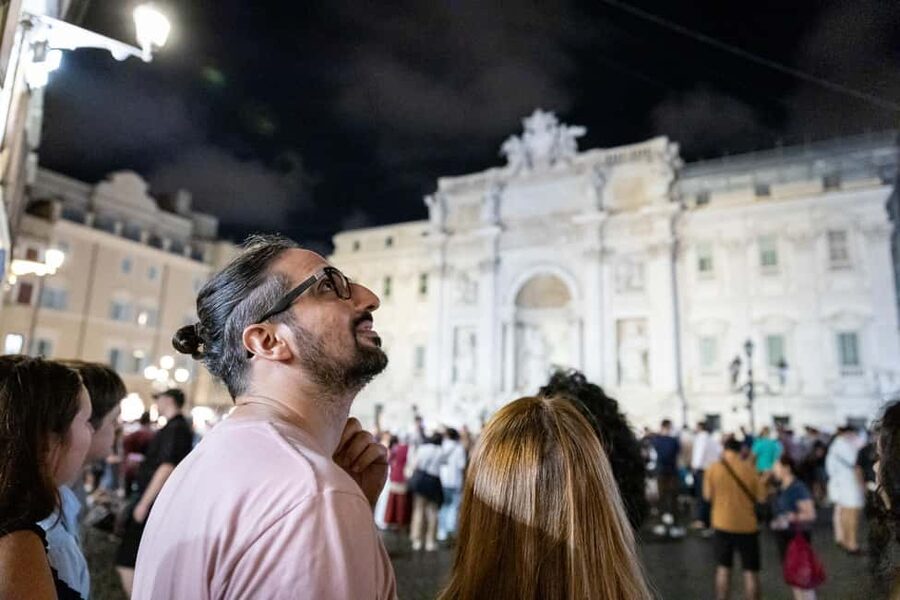
The Trevi Fountain is one of the most predictable crowd magnets in Rome, but it remains a memorable stop. The tour gives you time to see the fountain, make the traditional coin toss, and take photographs.
The exact experience depends on how busy the square is when you arrive. Evening light helps, but the fountain is still popular. One useful detail from the feedback is that guides have not rushed this stop. Dan, in particular, was praised for allowing time for photographs rather than treating the fountain as a quick glance from the pavement.
Your guide can also explain the fountain’s design and place it in Rome’s wider story of water, streets, and public art. That context turns a familiar postcard scene into something more interesting.
There is no food or drink included, although some departures may offer a pause where you can buy gelato or take a short rest. You should budget separately for anything you want along the way.
Piazza Venezia and Trajan’s Column
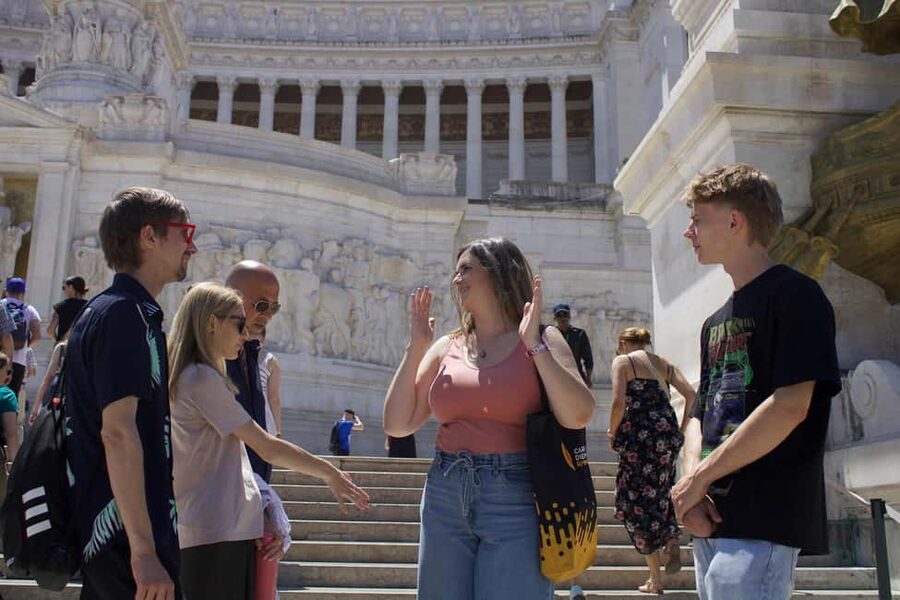
From the Trevi area, the walk continues toward Piazza Venezia. This is one of Rome’s busiest central junctions, but it also provides a useful orientation point. The square connects several major routes, and the guide can help you understand how the city’s historic center fits together.
Trajan’s Column adds an ancient Roman focus before the route reaches the Forum and Colosseum area. The carved column is difficult to read in detail from street level, but a guide can explain what it commemorates and why monuments like this were placed in the imperial center.
The stop is valuable because it prepares you for the Roman Forum. You are not simply walking from fountain to ruin. You are moving through layers of Rome, from modern traffic and monumental city planning to imperial monuments.
Piazza Venezia can be noisy, and street crossings require attention. The guide’s job is partly to keep the group together through these transitions. Small groups help here, since it is easier to hear instructions and stay within sight of everyone.
The Roman Forum and the Colosseum at night
The Roman Forum is listed as a guided stop, while the Colosseum is a major finish point or drop-off option. You should understand the difference between seeing a landmark from outside and entering it. This experience does not include food, drinks, or attraction admission, and the information provided does not promise entry into the Colosseum.
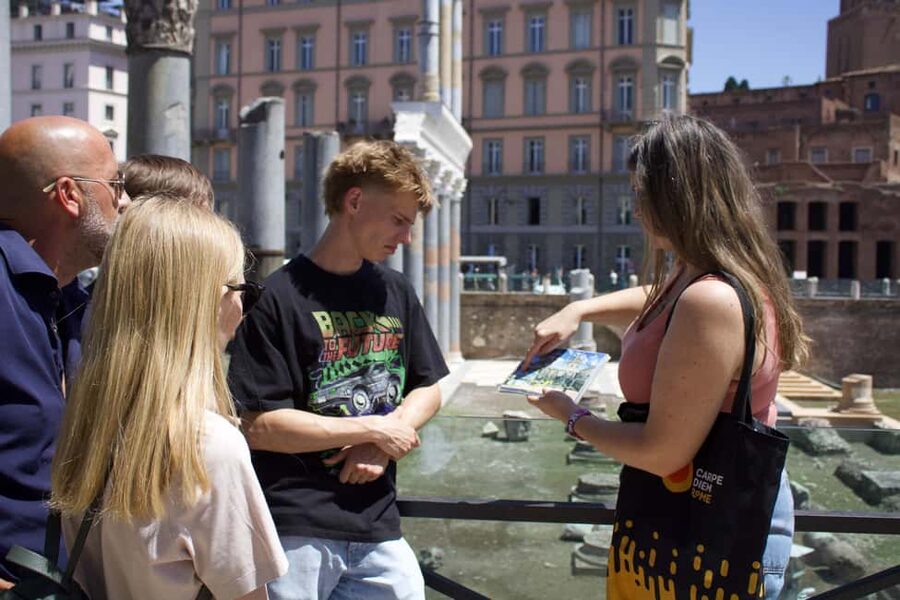
The Forum area gives you a chance to look across the remains of temples, columns, and civic buildings while the guide explains how the ancient center functioned. At night, some details disappear into shadow, but the atmosphere becomes the point. You are looking at ruins that feel less like a crowded daytime attraction and more like part of the city’s evening fabric.
The Colosseum is the visual finale. Its lit exterior is powerful, especially after you have spent the walk hearing about the people and institutions connected to ancient Rome. You can circle viewpoints around the outside, take photographs, and appreciate the scale of the building.
There is an important scheduling caution. One person booked a 5:30 p.m. departure and found that it did not pass the Colosseum. If you specifically want the Colosseum at night, confirm the route and departure time before paying. The tour title allows day or night options, and the route may not be identical for every slot.
Possible end points include Piazza del Colosseo, the Colosseum, and Piazza Navona. This gives you a useful choice at the end, though you should check the exact drop-off arrangement for your booking.
The guides are the heart of the experience
The strongest part of this tour is the guide-led storytelling. A route through Rome is easy to create. Making the stops clear, lively, and connected takes more skill.
Sharon has been praised for giving the right amount of information, answering questions, and adding restaurant suggestions. Dan has received similar praise for his detail, humor, and willingness to pause for photographs. Domenica has used visual comparisons to show how places may have looked in earlier periods, which can help you picture what is no longer visible.
Csenge has been praised for combining historical detail with a comfortable pace and a friendly manner. Sila has been described as entertaining and helpful with practical Rome tips. Tsion has helped with food, day trips, taxi apps, and evening entertainment, while also making time for a gelato or rest break.
Guides will vary, so you should not assume that one particular person will lead every departure. The consistent theme is useful explanation without making the walk feel like a lecture. Some groups have been as small as ten people, and that size makes a real difference when standing near traffic, fountains, and busy squares.
The language options are English and Spanish. Private and small-group formats are available, so check the option carefully if group size matters to you.
Is $23 a good value?
At $23 per person, this is a modest price for a guided overview of central Rome. You are paying for a local guide, route planning, historical explanation, and help finding sights that can be easy to miss. You are not paying for attraction tickets, a meal, or transportation.
I consider it good value if you want orientation on your first evening. The route brings together Piazza Navona, the Pantheon area, Trevi Fountain, Piazza Venezia, Trajan’s Column, the Roman Forum, and the Colosseum. Seeing all of those areas independently would cost little, but learning what you are looking at is where the tour earns its money.
The value is weaker if you already know central Rome well or want long visits inside monuments. You could walk the route yourself and spend more time at fewer sites. This tour favors breadth, explanation, and atmosphere over extended sightseeing at one location.
Free cancellation up to 24 hours before the start and reserve-now, pay-later booking add flexibility. Still, check the starting time, route, language, and meeting point before finalizing the reservation.
How to prepare for the walk
Wear shoes you can trust. Rome’s streets can be hard on your feet, and the route includes several districts, squares, crossings, and archaeological areas.
Bring comfortable clothes and water. A phone or camera is useful at the Trevi Fountain and Colosseum, but keep your attention on the guide during explanations. You may also want a little extra time after the tour for dinner or gelato, since food and drink are not included.
I would choose an evening with no tight dinner reservation immediately afterward. The advertised length is two hours, but some outings have lasted closer to two and a half hours. A little breathing room keeps the final part relaxed.
This tour suits first-time visitors, couples, families with older children, and anyone who wants a broad introduction without committing to a full-day program. It is less suitable for anyone who dislikes walking, needs a guaranteed indoor visit, or wants a slow archaeological tour focused only on ancient Rome.
Should you book this Rome walking tour?
Book it if you want to get your bearings quickly, see Rome’s famous center under evening light, and learn from a guide who can add context and practical advice. The price is fair, the route covers a lot, and the small-group format makes the explanations easier to follow.
I would choose a later departure if the Colosseum is essential, then confirm that it is included. If you want the Pantheon or Colosseum interiors, book separate admission and treat this walk as an outdoor introduction.
For a first night in Rome, this is a smart use of two hours. You get the fountains, piazzas, churches, columns, ruins, and the glowing Colosseum, plus a list of places to return to when you are ready to explore at your own pace.
FAQ
How long does the Rome walking tour last?
The activity is listed as lasting two hours. Some outings may run closer to two and a half hours, so leave extra time afterward if you have fixed plans.
Is the Colosseum included in the tour?
The route includes a stop around the Colosseum, usually as an outdoor sightseeing point. Attraction admission is not listed as included, and some departure times may not pass the Colosseum, so confirm your selected option.
Does the tour enter the Pantheon?
The Pantheon is listed as a pass-by stop. The tour information does not promise interior admission.
What languages are available?
Live guided tours are available in English and Spanish.
What should I bring?
Bring comfortable shoes and comfortable clothing. Water and a small amount of money for optional food or drink are also practical, since refreshments are not included.
Can I cancel or pay later?
You can cancel up to 24 hours before the activity for a full refund. Reserve-now, pay-later booking is also available.
More Small-Group Walking Tours in Rome
- Rome: Small-Group City Highlights Moonlight Walking Tour
★ 4.9 · 949 reviews - Rome: Guided Small Group Walking Tour of City Highlights
★ 5.0 · 682 reviews - Rome: Fountains and Squares Small-Group Walking Tour
★ 4.7 · 335 reviews - Amsterdam Anne Frank: Small-Group Walking Tour & Local Guide
★ 4.8 · 12,789 reviews
Just added around Rome
- Rome: Colosseum and Ancient Rome Guided Walking Tour★ 4.5 · 95 reviews
- Rome: Trevi Fountain, Spanish Steps & Pantheon Walking Tour★ 4.6 · 336 reviews
- Rome: Guided Walking Tour and Pantheon Priority Entry Ticket★ 4.3 · 317 reviews
- Rome Walking Tour: Pantheon, Trevi, Navona & Hidden Gems★ 4.8 · 501 reviews
- Rome: Trastevere Food Walking Tour with Beer and Wine★ 4.9 · 71 reviews
- Rome Trastevere Walking Food Tour★ 4.8 · 97 reviews
- Rome: Underground Trastevere Guided Walking Tour★ 4.8 · 87 reviews
- Rome: Relics from the Passion of the Christ Walking Tour★ 4.9 · 84 reviews
Night Walking Tours, compared.

Private Street Food Evening Walking Tour in Ho Chi Minh City
Read our review →
Albaicín and Sacromonte Guided Sunset Walking Tour
Read our review →
Bremen: Walking Tour in German with Night Guard
Read our review →
Ghosts of Charleston Night-Time Walking Tour with Unitarian Church Graveyard
Read our review →
Savannah’s Ghost City “Dead of Night” Walking Night Tour
Read our review →
Gion Magical Night Walking Tour with Geisha Trivia
Read our review →

Browse the lists this tour appears in