
Review · PHOTO WALKING TOURS
Tokyo: Kimono Dressing, Walking, and Photography Session
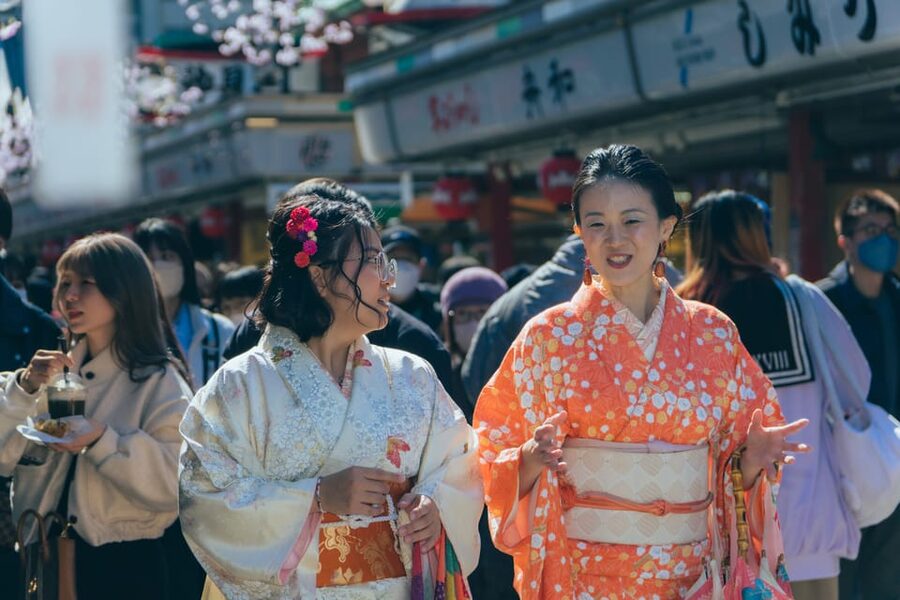
Dress for Tokyo, then walk through old Yanaka. This small cultural outing combines real silk kimono dressing with a gentle walk through one of Tokyo’s older neighborhoods, where a local shrine provides the setting for photographs. I like that the experience is not limited to putting on an outfit and posing. You also learn how to walk, sit, handle the kimono, and pray at a shrine.
I especially like the choice of about 50 kimono and yukata, made available before the day of the tour. I also like the personal attention from Sayoko, who helps with clothing, explains customs, suggests poses, and takes photographs with an iPhone 14 Pro. The main consideration is comfort: a kimono is fitted tightly, the walk may include a hill and stairs, and the activity goes ahead in rain or shine.
The meeting point is about a five-minute walk from Sendagi Station. The $67 price is fair for the dressing, accessories, umbrella, cultural explanation, walk, and photo session, though hair, makeup, tea ceremony, and professional photography cost extra.
Key points to know before booking
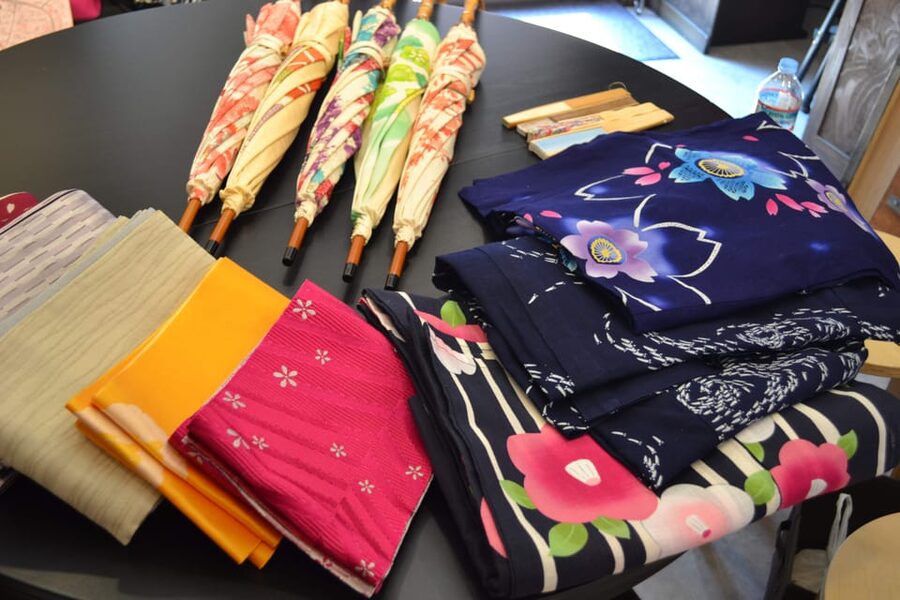
- Choose from more than 50 garments in advance: You select your preferred kimono or yukata by the day before the experience, with help by email or WhatsApp.
- The clothing is traditional silk in winter: In summer, the outfit changes to a lighter cotton yukata.
- Yanaka keeps the setting calmer: You walk through an older Tokyo neighborhood to a local shrine rather than spending the whole session in a heavily crowded sightseeing district.
- Sayoko handles both etiquette and photography: You learn how to move in the clothing, pray at the shrine, and pose for a large set of pictures.
- The included camera is an iPhone 14 Pro: Many people receive well over 100 images, though a professional photographer can be arranged for an extra ¥13,000.
- Rain does not cancel the outing: An upcycled kimono umbrella is included, with a plastic umbrella available if needed.
Why Yanaka is a smart setting for kimono
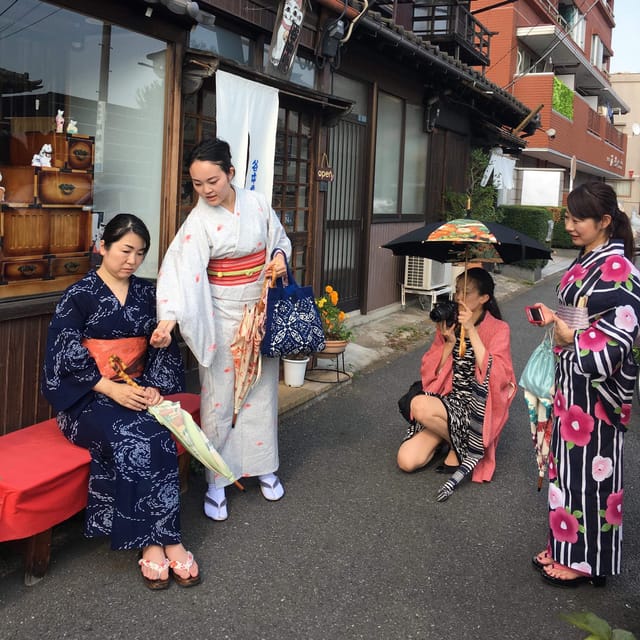
Yanaka gives this experience a useful sense of place. The activity begins in the area around Sendagi, then continues on foot through older streets toward a shrine and its grounds. You are not simply placed in a studio with a costume and backdrop. You walk in the clothing and learn how it changes ordinary actions.
That matters because a kimono is not just a long robe. Your stride becomes shorter, your posture changes, and sitting down requires care. Sayoko shows you how to walk with style, how to avoid bunching the fabric, and how to behave while wearing it. These small lessons help you understand the clothing instead of treating it as a photo prop.
I also like the quieter mood of Yanaka. Several people who chose this outing appreciated avoiding more crowded Tokyo photo locations. The neighborhood gives you room to stop at scenic points and take pictures without feeling as if you are blocking a stream of sightseers.
The destination is a local shrine. The exact route and shrine can vary, but the experience includes time on the shrine grounds, an explanation of prayer, and instruction in proper shrine behavior. You may learn how to approach the worship area, make a wish, clap, and bow. That is a small lesson, but it gives the photographs a cultural setting and makes the walk more than a costume rental.
More Photo Walks in Tokyo:
- NYC Professional Photoshoot and Walking Tour with Private Guide
★ 5.0 · 608 reviews - Santorini: Customized Private Photoshoot Walk in Oia
★ 5.0 · 335 reviews - Paris Private Walking Tour with a Personal Photographer
★ 5.0 · 262 reviews
Choosing your kimono before the day
The advance garment choice is one of the better features. After booking, Sayoko contacts you by email or WhatsApp, usually within 12 hours, and helps you select what you will wear. You need to reply by the day before the experience.
You can choose from more than 50 kimono or yukata. The winter option uses authentic silk garments made through traditional methods. In summer, you wear a yukata, a lighter cotton kimono suited to hot weather. The difference matters in Tokyo, where heat and humidity can make a tightly wrapped outfit tiring.
Take this selection step seriously. Think about colors that work well in outdoor photographs, how the garment will look beside your companion’s choice, and any preferences you have for accessories. The advance contact also gives you a chance to raise questions about sizing and the dressing process.
All required kimono accessories are included. That removes the need to rent separate belts, ties, or other pieces. The dressing itself takes place at Sayoko’s home, which gives the start of the activity a more personal, domestic feel. One person described the setting as typically Japanese, and that atmosphere appears to be part of the appeal.
Getting dressed at Sayoko’s home
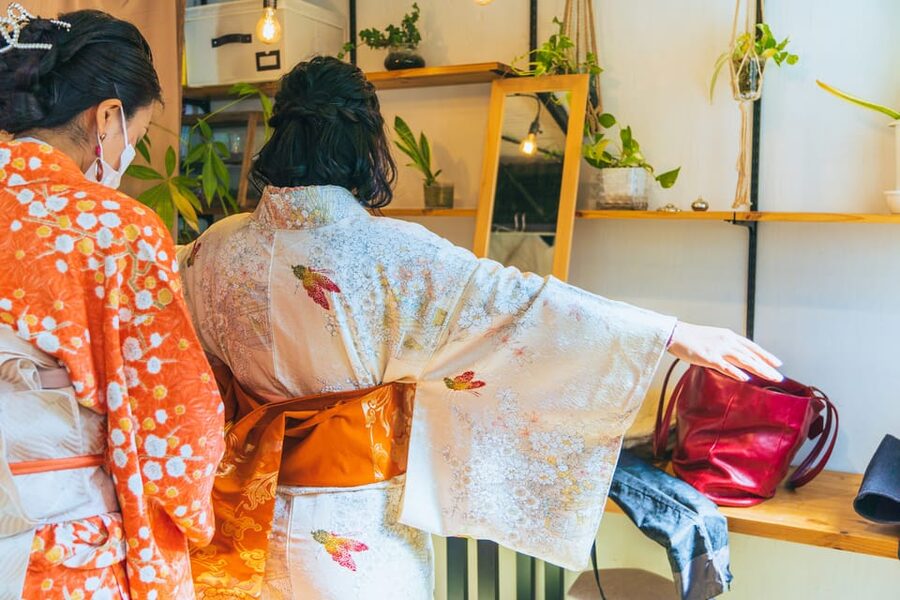
The dressing is not a quick change into a loose rental garment. Sayoko helps you put on each layer and explains what she is doing. If you have never worn a kimono, this guidance is important. The final outfit needs to sit correctly, and the belt and fabric affect how you walk for the rest of the outing.
The process can be especially pleasant for couples, parents and children, or a small group of friends. Solo visitors also receive direct help and posing advice. One solo participant found the experience comfortable despite being alone during the time slot, which is useful if you are not used to having your picture taken.
The clothing is fitted, so you should arrive ready for a slower pace. You will not move like you would in sneakers and everyday clothes. One report also notes four flights of stairs connected with the dressing and tea ceremony arrangement, so anyone with knee or leg problems should ask about the current setup before booking.
Hair and makeup are not part of the base price. They can be arranged for an extra fee, and several people felt the styling added a great deal to the final photographs. If you want a polished portrait session, this is the add-on most worth considering. If you prefer a simpler cultural outing, the basic arrangement is enough.
Learning to move, sit, and pray
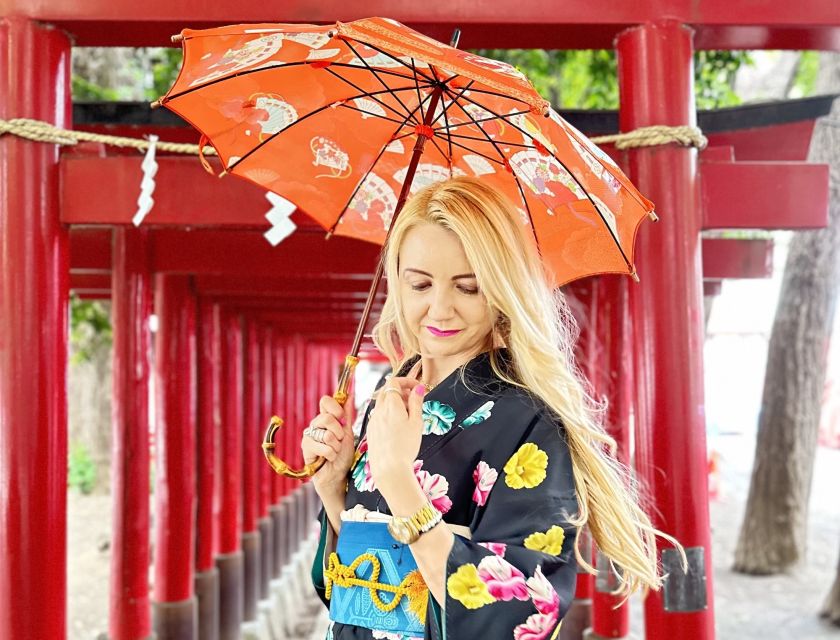
After you are dressed, the tour becomes a walking lesson. Sayoko demonstrates how to take smaller steps, carry yourself, and manage the garment. You also learn practical manners, such as how to sit down and how to handle the fabric without scrunching it.
These instructions are valuable because they prevent the common problem of wearing a kimono while moving like you are in ordinary clothes. You will feel more composed in the photographs, and you will be less likely to trip or disturb the arrangement of the fabric.
At the shrine, Sayoko explains the local customs and shows you how to pray. The lesson is brief rather than academic, but it gives you a respectful way to take part. You are not expected to know the ritual beforehand. This is one of the most praised parts of the experience because it connects the clothing to Japanese daily traditions.
The walk also gives Sayoko time to explain customs and answer questions. People who want a personal introduction to Japanese etiquette will get more from this than someone seeking only a fast fashion shoot.
A few more walks around Tokyo worth a look
- Tokyo Tsukiji Fish Market Food and Culture Walking Tour
★ 5.0 · 3,184 reviews - Tokyo: Imperial Palace and Shogun Historical Walking Tour
★ 5.0 · 2,251 reviews - Tokyo: Shinjuku Local Bar and Izakaya Guided Walking Tour
★ 4.9 · 1,794 reviews - Tokyo: Tsukiji Fish Market Food and Walking tour
★ 5.0 · 1,724 reviews
How the photo session works
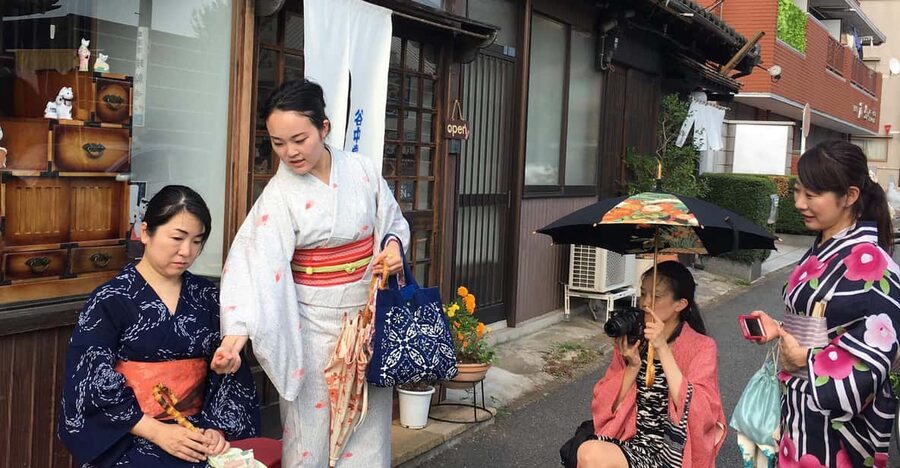
The included photography uses an iPhone 14 Pro. That may sound modest beside a professional camera, but the results depend heavily on the person behind it. Sayoko suggests poses, watches how the kimono sits, and moves you between photogenic points around the shrine and neighborhood.
You should expect many pictures rather than a short set of formal portraits. Some participants received around 190 to 230 images, and others described getting a large number of shots in different locations. Sayoko may also let you check images as you go, which helps you request a different pose or adjust your position before leaving a spot.
This is particularly useful if you feel awkward in front of a camera. You do not need to arrive with a list of poses. Sayoko gives direction while still allowing room for your own ideas. The result should feel less stiff than a single posed picture.
The upcycled kimono umbrella is another nice touch. It is part of the visual identity of the experience and fits the sustainability theme connected with traditional kimono culture. If rain arrives, the umbrella helps keep the outing going. A plastic umbrella is also available, so the photo session does not depend on dry weather.
For a more formal result, a professional photographer can be arranged for an additional ¥13,000. This is sensible for a proposal, anniversary, family portrait, or major once-in-a-lifetime trip. For ordinary holiday memories, the iPhone option appears to provide strong value.
Optional hair, makeup, and tea ceremony
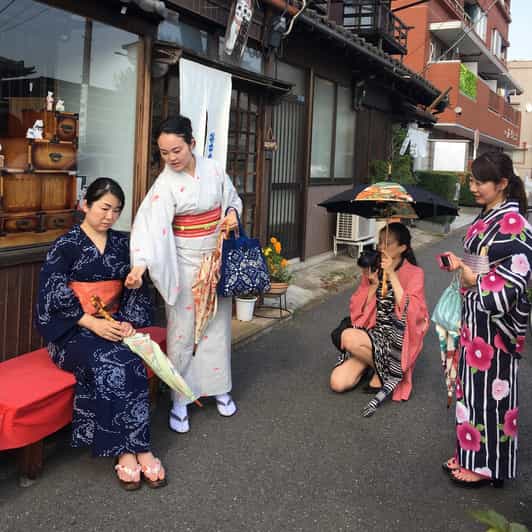
The base experience focuses on clothing, walking, shrine customs, and photography. Hair, makeup, and a tea ceremony are separate extras.
The styling option changes the mood of the day. A traditional hairstyle and finished makeup can make the kimono look more complete, especially in close-up portraits. It also saves you from trying to match your own hair and makeup to a formal garment.
The tea ceremony adds another cultural activity, but the supplied details do not specify its length or extra price. Ask for the current cost and schedule before adding it. The arrangement may also involve several flights of stairs, so consider your comfort as well as your interest.
I would add the tea ceremony if you want a fuller cultural program and have enough time in your day. If your main goal is a quiet walk and good photographs, you can keep the outing simpler.
Weather, walking, and physical comfort
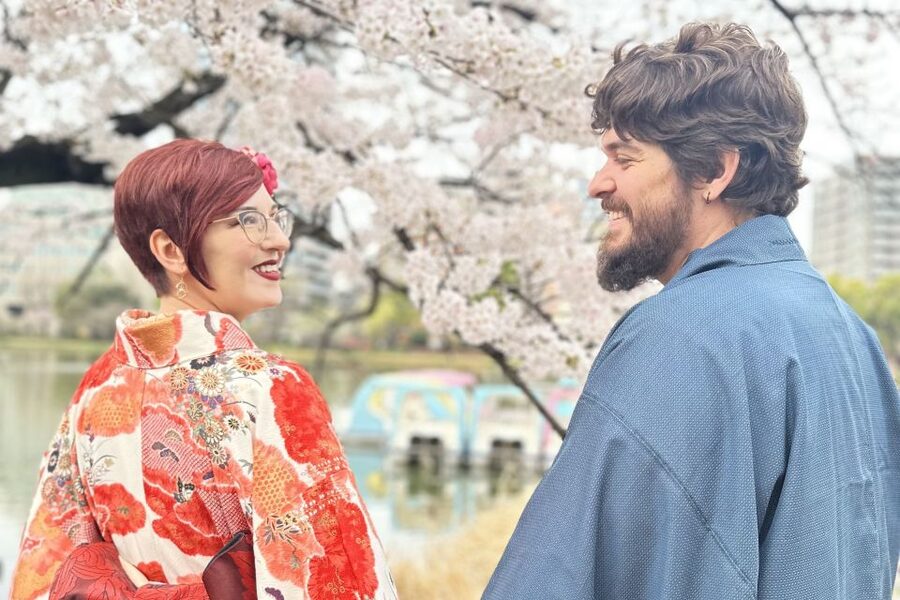
This activity takes place rain or shine. That is both a strength and a limitation. You do not lose the booking because of a light shower, and rainy streets can produce attractive photographs. Sayoko has taken successful pictures in wet conditions, using umbrellas and sheltered spots.
On the other hand, a kimono is not the easiest clothing for hot weather. One outing took place in extreme heat and humidity, and the guide adjusted the pace. Summer visitors should be prepared for warmth, especially because the yukata experience still involves layers and walking.
The route includes a walk to the shrine, and one account describes a good-sized hill. Stairs may also be part of the dressing or tea arrangement. If you have a knee, hip, or leg injury, contact Sayoko before reserving and ask about the current route.
Wear nothing that you need to carry around for the entire session. The point is to move carefully, take your time, and enjoy the change of pace. This is not a rapid sightseeing tour.
The value of $67
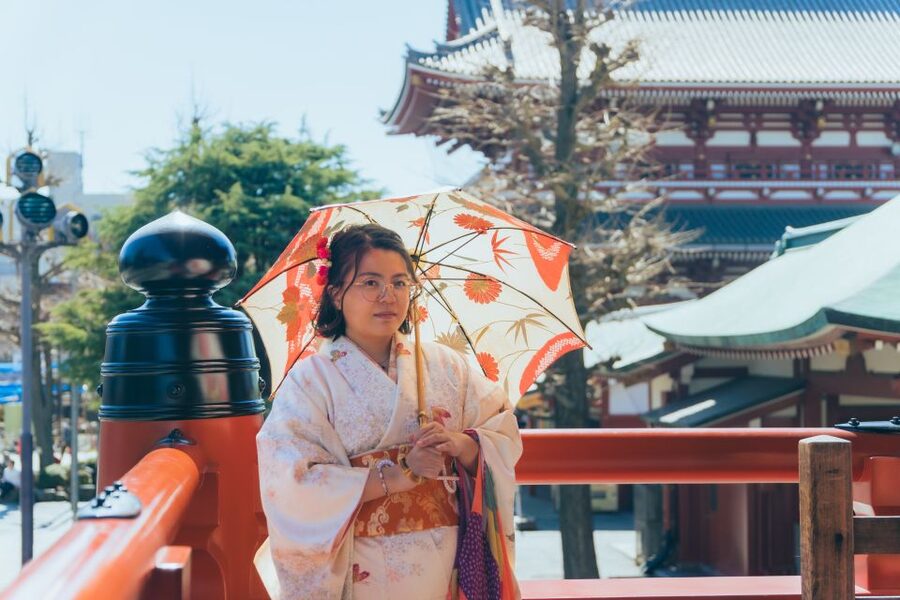
At $67 per person, the base price includes much more than a kimono rental. You receive the garment, all necessary accessories, dressing help, a kimono upcycling umbrella, instruction in etiquette, a walk through Yanaka, shrine guidance, and an iPhone photography session.
That is good value if you want both an activity and a set of keepsake pictures. A standard rental can give you the outfit, but it may not include a personal walking lesson, shrine customs, or someone taking hundreds of photographs.
The price is less attractive if you only want to wear a kimono for a short indoor picture. In that case, the walking and cultural portions may feel like more than you need. It is also important to budget for the extras if you want a professional photographer, hair and makeup, or tea ceremony.
You can reserve now and pay later, and cancellation is allowed up to 24 hours before the experience for a full refund. Every person attending must be booked, even if they will not wear a kimono, except children under two.
Who will enjoy this most
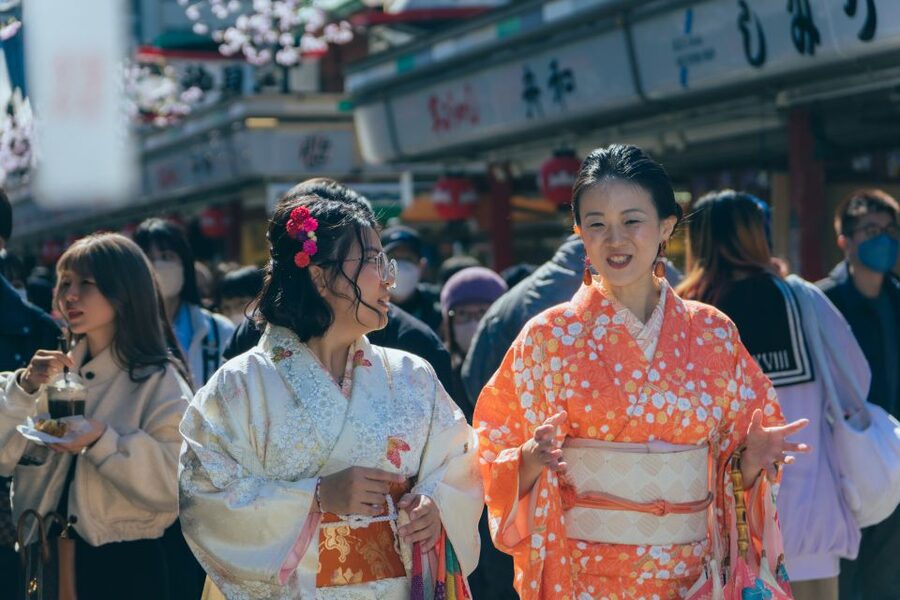
I would recommend this to couples, families, solo photographers, and anyone who wants a slower cultural afternoon in Tokyo. It works especially well for a birthday, anniversary, parent and adult child outing, or a first visit to Japan.
It also suits people who prefer a less crowded setting than major sightseeing districts. Yanaka’s older streets and shrine grounds provide a gentler backdrop, and the short distance from Sendagi Station makes the start manageable.
You should think twice if you dislike fitted clothing, have trouble with stairs, or want a fast-moving tour. The activity is personal and unhurried. It is built around learning, dressing, walking, and posing, not checking off several Tokyo sights.
Should you book this kimono experience?
Book it if you want more than a rental costume and a few quick pictures. Sayoko’s patient instruction, the choice of high-quality garments, the shrine visit, and the large number of photographs make this a strong cultural activity for $67.
Choose the professional photographer and hair styling for a polished portrait session or a major celebration. Keep the basic package if you mainly want a warm personal introduction to kimono etiquette and memorable pictures without adding much to the cost.
I would book early enough to respond to the clothing message and choose your kimono by the day before. For a quieter Tokyo afternoon with real silk, local customs, and photographs you can keep, this is an easy experience to recommend.
FAQ
Where does the kimono experience begin?
The meeting point is about a five-minute walk from Sendagi Station in Tokyo’s Yanaka area. After booking, Sayoko sends more detailed directions and photos by email or WhatsApp.
Where does the activity end?
The experience ends back at the meeting point.
What kind of kimono can I wear?
In winter, you can wear an authentic silk kimono made through traditional methods. In summer, the experience uses a cotton yukata.
How many garments can I choose from?
You can choose from more than 50 kimono or yukata. Sayoko contacts you after booking to help you select one before the day of the experience.
Is photography included?
Yes. Photography with an iPhone 14 Pro is included. A professional photographer can be arranged for an additional ¥13,000.
Are hair and makeup included?
No. Professional hair and makeup can be added for an extra fee.
Is a tea ceremony included?
No. A tea ceremony is an optional extra service and costs an additional fee.
What happens if it rains?
The activity runs in rain or shine. A kimono upcycling umbrella is included, and a plastic umbrella is available if needed.
Can children attend?
Children under two are not charged. Everyone else who accompanies the activity must be included in the booking, whether or not they wear a kimono.
Just added around Tokyo
- Tokyo: Tsukiji Market Walking Tour & Sushi Cooking Class★ 4.6 · 122 reviews
- Tokyo: Dark Side of Tokyo Shinjuku Red Light Walking Tour★ 4.7 · 862 reviews
- Tokyo: Shinjuku Nightlife & Secret Backstreets Walking Tour★ 4.8 · 229 reviews
- Tokyo: Shinjuku Bar Hopping & Night Walking Tour★ 4.6 · 137 reviews
- Tokyo: Shibuya Highlights Walking Tour★ 4.8 · 601 reviews
- Tokyo: Shibuya Highlights Walking Tour & Secret View Spot★ 4.9 · 196 reviews
- Tokyo: Private Custom Walking Tour with Local Guide★ 4.9 · 350 reviews
- Tokyo: Shibuya Crossing & Hidden Streets Walking Tour★ 4.8 · 128 reviews
Photo Walking Tours, compared.

NYC Professional Photoshoot and Walking Tour with Private Guide
Read our review →
Paris Private Walking Tour with a Personal Photographer
Read our review →

Hoi An/Da Nang: Private Photoshoot & Guided Walking Tour
Read our review →
Hallstatt: 2-Hour Guided Walking Tour with Photographer
Read our review →

Browse the lists this tour appears in