
Review · CULTURAL WALKING TOURS
Tokyo: Meiji Jingu Shrine and Shinto Culture Walking Tour
Tokyo’s quiet heart is hidden in plain sight. This two-hour Meiji Jingu walking tour leads you from Harajuku into a forest of 100,000 trees, then explains the Shinto customs, symbols, and history that make the shrine more than a quick photo stop. At $19 per person, it offers an affordable way to get cultural context at one of Tokyo’s most important sites.
I like the small-group format, which gives you room to ask questions and hear explanations without being herded along. I also like the practical touch of having photos taken during the tour, along with local suggestions from guides such as Maya, Yota, Andres, Ryota, and Haydn. The main consideration is that this is a walking tour, so two hours on foot may feel tiring in hot weather, heavy rain, or for anyone who prefers a slower pace.
The tour is especially useful at the start of a Tokyo visit. Guides explain shrine etiquette, how Shinto differs from Buddhism, and how to approach the rituals respectfully. The experience is wheelchair accessible, conducted in English, and includes admission to Meiji Shrine and the Meiji Shrine Imperial Garden.
Key points to know before you book
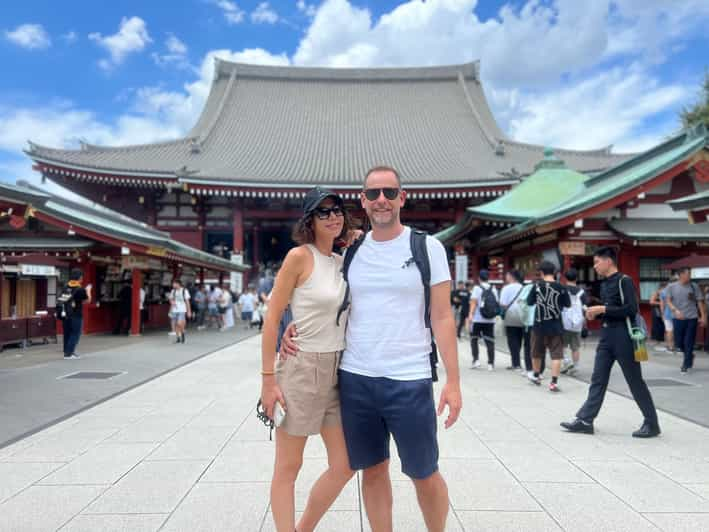
- A calm forest walk beside Harajuku: You leave the city streets for a broad wooded approach planted with about 100,000 trees.
- Shinto customs made clear: Your guide explains how to behave at the shrine and how to pray, rather than leaving you to guess.
- A small-group feel: Groups can be as large as 12, but many departures are smaller, and some have operated as private tours when only one or two people booked.
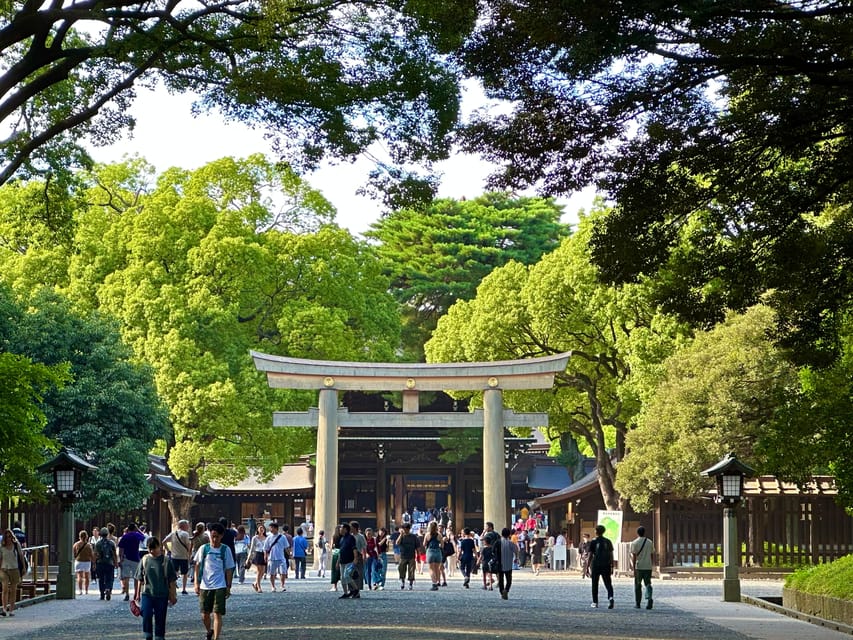
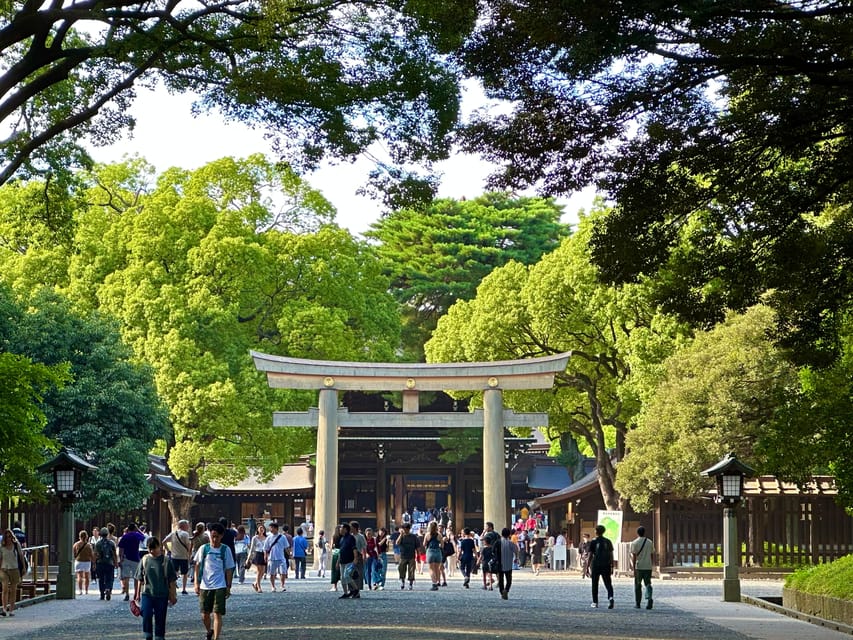
- More than the main shrine building: The route includes Meiji Jingu Gyoen, the Big Torii, consecrated sake barrels, wine barrels, and the shrine itself.
- Useful first-day orientation: Guides have helped visitors with Tokyo food suggestions, neighborhood ideas, metro basics, and other customs.
- Good value at $19: Admission, an English-speaking guide, cultural explanation, and photos are included in a compact two-hour visit.
Meeting at Harajuku and entering the forest
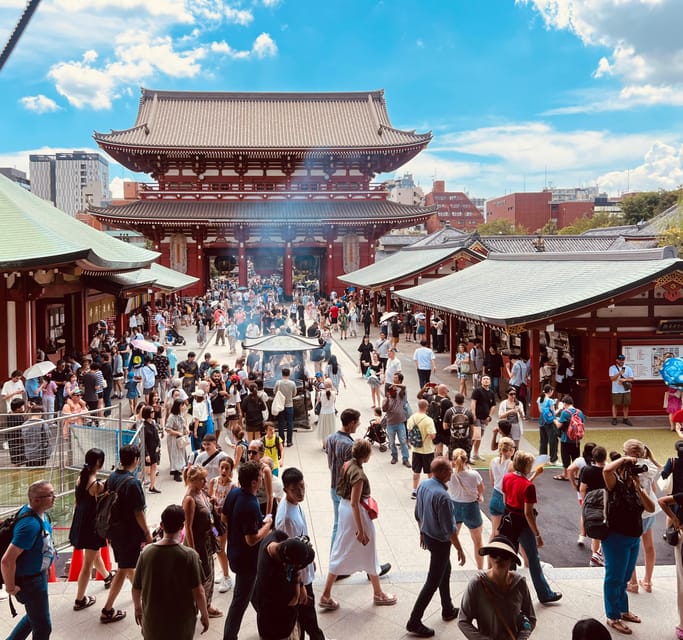
The meeting point is in front of the Starbucks closest to Meiji Shrine, at coordinates 35.6705208, 139.7031067. That detail matters because Harajuku has several Starbucks locations, and going to the wrong one could create a rushed start. Check the map pin carefully before setting out.
The tour then moves toward Meiji Jingu Gyoen, the garden area connected with the shrine. This opening section lasts about 30 minutes and includes a photo stop and guided explanation. It gives your guide time to establish the basic story of the site before the route reaches the major shrine structures.
The change in mood is part of the appeal. Harajuku is one of Tokyo’s best-known urban districts, yet the shrine grounds quickly feel removed from the traffic and shop signs. The forest is not untouched wilderness, but a deliberately created sacred setting. That contrast helps explain an important Shinto idea: nature is not simply decoration around a holy place. It is part of the spiritual setting.
Your guide can also point out details that are easy to pass without context. Instead of only seeing a long path through trees, you begin to understand why the approach is broad, quiet, and carefully ordered. This is a good reason to take the tour rather than simply walk through Meiji Shrine with a map.
More Cultural Walking Tours in Tokyo:
- Tokyo Tsukiji Fish Market Food and Culture Walking Tour
★ 5.0 · 3,184 reviews - Savannah First Squares Culinary & Cultural Walking Food Tour
★ 5.0 · 3,229 reviews - New Orleans French Quarter, Voodoo and Culture Walking Tour
★ 4.5 · 2,961 reviews
The Big Torii sets the tone
The Big Torii receives about 10 minutes of guided attention. It marks the transition from ordinary city space into the shrine grounds, and your guide explains how to approach this boundary respectfully.
This is one of the places where a short explanation adds real value. Shinto shrine visits involve customs that may not be obvious to first-time visitors. The tour covers proper etiquette and prayer procedure, so you can take part without copying people at random or worrying that you have missed an important step.
The stop is brief, but it also sets the pace for the rest of the walk. This is not a lecture-heavy tour in which you remain in one place for long stretches. You walk, pause, listen, ask questions, and continue. That rhythm suits visitors who want cultural information without spending an entire morning indoors.
Sake and wine barrels tell a wider story
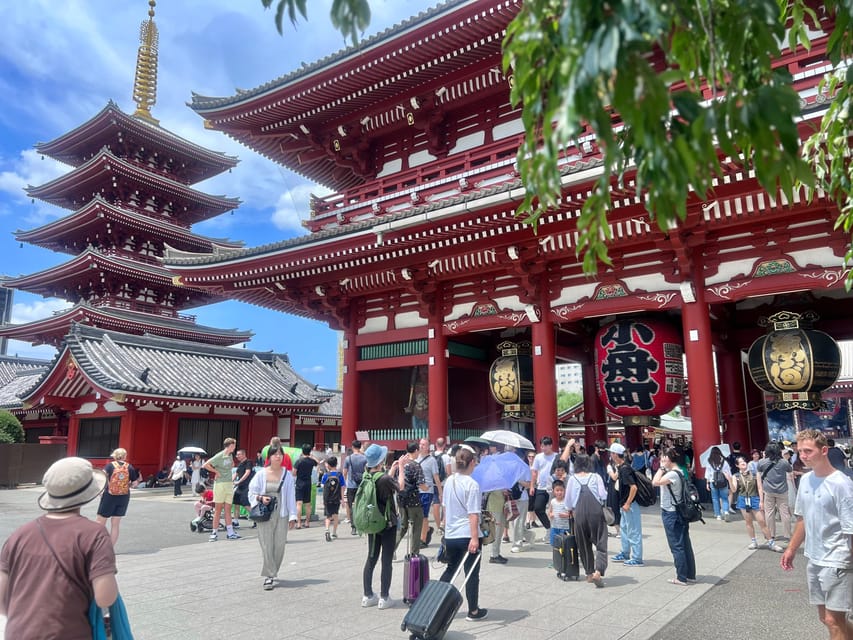
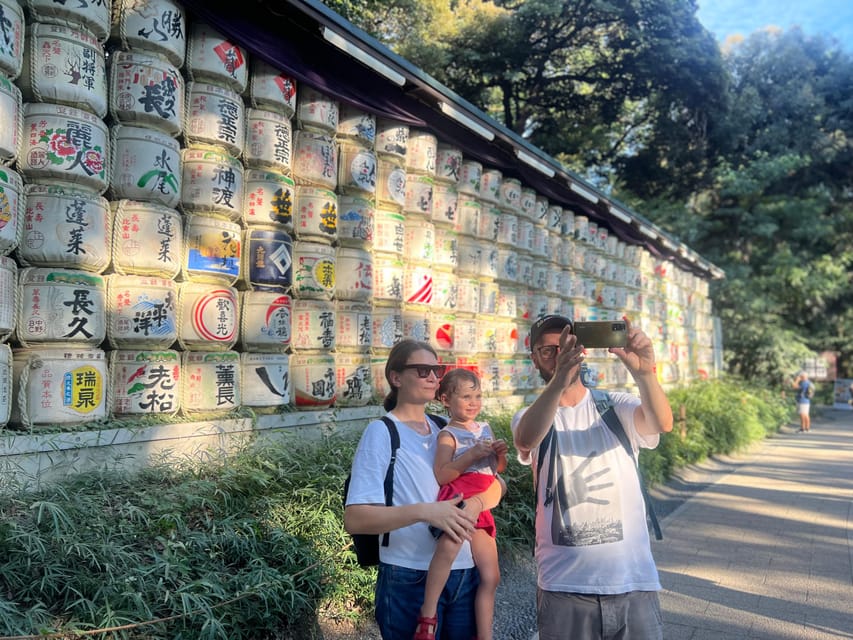
Next come the consecrated sake barrels, followed by the consecrated wine barrels. Each stop receives roughly 10 minutes of explanation.
The sake barrels are a familiar image at Meiji Shrine, but the display can seem puzzling if you do not know why it is there. A guide gives the barrels a cultural and religious setting, helping you see them as offerings connected with the shrine rather than as a random decorative wall.
The wine barrels add a useful twist. They show that the site’s ceremonial connections are not limited to one traditional drink or one narrow idea of Japan. Your guide can use these displays to discuss the Meiji period and the changing relationship between Japan and the outside world.
You should not expect tastings at either stop. These are viewing and explanation points. Still, they are among the most distinctive parts of the route, and they give you better photographs than a simple walk straight to the shrine building.
Meiji Shrine and the meaning behind the rituals
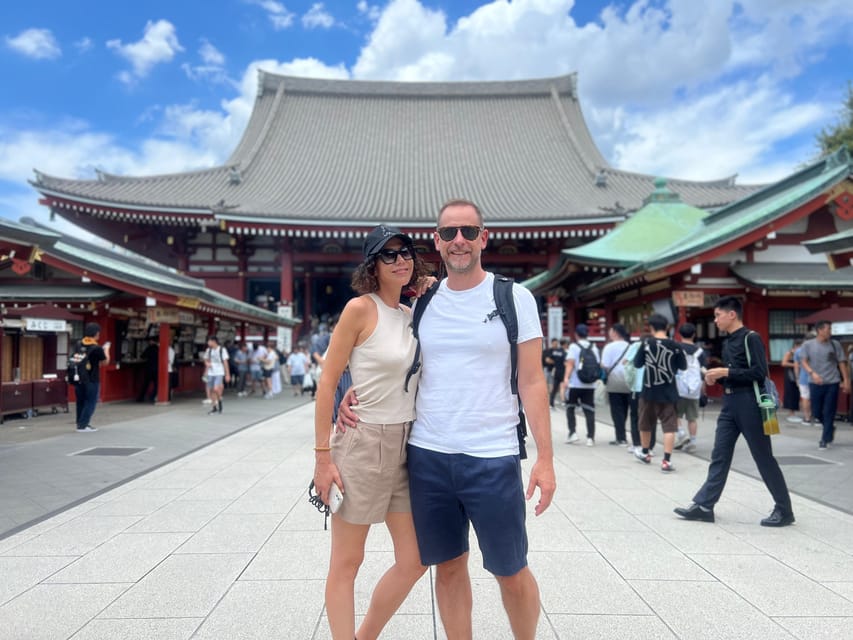
The main Meiji Shrine visit takes about an hour, making it the center of the experience. Here, your guide explains the shrine’s background, the Meiji period, Shinto customs, and the role of the grounds in Japanese spiritual life.
The strongest feature of the tour is the chance to ask questions while you are actually looking at the site. Guides named in past departures include Maya, Minori, Nicholas, Hoshi, Naruto, Matt, Sara, Maria, Andres, Yota, Ryota, and Haydn. The quality of the experience will always depend partly on the individual guide, but the available feedback points repeatedly to friendly, clear English explanations and a willingness to answer questions.
Haydn, for example, was praised for giving both newcomers and people with some prior knowledge a useful introduction to Japanese religion and culture. Minori was specifically praised for explaining the relationship and differences between Shinto and Buddhist teachings. Yota and Ryota were also noted for keeping the experience personal, taking photographs, and sharing ideas for food and other places to visit.
That personal contact is important here. A shrine visit can be visually impressive yet culturally thin if you only admire the rooflines and walk away. The guide helps connect the architecture, forest, rituals, and historical setting. You come away with a clearer sense of why the shrine matters, not simply a collection of attractive pictures.
The tour may also show you customs such as writing an ema, a wooden wish plaque, if the timing and route allow. One family found writing an ema meaningful, and also enjoyed having their books stamped. These activities are not listed as guaranteed inclusions, so treat them as possible extras rather than promised parts of the two-hour plan.
A few more walks around Tokyo worth a look
- Tokyo: Imperial Palace and Shogun Historical Walking Tour
★ 5.0 · 2,251 reviews - Tokyo: Shinjuku Local Bar and Izakaya Guided Walking Tour
★ 4.9 · 1,794 reviews - Tokyo: Tsukiji Fish Market Food and Walking tour
★ 5.0 · 1,724 reviews - Tokyo: Asakusa Walking Tour with Sensoji Temple Visit
★ 4.8 · 1,583 reviews
Why the small group matters
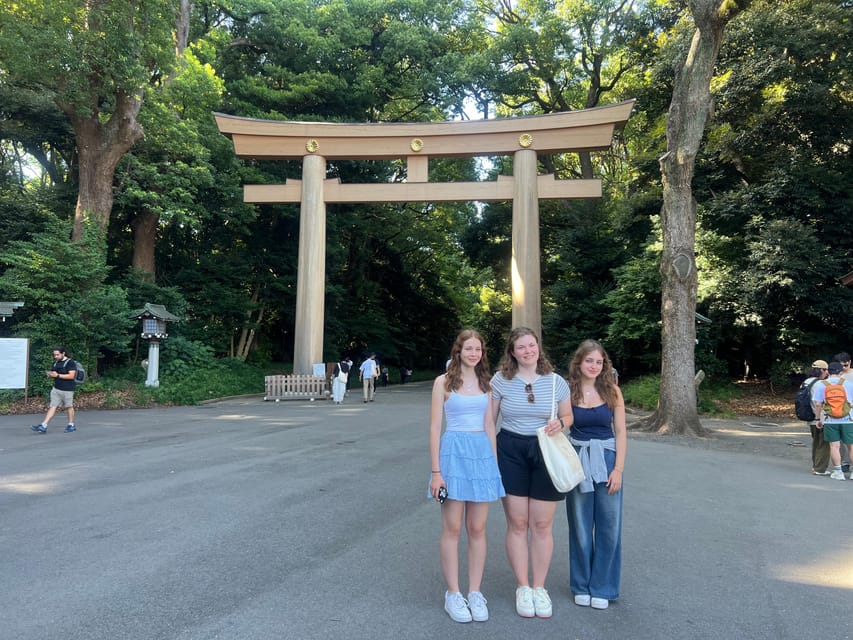
The advertised group size can reach 12 people, but several departures were much smaller. One person had a private experience because no one else arrived, while other groups had only two, four, or a handful of participants.
A small group changes the practical feel of the tour. You can ask about a particular custom, stop for a photograph, or request clarification without holding up a large crowd. Guides have also adjusted naturally to families, children, and people with many questions.
Do not book this expecting a guaranteed private tour. Group size depends on the date and bookings. The safer expectation is a guided walk with the possibility of a more personal format.
The photo service is another useful bonus. Guides have taken pictures for participants at several points, which helps if you are traveling alone or if your group wants a photo together. It is a small detail, but it means you can pay attention to the explanation instead of constantly managing your phone.
What guides add beyond the shrine
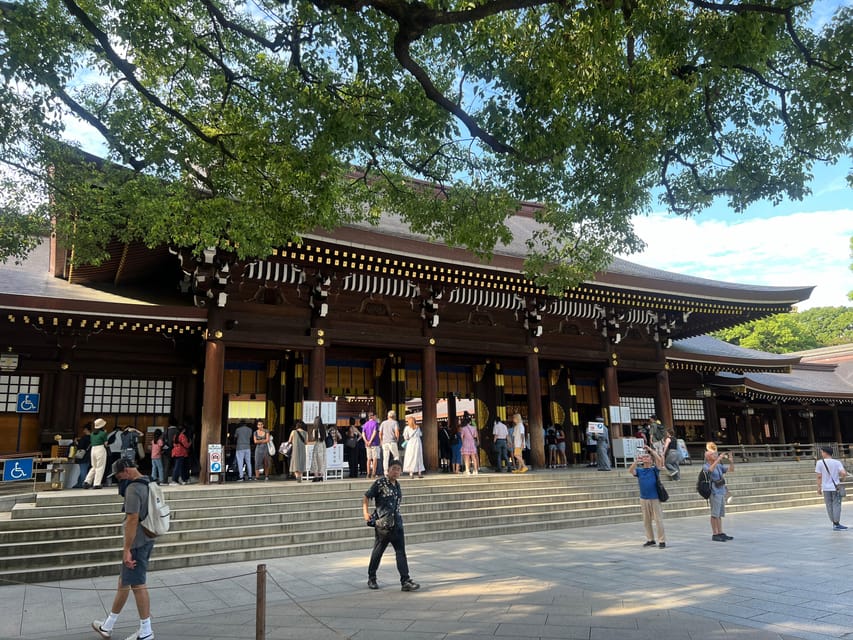
The best guides do more than recite dates. They connect Meiji Shrine with daily life in Japan and help you feel more comfortable for the rest of your trip.
Andres was praised for explaining shrine etiquette, giving metro guidance, and offering food suggestions. Other guides recommended sushi, ramen, wagyu, black sesame ice cream, and local restaurants. These suggestions are not part of the official tour inclusions, and meals are not listed as included, but they can make the tour useful beyond the shrine grounds.
You might also receive suggestions for other Tokyo neighborhoods and sights. This makes the experience a sensible first activity, especially if you are new to Japan and want basic cultural bearings before exploring on your own.
Still, you should keep the purpose of the tour in mind. The route described here centers on Meiji Shrine and its grounds. Some individual comments refer to other Tokyo sights, food stops, or longer private itineraries, but those should not be treated as guaranteed parts of this two-hour experience.
Timing, weather, and walking comfort
The tour lasts two hours, and starting times vary. The itinerary is outdoors for most of the visit, so weather will shape your comfort. One departure continued in heavy rain and was still described as enjoyable, but that does not make wet weather irrelevant.
Wear comfortable shoes and bring suitable protection from sun or rain. The forest provides a calmer setting than the surrounding streets, but it does not remove the need to walk. If you have limited stamina, ask about the route pace before booking.
Early morning can be a smart choice if you want a quieter atmosphere. Yota specifically recommended visiting the shrines early to enjoy more peace and stillness. The tour schedule controls which start times are available, so check the options before choosing your date.
The shrine can also be busy at popular times and during major Japanese holidays. The supplied information does not promise crowd-free access, so do not assume that a guided visit will eliminate crowds. The guide does, however, help you understand what you are seeing even when the grounds are active.
Is $19 a good value?
At $19, this is a low-cost guided introduction to one of Tokyo’s major cultural sites. You receive an English-speaking guide, historical context, photos taken during the tour, and admission to Meiji Shrine and the Imperial Garden.
The value is strongest if you are new to Shinto customs or want to understand the site rather than simply photograph it. A free self-guided walk would show you the forest, torii, barrels, and shrine buildings, but it would not necessarily explain how to pray, why the offerings matter, or how Meiji Shrine connects to Japanese history.
The price is less compelling if you already know the shrine well and prefer to explore alone. Two hours also leaves limited time for lingering, personal reflection, or unplanned detours. You are paying for clarity, company, and questions answered, not for a long private tour.
The free cancellation option up to 24 hours before the tour and reserve-now, pay-later option add flexibility. These policies are useful for a Tokyo schedule that may change, though you should confirm the final terms at booking.
Who should book this Meiji Shrine walk?
I would recommend it to first-time visitors, couples, families, solo visitors, and anyone curious about Japanese customs. It is particularly helpful if you are unsure how Shinto differs from Buddhism or how to behave at a shrine.
Families may appreciate the short length and the chance to ask questions. The route gives children a story to follow, rather than asking them to admire a large site without context. English-speaking visitors benefit most because the live guide language is English.
Solo visitors may get extra value from the photo service and small-group conversation. The experience can also work well for people arriving in Tokyo who want an easy cultural introduction before tackling more complicated neighborhoods.
You may want to skip it if you strongly prefer independent sightseeing, dislike scheduled walks, or already have detailed knowledge of Meiji Jingu. The shrine itself is free to appreciate from the outside, so the reason to pay is the explanation and personal guidance.
Should you book it?
Book this tour if you want a clear introduction to Shinto, shrine manners, and Meiji-era history in a short visit. The combination of forest, torii, sake and wine barrels, and the main shrine gives you a well-shaped route without taking over your day.
I would choose an early starting time if available, wear comfortable shoes, and confirm the correct Starbucks meeting point. If you can, begin your Tokyo trip with it, since guides such as Andres, Yota, Haydn, and Minori have also offered practical advice for the days that follow.
Skip it only if you want complete freedom or prefer a silent visit. For $19, the tour provides strong value for anyone who wants the shrine to make sense, not merely look beautiful.
FAQ
Where does the Meiji Shrine walking tour meet?
The meeting point is in front of the Starbucks closest to Meiji Shrine. The listed coordinates are 35.6705208, 139.7031067.
How long does the tour last?
The tour lasts two hours.
What language is the tour conducted in?
The live tour guide speaks English.
Is admission to Meiji Shrine included?
Yes. Admission to Meiji Shrine and the Meiji Shrine Imperial Garden is included.
Is the tour wheelchair accessible?
Yes, the activity is listed as wheelchair accessible.
What places are included on the route?
The route includes Meiji Jingu Gyoen, the Big Torii, the consecrated sake barrels, the consecrated wine barrels, and Meiji Shrine.
Are photos included?
Yes. Photos taken during the tour are included.
How many people may be in the group?
Groups can be as large as 12 people, although some departures are smaller and may feel more personal.
Can I cancel for a full refund?
Yes. You can cancel up to 24 hours in advance for a full refund.
Just added around Tokyo
- Tokyo: Tsukiji Market Walking Tour & Sushi Cooking Class★ 4.6 · 122 reviews
- Tokyo: Dark Side of Tokyo Shinjuku Red Light Walking Tour★ 4.7 · 862 reviews
- Tokyo: Shinjuku Nightlife & Secret Backstreets Walking Tour★ 4.8 · 229 reviews
- Tokyo: Shibuya Highlights Walking Tour★ 4.8 · 601 reviews
- Tokyo: Shibuya Highlights Walking Tour & Secret View Spot★ 4.9 · 196 reviews
- Tokyo: Shinjuku Bar Hopping & Night Walking Tour★ 4.6 · 137 reviews
- Tokyo: Shibuya Crossing & Hidden Streets Walking Tour★ 4.8 · 128 reviews
- Tokyo: Private Custom Walking Tour with Local Guide★ 4.9 · 350 reviews
Cultural Walking Tours, compared.

Savannah First Squares Culinary & Cultural Walking Food Tour
Read our review →
Tokyo Tsukiji Fish Market Food and Culture Walking Tour
Read our review →
New Orleans French Quarter, Voodoo and Culture Walking Tour
Read our review →

Anne Frank Walking Tour Amsterdam Including Jewish Cultural Quarter
Read our review →
Southernmost Food & Cultural Walking Tour by Key West Food Tours
Read our review →
Ultimate Melbourne Walking Tour: History, Laneways & Culture
Read our review →
Browse the lists this tour appears in