
Review · ITALY WALKING TOURS
Verona: Romeo and Juliet Guided Walking Tour
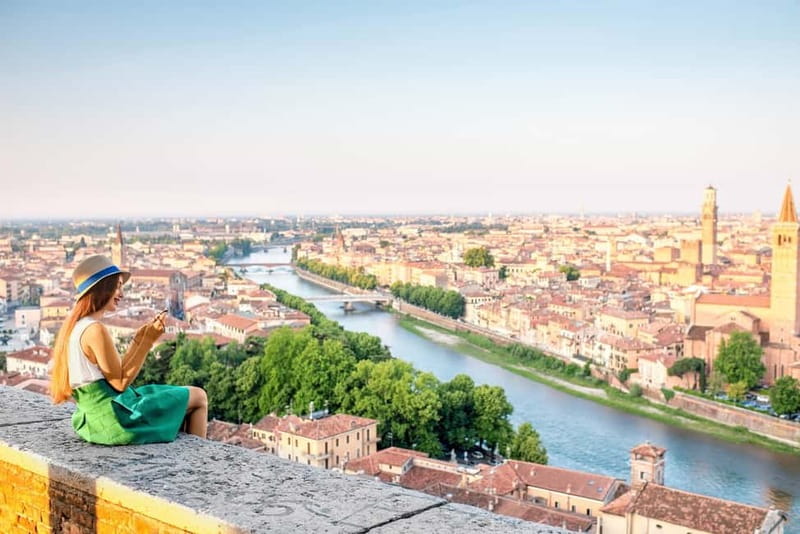
Verona turns Shakespeare into a walking route. This 90-minute tour links the Roman Arena, Juliet’s House, and medieval squares with the family feuds and city politics behind the famous play. I like the clear route through central Verona, and I like that the guides bring plenty of local detail instead of treating the city as a single Shakespeare photo stop.
The $70 price is fair if you want a live English-speaking guide and a useful introduction to Verona’s long story. Francesco, Maria Pia, Frank, and Mauro receive especially warm praise for their humor, patience, and local knowledge. The main drawback is that entrance fees are not included, and one visitor felt the tour could have spent more time on Romeo and Juliet themselves.
Key points at a glance
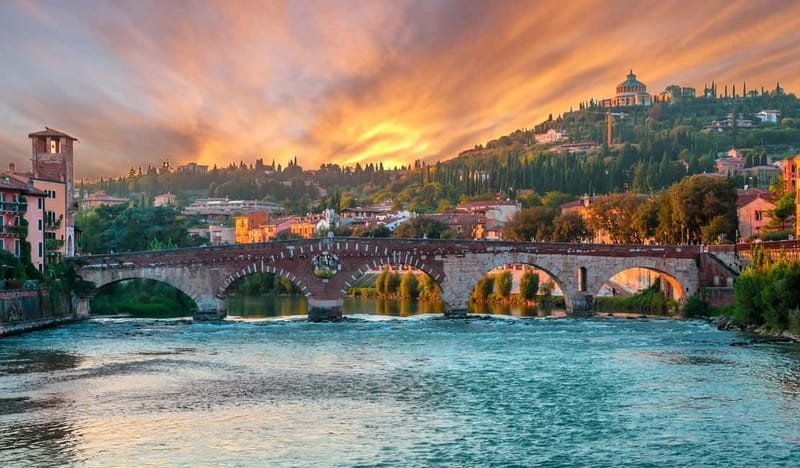
- Starts beneath King Vittorio Emanuele’s statue: Meet in Piazza Bra, beside Verona’s great Roman Arena.
- Covers major sights on foot: The route takes in Via Mazzini, Piazza Erbe, Piazza dei Signori, the Scaliger tombs, Romeo’s House, and Juliet’s House.
- The Arena is more than a meeting point: You hear how this huge Roman structure still serves as a venue for cultural events.
- Juliet’s balcony is a short visit, not a full museum tour: The guided experience focuses on the courtyard, balcony, and statue. Entrance fees are separate.
- Guides are the tour’s strongest feature: Francesco, Maria Pia, Frank, and Mauro are repeatedly praised for storytelling and personal attention.
- Plan for weather and punctuality: The tour runs in safe bad weather, and the guide waits no more than 10 minutes after departure.
Starting in Piazza Bra beneath the Roman Arena

Your meeting point is easy to identify: the equestrian statue of King Vittorio Emanuele II in Piazza Bra. It sits beside the Arena, Verona’s enormous Roman amphitheater and the first major landmark on the walk.
The Arena was built before Rome’s Colosseum and remains in use for cultural events. That detail gives the tour a useful opening theme: Verona is not simply a stage set for Shakespeare. It is a city where Roman, medieval, Gothic, and Renaissance buildings sit close together and continue to shape daily life.
I like beginning here because Piazza Bra gives you an immediate sense of scale. You are not starting down a side street with a minor monument. You are standing beside one of Verona’s defining structures, with a guide ready to explain how the city’s past connects to the streets ahead.
The meeting point also makes timing important. The guide waits a maximum of 10 minutes from the scheduled departure, so arrive early. If you are driving, allow extra time to find somewhere to leave the car. One family arrived late because of parking trouble and only caught up after staying in contact with Francesco through WhatsApp. That worked out well, but it is not a plan you should rely on.
More Guided Walks in Italy:
- Milan: Guided Walking Tour & Last Supper Visit with Ticket
★ 4.7 · 5,409 reviews - Naples: Street Food Walking Tour with Local Guide
★ 4.9 · 4,976 reviews - Florence: Highlights Walking Tour with Expert Guide
★ 4.6 · 4,662 reviews
Via Mazzini and Verona’s central streets
From Piazza Bra, the group walks for about 20 minutes before reaching Via Giuseppe Mazzini, where the guide continues with roughly 10 minutes of sightseeing and explanation.
This section helps you shift from the grand Arena to the everyday shape of central Verona. You walk through the historic core rather than viewing the city from a vehicle, so the distance between major sights becomes part of the lesson. Streets, building fronts, and changing architectural styles begin to make sense as pieces of one old city.
The walking pace matters here. This is not a bus tour that drops you beside each attraction. You move between them on foot, which lets the guide point out details along the way. You should wear comfortable shoes and expect a steady urban walk, though the experience lasts only an hour and a half.
The route is also a good fit if you want orientation on your first day in Verona. After this tour, the central sights will feel connected rather than scattered across a map.
Piazza Erbe, the market square with many layers

Piazza Erbe is scheduled for about 15 minutes of guided sightseeing. It is one of the most important stops because it brings together several periods of Verona’s past in one lively public space.
You find a market here, along with the Lamberti Tower and the ancient Domus Mercatorum. The square is not presented only as a romantic backdrop. It is a place shaped by commerce, civic life, and power. That wider context is useful because Romeo and Juliet works best when you understand the social world around the young couple.
The Lamberti Tower gives the square a strong vertical marker, while the Domus Mercatorum points to Verona’s commercial importance. You may not spend enough time here for a full architectural study, but the guide can help you see why this square matters beyond its appearance.
I especially like this part of the walk for visitors who want more than a checklist of famous names. Shakespeare used Verona as a setting for conflict, but Verona itself had plenty of political and family drama before the play reached the page. Piazza Erbe provides a natural place to discuss that tension.
Piazza dei Signori and the Scala family
The walk continues to Piazza dei Signori for around 10 minutes of guided sightseeing. Then you pass along Via Arche Scaligere and reach the Scala family tombs, a five-minute stop on the route.
Piazza dei Signori has a more formal feel than Piazza Erbe. The two squares are close, yet they offer different views of the city. One feels tied to trade and public activity. The other points more directly toward government, noble families, and authority.
That change is central to the tour’s theme. The Romeo and Juliet story is not only about two teenagers in love. It is also about family loyalty, rivalry, and the pressure created when private feelings collide with public expectations.
The Scaliger tombs add a striking medieval element. These ornate monuments belong to Verona’s ruling family and help explain the influence of powerful households in the city. You pass through medieval courtyards on the way, then see structures that carry Verona from the Roman period through Romanesque, Gothic, and Renaissance design.
This is where the tour can feel more like a general Verona history walk than a Shakespeare tour. That is mostly a strength, especially if you are interested in architecture and local politics. Still, if you booked mainly for romantic literary stories, you may want to ask your guide specific questions about the play and its sources.
A few more walks around Italy worth a look
- Venice: Doge’s Palace and St Mark’s Basilica Walking Tour
★ 4.4 · 6,291 reviews - Venice: San Marco to Rialto Walk & Spritz Like a Local
★ 4.2 · 3,651 reviews - Venice Walking Tour and Gondola Ride
★ 3.5 · 3,630 reviews - Uffizi & Accademia Timed Entry: Small Group Duomo Walking Tour
★ 4.5 · 3,630 reviews
Romeo’s House and the family-feud setting

The next stop is Casa di Romeo, or Romeo’s House, with about 10 minutes of guided walking and sightseeing.
The route uses Romeo’s supposed home as a way to return from civic power to the lovers themselves. It also keeps the story grounded in Verona’s old neighborhoods, where family identity and public reputation carried real weight.
You should keep your expectations measured. The supplied details do not promise an interior visit, and the tour does not include admission fees. This is best understood as a location connected with the Romeo tradition, not as a full museum experience devoted to the character.
That limitation is worth knowing before you book. The value comes from the guide’s explanation and the way the stop fits the route, not from an extensive indoor exhibit. Francesco was praised for linking Shakespeare’s work with the city, while other guides were valued for adding small historical facts and stories. A good guide can make a brief exterior stop feel worthwhile.
Juliet’s House, balcony, and courtyard statue
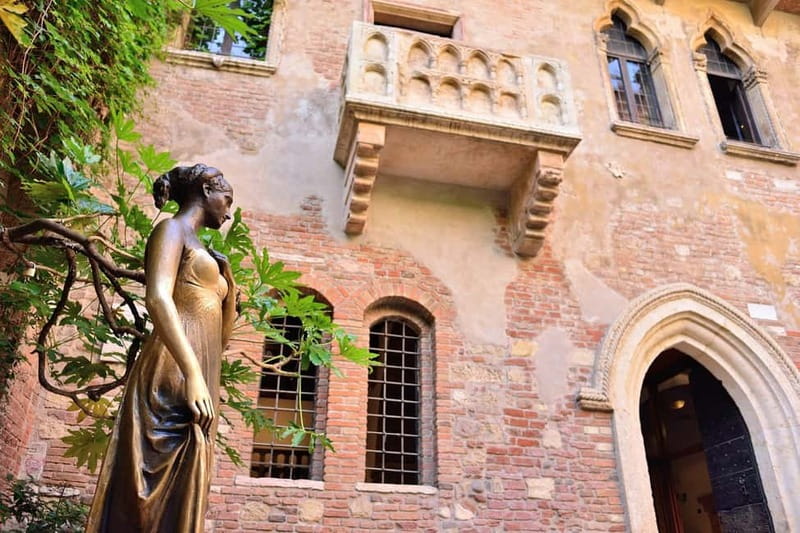
Juliet’s House is the emotional center of the tour. The route allows around 20 minutes here, including guided time at the famous balcony and Juliet’s statue.
This is the point most people picture before arriving in Verona. The balcony is tied to the most famous balcony scene in Shakespeare’s play, while the statue gives the courtyard its familiar romantic focus. It is also the most openly theatrical part of the walk, so expect a popular photo stop rather than a quiet historical site.
The guide’s role matters greatly here. A flat explanation of balcony and statue can feel thin. A lively guide can explain how the site became linked with Juliet and why the story continues to draw people to Verona. Maria Pia was praised for answering every question with patience, including very basic ones, while Francesco received special praise for his grasp of Shakespeare and his willingness to answer questions.
Keep in mind that entrance fees are not included. The tour provides a guided visit, but any admission cost must be paid separately if you choose to enter. The supplied information does not state the entrance price, so check current availability when booking.
One visitor’s only real criticism was that the tour needed more Romeo and Juliet material. That is a fair warning. The title suggests a literary focus, but the route also spends substantial time on Verona’s Roman and medieval past. If you want a full Shakespeare lecture, this may feel light. If you want the balcony set within a wider city walk, the balance works better.
What the guides add to the experience
The strongest part of this experience is the human delivery. Several guides receive praise, and the comments point to a consistent pattern: friendly manner, clear storytelling, local pride, and patience with questions.
Francesco, also called Frank or Frenk, is described as punctual, polite, energetic, funny, and deeply familiar with Verona. He helped one late-arriving family reconnect with the group and later showed them what they had missed. Another visitor valued his understanding of Shakespeare as much as his knowledge of the city.
Maria Pia is praised for warmth and clarity. You can expect a guide who welcomes questions instead of making you feel awkward for asking them. That is useful on a short tour, when you may need to steer the conversation toward the subjects you care about most.
Mauro is remembered for passion for Verona and for making the walk a highlight of a holiday. Those comments suggest that the guide can shape the experience more than any single stop. The buildings are fixed, but the stories, examples, and answers change with the person leading the group.
The advertised language is English. No group size is provided, so I would not book this expecting a private tour or a small party unless the operator confirms it directly.
Is $70 a fair price for 90 minutes?
At $70 per person, this is not the cheapest way to see Verona’s center. You are paying for a live guide, a planned route, and interpretation at the city’s key Romeo and Juliet sites. You are not paying for entry to attractions, and admission fees are extra.
The value is strongest for a first visit. In 90 minutes, you connect the Arena, Via Mazzini, Piazza Erbe, Piazza dei Signori, the Scaliger tombs, Romeo’s House, and Juliet’s House. Doing that alone is possible, but you would need to research the sites and build the route yourself.
I would also consider the cost against your interests. If you care about local history, architecture, Shakespeare, or having a guide answer questions as you walk, the price can make sense. If you only want a quick photograph at Juliet’s balcony, you can visit the area without booking a guided experience.
The tour also offers free cancellation up to 24 hours before departure and allows you to reserve now and pay later. Those terms give you some flexibility, though you still need to arrive on time once the tour is scheduled.
Weather, timing, and who should book
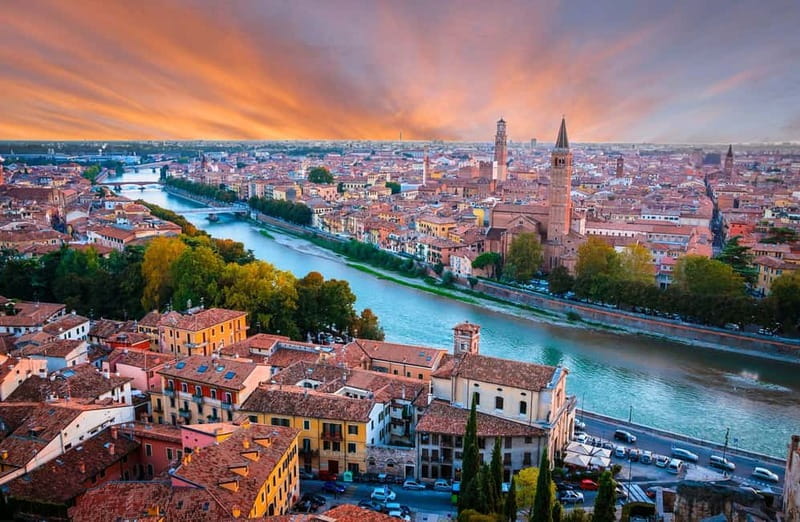
The tour operates in bad weather when conditions are safe. Bring sensible clothing and footwear, since the experience remains outdoors and on foot. Rain will not automatically cancel the walk.
At 1.5 hours, the tour fits neatly into a morning or afternoon. It is long enough to introduce the old center but short enough to combine with other plans. The route is focused, not a full-day exploration of Verona.
I think it suits:
- First-time visitors who want an introduction to central Verona
- Couples and families interested in the Romeo and Juliet story
- History fans who want Roman, medieval, Gothic, and Renaissance context
- Visitors who prefer a guide to explain what they are seeing
- People who want practical orientation before exploring alone
You may want a different experience if you need extensive interior visits, a private group, or a tour devoted almost entirely to Shakespeare’s text. The details provided do not promise those features.
Should you book this Verona walking tour?
Book it if you want the famous balcony and statue, but also want to understand the city around them. The route is well chosen, the 90-minute length is manageable, and the guides receive strong praise for making the history clear and personal.
I would book with two expectations in mind. First, entrance fees are separate. Second, Romeo and Juliet shares the stage with Verona’s Roman monuments, medieval families, public squares, and architecture. That broader focus is what gives the tour value, but it may disappoint you if you want a literary-only experience.
Arrive early at the statue in Piazza Bra, wear comfortable shoes, and ask your guide about Shakespeare if that is your main reason for coming. With those expectations, this looks like a useful and enjoyable introduction to Verona, especially when Francesco, Maria Pia, Frank, or Mauro is leading the walk.
FAQ
Where does the tour meet?
The meeting point is beneath the equestrian statue of King Vittorio Emanuele II in Piazza Bra.
How long does the tour last?
The guided walking tour lasts 1.5 hours.
What language is the tour conducted in?
The live tour guide speaks English.
What sights are included in the walking route?
The route includes the Arena area, Via Giuseppe Mazzini, Piazza Erbe, Piazza dei Signori, Via Arche Scaligere, Romeo’s House, and Juliet’s House.
Will I see Juliet’s balcony?
Yes. The tour includes a guided visit to Juliet’s House, including the famous balcony and Juliet’s statue.
Are entrance fees included?
No. Entrance fees are not included in the tour price.
Does the tour run in bad weather?
Yes. The tour operates in bad weather when conditions are safe.
How long will the guide wait if I am late?
The guide will wait a maximum of 10 minutes after the scheduled departure time.
Can I cancel for a full refund?
You can cancel up to 24 hours in advance for a full refund.
Can I reserve without paying immediately?
Yes. The reserve now and pay later option lets you secure a place without paying at the time of booking.
Just added around Italy
- Bergamo: Digital guide made by a local for your walking tour★ 5.0 · 184 reviews
- Full Day Tour by Car and Walking among the Apulian Beauties★ 4.5 · 182 reviews
- The Original Street Food Walking Tour in Bari★ 4.5 · 226 reviews
- Bari Walking City Tour★ 4.5 · 511 reviews
- Bari: Street Food Walking Tour with a Local Guide★ 5.0 · 160 reviews
- Bari Walking Tour with Pasta Experience★ 4.5 · 270 reviews
- Assisi Private Walking Tour including St. Francis Basilica★ 5.0 · 124 reviews
- Private St. Francis Basilica of Assisi and City Walking Tour★ 5.0 · 114 reviews
Italy Walking Tours, compared.
Doge’s Palace and St Mark’s Basilica Walking Tour
Read our review →
Guided Walking Tour & Last Supper Visit with Ticket
Read our review →
San Marco to Rialto Walk & Spritz Like a Local
Read our review →
Uffizi & Accademia Timed Entry: Small Group Duomo Walking Tour
Read our review →
Browse the lists this tour appears in