
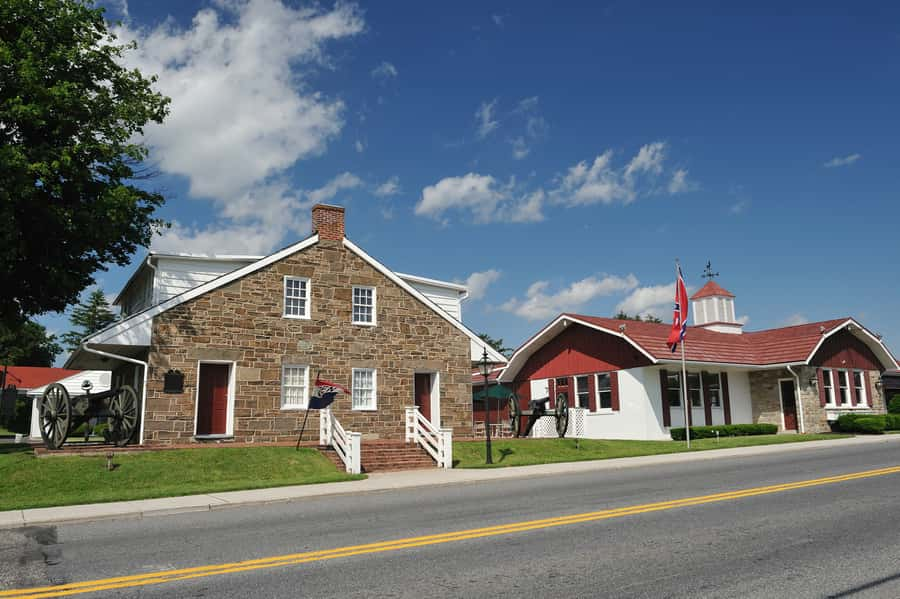
Review · HISTORY WALKING TOURS
Gettysburg: 1863 Historic Downtown Walking Tour
The town tells a different story. This two-hour downtown walk moves beyond generals and troop movements to show how Gettysburg’s residents lived through the battle in their own streets. I like the focus on civilians, and I like the way guides such as Ken, Jeff, and Rich turn local accounts into clear, human stories. The main consideration is that the tour stays outdoors, so you will not go inside every historic building.
I also appreciate the modest $25 price, especially for a full two hours with a live guide. You should be ready for a steady walk, changing weather, and a fair amount of history. The tour is in English, wheelchair accessible, and best suited to anyone who wants the town’s side of Gettysburg before or alongside a battlefield visit.
Key points to know before you go
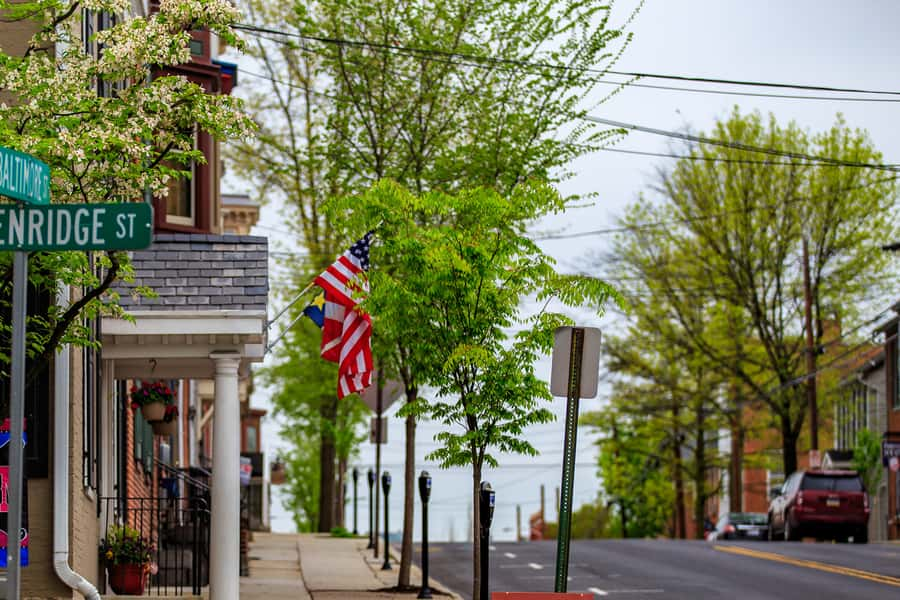
- You meet at Lincoln Square: Find the guide beside the statue of President Lincoln and the benches at 11 Lincoln Square.
- The focus is civilian life: Hear how local adults and children experienced the fighting, occupation, confusion, and aftermath.
- The walk lasts two hours: It covers the center portion of downtown at a leisurely pace, with plenty of stops for stories and questions.
- Guides bring different strengths: Ken is praised for detailed history and easy conversation, while Jeff often uses a first-person portrayal of Civil War veteran James Maclay or an artilleryman.
- The experience is outdoors: Wear comfortable shoes and clothing suited to the weather. Some historic buildings are privately owned and cannot be toured inside.
- The price is strong value: At $25 per person, you get a focused local history lesson without committing to a longer battlefield program.
Why downtown Gettysburg deserves its own tour
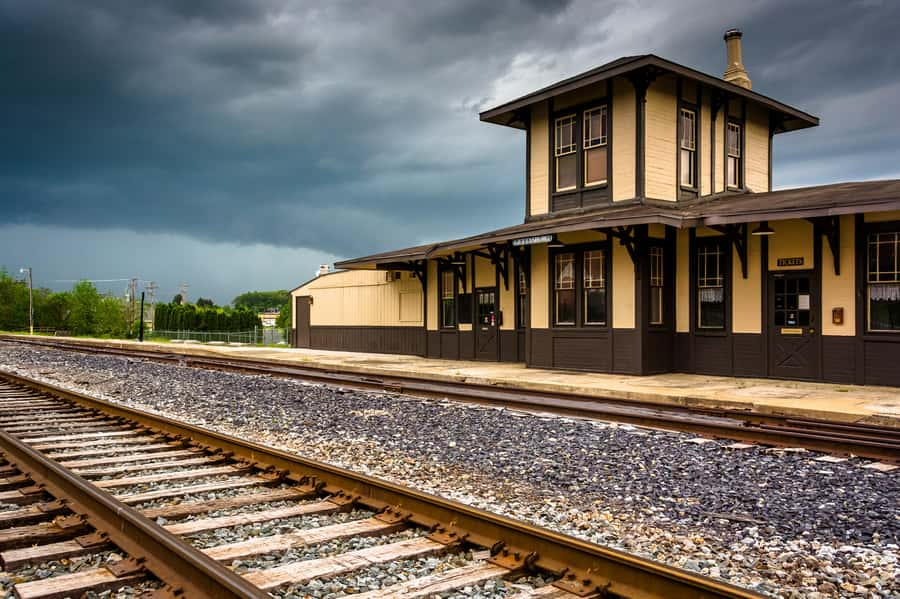
Gettysburg is usually introduced through the battlefield. That makes sense, but it can leave you with a picture of soldiers, commanders, and battle lines while missing the people who lived in the town before the armies arrived.
This walk shifts your attention to the center of Gettysburg, the part of town that served as its daily hub in 1863. Here, streets and buildings become evidence of ordinary life interrupted by an extraordinary event. You learn where residents lived, how the battle reached into town, and how civilians remembered those July days.
I like this approach because it gives the battlefield a human setting. Instead of treating Gettysburg as an isolated military contest, the tour shows it as a community with homes, families, businesses, children, and people forced to witness violence at close range.
The title, 1863 Historic Downtown Walking Tour, is accurate. This is not a broad sightseeing walk with a few Civil War facts added on. The war is the subject, but the town’s residents are the main characters.
More History Walking Tours in the USA
- History and Hauntings of Salem Guided Walking Tour
★ 5.0 · 14,564 reviews - Boston: Freedom Trail History Small Group Walking Tour
★ 5.0 · 6,450 reviews - Historic Charleston Guided Sightseeing Walking Tour
★ 5.0 · 6,216 reviews
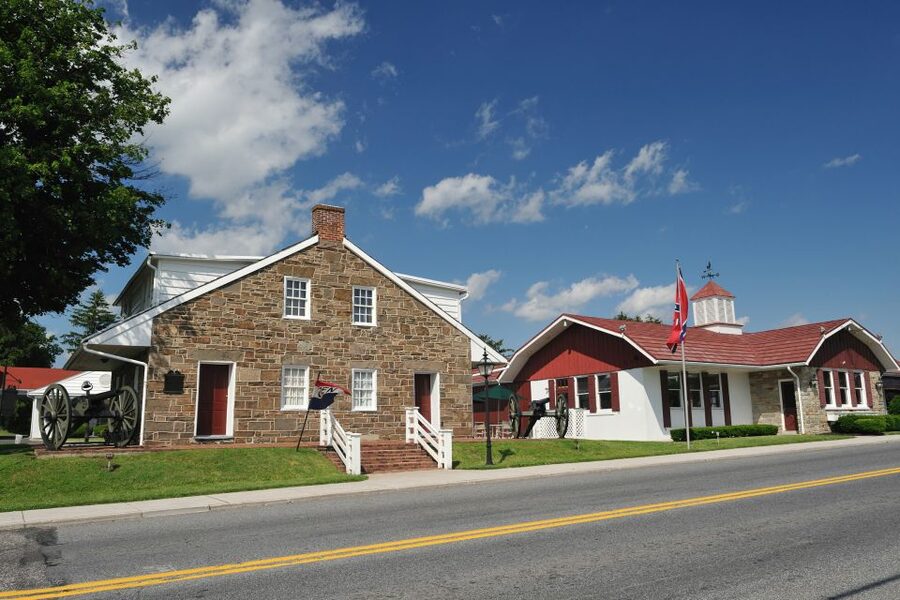
Meeting at Lincoln Square
The tour begins at 11 Lincoln Square, beside the statue of President Lincoln and the benches. Arrive 15 minutes before departure so you have time to find the meeting point and settle in.
Lincoln Square is a useful starting place because it puts you in the middle of downtown rather than out on the battlefield. You are immediately in the setting the tour discusses. That helps the stories land with more force than they would from a distant visitor center or a bus.
From here, your guide begins placing Gettysburg in 1863. You learn what the town looked like, how existing structures fit into daily life, and how the events of July unfolded from a local point of view.
The meeting point is also practical for planning the rest of your day. You can make this your first Gettysburg activity to build context before visiting the battlefield, or schedule it later if you want the downtown stories to tie together what you have already learned.
A walk through the town at war
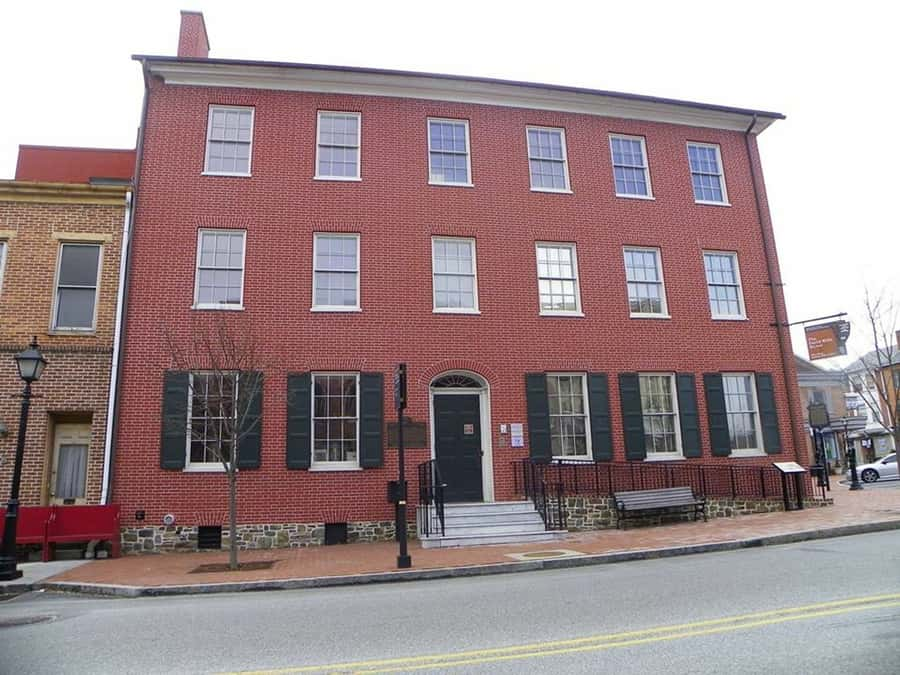
The pace is described as leisurely, and the route covers the center portion of downtown over two hours. That combination matters. You are not rushing from one address to the next or trying to absorb a lecture while keeping up with a fast-moving group.
Instead, the guide can pause at locations connected to residents and events. The stops help you picture what happened in the town, including the way the battle affected streets that had been part of ordinary life.
Several guides have received especially strong praise for making this material easy to follow. Ken is often described as a careful historian with a gift for answering questions. His tours focus on local residents, famous Gettysburg families, and the effects of the war on adults and children.
Jeff takes a more theatrical route. On some tours, he portrays Civil War veteran James Maclay, and on others he appears as a Civil War artilleryman. This character work is not just decoration. It gives the history a voice and helps you imagine how someone connected to the era might have described Gettysburg before, during, and after the battle.
Your guide may be Ken, Jeff, Rich, Bruce, or another member of the team. You cannot count on receiving a particular guide, but the individual style can shape the experience. If you prefer a dramatic presentation, Jeff’s approach may appeal to you. If you prefer open discussion and detailed answers, Ken’s style sounds like a strong match.
The civilian story behind the famous battle
The most valuable part of this tour is its attention to people who were not soldiers. Gettysburg’s residents did not choose to live on an urban battlefield, yet the fighting came directly into their community.
You hear about the town’s people as reluctant witnesses. Their experience included confusion, fear, disruption, and the practical problems of living among troops and casualties. The tour makes clear that the war did not stop at the edge of a field.
This perspective also adds emotional weight without turning the walk into a simple battlefield recap. You may already know the broad outline of the Battle of Gettysburg from school or previous visits. Here, the emphasis shifts to how residents understood the event as it unfolded and how they remembered it afterward.
The stories of local adults and children are especially useful for families and younger visitors. Military history can become a string of names and dates. Civilian accounts show what those events meant in daily life, which makes the period easier to grasp.
Several visitors have praised the guide’s ability to answer detailed questions and connect the town’s experience to the wider Civil War. That is helpful if you already know the basics and want something less familiar. It is also useful if you are new to Gettysburg and need a clear starting point.
Same streets, a different way to see them:
- New Orleans Premier Ghost, Voodoo and Vampire Walking Tour
★ 4.5 · 12,856 reviews - Little Havana Food and Walking Tour in Miami
★ 5.0 · 8,882 reviews - Chicago: Gangsters and Ghosts Walking Tour
★ 5.0 · 7,155 reviews - New Orleans Food Walking Tour of the French Quarter with Small-Group Option
★ 5.0 · 6,118 reviews
Existing buildings and what you can see
The guide discusses structures that existed in 1863 and explains how the town looked at the time. Walking beside those buildings gives you a physical sense of continuity, even though Gettysburg is now a modern town with shops, traffic, and visitor services.
You should keep your expectations realistic. This is not an interior house tour. Some of the oldest buildings are privately owned, and you may only be able to view them from the street. One visitor specifically noted that the lack of interior access was disappointing, though understandable.
That limitation is worth considering before you book. If you want to examine period rooms, furniture, and preserved interiors, you will need to add another Gettysburg attraction. If you are happy to use streets, facades, locations, and stories as your historical evidence, this tour delivers its main purpose.
The outdoor format has an advantage, too. You are not looking at history behind glass. You are standing in the same downtown area where the town’s residents lived through the crisis. The setting does much of the teaching.
What the guides do best
Guide quality is central to this experience. The subject is serious and detailed, and a flat delivery could make two hours feel long. The strongest guide accounts here point to people who are personable, prepared, and able to adjust their presentation to the group.
Ken is repeatedly praised for his command of Gettysburg and Civil War history. He also appears to leave room for questions and conversation instead of forcing every group through a rigid speech. That is a real benefit because people arrive with different levels of background knowledge.
Jeff’s first-person presentations add a different kind of energy. His portrayal of James Maclay and his depiction of an artilleryman have been singled out as engaging ways to make the past feel immediate.
Rich has also been praised for a strong, informed tour, while Bruce is described as friendly and well prepared. The guide roster may change, but the repeated pattern is clear: the experience depends heavily on the person leading it.
I would book this for the guide-led storytelling, not for a self-guided checklist of landmarks. Ask questions as you walk. The format appears to welcome conversation, and the best value comes from using the guide’s local knowledge rather than simply listening from the back of a group.
Group size, walking pace, and comfort
The tour lasts two hours and is designed as a walk through downtown. Comfortable shoes are essential. Even a relaxed route can feel tiring if you arrive in hard dress shoes or unsupportive sandals.
The walking is described as manageable, with many stops. One person particularly liked being in a group of only four, since it made conversation with the guide easy. Group size can vary, so do not assume every departure will be that small, but the tour seems well suited to questions and interaction.
Summer heat deserves attention. One guide contacted a participant ahead of time about shifting the start time because of hot weather. That shows some practical flexibility, but you should still bring weather-appropriate clothing and plan for an outdoor activity.
There is no mention of transportation between stops. You should expect to remain on foot for the two-hour visit. The tour is wheelchair accessible, but the supplied information does not specify the exact surface conditions or restroom arrangements, so contact the operator if you need those details for your particular requirements.
How to fit it into a Gettysburg visit
This tour works well as an introduction to the town. Starting downtown helps you understand that Gettysburg was a lived-in community before it became a famous battlefield. Once you visit the fields, troop movements and battle decisions have a clearer human setting.
It also works after a battlefield tour. In that order, the downtown walk can fill in what military-focused interpretation often leaves out. You get the residents’ point of view and a closer look at the damage, fear, and disruption within the town itself.
Some people have used the tour as part of a multi-day Gettysburg visit, returning to downtown after other history programs. That is sensible. Gettysburg contains a great deal of information, and trying to absorb everything in one afternoon can turn even good history into a blur.
The two-hour length is a good middle ground. It is long enough to develop a full story, but short enough to leave room for lunch, a museum, the battlefield, or another walking tour. If you have only a few hours in town, this gives you a focused experience without taking the entire day.
Is $25 a fair price?
At $25 per person, the tour offers good value if you want guided interpretation rather than simply walking around downtown on your own.
You are paying for two hours of a live guide’s time, local stories, historical context, and the chance to ask questions. The price is especially reasonable for people who are interested in the civilian side of the battle, since that focus may not be the center of a standard battlefield visit.
The value depends on what you want. If you mainly want photographs of historic buildings or a quick orientation, you could explore downtown independently. If you want the meaning behind the buildings and the experiences of the people who lived there, the guide makes the difference.
The free cancellation window of up to 24 hours and the reserve now, pay later option also reduce the risk of fitting this into a changing schedule. These details are useful during a weather-sensitive walking trip, though you should still check the available departure times before booking.
Who should book this walk?
I would recommend it most strongly to:
- First-time Gettysburg visitors who want context before touring the battlefield
- Civil War readers who already know the major battle and want local stories
- Families looking for history that includes adults, children, and daily life
- Visitors who prefer a small-scale walking experience to a bus or long battlefield program
- People who enjoy asking questions and talking with a live guide
- Anyone interested in how war affects civilians, not only armies
You may want to skip it if your main goal is military strategy, battlefield geography, or interior access to historic buildings. Those subjects may require separate experiences.
Final verdict: a worthwhile downtown history lesson
Book this tour if you want Gettysburg to feel like a town, not just a battle map. The civilian focus is its clearest strength, and the guides bring plenty of personal style, from Ken’s detailed discussion to Jeff’s period character work.
At $25, the cost is fair, the two-hour length is practical, and the route gives you a useful way to begin or complete a Gettysburg visit. Bring good shoes, dress for the weather, arrive 15 minutes early, and keep in mind that the stories matter more than interior access.
If you have time for only one downtown activity, this is a strong choice for local voices and human-scale history. The tour has earned a 4.9 rating from 306 reviews, and its best feature is easy to identify: it helps you understand what the battle meant to the people who had to live through it.
FAQ
How long is the Gettysburg downtown walking tour?
The tour lasts two hours.
Where does the tour meet?
Meet at 11 Lincoln Square in Gettysburg, Pennsylvania, beside the statue of President Lincoln and the benches.
How early should I arrive?
Arrive 15 minutes before the scheduled departure.
How much does the tour cost?
The price is $25 per person.
What language is the tour offered in?
The live tour guide speaks English.
Is the walking tour wheelchair accessible?
Yes, the activity is listed as wheelchair accessible.
What should I bring?
Bring comfortable shoes and clothing suited to the weather.
Just added around the USA
- Walking Tour of Boston’s Freedom Trail★ 4.5 · 77 reviews
- Downtown Freedom Trail Walking Tour – History & Architecture★ 4.5 · 194 reviews
- Boston “Death and Dying” Walking Ghost Tour★ 4.5 · 223 reviews
- Boston Food of the North End Private Walking Tour★ 5.0 · 174 reviews
- Boston Seafood Lovers Food and History Walking Tour★ 5.0 · 208 reviews
- Boston Movie Mile Walking Tour★ 4.5 · 119 reviews
- Boston Historic Taverns Tour with Tastings and Ferry★ 5.0 · 156 reviews
- 1 If By Land Walking Tours★ 5.0 · 95 reviews
History Walking Tours, compared.

History and Hauntings of Salem Guided Walking Tour
Read our review →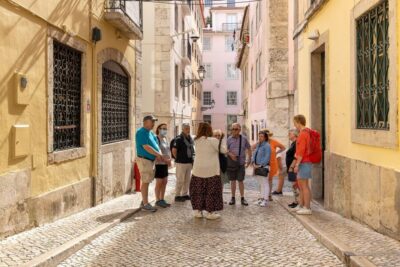
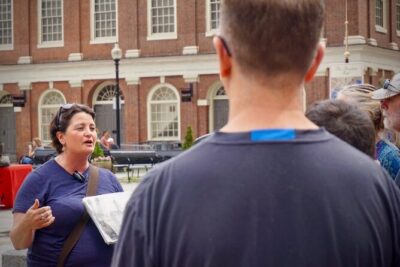
Freedom Trail History Small Group Walking Tour
Read our review →
Historic Charleston Guided Sightseeing Walking Tour
Read our review →
Tapas Walking Tour with Food, Wine, and History
Read our review →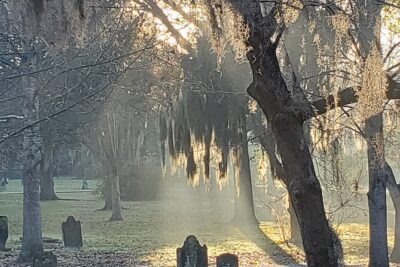
Savannah History and Haunts Candlelit Ghost Walking Tour
Read our review →
A History of Terror – Belfast City Centre Walking Tour
Read our review →Browse the lists this tour appears in