
Review · CULTURAL WALKING TOURS
Kyoto: Geisha Dinner & Gion Cultural Walk
Kyoto keeps its best stories indoors. This three-hour evening pairs a 40-minute walk through Gion with a dinner in the company of a geiko or maiko, when available. I like the way the experience explains the customs behind the costumes, dances, and formal manners instead of treating geisha culture as a photo opportunity. I also like the personal touch from guides such as Andi, Taiga, Takuma, and Tomoko, who have been praised for clear English, warmth, humor, and help with translation.
The main caution is availability. A geiko or maiko cannot always attend, and the group needs at least four people to operate as planned. At $257 per person, this is a costly evening, but it includes a kaiseki-style dinner, unlimited sake, the Gion walk, and about two hours with the performer. I would book it for a special night, not as a casual meal.
Key points before you book
- A 40-minute Gion walk sets the scene with local history and an introduction to the geiko world before dinner.
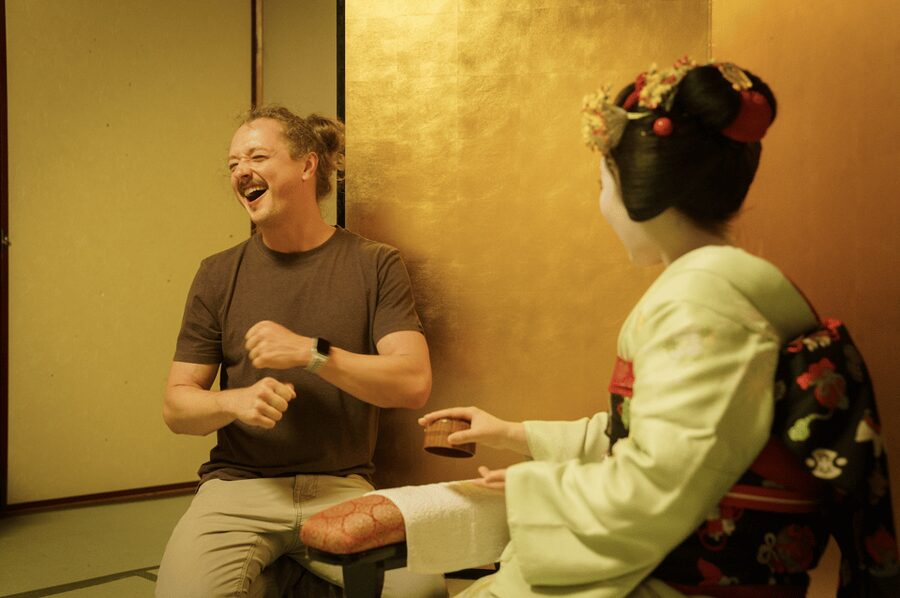
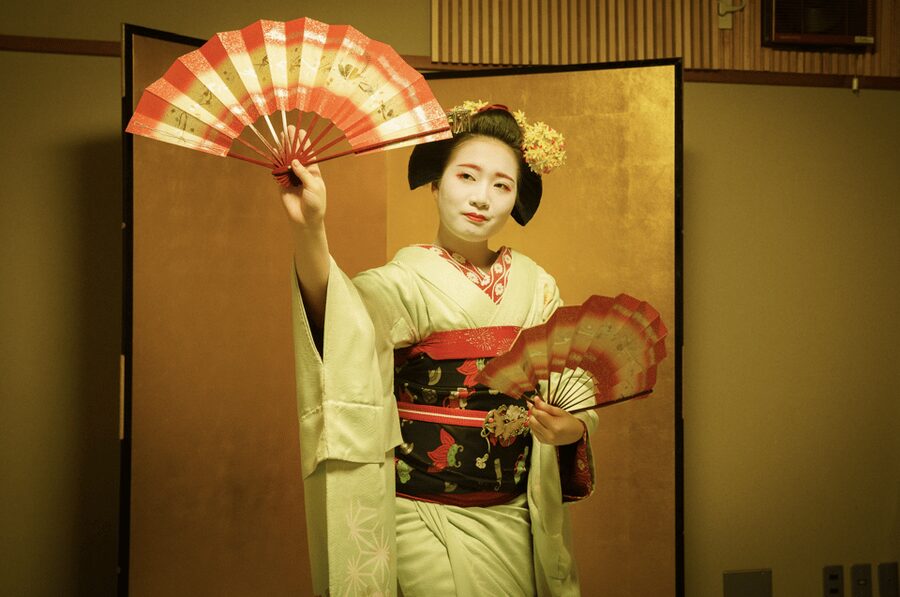
- The dinner includes a geiko or maiko appearance when available, with traditional dance, conversation, and a Japanese party game.
- Unlimited sake is included, while extra food and drinks cost more.
- The strongest part is the explanation, especially when your guide translates questions and explains customs in plain English.
- The evening needs at least four participants, so the operator may have difficulty running it with a smaller group.
- Private groups are available, and the tour is listed as wheelchair accessible.
Why this Gion evening feels different
Many Kyoto activities show you old streets, temple gates, or a carefully prepared meal. This one tries to explain a living performance tradition. That difference matters. You are not simply watching a dance. You are learning why the setting, clothing, conversation, music, and movements are handled with such care.
The evening is built around two parts. First comes a guided walk through Gion. Then you sit down for a kaiseki-style dinner and spend time with a geiko or maiko. The guide remains important throughout, acting as your cultural interpreter and, when needed, your bridge between English-speaking visitors and the Japanese hosts.
The best accounts of the experience praise that human connection. Andi is described as warm, funny, and especially good at explaining the world of geiko. Taiga receives similar praise for his energy and clear explanations. Takuma is noted for excellent English and an easy manner, while Tomoko helped with translation during one memorable evening.
That consistency is encouraging. A dinner like this can feel stiff or confusing if nobody explains what is happening. Here, the guide helps you ask sensible questions and understand the answers.
More Cultural Walking Tours in Kyoto:
- Kyoto Gion: 2-Hour Geisha Culture & History Walking Tour
★ 5.0 · 1,186 reviews - Kyoto Gion Cultural Walk & Geisha Show with Dining Options
★ 5.0 · 518 reviews - Kyoto: Gion Hidden Gems & Geisha Culture Tour
★ 4.9 · 126 reviews
Starting near Cacao Market by MarieBelle Kyoto
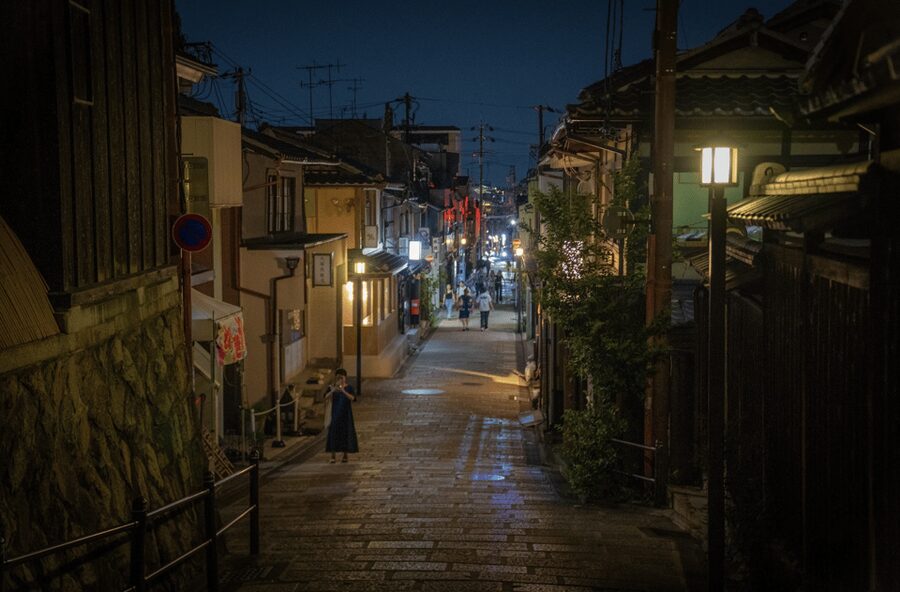
The meeting point is Cacao Market by MarieBelle Kyoto. This gives you a clear, recognizable place to begin, but you should still allow time to find it before the scheduled start. The tour does not begin with a long transfer. You meet the guide, gather the group, and head into Gion on foot.
The walk lasts about 40 minutes. That is enough time to get a feel for the district without turning the evening into a long walking tour. You will likely hear about Gion’s role in Kyoto, the streets associated with traditional entertainment, and the demanding work behind a geiko or maiko performance.
One useful detail from the evening discussions is that the performer’s schedule includes classes and practice. This helps correct the lazy idea that geisha culture is simply elegant clothing and social entertaining. The work involves preparation, discipline, and formal artistic training. A good guide brings those details forward, giving the dinner more meaning.
I also like the scale of this walk. One account described fewer people in the part of Gion visited than expected. That can make the introduction feel calmer and more focused, though it also means you should not expect a grand parade through every famous lane in the district.
What the Gion walk adds to the dinner
The walk is not the main event, but it performs an important job. Without it, the dinner could feel like an isolated show arranged for tourists. With it, you begin to understand the neighborhood where these traditions developed and continue.
The guide can also prepare you for the etiquette of the evening. You will have a chance to think about what to ask, how to approach the performer respectfully, and why certain customs matter. That preparation is especially helpful if this is your first encounter with a geiko or maiko.
Do not expect a major sightseeing circuit. The walking portion is only around 40 minutes, and the center of gravity is clearly the restaurant. One person described the walk as closer to 30 minutes, so the exact length may vary. Wear comfortable shoes, but you do not need to plan for a strenuous outing.
Dinner, kaiseki-style courses, and flowing sake
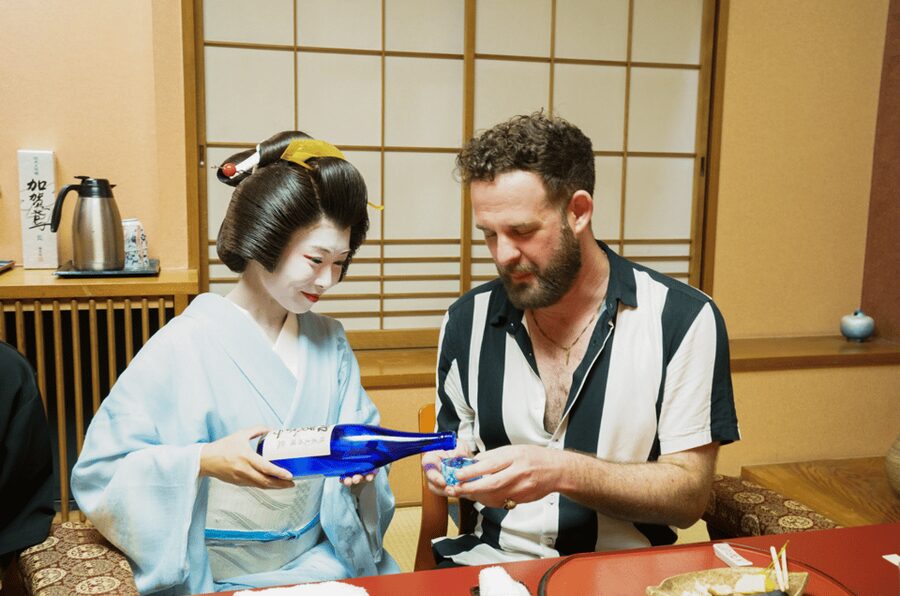
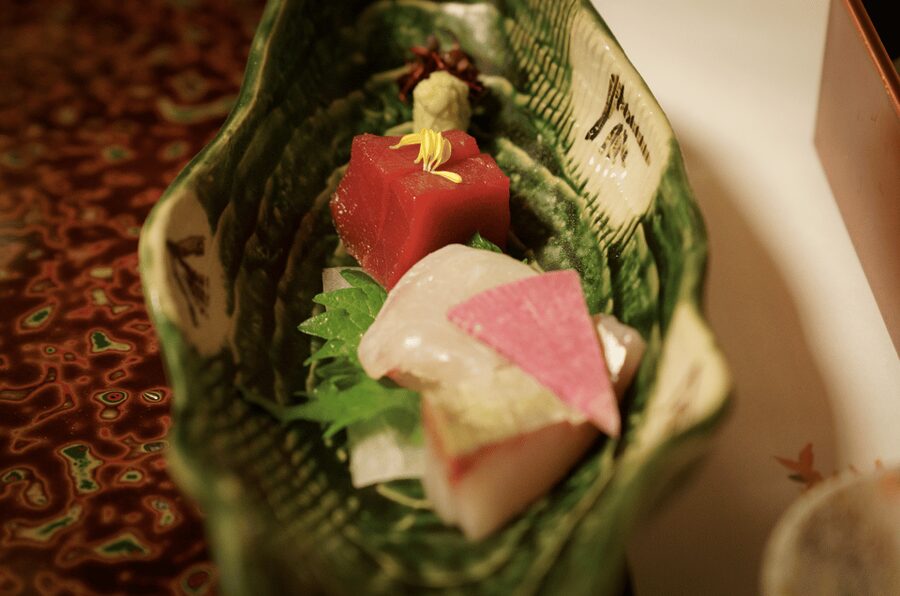
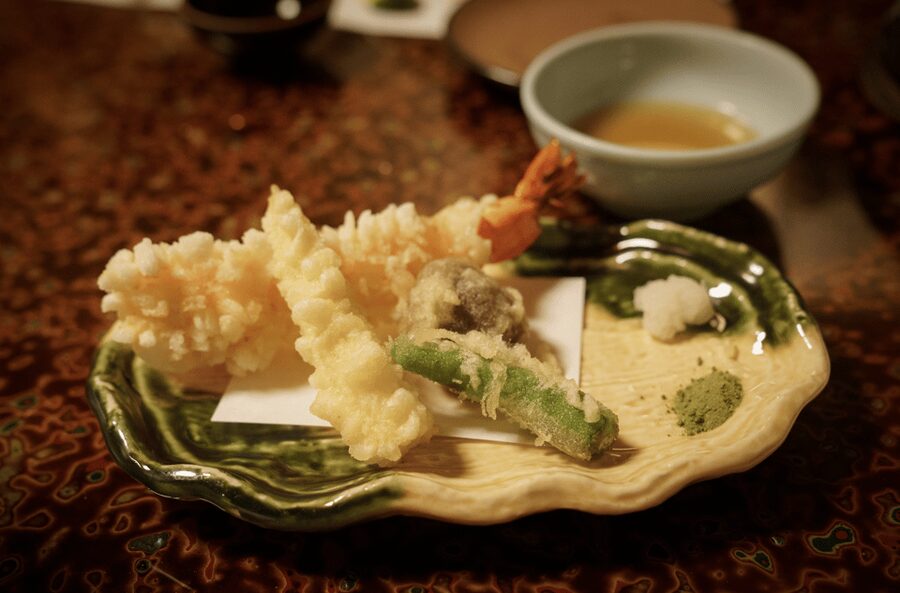
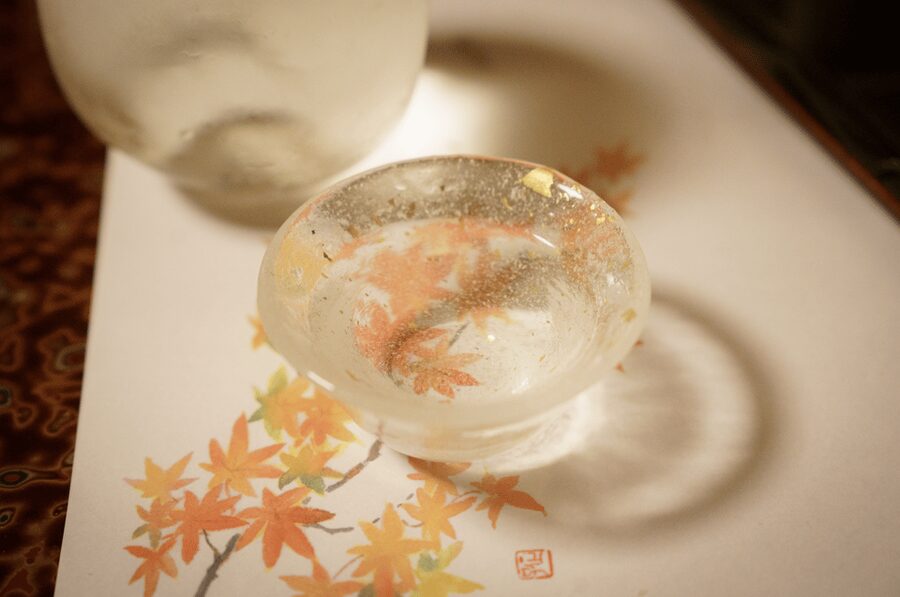
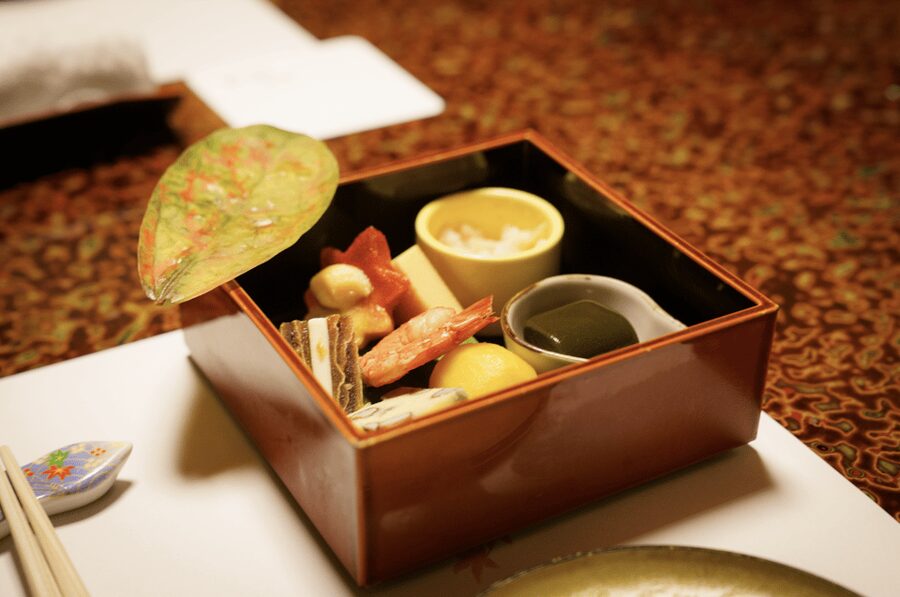
The restaurant portion takes about two and a half hours according to the schedule, with about two hours of company from the geiko or maiko. The meal is described as kaiseki style, meaning a series of carefully presented Japanese dishes rather than one large plate. Several accounts praise the food as delicious, attractive, and filling.
That combination makes the price easier to judge. You are paying for a meal, but not only for the meal. You are also paying for the performer’s time, the guide’s explanations, translation, and the small-group setting. Unlimited sake is included, which adds value for people who enjoy it. Extra food and drinks are not included, so do not assume every item ordered at the restaurant falls under the package.
One point worth improving is the food explanation. One diner wished the courses had been explained more clearly. That is fair criticism. Beautiful Japanese dishes can be difficult to appreciate if you do not know what you are eating or why it was served in that order. You can ask your guide for help, but the amount of detail may depend on the evening’s restaurant staff and guide.
The restaurant itself seems to contribute to the mood. The setting has been described as a tea house, with hospitable staff and an owner who joined the friendly atmosphere. Still, the exact restaurant experience can vary, so I would focus on the cultural program rather than book this only for a particular dining room.
A few more walks around Kyoto worth a look
- Osaka: Deep Backstreets Walking Tour with Dinner Option
★ 4.9 · 902 reviews - Marrakech: Authentic Moroccan Food Walking Tour & Dinner
★ 4.8 · 261 reviews - Athens at Night Small-Group Walking Tour with Dinner
★ 5.0 · 230 reviews - Hiroshima: Food and Culture Guided Walking Tour with Dinner
★ 4.9 · 212 reviews
Meeting the geiko or maiko
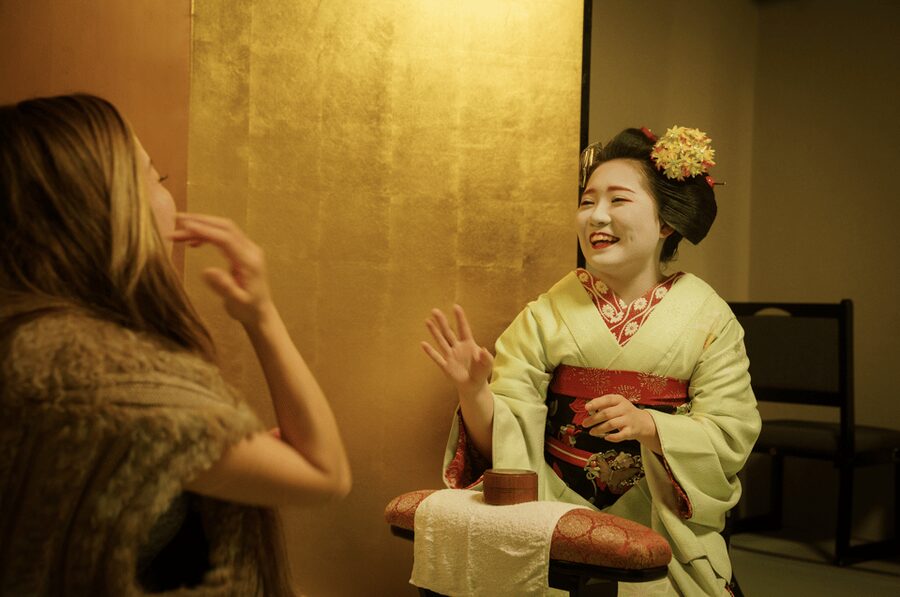
The performer is the heart of the evening. Depending on availability, you may meet a geiko or maiko who joins the meal, answers questions, performs traditional dances, and takes part in conversation and games.
Several specific details make this more than a short stage appearance. One maiko performed dances, answered questions openly, and played a game with the group. Another evening included a turn at Konpira, a traditional Japanese party game. Those moments give you a chance to interact rather than simply sit in silence while someone performs.
The dances are described as graceful and beautiful, but the conversation may be just as valuable. With the guide translating, you can ask about the performer’s life, training, and perspective. The guide’s role is crucial here. Without translation, you might admire the costume and movement but miss the personal side of the exchange.
You should also keep your expectations respectful. The experience offers access to a cultural tradition, not a staged fantasy version of Kyoto. The performer is working, and the formal setting matters. Your guide should help explain appropriate behavior, but listening carefully and asking thoughtful questions will improve the evening for everyone.
The strongest praise has gone to the geiko and maiko for being charming, open, and patient. One person described feeling humbled by the opportunity. That reaction makes sense. You are meeting someone who has spent years developing skills in dance, music, conversation, and ceremonial conduct.
The guides make or break the experience
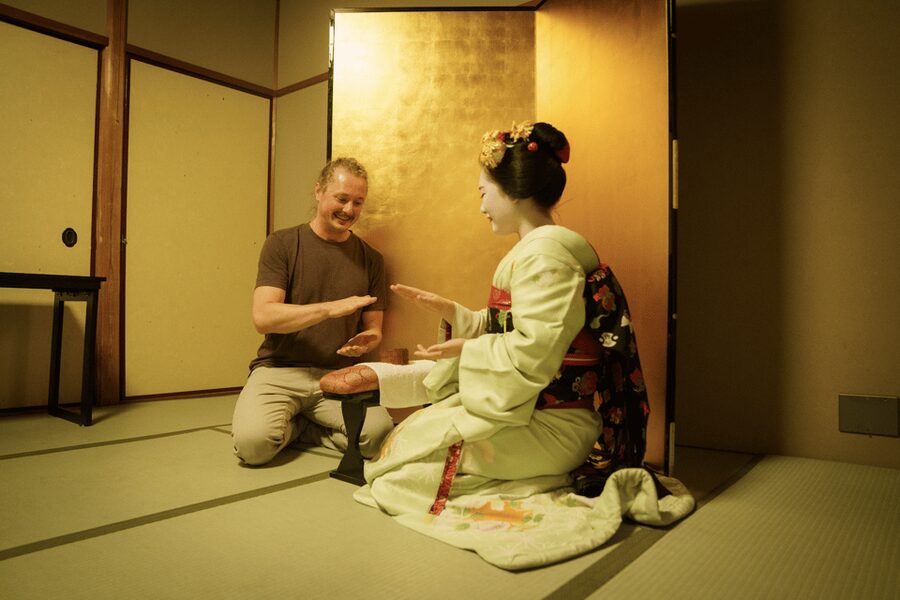
This tour depends heavily on the guide. The guide explains Gion, describes geiko traditions, manages the evening, and may translate between you, the performer, and restaurant staff. That is a lot of responsibility for one person.
The named guides receive unusually strong praise. Andi is repeatedly described as kind, funny, respectful, and full of useful information. Taiga is praised for energy, professionalism, and humor. Takuma is described as enthusiastic and fluent in English. Tomoko receives credit for making translation easier during the dinner. Soma and Moto are also described as clear and helpful.
You cannot choose every guide in advance, so I would not book on the assumption that one particular person will lead your group. Still, the repeated pattern suggests that Travel Japan Together understands the importance of interpretation. A guide who can explain both small customs and larger cultural ideas gives the night much more value.
This is also why the private group option may appeal to families or couples marking a special occasion. A private setting can make questions easier and may feel less formal. The supplied information does not specify the additional cost or exact private-group arrangements, so check those details before paying.
Is $257 per person a fair price?
At $257, this is not a budget activity. You can eat in Kyoto for far less, and you can walk through Gion without paying a tour fee. The value comes from combining several normally separate experiences in one evening.
Your price covers:
- A local guide and about 40 minutes of Gion orientation
- A kaiseki-style dinner
- About two hours with a geiko or maiko when available
- Traditional dance and conversation
- A cultural explanation in English
- Unlimited sake
That is a substantial package, especially if the performer spends much of the evening answering questions rather than appearing only for a quick dance. The dinner and sake also reduce the need to arrange another evening meal.
Still, the price is harder to justify if your main interest is sightseeing or food. The walk is short, the exact performer is not guaranteed, and extra food or drinks cost more. I would see this as a special cultural event, similar to paying for a performance and a hosted dinner together.
For a honeymoon, anniversary, first visit to Kyoto, or final night in Japan, the expense may feel worthwhile. For a longer trip with a tight daily budget, you may prefer to spend the money on several less costly activities.
Group size, timing, and practical comfort
The advertised duration is three hours. The plan begins near Cacao Market by MarieBelle Kyoto, includes roughly 40 minutes on foot, moves to a local restaurant for the main program, and finishes near FamilyMart. The end point is not the starting point, so plan your next stop accordingly.
The schedule is compact but sensible. The walk gives you context, and the dinner leaves most of the evening for conversation and performance. Because the program is hosted around a meal, it should feel less rushed than a short theater show.
The minimum group size matters. The operator requires at least four participants, and the tour may become difficult to run if that number is not reached as the date approaches. The same caution applies to the geiko or maiko appearance. Availability can change, and you should be prepared for notification if the performer cannot be arranged.
The experience is listed as wheelchair accessible, which is useful information, but I would still confirm the precise walking route and restaurant setup before booking if you use a wheelchair. Accessibility can depend on streets, entrances, seating, and restrooms, all of which are not described in detail here.
Free cancellation is available up to 14 days before the experience for a full refund. That deadline is strict enough that you should note it when planning a changing Japan itinerary.
Who will enjoy this Kyoto experience most?
I would recommend this to you if you want cultural context, personal conversation, and an unusual evening rather than a standard restaurant reservation. It suits people who enjoy asking questions and paying attention to etiquette, music, dance, and presentation.
It is also a strong choice if you are curious about the difference between a geiko and maiko but do not know where to begin. The guide gives you a respectful introduction without asking you to navigate the social rules alone.
Families with older children may appreciate the mix of food, stories, performance, and games. The private-group option could make the experience easier for families who want to keep the pace comfortable.
I would hesitate if you dislike sake, expect a long walking tour, or mainly want a large-scale performance. I would also think twice if the possibility of no geiko or maiko attendance would spoil the evening for you. That condition is clearly part of the booking, not a minor footnote.
Should you book the Gion geisha dinner?
Book it if you want one carefully planned Kyoto evening that combines Gion, a hosted dinner, traditional arts, and direct conversation with a geiko or maiko. The strongest reason to go is not the costume or the novelty. It is the chance to hear explanations, ask questions, and see how much training sits behind the polished performance.
At $257, I would reserve this for a meaningful night and budget for the possibility that availability can change. If you can accept that condition, the thoughtful guides, generous dinner format, unlimited sake, and extended time with the performer make this a strong choice for a first visit to Kyoto.
FAQ
Where does the tour start?
It starts at CACAO MARKET by MARIEBELLE KYOTO.
How long does the experience last?
The experience lasts three hours. The plan includes a Gion walk of about 40 minutes and a restaurant portion that is listed as approximately two and a half hours.
Is a geisha, geiko, or maiko guaranteed to attend?
No. Attendance depends on geiko and maiko availability. If the operator cannot arrange their attendance, it will notify you as early as possible.
What food and drinks are included?
The price includes a kaiseki-style dinner and unlimited sake. Extra drinks and food are not included.
Is the tour available in English?
Yes. The tour has a live English-speaking guide.
Can I cancel for a full refund?
Yes. You can cancel up to 14 days in advance for a full refund.
Does the tour require a minimum number of participants?
Yes. The group tour requires at least four participants.
More Dining Experiences in Kyoto
- Naples: Street Food Experience With 6 Stops
★ 4.7 · 392 reviews - Tirana: Local food experience & walking tour
★ 5.0 · 154 reviews - Bologna: Dinner, Wine & Tastings Walking Tour
★ 4.8 · 109 reviews
Just added around Kyoto
- Kyoto : Private Custom Walking Tour With A Local Guide★ 4.6 · 144 reviews
- Kyoto: Private 2.5 Hour Historical Walking Tour★ 4.9 · 121 reviews
- Kyoto: Private Walking Tour with a Local★ 4.6 · 118 reviews
- Kyoto: Gion Sunset Walking Tour with Local Guide★ 4.7 · 351 reviews
- Kyoto: Gion Walking Tour★ 5.0 · 195 reviews
- Kyoto: Izakaya Bars Guided Walking Tour★ 4.9 · 815 reviews
- Kyoto Gion Cultural Walk & Geisha Show with Dining Options★ 5.0 · 518 reviews
- Kyoto: Gion Hidden Gems & Geisha Culture Tour★ 4.9 · 126 reviews
Cultural Walking Tours, compared.

Savannah First Squares Culinary & Cultural Walking Food Tour
Read our review →
Tokyo Tsukiji Fish Market Food and Culture Walking Tour
Read our review →
New Orleans French Quarter, Voodoo and Culture Walking Tour
Read our review →

Anne Frank Walking Tour Amsterdam Including Jewish Cultural Quarter
Read our review →
Southernmost Food & Cultural Walking Tour by Key West Food Tours
Read our review →
Ultimate Melbourne Walking Tour: History, Laneways & Culture
Read our review →
Browse the lists this tour appears in