
Review · JAPAN WALKING TOURS
Osaka: Deep Backstreets Walking Tour with Dinner Option
Osaka has more stories than neon streets. This three-hour walking tour moves beyond the usual sights into retro game parlors, old markets, winding lanes, abandoned properties, and a preserved Taisho-Era red light district. I like the way it combines street food with serious social history, and I especially value the guides’ willingness to discuss subjects most city tours avoid, including yakuza, homelessness, sexism, illegal gambling, and sex work. The main drawback is clear: this is not a light family outing. Some subjects and locations may feel confronting, and the route requires punctuality and comfortable walking shoes.
The tour costs about $40 per person, with an optional dinner afterward. That is fair value if you want an informed guide to lead you through places you would be unlikely to find alone. Guide quality matters here, and the named guides praised most often include Knox, Nox, Rudy, Brian, Joseph, Bennett, Mari, Tommy, Taka, and Rutti. Each brings a slightly different personality, but the strongest common thread is humor, candor, and respect for local people.
Key points to know before booking
- This is Osaka beyond Dotonbori: Expect retro entertainment, back alleys, aging properties, and neighborhoods most sightseeing routes skip.
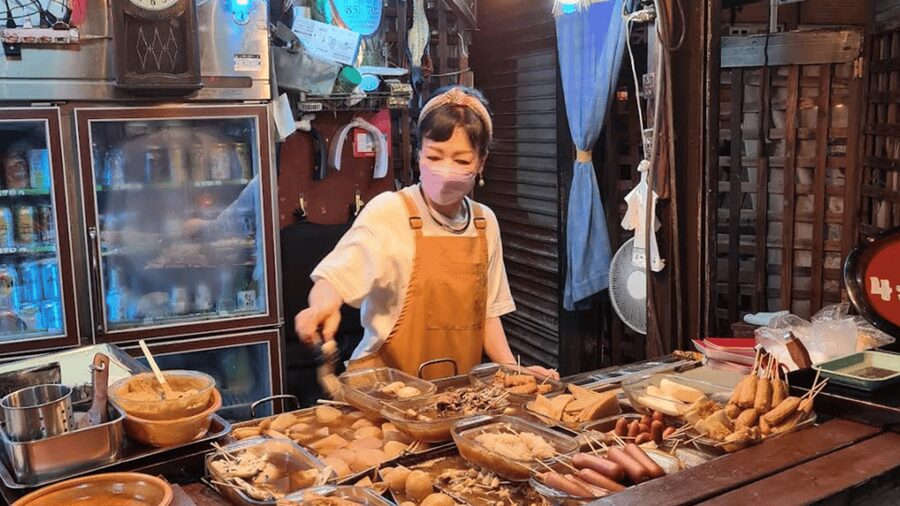
- Two local side dishes are included: You stop at two different stalls during the walk, while drinks cost extra.
- The red light district visit is optional: You can take that route or choose a separate path.
- The discussion is unusually frank: Topics include yakuza, pachinko, war, welfare, homelessness, sexism, sex work, and illicit businesses.
- The dinner option adds a social finish: A traditional restaurant meal follows the walking portion, but drinks are not included.
- Be on time: Once the group enters narrow, winding lanes, a late arrival cannot catch up.
Starting with retro Osaka after dark
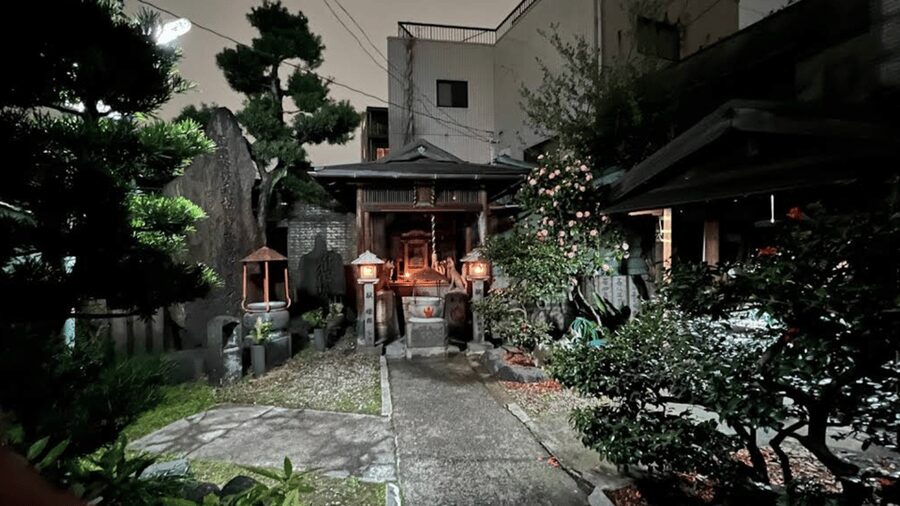
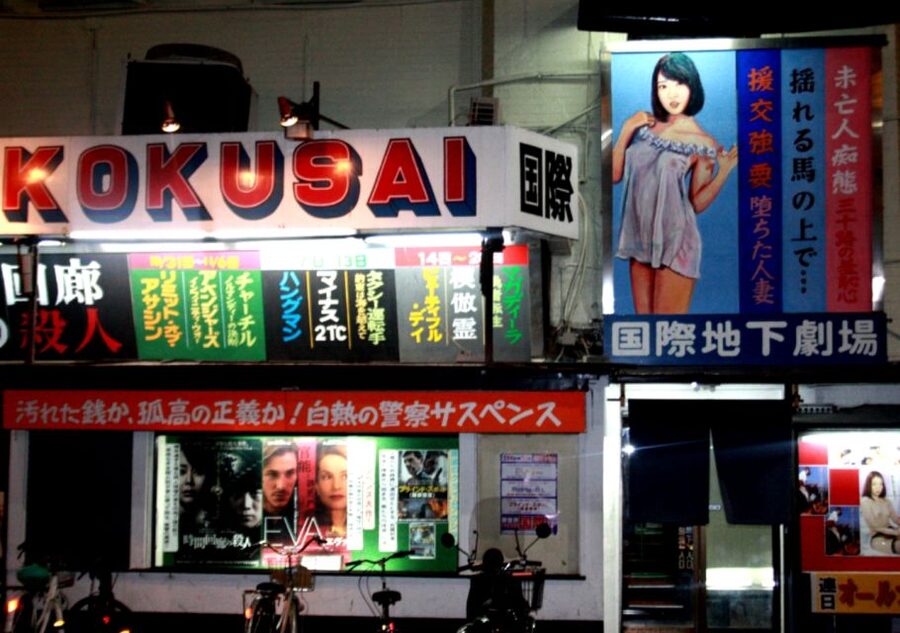
The first section gives you a feel for an older Osaka through places built around local entertainment. You may pass retro video game parlors, old-fashioned markets, unusual fishing restaurants, and an Osakan theater. These are not polished museum displays. The appeal comes from seeing how ordinary people spend an evening, with games, food, theater, and small shops all packed into an urban setting.
I like this opening because it helps you adjust your eyes. Osaka is often presented through giant signs and famous food streets. Here, the guide points out the smaller forms of entertainment that make the city feel lived-in. A game arcade or market can say more about local habits than another standard viewpoint.
The guides also use this early part of the walk to explain how the surrounding districts function. The tone is conversational rather than lecture-heavy. Several guides have been praised for making the evening feel like a chat among friends, while still answering difficult questions directly.
That personal approach matters. This tour depends less on grand monuments and more on context. A lane, storefront, theater, or vending machine becomes interesting because the guide explains its place in Osaka’s social life.
A few more walks around Japan worth a look
- Kyoto Gion Cultural Walk & Geisha Show with Dining Options
★ 5.0 · 518 reviews - Hiroshima: Food and Culture Guided Walking Tour with Dinner
★ 4.9 · 212 reviews - Kyoto: Geisha Dinner & Gion Cultural Walk
★ 5.0 · 73 reviews
Back alleys, small bites, and local atmosphere
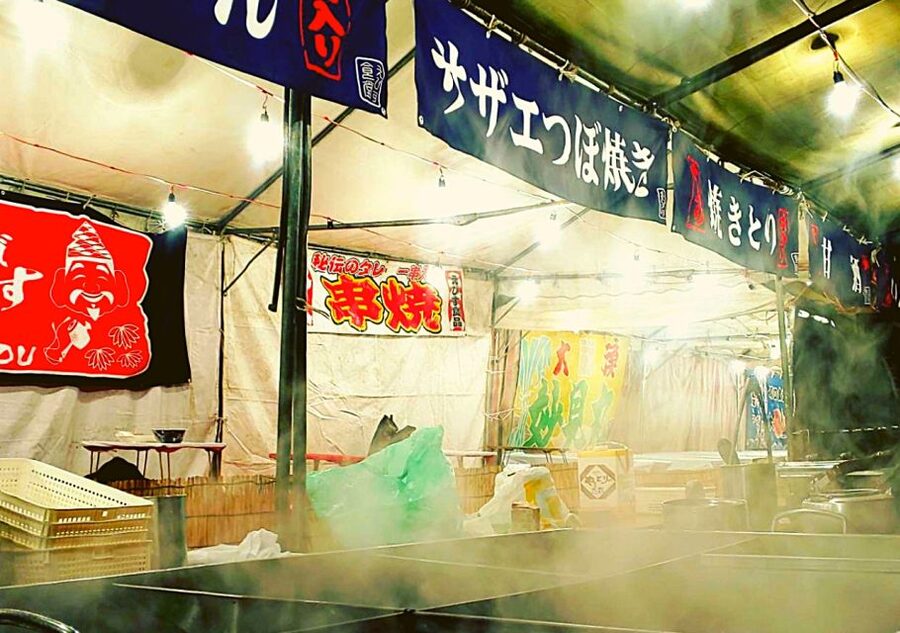
The route then turns into narrow back alleys where the city feels less arranged for outsiders. You stop at two stalls for two side dishes, giving you a chance to taste local food without committing to a full restaurant meal at every corner.
The food is a useful part of the tour, but it is not a full food crawl. You receive two side dishes, and drinks are not included. Think of these stops as small pauses that connect the food to the neighborhood rather than as a long series of tastings.
Past participants have described snacks such as fried chicken and local drinks, though the exact choices can vary. One particularly unusual detail is the chance to purchase alcohol from a street vending machine. That is the kind of small observation you might miss if you were simply walking from one major attraction to another.
The back alleys also give the guide room to talk about the people and businesses around you. The best guides, including Knox, Rudy, Brian, and Joseph, have been praised for mixing jokes with necessary seriousness. That balance is useful here. The area is not presented as a spooky curiosity or a stage set for foreign visitors. You are asked to look at it as part of Osaka, with its ordinary life, hard problems, and long history.
The abandoned properties and Osaka’s less polished side
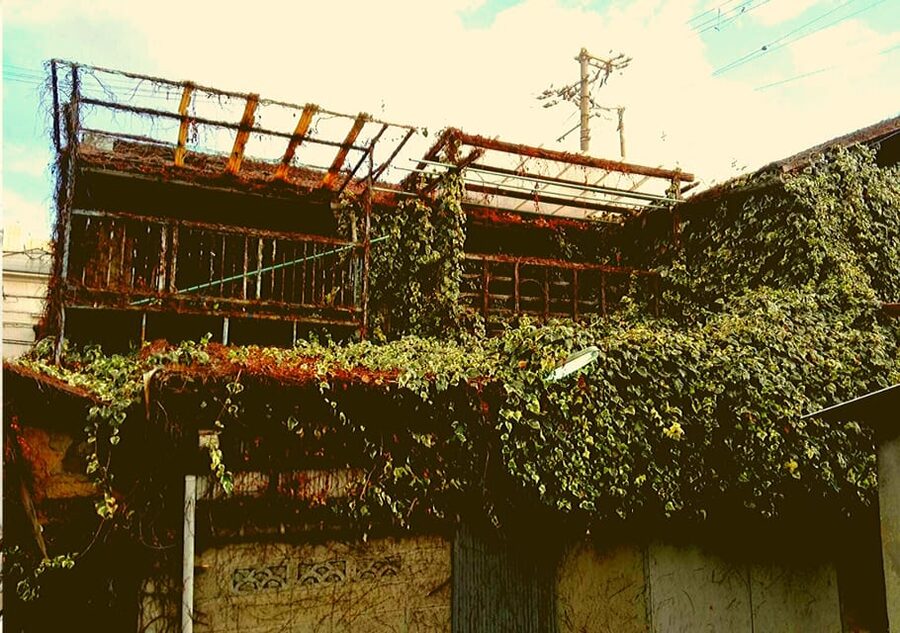
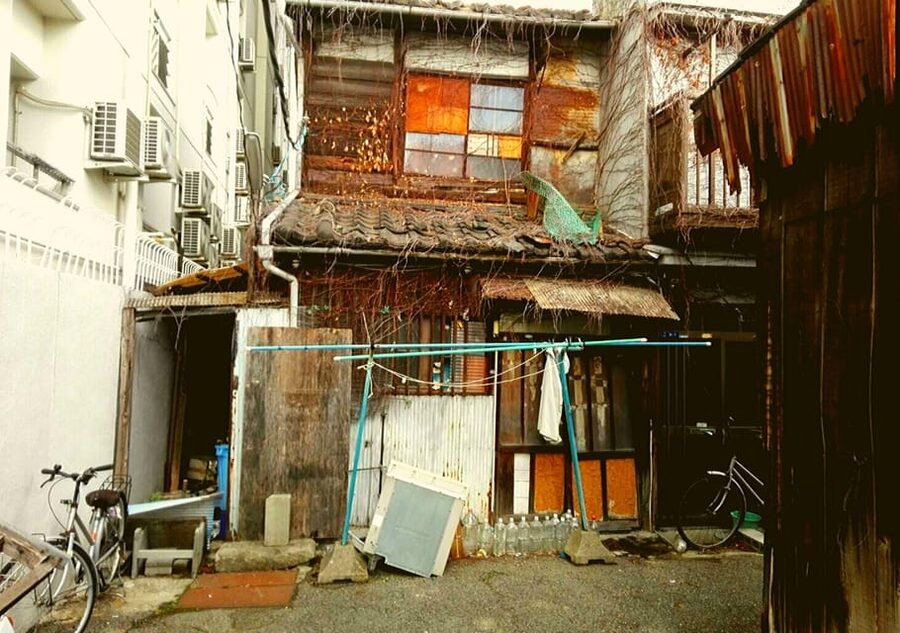
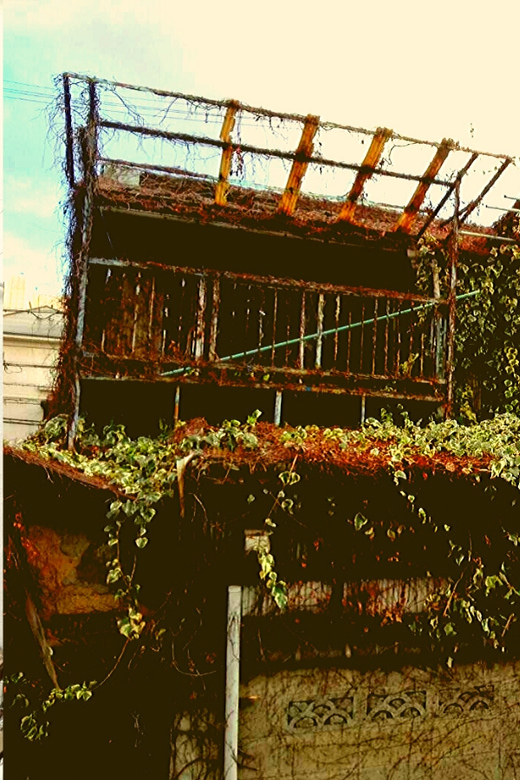
One of the most striking parts of the route is an area filled with untouched, abandoned properties. These buildings create a surreal contrast with the busy city nearby. You may find it hard to believe that such quiet, deteriorating spaces exist so close to Osaka’s better-known districts.
The guide explains the controversial past connected with this area. The value is not simply in seeing empty buildings. You gain a clearer sense of how economic change, social exclusion, poverty, and public policy can shape a neighborhood over time.
This is also where the tour asks for some maturity. The walk does not turn hardship into entertainment, and the guides are expected to treat local residents with respect. The route does not go through the homeless district. If people who are homeless happen to use the same streets, the guide’s stated approach is respectful and discreet.
I appreciate that distinction. There is a fine line between learning about neglected areas and treating them as scenery. The strongest moments come when the tour makes you think about how Osaka operates, not when it simply points at something unusual.
You should also expect a slower, more observant pace in parts of the route. The walking itself is manageable for many people, but the tour is not suitable for people with mobility impairments, pregnant women, or children under 16. The activity information also describes it as wheelchair accessible, so anyone needing accessibility support should confirm the exact route and meeting point before booking.
Choosing the Taisho-Era red light district route

Near the end of the walking portion, you can choose to pass through a traditional red light district preserved from the Taisho Era, or take a separate route. The choice is important because the subject matter is frank and the setting may feel uncomfortable for some people.
The area contains historically important buildings described as UNESCO-listed and significant to Osaka culture. The tour uses the district to discuss how sex work, gender, business, social class, and local attitudes have shaped the city. You are not simply shown a row of old buildings and sent on your way.
This section will suit you if you want a fuller picture of Japan rather than an idealized one. It will not suit everyone. The tour openly addresses sexism, illegal businesses, yakuza connections, sex work, and other taboo subjects. If you prefer architectural sightseeing without social commentary, take the alternate route or choose another tour.
The best guide behavior here is respectful explanation. Tanja’s guide, Tim, was praised for explaining the area clearly and treating the people and places with care. Other guides, including Rudy and Bennett, were praised for helping visitors understand parts of Japanese society that are often ignored. That is the difference between an informed walk and a sensational one.
Photography should be handled with restraint. The supplied information does not set out a detailed photography policy, so follow your guide’s instructions and avoid photographing people, private properties, or sensitive businesses without permission.
Same streets, a different way to see them:
- Kyoto Geisha Walking Tour: Gion District & Hidden Gems
★ 4.7 · 3,273 reviews - Tokyo Tsukiji Fish Market Food and Culture Walking Tour
★ 5.0 · 3,184 reviews - Kyoto: Gion Magical Night Walking Tour with Geisha Trivia
★ 4.9 · 2,393 reviews - Tokyo: Imperial Palace and Shogun Historical Walking Tour
★ 5.0 · 2,251 reviews
The optional dinner and why it improves the evening
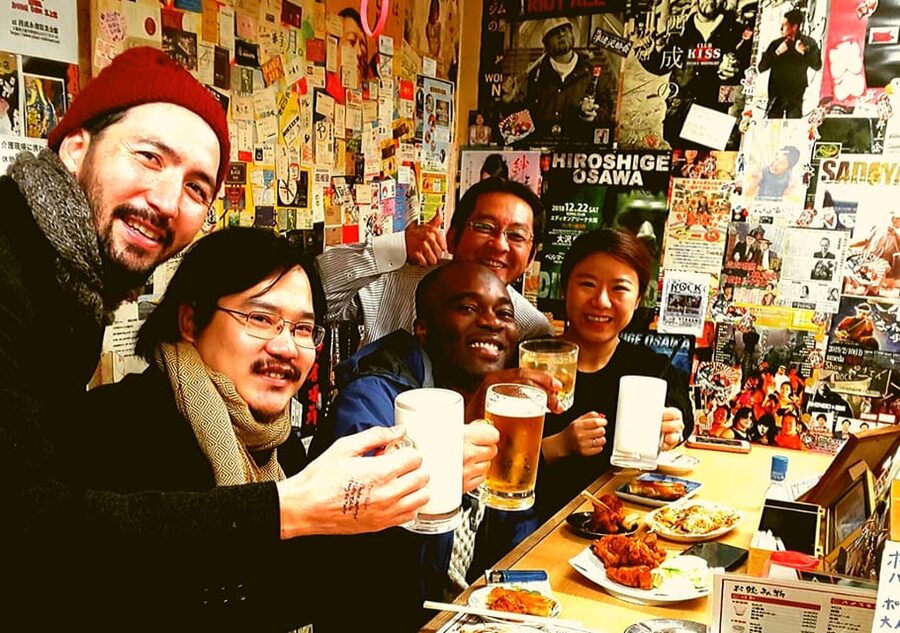
The dinner option takes place after the walking tour at a traditional restaurant. It is not required, but I think it adds real value if you enjoy discussing what you have seen while the information is still fresh.
The meal has been described as a good-quality spread with Japanese dishes, along with items such as pasta, fried chicken, beef soup, and dessert. The exact menu may differ, so do not book it expecting one fixed set of dishes. Drinks are not included and should be budgeted separately.
Dinner also gives the group a relaxed ending. Several guides have been praised for choosing a good restaurant and continuing the conversation after the walk. If you are traveling alone, this option can be especially worthwhile because the evening does not end abruptly in an unfamiliar neighborhood.
Still, the dinner is best viewed as a pleasant add-on rather than the main reason to book. The heart of the experience is the walk and the guide’s interpretation of Osaka. If you already have restaurant plans or are watching your budget, you can skip dinner without losing the central experience.
Guide quality, tone, and group experience
This tour appears to use several English-speaking guides rather than one fixed host. Names that come up often include Knox, Nox, Rudy, Brian, Joseph, Bennett, Rutti, Mari, Tommy, Taka, Tim, and Minori. Some are native English speakers, and the most praised qualities are clear speech, humor, personal experience of living in Osaka, and an ability to handle unusual questions.
That last point is important. You may hear stories that are difficult to verify as hard fact, along with local anecdotes and personal observations. One guide was described as a gifted storyteller who could spin a yarn, while another added a snack, drink, and quiz-like element to the evening. Enjoy the storytelling, but keep a sensible distinction between documented history, local lore, and a guide’s interpretation.
The mood is usually low-key and social. The tour can feel like a small group conversation rather than a formal history lesson. That makes it easier to ask about taboo subjects, but it also means the experience will reflect the personality of your guide.
If you want an exact academic treatment of Osaka’s past, this may feel informal. If you want a human explanation of complicated neighborhoods, the relaxed format works well.
Price, timing, and practical value
At $40 per person, the tour is reasonably priced for three hours, two food samples, and a professional English-speaking guide. The dinner option adds food and company, though the supplied information does not give a separate dinner price, so check the total when selecting your booking.
The value is strongest for first-time visitors who want access to areas they would not comfortably locate alone. It is also useful if you have already seen Osaka’s major sights and want to understand the city’s social contrasts.
Three hours is long enough to cover several districts without turning the evening into an exhausting full-day walk. Wear comfortable shoes. High heels are not allowed, and narrow lanes make footwear a practical issue rather than a style choice.
Punctuality is non-negotiable. The tour enters winding alleys where it would be nearly impossible to find the group later. The meeting point may change depending on the option you book, so check it carefully and allow extra time to arrive.
The activity offers free cancellation up to 24 hours before departure and a reserve-now, pay-later option. These policies are useful if your Osaka schedule is still shifting, but they do not reduce the need to arrive on time once you have booked.
Who should book this Osaka walking tour?
I would choose this tour if you are curious, open-minded, and comfortable discussing difficult parts of society. Solo visitors, couples, and older teenagers over 16 who enjoy candid cultural conversations are likely to get the most from it.
It is particularly good for you if:
- You have already seen Osaka Castle, Dotonbori, or the standard food districts.
- You want a guide to explain social issues, not just point out buildings.
- You enjoy unusual neighborhoods and small food stops.
- You are comfortable with references to sex work, yakuza, homelessness, war, sexism, and illegal gambling.
- You want an optional restaurant dinner with the group afterward.
I would skip it if you are traveling with young children, want a cheerful food-only evening, or feel uneasy entering a former red light district. The tour is respectful, but respectful does not mean sanitized.
Should you book the Deep Backstreets Walking Tour?
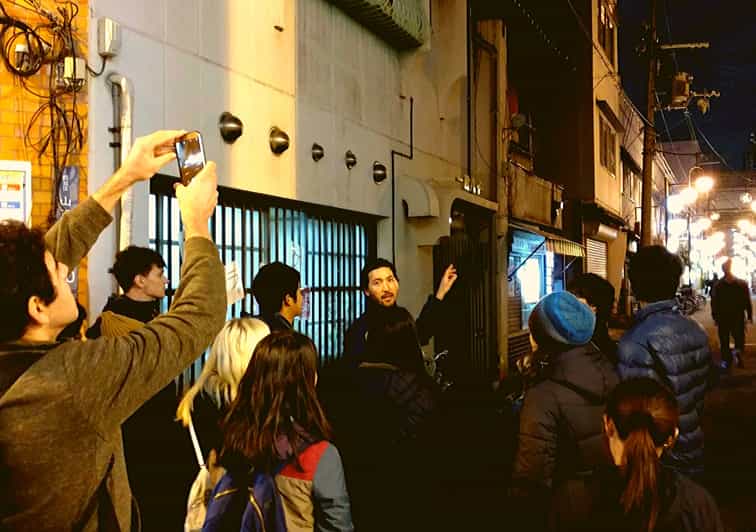
Book it if you want Osaka with the polish removed. The tour offers unusual streets, two local side dishes, a preserved red light district option, and guides who are willing to discuss subjects most sightseeing tours avoid.
The strongest reason to go is not the abandoned buildings or even the food. It is the explanation connecting those sights to real life in Osaka. At its best, the tour leaves you seeing the city with more questions, more context, and fewer easy assumptions.
Choose the dinner option if you like lingering conversations and want a simple finish to the evening. Arrive early, wear sensible shoes, and keep an open mind. If you want only famous sights and uncomplicated entertainment, spend your $40 elsewhere. If you want an honest, sometimes uncomfortable look at Osaka, this is a strong choice.
FAQ
How long does the Osaka Deep Backstreets Walking Tour last?
The tour lasts three hours, or 210 minutes. The optional dinner takes place after the walking portion and is separate from the main route.
What food is included?
You visit two stalls and receive two local side dishes. Dinner is included only if you select the dinner option. Drinks are not included.
Is the red light district visit required?
No. You can choose to walk through the Taisho-Era red light district or take a separate route.
What topics does the guide discuss?
The tour may cover yakuza, sexism, war, illegal gambling, pachinko, homelessness, welfare, sex work, and illicit businesses. The guide presents both positive and difficult sides of Osaka and Japan.
Is the tour suitable for children?
No. It is not suitable for children under 16. It is also not suitable for pregnant women or people with mobility impairments.
What should I wear and bring?
Wear comfortable shoes. High-heeled shoes are not allowed. Arrive on time because the group enters narrow, winding alleys and cannot accommodate late arrivals.
Just added around Japan
- Tokyo: Asakusa & Sensoji ー Oldest Temple Walking Tour (2hrs)★ 5.0 · 213 reviews
- Asakusa Senso-ji Temple and Old Tokyo Walking Tour★ 5.0 · 560 reviews
- Asakusa Cultural Walk & Matcha Making Tour★ 5.0 · 245 reviews
- Tokyo: Tsukiji Market Walking Tour & Sushi Cooking Class★ 4.6 · 122 reviews
- Tokyo: Dark Side of Tokyo Shinjuku Red Light Walking Tour★ 4.7 · 862 reviews
- Tokyo: Shinjuku Nightlife & Secret Backstreets Walking Tour★ 4.8 · 229 reviews
- Tokyo: Shibuya Highlights Walking Tour★ 4.8 · 601 reviews
- Tokyo: Shibuya Highlights Walking Tour & Secret View Spot★ 4.9 · 196 reviews
Japan Walking Tours, compared.
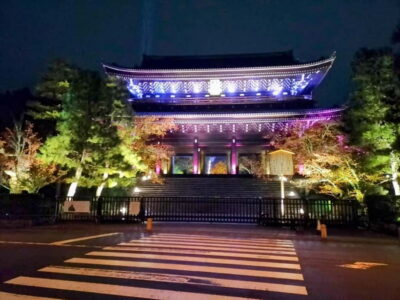
Kyoto Geisha Walking Tour: Gion District & Hidden Gems
Read our review →
Tokyo Tsukiji Fish Market Food and Culture Walking Tour
Read our review →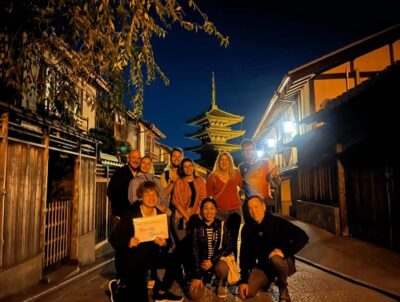
Gion Magical Night Walking Tour with Geisha Trivia
Read our review →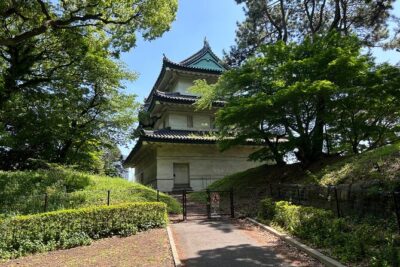
Imperial Palace and Shogun Historical Walking Tour
Read our review →
Gion Geisha District Walking Tour – Stories of Geisha
Read our review →
Best of Kyoto: Gion, Geisha, Pagodas & Cobblestones
Read our review →
Shinjuku Local Bar and Izakaya Guided Walking Tour
Read our review →Browse the lists this tour appears in