
Review · HISTORY WALKING TOURS
Liverpool: A Walk Through Time: Full History Walking Tour
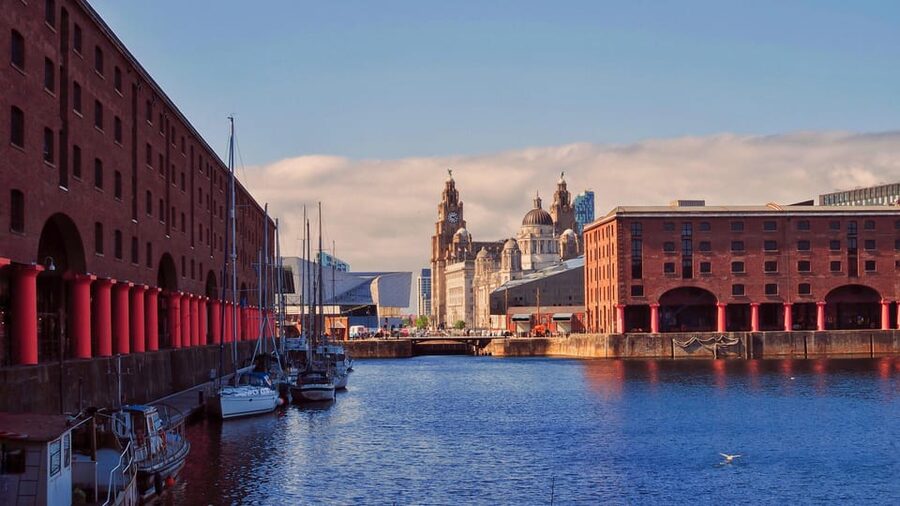
Liverpool’s story is bigger than The Beatles. This two-hour walk follows the city from its medieval beginnings in 1207 to its rise as a major port and the second city of the British Empire. I especially like the way the tour links Liverpool’s buildings to its economic past, rather than treating each landmark as an isolated photo stop. I also like that the guide encourages questions and explains how local events connect with wider British and world history.
The main consideration is pace. You cover a lot in two hours, with several stops and a broad time span. That makes this an excellent first look at Liverpool, but you should not expect long interior visits or a detailed examination of every site. The tour is strongest as a city orientation, led by a guide who can turn streets and façades into a clear story.
Key points before you book
- Liverpool’s history in one route: Follow the city’s growth from a medieval trading town to a major maritime centre and modern city.
- Academic guidance: The tour is led by an English-speaking local guide with serious historical training. John, who has a PhD in imperial and maritime history, receives especially strong praise, though Dave has also led highly rated departures.
- Major landmarks included: See the Royal Liver Building, the waterfront, Royal Albert Dock, Liverpool ONE, the Parish Church, Chapel Street, and Castle Street.
- A useful first-day activity: The route gives you context before you visit museums, galleries, docks, or Beatles-related sights on your own.
- Good value at $22: You receive about two hours of live guiding across central Liverpool, with the cost coming to roughly $11 per hour before considering the planning time saved.
- Easy booking terms: The tour is wheelchair accessible, runs in English, allows cancellation up to 24 hours before departure for a full refund, and offers reserve now, pay later booking.
Why Liverpool’s past needs a walking tour
Liverpool can look like a collection of handsome buildings, wide streets, docks, and modern shopping areas. The useful part of this walk is learning how those pieces fit together.
The tour begins with Liverpool in 1207, when it was a small medieval settlement. From there, the guide follows the city’s gradual rise through trade, shipping, industry, transport, empire, and modern redevelopment. That broad timeline gives you a better sense of why Liverpool grew where it did and why the waterfront became so important.
I like this approach because Liverpool’s story is not only about famous people or famous music. It is also about geography, technology, commerce, migration, and the changing use of the river. Several people who took the walk found the connections between local events and wider world history especially useful. That is the kind of context you may miss if you simply walk from one attraction to the next with a map.
The guide’s delivery matters here. The strongest praise is reserved for clear explanations, good pacing, dry humour, and a willingness to answer detailed questions. John is singled out often, but the experience is sold with a live local guide rather than a guaranteed named guide. Dave has also led a well-regarded tour.
More History Walking Tours in the UK
- A History of Terror – Belfast City Centre Walking Tour
★ 5.0 · 2,883 reviews - Edinburgh: Old Town History and Tales Walking Tour
★ 4.8 · 2,361 reviews - Old Town Walking Tour History and Tales in Edinburgh
★ 5.0 · 2,168 reviews
Meeting the guide at the Royal Liver Building
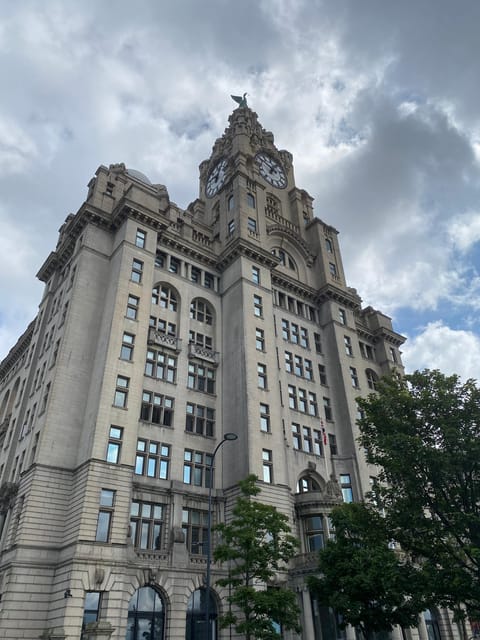
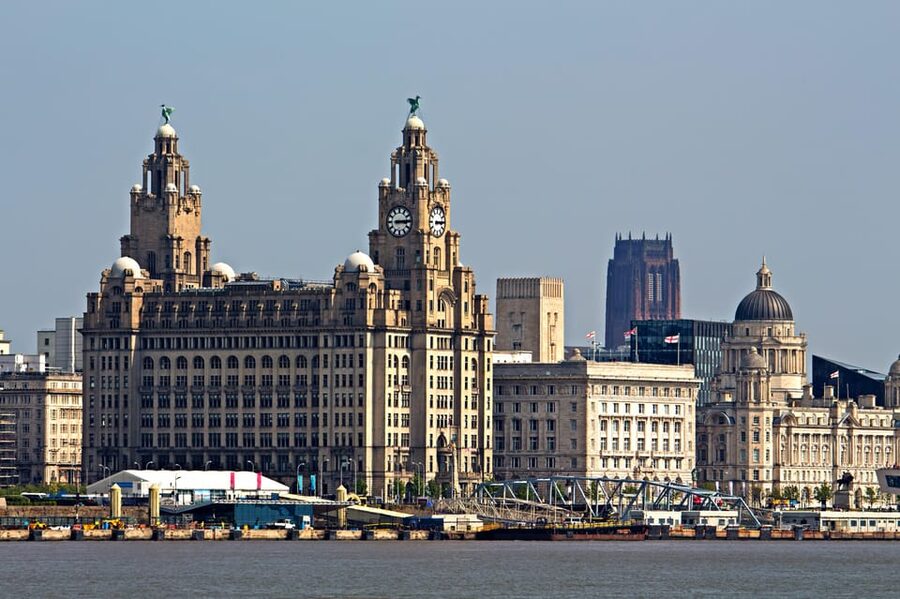
You meet outside the Royal Liver Building entrance facing the river, by the black gate. This is a sensible starting point because the building is one of Liverpool’s most recognizable landmarks and gives the group an immediate visual anchor.
The location also puts you beside the waterfront at the beginning of the walk. You do not spend the first part trying to find an obscure meeting point in a side street. Still, arrive with enough time to identify the correct entrance, especially since there are prominent buildings and several waterfront approaches nearby.
The tour is listed as two hours, with the main guided walk described as 110 minutes and individual stops fitted into that overall period. The published stop times add up to more than two hours if read separately, so treat them as approximate portions of one continuous route rather than fixed, independent visits.
The group may include local residents and international visitors. One recent departure had 10 people, but no fixed group size is provided. The guide speaks English, and the activity is wheelchair accessible.
The Royal Liver Building and Liverpool’s waterfront
The Royal Liver Building is an ideal place to begin because it immediately introduces Liverpool’s maritime and commercial identity. Your guide explains its history before leading you along the waterfront, where the city’s relationship with the river becomes easier to understand.
This part is valuable even if you already recognize the building from photographs. A guide can point out architectural details and explain why the waterfront buildings matter as a group, not just as individual landmarks. One of the most useful habits encouraged on the tour is looking above street level. Details on façades can tell you about a building’s purpose and the confidence of the city during its commercial peak.
The waterfront section also helps place Liverpool in a wider story. The city’s growth was tied to shipping, trade, and connections far beyond Merseyside. You are not simply hearing dates. You are being shown the physical setting that made those developments possible.
The drawback is that this is an outdoor walking tour, so the experience depends on conditions. One departure took place on a cold day, yet the guide kept the group engaged and checked that everyone was comfortable. Even so, wear suitable clothing and shoes. There is no promise of extended shelter at every stop.
Liverpool Parish Church and the Old Hall Chambers
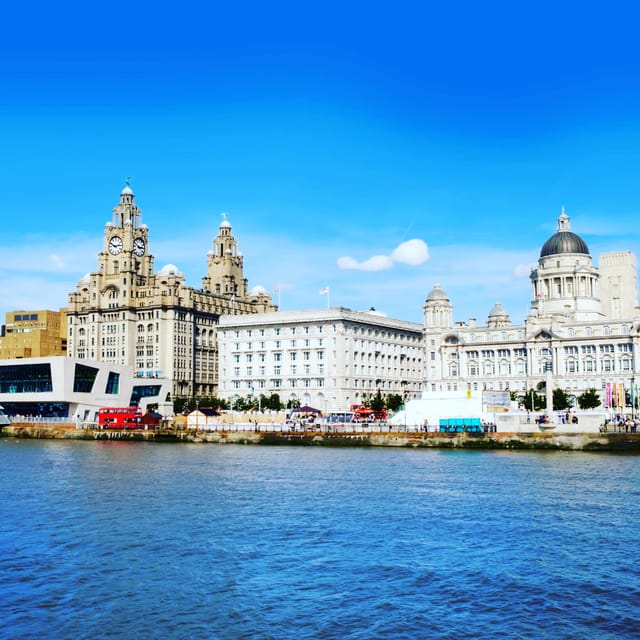
The route continues toward Liverpool Parish Church, also known as Our Lady and Saint Nicholas, and the nearby gardens. This section adds an older layer to the waterfront story.
The church helps you picture Liverpool before the grand commercial buildings and dock redevelopment that define much of the central area today. The gardens offer a change of pace from the larger streets and open waterfront. Here, the guide can connect the city’s early foundations with its later expansion.
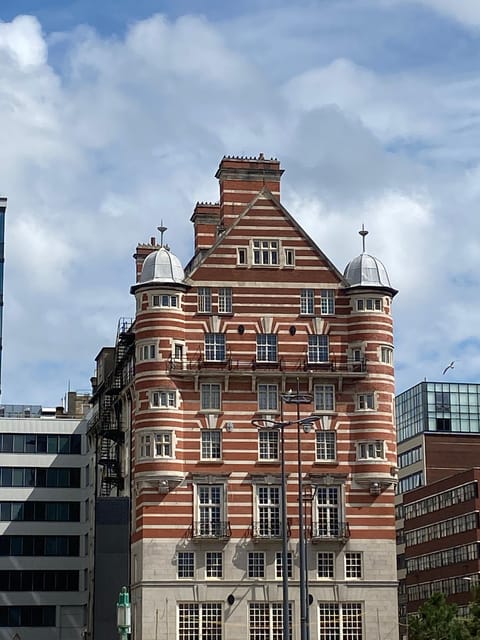
The Old Hall Chambers add another historic location to the walk. This is where the tour’s emphasis on buildings becomes especially useful. You might pass a structure like this on your own and register only its age or appearance. With a trained guide, you get a clearer explanation of how older civic and commercial spaces fit into Liverpool’s development.
This is also a good point for questions. The guide’s role is not limited to reciting a prepared speech. Past departures have been praised for detailed answers, and the tour is designed to work for different ages and levels of prior knowledge. A teenager who begins with little interest in history may still find the linked stories easier to follow than a long museum label.
Same streets, a different way to see them:
- Magical London: Harry Potter Guided Walking Tour
★ 4.7 · 22,044 reviews - Edinburgh: Harry Potter Magical Guided Walking Tour
★ 4.8 · 11,944 reviews - Edinburgh Castle: Guided Walking Tour with Entry Ticket
★ 4.7 · 11,699 reviews - Underground Vaults Walking Tour in Edinburgh Old Town
★ 4.5 · 8,506 reviews
Chapel Street, Castle Street, and the civic city
Chapel Street and Castle Street shift the focus from the river to the civic and commercial heart of Liverpool. The walk takes you past the Town Hall and the Queen Victoria Monument, with the guide explaining how the city’s public spaces reflect its changing status.
Castle Street is particularly useful as a closing section because it shows the city in a grander civic register. Liverpool was no longer simply a small port settlement. Its public buildings and monuments express the wealth and ambition gained through trade and maritime activity.
The Queen Victoria Monument gives the guide a chance to discuss Liverpool’s imperial age and its place within the wider British story. This subject needs careful explanation, and the tour appears to treat it as part of the city’s full past rather than presenting a polished postcard version. The walk’s strength is that it includes both achievement and historical context.
You will spend much of this part listening while standing on public streets. That is normal for a city history walk, but it may be tiring for anyone who prefers frequent indoor seating. The guide’s pace has been praised as manageable, yet the tour still covers several central areas in a short time.
Liverpool ONE and the Old Dock
Liverpool ONE brings you into the modern city. This large shopping and leisure district is easy to see as a completely contemporary space, but the tour uses it to explain what came before.
The Old Dock is the key historical link here. Its inclusion helps show how Liverpool’s dock system developed and how the city adapted its waterfront over time. You get a useful contrast between present-day retail space and the older commercial infrastructure beneath the modern centre.
I appreciate this part because it prevents the tour from stopping in the past. Liverpool’s story continues through redevelopment and changing patterns of work, shopping, and public life. The guide helps you see the city as an evolving place rather than a museum frozen at its maritime peak.
The Liverpool ONE stop is relatively brief, listed at about 10 minutes. Do not expect a shopping break or free time. It is a guided history stop, so save your browsing for later.
Royal Albert Dock and the return toward the centre
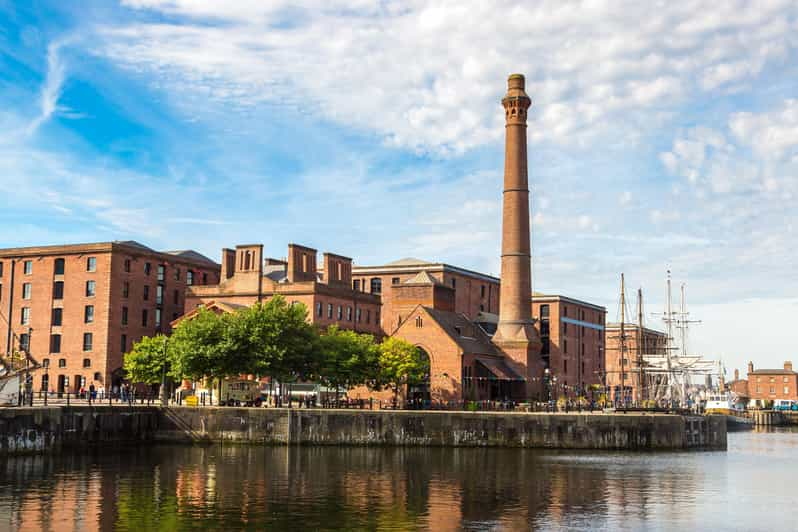
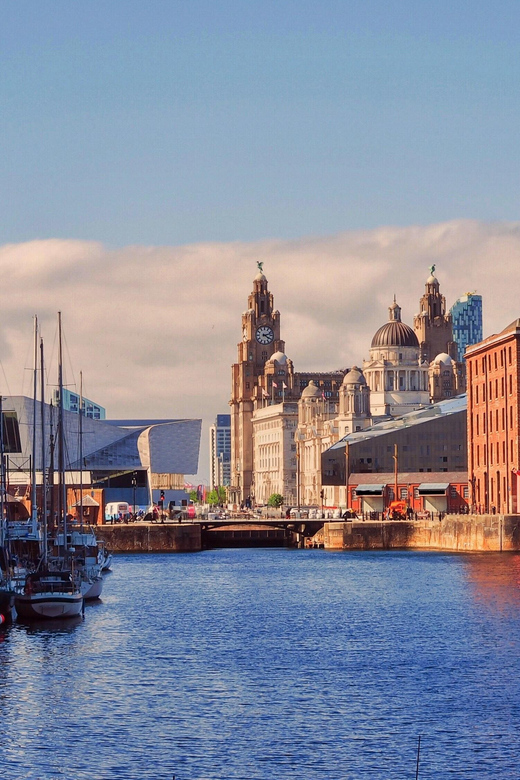
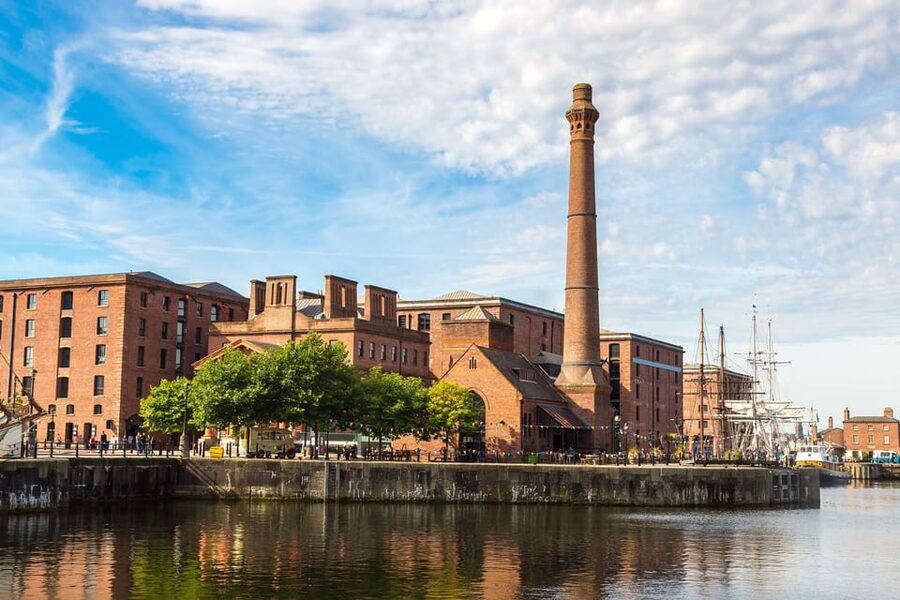
Royal Albert Dock is one of the route’s major highlights. The dock gives you a strong visual sense of Liverpool’s maritime identity, with large waterfront spaces and historic structures that are easy to appreciate on foot.
This is where earlier explanations about trade and shipping come together. Instead of hearing only that Liverpool was important, you can see the scale and setting associated with that importance. The guide’s job is to explain how the dock fits into the city’s rise and later changes.
The route’s published plan places the Royal Albert Dock after Liverpool ONE, followed by the return through the central historic areas. The tour begins at the Royal Liver Building and finishes on Castle Street, so you should plan your next activity from the city centre rather than assume you will end at the exact starting gate.
The dock is also a good place to pause for photographs, though the tour is not designed as a photography session. If you want interior visits, allow separate time for them after the walk.
A guide who connects dates, buildings, and people
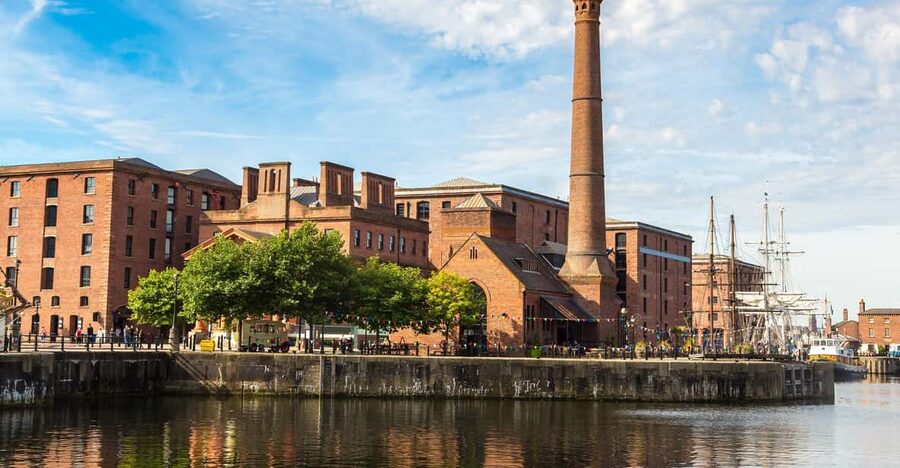
The most praised part of this experience is the guiding. Across the available feedback, the repeated themes are clear speech, strong command of Liverpool’s past, enthusiasm, humour, and patient answers.
John receives especially warm praise. He is described as holding a PhD in imperial and maritime history, and his background suits a tour that covers Liverpool’s role in global trade. Several people also valued his practical recommendations after the walk, including suggestions for places to eat scouse and other local spots.
That local advice can make the tour more useful than a simple history lesson. One person followed a recommendation for a pub serving scouse after the tour and enjoyed it. You should still treat food suggestions as personal guidance rather than part of the booked activity, since no meal is included.
The guide also helps with details you might otherwise miss. One departure was praised for drawing attention to architectural features high above street level. Another was valued for connecting dates and events to the buildings in front of the group. That is exactly what I want from a walking tour: not just facts, but a better way to read the city.
The experience is not a silent or self-guided walk. You need to be comfortable listening in public places and moving with a group. The payoff is the chance to ask questions as they arise.
Is $22 good value?
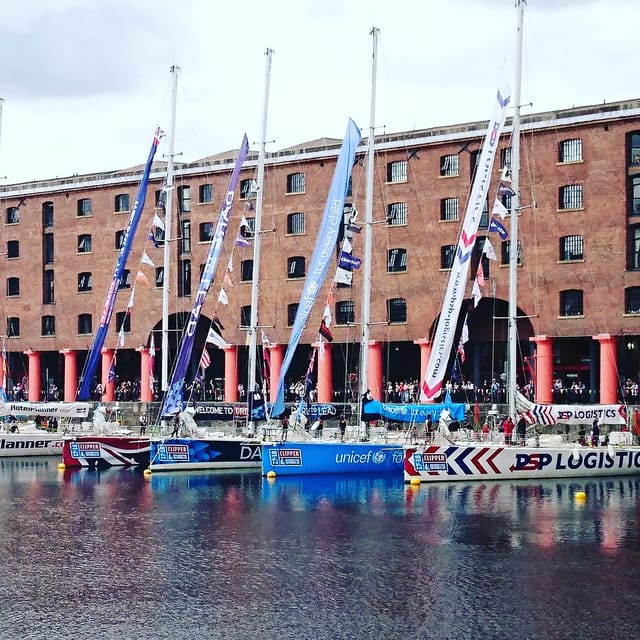
At $22 per person, this is a strong value if you want a broad introduction to Liverpool. You get a live English-speaking guide, about two hours of city walking, and a route that covers the waterfront, old civic streets, docklands, and modern central areas.
The real value is the structure. You could visit these areas without paying, but you would need to research Liverpool’s chronology, identify the relevant buildings, and work out how the sites connect. The tour does that work for you in a compact format.
It is especially good value for a first visit or a short stay. You can use what you learn to decide where to spend more time afterward. It also suits returning visitors who know Liverpool’s famous attractions but want a clearer explanation of the city’s earlier development.
The price is less compelling if you only want photographs of the waterfront or if you prefer to explore at your own speed. In that case, a free self-guided walk may suit you better. This tour earns its fee through interpretation, not access to a paid monument.
Who should take this Liverpool walking tour?
I would choose this walk for:
- First-time visitors who want a clear overview before exploring alone.
- History fans interested in trade, shipping, empire, architecture, and urban growth.
- Families with older children or teenagers who respond well to stories and questions.
- Visitors who want more than a Beatles-focused view of Liverpool.
- People staying near the city centre or waterfront who want an efficient orientation.
- Returning visitors who want to understand the city’s older foundations.
It may be less suitable if you need frequent indoor stops, dislike listening while standing, or want extended time inside each landmark. The tour is wheelchair accessible, but the supplied information does not give detailed route notes about every surface or crossing, so ask the provider if you need specific mobility information.
Booking is flexible. You can cancel up to 24 hours before the start for a full refund, and reserve now while paying later. Starting times vary, so check availability for your date.
Should you book A Walk Through Time?
Book it if you want Liverpool to make sense quickly. For $22, the tour gives you a well-organized route and a guide who can connect the medieval town, port, empire, civic centre, docks, and modern city.
I would not book it expecting a series of long building visits or a slow architectural survey. I would book it as a smart first-day introduction, then return to the Royal Albert Dock, waterfront, museums, or other sites that catch your interest.
The 4.8 rating from 184 reviews fits the experience described here: the strongest feature is the guide, especially the clear and passionate delivery associated with John. If your departure has him, you may get an especially academic treatment of Liverpool’s maritime past. Whatever guide leads your walk, the format offers a useful way to see the city as a connected story rather than a list of attractions.
FAQ
How long does the Liverpool walking tour last?
The tour lasts two hours.
How much does the tour cost?
The price is $22 per person.
Where does the tour begin?
Meet outside the Royal Liver Building entrance facing the river, at the black gate.
Where does the tour finish?
The stated finish point is Castle Street.
What language is the tour conducted in?
The live tour guide speaks English.
Is the tour wheelchair accessible?
Yes, the activity is listed as wheelchair accessible.
Which Liverpool sights are included?
The route includes the Royal Liver Building, Liverpool waterfront, Royal Albert Dock, Liverpool ONE, the Parish Church, Chapel Street, Castle Street, the Town Hall area, and the Queen Victoria Monument.
Does the tour include a guide?
Yes, a live guide and walking tour are included.
Can I cancel the booking?
You can cancel up to 24 hours in advance for a full refund.
Can I reserve the tour and pay later?
Yes. The booking option allows you to reserve your place and pay later.
Just added around the UK
- Birmingham Slogging Gangs Walking Tour with Edward Shelby★ 4.5 · 306 reviews
- Birmingham Walking Tour: Canals, Victorians & Today (1:30pm)★ 5.0 · 346 reviews
- Discovering Birmingham 2 hour Walking Tour to the Jewellery Quarter★ 5.0 · 333 reviews
- Birmingham City Centre Daily Walking Tour (10:30am & 2pm)★ 5.0 · 265 reviews
- The Real Eclectic Belfast City Walking Tour/Experience.★ 5.0 · 152 reviews
- Belfast Political Tour-Conflicting Stories Walking Tour★ 4.5 · 459 reviews
- Belfast Eclectic Walking City Center Experience, The Marti Way★ 5.0 · 348 reviews
- The Real Story of Belfast walking tour with a local guide★ 5.0 · 144 reviews
History Walking Tours, compared.
History and Hauntings of Salem Guided Walking Tour
Read our review →
Freedom Trail History Small Group Walking Tour
Read our review →
Historic Charleston Guided Sightseeing Walking Tour
Read our review →
Tapas Walking Tour with Food, Wine, and History
Read our review →
Savannah History and Haunts Candlelit Ghost Walking Tour
Read our review →
A History of Terror – Belfast City Centre Walking Tour
Read our review →Browse the lists this tour appears in