
Review · MALTA WALKING TOURS
Mdina and Rabat: Guided City Walking Tour
Time slows inside these ancient walls. This two-hour walk through Mdina and Rabat gives you a clear introduction to Malta’s old heart, with local guides explaining the narrow streets, palaces, churches, convents, and everyday details that are easy to miss alone. I especially like the gentle pace and the way guides such as Nadine, Angele, Marisa, Charlotte, and Angela bring history to life with humor and practical advice. The main consideration is that entrance fees to churches and museums are not included, so this is a guided outdoor visit rather than a complete sightseeing pass.
At $24 per person, the tour is good value if you want context instead of simply wandering through pretty lanes. Headsets are sometimes provided, which helps on busy days and lets you stop for photographs without losing the guide’s commentary. Mdina and Rabat are close together, but they feel different, and seeing both in one outing gives you a more rounded picture of Malta’s past and present.
Key details before you book
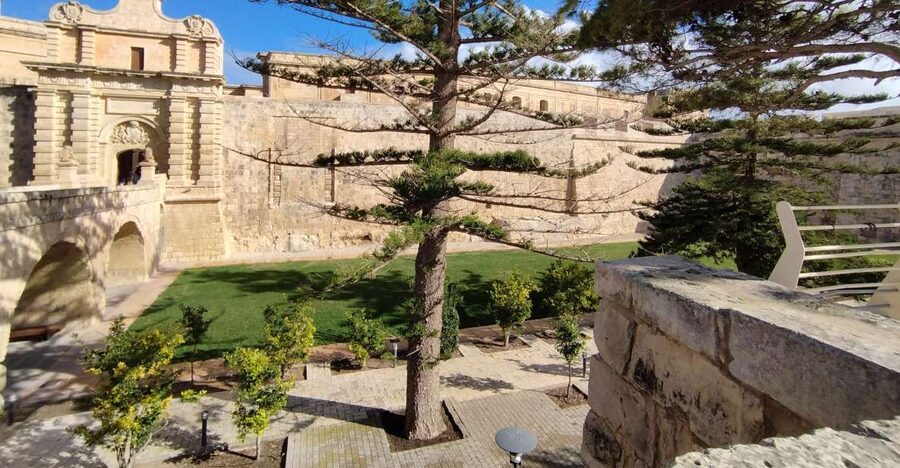
- Mdina’s Main Gate is the starting point: Meet your guide by the bridge at the main entrance, though the exact meeting point can vary by booking option.
- Two hours is a useful length: You get a focused introduction without committing to a full-day excursion.
- Rabat adds a different mood: After Mdina’s grand palaces and fortified streets, you continue into an older suburban quarter with Maltese vernacular architecture.
- The guides are the real strength: Nadine, Angele, Marisa, Charlotte, Angela, Ernest, and others are praised for clear storytelling, local insight, warmth, and humor.
- Headsets can make a big difference: Several recent tours used audio equipment, especially helpful in narrow streets or larger groups.
- Wear comfortable shoes: The tour is on foot, and the route follows historic streets rather than smooth modern promenades.
Starting at Mdina’s Main Gate
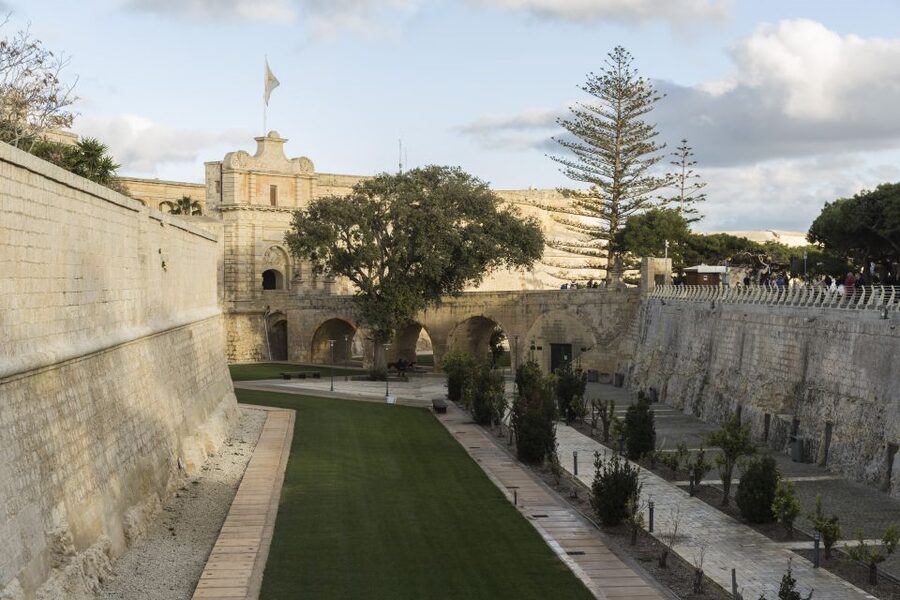
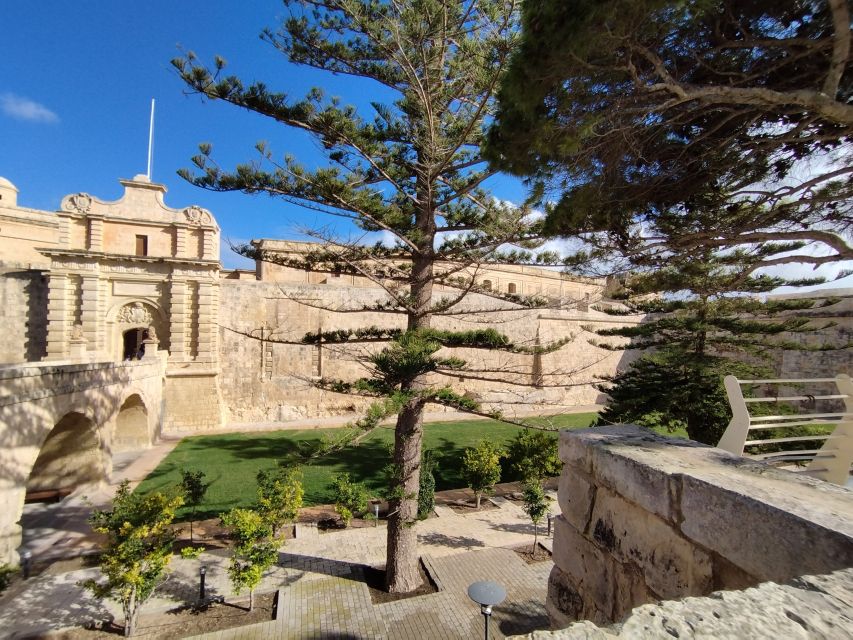
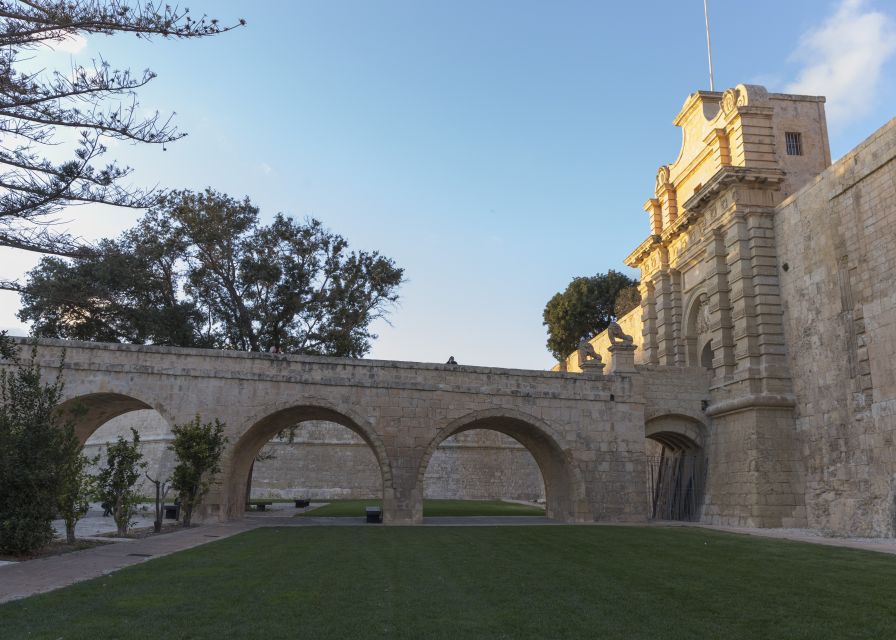
The tour begins at Mdina’s Main Gate, by the bridge. This is a sensible meeting point because it places you immediately at the threshold of the old fortified city, where your guide can explain what made Mdina so important.
Mdina sits on a hill at the center of the Maltese Islands. The settlement began under Roman rule and served as Malta’s administrative and political capital for almost two centuries. It remains the seat of the country’s episcopacy, so this is not simply a preserved old town arranged for visitors. It is a historic city with an ongoing religious and civic role.
Your guide starts with that background before leading you through the streets. I like this approach because Mdina makes more sense once you understand its position and purpose. The walls, narrow lanes, grand residences, and religious buildings are not random scenery. They reflect the city’s former role as a place of power.
The meeting instructions deserve a little care. One person specifically found the directions to the guide less clear than they should have been, describing the guide by a red umbrella. Since the meeting point may differ depending on the option you choose, check the booking details closely and allow a few extra minutes to find the group.
More Guided Walks in the world:
- Magical London: Harry Potter Guided Walking Tour
★ 4.7 · 22,044 reviews - History and Hauntings of Salem Guided Walking Tour
★ 5.0 · 14,564 reviews - Amsterdam Anne Frank: Small-Group Walking Tour & Local Guide
★ 4.8 · 12,789 reviews
Walking through the Silent City
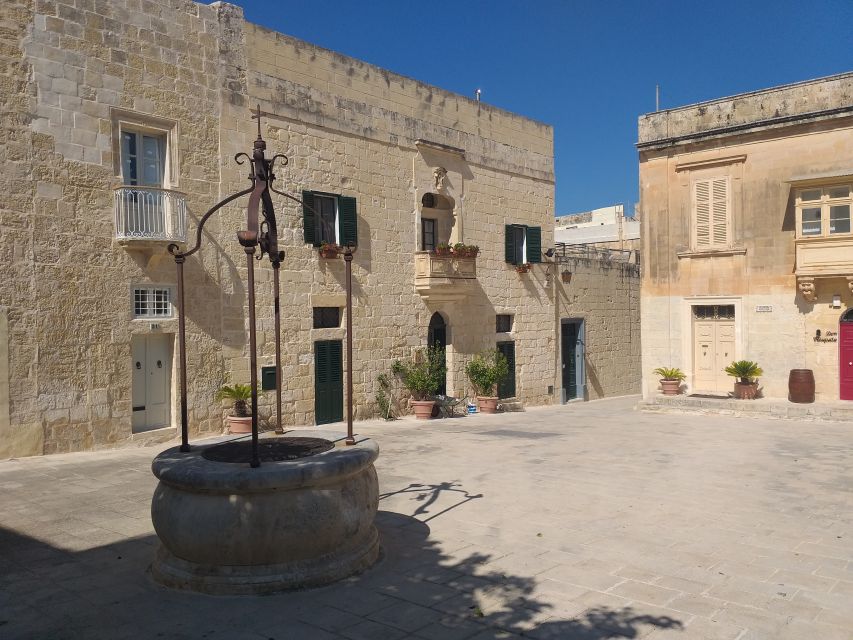
Mdina is often called the Silent City, and the name fits its quiet, inward-looking character. The streets are narrow and atmospheric, with tall stone buildings creating a strong sense of enclosure. You move at a relaxed pace, stopping often while the guide points out architectural details and explains the people connected with the buildings.
The medieval name Città Notabile, or Noble City, tells you something important. Mdina was home to Malta’s noble families, and its streets are lined with the kind of palaces and formal residences that reveal that status. You see elaborate façades beside churches and convents, all packed into a compact area.
This is where a guide earns the $24 fee. Alone, you can admire the honey-colored stone and take attractive photographs, but you may walk past a doorway, balcony, or detail without knowing why it matters. Guides have drawn attention to small features such as door knockers, each with its own story. Those details give the city a human scale.
The strongest guides balance facts with anecdotes. Nadine is repeatedly praised for her passion and easy delivery, while Angele is noted for her humor and clear explanations. Marisa has offered suggestions for places to eat, and Ernest is described as enthusiastic without being hard to follow. The best result is a tour that teaches without sounding like a lecture.
Palaces, churches, and convents along the route
The tour does not include entrance fees to churches or museums. That keeps the base price low, but it also means you should think of the experience as an orientation walk rather than an all-inclusive visit to every interior.
The outdoor route still gives you plenty to see. Palaces reveal the social power once concentrated inside Mdina. Churches and convents show the importance of faith in Malta’s public and private life. The narrow streets connect these buildings into a compact historical setting, so you are constantly moving between grand architecture and small, easily missed details.
The guides focus on more than dates. One guide was praised for explaining how architecture relates to Malta’s many occupations, giving buildings a place within the wider story of the islands. That kind of connection is useful because it helps you understand why Mdina looks the way it does rather than simply memorizing names.
You may want to return after the tour and explore at your own speed. Several people liked having the freedom to revisit places, take photographs, or look more closely at streets they had passed through with the group. If you plan to enter a church or museum, budget separately for admission and check opening arrangements, particularly around public holidays. One person found several places closed on a bank holiday, which was not a fault with the walking tour but did affect the wider visit.
Crossing into Rabat’s old quarter
Rabat is only a short distance from Mdina, but the change in feel is useful. Mdina presents the former noble and administrative center. Rabat gives you a look at an older residential quarter and Maltese vernacular architecture.
The phrase vernacular architecture matters here. You are not only looking at grand buildings associated with the elite. The route helps you notice ordinary local forms and the way the surrounding suburb developed beside the fortified city. That contrast gives the walk more depth than a Mdina-only visit.
Rabat is also a good reason to choose this tour over a simple self-guided loop inside Mdina. The two places belong together historically and geographically, yet they offer different visual clues. The guide helps connect them, so the walk feels like one story rather than two unrelated stops.
The supplied details do not promise entry to Rabat sites, so do not book expecting a museum or catacomb visit as part of the tour. One person specifically recommended St. Paul’s Catacombs as an additional visit, with an admission cost of €6 at the time of that comment. Treat that as a separate idea for after the walk, not as an included stop.
A few more walks around the world worth a look
- Reykjavik Food Walk – Local Foodie Adventure in Iceland
★ 5.0 · 18,952 reviews - New Orleans Premier Ghost, Voodoo and Vampire Walking Tour
★ 4.5 · 12,856 reviews - Edinburgh: Harry Potter Magical Guided Walking Tour
★ 4.8 · 11,944 reviews - Edinburgh Castle: Guided Walking Tour with Entry Ticket
★ 4.7 · 11,699 reviews
A relaxed pace with clear audio
The tour lasts two hours, and the pace is one of its most consistent strengths. People describe the walk as gentle, unrushed, and easy to follow. That makes it suitable if you want history without a strenuous outing, or if you are trying to fit Mdina and Rabat into a wider day in Malta.
The route does involve walking through historic streets, so comfortable shoes are the one clear packing tip. You should also expect some uneven or narrow sections simply because the tour takes place in an old fortified city, though the activity is identified as wheelchair accessible.
Headsets are a useful feature when available. On quiet streets, a guide can usually be heard without trouble, but Mdina can become busy. Individual audio receivers allow you to listen while taking photographs and help prevent the group from bunching tightly around the guide. One person noted that headsets made it easier to navigate narrow lanes on a crowded day, while another appreciated being able to keep listening while looking around.
Equipment can occasionally have a minor technical problem. A headset issue was resolved quickly on one tour, so this is not a reason to avoid the experience, but it is worth knowing that audio equipment is helpful rather than a guarantee of perfect silence and sound.
The guides make the difference
The tour is offered in English, and the guide quality is its biggest asset. The names appearing most often in praise include Nadine, Angele, Marisa, Charlotte, Angela, Ernest, and Visnja, with each bringing a slightly different style.
Nadine is described as warm, passionate, punctual, and full of local insight. Angele is praised for keeping explanations interesting, adding dry humor, and adjusting well when small technical problems arise. Marisa combines strong historical knowledge with restaurant suggestions, while Charlotte is noted for making the time pass quickly through a friendly and engaging presentation.
The comments about delivery are important. People repeatedly value guides who speak clearly, avoid rushing, and stop often to point out things that would otherwise go unnoticed. A good local guide does more than recite dates. The guide explains why a street, building, or architectural detail matters and adds a sense of how Mdina and Rabat fit into Maltese life.
The experience is not dependent on one named guide, since the guide assigned to your departure may differ. Still, the pattern is encouraging: visitors have consistently praised the team for historical knowledge, local recommendations, patience, humor, and an ability to answer extra questions.
Is $24 good value?
At $24, this is a reasonable price for a two-hour guided walk in one of Malta’s most important historic areas. The value comes from interpretation, not admission tickets. You are paying for a licensed professional who can turn an attractive old city into a readable one.
That distinction matters. If you only want photographs and prefer to wander alone, you may not need the tour. Mdina is enjoyable without a guide, and the compact streets make independent exploration possible. But if you want to understand the former capital, the noble families, the religious buildings, the architecture, and the connection with Rabat, the price is modest.
I also like the flexibility. You can cancel up to 24 hours before the tour for a full refund, and you can reserve now and pay later. Those terms help if your Malta plans are still changing, though you should still check the starting time and meeting point for your selected option.
The tour does not cover food, museum admission, or church entry. It also does not replace a full-day cultural itinerary. Think of it as a strong first layer: a guided introduction that helps you decide where to spend more time afterward.
Who will enjoy this walk most?
I would recommend it to first-time visitors who want a clear introduction to Mdina and Rabat without spending half a day on a formal excursion. It also suits history fans, architecture lovers, photographers who want context, and anyone who prefers a slower walking pace.
It is a good choice if you like local recommendations. Guides have suggested places to eat and other sights to visit, including St. Paul’s Catacombs as a separate stop. That kind of advice can help you shape the rest of your day.
Families and older visitors may appreciate the two-hour length and steady pace, though everyone should wear supportive shoes. The tour is listed as wheelchair accessible, but because it runs through historic streets, you may still want to confirm the exact route and meeting arrangements before booking if access is a major concern.
You may prefer to skip it if you have already spent significant time with a local guide in Mdina, or if your main goal is entering specific museums and churches. Since admissions are separate, an independent visit may suit you better if you already know the history and want complete control over your schedule.
Should you book the Mdina and Rabat tour?
Book it if you want Malta’s old capital explained by a local guide rather than viewed as a collection of stone streets. The two-hour format is focused, the pace is comfortable, and the $24 price is fair for the storytelling and context.
I would make this an early visit to Mdina and Rabat, then return afterward to explore a favorite street, enter any sites that interest you, or continue to St. Paul’s Catacombs separately. Check the meeting point carefully, wear comfortable shoes, and be aware that public holidays can affect opening hours.
For most first-time visitors, this is a practical way to get your bearings and notice the details that make the area special. The tour’s real value lies in the people leading it, especially guides such as Nadine, Angele, Marisa, Charlotte, and Angela, who turn a short walk into a memorable introduction to Malta.
FAQ
Where does the Mdina and Rabat walking tour begin?
The standard meeting point is at Mdina’s Main Gate by the bridge. The exact meeting location may vary depending on the option booked, so check your booking details before setting out.
How long does the tour last?
The guided walking tour lasts two hours.
What language is the tour conducted in?
The live tour guide speaks English.
Is the tour wheelchair accessible?
Yes, the activity is listed as wheelchair accessible.
Are museum and church entrance fees included?
No. Entrance fees to churches and museums are not included in the tour price.
What should I wear?
Wear comfortable shoes suitable for a two-hour walk through historic streets.
Are headsets provided?
Headsets are used on some tours and can help you hear the guide clearly in narrow streets or larger groups. Availability may depend on the departure.
Can I cancel for a full refund?
Yes. You can cancel up to 24 hours in advance for a full refund.
Can I reserve the tour without paying immediately?
Yes. The reserve now and pay later option lets you secure a place without paying at the time of booking.
Just added around the world
- Walking Tour of Boston’s Freedom Trail★ 4.5 · 77 reviews
- Downtown Freedom Trail Walking Tour – History & Architecture★ 4.5 · 194 reviews
- Boston Seafood Lovers Food and History Walking Tour★ 5.0 · 208 reviews
- Boston “Death and Dying” Walking Ghost Tour★ 4.5 · 223 reviews
- Boston Food of the North End Private Walking Tour★ 5.0 · 174 reviews
- Boston Movie Mile Walking Tour★ 4.5 · 119 reviews
- Boston History and Freedom Trail Private Walking Tour★ 5.0 · 117 reviews
- 1 If By Land Walking Tours★ 5.0 · 95 reviews
Malta Walking Tours, compared.

Valletta: Street Food and Culture Walking Tour
Read our review →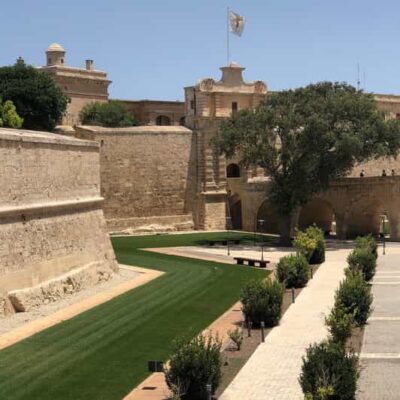
Malta: Mdina and Rabat Walking Tour with Catacombs
Read our review →
From Cospicua: Senglea, Bormla, and Birgu Walking Tour
Read our review →Browse the lists this tour appears in