
Review · BOSTON WALKING TOURS
Cambridge, Massachusetts: MIT and Harvard Walking Tour
MIT serves up more surprises than expected. This 3.5-hour walk pairs MIT’s inventive culture with Harvard’s old-world college traditions, giving you two very different views of Cambridge in one outing. I especially like the stories about student pranks and the Smoot markings on Harvard Bridge, plus the included subway ride between campuses. The main drawback is simple: you stay outdoors, so this is not a campus admissions tour or a way to see the interiors of MIT and Harvard.
You begin beside the MIT/Kendall subway station at Ripple Cafe and finish in Harvard Square. Guides such as Jenny, Alexandria, Maria, Holly, and Marybeth have earned praise for clear explanations, humor, patience, and thoughtful pacing. Still, you should expect plenty of walking, changing weather, and a route that is not suitable for wheelchair users or people with mobility impairments.
Key points to know before you book
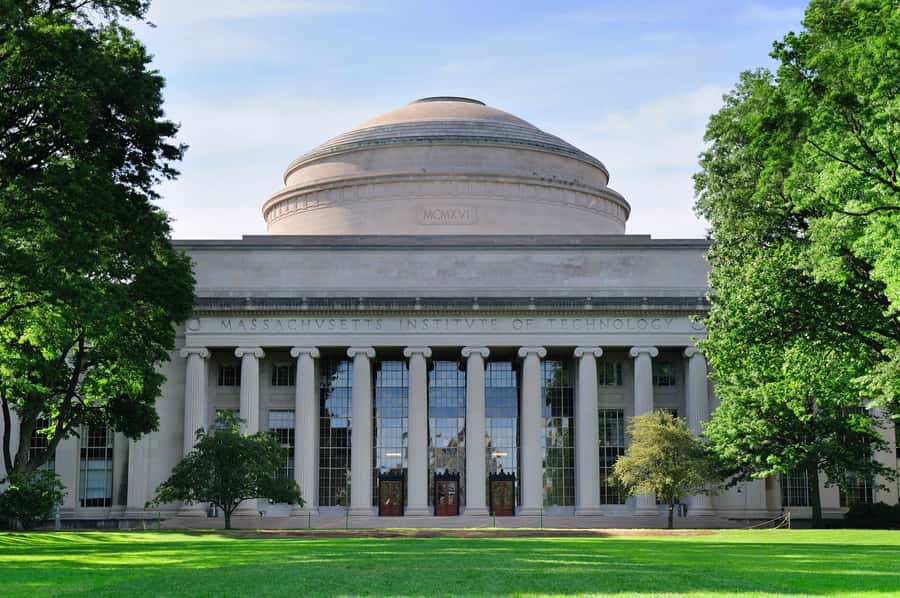
- MIT comes first: Explore the Media Lab, Killian Court, the Great Dome, the Stata Center, and other campus landmarks.
- Harvard follows by subway: Your fare is included, and the short ride connects two very different academic worlds.
- The tour stays outdoors: You do not enter MIT or Harvard buildings, including Harvard’s campus interiors.
- Architecture is a major theme: See work linked to Frank Gehry and I.M. Pei, along with buildings that inspire more debate.
- Stories matter as much as sights: Expect student traditions, famous graduates, pranks, inventions, and the Three Lies statue.
- Bring comfortable shoes: The route lasts 210 minutes and includes long stretches on foot, stairs or uneven areas may be part of the outdoor campus walk.
Why this MIT and Harvard tour works
At $49 per person, this is priced above a simple self-guided walk, but the value comes from the context. MIT and Harvard are easy enough to visit on your own, yet their courtyards, statues, dormitories, and odd corners do not explain themselves. A good guide connects the buildings to student life, school traditions, architecture, and local history.
That connection is the heart of the tour. You are not just stopping for a photo in front of the MIT Dome or Widener Library. You learn why the schools developed as they did, how students use the campuses, and why certain landmarks have become part of Boston-area folklore.
The format also saves planning time. You visit MIT and Harvard in one half-day, ride the subway with a guide, and finish near restaurants, shops, and other sights in Harvard Square. The tradeoff is that the pace is fairly full. You have enough time at each stop for an explanation and photos, but not enough to linger everywhere.
A few more walks around Boston worth a look
- Boston: Freedom Trail History Small Group Walking Tour
★ 5.0 · 6,450 reviews - Harvard University Campus Guided Walking Tour
★ 4.5 · 3,632 reviews - Boston Freedom Trail Walking Tour with Costumed Guide
★ 4.5 · 2,531 reviews
Starting at Ripple Cafe and entering MIT
Meet your guide in front of Ripple Cafe, next to the MIT/Kendall subway station. Look for a Boston Hidden Gems shirt. This is a useful meeting point because Kendall Square is easy to reach by subway, and you can grab coffee before setting off.
The first portion follows MIT’s campus and nearby streets. The route includes the MIT Media Lab, where you hear about the school’s experiments, inventions, and forward-looking research culture. The stop lasts about 15 minutes, making it one of the longer early explanations.
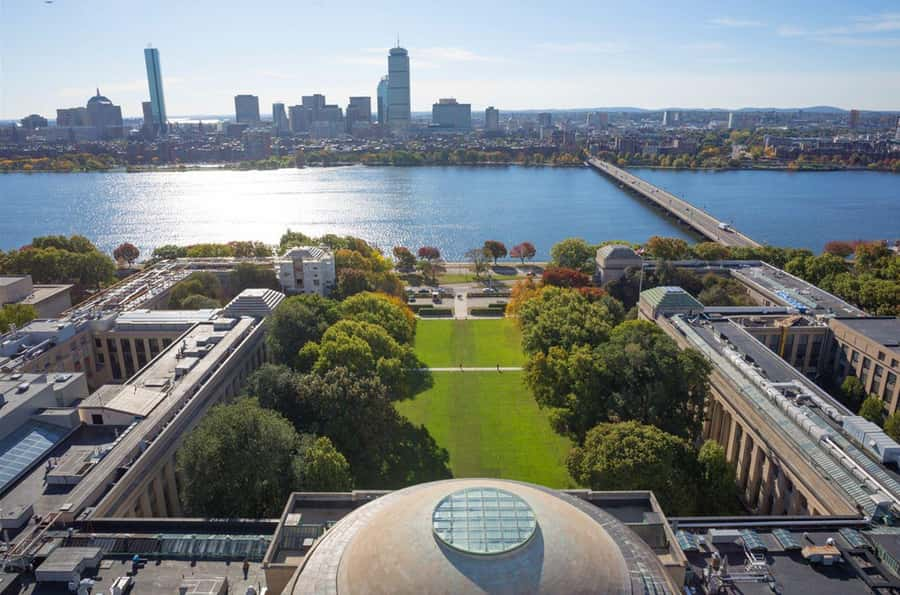
You then move through a string of places that show MIT from different angles. Gray House provides a brief stop, while the Green Building gives your guide a chance to discuss MIT’s architecture and campus identity. At Killian Court, the mood changes. The elegant open court and surrounding buildings offer one of the better photo opportunities and a useful contrast to MIT’s more technical image.
The tour does not treat every building as a masterpiece. That is part of the fun. You see architecture associated with Frank Gehry and I.M. Pei, as well as structures that your guide may describe as less successful. This honest approach is more useful than pretending every famous building is beautiful.
The Harvard Bridge and the famous Smoot markings
The route continues toward Harvard Bridge, where Boston and Cambridge meet across the Charles River. The bridge provides broad views toward Boston and a break from the dense campus setting.
The Smoot markings are one of the tour’s best oddities. The bridge was measured using Oliver Smoot, a Harvard student who was used as a human measuring unit during a student tradition. The markings remain a memorable piece of local college humor, and they give you a photo subject that is far less predictable than another university gate.
This stop also helps you understand the geography. MIT is in Cambridge, but the river gives you a clear sense of its relationship to Boston. The views are especially welcome after walking through campus streets.
Killian Court, the Great Dome, and MIT’s playful side
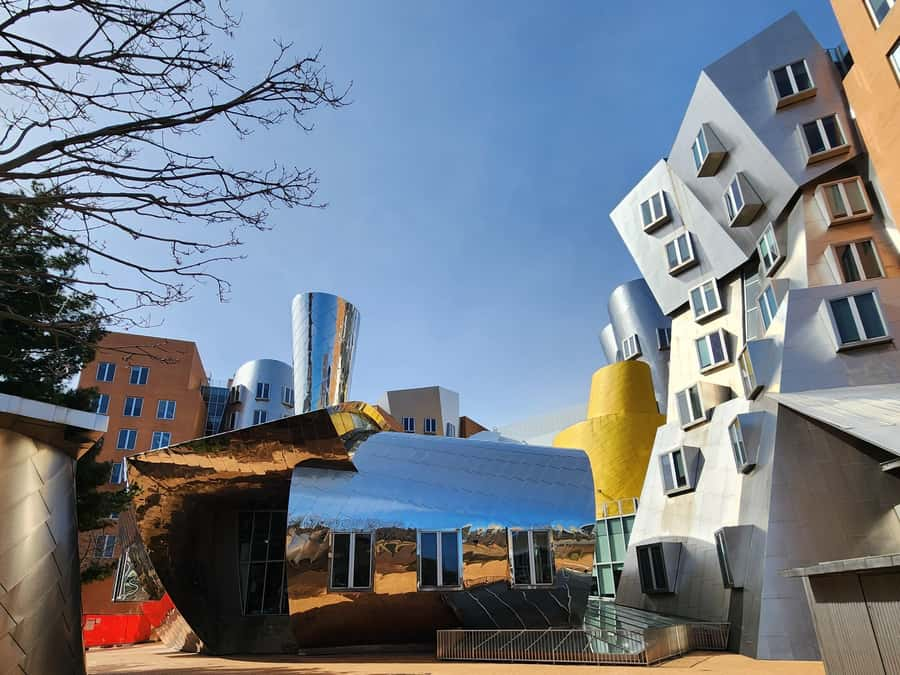
The MIT section continues to places that reveal both the school’s serious academic work and its mischievous student culture. The Great Dome is the obvious photo stop. It is the MIT image most people want, and your guide gives you time to take pictures rather than rushing past.
MIT.nano offers another look at the school’s scientific side. The stop is brief, but it helps explain how advanced research fits into the campus. You also visit the Banana Lounge, an unusual student hangout that adds some personality to the tour.
Student pranks, often called hacks at MIT, receive plenty of attention. These stories explain why the campus is known for clever practical jokes as much as for engineering and science. You may also hear about famous alumni and unusual events connected with MIT buildings.
The Stata Center gets about 15 minutes, making it one of the major architecture stops. Its unusual forms and bold design give the guide plenty to discuss. Some people love it, while others find it chaotic. That split reaction is useful: you are seeing architecture that invites an opinion, not just a postcard backdrop.
Same streets, a different way to see them:
- The Full Revolutionary Story Epic Small Group Boston Walking Tour
★ 5.0 · 2,356 reviews - Boston’s Freedom Trail: A Revolutionary Walking Tour
★ 4.9 · 1,748 reviews - Boston: Freedom Trail History Small Group Walking Tour
★ 4.9 · 1,590 reviews - Boston North End Food Tour of 6+ Tastings, Cannoli, Lobster Roll
★ 5.0 · 1,404 reviews
Taking the subway from MIT to Harvard
After the MIT walk, there is a break of about 15 minutes before the subway portion. Use it for water, a snack, or a quick rest. The full tour lasts 210 minutes, so this pause matters, especially in summer or winter.
You ride the subway for two stops from MIT toward Harvard. The fare is included in the $49 price, and your guide explains some history of America’s oldest subway system while you wait. This is more than a transfer. It gives you a small taste of how locals move between Cambridge neighborhoods.
The subway also divides the tour neatly. MIT feels modern, experimental, and spread through a working academic district. Harvard feels older, more formal, and built around courtyards and historic gates. Seeing both in one day makes the contrast clear.
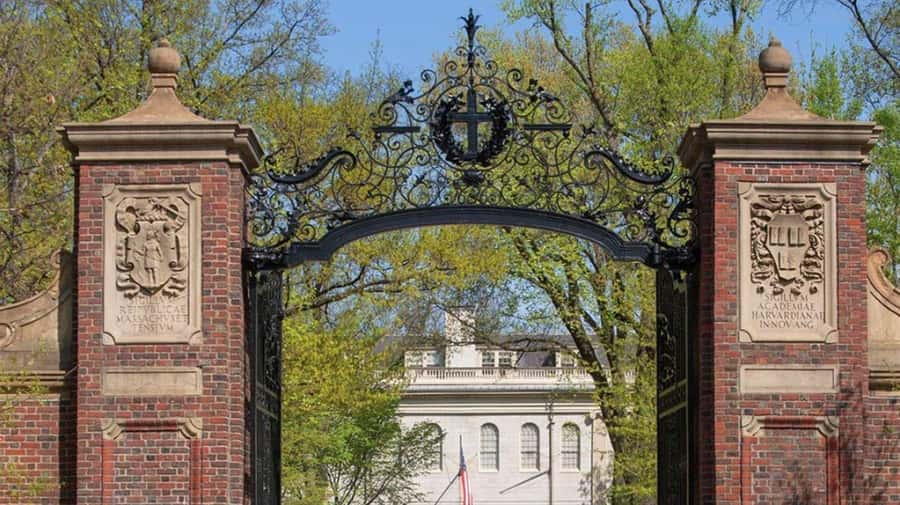
Entering Harvard through Johnston Gate
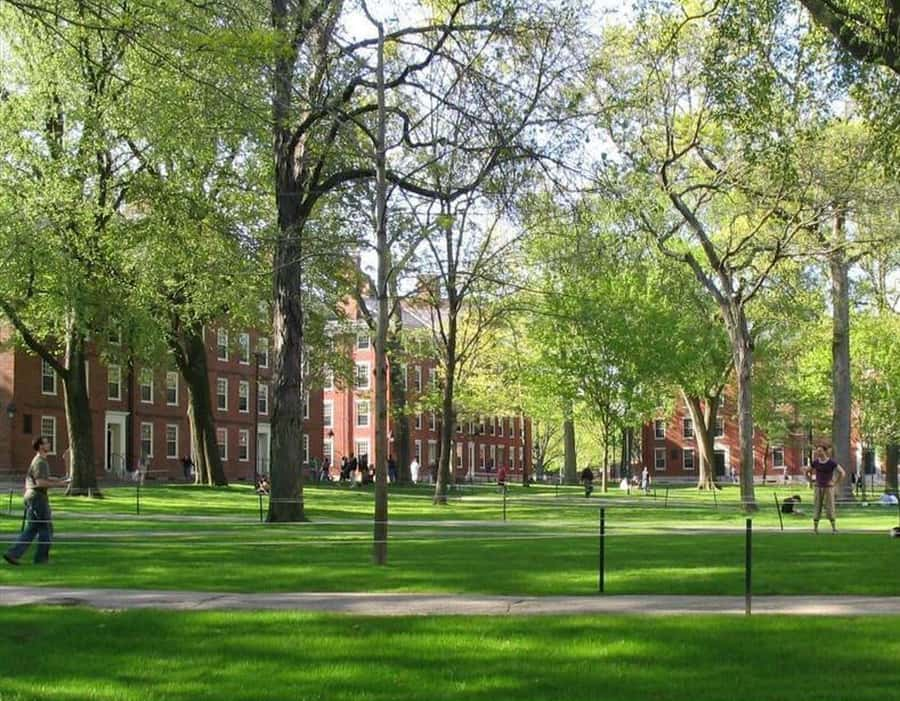
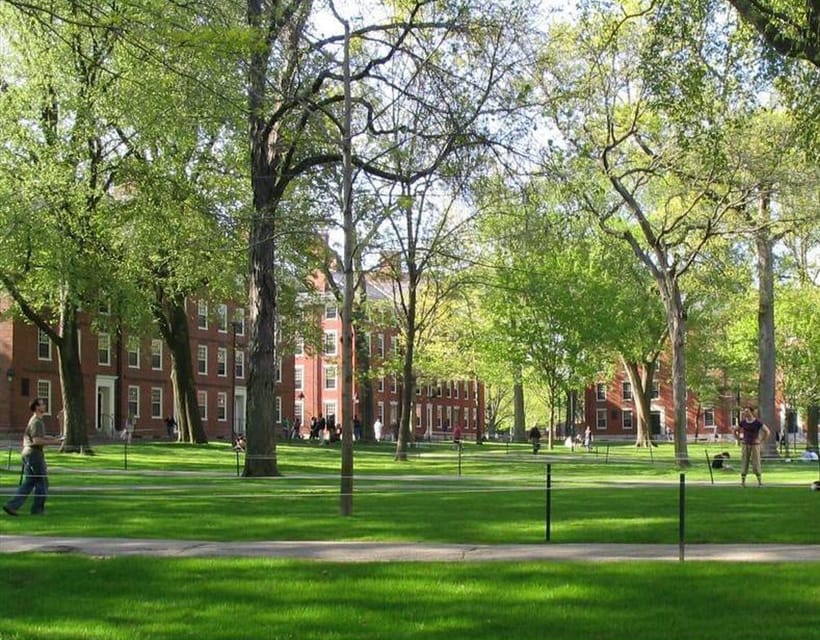
At Harvard, the route begins near Johnston Gate and moves into the Harvard Yard area. Harvard was founded in 1636, and the age of the institution becomes visible in the gates, brick buildings, courtyards, and long-established traditions.
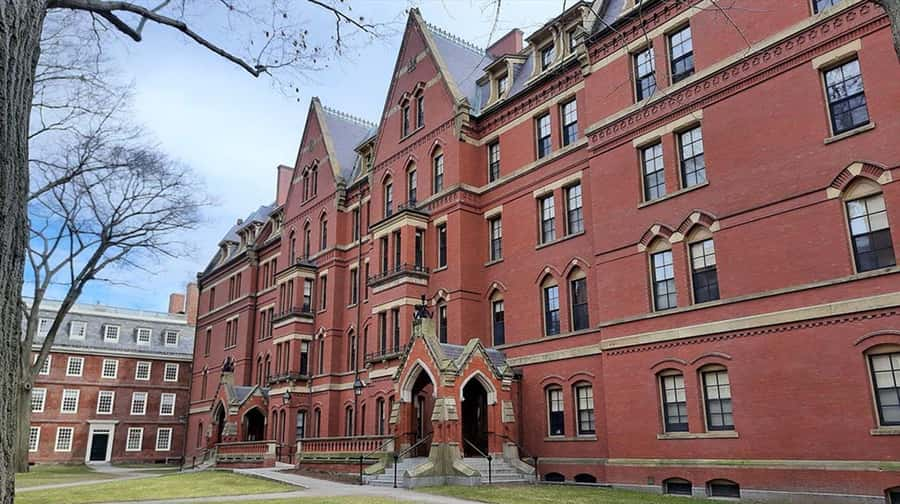
Your guide explains how Harvard students live and how housing works after Housing Day at the end of freshman year. This adds a practical student-life angle without turning the tour into an admissions presentation. You get a sense of how the campus works as a residential college, not just as a collection of famous buildings.
The route also includes the house where George Washington stayed during a visit to Boston during the American Revolution. That link between Harvard and the war gives the university a place in national history beyond academics.
Harvard Yard and the Statue of the Three Lies
Harvard Yard is the emotional center of the second half. You walk through the historic core, hear about Harvard’s academic legacy, and learn about traditions that students have carried forward over generations.
The John Harvard Statue is the classic photo stop. Many visitors touch the statue’s shoe for luck, though the tour’s real value comes from the story behind the monument. Nearby, the Statue of the Three Lies offers a more playful lesson. Its name refers to misleading claims about the person depicted, the date connected with Harvard’s founding, and the identity of the seated figure.
The guide turns these details into a memorable explanation rather than a dry list of dates. That is where a live tour earns its fee. You can read a plaque alone, but you may miss the joke, the debate, or the reason a certain statue has become a campus ritual.
Harvard Yard can sometimes be closed for a special event. One tour group encountered a concert closure, and the guide quickly shifted the route to other Harvard buildings and outdoor sights. You should not assume every stop will be available on every day, but a strong guide can keep the tour moving when access changes.
Memorial Hall, Widener Library, and Harvard’s grand scale
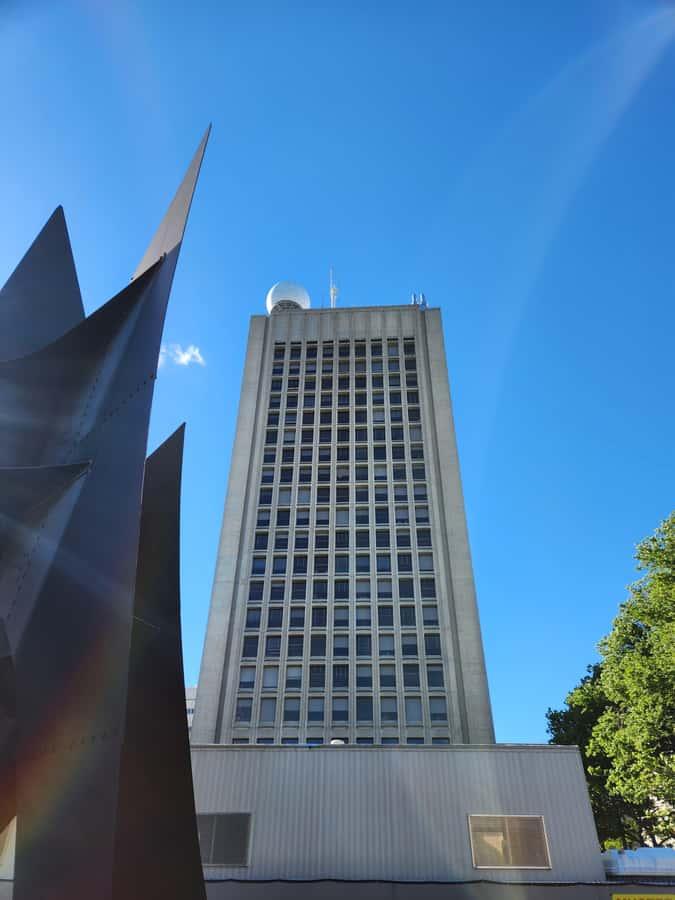
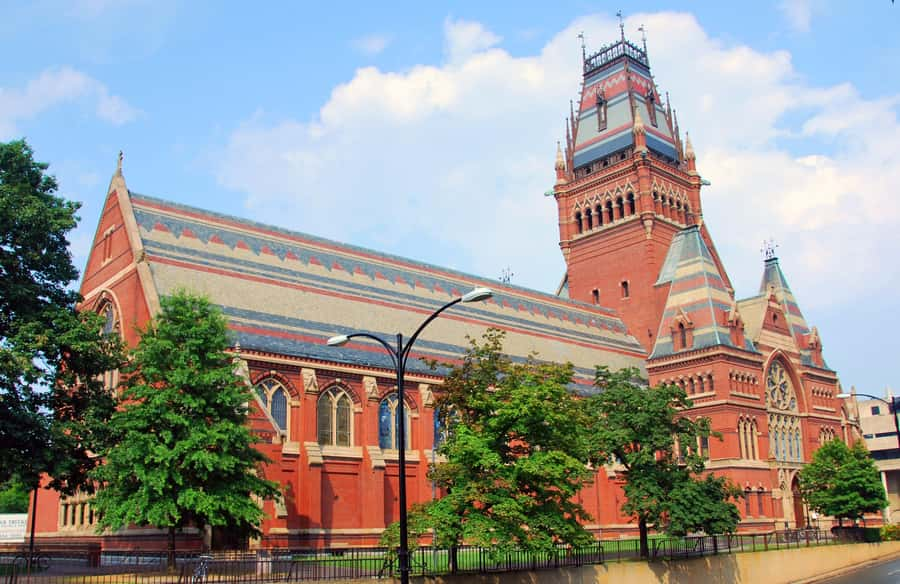
Memorial Hall and Memorial Church show a more formal side of Harvard. These buildings help explain the university’s public image, its memorial traditions, and the visual weight of the campus.
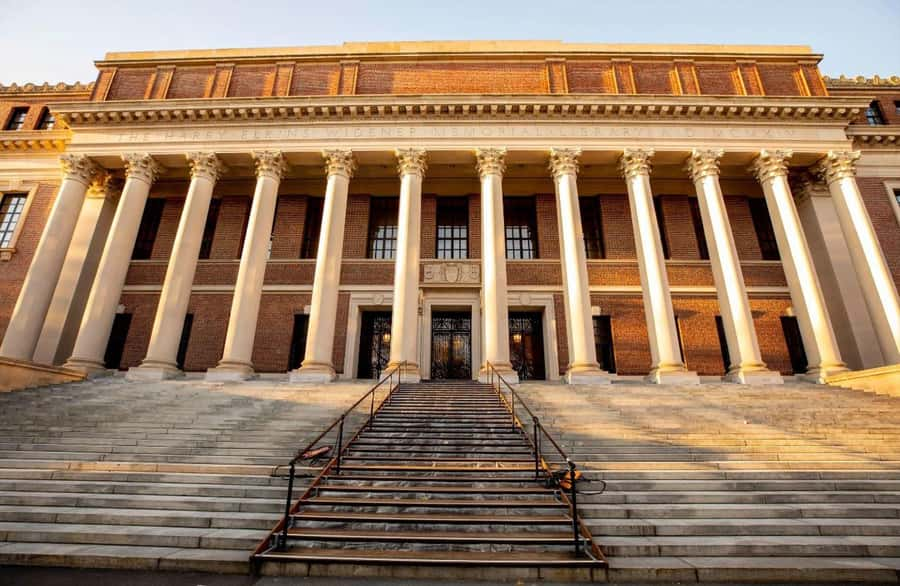
Widener Library is another major photo stop. Its broad facade and central role in Harvard’s image make it one of the places you will want to frame carefully. You do not go inside, but the exterior still provides one of the most recognizable Harvard views.
Wadsworth House, Lowell House, and Kirkland House shift the focus toward residential and institutional life. The houses help you see that Harvard is not only a central yard and famous library. It is also a network of communities where students live, study, and develop their own traditions.
The tour ends around Harvard Square after passing through these areas. That location is convenient for continuing your day. You can stay in the square, find a meal, or use the subway to return to Boston.
What the guides do especially well
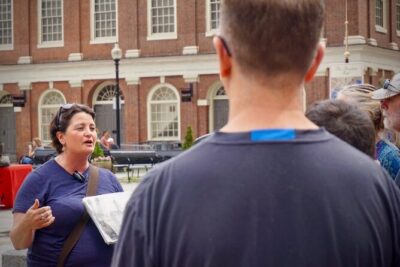
Guide quality matters on a tour built around stories. The strongest feedback repeatedly points to guides who combine facts with humor and keep the pace comfortable.
Jenny is often praised for making complex material easy to follow, taking photos, answering questions, and keeping groups involved. Alexandria receives similar praise for clear explanations, historical detail, friendliness, and a good sense of humor. Maria has been noted for giving detailed information while helping a family traveling with a three-year-old and stroller.
Other guides, including Holly and Marybeth, have been praised for warmth and a well-judged pace. One useful pattern emerges: the experience is not dependent on a single script or personality. The guide you receive can shape the tone, but the company appears to use people who know how to handle questions and changing conditions.
The tour also adapts to weather. Guides have kept groups in shade during heat waves, continued through rain, and maintained energy during cold weather. You should still dress for the forecast. A guide can find shade, but cannot turn an outdoor walk into an indoor visit.
Is $49 a fair price?
The price makes sense if you want explanation and structure. The included subway fare is modest, but the bigger saving is the time you avoid spending on research, route planning, and figuring out which MIT and Harvard landmarks are worth your attention.
You are paying for a licensed English-speaking guide and a carefully linked route. If you already know Cambridge well and enjoy reading plaques or using a map, a self-guided visit will cost less. If you want the stories behind the hacks, Smoot markings, buildings, statues, and student traditions, $49 is reasonable.
The strongest value comes for first-time visitors, families with older children, and anyone curious about American universities without needing an admissions presentation. Several families with teenagers found the material engaging, and the mix of serious history and odd campus customs helps prevent the three-and-a-half hours from feeling like a lecture.
Practical details before you go
Wear comfortable shoes. The route covers MIT, the bridge, the subway connection, Harvard Yard, Harvard Square, and several additional buildings, so standing and walking add up.
The tour is conducted in English. Pets are not allowed, except assistance dogs. Mobility scooters, electric wheelchairs, walking sticks, crutches, and unaccompanied minors are not accepted, and the experience is not suitable for people with mobility impairments or wheelchair users.
Harvard does not allow non-students to enter campus buildings. MIT may permit visitors inside certain buildings on select days when campus access is open, but that is separate from this tour. Ask your guide for current suggestions if you want to explore MIT interiors on your own.
You can cancel up to 24 hours before the start for a full refund, and reserve now while paying later. Check the available starting times because the schedule can vary.
Should you book the MIT and Harvard walk?
Book it if you want campus stories, architecture, and local humor, not admissions advice. The tour gives you a useful first look at two famous institutions, and the subway ride makes the connection between them feel natural.
Skip it if you need indoor access, a detailed look at student admissions, or a wheelchair-friendly route. For most able walkers visiting Cambridge for the first time, the combination of MIT’s playful technical culture and Harvard’s formal traditions makes $49 a fair price for a well-organized half-day.
FAQ
How long does the MIT and Harvard walking tour last?
The tour lasts 210 minutes, or about three and a half hours.
Where does the tour begin?
It begins in front of Ripple Cafe next to the MIT/Kendall subway station. Your guide wears a Boston Hidden Gems shirt.
Where does the tour finish?
The tour finishes in Harvard Square.
Is the subway fare included?
Yes. The subway ticket from MIT to Harvard is included in the tour price.
Does the tour go inside MIT or Harvard buildings?
No. The tour visits outdoor areas only and does not enter buildings on either campus.
Is this an admissions tour for prospective students?
No. The tour focuses on history, architecture, student traditions, famous people, and campus stories. For admissions information, contact the universities directly.
What language is the tour conducted in?
The live tour is conducted in English.
What should I bring?
Bring comfortable shoes. You may also want clothing suitable for the weather because the tour takes place outdoors.
Can people using wheelchairs or mobility aids join?
No. The experience is not suitable for wheelchair users or people with mobility impairments. Mobility scooters, electric wheelchairs, walking sticks, and crutches are also not allowed. Assistance dogs are allowed.
Just added around Boston
- Boston: Full Revolution Story Epic Small Group Walking Tour★ 4.9 · 132 reviews
- Boston: Freedom Trail Guided Walking Tour in French★ 4.9 · 106 reviews
- Boston: Salem by Boat – Witch Trials & Walking Tour★ 4.3 · 263 reviews
- Boston: 2-Hour Historic Walking Tour★ 4.7 · 88 reviews
- Boston: North End Pizza Walking Tour with 3 Slices & Cannoli★ 4.8 · 162 reviews
- Self Guided Classic Freedom Trail Location Aware (GPS) Walking Audio Tour★ 4.5 · 258 reviews
- Boston History Tour: Scenic Walk Through Time & Landmarks★ 5.0 · 627 reviews
- Boston Pizza Lovers Food and History Walking Food Tour★ 4.5 · 1,082 reviews
Boston Walking Tours, compared.
Freedom Trail History Small Group Walking Tour
Read our review →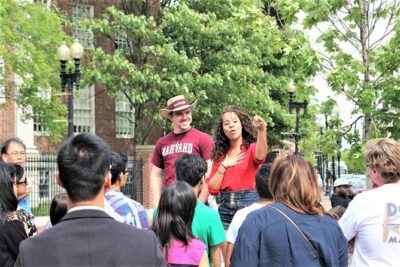
Harvard University Campus Guided Walking Tour
Read our review →
Boston Freedom Trail Walking Tour with Costumed Guide
Read our review →
The Full Revolutionary Story Epic Small Group Boston Walking Tour
Read our review →
Boston’s Freedom Trail: A Revolutionary Walking Tour
Read our review →Freedom Trail History Small Group Walking Tour
Read our review →
Boston North End Food Tour of 6+ Tastings, Cannoli, Lobster Roll
Read our review →Boston’s Freedom Trail: A Revolutionary Walking Tour
Read our review →Browse the lists this tour appears in