
Review · MUMBAI WALKING TOURS
Mumbai: Dharavi Slum Walking Tour by First Female Tour Guide
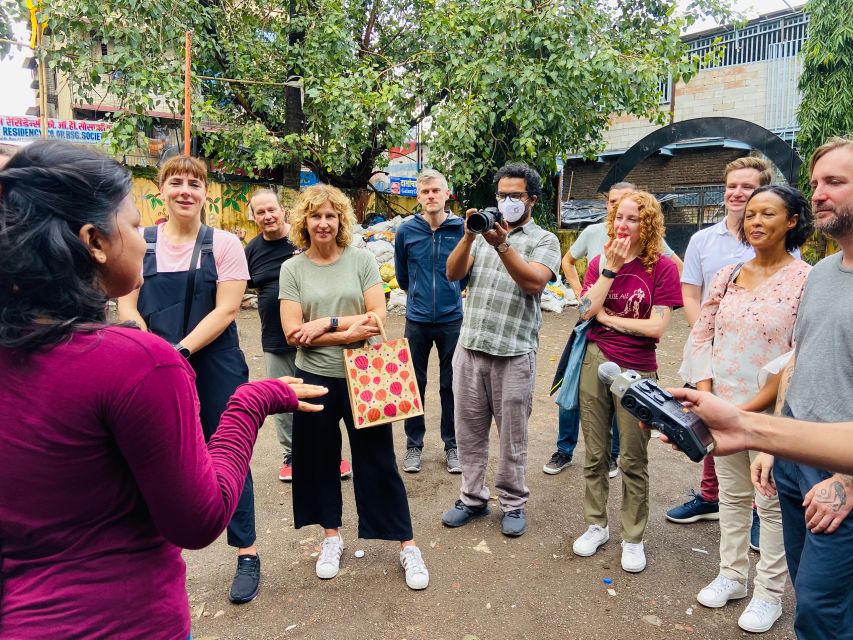
Dharavi rewards curiosity. This 2.5-hour walking tour takes you beyond the usual Mumbai sights and into a working community shaped by recycling, small factories, homes, schools, markets, and ambitious local businesses. I especially like the chance to see the area through a female local guide, and I like that the route includes both commercial streets and residential areas rather than showing only one side of Dharavi.
The price is an easy $5 per person, which makes this one of Mumbai’s best-value guided experiences. The main consideration is that this is a walking tour through crowded working and residential areas, not a polished attraction. You need an open mind, respect for residents, and a willingness to accept that some parts may feel confronting.
Key things to know before you go
- A local route beyond Google Maps: Your guide leads you through workshops, markets, homes, schools, and industrial areas that are difficult to understand or find alone.
- A working economy on display: Plastic, paper, and aluminium recycling sit alongside soap production, clothing, leather work, pottery, and other small businesses.
- Female-led and locally rooted: The tour is presented by Dharavi’s first female tour guide, with guides including Anu, Sneha, Pooja, Varsha, Sarah, and Anushka.
- Two sides of Dharavi: You see both the commercial energy and the ordinary routines of people who live here.
- Good value with a clear time limit: For $5, you get a guide, bottled mineral water, and about two and a half hours on foot.
- Best for respectful, curious visitors: This is not a photo stop or a sightseeing shortcut. It works best if you want context and real conversation.
Starting beside Third Wave Coffee
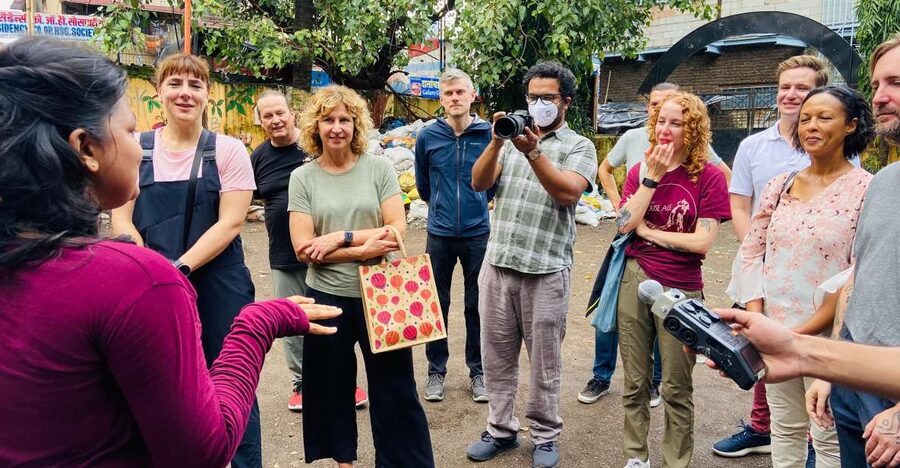
The tour begins outside Third Wave Coffee, a practical meeting point near Dharavi. Your guide meets you there, and the same location is used at the end of the walk.
Starting at a café gives you a simple place to find the guide before setting off. One useful detail from past visits is that the café has air conditioning, which can be welcome before or after a walk in Mumbai. The meeting point is also near a station, making rail travel a sensible option.
If you arrive by car, allow extra time. Mumbai traffic can be extremely slow, and arriving late would be a poor way to begin a tour with a fixed route and a live guide. I would arrive early, confirm the guide’s name, and have the booking details ready on your phone.
The operator says that bottled mineral water is included. You should still wear comfortable shoes and dress for a warm, active city walk. The exact starting time varies, so check availability when booking.
More Guided Walks in India:
- Group Guided Walking Tour in Fort and Colaba
★ 5.0 · 1,073 reviews - Private Guided Walking Tour in Fort & Colaba
★ 5.0 · 895 reviews - Private Guided Walking Tour in Bandra Queen of Suburbs
★ 5.0 · 383 reviews
Why Dharavi is worth seeing with a guide
Dharavi is often reduced to one word: slum. That label tells you very little. It does not explain the combination of homes, workshops, schools, markets, recycling businesses, and family enterprises operating in a compact part of Mumbai.
A guide gives the place human scale. Instead of passing through and making guesses, you can learn how different parts of the community function and hear stories about work, education, housing, and daily routines. The route also helps you avoid getting lost in narrow streets and commercial lanes.
This matters because Dharavi is not arranged for sightseeing. It is a real neighborhood where people work and live. The value of the tour comes from interpretation and local access, not from a grand monument or a dramatic viewpoint.
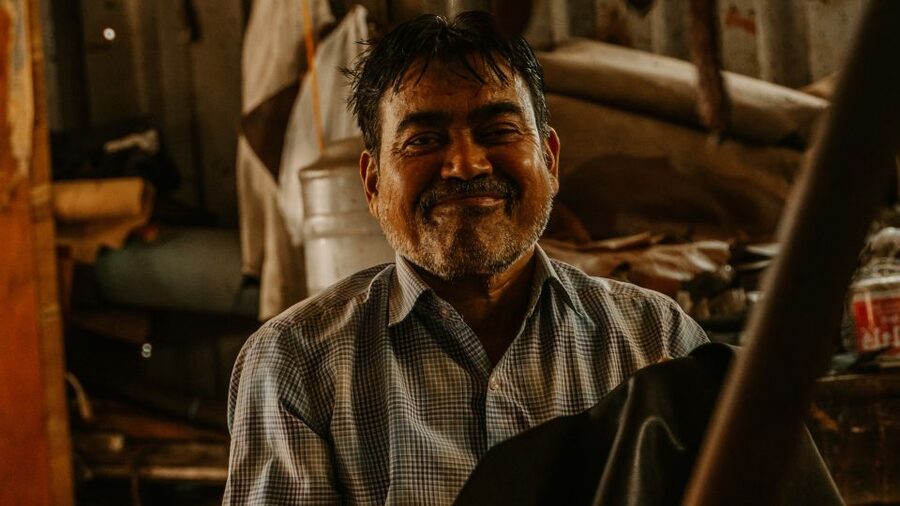
Several guides have been praised for making the experience feel comfortable and easy to follow. Pooja is described as cheerful, funny, and clear in her explanations. Varsha is noted for strong English and firsthand knowledge of the area. Sneha is described as a local resident who can explain both the industrial and residential sides. Anu is praised for patience and care with the group.
Guide assignments can change, so you may not receive a particular person. Still, the repeated pattern is clear: the quality of the experience depends heavily on the individual guide, and this tour uses local women who know the streets personally.
The first part: recycling and small-scale industry
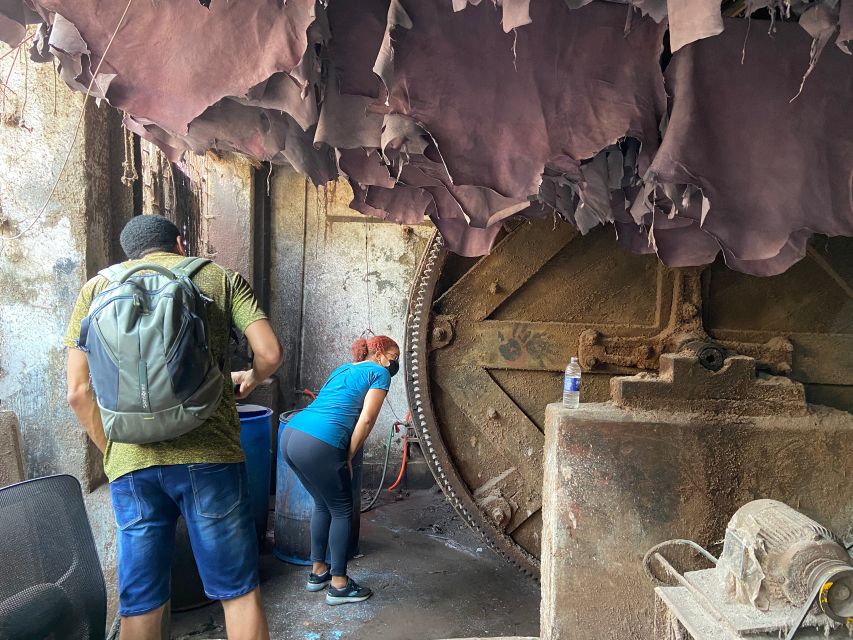
The industrial sections are likely to be the most surprising part of the walk. The route includes plastic recycling, paper recycling, and aluminium recycling, showing how discarded materials become part of a local business chain.
You may also see soap factories, cloth manufacturing, leather industries, and pottery. These are not museum displays. They are working places, and that makes the visit more useful than a general explanation of Mumbai’s economy. You get a sense of how production happens in small spaces and how many different trades fit within the neighborhood.
The recycling stops are particularly valuable because they challenge the idea that Dharavi is defined only by poverty. The area also contains skill, organization, and enterprise. At the same time, you should not turn that point into a feel-good story that ignores hardship. The tour’s strength is that it presents work and struggle together.
The walk may be noisy, crowded, and visually intense. You will be moving through active streets rather than calmly standing in front of exhibits. Keep with the guide, listen when the group stops, and avoid blocking doorways or work areas.
Markets, schools, and everyday routines
After the industrial sections, the route includes markets, commercial places, schools, and colleges. These stops help connect the businesses to ordinary life.
A market tells you more than what people buy. It shows how residents get food and supplies, how streets are used, and how commerce fits beside homes. Schools and colleges add another layer, reminding you that Dharavi is not only a place of work. It is also a community where children and young adults study, plan, and build a future.
The route includes residential areas too. This is one of its most important features, but also the part that requires the most sensitivity. You are not entering a staged attraction. People may be cooking, working, walking, or carrying on with private routines.
I would follow the guide’s lead closely and keep your behavior low-key. Ask questions, but understand that not every resident wants to interact. The best experience comes from paying attention rather than treating the neighborhood as a collection of photo opportunities.
A few more walks around India worth a look
- Fontainhas Heritage Walk by Make It Happen
★ 5.0 · 2,834 reviews - The Great Indian Food Tour: Old Delhi Food and Heritage Walk
★ 5.0 · 1,698 reviews - Old Goa Heritage Walk by Make It Happen
★ 5.0 · 797 reviews - Old Delhi Food, Heritage&Cultural Walk with Rickshaw ride to Masterji Kee Haveli
★ 5.0 · 742 reviews
What the local guide adds
The tour is promoted as being led by Dharavi’s first female tour guide. That detail matters because it gives the experience a distinct local and personal character, especially in a setting where an outside guide could easily misunderstand what you are seeing.
The guides also bring different personalities. Pooja has been praised for humor and a friendly manner. Anu is described as patient and good at keeping a group together. Sneha is noted for explaining the area from the perspective of someone who lives there. Varsha is praised for answering questions in detail and helping visitors feel safe.
The repeated praise for communication is important. The tour is conducted in English, and clear explanations make a big difference in a place where the visual impression alone can be confusing. You are not simply walking past buildings. You are learning what activities happen there and why the area functions as it does.
The personal stories are another strong point. The experience includes transformation stories and accounts of local ambition, rather than presenting Dharavi as a frozen symbol of hardship. That can change your understanding of Mumbai, but it should not make you forget the privacy and dignity of the people who live there.
A short walk with a large subject
The tour lasts about 2 to 2.5 hours, which is long enough to cover several parts of Dharavi without taking over your entire day. I like this timing for a first visit to Mumbai. You can do it early in your stay, then use what you learn to understand the city’s wider contrasts.
The tour returns to Third Wave Coffee, so you do not need to arrange a separate pickup at the end. The activity is entirely on foot, and the listed inclusions are modest: walking tour, guide, and bottled mineral water.
Do not expect transport between stops, hotel pickup, a meal, or a formal visitor center. The experience is deliberately simple. You meet the guide, walk through the area, listen, ask questions, and return to the starting point.
A private group is available if you prefer a more personal format. That can be useful if you have many questions or want a slower pace, but the standard experience may already offer good value at the low listed price.
Is $5 a fair price?
At $5, this is remarkably inexpensive for a guided 2.5-hour experience in Mumbai. You are paying less than you would for many short city attractions, yet you receive local interpretation, route planning, bottled water, and access to parts of Dharavi that you would be unlikely to understand on your own.
The price should not be the only reason to book. A local walking tour requires time and effort from the guide, and the most ethical way to take part is to listen seriously and treat the neighborhood as a home and workplace, not an exotic backdrop.
For me, the value comes from the context. You could walk near Dharavi independently, but you would miss the connections between recycling, manufacturing, housing, markets, and education. You might also wander into streets without knowing whether you are intruding or simply missing the point.
Free cancellation up to 24 hours before the tour adds useful flexibility. You can also reserve now and pay later, which helps if your Mumbai plans are still moving around.
What this tour does well
The strongest feature is the balance of subjects. Many tours would focus only on factories or only on living conditions. This route includes both, along with schools, colleges, markets, and commercial streets.
The guides also appear to be the heart of the experience. Their local background gives the explanations weight, while humor and patience keep the walk from becoming grim or overly formal. Pooja, Varsha, Sneha, Anu, Anushka, Sarah, Mahek, and others have all been praised for making the route understandable and welcoming.
I also like that the tour can challenge your assumptions. Some people arrive expecting a simple story about deprivation and leave with a more complicated view of Dharavi’s work, ambition, organization, and daily pressures.
The main weakness is built into the subject. The walk can be emotionally difficult, and the presence of visitors in residential areas always creates an ethical question. The tour may handle this thoughtfully, but you still have a responsibility to behave with restraint.
Another limitation is that the exact experience depends on the guide assigned that day and the conditions in the neighborhood. This is not a scripted museum tour with a fixed display at every stop.
Who should book this Dharavi experience?
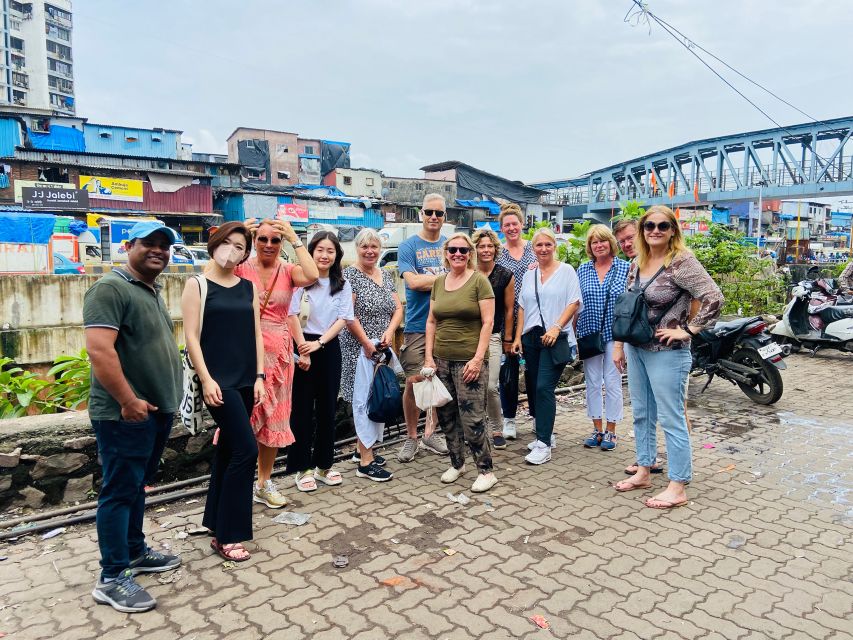
I would recommend it to first-time visitors who want to understand Mumbai beyond colonial buildings, markets, and famous landmarks. It suits curious adults, families with older children, and anyone interested in urban work, recycling, local business, and community life.
The tour also suits visitors who prefer small, direct experiences over bus rides and set-piece attractions. The private-group option may appeal to people who want more time for questions.
I would think twice if you want a polished, quiet, or purely visual outing. You should also skip it if you are likely to photograph people without permission, make jokes about poverty, or treat the visit as a personal thrill. Dharavi is a place where people live and work, and that should shape your conduct.
Practical details before booking
The advertised price is $5 per person, and the walk lasts approximately 2.5 hours. English is the listed tour language, and a live guide leads the experience.
Meet your guide outside Third Wave Coffee. If you cannot find the guide, use the contact details supplied with your booking. The tour finishes back at the same café.
Comfortable footwear is essential because the route is on foot. Keep your group together, listen for instructions, and leave enough time to reach the meeting point through Mumbai traffic. Cancellation is free up to 24 hours in advance, and you can reserve without paying immediately.
Should you book the Dharavi walking tour?
Yes, if you want a direct and respectful introduction to one of Mumbai’s most misunderstood communities. The low price is a major advantage, but the real reason to go is the range of the route: recycling, factories, markets, schools, homes, and local stories in one compact walk.
Book it early in your Mumbai stay if you want context for the rest of the city. Go with patience, dress for walking, and let the guide set the tone. If you do that, this can be one of the most useful and thought-provoking experiences in Mumbai.
FAQ
How much does the Dharavi walking tour cost?
The listed price is $5 per person.
How long does the tour last?
The walking tour lasts about 2 to 2.5 hours.
Where does the tour begin?
The guide meets you outside the Third Wave Coffee shop.
Where does the tour end?
The tour returns to Third Wave Coffee.
What language is the tour offered in?
The listed tour language is English.
Is bottled water included?
Yes. Bottled mineral water is included.
Is the tour conducted on foot?
Yes. The experience is a walking tour inside Dharavi.
Can I book a private group?
Yes. A private group option is available.
Can I cancel for a full refund?
Yes. You can cancel up to 24 hours in advance for a full refund.
Can I reserve now and pay later?
Yes. The booking option allows you to reserve your place and pay later.
Just added around India
- Tipu Palace + Koté Vishnu + Fort + KR Market + Jain Temple = Bengaluru Pété Walk★ 5.0 · 150 reviews
- Street Food walking tour in Bangalore with a food evangelist★ 5.0 · 83 reviews
- Bengaluru Pete City Market Half-Day Walking Tour★ 5.0 · 163 reviews
- Amritsar Heritage Walking Tour★ 5.0 · 112 reviews
- Agra Walking Tour★ 5.0 · 109 reviews
- The Great Indian Food Tour: Old Delhi Food and Heritage Walk★ 5.0 · 106 reviews
- Spiritual Walk Tour Trivandrum (Guided Walking Experience)★ 4.6 · 87 reviews
- Spiritual Walking tour with Puja Ceremony -The Pushkar Route★ 5.0 · 101 reviews
Mumbai Walking Tours, compared.

Private Guided Walking Tour in Bandra Queen of Suburbs
Read our review →
Private Guided Spiritual Walk in Banganga Hindu Temples
Read our review →
Mumbai Street Food Tour with Evening Bazaar Walk
Read our review →Browse the lists this tour appears in