
Review · BERLIN WALKING TOURS
Berlin: Prenzlauer Berg District Guided Walking Tour
Berlin rewards anyone willing to walk beyond the center. This 2.5-hour tour introduces you to Prenzlauer Berg, a district where former East Berlin life, Jewish heritage, creative culture, and rapid change meet on ordinary streets. I like the way it goes beyond postcard sights, and I like that the guide explains how the neighborhood has changed rather than presenting it as a frozen historic quarter. The main consideration is simple: you spend the whole tour on foot, and the meeting point can vary with the option you book.
You will see the Jewish Cemetery on Schönhauser Allee, the old Wasserturm, Mauerpark, Kollwitzplatz, the Rykestraße synagogue, and the public pool on Oderberger Straße. I also appreciate the chance to ask questions about Berlin, urban planning, politics, and daily life. Guides such as Tobias have earned especially warm praise for turning a neighborhood walk into a thoughtful, entertaining conversation.
What makes this Prenzlauer Berg walk worth your time
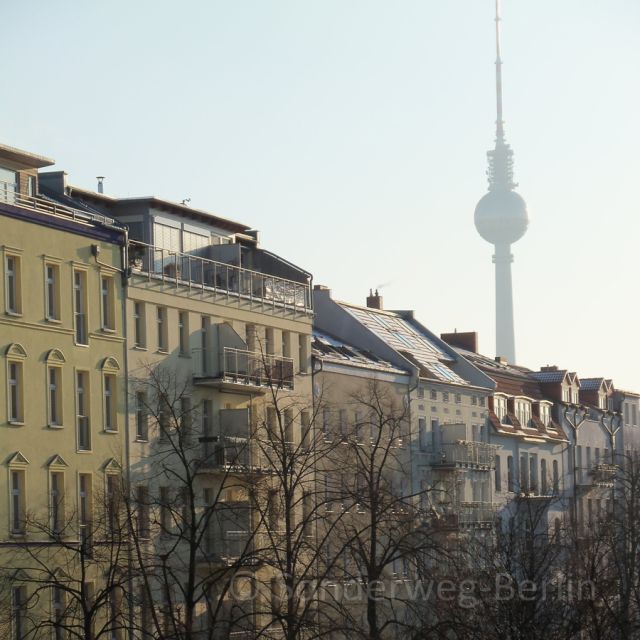
- A neighborhood story rather than a checklist: You learn how Prenzlauer Berg moved from a rougher East Berlin district to one of the city’s most sought-after areas.
- Schönhauser Allee as your main thread: The tour crosses both sides of this important street, giving you a clearer sense of how the district fits together.
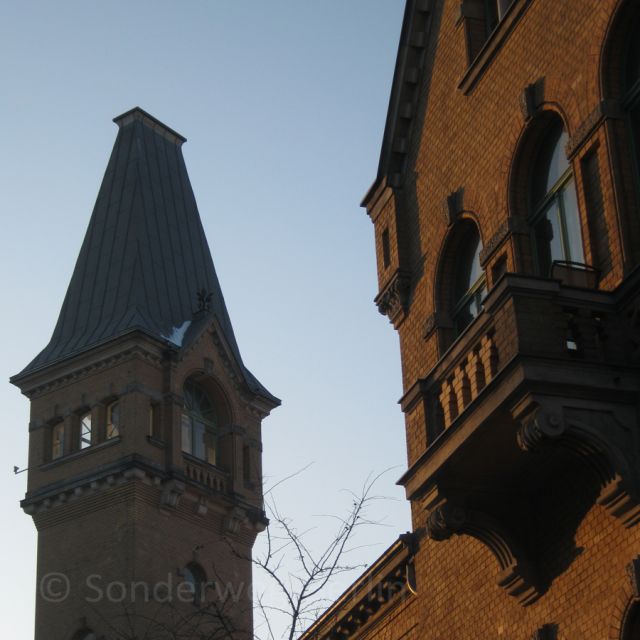
- Jewish history and Berlin architecture: The cemetery, Rykestraße synagogue, Wasserturm, and Messel House add depth to the walk.
- Mauerpark with useful context: You see the park connected to Bernauer Straße, the Sunday flea market, and the area’s former border history.
- A guide-led conversation: The format leaves room for questions, with German and English tours available.
- Strong value at $23: For two and a half hours with a live guide, the price is modest, especially if you want more than a quick photo stop.
Why Prenzlauer Berg tells a bigger Berlin story

Prenzlauer Berg is easy to like at street level. You get broad avenues, old apartment buildings, cafés, public spaces, and a steady flow of local life. But the neighborhood becomes more interesting when you understand the tension beneath its polished appearance.
The district has a long and often difficult past. Its present prosperity can hide the fact that it once had a very different reputation and social character. This walk connects those periods instead of treating them as separate chapters.
That is the tour’s real value. You are not only looking at buildings. You are learning why the area changed, who lived here, and how new money and new residents affected the old neighborhood. The guide also points out details you might pass without noticing on your own.
I would choose this tour early in a Berlin visit if you want to understand the city outside the Brandenburg Gate and Museum Island. It can help you read later walks through Berlin with sharper eyes. You will notice how architecture, public space, memory, and housing all fit together.
The score of 4.9 out of 5 from 316 ratings also reflects a consistent strength: the guide makes the material engaging. Past departures led by Tobias were especially praised for historical knowledge, humor, and the ability to answer questions well beyond the planned route.
More Guided Walks in Berlin:
- Berlin: Third Reich & Cold War Guided Walking Tour
★ 4.9 · 8,378 reviews - Berlin: Hidden Backyards Guided Walking Tour
★ 4.8 · 5,360 reviews - Berlin: City Street Art Guided Walking Tour
★ 4.8 · 1,051 reviews
Starting near Schönhauser Allee
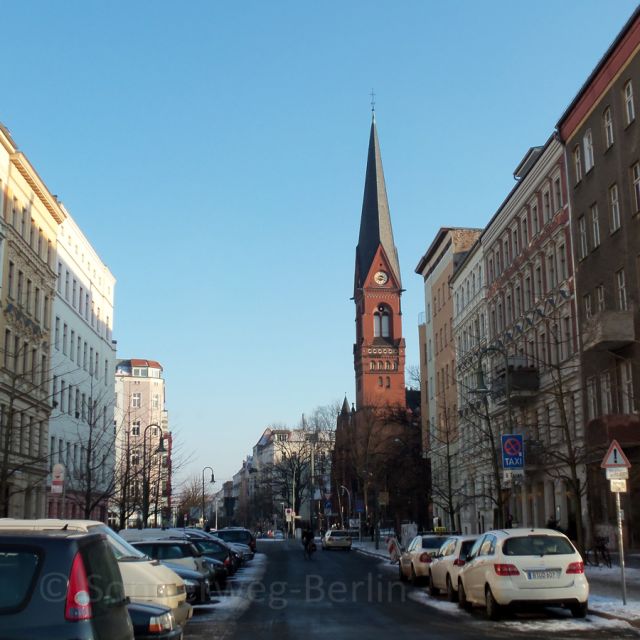
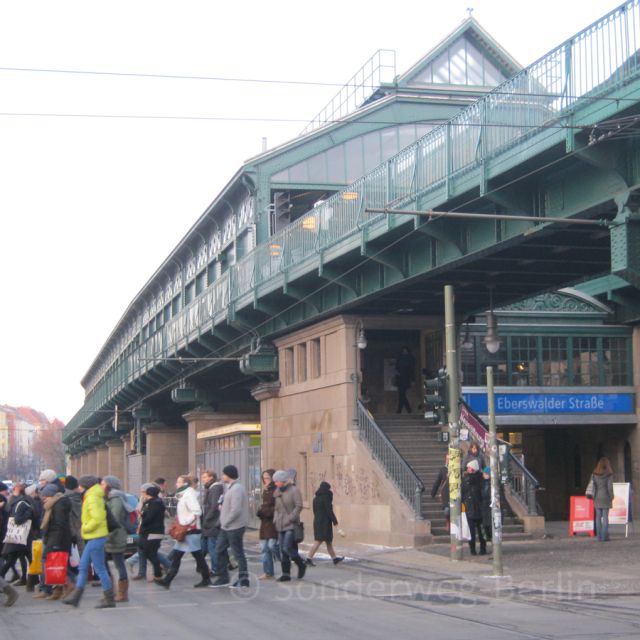
The walk begins in the heart of Prenzlauer Berg, with the exact meeting point depending on the option you book. From there, the route works its way around Schönhauser Allee, the district’s most important street and a useful reference point throughout the tour.
You go both east and west of the avenue. That matters because Prenzlauer Berg is not one uniform block of old buildings. Different streets and corners reveal different phases of its development. A guide can show you those contrasts in a way a simple self-guided stroll may miss.
Schönhauser Allee also helps set the scale of the district. Instead of being rushed from one isolated sight to another, you walk through the spaces between them. That gives you time to look at façades, notice how streets are used, and ask why certain buildings or public places matter.
The pace is described as relaxed, but two and a half hours is still a serious walk. Wear comfortable shoes and plan for outdoor conditions. Food and drinks are not included, so it is sensible to eat beforehand or bring something for after the tour.
The Jewish Cemetery and Prenzlauer Berg’s layered past
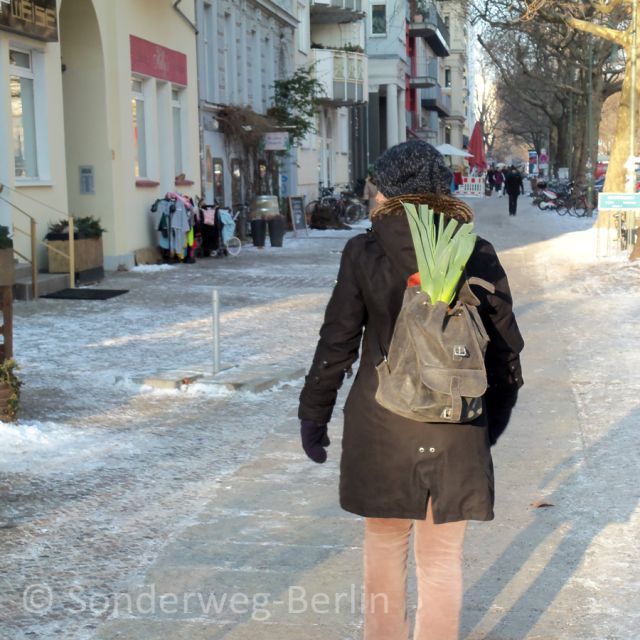
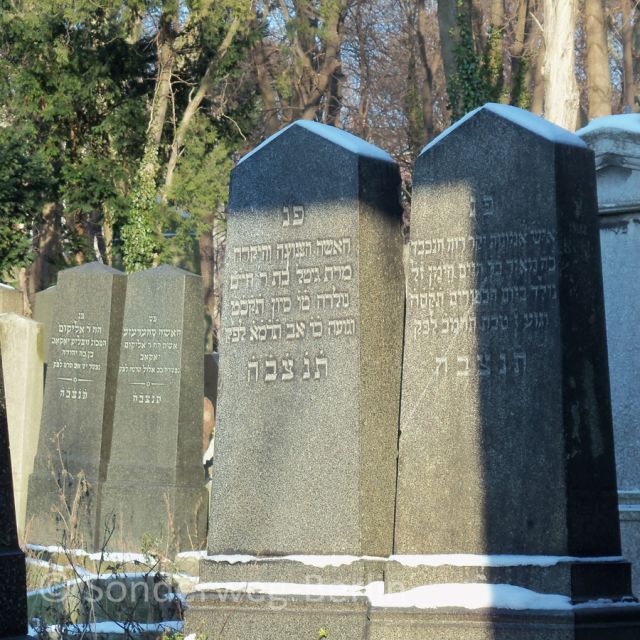
The Jewish Cemetery on Schönhauser Allee is one of the walk’s most important stops. It adds a serious historical dimension to what could otherwise feel like a tour of cafés, apartments, and trendy streets.
The cemetery helps you see that Prenzlauer Berg’s story did not begin with Berlin’s recent creative scene. Jewish life forms an important part of the district’s past, and the stop gives the guide a place to explain how different communities shaped the area.
Do not expect this part to be a quick photo opportunity. A respectful approach is needed, and the value comes from listening to the context. The visit also works well alongside the later stop at the synagogue on Rykestraße, since you encounter Jewish heritage in more than one setting.
For me, this is the sort of detail that makes a neighborhood tour worthwhile. You are given a connection between places, not just a list of names. It also reminds you that a fashionable address can contain layers of memory that are easy to overlook.
The Wasserturm and the shape of the old district
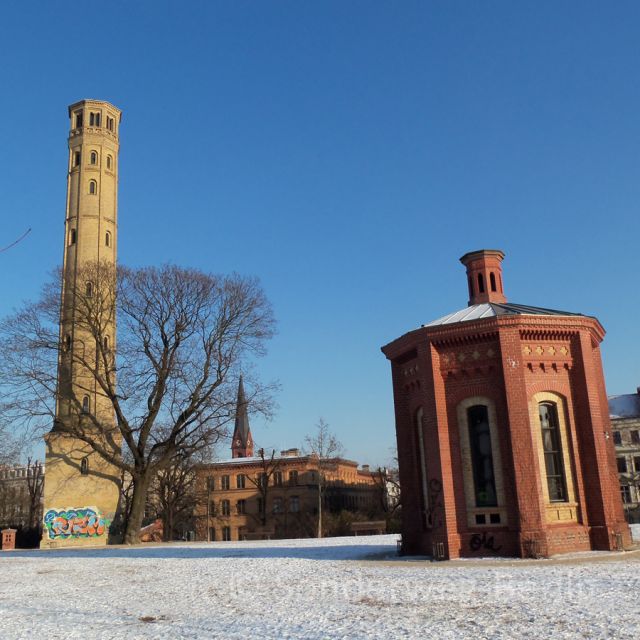
The Wasserturm, or Water Tower, is another recognizable Prenzlauer Berg landmark. Its presence gives the tour a strong architectural marker and helps explain the practical infrastructure of the older neighborhood.
The tower is not treated as an isolated monument. Instead, it is part of a walk through the surrounding streets, where the guide discusses the area’s development and changing character. You can expect the commentary to connect visible buildings with the larger story of Berlin’s growth.
This is a good example of why a guide adds value. On your own, you might admire the tower, take a photograph, and keep moving. With an informed explanation, you begin to see how a structure like this fits into a working urban district.
The route also includes Kollwitzplatz, another key point in Prenzlauer Berg. Together, the Wasserturm and Kollwitzplatz show two sides of the neighborhood: practical city infrastructure and a public square associated with the district’s more refined, popular present.
A few more walks around Berlin worth a look
- Discover Berlin Half-Day Walking Tour
★ 5.0 · 9,624 reviews - Berlin City walk Government District and Places of Democracy
★ 4.7 · 8,467 reviews - Berlin: Discover Berlin Walking Tour
★ 4.9 · 5,998 reviews - Berlin’s Best: 2 Hour Walking Tour Third Reich and the Cold War
★ 5.0 · 5,486 reviews
Kollwitzplatz and the neighborhood’s new face
Kollwitzplatz helps you understand why Prenzlauer Berg is now so popular. The area’s current identity is tied to attractive streets, public spaces, cafés, and a more comfortable urban lifestyle.
The guide does not simply celebrate that change. You also hear about the contrast between the district’s former character and its rapidly evolving future. That balance is important. Prenzlauer Berg is not presented as either a perfect success story or a place ruined by change.
If you are interested in urban change, this may be the most useful part of the walk. You can ask about prosperity, residents, city politics, and the pressures that come when an affordable district becomes desirable. One past participant specifically valued being able to ask about Berlin’s inhabitants, urbanism, and politics, not only about the buildings in front of the group.
The stop is also a reminder that neighborhoods are not museums. People still live here, and the places you visit are part of an active community. Keep that in mind when photographing residential streets or entering public buildings.
Mauerpark and the memory of division
Mauerpark is one of the tour’s liveliest stops, especially on Sundays, when the famous flea market and live music make the park a major local gathering place. The name also points to Berlin’s divided past, and the route continues along Bernauer Straße, an area closely tied to the former Wall.
The appeal here is the contrast. One day, Mauerpark may feel like a relaxed public space filled with stalls, music, and people browsing. At the same time, the area carries the memory of a physical border that once cut through Berlin.
The tour helps connect those two realities. You are not just visiting a park because it is popular. You are seeing how a former border space can become a place for recreation, trade, and public expression.
If your tour takes place on a Sunday, the flea market may add extra energy, but it can also make the area busier. The supplied information does not promise a particular market schedule or performance, so treat those as features of the location rather than guaranteed parts of every departure.
Bernauer Straße leads to the Messel House, adding another architectural point to this stretch of the walk. The route here gives you a useful mixture of history, buildings, and present-day public life.
Rykestraße synagogue and Oderberger Straße pool
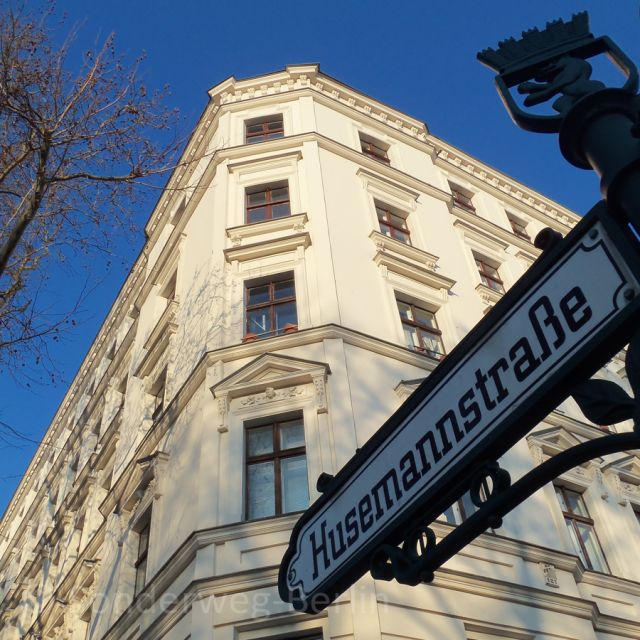
The grand synagogue on Rykestraße gives the tour another chance to discuss Jewish history in Prenzlauer Berg. Along with the cemetery, it creates a stronger picture of the community’s place in the district.
The synagogue is also one of the route’s more imposing buildings. It offers a change of scale from the ordinary streets and apartment blocks around it. Listen for the guide’s explanation rather than assuming the building speaks for itself. The surrounding history is what makes the stop meaningful.
The public pool on Oderberger Straße provides a different kind of insight. It is a more everyday civic building, and its inclusion shows that the tour is not limited to famous monuments. Public facilities can tell you a great deal about how a neighborhood functions and how its identity changes over time.
I like this mixture of stops. A cemetery, a synagogue, a water tower, a park, a house, and a public pool do not look like a standard sightseeing route. That is exactly the point. Prenzlauer Berg is best understood through the combination of grand landmarks and ordinary urban spaces.
The guide makes the difference
This is a guide-centered experience, so the quality of the commentary matters more than the number of stops. The strongest praise has focused on guides who are entertaining, well prepared, and open to questions.
Tobias is one guide associated with particularly strong feedback. His background in museums and history was praised, as was his humor. One group of about 40 people found that he handled the size well and still made an effort to involve everyone.
That said, group size can affect the experience. A small group may feel almost private, with more time for questions and a closer conversation. Past departures with only two people offered that kind of personal format. A larger group can still work well, but you may have less opportunity to stop and ask about every point that catches your attention.
The tour is offered in German and English. If you want a lecture with no interaction, this may feel more conversational than expected. If you enjoy asking questions, that is a clear advantage.
Is $23 a fair price?
At $23 per person, this is a good-value activity for Berlin. You receive a live, 2.5-hour walking tour covering several parts of Prenzlauer Berg, with a guide who adds historical and social context.
The price makes the most sense if you value interpretation. You can walk through Mauerpark, pass the Wasserturm, and find Kollwitzplatz without paying for a guide. What you cannot easily reproduce is the connection between the cemetery, synagogue, public pool, architecture, neighborhood politics, and recent change.
There are a few limits. Food and drinks are not included, and you do not receive transportation between stops. The tour is also not built around indoor attractions, so weather may affect your comfort. Still, the modest cost compares well with many paid Berlin activities, especially if you want a local district rather than another major museum.
The flexible booking terms add practical value. You can reserve now and pay later, and cancellation is free up to 24 hours before the activity for a full refund. Check the available starting times and your selected meeting point before booking, since those details can vary.
Who should book this walk?
I would recommend it to first-time Berlin visitors who want to see beyond the central sights. It is also a good choice for people who have already visited Berlin and want a more focused look at one district.
The walk suits you especially well if you enjoy:
- Architecture explained in its social setting
- Berlin’s 20th-century history and its effects today
- Questions about housing, urban change, and local life
- Small public spaces and ordinary buildings
- A relaxed guide who can move between history and current affairs
Families with older children may find the variety useful, though the 2.5-hour duration requires a willingness to walk and listen. History fans will appreciate the cemetery, synagogue, Wall connections, and changing political context. Photographers may enjoy the mix of façades, public places, and street scenes, but this is not primarily a photo tour.
I would be less likely to choose it if you want a fast introduction to Berlin’s major landmarks. You will not focus on the Brandenburg Gate, Reichstag, Museum Island, or Checkpoint Charlie. This is a district study, not a city highlights tour.
Final verdict: book it for context, not just sights
Book this Prenzlauer Berg walk if you want Berlin explained at street level. The route brings together the Jewish Cemetery, Wasserturm, Kollwitzplatz, Mauerpark, Bernauer Straße, Messel House, Rykestraße synagogue, and Oderberger Straße pool, but the real attraction is how those places connect.
At $23, the tour offers strong value for a 2.5-hour guided experience. I would choose it early in your stay, wear comfortable shoes, and come ready with questions. You may finish with more than a list of places to revisit. You may also understand why Prenzlauer Berg feels both deeply rooted and constantly in motion.
FAQ
How long is the Prenzlauer Berg walking tour?
The tour lasts 2.5 hours.
How much does the tour cost?
The listed price is $23 per person.
Which languages are available?
The tour is available in German and English, with a live guide.
What is included in the price?
The price includes the guided walking tour and the guide.
Are food and drinks included?
No. Food and drinks are not included.
Which places does the walking tour visit?
The route includes the Jewish Cemetery on Schönhauser Allee, the Wasserturm, Mauerpark, Bernauer Straße, Messel House, Kollwitzplatz, the synagogue on Rykestraße, and the public pool on Oderberger Straße.
Where does the tour meet?
The meeting point can vary depending on the option booked. Check the details for your selected option.
Can I cancel the booking?
Yes. You can cancel up to 24 hours in advance for a full refund.
Can I reserve the tour and pay later?
Yes. The activity offers reserve now and pay later booking, so you do not have to pay at the time of reservation.
Just added around Berlin
- Berlin Walking Tour★ 4.5 · 378 reviews
- Small Group Walking Tour of East Berlin with a French Guide★ 5.0 · 176 reviews
- Berlin Street Art Walking Tour – Off The Grid★ 5.0 · 270 reviews
- Berlin Highlights Private Guided Walking Tour★ 4.5 · 89 reviews
- Private Walking Tour: World War 2 and Cold War Sites in Berlin★ 5.0 · 230 reviews
- East Meets West: Berlin Food Culture & Street Art★ 5.0 · 157 reviews
- Kreuzberg Berlin: Off the Beaten Track PRIVATE Walking Tour★ 5.0 · 128 reviews
- The History of Berlin: WWII PRIVATE Walking Tour With Locals★ 5.0 · 209 reviews
Berlin Walking Tours, compared.
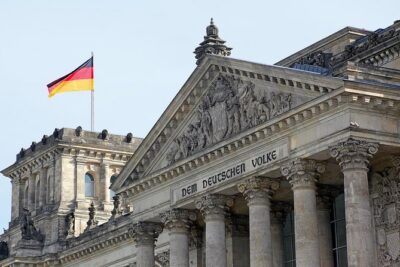
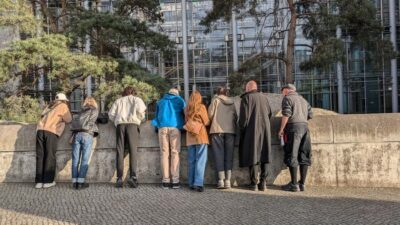
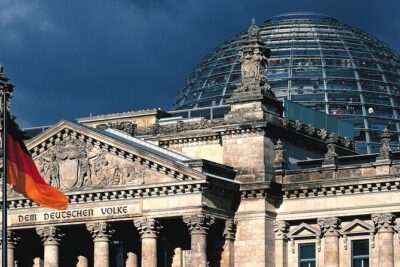
Berlin City walk Government District and Places of Democracy
Read our review →
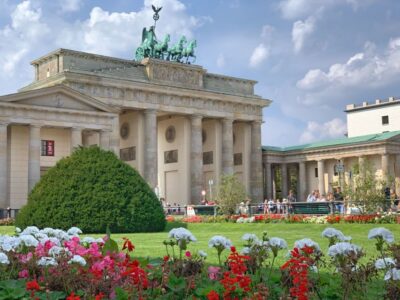
Berlin’s Best: 2 Hour Walking Tour Third Reich and the Cold War
Read our review →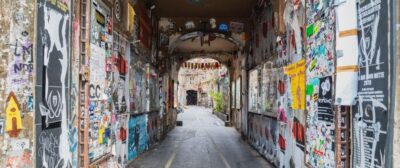
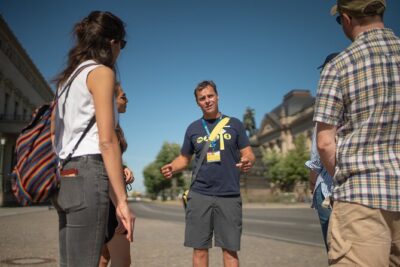
Explore Berlin: See All The Iconic Sights & Some Hidden Gems
Read our review →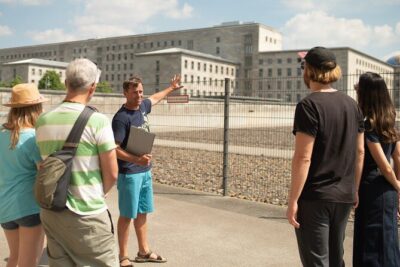
Third Reich Berlin: Hitler and WWII Walking Tour
Read our review →Browse the lists this tour appears in