
Review · VIENNA WALKING TOURS
The unknown Vienna City- a guided walking tour in 3 hours
Vienna has more than grand palaces. This three-hour walk leads you from the Greek Quarter near Stubentor toward the Hofburg, using quiet lanes, courtyards, churches, and overlooked corners to explain how the city grew from the Middle Ages to the end of the Habsburg era. I like the small group of no more than 10 people, and I especially like the mix of legends, music, architecture, and political history.
I also like that the route includes places many visitors pass without noticing, including traces of Vienna’s medieval past, Mozart’s connection to the Deutscher Orden Haus, Mark Twain’s former residence, and local stories about monsters such as the basilisk. The main drawback is that the tour covers a lot in three hours, so the experience may feel information-heavy, and some bookings can be conducted in two languages.
Key points to know before booking
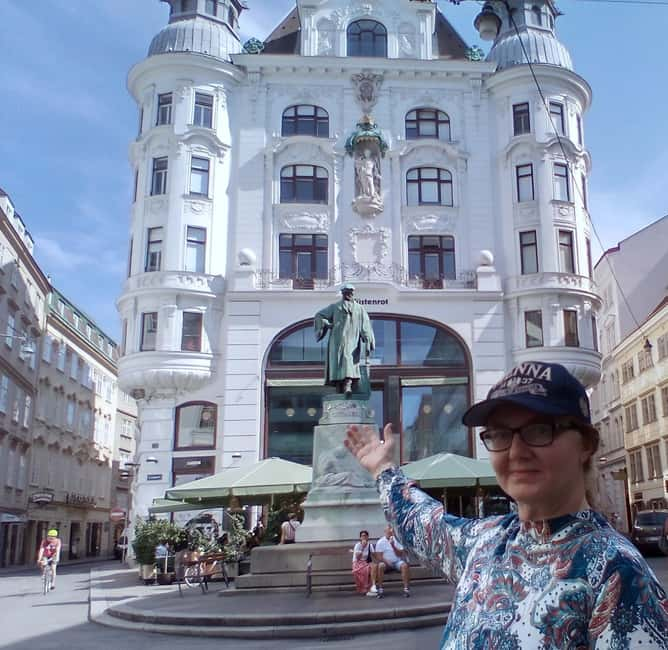
- Start near Stubentor: Meet by the Dr. Karl Lueger monument, close to the Stubentor subway station.
- Finish at the Hofburg: The route ends at In der Burg 1, giving you a useful position for continuing your sightseeing.
- Legends are part of the route: Expect stories about Lugeck, Augustine, and the basilisk, along with explanations of what these tales meant to people in Vienna.
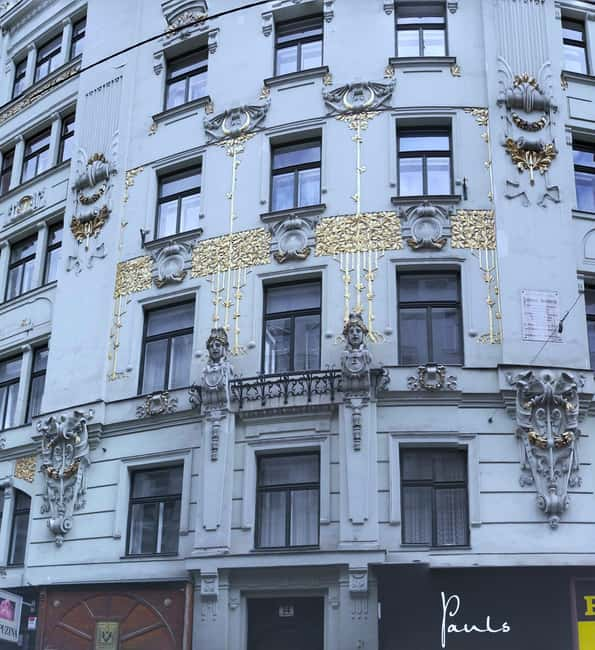
- Architecture changes block by block: You will see Gothic, Renaissance, Baroque, Art Nouveau, and modern buildings close together.
- A small group helps: With a maximum of 10 people, you should have a better chance to ask questions and hear the guide clearly.
- Prepare for a serious walk: Eat before you start, wear comfortable shoes, and note that the tour is not suitable for wheelchair users.
Why this Vienna walking tour feels different
The familiar Vienna route usually points you toward grand squares, imperial buildings, and major museums. This walk takes a different approach. It uses the first district as a kind of open-air history book, moving through places where the city’s older layers are still visible beside modern construction.
I like the idea behind the route because Vienna can look polished and unified at first glance. Look closer, and the city becomes a patchwork of medieval streets, religious buildings, former aristocratic homes, music sites, war memories, and newer architecture. The tour is designed to help you spot those changes instead of simply walking past them.
The route covers the period from the 13th century to the 21st century. That is a large span for three hours, but it gives the walk a clear purpose. You are not only looking at attractive buildings. You are learning how Vienna changed through the Ottoman Wars, religious conflict, the growth of the Habsburg monarchy, and later architectural shifts.
The guide also brings in local folklore. Stories about monsters and strange events are not treated only as entertainment. They show how people once explained danger, disease, unfamiliar events, and threatening places. That combination of fact and legend should appeal to you if you prefer city tours with a little personality.
A few more walks around Vienna worth a look
- 3-Hour Walking Tour of Vienna Central Cemetery
★ 4.7 · 71 reviews - Prague: 3-Hour Walking Tour of Old Town & Prague Castle
★ 4.7 · 5,696 reviews - Eat Like a Local: Venice 3-Hour Small-Group Food Tasting Tour
★ 5.0 · 3,137 reviews
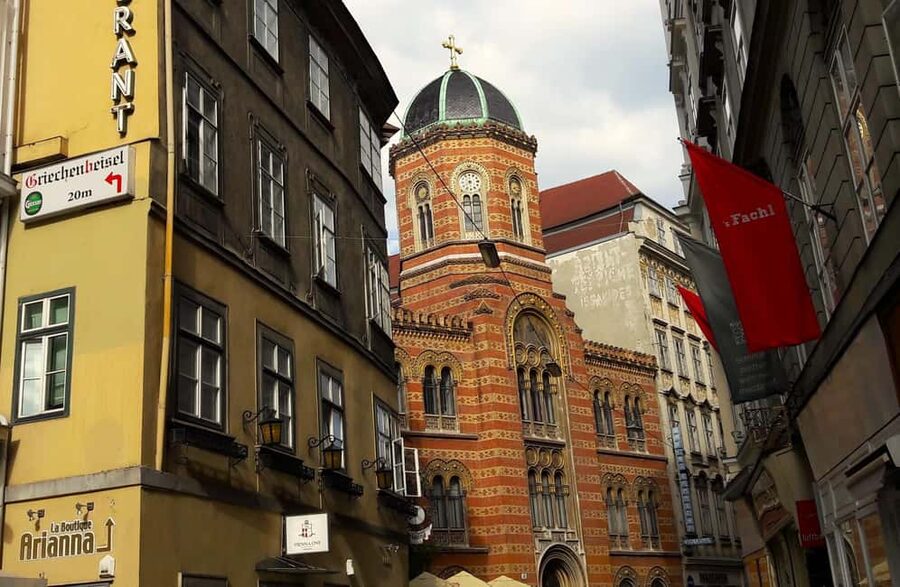
Starting near Stubentor and the Greek Quarter
The meeting point is near the Dr. Karl Lueger monument by Stubentor subway station. This is a practical starting point because you are already at the edge of Vienna’s historic first district, close to the old city center and the former line of the city walls.
The opening section moves toward the Greek Quarter. This part of Vienna is useful for understanding the city as a trading and cultural center, not only as the seat of emperors. The early route also sets up the tour’s main theme: important stories can be found on ordinary-looking streets.
Your guide may point out details that are easy to miss from a distance. A narrow passage, a courtyard entrance, a change in façade, or a church tucked between larger buildings can reveal how the city developed over time. The walk is less about collecting famous photo stops and more about learning how to read the street.
The meeting point is close to public transportation, but you should still arrive with enough time to find the monument. A three-hour walk is much easier when you are not starting in a rush.
Lugeck, Augustine, and Vienna’s local legends
Several legends shape the early part of the tour, including the Legend of Lugeck, the Legend of Augustine, and stories about Vienna’s basilisk. These tales add a human layer to streets that might otherwise seem formal or grand.
The basilisk story is especially useful because it introduces the role of monsters in urban folklore. The point is not simply that Vienna has an old monster tale. You also hear about the story’s origins, its meaning, and how local people eventually dealt with the supposed threat.
The Legend of Augustine brings another tone. It is connected with Vienna’s musical and popular traditions, helping explain how stories moved through the city before modern media. The Legend of Lugeck adds another local reference point and helps turn a street name into something memorable.
I would not book this walk if you want only dates, dynasties, and architectural labels. The storytelling is a major part of the experience. If you enjoy hearing why a place acquired its reputation, these legends should make the route easier to remember.
Mozart and the Deutscher Orden Haus
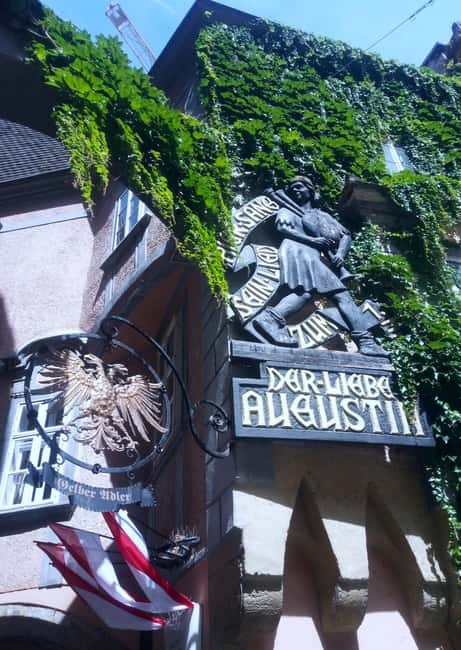
Music appears throughout the route, but one of the clearest stops is the Deutscher Orden Haus, connected with Mozart as a concert venue. This gives you a different way to think about Vienna’s musical identity.
Many music-focused tours center on famous composers’ homes or major concert halls. Here, the emphasis is on the setting in which music was performed and supported. The story also brings in patrons of music and architecture, showing that Vienna’s cultural life depended on institutions, wealthy supporters, religious communities, and audiences as well as composers.
That broader view is valuable. You are not just collecting another Mozart address. You are seeing how a building and its social setting helped create the city’s musical reputation.
The tour also follows the footsteps of musicians and patrons through less familiar streets. If you already know Vienna’s major music museums, this stop can add context. If Mozart is your main reason for booking, keep your expectations in check: this is one part of a wide-ranging walking tour, not a dedicated Mozart experience.
More Guided Walks in Vienna:
- Vienna: Guided Walking Tour of City Center Highlights
★ 4.7 · 4,989 reviews - Vienna: Vienna Central Cemetery Guided Walking Tour
★ 4.8 · 3,307 reviews - Vienna: Guided Walking Tour of City Highlights & Hidden Gems
★ 4.9 · 2,180 reviews - Vienna: Viennese Underworld Guided Walking Tour
★ 4.7 · 1,865 reviews
Medieval Vienna beside the modern city
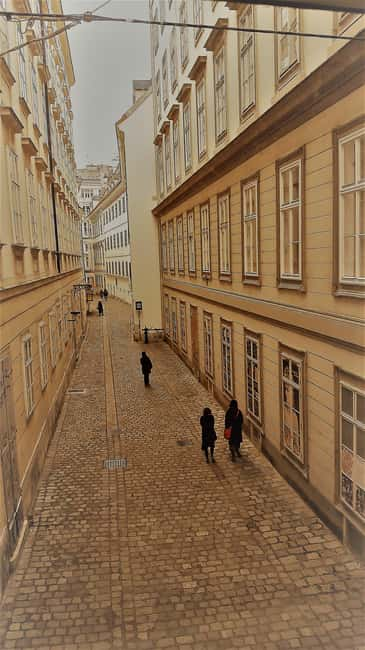
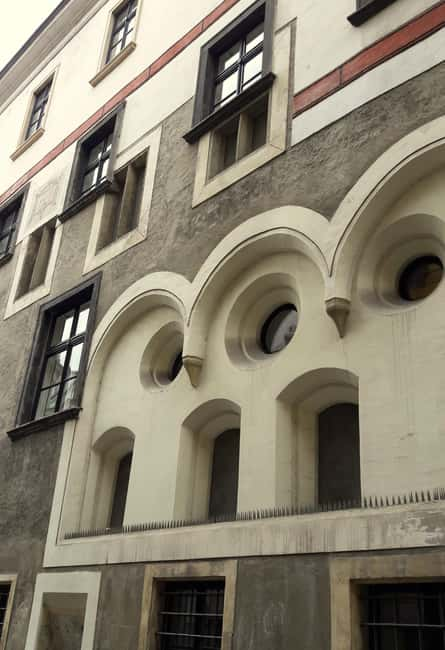
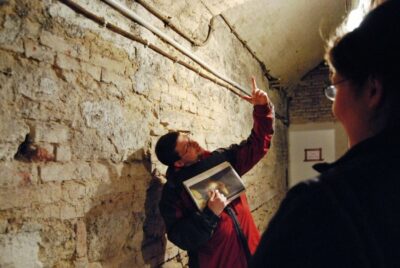
One of the strongest parts of the route is the contrast between old and new. You may see medieval architectural traces close to Renaissance and Baroque buildings, Art Nouveau details, and very modern structures.
Vienna’s first district is especially good for this kind of comparison. A Gothic remnant can sit near a later façade. A church may preserve a much older footprint even after repeated changes. A modern building can make the older structure easier to notice by contrast.
The tour explains architecture as evidence of political and religious change. You will hear about the re-Catholicization of Vienna and the architectural traces it left behind. That matters because religious policy was not only expressed in sermons or official documents. It appeared in churches, façades, interiors, institutions, and public spaces.
I like this approach because it gives you a practical viewing skill. After the tour, you should be better prepared to ask what changed, who paid for it, which style was being promoted, and what earlier structure may still survive underneath.
The unknown medieval Hofburg
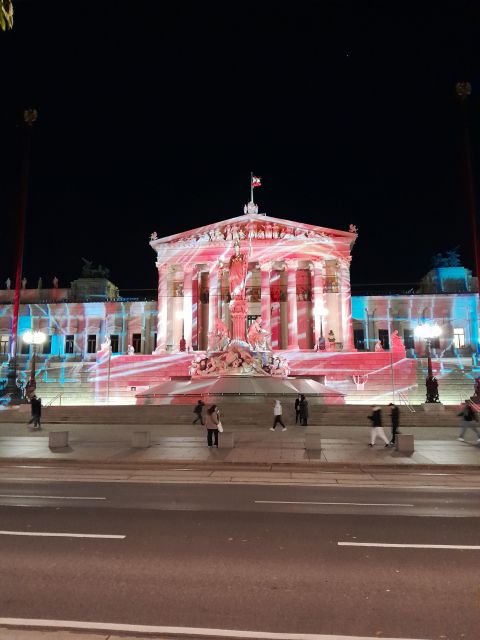
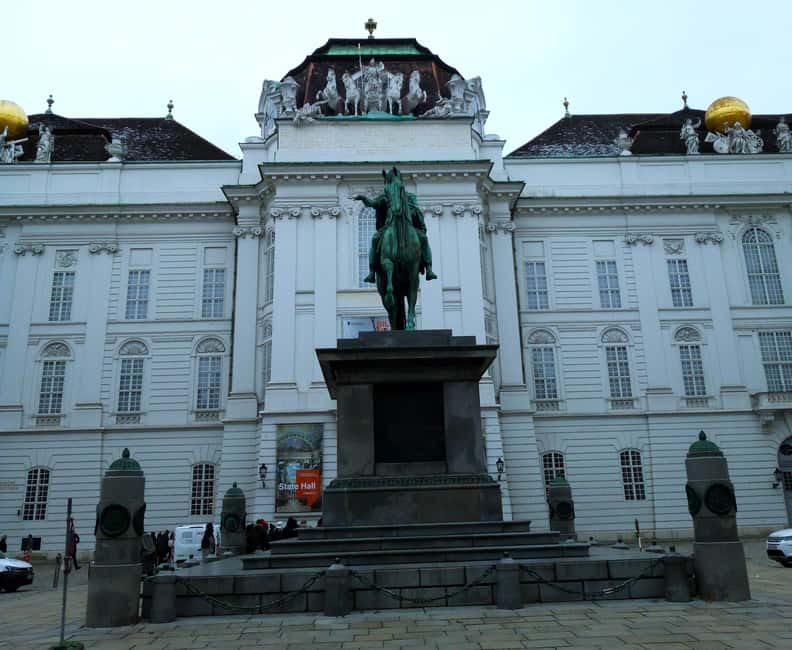
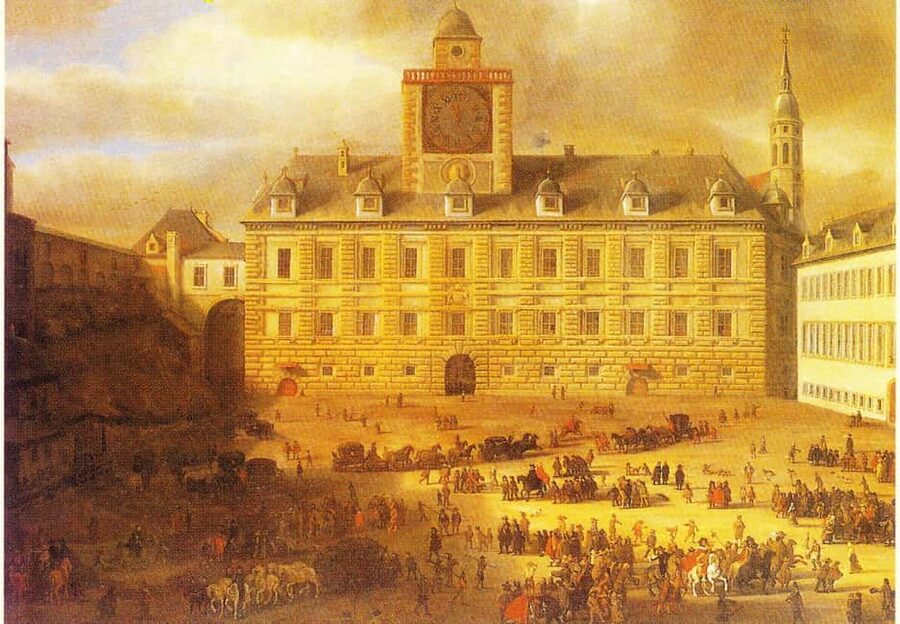
The Hofburg is one of Vienna’s best-known sights, but this tour approaches it through less familiar medieval material. The focus is not simply on the imperial image most visitors see today. It is on the older Hofburg and the layers that came before the grand ceremonial complex.
That change in focus makes the final part of the walk useful. You arrive at the Hofburg with a better sense of how the site grew over centuries. The route ends at In der Burg 1, placing you in a central area for further sightseeing.
You should not expect a full interior tour of the Hofburg. The experience is a guided walk through the historic center, with architecture and stories explained from the streets and public spaces. If you want palace rooms, museum galleries, or a long visit inside a specific building, you will need to plan those separately.
Still, finishing here gives the tour a satisfying shape. You begin near the former city edge at Stubentor and move toward the political heart of historic Vienna. Along the way, the city’s religious, musical, social, and architectural layers come together.
A route of winding streets and overlooked corners
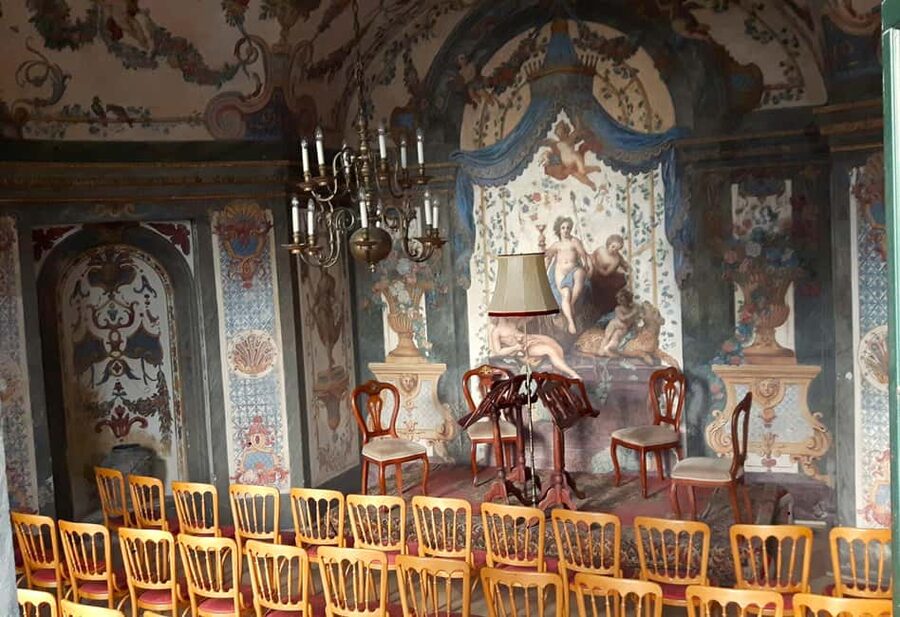
The route includes winding, lesser-known streets, courtyards, and churches that you might not find on your own. One particularly useful detail is the chance to see locations connected with Mark Twain, along with sites linked to decisive moments in Vienna’s past.
These stops matter because they break up the standard sightseeing pattern. You are not simply moving from one major monument to another. You are being shown the spaces between them, where residents worked, worshipped, hosted music, told stories, and responded to political change.
The churches are another strong feature. Several are described as beautiful but easy to overlook. Since the tour includes religious architecture from different periods, you get a better sense of how Vienna’s faith and public life changed together.
The guide can also answer questions as you go. That is important on a route with many small details. You may want to ask about a building’s purpose, a story’s source, or the reason a street has its current shape. The small group makes those conversations more realistic than they would be on a large coach-style tour.
Guide style and group size
The experience is offered in English, Italian, and German. The guide named in the booking information is Nicoleta, and the available feedback gives her particular praise for careful explanations, patience, and her ability to answer questions.
That kind of guide matters on a history-heavy walk. The route includes legends, architecture, political change, music, and several centuries of development. A guide who can adjust explanations and respond to questions will make the material much easier to follow.
Groups are limited to 10 participants. I consider that a good size for this route. You should be able to hear the guide in narrow streets, ask questions without holding up a large crowd, and notice smaller details without being pushed through each stop.
There is one language point to keep in mind. In rare cases, the tour may be conducted in two languages, especially when booked at short notice or during crowded holiday periods such as Easter or Christmas. The booking system may not show which languages are already represented, so email [email protected] if that matters to you.
Is the $63 price good value?
At $63 per person, this is not the cheapest way to walk around Vienna. The value depends on how much you want from a guide rather than how many major sights you can photograph.
The tour lasts three hours and uses a small group, which helps explain the price. You are paying for a focused route, interpretation, local stories, and the chance to ask questions. You are also getting access to places and details that may not be obvious from a standard city map.
The value is strongest for a first-time visitor who wants a city overview with more character than a basic monument walk. It can also work well near the end of a Vienna stay, when you already recognize the major sights and want to understand the streets you passed earlier.
The value is weaker if you prefer to move quickly, avoid long explanations, or plan to visit only the main imperial buildings. In that case, a self-guided walk may be enough. You should also remember that entry tickets, food, and transport are not listed as part of this activity.
Practical advice for the three-hour walk
Eat before you start. The tour lasts three hours, and no meal is included. A snack and water would also be sensible, though the supplied information only specifically advises eating beforehand.
Wear comfortable shoes. The walk includes historic streets and lesser-known lanes, and the route is not suitable for wheelchair users. Even if you normally manage city walking easily, supportive footwear will make the final hour more enjoyable.
Check the starting time when booking. Several start times may be available, and the exact schedule depends on availability. Arrive near the Dr. Karl Lueger monument with enough time to locate the meeting area.
Cancellation is flexible up to 24 hours before the activity for a full refund. You can also reserve now and pay later, which helps if your Vienna schedule is still changing.
Recording the guide’s explanations is not permitted. The tour’s spoken material is protected by copyright, so plan to listen and take your own brief notes instead.
Who should book this walking tour?
I would recommend it to you if you enjoy history told through streets and stories, especially when the route includes folklore and architecture rather than only famous monuments. It suits curious visitors who want to understand how Vienna fits together.
It is also a good choice for people who have already seen St. Stephen’s Cathedral, the Hofburg, or the main imperial sights and want a different angle. The Mark Twain connection, Mozart venue, basilisk tale, churches, courtyards, and medieval traces give the walk plenty of variety.
Families with older children may enjoy the monster stories, but the historical explanation is aimed at adults and curious older students. Music fans should appreciate the Deutscher Orden Haus, although the tour is not devoted only to Mozart.
I would hesitate to recommend it to anyone with limited walking ability, a strict interest in indoor attractions, or a dislike of long historical explanations. The route is also less ideal if you need the tour to stay in only one language, since bilingual guiding can occur in rare cases.
FAQ
Where does the tour begin?
The tour begins near the Dr. Karl Lueger monument, close to the Stubentor subway station in Vienna.
Where does the tour finish?
The route finishes at In der Burg 1, in the Hofburg area.
How long does the tour last?
The walking tour lasts three hours. Starting times depend on availability.
Which languages are available?
The tour is offered in English, Italian, and German. In rare cases, it may be conducted in two languages.
How large is the group?
The group is limited to 10 participants.
Is the tour suitable for wheelchair users?
No. The activity is not suitable for wheelchair users.
Should you book The Unknown Vienna City walking tour?
Book it if you want to see Vienna through its side streets, local legends, religious changes, music history, and medieval remains. The best reason to choose it is the range of detail: you move from the Greek Quarter and Stubentor through stories of Lugeck, Augustine, and the basilisk, then continue toward Mozart’s concert setting and the older Hofburg.
At $63, it asks more than a casual self-guided stroll, but the small group and guide-led explanations give the price a clear purpose. Choose it for context, questions, and overlooked corners. Skip it if you want a short list of major sights with little narration.
Just added around Vienna
- Hungry in Vienna? A Food Lover’s Coffee & Market Walk★ 4.9 · 276 reviews
- 3-Hour Walking Tour of Vienna Central Cemetery★ 4.7 · 71 reviews
- Vienna: City Center Guided Walking Tour★ 4.8 · 99 reviews
- Private Hidden Vienna Walk — Stories Behind Quiet Corners★ 5.0 · 137 reviews
- Vienna at First Glance a Private Walking Tour for First Timers★ 5.0 · 131 reviews
- Vienna: Essential History Walking Tour★ 4.9 · 633 reviews
- Historical Hitler Walking Tour of Vienna★ 5.0 · 887 reviews
- Vienna: Small Group Guided Walking Tour of City Highlights★ 5.0 · 540 reviews
Vienna Walking Tours, compared.

Guided Walking Tour of City Center Highlights
Read our review →
Guided Walking Tour of City Highlights & Hidden Gems
Read our review →
Vienna Historic Center Small Group Walking Tour
Read our review →
Browse the lists this tour appears in