
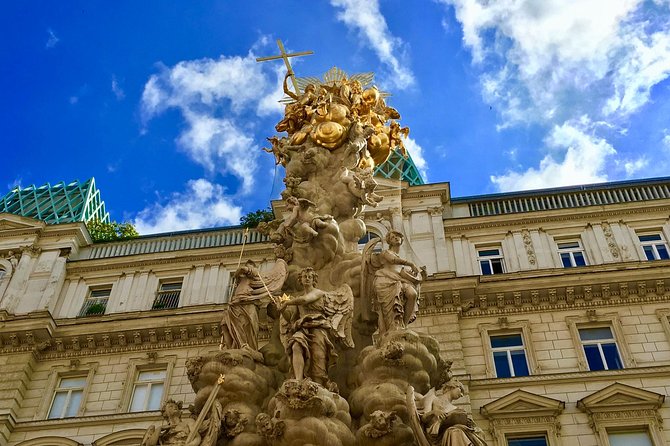
Review · HISTORY WALKING TOURS
Vienna Historic Center Small Group Walking Tour
Vienna rewards a good first walk. This 2.5-hour route gives you a fast orientation to the historic center, from Maria-Theresien-Platz and the Ringstrasse to Hofburg Palace and St. Stephen’s Cathedral. I like the capped group of 15, which makes it easier to hear the guide and ask questions, and I like that the route mixes grand landmarks with useful local advice on cafés, restaurants, food, and Viennese customs.
The main consideration is simple: this is an outdoor sightseeing walk, not an attraction-entry tour. You will look at the exteriors of museums, palaces, churches, and public buildings, with only occasional indoor visits depending on the day. At $72.56 per person, the value depends on how much you want historical explanation and city orientation rather than admission tickets.
- A 2.5-hour route through central Vienna: See the Ringstrasse, Hofburg, Rathaus, Volksgarten, Graben, and St. Stephen’s Cathedral in one well-packed walk.
- A small group capped at 15 people: The size allows for questions, personal attention, and audio devices so you can hear the guide in busy streets.
- Guides praised for humor and clarity: Dace, Giselle, Gabriela, Beatrice, and Annelie are among the guides singled out for lively storytelling and strong command of Vienna’s past.
- A useful first-day introduction: The tour ends at Stephansplatz, leaving you in the best part of the city to continue sightseeing, shop, eat, or visit the cathedral.
- Mostly free outdoor stops: The route includes major buildings and public squares, but museum admissions and most interior visits are not included.
- A proper walking workout: One review counted about 14,000 steps, so comfortable shoes and weather-ready clothing are essential.
A smart first look at Vienna’s old center
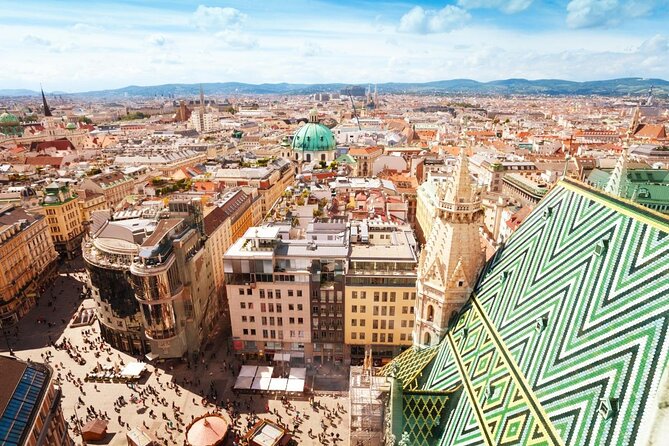
Vienna can feel confusing at first. The old city is compact, but its grand buildings are spread across broad squares, ceremonial boulevards, palace courtyards, and pedestrian lanes. This tour gives you the basic map quickly, then adds the political and cultural stories that make the architecture easier to understand.
You begin at Maria-Theresien-Platz, between the Art History Museum and the Natural History Museum. The square is an excellent starting point because it shows Vienna’s imperial scale right away. The museums face one another, and the large monument to Maria Theresa anchors the middle. You do not enter either museum, but the guide explains what you are seeing and places the buildings within the wider Habsburg story.
The route then reaches the Ringstrasse, the grand circular boulevard built where Vienna’s old fortifications once ran. This is more than a pretty road. It represents the city’s 19th-century expansion and the Habsburg desire to project power through architecture. Along the way, you hear about the mix of Classical, Gothic, Renaissance, and Baroque styles used for the public buildings.
From the Ringstrasse to the Hofburg
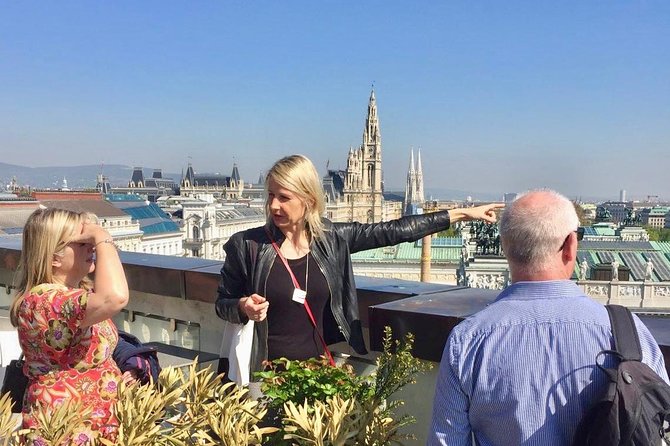
The Ringstrasse section is packed with major sights. Depending on the exact walking flow and guide, you pass or discuss the Austrian Parliament Building, Vienna City Hall, the Burgtheater, the University of Vienna, and the State Opera. You are not stopping for long at every building, so you need to listen closely and accept that some views will be brief.
Rathaus, Vienna’s neo-Gothic city hall, is one of the most photogenic stops. It remains the seat of Vienna’s government and is also used for public events. The nearby Burgtheater is one of the city’s key theatrical institutions. These buildings help explain how the Ringstrasse was designed as a display of civic life, culture, and government, not just as a traffic route.
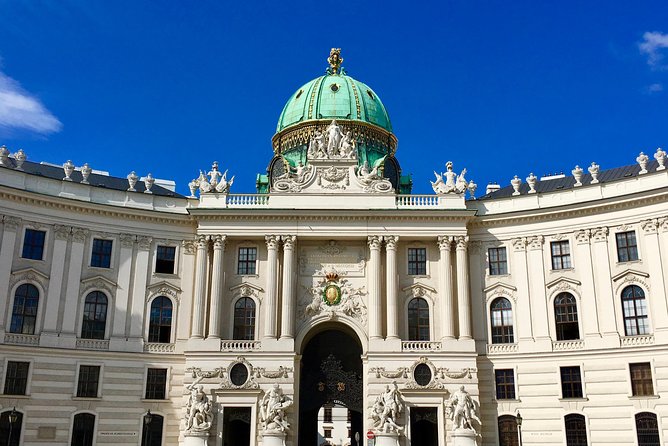
At Burgtor, you reach a neoclassical gate built after the Napoleonic Wars. From here, the imperial heart of Vienna opens up. The Hofburg is not one single palace in the simple sense. It is a sprawling collection of courtyards, wings, museums, offices, and ceremonial spaces shaped over centuries by the Habsburg rulers.
The guide discusses the palace’s growth, court life, emperors, empresses, and the way the complex still functions in modern Austria. You may also hear about the Austrian National Library, the Winter Riding School, and the Lipizzan horses associated with the Spanish Riding School. Those details matter because the Hofburg is easier to understand as a working center of power than as one isolated monument.
Heroes Square, or Heldenplatz, gives you room to step back and take in the palace setting. It was formed after old fortifications were removed near the end of the Napoleonic period. The square also carries darker 20th-century history. From the New Castle balcony, Adolf Hitler proclaimed the annexation of Austria into Nazi Germany in 1938. A good guide handles this subject directly, without letting the imperial spectacle erase the more painful parts of Vienna’s past.
More History Walking Tours in Austria
- Vienna: World War II Historical Walking Tour
★ 4.8 · 1,772 reviews - Historical Hitler Walking Tour of Vienna
★ 5.0 · 887 reviews - Vienna: Essential History Walking Tour
★ 4.9 · 633 reviews
Churches, courtyards, and the city’s intellectual life
St. Michael’s Church is another worthwhile pause. Its origins reach back to 1220, and its interior atmosphere is very different from the formal palace spaces nearby. The tour may include a church visit, but indoor access can depend on the day, local conditions, and the guide’s route.
You also pass the Federal Chancellery and learn about the Austrian National Library. The route includes the Baroque Winter Riding School, a famous setting for Lipizzan performances and training. These brief explanations are useful even if you plan to return later for a full museum, library, or riding-school visit.
At the University of Vienna, the focus shifts from royalty to ideas. The guide connects the university’s academic tradition with figures such as Sigmund Freud and Lise Meitner, the Jewish physicist whose work changed modern science. This is one of the better features of the walk because it widens the story beyond emperors and palaces.
The route also reaches Freyung, one of the oldest squares in central Vienna. It has a more intimate feel than the broad Ringstrasse spaces. You may also pass Palais Ferstel, once home to the Austro-Hungarian National Bank and the Stock Exchange. The contrast is useful: Vienna’s center is not only imperial parade grounds. It is also a network of market squares, institutions, cafés, residences, and business palaces.
One especially appealing detail is the coffeehouse tradition. Vienna’s cafés were meeting places for writers, composers, architects, painters, psychoanalysts, and political thinkers. The tour includes recommendations for cafés and restaurants, and several guides have added personal suggestions about where to eat. A coffee break at Café Demel was a highlight for one participant, but you should treat that as a possible recommendation or stop rather than a guaranteed included activity.
The final stretch through Graben and Stephansplatz
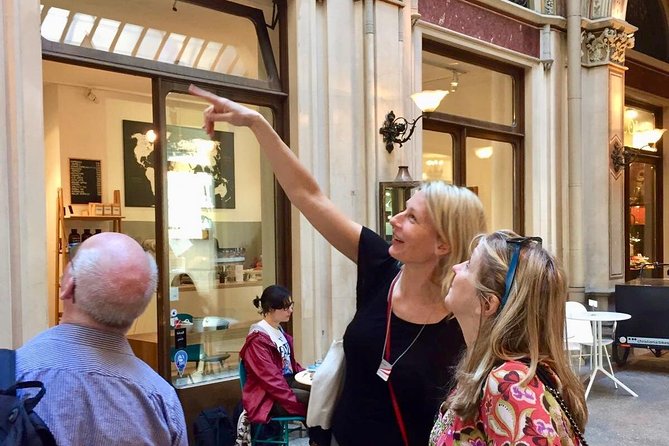
The walk eventually turns toward Graben and Kohlmarkt, among Vienna’s most elegant pedestrian streets. This is where the city shifts from imperial ceremony to shopping, cafés, churches, and daily urban life. You will see polished façades and busy foot traffic, but the guide keeps the focus on how these streets fit into the old city.
Beethoven’s Pasqualatihaus is another cultural stop. It was once a residence of Ludwig van Beethoven and occupies a prominent position near the former town fortifications. The stop is brief, yet it adds an important reminder that Vienna’s identity rests as much on music as on monarchy.
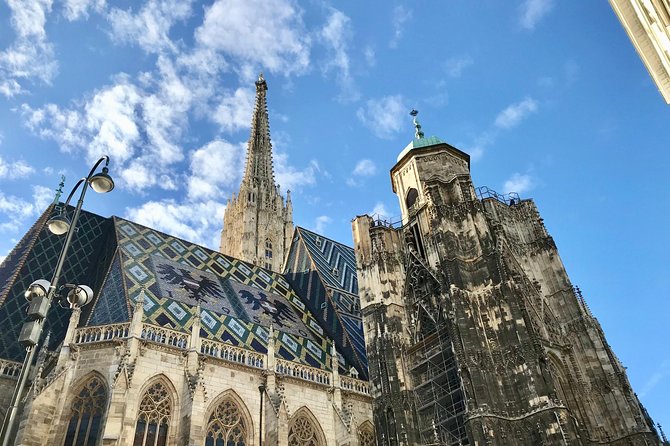
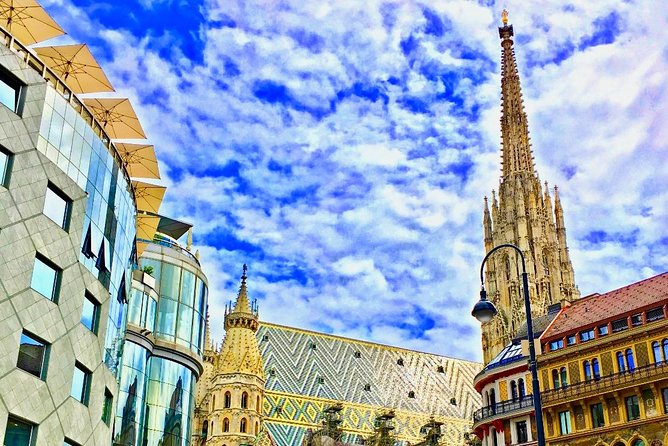
The final destination is Stephansplatz, the central square surrounding St. Stephen’s Cathedral. The cathedral is Vienna’s most recognizable landmark and a practical place to end because you can continue exploring on your own from there. You might visit the cathedral, walk down nearby streets, shop along Graben, or use the square as a starting point for the rest of your day.
The stop at St. Stephen’s Cathedral is primarily an introduction from outside. Admission to interior attractions is not generally included, and this tour does not function as a cathedral or museum entry program. If you want detailed interior access, plan a separate visit and check current opening arrangements.
What the small group and audio equipment add
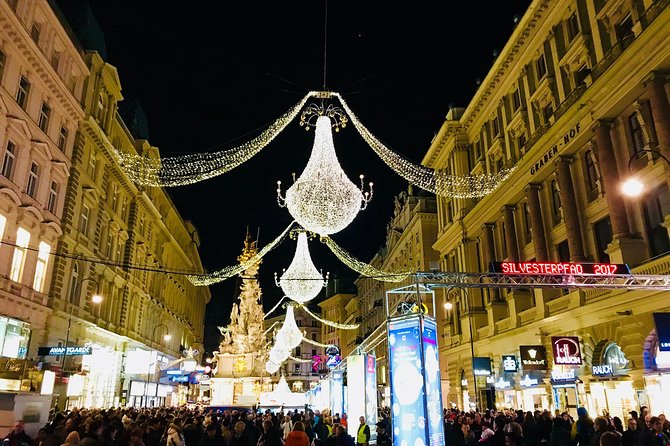
A maximum of 15 people is a meaningful advantage in central Vienna. Crowded streets and wide public squares can make a large group hard to manage. With fewer people, you can stay closer to the guide, ask questions, and keep the walk moving without long pauses.
The audio devices are another practical touch. Vienna’s streets can be noisy, and the group may spread out while crossing a square or moving along a sidewalk. Individual listening equipment helps you catch names, dates, and jokes instead of relying on the guide’s voice carrying through traffic.
Several guides have made a strong impression through warmth and humor. Dace is praised for a dry sense of humor, clear English, personal stories, and the ability to keep the group comfortable in cold weather. Giselle is repeatedly described as friendly, energetic, and strong on both historical detail and restaurant suggestions. Gabriela is noted for combining facts with humor and for making warming stops on a chilly day.
Beatrice and Annelie are also praised for passion, clear presentation, and entertaining anecdotes. The exact guide will depend on the date, so you should not book solely because one named guide appears in past feedback. Still, the repeated pattern is encouraging: the experience depends heavily on the guide’s storytelling, and this team seems to understand that a long list of dates is not enough.
More Old Town Walking Tours in Vienna:
- Underground Vaults Walking Tour in Edinburgh Old Town
★ 4.5 · 8,506 reviews - Prague: 3-Hour Walking Tour of Old Town & Prague Castle
★ 4.7 · 5,696 reviews - Dubrovnik: Old Town Walking Tour
★ 4.8 · 5,174 reviews - Split: Old Town and Diocletian Palace Walking Tour
★ 4.9 · 4,727 reviews
How much walking and how hard is the pace?
This is not a gentle stroll with long sitting periods. You cover a large section of central Vienna in 2.5 hours, and one account estimated roughly 14,000 steps. That figure may vary by route and personal movement, but it gives you the right idea.
You should wear comfortable shoes and bring clothing suited to the forecast. The tour requires a moderate level of physical fitness and is not recommended if you have walking difficulties. There are pauses at major sights, but the group still needs to keep moving to cover the route.
The pace has generally been described as well managed, with enough time for explanations and occasional chances to recharge. Even so, older children may handle it better than very young ones, and anyone who tires easily should consider how much ground the route covers before booking.
What $72.56 gets you
At $72.56 per person, this is not the cheapest way to see Vienna’s center. You are paying for a certified local guide, a carefully planned route, audio equipment, and practical advice, not for entry to the museums and palaces.
The price makes more sense if you are visiting Vienna for the first time, have only a day or two, or want a clear historical framework before choosing which places to enter later. A good guide can save you time by showing how the Ringstrasse, Hofburg, museums, cafés, and cathedral fit together. The restaurant and café recommendations may also help you avoid spending your limited time guessing.
The value is weaker if you mainly want access inside buildings. A person expecting museum visits, palace rooms, or a full cathedral tour could feel disappointed, even though the outdoor format is clearly part of the experience. One low rating made exactly this objection, while the tour provider explained that the focus is on stories, atmosphere, and local perspective.
I would think of the fee as payment for orientation and interpretation. If you prefer to read plaques, take photographs, and enter sights at your own pace, you may get more from a self-guided day. If you want someone to connect the architecture with Vienna’s politics, music, science, and food culture, the cost is easier to justify.
Practical details before you book
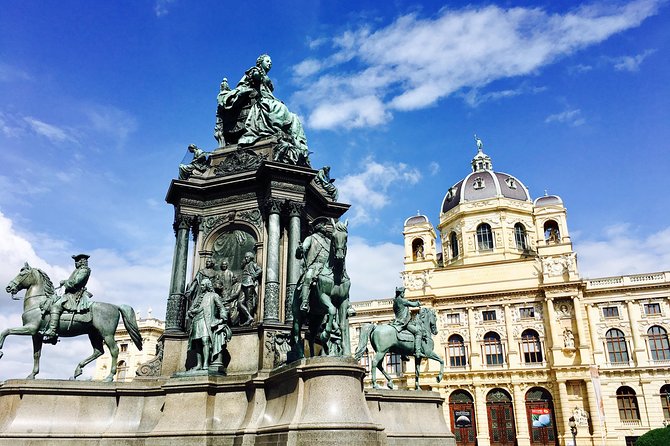
The meeting point is Maria-Theresien-Platz in central Vienna. The tour ends at Stephansplatz, 1010 Vienna, beside St. Stephen’s Cathedral. Both locations are central and near public transportation, so you can reach the start and continue easily after the finish.
Several start times are offered, which helps you fit the walk around a museum visit, train arrival, or evening concert. Morning timing may be especially useful on a first day because you finish with a strong sense of direction for the rest of your visit.
Confirmation is provided at booking. Service animals are allowed. The experience requires good weather, and if poor weather forces cancellation, you are offered another date or a full refund. A minimum number of participants also applies.
You can cancel for a full refund up to 24 hours before the start time. Changes or cancellations inside that window are not accepted for a refund, so check your plans before the cutoff.
Who should choose this Vienna walk?
I would recommend it most strongly to first-time visitors, short-stay visitors, solo sightseers, couples, and anyone who wants historical context without spending half a day inside a museum. It also works well as a first-day activity because you finish near the city’s main cathedral and receive suggestions for later meals and sights.
History fans should enjoy the range of subjects. The walk moves from Maria Theresa and the Habsburg court to Napoleon, Nazi-era Austria, Freud, Meitner, Beethoven, coffeehouse culture, and modern government. It is not only a palace tour.
You should think twice if you dislike guided commentary, struggle with extended walking, or want substantial interior time. The route can point you toward Vienna’s great institutions, but you must return independently for museum collections, palace exhibits, and other paid attractions.
Should you book the Vienna Historic Center walk?
Book it if you want a well-organized introduction to Vienna’s central sights, a small group, and a guide who can turn imposing façades into understandable stories. The high overall rating and repeated praise for Dace, Giselle, Gabriela, Beatrice, and Annelie suggest that guide quality is a real strength.
Skip it if your priority is included admission or a slow, highly interactive experience. This is a brisk outdoor tour with a lot of information and a lot of walking.
For most first-time visitors who can manage the pace, I think the best plan is to take this walk early in your stay, note the museums and interiors that interest you, then return to those places with a better sense of Vienna’s past and layout.
FAQ
Where does the Vienna Historic Center Walking Tour begin?
The tour begins at Maria-Theresien-Platz in Vienna, Austria.
Where does the tour end?
It ends at Stephansplatz, beside St. Stephen’s Cathedral in central Vienna.
How long does the tour last?
The tour lasts approximately 2 hours and 30 minutes.
How many people can join the tour?
The group is limited to a maximum of 15 participants.
Is the tour offered in English?
Yes. The tour is offered in English.
Does the tour enter museums?
No. Museum admission is not included, and the tour does not visit the inside of museums. Some churches, palaces, universities, or cafés may be visited indoors depending on the weekday and local conditions.
Is St. Stephen’s Cathedral included?
The tour ends at St. Stephen’s Cathedral and introduces you to this major Vienna landmark. Admission to interior attractions is not included.
What level of fitness is needed?
You should have a moderate level of physical fitness. The route involves substantial walking and is not recommended for people with walking difficulties.
Can I cancel for a refund?
Yes. You can cancel up to 24 hours before the start time for a full refund. Cancellations or changes made less than 24 hours before the start are not accepted for a refund.
More Small-Group Walking Tours in Vienna
- Vienna: Small Group Guided Walking Tour of City Highlights
★ 5.0 · 540 reviews - Amsterdam Anne Frank: Small-Group Walking Tour & Local Guide
★ 4.8 · 12,789 reviews - New Orleans Food Walking Tour of the French Quarter with Small-Group Option
★ 5.0 · 6,118 reviews - Barcelona Tapas and Wine Experience Small-Group Walking Tour
★ 5.0 · 5,804 reviews
More History Walking Tours in Vienna
- History and Hauntings of Salem Guided Walking Tour
★ 5.0 · 14,564 reviews - Lisbon: History, Stories and Lifestyle Walking Tour
★ 4.8 · 10,902 reviews - Boston: Freedom Trail History Small Group Walking Tour
★ 5.0 · 6,450 reviews - Historic Charleston Guided Sightseeing Walking Tour
★ 5.0 · 6,216 reviews
Just added around Vienna
- The unknown Vienna City- a guided walking tour in 3 hours★ 4.7 · 137 reviews
- Hungry in Vienna? A Food Lover’s Coffee & Market Walk★ 4.9 · 276 reviews
- 3-Hour Walking Tour of Vienna Central Cemetery★ 4.7 · 71 reviews
- Vienna: City Center Guided Walking Tour★ 4.8 · 99 reviews
- Private Hidden Vienna Walk — Stories Behind Quiet Corners★ 5.0 · 137 reviews
- Vienna at First Glance a Private Walking Tour for First Timers★ 5.0 · 131 reviews
- Historical Hitler Walking Tour of Vienna★ 5.0 · 887 reviews
- Vienna: Essential History Walking Tour★ 4.9 · 633 reviews
History Walking Tours, compared.
History and Hauntings of Salem Guided Walking Tour
Read our review →
Freedom Trail History Small Group Walking Tour
Read our review →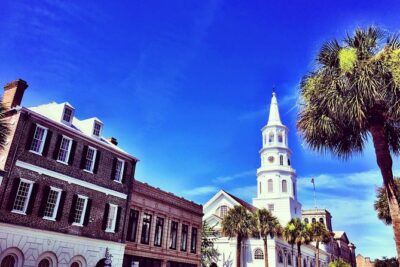
Historic Charleston Guided Sightseeing Walking Tour
Read our review →
Tapas Walking Tour with Food, Wine, and History
Read our review →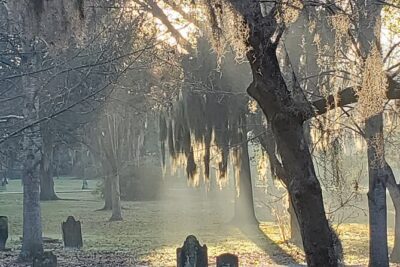
Savannah History and Haunts Candlelit Ghost Walking Tour
Read our review →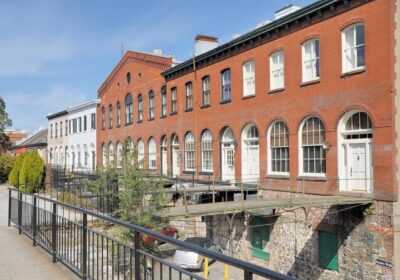
A History of Terror – Belfast City Centre Walking Tour
Read our review →Browse the lists this tour appears in