
Review · BERLIN WALKING TOURS
Berlin Off-the-Beaten-Path Walking Tour: Kreuzberg, Mitte and Friedrichshain
Berlin has more stories than monuments. This four-and-a-half-hour walk connects Kreuzberg, Mitte, Friedrichshain, and possibly Prenzlauer Berg through street art, Turkish food culture, punk history, gardens, protest movements, and music scenes that shaped modern Berlin. I especially like the way it reaches neighborhoods you may skip on a first visit, and how public transport lets you cover far more ground than a standard walking route. The tradeoff is simple: much of the day is outdoors, and cold or wet weather can make the long walk less pleasant.
I also like the human scale of the experience. Guides such as Reese, Jake, Jason, Lee, Arnie, and Antonio have been praised for lively storytelling, humor, and personal connections to Berlin’s alternative culture. Bring good shoes, budget separately for food and an AB transport ticket, and leave room in your schedule at the end because the final stopping point may not always be practical for a tightly timed appointment.
Key points to know before booking
- Four neighborhoods, one long route: The walk links Kreuzberg, Mitte, Friedrichshain, and sometimes Prenzlauer Berg, with several public transport legs along the way.
- Berlin beyond the usual monuments: Expect Turkish markets, Jewish Berlin, guerrilla gardens, alternative galleries, street art, and former counterculture areas.
- A guide-led history of rebellion: The story includes student protests, the Baader-Meinhof group, punk, May 1 riots, the Love Parade, and Yaam’s reggae and hip-hop culture.
- Food is part of the lesson: You can stop for currywurst and hear how Berlin helped popularize döner kebab, but food is not included.
- Small enough to feel personal: The group is capped at 20 people, and the best guides turn the route into a conversation rather than a lecture.
- Plan for weather and transport: The tour starts at noon, lasts about 4 hours and 30 minutes, and requires an AB public transport ticket.
Why this Berlin walk is different
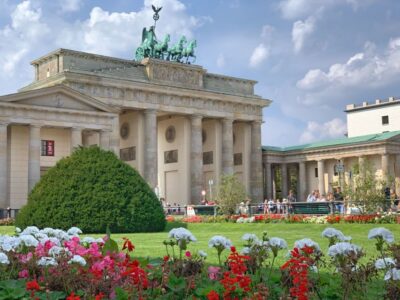
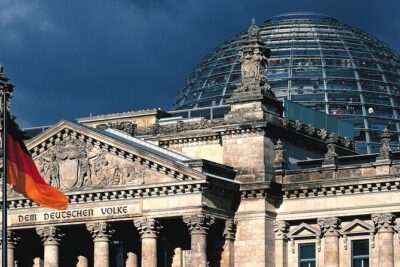
Most first visits to Berlin focus on the Brandenburg Gate, Reichstag, Berlin Wall memorials, and Cold War checkpoints. Those places matter, but they do not fully explain the city’s present-day personality. This tour takes another route, one built around neighborhoods, subcultures, food, and the people who made room for new ideas.
The price is $30.25 per person. For a half-day with an English-speaking local guide, that is fair value, especially because the route covers several districts and includes public transport connections. Still, the price is not all-inclusive. You pay for currywurst or other food yourself, and you need an AB ticket. An AB day pass is recommended, so add that cost before comparing this with other Berlin tours.
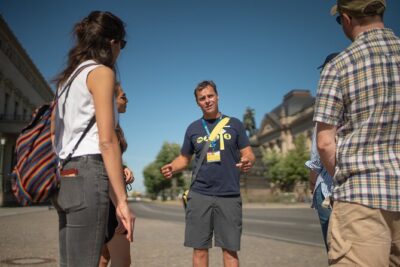
The group limit of 20 matters. A city walk about art, politics, and local life works better when you can hear the guide and ask questions. Several guides have received especially warm praise for their style. Reese is described as passionate, funny, and steeped in alternative culture. Jake is known for rapid-fire stories and energetic delivery. Jason brings humor and personal anecdotes, while Lee has a strong connection to Kreuzberg. Your guide will vary, but the experience clearly depends a great deal on who leads it.
A few more walks around Berlin worth a look
- Discover Berlin Half-Day Walking Tour
★ 5.0 · 9,624 reviews - Berlin City walk Government District and Places of Democracy
★ 4.7 · 8,467 reviews - Berlin: Third Reich & Cold War Guided Walking Tour
★ 4.9 · 8,378 reviews
Starting at Alexanderplatz and moving beyond the center
You meet at Vapianoam Alex, Rathausstraße 6, at noon. This places the beginning in central Berlin, close to Alexanderplatz and the familiar urban core. That is a useful starting point because you can reach it easily by public transport, and it gives the tour a clear contrast: begin in the central city, then move toward districts shaped more strongly by migration, squatting, art, music, and political protest.
Do not expect a long visit to a single museum or monument. This is a moving conversation. The guide uses streets, walls, courtyards, food stops, and neighborhood details as evidence of how Berlin changed.
You will cover a lot of ground, but not all of it on foot. Two or three stretches may use a tram, U-Bahn, or other public transport, according to the tour experience described by participants. That helps keep the route broad without turning the day into a forced march. It also means you should have your AB ticket ready rather than assuming transport is included in the tour price.
Kreuzberg: migration, food, and alternative Berlin
Kreuzberg is likely the strongest part of the walk for anyone interested in present-day Berlin. The neighborhood is closely tied to its Turkish community, and the tour uses food and local streets to explain how migration shaped the city.
You may stop for currywurst, Berlin’s famous fried sausage with curry-flavored ketchup. It is a quick, inexpensive way to sample a local classic, though you pay for it yourself. The guide also explains döner kebab, the Turkish-style sandwich that became one of Berlin’s defining fast foods. That combination says a lot about the city: German and Turkish food traditions did not stay in separate boxes.
The route also points toward organic markets, urban farms, guerrilla gardens, and alternative art galleries. These are not grand attractions with ticket booths. Their value is that they show how Berlin’s neighborhoods have been shaped by residents making use of empty or overlooked spaces.
You should expect a mix of planned stops and visual discoveries. Street art, small alleys, and informal gardens can look different from one day to the next. That is part of the appeal, but it also means the experience is less predictable than a museum tour.
The guide may also discuss Berlin’s Jewish quarter and the city’s prewar communities. The point is not to reduce the neighborhood to one period. Instead, you get a layered account of Berlin before the Second World War, under National Socialism, after the war, and during the divided-city years.
Mitte and Jewish Berlin through local stories
Mitte is often treated as Berlin’s postcard center, but this walk looks for stories that are easy to miss among the major sights. You may hear about the city’s early development, the end of the Weimar period, the Nazi years, and the ways Berlin’s communities survived political pressure and social upheaval.
The best guides do not present history as a neat chain of dates. They connect major events to individuals, artists, activists, and residents. One guide was praised for explaining how Berlin’s Communist stronghold resisted the Nazis and how people later occupied empty apartments after the Wall fell. Those details help you understand why Berlin developed such a strong culture of self-organization and resistance.
The discussion of Jewish Berlin adds an important counterpoint to the more familiar Cold War story. You are not simply moving from one famous monument to another. You are hearing how different communities lived, disappeared, returned, and influenced the city’s identity.
This section may feel less polished than a formal historical tour. That is intentional. The emphasis is on social change and local memory, not on presenting one official version of Berlin.
Same streets, a different way to see them:
- Berlin: Discover Berlin Walking Tour
★ 4.9 · 5,998 reviews - Berlin’s Best: 2 Hour Walking Tour Third Reich and the Cold War
★ 5.0 · 5,486 reviews - Berlin: Hidden Backyards Guided Walking Tour
★ 4.8 · 5,360 reviews - Explore Berlin: See All The Iconic Sights & Some Hidden Gems
★ 5.0 · 4,429 reviews
Prenzlauer Berg and Friedrichshain: from protest to punk
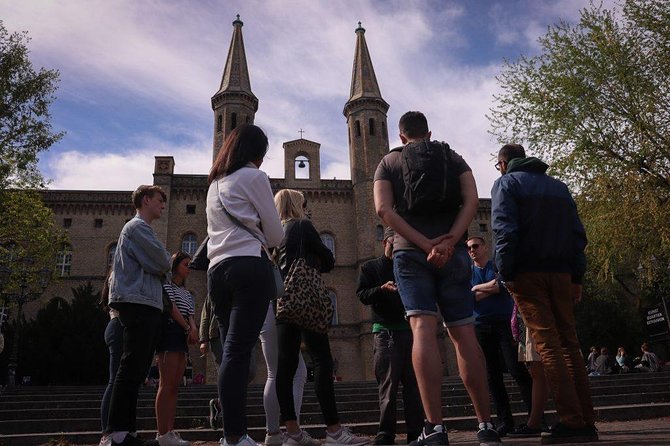
The route may continue through Prenzlauer Berg and Friedrichshain, two districts strongly associated with change after reunification. The exact order can vary, but the larger subject remains consistent: how Berlin’s political and creative movements pushed against authority and then shaped the city that followed.
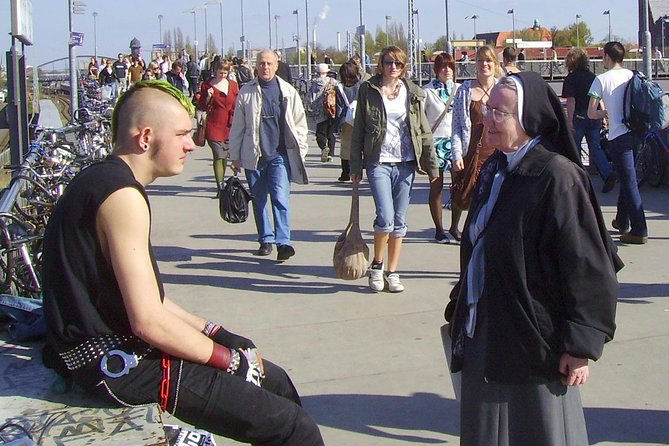
You will hear about the student protest movement of the 1960s and the Baader-Meinhof group in the 1970s. The guide also covers punk, the May 1 riots of the 1980s, and the role of music and art in Berlin’s counterculture.
This is where the tour differs from a conventional World War II or Cold War itinerary. You are not only learning what governments did. You are learning how students, squatters, musicians, artists, and activists responded to those governments and to one another.
The story is not presented as simple praise. Alternative culture can produce creative freedom, but it can also bring conflict, disorder, and rising property prices. The tour’s value is in showing that Berlin’s open, artistic reputation came from real arguments and risks, not from a city marketing campaign.
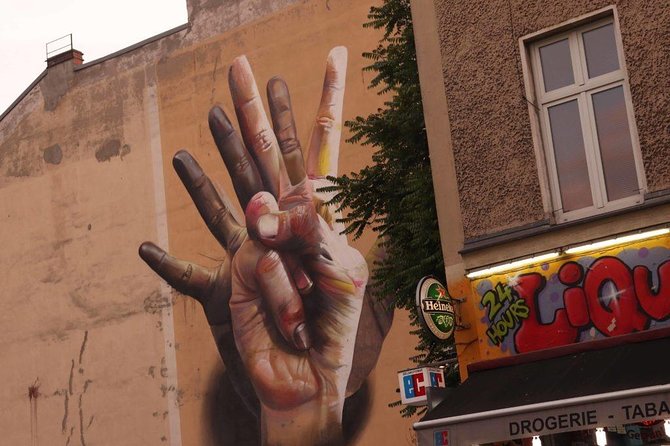
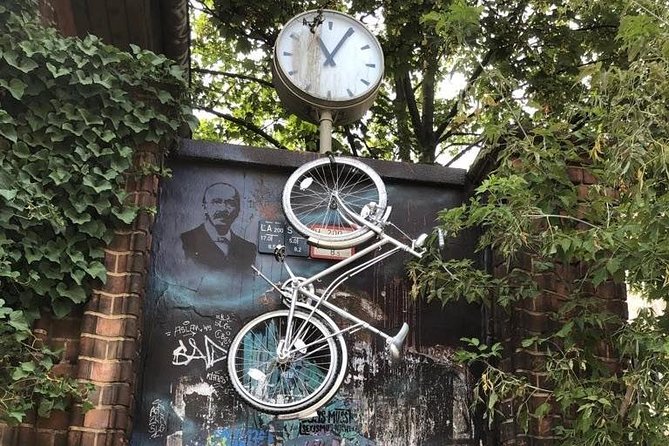
Street art becomes a kind of outdoor archive here. Murals and graffiti point to political struggles, neighborhood identity, and the city’s continuing habit of using walls as public conversation. You should not expect every piece to be decoded in detail, but the guide helps you see the art as more than decoration.
A playground, a beer garden, and Berlin’s unusual sense of freedom
One memorable stop described by a participant is a playground built largely by children aged 6 to 16, without adult supervision. A portion is burned each year to make room for new construction. It is an unusual example of Berlin’s willingness to let young people experiment, build, destroy, and start again.
That stop captures the spirit of this tour better than another list of dates might. Berlin’s alternative culture is not only found in clubs and galleries. It appears in how public space is used and who gets permission to shape it.
Prater Garten is another notable stop. Known as Berlin’s oldest beer garden, it offers a more relaxed pause in the middle of a long afternoon. Depending on the route and timing, the stop may be brief rather than a full sit-down meal, so do not count on it as your only chance to eat.
A lunch break of roughly 20 to 30 minutes may be built into the four-and-a-half-hour schedule. That is welcome, but you should still eat something before meeting if you tend to get hungry. Food and drinks are not included.
Love Parade, Yaam Beach, and the music of modern Berlin
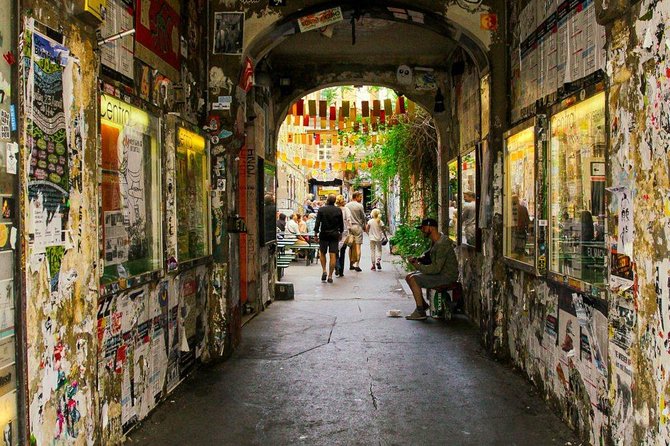
The later part of the walk turns toward music and nightlife. The guide discusses the Love Parade, the electronic dance festival that became one of Berlin’s best-known cultural events, along with reggae, hip-hop, and Rasta communities connected with Yaam Beach.
Yaam gives the tour a fitting finish. Located at Stralauer Allee 34, it represents the city’s continuing connection to music, migration, art, and informal gathering places. The official end point is listed as Yaam Beach, though one account placed the actual finish farther into Kreuzberg. If you have dinner reservations, a train to catch, or another timed activity, ask the guide where the group will finish that day.
Ending here also reinforces the tour’s main idea: Berlin is not defined only by its old buildings. Its identity is still being made in clubs, walls, markets, gardens, food stalls, and neighborhoods where different cultures meet.
What the walking pace and logistics feel like
The tour begins at noon and lasts about 4 hours and 30 minutes. That is long enough to give you a real sense of several districts, but it is still a substantial afternoon outdoors.
Wear comfortable walking shoes. The route includes pavement, neighborhood streets, public transport, and plenty of standing. One person found the tour uncomfortable in freezing weather, so check the forecast and dress for conditions. Rain will not necessarily cancel the experience, but it can make the street art and open-air stops less enjoyable.
The AB ticket is required for the transport portions, and a day pass is recommended. The ticket is not included. You also arrange your own way to the meeting point and away from the end point, since hotel pickup and drop-off are not provided.
Confirmation is sent at booking. Service animals are allowed, the meeting point is near public transportation, and most people can participate. The group can include up to 20 people, which is small enough for questions but not private-tour intimate.
Who should book this tour
I would choose this walk after seeing Berlin’s major historical sights, not instead of them. If you have already visited the Wall, the Reichstag, and the main memorials, this tour adds the social and cultural context that formal sightseeing often leaves out.
It suits you best if you like:
- Street art, music, food, and local neighborhoods
- Recent political and social history
- Guides who tell stories with humor and personal opinion
- Walking mixed with public transport
- Seeing how migration and counterculture shaped a city
It may not suit you if you want a short, gentle route, a fully indoor activity, or a tightly scripted list of famous monuments. The subject matter can also be politically charged, and the guide’s personality will shape the tone. That is part of the appeal, but it means you should enjoy conversation rather than expect a neutral audio guide.
The strongest guides make the time pass quickly. Reese, Jake, Jason, Lee, Arnie, and Antonio have each been singled out for warmth, humor, energy, or strong local feeling. Names are not guaranteed, but the pattern is useful: book this for the guide-led experience, not simply for a checklist of stops.
Should you book it?
Book this tour if you want Berlin to feel less like a collection of monuments and more like a living argument about art, migration, freedom, and public space. At $30.25, the value is good for a four-and-a-half-hour introduction to several districts, provided you allow extra money for transport and food.
I would skip it only if bad weather is forecast, your schedule cannot absorb a long afternoon, or you prefer traditional sightseeing. For everyone else, bring good shoes, carry an AB day pass, leave your afternoon open, and expect the best discoveries to be the ones you would not have found alone.
FAQ
How much does the Berlin off-the-beaten-path walking tour cost?
The tour costs $30.25 per person. Food, drinks, and public transport tickets are not included.
How long does the tour last?
The experience lasts approximately 4 hours and 30 minutes.
What time does the tour start?
The tour starts at 12:00 pm.
Where does the tour begin?
The meeting point is Vapianoam Alex at Rathausstraße 6, 10178 Berlin, Germany.
Where does the tour finish?
The tour is scheduled to conclude at Yaam Beach, Stralauer Allee 34, Berlin.
Is public transportation included?
No. An AB public transport ticket is required, and a day pass is recommended.
What language is the tour offered in?
The tour is offered in English with an English-speaking local guide.
How many people can join the tour?
The maximum group size is 20 people.
Just added around Berlin
- Berlin Walking Tour★ 4.5 · 378 reviews
- Small Group Walking Tour of East Berlin with a French Guide★ 5.0 · 176 reviews
- Berlin Street Art Walking Tour – Off The Grid★ 5.0 · 270 reviews
- Berlin Highlights Private Guided Walking Tour★ 4.5 · 89 reviews
- Private Walking Tour: World War 2 and Cold War Sites in Berlin★ 5.0 · 230 reviews
- East Meets West: Berlin Food Culture & Street Art★ 5.0 · 157 reviews
- Kreuzberg Berlin: Off the Beaten Track PRIVATE Walking Tour★ 5.0 · 128 reviews
- The History of Berlin: WWII PRIVATE Walking Tour With Locals★ 5.0 · 209 reviews
Berlin Walking Tours, compared.
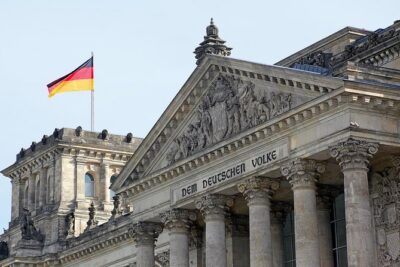
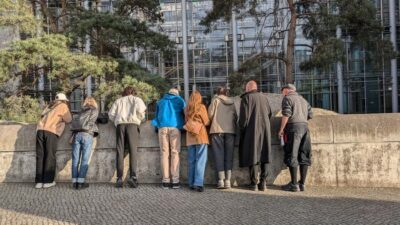
Berlin City walk Government District and Places of Democracy
Read our review →
Berlin’s Best: 2 Hour Walking Tour Third Reich and the Cold War
Read our review →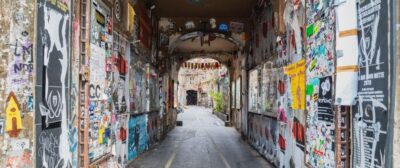
Explore Berlin: See All The Iconic Sights & Some Hidden Gems
Read our review →
Third Reich Berlin: Hitler and WWII Walking Tour
Read our review →Browse the lists this tour appears in