
Review · FOOD WALKING TOURS
Chiang Mai: Local Food and Markets Guided Walking Tour
Come hungry, leave happily confused by dessert. This 150-minute food walk links Chiang Mai’s flower market, Warorot Market, and several well-loved local food stalls, with an English- or Thai-speaking guide to explain what you are eating. I like the mix of sweet and savory stops, especially the peanut-filled Khao Kriab Pak Moh and Hakka-style noodles. I also like that the route shows ordinary market life rather than keeping you inside a tourist-only food district.
The main drawback is simple: food is not included in the $48 price. You pay for each tasting yourself, so bring cash and expect extra spending. The final 2:30 pm departure can also be less satisfying because some food shops close by early afternoon.
This is a compact, useful introduction to Chiang Mai eating habits. Guides such as Koi, Patty, Banana, Nom, Nancy, and Sunny have been praised for explaining dishes, helping with orders, and changing the plan when a stall is closed. The walk can cover roughly 2.5 miles, so comfortable shoes matter.
Key points at a glance
- Start with peanut-filled steamed dumplings: Khao Kriab Pak Moh offers a gentle, sweet introduction to northern Thai snack culture.
- Pass through Ton Lamyai Flower Market: Fresh flowers and herb stalls add color, scent, and a useful look at daily market trade.
- Try the famous dinosaur-shaped dough: Go Neng serves Pa Thong Ko, fried dough sticks with an unusual shape and a loyal local following.
- Explore Chiang Mai’s main market hub: Warorot Market sells snacks, produce, clothing, and much more, making it a strong place to get your bearings.
- Finish with a full savory meal: Thana Ocha’s Hakka-style noodles come with stuffed tofu, fish sausage, and wontons.
- Choose your timing with care: Morning departures give you the best chance of finding every named food stop open.
What this Chiang Mai food walk is really like
This is not a formal cooking class or a sit-down restaurant crawl. It is a guided walk through the food streets around the Ping River and Warorot Market, with several planned tastings along the way.
You meet your TripGuru guide at Chansom Memorial Bridge, also called Khua Khaek, opposite Ton Lamyai Flower Market. The route begins near Praisanee Road and finishes at Ton Lam Yai Market. The meeting point is central to the experience, but it can be easy to miss in traffic, so arrive 10 minutes early and look for the TripGuru sign.
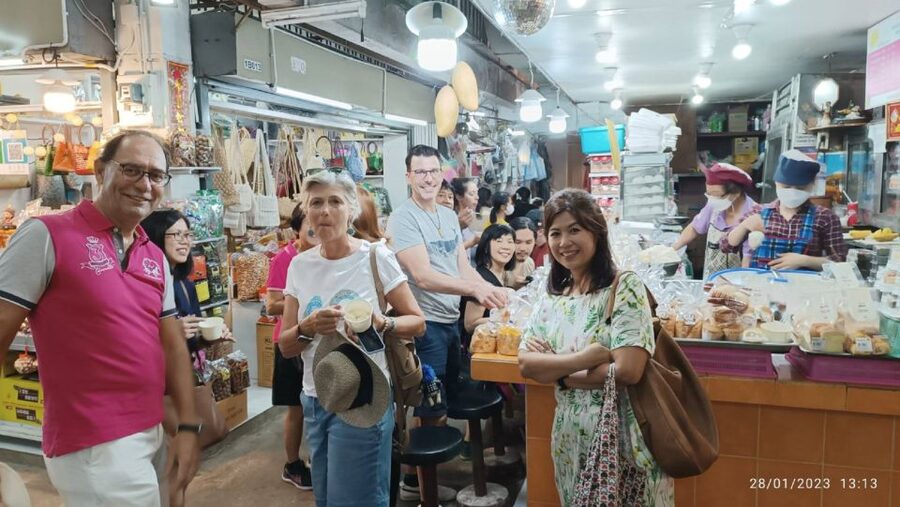
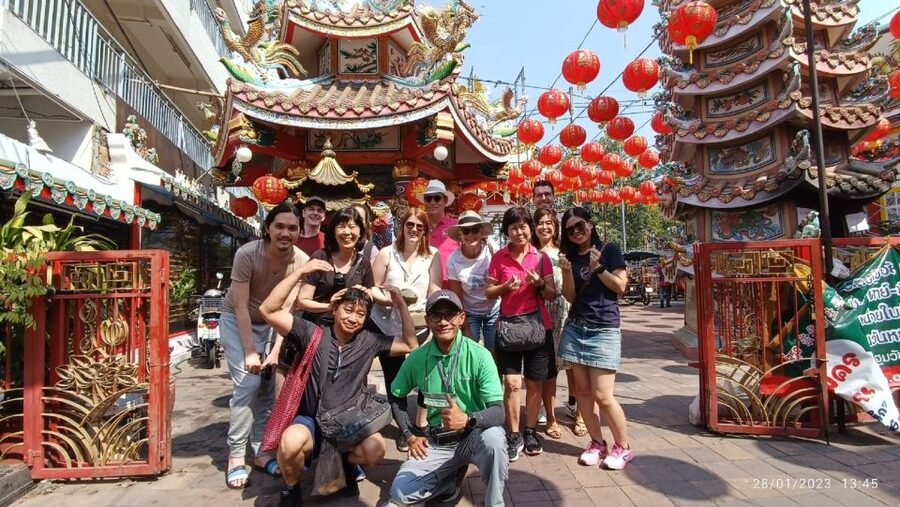
The guide does more than point at food. The strongest part of this tour is the help with unfamiliar dishes. Guides have explained local eating customs, ingredients, Chinese influences, building details, and nearby temples. Some have also ordered food in advance at busy stalls or found another shop when the planned stop was closed.
That personal help matters in Chiang Mai. Food stalls may have no English menu, several similar-looking dishes, or a fast-moving queue. With a guide, you can try something new without spending half your tour guessing what you just ordered.
More Food Walking Tours in Thailand:
- Bangkok Authentic Tasting Thai-Chinatown Walking Food Tour
★ 4.9 · 852 reviews - Bangkok by Night Food Tour with 10+ Tastings in Chinatown
★ 5.0 · 545 reviews - Local Life, Culture & Food Walking Tour at Chinatown
★ 4.7 · 119 reviews
The first taste: Khao Kriab Pak Moh at Lung Khajohn Wat Ket
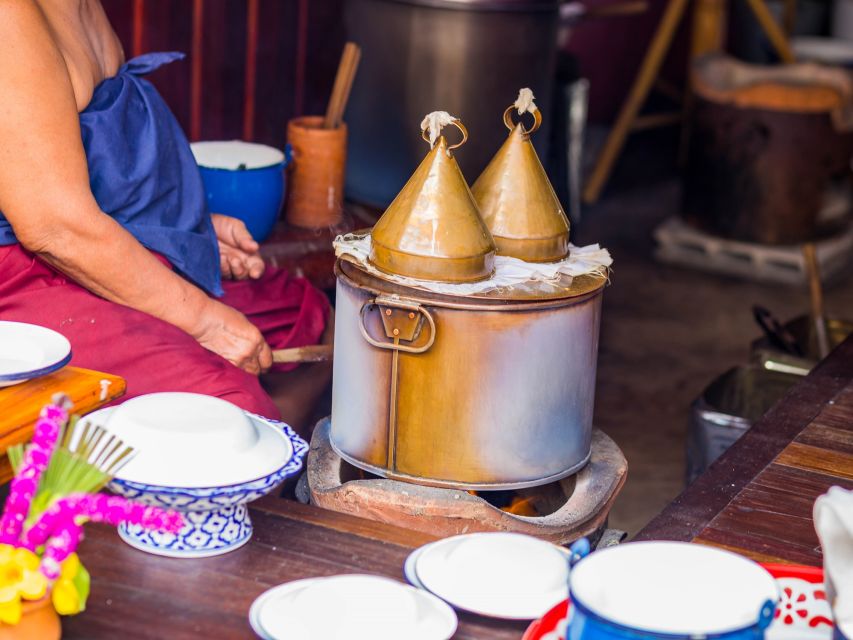
The opening tasting is Khao Kriab Pak Moh, a sweet steamed rice skin dumpling usually filled with peanuts. The dumplings are delicate, soft, and quite different from the fried snacks that appear later.
Lung Khajohn Wat Ket is known for this specialty. It gives you a calm first step into local snack culture rather than starting with a large meal. Your guide can help explain the texture and filling, which is useful if you have never encountered steamed rice skin before.
This stop is one of the best parts of the route for curious eaters. The portion is a tasting, not a full breakfast, so you still have room for the rest of the walk. If you have a serious peanut allergy, ask your guide before ordering.
Ton Lamyai Flower Market brings a welcome change of pace
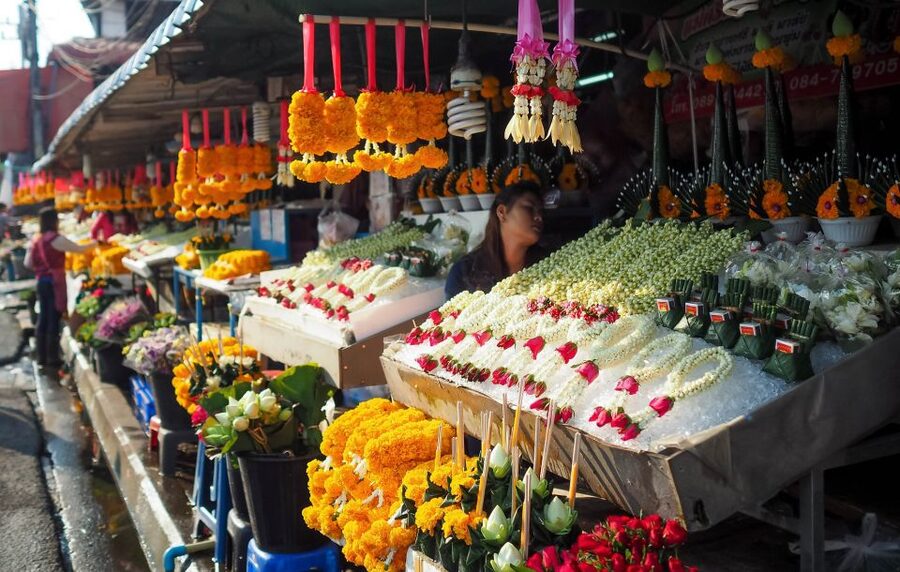
After the first snack, the walk passes through Ton Lamyai Flower Market. Fresh flowers and herbs brighten the route, and this is a good place to pause from eating and look at the goods moving through the market.
The market is not just a photo stop. It helps show how food, flowers, herbs, and household shopping fit together in daily Chiang Mai life. You may see more than the narrow food focus suggested by the tour title, and that variety is useful.
Bring a camera, but do not block the market lanes while taking pictures. The walk is active, and the group may need to keep moving toward the next food stall.
Go Neng and the famous dinosaur-shaped Pa Thong Ko
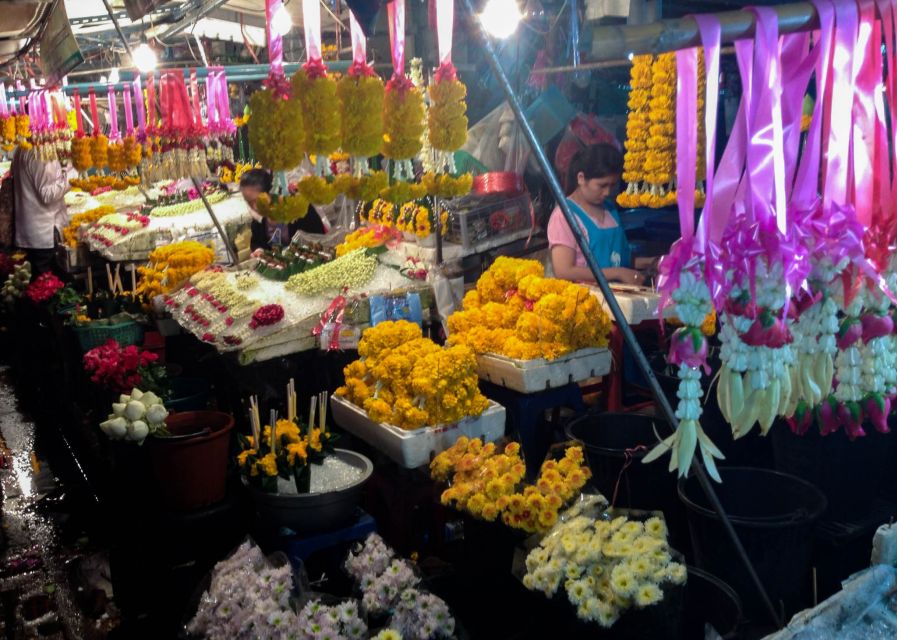
At Go Neng, you try Pa Thong Ko, a Chinese-style fried dough snack. The unusual shapes have been compared to dinosaurs, which explains why this stop gets more attention than an ordinary dough stick.
The food itself is simple: crisp, fried dough that is easy to share and easy to eat while walking. The odd shapes add a bit of fun, but do not expect an elaborate dish. One guest liked the first and last stops best and found the dough shapes less memorable. That is a fair assessment: this is an entertaining snack, but the appeal is as much local character as culinary complexity.
The stop also helps explain Chiang Mai’s Chinese food connections. Your guide can put the snack into a wider cultural setting, which gives the tasting more meaning than simply buying a fried pastry.
More Market Walking Tours in Thailand:
- Bangkok: City Highlights Temple and Market Walking Tour
★ 4.5 · 3,990 reviews - Tokyo Tsukiji Fish Market Food and Culture Walking Tour
★ 5.0 · 3,184 reviews - London Bridge & Borough Market Food Tour with 7 Authentic Dishes
★ 5.0 · 1,972 reviews - Air Raid Shelter + St. Nicholas Market Walking Tour
★ 5.0 · 1,950 reviews
Warorot Market is the heart of the route
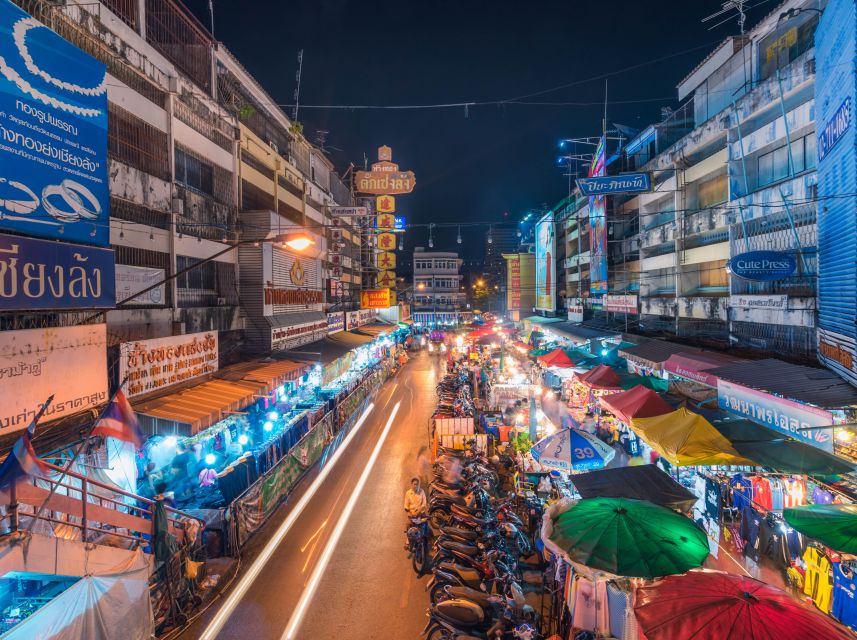
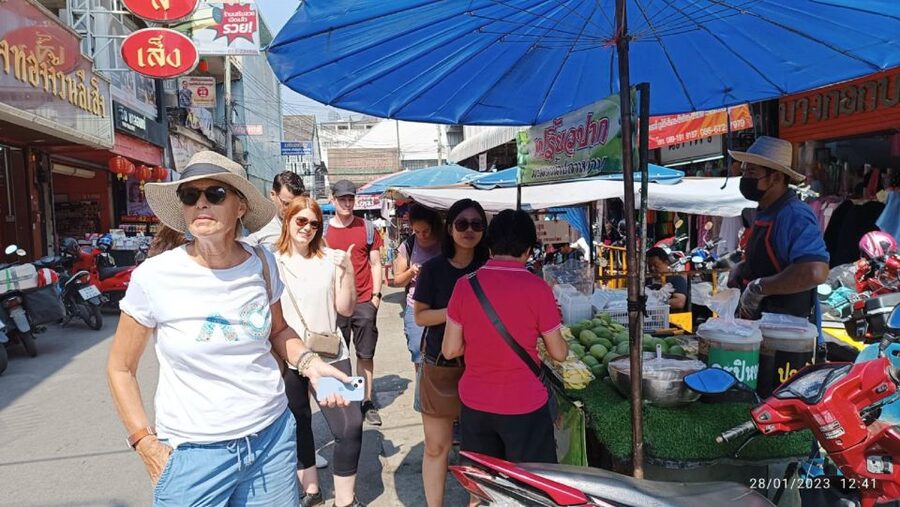
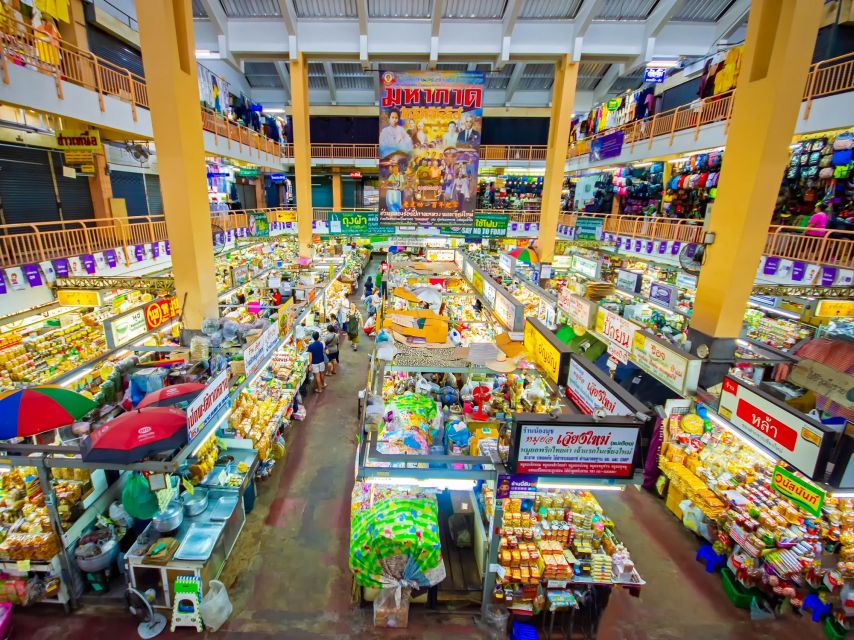
Warorot Market is the main stretch of the tour. You can expect food stalls, produce, clothing, snacks, and plenty of local shopping activity. It is the kind of place where a guide earns the tour fee by showing you where to look and what is worth trying.
The market is a strong place to ask questions. Your guide may explain unfamiliar ingredients, point out local favorites, and suggest foods to return for later. Several guides have also recommended restaurants and night markets for the rest of a Chiang Mai stay.
Do not treat Warorot as a quick corridor between tastings. Allow yourself time to look. You may find packaged snacks, dried goods, and small gifts here, but remember that the tour keeps to a schedule. If you plan to shop, carry a small bag and keep purchases manageable.
The route may feel fast for people who like to linger. One guest described a quick walk through four or five stops, while another estimated about 2.5 miles on foot. The advertised duration is 150 minutes, although one itinerary description lists a 2.5-hour market visit. In practical terms, plan for a brisk two-and-a-half-hour outing rather than a slow afternoon wandering.
Mango sticky rice supplies the sweet course
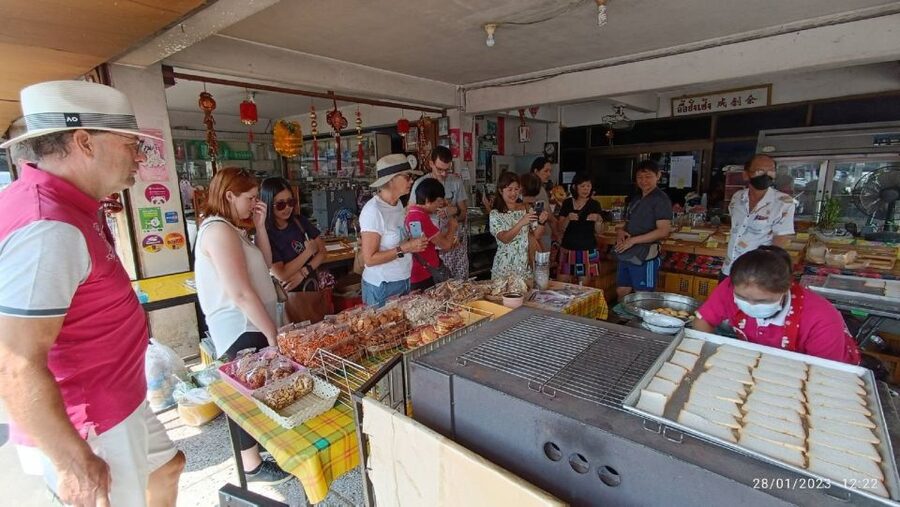
Inside the market area, the guide takes you to a stall selling mango sticky rice. This is the most familiar dish on the route, but it still works well as a sweet course after the earlier fried dough.
The dish combines ripe mango with sticky rice and sweet coconut sauce. It is filling, so take smaller portions if you want to save room for the noodle course. The guide can also help you understand how the dish fits into Thai dessert culture.
This is one reason I would not eat a large breakfast before a morning tour. The portions may be tasting-sized, but several stops add up quickly. A light meal beforehand is the smarter choice.
Thana Ocha provides the substantial finish
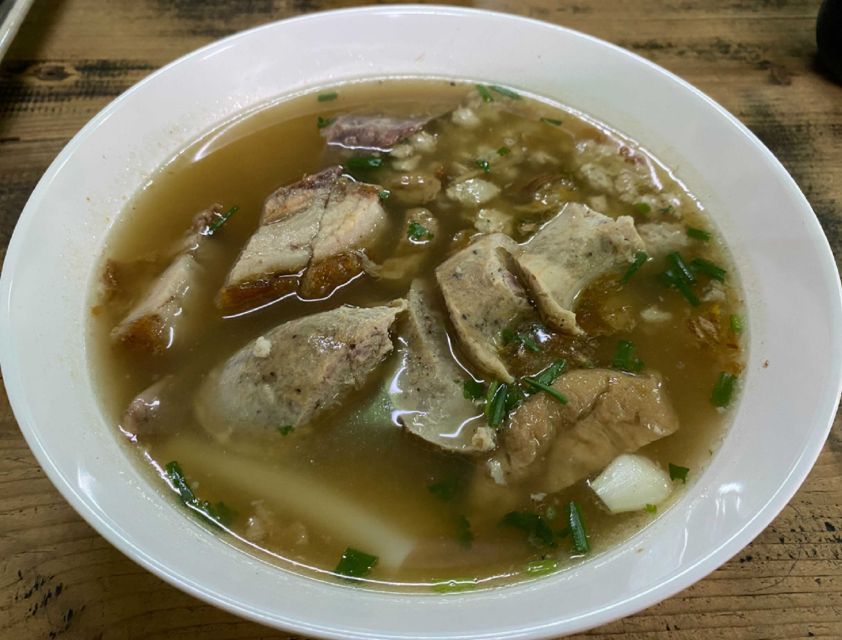
The final stop is Thana Ocha, where the focus shifts from snacks to Hakka-style noodles. The bowl comes with Hakka stuffed tofu, fish sausage, and wontons, giving you a more complete meal after the earlier tastings.
This is likely to be the most filling and memorable stop for anyone who enjoys noodles and savory broth. It also shows how Chiang Mai food culture includes more than one regional tradition. The tour begins with Thai-style sweets, moves through Chinese-influenced snacks, and ends with a Hakka dish.
For many people, this final bowl will be enough for lunch. If you plan a large restaurant meal afterward, schedule some time between the tour and dinner. The food is not merely decorative sampling. You may finish genuinely full.
Morning is the safest departure time
You can choose from several start times, which helps if you are fitting the walk around temple visits or other plans. Still, the morning slots are the best choice if you want the named stops in the advertised order.
Many restaurants and stalls close by early afternoon. The 2:30 pm departure can still work, but the guide may replace closed shops with other street-food stalls. That flexibility is helpful, yet it means your experience may differ from the planned route.
Morning tours also avoid some of the heat and give you a better chance of seeing markets as they open. One early tour took place when the market was not crowded, and the guest had a private-feeling experience with the guide. Group size can vary, so you might walk with several people or find yourself with a very small group.
What the $48 price gets you
At $48 per person, this is not the cheapest way to eat in Chiang Mai. The price covers the guide, walking tour, and carbon emissions offset credits, but not the food. You will pay separately for Khao Kriab Pak Moh, Pa Thong Ko, mango sticky rice, noodles, and any extra purchases.
That structure has two sides. Paying directly at each stall lets you choose what you want and keeps the food cost flexible. On the other hand, taking out your wallet at every stop is inconvenient, especially if you are trying to keep track of small notes.
The value comes from access and explanation. You are paying for a local guide who can identify the best stalls, order unfamiliar dishes, explain customs, and adjust the route. Guides such as Koi, Patty, Banana, and Nom have been singled out for friendly service, clear English, and practical help. One guide even carried shopping bags for a guest.
If you already feel confident ordering street food and finding Warorot Market, you may prefer to explore alone. If you want someone to remove the guesswork, the price is easier to justify. Bring cash and budget for tastings on top of the booking cost.
Walking conditions and who should skip it
Wear comfortable shoes. The route includes market lanes and stretches between stops, and one guest covered about 2.5 miles. Expect walking rather than a vehicle-based food tour.
The tour is not suitable for people with mobility impairments, pregnant women, or people with heart or respiratory problems. There is no vegan option, so vegans should not book this experience. People with food allergies or strong dietary limits should speak with the operator before paying.
Heat, weather, stall availability, and market conditions can change the order. The guide may substitute another food stop if a restaurant is closed or too busy. That is normal for a market walk, but you should book it for the local food experience rather than for a rigid promise of four exact dishes.
The guide makes or breaks the experience
The food itself is important, but the guide determines how much you get from the walk. The best guides explain what locals eat, how a dish is prepared, which condiments to use, and why a Chinese or Thai specialty appears in Chiang Mai.
Several guides have also helped with photos, seating, shopping bags, picky children, and restaurant choices. That practical attention is especially valuable on a first day in town. The tour can give you a useful list of places to revisit during the rest of your stay.
English ability has generally been strong, with Thai also available. Still, the experience can vary by guide. If cultural explanation is your main reason for booking, tell the guide at the start that you want more background, not just food directions.
Should you book the Chiang Mai food and markets tour?
I would book this tour if you are new to Chiang Mai, enjoy trying unfamiliar snacks, and want a guided introduction to Warorot Market. It is also a smart first-day activity because it can help you choose restaurants, markets, and dishes for the rest of your visit.
I would choose a morning departure, eat lightly beforehand, wear good shoes, and carry cash. You should also leave space in your budget for food, since the $48 booking price does not include tastings.
Skip it if you are vegan, have serious mobility or health concerns, dislike walking in heat, or prefer a long sit-down food tour with generous portions. For most curious eaters, though, the route offers a pleasant balance of market life, local snacks, cultural context, and a satisfying noodle finish.
FAQ
How long does the Chiang Mai food tour last?
The activity lasts 150 minutes, or about two and a half hours. The walking route can cover roughly 2.5 miles.
Where is the meeting point?
Meet at Chansom Memorial Bridge, also called Khua Khaek, opposite Ton Lamyai Flower Market. The guide will hold a TripGuru sign.
Where does the tour finish?
The tour finishes at Ton Lam Yai Market.
Is hotel pickup included?
No. Hotel pickup and drop-off are not included. You must make your own way to the meeting point.
Is food included in the price?
No. The $48 price includes the guide, walking tour, and carbon emissions offset credits. Food and tasting expenses are paid separately.
What food can I try?
Possible tastings include Hakka-style noodles, mango sticky rice, Pa Thong Ko fried dough sticks, and Khao Kriab Pak Moh steamed rice skin dumplings. The exact stops can change.
Is there a vegan option?
No. The tour does not offer a vegan option.
What languages are available?
The tour is offered in English and Thai.
Can I book a 2:30 pm start?
Yes, if that time is available. However, many named restaurants close by early afternoon, so the guide may use alternative street-food stalls for a late departure. Morning times are recommended for the planned route.
Just added around Thailand
- 3-Hour Bangkok Walking Tour: Wat Pho and Wat Arun★ 5.0 · 102 reviews
- Bangkok by Night Food Tour with 10+ Tastings in Chinatown★ 5.0 · 545 reviews
- Grand Palace, Wat Phra Kaew, Wat Pho and Wat Arun Walking Tour From Bangkok★ 4.5 · 88 reviews
- Local Life, Culture & Food Walking Tour at Chinatown★ 4.7 · 119 reviews
- Khao Lak: Full-Day Khao Sok Jungle Walk and Canoeing Tour★ 4.7 · 149 reviews
- Chiang Mai Untouched Elephant: Nature Walk & Waterfall Trek★ 4.7 · 77 reviews
- Chiang Mai: Temple And City Walking Tour Part I★ 4.7 · 244 reviews
- Chiang Mai: Historic Temples and City Guided Walking Tour★ 4.7 · 650 reviews
Food Walking Tours, compared.
Reykjavik Food Walk – Local Foodie Adventure in Iceland
Read our review →
New Orleans Food Walking Tour of the French Quarter with Small-Group Option
Read our review →

Authentic Parisian Gourmet Food Tour with 10 Local Dishes & Wines
Read our review →
Tapas Walking Tour with Food, Wine, and History
Read our review →
Browse the lists this tour appears in