
Review · FOOD WALKING TOURS
A Wok Around Chinatown: Culinary and Cultural Walking Tour Led by a Chef
Chinatown rewards a curious appetite. A Wok Around Chinatown pairs food tastings with Chinese Canadian history, so you are not simply eating your way through Vancouver. I like the small-group format, capped at 14 people, and the fact that the four-hour outing includes tea, tastings, garden admission, and a dim sum lunch. One consideration is pacing: the tour includes plenty of explanation, and some food stops may involve waiting.
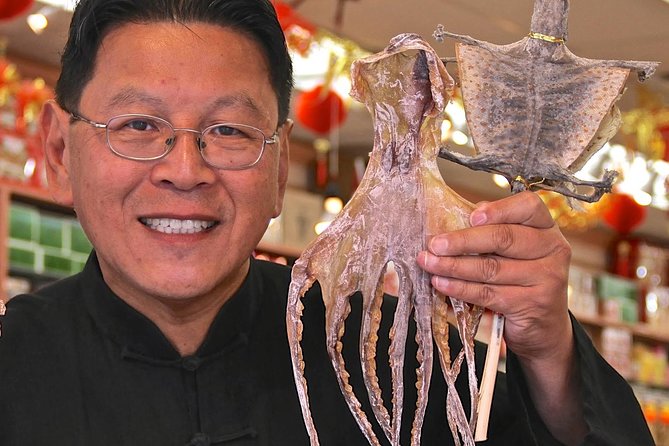
I also like the personal connection offered by guides such as Bob Sung and Thomas, whose stories and cooking background give the walk a human feel. The food is generous, with sweet and savory samples followed by a full lunch, but the tour may feel too talkative if you prefer a quick food crawl with little history.
Key points to know before booking
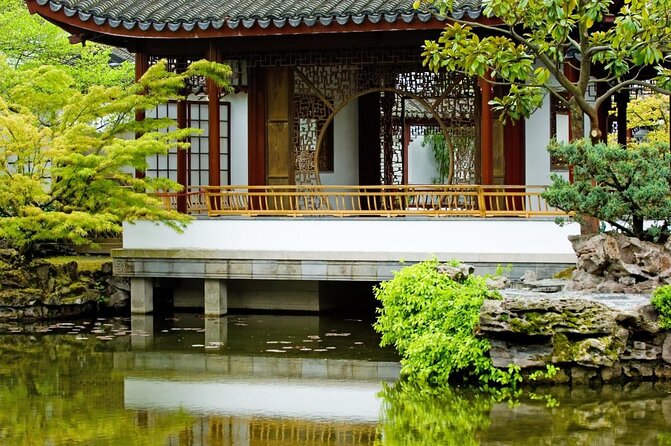
- The tour begins in the Dr. Sun Yat-Sen Classical Chinese Garden, a calm and thoughtful introduction to Chinatown.
- Food and history are linked throughout, from Chinese barbecue and pork buns to the story of Chinese Canadian communities.
- A dim sum lunch is included, along with tea and other samples, so you should arrive hungry.
- Small groups make conversation easier, with a maximum of 14 people and a minimum of two per booking.
- The tour lasts about four hours, and the pace favors explanation over rushing from one bite to the next.
- Vancouver’s Chinatown is not polished everywhere, with empty storefronts and visible street hardship forming part of the setting.
Starting at the classical Chinese garden
Meet at 11 a.m. outside the Dr. Sun Yat-Sen Classical Chinese Garden at 578 Carrall Street. This is an excellent starting point. The garden gives you a quiet pause before the city streets, and it provides a useful introduction to traditional Chinese ideas, design, and symbolism.
The garden is not just a pretty photo stop. Its rocks, water, plants, and pavilions carry meaning, and the guide uses the setting to explain cultural values that return later through the food and customs of the tour. The rock formations and the Jade Water Pavilion can prompt longer discussion, so you should expect interpretation rather than a quick lap around the grounds.
Admission is included. That matters because the garden is one of the more substantial parts of the morning, not an outside glimpse or a brief photo opportunity. If you visit Vancouver in late autumn or winter, you may see fewer leaves and flowers, but the garden still offers a quieter, more spare beauty.
The garden also sets the tone for the day. This is not a checklist tour where you race past a landmark, take a bite, and move on. The guide wants you to understand why certain objects, foods, and customs matter.
More Food Walking Tours in Canada
- Montreal Mile End Authentic Food Tour with 7 Delicacies Tastings
★ 5.0 · 2,598 reviews - Gastown Historic Walking Food Tour
★ 5.0 · 1,863 reviews - Old Quebec City Food Tour with 10+ Autentic Local Tastings
★ 5.0 · 1,288 reviews
Walking through Vancouver’s Chinatown
From the garden, the group moves on foot through Chinatown. The walking itself is manageable for most people, but the four-hour length means you should wear comfortable shoes and be ready to spend much of the outing standing or moving between stops.
The neighborhood presents a complicated picture. You will see historic Chinese Canadian institutions and businesses alongside empty buildings and visible street hardship. That contrast can be uncomfortable, but it is part of the present-day setting. The tour does not present Chinatown as a perfectly preserved theme park. It shows a real district dealing with change.
That honesty is useful. If you expect spotless streets and a tightly polished food district, you may be disappointed. If you want cultural context that includes both achievement and difficulty, the setting adds weight to the experience.
The guide connects today’s streets with the Chinese Canadian experience, including immigration, railroad construction, discrimination, community life, and the ways traditions have continued in British Columbia. The emphasis is not only on ancient customs. It is also on how Chinese communities shaped Canada and adapted to life here.
Food stops with cultural context
The food is the tour’s main pleasure, but it is not treated as a series of random snacks. The guide explains how food connects with family life, celebration, symbolism, and regional habits.
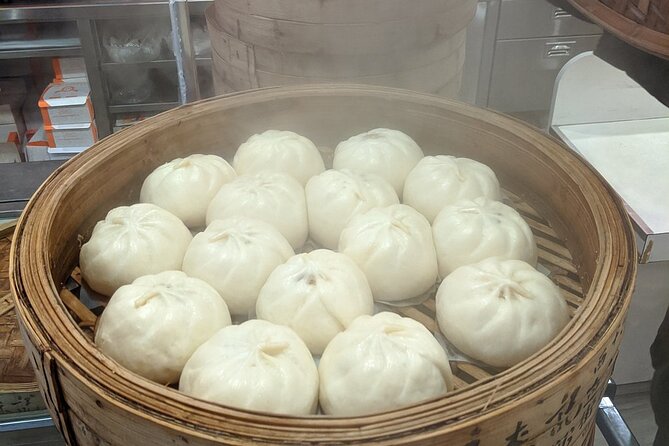
You may taste Chinese barbecue, pork buns, sweet items, savory foods, and other samples gathered around Chinatown. One stop may include food shared from a platter, with pieces passed around by toothpick. That approach lets you try several things without ordering full dishes at every shop, although it may feel less polished than a pre-plated tasting menu.
Some stops involve waiting while food is arranged or prepared. This is worth understanding before you pay. The guide may step inside to organize the order while the group waits outside. If you like a fast, tightly scheduled food tour, this can feel inefficient. If you enjoy conversation and do not mind a slower pace, it gives the outing a more local, informal rhythm.
The portions are generous. Several people have found the food plentiful enough that they were full by the end, even before counting the dim sum meal. That makes the $122.28 price easier to assess, especially in Vancouver, where a series of restaurant meals, garden admission, and a four-hour guide could quickly add up.
Still, value depends on your appetite for information. You are paying for far more than food, but you are also paying for a guide-led cultural lesson. Someone seeking only inexpensive samples could spend less by wandering Chinatown alone.
The dim sum lunch
The included dim sum lunch is the meal’s anchor. Rather than ending with one last pastry or a small tasting, the tour sits down for a proper meal.
Dim sum is particularly well suited to a small group because the table can share multiple dishes. The experience may include familiar dumplings as well as less familiar foods. One participant even tried jellyfish for the first time, which gives you a sense of the range available.
The guide explains etiquette, symbolism, and the role of dim sum in Chinese food culture. This makes the lunch more useful than simply being told what each dumpling contains. You learn how to approach the meal, what certain foods can represent, and why sharing matters.
The lunch has also been described as rushed by at least one customer. That is an important caution. The tour covers a lot in four hours, and discussion at earlier stops can affect the time available at the table. If you want a long, leisurely dim sum meal with no schedule, this may not satisfy you.
On the other hand, the amount of food is a strong point. The tour is designed to leave you well fed. You should avoid eating a large breakfast, especially because the early samples may be more substantial than expected.
Same streets, a different way to see them:
- Quebec City Walking Tour
★ 5.0 · 4,716 reviews - Old Quebec City: Grand Walking Tour with Private Option
★ 4.8 · 2,609 reviews - The Original Old Montréal Walking Tour by Guidatour
★ 4.5 · 2,217 reviews - Old Montreal Small-Group Walking Tour | Max 10 | by MTL Detours
★ 5.0 · 2,088 reviews
Tea, cookware, and herbal medicine
Tea is another major part of the experience. The tour includes tea service and discussion of its place in Chinese culture. In the best moments, this gives the afternoon a calm finish after the noise and movement of food shops and city streets.
Tea is also where the guide’s storytelling style matters most. The experience can feel like walking around Chinatown with an enthusiastic local acquaintance rather than following a scripted museum presentation. Bob Sung is repeatedly praised for making history and food feel connected to everyday life, while Thomas brings cooking experience to the explanations.
You may also enter cookware and herbal medicine shops. These stops broaden the tour beyond restaurant food. A wok, cleaver, tea vessel, or herbal product can tell you something about cooking habits, household traditions, and health practices.
The shopping element deserves a little caution. The tour may encourage you to look at items for sale, but purchases are not included. One customer felt that a tea shop was overpriced, so do not assume you need to buy anything to get value from the visit. Treat these as cultural and commercial stops, not required shopping opportunities.
A guide-led look at Chinese Canadian history
The strongest part of the tour is the way it connects Chinatown’s food with the Chinese Canadian story. The guide discusses the arrival of Chinese people in Canada, the work that helped build the country, institutional racism, and the effort to maintain community and culture.
This context changes how you see the shops and restaurants. A pork bun is still a pork bun, but it also becomes part of a food tradition shaped by migration, family businesses, adaptation, and memory.
The tour may also include a local museum or cultural center documenting Chinese life in British Columbia. One especially personal element is the connection between the guide’s own family and the material presented. That kind of link can make the past feel less abstract.
Bob is the most frequently named guide, but Thomas has also led tours and is described as a retired chef. Their styles may differ. Bob is associated with personal stories, humor, and a strong connection to Vancouver Chinatown. Thomas brings a cooking and historical viewpoint, including detailed explanations during dim sum.
Because the tour is personal, the tone can vary. Most people appreciate the friendly, conversational approach. A few may find the monologues too long or some humor awkward. This is not a neutral audio guide. It is a host-centered experience, and your enjoyment will depend partly on how much you like that style.
Group size, timing, and practical comfort
The maximum group size is 14, though some outings have been smaller. A group of five or six gives you a much better chance to ask questions and hear the guide clearly. With 14 people, the walk will feel less intimate, but it is still far smaller than a large city tour.
The tour starts at 11 a.m. and returns to the meeting point. It is near public transportation, which makes the start and finish relatively simple to fit into a Vancouver sightseeing day.
Plan for approximately four hours, though some outings have run closer to four and a half. The difference matters if you have an afternoon reservation, a ferry connection, or another timed activity. I would leave extra space afterward rather than booking something immediately.
Tell the operator about food allergies and dietary concerns when booking. The tour specifically asks for this information, and one group with several dietary restrictions received accommodations. You should still provide clear details in advance rather than waiting until the first food stop.
Alcohol is not included, though alcoholic drinks can be purchased. The core price covers the walking tour, food samples, tea, dim sum lunch, and garden admission.
You need at least two people per booking. If the minimum is not met, the tour can be canceled. Confirmation is sent within 48 hours, subject to availability. Free cancellation is available up to 24 hours before the start time, while changes or cancellations inside that window are not accepted.
Is $122.28 a fair price?
At $122.28 per person, this is not a cheap snack crawl. It is a half-day experience that combines a guided neighborhood walk, garden entry, multiple samples, tea, a substantial dim sum lunch, and cultural interpretation.
The price makes the most sense if you would otherwise pay for several meals and a separate garden visit. It also saves you the work of choosing unfamiliar restaurants and deciding what to order. A guide can introduce foods you might skip on your own, including items that may be outside your usual comfort zone.
The value is less convincing if you mainly want a quick meal or already know Chinatown well. You could visit the garden, browse the shops, and eat dim sum independently for less money, though you would lose the guide’s stories and the planned progression through the neighborhood.
I see the tour as a food-and-culture outing first, and a sightseeing tour second. You are paying for interpretation, access to a local point of view, and the chance to taste several foods without making a series of ordering mistakes.
Who will enjoy this Chinatown walk?
I would recommend it to first-time Vancouver visitors who want context with their meals. It also suits repeat visitors who have already seen Chinatown but have not explored its cultural background.
Families can do well here, provided children can manage a four-hour walk and a meal centered on shared dishes. Couples and small groups benefit from the relaxed conversation. It is also a good choice for anyone who wants to try Chinese food but feels unsure about menus, etiquette, or unfamiliar ingredients.
Food enthusiasts should come hungry, but history-minded visitors may enjoy it just as much. The best parts are not always the largest tasting. Sometimes the useful moment is the explanation of why a food is served, how a shop functions in the community, or what a garden feature represents.
This may not suit you if you dislike long explanations, need a tightly timed schedule, or want a modern food tour focused on fashionable restaurants. The Chinatown setting is not uniformly tidy, and the guide’s personal style is a large part of the experience.
Should you book A Wok Around Chinatown?
I would book this tour if you want substantial food plus Chinese Canadian history, not merely a list of restaurant stops. The guide’s local ties, the classical garden, included dim sum, and small-group format give the outing more substance than a standard tasting walk.
Go in prepared for a slower pace, occasional waits, and a host who likes to explain. Tell the operator about dietary needs, wear comfortable shoes, and keep your schedule open for at least four and a half hours.
Skip it if you want a brief, tightly choreographed food crawl or a polished version of Chinatown with no difficult present-day realities. For curious eaters who value stories as much as dumplings, though, this is a strong way to spend a morning in Vancouver.
FAQ
Where does the tour start?
The tour starts at the Dr. Sun Yat-Sen Classical Chinese Garden, located at 578 Carrall Street in Vancouver.
What time does the tour begin?
The tour starts at 11 a.m.
How long does the tour last?
The stated duration is approximately four hours. Some outings may take closer to four and a half hours.
What food is included?
The tour includes food samples, tea, and a dim sum lunch. Samples can include sweet and savory foods, Chinese barbecue, pork buns, and other items.
Is admission to the Chinese garden included?
Yes. Admission to the Dr. Sun Yat-Sen Classical Chinese Garden is included.
Is alcohol included?
No. Alcoholic drinks are not included, but they are available to purchase.
How large is the group?
The tour has a maximum of 14 participants. A minimum of two people is required per booking.
Can food allergies or dietary concerns be accommodated?
You should provide food allergy and dietary information when booking. The tour asks participants to share these considerations in advance.
More Cultural Walking Tours in Canada
- Savannah First Squares Culinary & Cultural Walking Food Tour
★ 5.0 · 3,229 reviews - Tokyo Tsukiji Fish Market Food and Culture Walking Tour
★ 5.0 · 3,184 reviews - New Orleans French Quarter, Voodoo and Culture Walking Tour
★ 4.5 · 2,961 reviews - Amsterdam: Cultural Highlights Walking Tour
★ 4.9 · 2,629 reviews
Just added around Canada
- The Banff Stargazing Tour – 2hr Walking Tour★ 5.0 · 189 reviews
- Toronto: Private Walking Tour with a Local★ 4.7 · 150 reviews
- Toronto: City Walking Tour★ 4.9 · 185 reviews
- Toronto: Dark History Nighttime Walking Tour★ 4.7 · 273 reviews
- Toronto: Distillery District Historic Walking Tour★ 4.8 · 267 reviews
- Toronto: 2-Hour Downtown Walking Tour★ 4.4 · 101 reviews
- Quebec City: Old Quebec Classic Walking Tour with Funicular★ 4.9 · 695 reviews
- Quebec City: Christmas Magic Walking Tour in Old Quebec★ 4.7 · 146 reviews
Food Walking Tours, compared.
Reykjavik Food Walk – Local Foodie Adventure in Iceland
Read our review →
New Orleans Food Walking Tour of the French Quarter with Small-Group Option
Read our review →
Authentic Parisian Gourmet Food Tour with 10 Local Dishes & Wines
Read our review →
Tapas Walking Tour with Food, Wine, and History
Read our review →
Browse the lists this tour appears in