
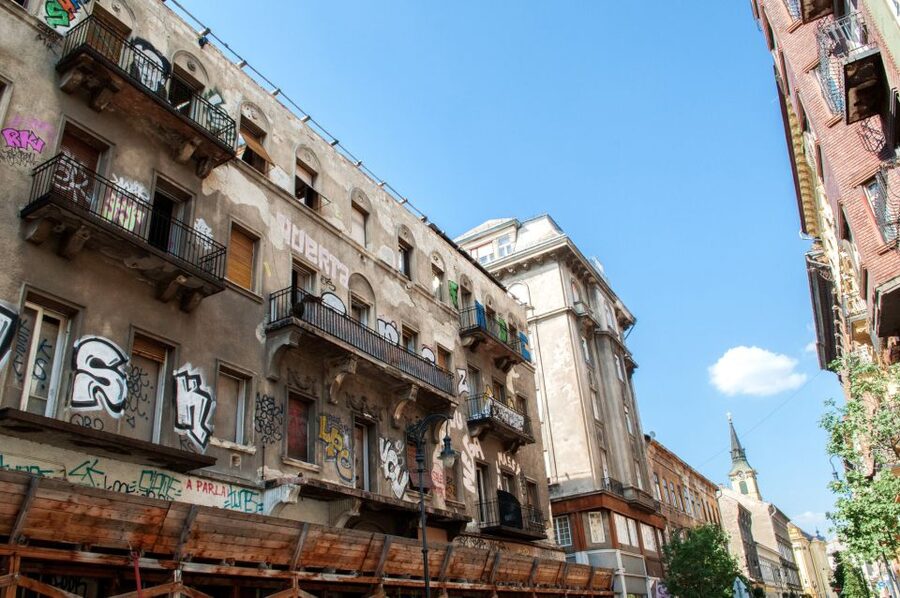
Review · BUDAPEST WALKING TOURS
Alternative Budapest Walking Tour
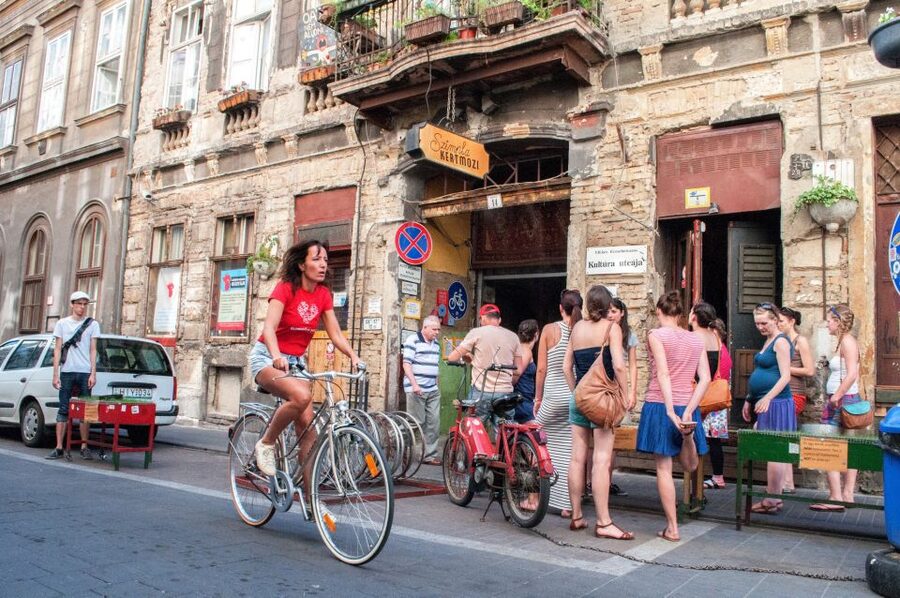
Budapest has a creative side hiding in plain sight. This small-group walking tour leaves the grand landmarks behind for murals, ruin bars, art spaces, design shops, music venues, and the changing streets of the Jewish district. I like the personal scale, with no more than 10 people, and I like that the guides connect modern Budapest to its past without turning the walk into a history lecture. The main drawback is price: at $67 per person, it costs more than a basic city walk, and food, drinks, and entry fees are extra.
The experience is best for you if you want to see how Budapest’s artists, musicians, designers, and independent businesses use old city spaces. Guides such as Raymond, Petra, Anna, Bella, and Krisztián have been praised for their friendly style and useful local advice. Wear good shoes, expect uneven city walking, and keep your schedule flexible for stops that may change as Budapest’s alternative scene changes.
Key points about the Alternative Budapest Walking Tour
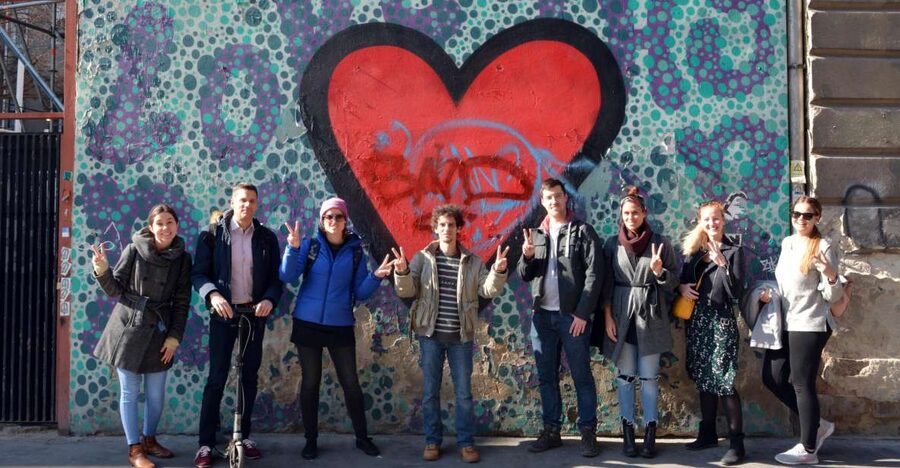
- The Jewish district is the main stage: Explore Budapest’s Seventh District, where street art, cafés, galleries, ruin bars, and former community spaces sit alongside important Jewish history.
- Small groups keep the conversation open: With a maximum of 10 participants, you have a good chance to ask about art, nightlife, politics, architecture, and daily life.
- The route changes with the city: This is not a fixed parade of famous sights. The focus is on current creative spaces, so the exact stops can vary.
- Ruin bars have a wider story: You learn how abandoned buildings became entertainment spaces, community centers, workshops, and gathering places.
- Guides add practical value: Ask for suggestions for the rest of your stay. Past guides have shared useful tips on cafés, bars, music, shops, and local neighborhoods.
- It requires steady walking: The tour is not suitable for wheelchair users or people with mobility impairments.
Why this walk shows a different Budapest

Budapest is easy to admire from the outside. The Parliament, Buda Castle, bridges, and thermal baths give you the grand picture. This tour asks a different question: what is happening inside the older districts now?
You spend the walk looking at murals, painted walls, unusual buildings, independent shops, galleries, cafés, and bars. The guide explains how Budapest’s alternative culture developed, especially in districts that were once neglected. That gives the streets more meaning. A faded façade is not just an old building. It may be part of a neighborhood’s change from overlooked quarter to fashionable address.
The focus is on the present and near future rather than a long march through Hungary’s past. Still, history matters here. The guide uses it to explain why the Jewish district looks as it does, how old buildings found new uses, and why ruin bars became such a defining part of Budapest nightlife.
I would not choose this as your only Budapest tour if you have never seen the classic sights. It does not focus on Parliament, Buda Castle, or the city’s major museums. It works best as a second look, or as your first activity if street art, independent culture, and local neighborhoods matter more to you than postcard views.
A few more walks around Budapest worth a look
- Budapest: Buda Castle Walk with Saint Stephen’s Hall
★ 4.5 · 3,012 reviews - Big Bus Budapest Hop-On Hop-Off Bus and Walking Tour
★ 3.5 · 2,206 reviews - Budapest: Buda Castle District Walking Tour
★ 4.6 · 2,108 reviews
Starting near the pale-yellow Lutheran Church
The meeting point is in front of the pale-yellow Lutheran Church, on the church steps. This is a central starting place, but you should allow enough time to find it without rushing. If you have trouble locating the guide, the local partner can be called for help.
The opening matters because the guide sets the tone quickly. This is not a formal tour where you stand quietly while someone recites dates. The small group makes it easier to ask why a mural was created, how a particular area changed, or where to go later for music and drinks.
Past guides have included Anna, Petra, Bella, Raymond, Ray, Zsophia, and Krisztián. The names change, of course, but the most praised qualities are consistent: friendly delivery, clear English, strong local knowledge, and a willingness to answer questions. One guide, Petra, was singled out for making the experience feel especially warm and personal. Raymond has been praised for linking murals, buildings, shops, and ruin bars to the city’s story.
Walking through the Seventh District
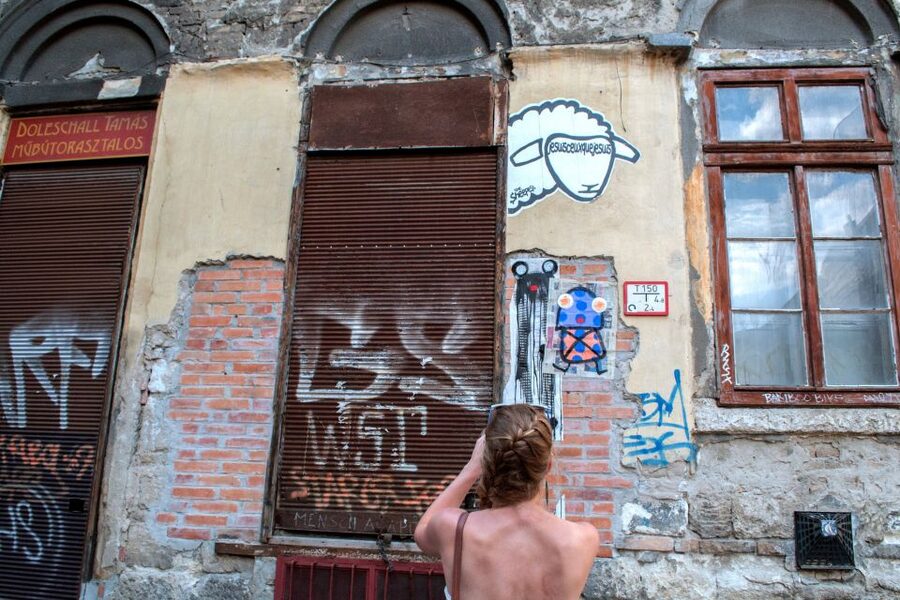
The route heads toward Budapest’s old Jewish quarter, especially the Seventh District. This is the heart of the walk, and it is where the city’s street art and alternative culture are most closely tied to history.
You can expect murals and graffiti, but the tour is not simply a hunt for colorful walls. The guide explains the local street art scene and introduces the work of graffiti writers and artists. You may hear about the ideas behind the art, the local response to it, and the way paint has altered the feel of the streets.
One past guide explained why paint appears on sidewalks, while another connected the current art scene to the way Hungarians approach architecture. These details are useful because they move the tour beyond taking photographs. You begin to notice how ordinary surfaces, shopfronts, courtyards, and neglected walls can reflect local attitudes.
The exact art will change. That is a strength, but it also means you should not expect a guaranteed checklist of particular murals. Street art fades, buildings change, and businesses close or move. The route is designed to respond to what is current rather than preserve one unchanging circuit.
Street art with history behind it
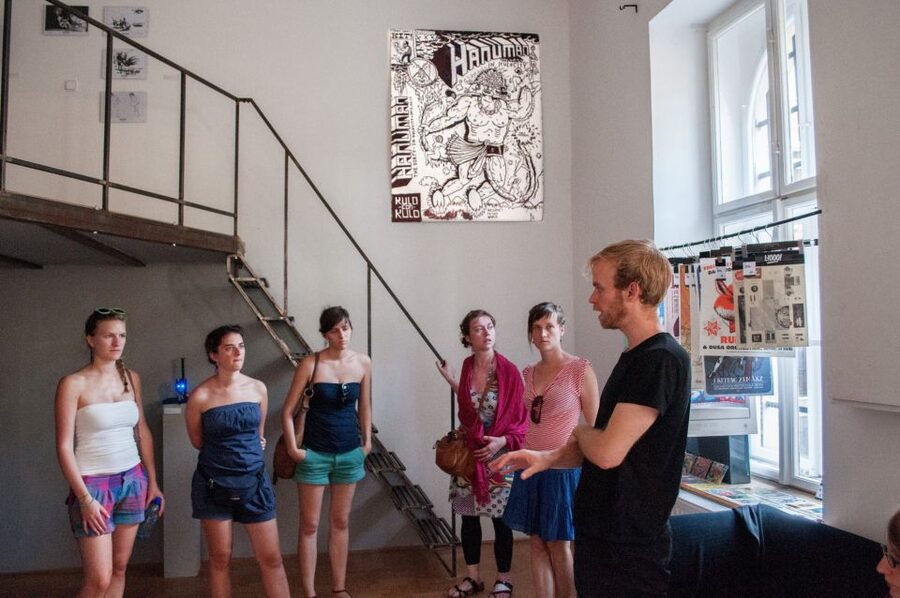
Budapest’s murals often work on two levels. They add color and energy to the streets, but they can also comment on memory, identity, politics, or neighborhood change. The guide helps you read those layers without burying you in academic language.
This is where the tour’s mix of art and history works well. You may be looking at a contemporary wall while hearing about the Jewish community, wartime loss, later neglect, and the district’s more recent revival. That combination helps explain why the area feels both old and new.
The best guides make these connections in a relaxed way. Past participants particularly valued stories and anecdotes that helped them understand what they were seeing. You should feel free to interrupt with questions. The format is small enough that conversation is part of the experience, not an inconvenience.
If you already follow Budapest street art closely, the tour may offer fewer surprises. One participant with a strong interest in the subject felt the artistic material was familiar, though still appreciated the guide’s offbeat route and local knowledge. For most visitors, the context will be more valuable than finding a wall you have never seen.
Same streets, a different way to see them:
- Budapest City Landmarks Walking Tour in 2 Hours
★ 5.0 · 2,048 reviews - 3-Hour Orientation Walking Tour of Buda and Pest
★ 4.8 · 1,834 reviews - Budapest: 3-Hour Grand City Tour and Castle Walk
★ 4.3 · 1,437 reviews - Budapest Historical Sightseeing – Free Walking Tour
★ 5.0 · 1,302 reviews
Cafés, design shops, and art collectives
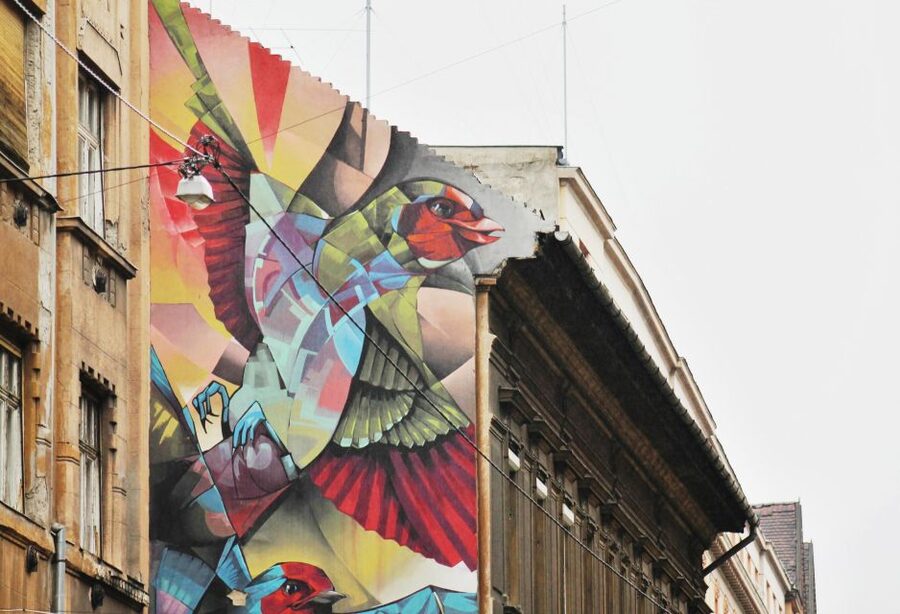
The walk also introduces small businesses and creative spaces that are easy to miss if you stay on the main sightseeing routes. These may include cafés, design shops, galleries, studios, bookshop cafés, and art collectives.
A frequently noted stop is Printa, an eco-design shop and café. It represents the kind of place this tour does well: part retail space, part creative workshop, and part meeting point. Depending on the route and opening hours, you might stop for a coffee or simply learn how such independent spaces fit into the neighborhood.
The tour may also include an art and coffee collective, a ruin bar used as a community center, a bicycle workshop, or an analogue photography gallery. The exact sequence is not guaranteed, and food and drinks are not included. Bring money if you want to stop for coffee or beer.
These pauses are important. Two and a half hours of walking can become tiring, particularly in cold or wet weather. Stops indoors give you a chance to sit, ask questions, and see how creative work operates in real places rather than behind a museum barrier.
Ruin bars beyond the nightlife image
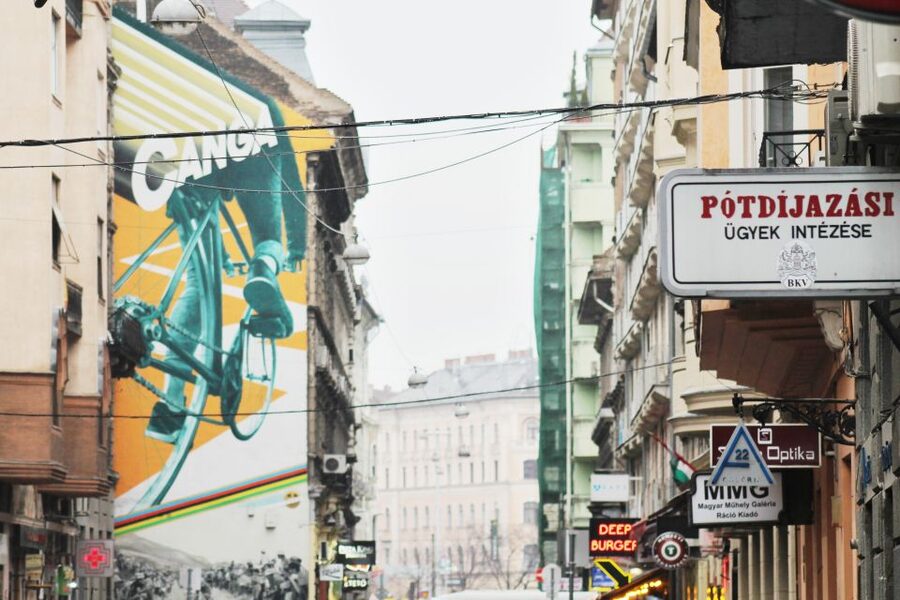
Most people first hear about Budapest’s ruin bars as unusual places for a drink. This tour gives you a wider explanation.
The bars grew in old, neglected buildings and courtyards, using mismatched furniture and improvised decoration rather than polished design. They became part of the city’s nightlife, but also served as meeting places for creative communities and small projects.
Szimpla Kert is the clearest example. One past route ended there, describing a series of rooms around a courtyard, with an upper level and odd objects used as decoration and seating. An old Trabant, the former East German car, was part of the setting. You may find this kind of place charming, chaotic, or simply strange. That is part of the point.
The guide also explains how ruin bars played a role in the revival of the entertainment district. You are not only being shown where to drink. You are learning how empty or neglected buildings were put back into use and how that changed the surrounding neighborhood.
Keep your expectations sensible. This is a walking tour, not a bar crawl. You may stop for a drink, but beverages are not included, and the emphasis remains on culture, architecture, and local life.
Music venues and independent spaces
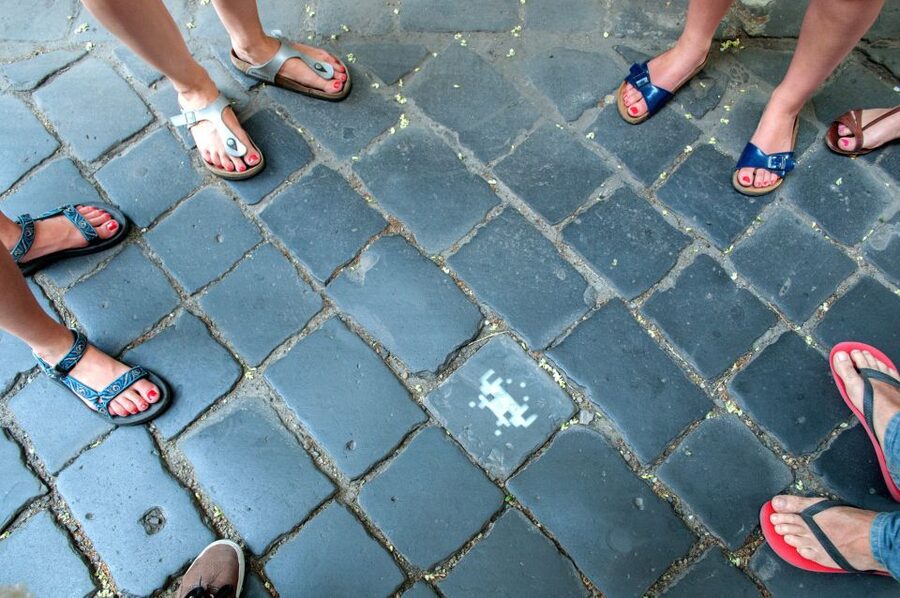
The tour reaches beyond street art into Budapest’s music scene. Depending on the day, you might see a live music venue, an independent performance space, or a place linked to the city’s underground culture.
One particularly unusual stop from an earlier route was the A38 ship bar and music venue, where the group saw a sound check. This kind of moment cannot be promised, but it shows the range of the experience. The walk is not limited to walls and cafés. It can also point you toward the city’s live music network.
You may also learn about squats, cultural centers, abandoned synagogues, and galleries. Some spaces may be viewed from outside, while others may be open during the visit. Access depends on the day, the venue, and what is operating at the time.
That uncertainty is worth accepting. Budapest’s alternative culture changes quickly. A shop may relocate, a gallery may close, or a venue may have a different event schedule. The tour’s value lies partly in giving you a current sense of the city rather than pretending its creative scene is fixed.
What the guide adds to the experience
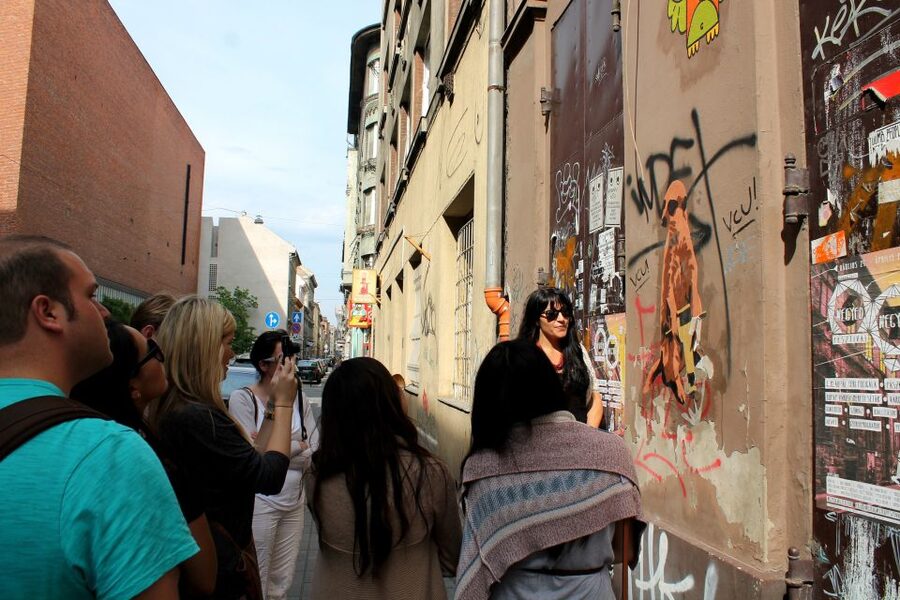
The guide is the make-or-break element here. A list of murals and bars would not justify the price by itself. The value comes from explanation, conversation, and practical suggestions.
Strong guides have helped participants understand the old Jewish area, modern nightlife, local architecture, street art, and everyday life. Some have continued chatting with the group after the formal walk, sharing more tips over coffee or a drink. That informal exchange can be especially useful if you take this tour early in your stay.
Ask direct questions. You might ask where to hear music, which cafés feel independent, how the ruin bars differ, or which parts of the district are worth returning to after dark. The small group and English-language format make these conversations easier than on a large coach tour.
The guide’s personality also shapes the tone. Past guides have been described as funny, casual, enthusiastic, and easy to understand. One guide even added places outside the planned route. That flexibility is a benefit, though you should not assume every guide or group will follow the same path.
Is $67 a fair price?
At $67 per person, this is not a budget walking tour. The price covers the guide and the walking experience, but not entrance fees, transport, food, or drinks.
I think the price can make sense if you value local interpretation and want a compact introduction to Budapest’s creative districts. A small group of up to 10 gives you far more access to the guide than a large city walk. You are also paying for a route that is difficult to build from a guidebook alone, since some of the appeal lies in current venues, changing street art, and local connections.
Still, the cost may feel high if you mainly want to see murals and ruin bars. You can visit some famous places independently, especially Szimpla Kert. The tour earns its price through the stories, neighborhood context, and practical advice, not through admission to major attractions.
If you book it, take it near the start of your stay. The local suggestions can help shape later evenings, café stops, and music plans. You will get less value if you already know Budapest’s Seventh District well or have spent considerable time following its street art.
Timing, comfort, and who should skip it
The advertised duration is 2.5 hours, though the description also refers to it as a three-hour walk. Plan for roughly half a day once you include reaching the meeting point and any optional stop afterward.
Wear comfortable shoes and clothing suited to the weather. The walk takes place outdoors, with indoor pauses possible. A past participant enjoyed warm drinks and indoor breaks during a very cold afternoon, while another had a good experience despite rain. Even so, bring proper weather protection rather than relying on a café stop.
This is not suitable for wheelchair users or people with mobility impairments. The city walking, changing surfaces, and alternative venues may be difficult for anyone who needs step-free access.
The tour suits solo visitors, couples, friends, and small groups who want conversation rather than a scripted procession. It also works well for visitors who are not especially interested in churches or museums and would rather understand the city through shops, cafés, murals, music, and nightlife.
Should you book the Alternative Budapest Walking Tour?
Book it if you want a modern, local-feeling view of Budapest, especially the Jewish district and Seventh District. You will get the most from it if you enjoy street art, independent design, underground music, ruin bars, and discussions about how cities change.
I would book it early in a Budapest stay, wear sturdy shoes, and budget extra for a coffee or beer. Go in expecting a flexible route rather than a fixed attraction list. Skip it if you need step-free access, want the city’s major monuments, or feel $67 is too much for a walking tour without included food or admissions.
The strongest reason to choose it is the guide. Names and routes change, but the best version of this experience gives you a friendly local who can explain what you are seeing and help you plan the rest of your visit.
FAQ
Where does the Alternative Budapest Walking Tour meet?
Meet the guide in front of the pale-yellow Lutheran Church, on the church steps. If you cannot find the guide, call the local partner for assistance.
How long does the tour last?
The activity is listed as 2.5 hours. The description also calls it a three-hour walking tour, so allow roughly half a day for the walk and any stop afterward.
What language is the tour conducted in?
The live tour guide speaks English.
How large is the group?
The tour is limited to 10 participants, making it a small-group experience.
Are food and drinks included?
No. Food and beverages are not included. Entrance fees, transport, and hotel pickup and drop-off are also not included.
Is the tour suitable for wheelchair users?
No. The experience is not suitable for wheelchair users or people with mobility impairments.
Just added around Budapest
- Budapest: Street Art and Underground Movements Walking Tour★ 5.0 · 365 reviews
- Jewish Quarter of Budapest Walking Tour★ 4.7 · 369 reviews
- Budapest 3-Hour Walking Tour in Italian★ 4.6 · 217 reviews
- Budapest: Buda Castle District Walking Tour with a Historian★ 4.9 · 867 reviews
- Budapest: Walking Tour to the Shoes Memorial and Parliament★ 4.7 · 151 reviews
- Budapest: Jewish History Guided Walking Tour with Historian★ 4.8 · 205 reviews
- Budapest: Castle District Walking Tour★ 4.8 · 223 reviews
- Budapest Guided Food Walking Tour with Drinks Included★ 4.8 · 472 reviews
Budapest Walking Tours, compared.
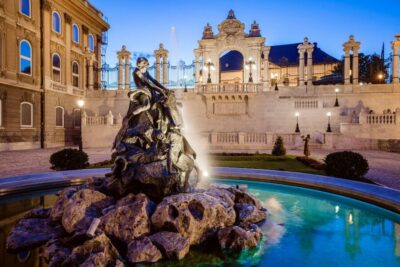

Big Bus Budapest Hop-On Hop-Off Bus and Walking Tour
Read our review →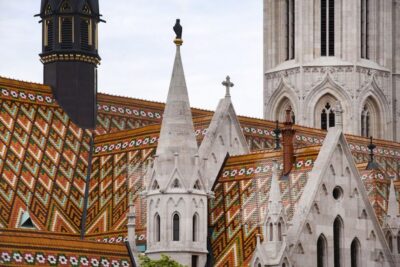
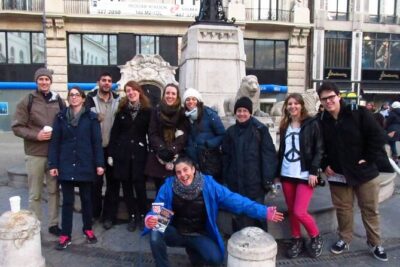
3-Hour Orientation Walking Tour of Buda and Pest
Read our review →

Budapest All in One Small Group Walking Tour with Strudel Stop
Read our review →Browse the lists this tour appears in