
Review · GERMANY WALKING TOURS
Augsburg’s Water Management System – City Walking Tour
Water shaped Augsburg’s story. This two-hour walk makes that story easy to see, from grand city fountains to narrow Lech canals and the waterworks at Rotes Tor. I like the tour for two clear reasons: it connects beautiful Old Town sights with practical engineering, and a local guide gives the UNESCO-listed water system useful context instead of leaving you to guess what you are seeing. The main consideration is that the tour leans toward dates and historical facts, so you may want more personal stories or technical detail.
The route costs 14 euros per person plus a 3 euro administration fee, making it a fairly modest way to understand a major part of Augsburg. I also like that it is offered in German or English, lasts only two hours, and can use the free elysium sound system if you bring your own smartphone, headphones, and internet connection.
Key points to know before you book
- Augsburg’s water system includes 22 listed elements, and this walk visits several of them rather than trying to cover everything.
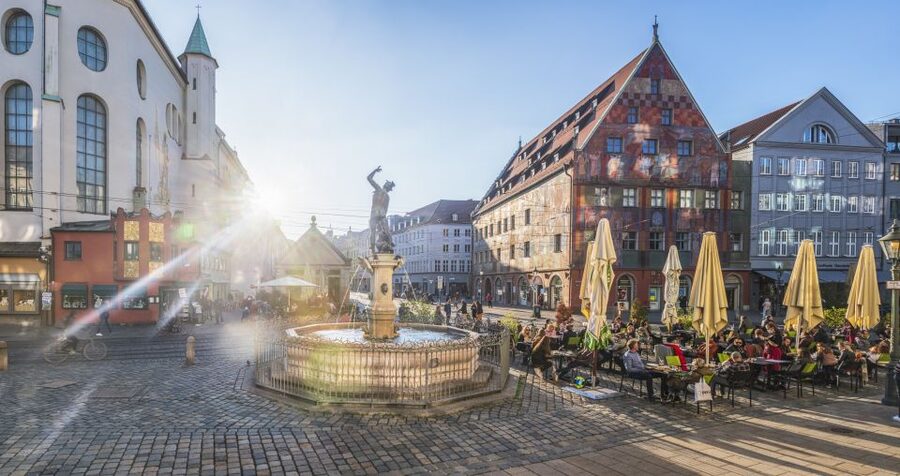
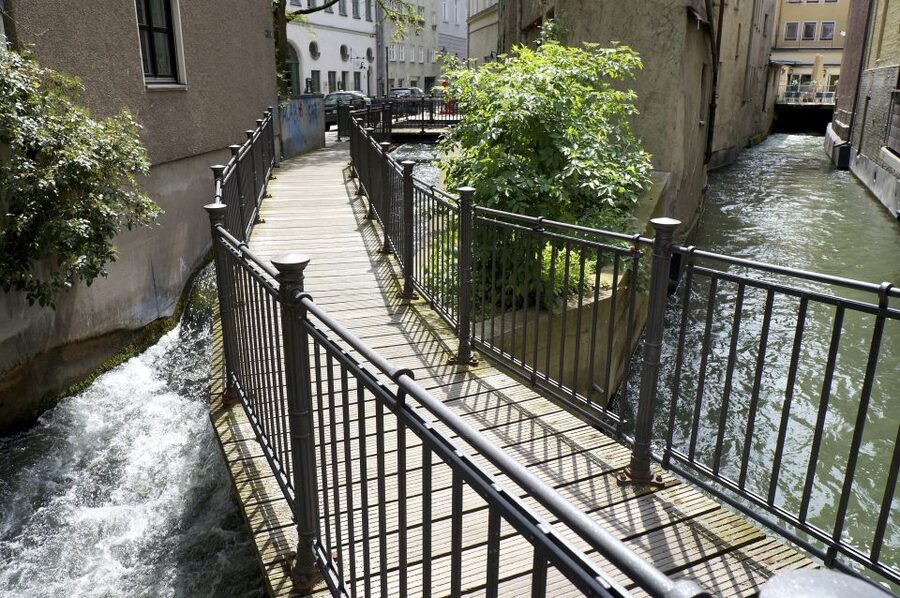
- The Lech quarter gives the tour its most atmospheric stretch, with small canals, red-roofed houses, and cobblestone streets.
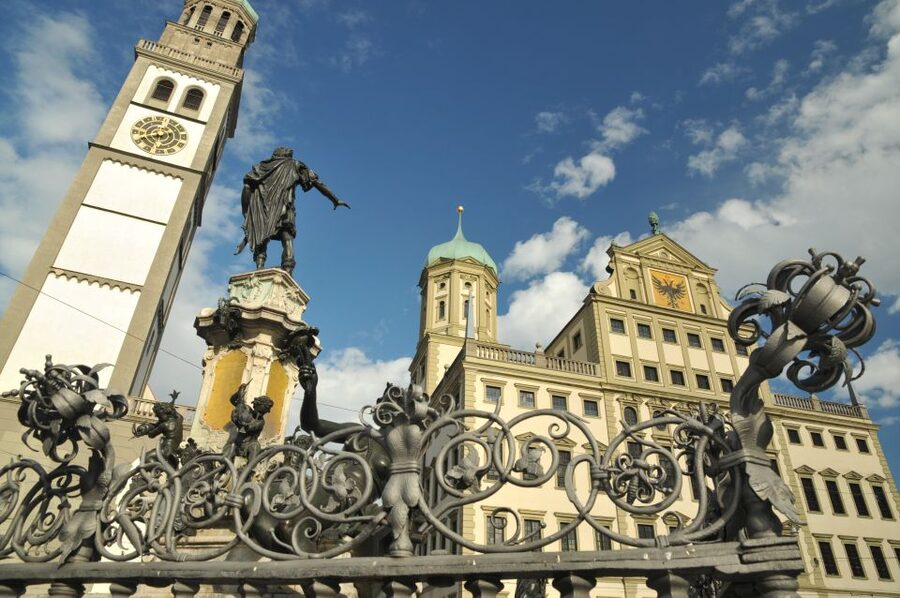
- The Augustus, Merkur, and Herkules fountains turn water management into grand public art.
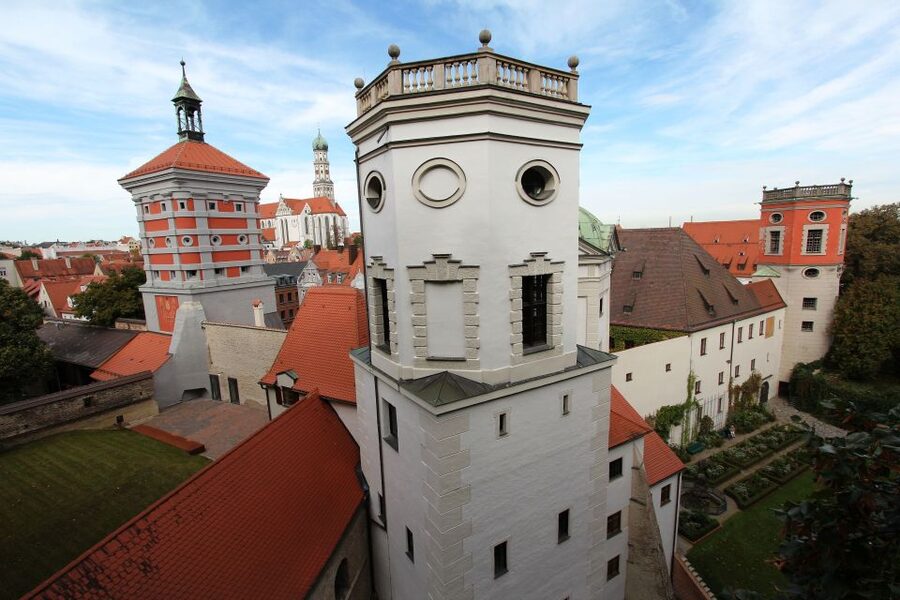
- Rotes Tor contains the oldest existing waterworks in central Europe, making it the tour’s strongest historical stop.
- Guide Brigitte Plonner has a warm, enthusiastic approach, especially useful when the group is small and questions can shape the walk.
- The tour is wheelchair accessible, but comfortable shoes and weather-ready clothing still matter on the cobbled route.
Why Augsburg’s water story is worth two hours
Augsburg is not simply showing you a few fountains and canals. The city’s water management system is a large network of historic structures, waterways, and public works. UNESCO recognition gives the subject weight, but you do not need to be an engineering enthusiast to enjoy the tour.
The appeal is that the system appears in ordinary city spaces. Water runs beside streets. Fountains occupy prominent squares. Canals pass through the Lech quarter. At Rotes Tor, the machinery and waterworks show how seriously Augsburg treated its water supply.
That makes this a good choice early in your stay. You get a practical orientation to the Old Town while learning why certain places matter. Later, when you walk through Augsburg on your own, the canals and fountains will have more meaning.
The tour is guided in English or German, with a live guide rather than an audio recording. The guide can explain the links between the different locations and answer questions as you go. That personal element matters here because the water system is spread across the city. Without explanation, some parts could look like decorative fountains or pleasant canals with no obvious connection.
A few more walks around Germany worth a look
- Discover Berlin Half-Day Walking Tour
★ 5.0 · 9,624 reviews - Berlin City walk Government District and Places of Democracy
★ 4.7 · 8,467 reviews - Berlin: Third Reich & Cold War Guided Walking Tour
★ 4.9 · 8,378 reviews
Starting at the Tourist Information Center
You meet your guide in front of the Tourist Information Center, in the heart of Augsburg. This is a sensible meeting point because you begin close to the Old Town and can move into the route without a separate transfer.
The tour is a walking experience from start to finish. There is no included transport, meal, or attraction ticket, so plan to arrive ready to walk outdoors for two hours. Comfortable shoes are essential, particularly because the route includes cobblestones.
The tour description allows for a free sound amplification system called elysium. To use it, bring your smartphone, headphones, and an internet connection. This could be useful if the group is larger or if street noise makes it hard to hear. It is optional, so you can simply listen to the guide directly if you prefer.
The meeting point also makes the tour easy to combine with other Augsburg plans. You can arrange it near the start of a sightseeing day, then continue exploring after the walk. Check the available start times when booking, since the precise departure time is not fixed in the tour details.
Cobblestones, canals, and the Lech quarter
The most enjoyable part of the route for many people will be the walk through Augsburg’s Lech quarter. Here, the subject becomes physical and easy to understand. You see small historic canals running through an old neighborhood of red-roofed houses and cobblestone streets.
This is where I think the tour feels most connected to daily city life. The water is not locked away in a museum. It is part of the streetscape, close to homes and footpaths. The setting also gives you a pleasant change from formal squares and monumental fountains.
The cobbles add charm, but they also affect comfort. Wear shoes with firm soles, and take care if rain makes the surfaces slick. The tour is wheelchair accessible, yet cobbled streets can still be a practical concern depending on the exact route and conditions. If mobility is important to you, it is sensible to confirm current route details before departure.
The Lech quarter is also a good place to listen rather than rush. The canals are small, so their importance may not be obvious at first glance. Your guide explains how these waterways fit into the wider system and helps you notice details you might otherwise pass without a thought.
Augustus, Merkur, and Herkules: water in grand public form
The fountains give the tour a different mood. The Augustus fountain, Merkur fountain, and Herkules fountain are not just useful water sources. They are impressive civic features, placed where the city could display its wealth, order, and public identity.
The Augustus fountain is one of the main visual highlights. It gives you a strong sense of how Augsburg presented its connection with water in monumental form. The Merkur and Herkules fountains add variety and show that the system is not limited to canals and utilitarian structures.
Your guide explains the historical meaning behind these fountains, rather than treating them as quick photo stops. That is important because fountains can blur together during a busy Old Town walk. The explanations help you distinguish one from another and understand why they belong in the same water story.
Still, you should set your expectations correctly. This is not a fountain-focused art tour, and the guide may spend more time on historical dates and facts than on sculpture or design. One piece of feedback described the experience as very informative but noted that it included few personal stories or anecdotes. If you prefer lively storytelling at every stop, the style may feel formal.
Same streets, a different way to see them:
- Munich: Third Reich & WWII Walking Tour
★ 4.6 · 6,181 reviews - Berlin: Discover Berlin Walking Tour
★ 4.9 · 5,998 reviews - Berlin’s Best: 2 Hour Walking Tour Third Reich and the Cold War
★ 5.0 · 5,486 reviews - Berlin: Hidden Backyards Guided Walking Tour
★ 4.8 · 5,360 reviews
Rotes Tor and the oldest existing waterworks
Rotes Tor is the tour’s most important stop. Here you see the oldest existing waterworks in central Europe, a claim that gives the final part of the walk real substance.
The setting at the imposing Rotes Tor helps bring the subject together. Earlier, you have seen canals and fountains in separate parts of the city. At the waterworks, you encounter the infrastructure behind Augsburg’s historic water system.
This stop is especially valuable if you like seeing how cities solved practical problems. The water system was not only an ornament for public squares. It required planning, structures, and long-term care. The guide places Rotes Tor within that larger story.
Do not expect admission to a separate attraction to be included. Entry tickets are not part of the tour price, although the listed walk itself takes you to the waterworks. The supplied information does not specify any additional entry arrangement, so check the current details if access inside a particular building is important to you.
A fact-focused tour with room for questions

The guide’s style can shape your experience more than any individual stop. The strongest praise goes to Brigitte Plonner, who is described as explaining Augsburg’s water management in a clear and engaging way. Her enthusiasm was especially noticeable when only a very small group was booked, and she still led the tour with energy.
A small group can be a real advantage here. You have more room to ask questions, and the guide can adjust the pace or explain a point again. A larger group may make the optional sound system more useful, while a tiny group may feel closer to a private walk.
The tone is generally informative. Several comments praise the tour as interesting and full of useful facts. At the same time, the experience is not built around technical demonstrations. One useful expectation is this: you will learn more about the history of Augsburg’s water supply than about the detailed mechanics of the technology.
That distinction matters. If you want dates, civic development, fountains, canals, and the role of Rotes Tor, this is a good match. If you want a technical breakdown of pumps, water pressure, construction methods, or operating systems, you may find the explanations less detailed than hoped.
The tour can also feel different in poor weather. Much of the route is outside, and rain may make the walk less pleasant even when the guide is doing a good job. Bring a waterproof layer and dress for the forecast. The tour runs in wet conditions unless changed by the provider, so weather-ready clothing is not a minor suggestion.
What the 17 euro cost gives you
The listed cost is 14 euros per person plus a 3 euro administration fee. The summary price is presented as about 20 dollars per person, but the euro pricing is the useful figure for planning.
For that amount, you receive a two-hour guided walking tour, a live guide in German or English, and optional use of the elysium sound system. Food, drinks, and entry tickets are not included.
I consider the value good if you want context rather than a quick look at Augsburg’s postcard sights. The fountains and canals are free to see on your own, but the guide connects them to a citywide system and explains why Rotes Tor matters. That added interpretation is the main reason to pay for the tour.
The value is less obvious if you already know Augsburg’s water history or prefer to explore without a fixed route. You can see several of the public features independently, and the tour does not promise access to every one of the 22 UNESCO elements. Its strength is selection and explanation, not total coverage.
The reserve-now-and-pay-later option also helps if your schedule is unsettled. Free cancellation is available up to 24 hours in advance for a full refund. These policies are useful, but the bigger practical question is whether the two-hour timing fits your day.
Who will enjoy this Augsburg walking tour
I would recommend this tour to first-time visitors who want a clear introduction to Augsburg beyond the usual church-and-square sightseeing. It suits people who enjoy architecture, urban history, public works, and guided walks with a strong factual base.
It is also a good fit for families with older children who can manage a two-hour walk. The canals and fountains give younger visitors something concrete to look at, while the guide supplies the larger story.
History-minded visitors should enjoy the route, especially the combination of civic fountains and Rotes Tor. People who want a relaxed neighborhood walk will likely appreciate the Lech quarter.
You may want to choose another activity if you dislike walking on cobblestones, need a highly technical presentation, or prefer personal anecdotes to historical explanation. The tour is also less appealing in heavy rain, since its main attractions are encountered outdoors.
Practical tips for making the walk better
Arrive at the Tourist Information Center with comfortable shoes already on. There is no need to bring food or drinks for the tour, since neither is included and the experience is designed as a straightforward walking route.
Bring your smartphone, headphones, and mobile internet if you want to try the optional elysium sound system. You do not need the system to join the tour, but it may help you hear the guide in a bigger group.
Choose clothing for the weather rather than for photographs. A dry day will make the canals, streets, and fountains easier to enjoy, while rain calls for a waterproof outer layer and extra care on the cobblestones.
If English is your preferred language, confirm the selected language at booking. German and English are available, but departure times and language availability should be checked for your chosen date.
Should you book the Augsburg water tour?
Book it if you want to understand why Augsburg’s canals, fountains, and waterworks belong together. The tour turns scattered sights into one clear story, and the price is reasonable for two hours with a live guide.
I would choose it early in an Augsburg visit, especially if you like walking and want a useful introduction to the Old Town. Guide Brigitte Plonner’s enthusiastic approach is a strong reason to look forward to the experience, though the overall style can be more fact-heavy than anecdotal.
Skip it if you are seeking hands-on technology, extensive interior access, or a tour built around jokes and personal stories. For most visitors who enjoy urban history and practical city sightseeing, though, this is a worthwhile walk with a particularly good final stop at Rotes Tor.
FAQ
How long does the Augsburg water management tour last?
The walking tour lasts two hours.
Where does the tour meet?
You meet the guide in front of the Tourist Information Center.
What languages are available?
The live tour guide is available in German and English.
Is the tour wheelchair accessible?
Yes, the activity is listed as wheelchair accessible. The route includes cobblestone streets, so you may wish to confirm current route details if you have specific mobility needs.
What should I bring?
Bring comfortable shoes and clothing suitable for the weather. If you want to use the optional elysium sound system, also bring your smartphone, headphones, and an internet connection.
Are food, drinks, and entry tickets included?
No. Food, drinks, and entry tickets to attractions are not included in the tour price.
Just added around Germany
- Berlin Walking Tour★ 4.5 · 378 reviews
- Small Group Walking Tour of East Berlin with a French Guide★ 5.0 · 176 reviews
- Berlin Street Art Walking Tour – Off The Grid★ 5.0 · 270 reviews
- Berlin Highlights Private Guided Walking Tour★ 4.5 · 89 reviews
- East Meets West: Berlin Food Culture & Street Art★ 5.0 · 157 reviews
- Private Walking Tour: World War 2 and Cold War Sites in Berlin★ 5.0 · 230 reviews
- Kreuzberg Berlin: Off the Beaten Track PRIVATE Walking Tour★ 5.0 · 128 reviews
- The History of Berlin: WWII PRIVATE Walking Tour With Locals★ 5.0 · 209 reviews
Germany Walking Tours, compared.

Berlin City walk Government District and Places of Democracy
Read our review →


Berlin’s Best: 2 Hour Walking Tour Third Reich and the Cold War
Read our review →

Explore Berlin: See All The Iconic Sights & Some Hidden Gems
Read our review →Browse the lists this tour appears in