
Review · MUNICH WALKING TOURS
Munich: Third Reich & WWII Walking Tour
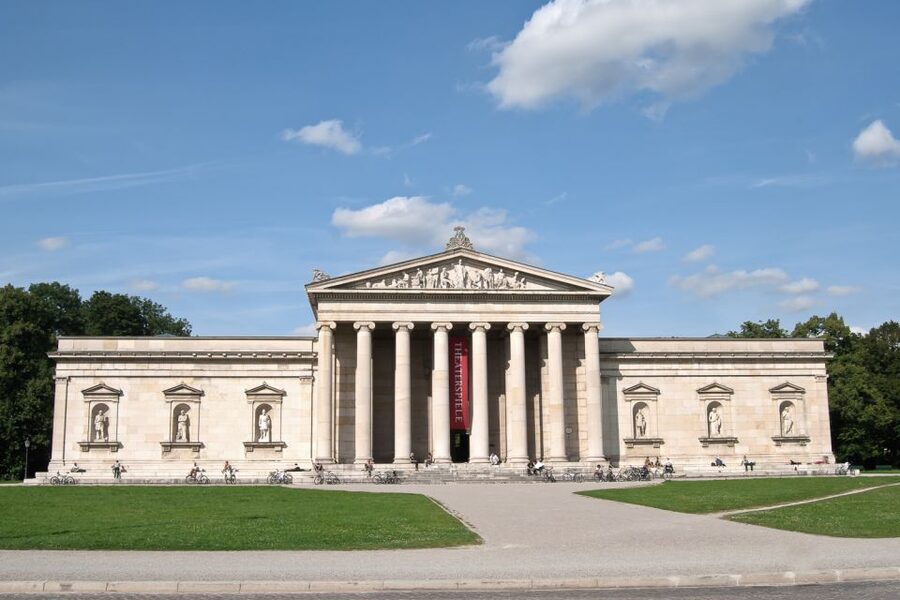
History feels different when you walk through it. This 2.5-hour Munich walking tour connects the city’s famous streets and squares to Hitler’s rise, the birth of Nazism, and the damage left by the Third Reich. I like the clear route through major sites, especially Hofbräuhaus, Feldherrnhalle, and Königsplatz. I also like that the tour includes the White Rose resistance movement, not just Nazi leaders and party rallies. The main drawback is simple: you are outside for nearly three hours, so cold, rain, and tired feet can affect the experience.
The guides receive especially strong praise for clear explanations and confident storytelling. Guides such as Michael, Steve, Alex, Josh, Danielle, Florian, and Ulrich are repeatedly described as warm, prepared, and easy to follow. Steve has even brought tea and small pads for sitting on cold ledges, a thoughtful touch on winter mornings.
This is a serious tour about persecution, dictatorship, war, and genocide. It can be engaging, and some guides use humor carefully, but it is not light sightseeing. Bring comfortable shoes, dress for the weather, and arrive ready to pay attention.
Key points at a glance
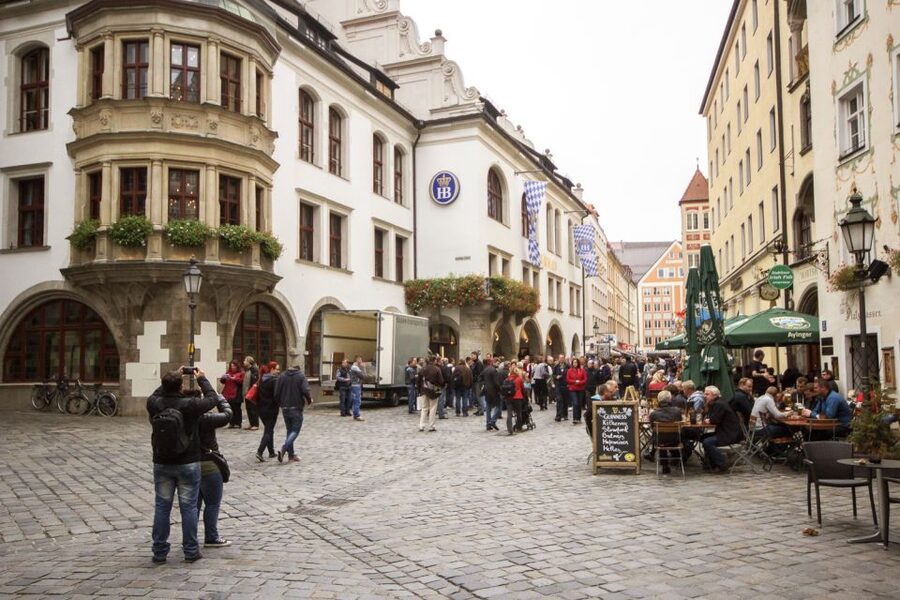
- Hofbräuhaus connects beer-hall politics with Nazi beginnings: The tour explains the first mass meeting linked to Hitler’s movement and shows how public gatherings helped the party grow.
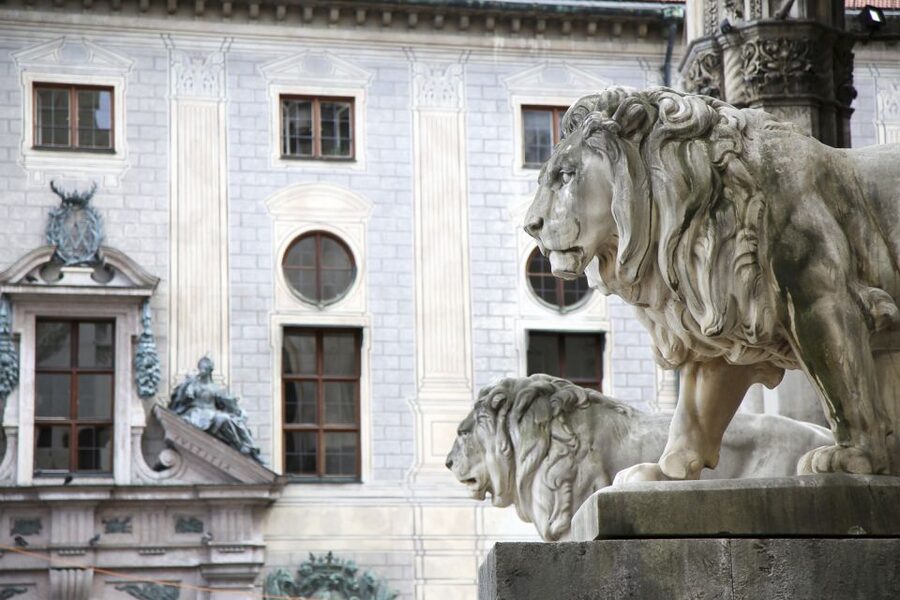
- Feldherrnhalle marks a failed grab for power: You learn how the attempted 1923 putsch ended and why this site became important to Nazi propaganda.
- Königsplatz shows the scale of Nazi spectacle: The broad square helps explain how rallies, monuments, and public space were used to project power.
- The Hofgarten adds the story of the White Rose: This stop brings student resistance and moral courage into a tour otherwise centered on dictatorship.
- The guides are the chief strength: Michael, Steve, Alex, Josh, Danielle, Florian, and Ulrich are praised for strong delivery, historical depth, and care with difficult material.
- Weather matters more than you might expect: The tour is outdoors, with frequent stops, but winter clothing and solid footwear are essential.
Why Munich is the right place for this subject
Munich was not merely a backdrop to the Third Reich. It was one of the places where the movement took shape, gathered followers, tested its message, and tried to seize control of Germany.
The tour begins with the unsettled period after World War I. Germany had lost the war, faced humiliation and economic misery, and endured political violence. Bavaria, with Munich at its center, was also marked by revolution and assassination. That setting helps you understand why radical movements found an audience.
I value this framing because it avoids presenting Hitler’s rise as a sudden event caused by one man’s charisma. The tour places him in a city marked by anger, instability, competing political groups, and public frustration. That does not excuse the choices people made, but it helps explain how the movement gained space to operate.
You also get a local view of the period. Instead of treating the Third Reich as a distant national story, the walk shows where speeches, meetings, confrontations, and public displays happened in Munich. Streets and squares become evidence. The past feels less abstract when your guide points to the actual places tied to it.
A few more walks around Munich worth a look
- Third Reich Walking Tour Munich
★ 4.5 · 4,291 reviews - Munich: Old Town & Viktualienmarkt City Walk in German
★ 4.7 · 2,304 reviews - Munich: Night Watchman Walking Tour
★ 4.7 · 2,092 reviews
Hofbräuhaus and the birth of a movement
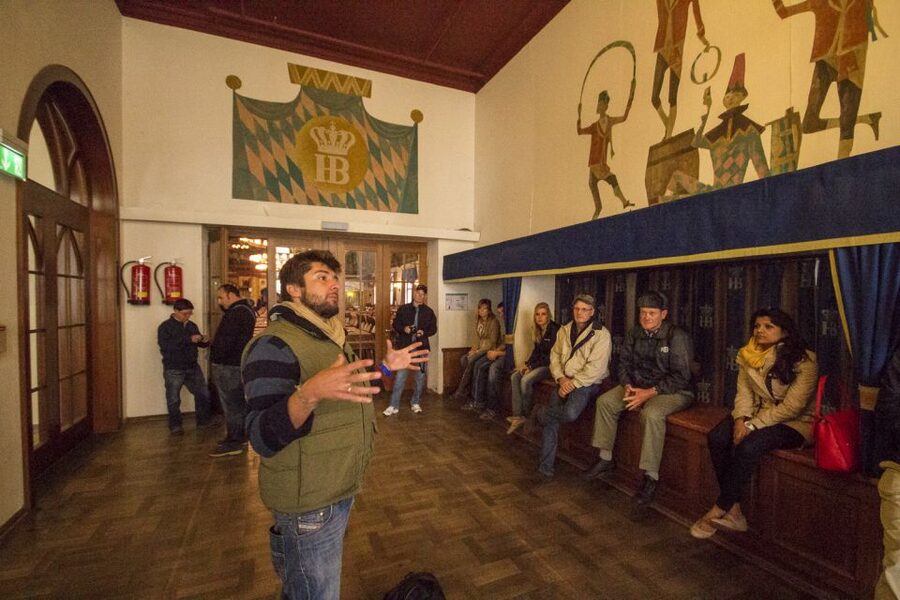
Hofbräuhaus is one of Munich’s best-known beer halls, and its connection to Nazi history gives this familiar sight a darker meaning. The tour discusses the first mass meeting associated with Hitler’s movement and explains how political organizing worked in public spaces.
This stop is useful because it shows the role of crowds. Political movements need more than private plans. They need rooms where people can gather, listen, argue, and feel part of something larger. A large beer hall offered an audience, noise, ritual, and a setting where slogans could spread.
Your guide will likely spend time on how the movement developed across Munich rather than treating Hofbräuhaus as a single dramatic birthplace. The important point is how public meetings helped turn a small political group into something with a growing presence.
I also appreciate the contrast between the building’s current identity and its earlier political role. Today, Hofbräuhaus is associated with beer, food, music, and visitors. During the tour, you are asked to look past that cheerful image and consider how ordinary public places can be used for dangerous political work.
The stop may be busy, and the tour does not turn into a full meal or beer-hall visit. Think of it as a historical location viewed from the walking route, not a dining experience.
Feldherrnhalle and the failed 1923 putsch
At Feldherrnhalle, the story moves from speeches and organization to direct confrontation. This is the site connected with Hitler’s failed attempt to seize power in 1923, often called the Beer Hall Putsch.
The guide explains how the effort collapsed and why the event still mattered. A failed coup might seem like a dead end, but the Nazi movement used the episode to create symbols, heroes, and a story of sacrifice. That later propaganda helped turn defeat into political fuel.
This is one of the strongest stops for understanding how the Nazis used memory. The physical location remained part of Munich’s daily life, but the meaning imposed on it changed under Nazi rule. Your guide can show how a failed act of violence was repackaged as part of a heroic national story.
The stop also helps separate the early Nazi movement from the later machinery of dictatorship. In 1923, Hitler had not yet taken control of Germany. He was testing methods, building support, and learning from failure. The tour follows that progression carefully, which makes the later rise to power easier to understand.
Feldherrnhalle is also a place where you may need to listen closely. The city center can be noisy, and one review specifically suggested that a small speaker would help when crowds are nearby. Guides generally work hard to project their voices, but standing near the guide and staying attentive will improve your experience.
Königsplatz and the theater of power
Königsplatz gives the tour room to breathe. This broad public square was used for Nazi party rallies and displays, making it easier to understand the scale and staging of political power.
A rally is not only a speech. It is architecture, movement, uniforms, flags, music, crowds, and carefully chosen space. At Königsplatz, your guide explains how the Nazi regime used public areas to create a feeling of order and strength. The setting helped turn politics into theater.
I find this stop valuable because it shows how propaganda could be built into the city itself. Buildings and open spaces were not neutral in the Nazi era. They could be arranged to make the state appear permanent and overwhelming.
The square also helps place Munich in the larger story of the Third Reich. The tour has already followed the movement’s early meetings and attempted seizure of power. At Königsplatz, you see what political success looked like once the Nazis controlled public life.
One practical note matters here: the planned route is described as ending at or near Königsplatz, but at least one group did not finish there. If this location matters to your plans, confirm the route on the day and allow flexibility afterward. A stop near the Documentation Center can also make sense for continuing your study of the subject, although entry to that museum is not included in the guided walk.
Same streets, a different way to see them:
- Munich Ghosts and Spirits Evening Walking Tour
★ 5.0 · 1,900 reviews - Munich Old Town Walking Tour
★ 4.5 · 1,287 reviews - Munich: Walking Tour Old Town and Viktualienmarkt
★ 4.7 · 839 reviews - Munich: Birthplace of the Third Reich Guided Walking Tour
★ 4.6 · 771 reviews
The Hofgarten and the White Rose resistance
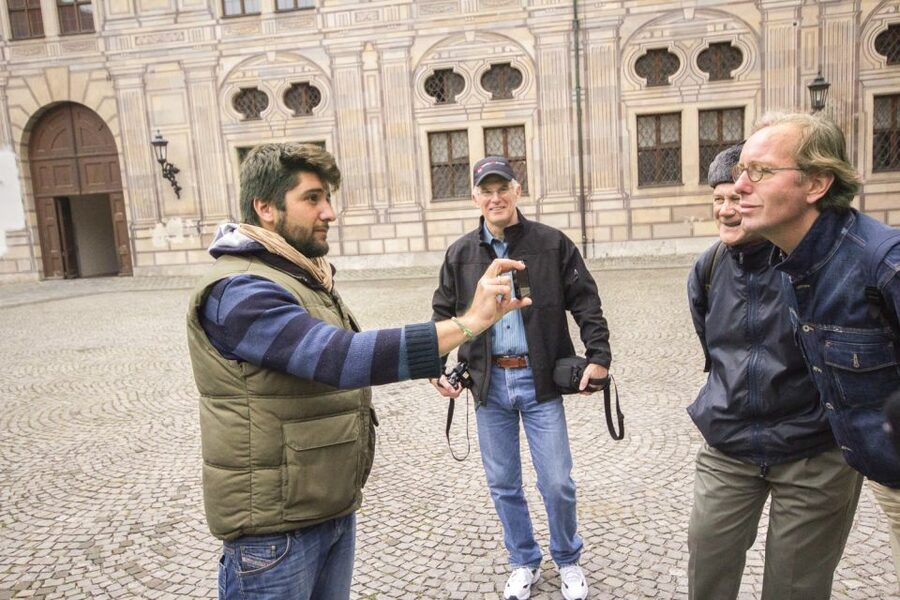
The Hofgarten section provides an important change in focus. Instead of hearing only about Hitler, party officials, and state power, you learn about the White Rose resistance movement.
The White Rose was associated with German students who opposed Nazi rule and distributed messages against the regime. Including this story makes the tour more balanced and more human. It reminds you that resistance existed inside Germany, even under a system built on surveillance, intimidation, and punishment.
This stop can be especially meaningful if you are visiting Munich with family or younger adults interested in how individuals respond to injustice. The subject is difficult, but the setting gives the tour a moment of moral clarity. The question becomes personal: what can one person do when a government controls public life?
I like that the White Rose is not treated as a quick footnote. It widens the tour beyond the mechanics of Hitler’s rise and shows that Munich’s wartime story included opposition as well as collaboration and fear.
The tour still focuses mainly on the origins of Nazism and the Third Reich, so you should not expect a full study of every resistance group in Germany. The White Rose is one significant thread within a larger walk.
How the guides handle a dark subject
The guide can make or break a historical walking tour, and this experience appears to have a strong bench of guides. Michael is praised for his voice, enthusiasm, and ability to explain the impact of genocide. Steve is singled out for careful explanations, practical concern for the group, and thoughtful touches such as hot tea and seating pads in cold weather.
Alex is described as charismatic and approachable, while Josh receives especially strong praise for keeping a large group engaged for more than two hours. Danielle is praised for handling large groups and making sure people are comfortable. Florian, Ulrich, Aileen, Brigit Muller, and others are also described as prepared, personable, and passionate about the subject.
That range matters because this is not a topic you want delivered as a list of dates. You need a guide who can explain cause and effect, answer questions, and keep the tone respectful. The strongest guides appear to use anecdotes and local details without losing sight of the victims and the crimes.
Some guides set firm expectations at the beginning. That can include asking the group to stay focused for the full tour. With a large group, that structure is useful, though one person felt the reminders were a little school-like. If you prefer a loose, casual stroll, this may feel more formal than expected.
The pace includes frequent stops rather than long stretches of nonstop walking. That makes the tour manageable, but you still need to stand outdoors for long periods. The total duration may run close to two and a half to two hours and forty-five minutes, depending on the exact option and pace.
Price, weather, and practical value
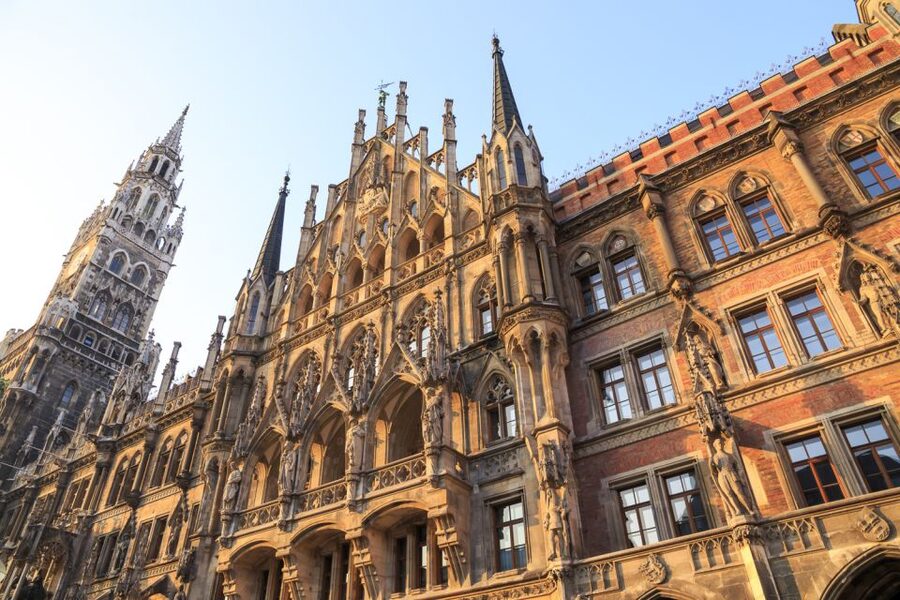
At $31 per person, this is a fair price for a guided city walk lasting roughly 165 minutes. You are paying for a live guide, a carefully connected route, and interpretation that would be difficult to recreate by simply visiting the locations on your own.
The value is strongest if you have limited time in Munich and want a clear introduction to the city’s Nazi-era history. You leave with a basic map of the movement: early meetings at Hofbräuhaus, confrontation at Feldherrnhalle, public spectacle at Königsplatz, and resistance in the Hofgarten.
The price is less compelling if you already have extensive knowledge of Munich’s Third Reich sites and prefer to read at your own pace. It also does not include museum admission, food, or transportation. The walking experience is the product.
Wear shoes with good support. The tour moves through city streets and includes repeated stops, so comfort matters more than style. In winter, add a warm coat, gloves, and weatherproof footwear. A recent group found the cold intense, while another appreciated the guide’s tea and pads for wet seating.
Rain and cold do not automatically ruin the tour, but they can reduce your attention. If you book in poor weather, leave room in your schedule afterward rather than planning another demanding outdoor activity.
The tour is available in English and German. It is wheelchair accessible, and private groups are available. Since the meeting point can change with the option booked, check your confirmation carefully before setting out.
Who will get the most from this walk?
I would recommend this tour to you if you want a focused introduction to Munich’s role in the Third Reich and prefer places connected to events over a classroom lecture. It suits first-time visitors, families interested in local history, and people who know the broad outline of World War II but want to understand how the story began in Munich.
It also works well for visitors who already know a fair amount. One person with a strong background in the subject found the guide’s lesser-known anecdotes and site-based explanations worthwhile. The tour’s value is not only in basic facts. It is in seeing where the events unfolded.
You should think twice if you dislike long outdoor tours, have little patience for difficult political history, or want a relaxed introduction to Munich’s food, art, or royal sights. This walk is focused, serious, and talk-heavy.
Large groups can be part of the experience. They may make it harder to hear near busy streets, and one review specifically noted that clearer sound equipment would help. Stand near the guide, avoid drifting behind, and ask questions during pauses.
Should you book the Munich Third Reich tour?
Yes, if you want a well-priced, serious walking tour that connects Munich’s streets to the rise of Hitler and the Third Reich. The combination of Hofbräuhaus, Feldherrnhalle, Königsplatz, and the White Rose gives the route a useful arc from political beginnings to dictatorship, spectacle, resistance, and ruin.
Book it early in your Munich stay if possible. The walk can help you understand later visits to the Documentation Center and other memorial sites. Just check the meeting point, wear comfortable shoes, and prepare for outdoor conditions.
I would skip it only if you want a short sightseeing stroll or already have a detailed plan for these sites. For most history-minded visitors, $31 buys a clear route, strong local context, and nearly three hours with guides who take the subject seriously.
FAQ
How long does the Munich Third Reich and WWII Walking Tour last?
The tour lasts about 2.5 hours, or approximately 165 minutes. Some descriptions also present it as 2 hours and 45 minutes, so allow close to three hours in your schedule.
What sites are included?
The route includes Hofbräuhaus, Feldherrnhalle, Königsplatz, and the Hofgarten. It covers locations connected with Nazi meetings, Hitler’s attempted seizure of power, party rallies, and the White Rose resistance movement.
What does the tour teach?
You learn about the birth of Nazism in Munich, Hitler’s rise, the growth of his movement across the city, the Third Reich, and Munich’s role during the period leading into World War II.
Is the tour available in English?
Yes. The tour is offered in English and German.
Is the walking tour wheelchair accessible?
Yes, the activity is listed as wheelchair accessible.
Can I book a private group?
Yes. A private group option is available.
What should I bring?
Bring comfortable shoes. Since the tour takes place outdoors and can last nearly three hours, warm and weather-appropriate clothing is also sensible, especially in winter.
Is museum admission included?
No museum admission is listed as included. The experience includes a guided walking tour.
What happens if I need to cancel?
You can cancel up to 24 hours in advance for a full refund. You can also reserve now and pay later, depending on the booking option.
Just added around Munich
- Munich: Walking Tour Old Town and Viktualienmarkt★ 4.7 · 839 reviews
- Munich: Raven Black Witches and Executioners Walking Tour★ 4.7 · 294 reviews
- Munich : Private Walking Tour with A Guide (Private tour)★ 4.5 · 85 reviews
- Munich Old Town – Guided Walking Tour in English★ 4.7 · 153 reviews
- Munich: Guided Food Walking Tour with Beer Tasting★ 4.7 · 183 reviews
- Munich: Old Town Guided Walking Tour★ 4.6 · 479 reviews
- Munich: Old Town Walking Tour★ 4.7 · 589 reviews
- Munich: Birthplace of the Third Reich Guided Walking Tour★ 4.6 · 771 reviews
Munich Walking Tours, compared.
Old Town & Viktualienmarkt City Walk in German
Read our review →
Munich Ghosts and Spirits Evening Walking Tour
Read our review →
Birthplace of the Third Reich Guided Walking Tour
Read our review →Browse the lists this tour appears in