
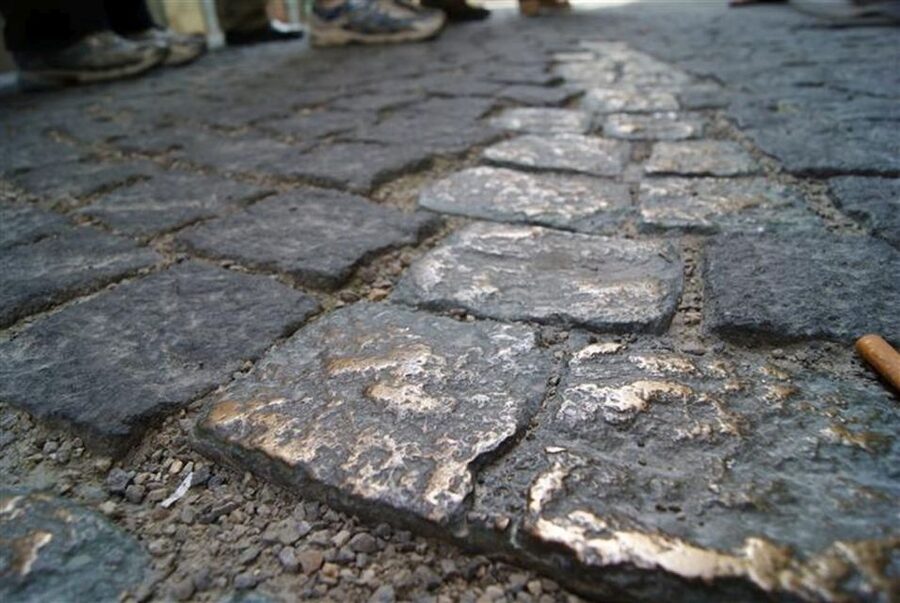
Review · MUNICH WALKING TOURS
Munich: Birthplace of the Third Reich Guided Walking Tour
Munich’s past is impossible to ignore. This 2.5-hour English walking tour connects beer halls, government buildings, war damage, and memorials to explain how the Nazi movement gained power in the city where it began. I like the way the tour links famous names and events to actual streets and buildings. I also like that it gives attention to victims and opponents of Nazism, not only to Hitler and his followers. The main drawback is simple: you will be outdoors for the full tour, so cold, rain, or hot weather can affect your enjoyment.
The $29 price is fair for a live guide and a focused history lesson in central Munich. Guides such as Jake, Steve, Sam, Nic, Josh, Aileen, and Iain have been praised for clear explanations, strong storytelling, and thoughtful answers to questions. I would choose this tour early in a Munich visit, since it helps you understand many central sights before you see them again on your own.
Key points to know before booking
- The tour lasts 2.5 hours, giving the guide enough time to explain the political setting behind each site rather than simply naming buildings.
- You visit old beer halls linked to Hitler’s early speeches and party meetings, a useful reminder that political movements often grow in ordinary public places.
- The route includes the former Nazi headquarters and surviving Nazi-era buildings, alongside memorials to people who suffered or resisted.
- The guide makes a major difference, and the strongest praise goes to guides who combine clear facts with empathy and gentle humor.
- You meet at the Radius Tours office, with transport to Munich’s historic center included. Hotel pickup is not included.
- This is a serious tour, best suited to people ready to think about anti-Semitism, political violence, Kristallnacht, and the path toward the Holocaust.
Why Munich is the right place for this difficult lesson
Munich is often sold through palaces, churches, beer gardens, and handsome squares. Those sights are real, but they tell only part of the city’s story. Munich was also a key setting for the birth and growth of the Nazi Party, and this tour puts that past into the streets you are already likely to visit.
The title, Birthplace of the Third Reich, points to the city’s role in the early Nazi movement. You learn how Hitler’s failed putsch, public speeches, party gatherings, and street battles helped shape the path toward power. The value is not just in hearing dates. It is in seeing how an extremist movement used familiar meeting places, political frustration, propaganda, and organized violence.
I appreciate that the tour does not present Nazism as something that appeared fully formed. The guide explains the earlier conditions that made the movement possible, then traces how it became more organized and dangerous. That approach gives you a clearer sense of cause and consequence.
The subject is heavy, but the strongest guides keep the talk understandable. Jake has been praised for mixing energy and humor with serious material. Aileen has been singled out for clear, well-ordered explanations. Steve has used a binder of photographs to show how places looked during the Nazi period, a useful tool when modern Munich has changed the view.
More Guided Walks in Munich:
- Munich: Old Town Guided Walking Tour
★ 4.6 · 479 reviews - Munich: Guided Food Walking Tour with Beer Tasting
★ 4.7 · 183 reviews - Munich Old Town – Guided Walking Tour in English
★ 4.7 · 153 reviews
The old beer halls and the first Nazi gatherings

The tour visits beer halls connected with Hitler’s early speeches and the first small meetings of the Nazi Party. These places matter because they show how political recruitment worked in the early years. A beer hall was not an abstract political institution. It was a familiar public room where people gathered, listened, argued, and were persuaded.
You will hear about the first party meeting associated with Hitler and the speeches that helped him gain attention. The point is not to admire the setting or the speaker. It is to understand how performance, grievance, nationalism, and anti-Semitism were brought together in places ordinary Munich residents knew well.
This part of the walk is especially useful if you know the broad outline of Hitler’s rise but have never connected it to Munich. The guide can explain what happened at each location and why it mattered later. The buildings become evidence, not just backdrops for photographs.
There is also a practical limit. A public building may look much like any other old Munich structure, and the importance is not always obvious without explanation. You are paying for the guide’s interpretation. Without that spoken context, some stops could feel ordinary.
The failed putsch and the streets where power was fought for
The story then moves beyond speeches to the physical struggle for control. You learn about Hitler’s failed putsch and the Brownshirts who fought their way through Munich’s streets. This makes the city feel less like a distant history book and more like a place where political violence was visible and organized.
The guide explains how the Nazi movement tried to seize power, failed, and then adapted. That is an important part of the story. The movement did not simply win in one dramatic moment. It used public speaking, party organization, intimidation, propaganda, and changing political conditions over time.
I like this part because it answers a question many people carry into the tour: how was this possible? The route gives you more than a list of Nazi milestones. It shows the gradual process by which extreme ideas gained a public platform and then moved toward control.
Strong guides also leave room for questions. Iain has been praised for handling detailed discussion with a friendly manner, while Josh has been valued for his passion and personal perspective on German history. If you have already read about the subject, you should find enough room to ask about details rather than hearing only a fixed script.
The site linked to Kristallnacht
One of the most troubling stops is the building where Goebbels plotted the Night of Broken Glass, known in German as Kristallnacht. This event marked a major escalation in the persecution of Jewish people under Nazi rule. It is one thing to read about broken windows, destroyed businesses, synagogues, arrests, and violence. It is another to hear the planning connected to a real place in Munich.
The stop helps you see Kristallnacht as organized political violence, not a spontaneous outburst. That distinction matters. It shows how anti-Semitism was encouraged and turned into action by those in power.
Expect this section to be uncomfortable. The best delivery is calm, precise, and respectful. Several guides have been praised for handling the subject with grace and empathy, while still keeping the tour moving. A little carefully used humor may appear elsewhere, but this part needs restraint.
The walk also helps place Kristallnacht within the larger road toward the Holocaust. You will not get every detail of Nazi persecution in 2.5 hours, but you will see how public discrimination and violence became part of a wider system.
A few more walks around Munich worth a look
- Munich: Third Reich & WWII Walking Tour
★ 4.6 · 6,181 reviews - Third Reich Walking Tour Munich
★ 4.5 · 4,291 reviews - Munich: Old Town & Viktualienmarkt City Walk in German
★ 4.7 · 2,304 reviews - Munich: Night Watchman Walking Tour
★ 4.7 · 2,092 reviews
Nazi headquarters and the scars left by war
The route stops at the official Nazi headquarters and other buildings that survived the Second World War. Much of central Munich was badly damaged by Allied bombing, yet several Nazi-era buildings remained. That contrast gives this section its force.
You can look at surviving structures while hearing what they represented during the dictatorship. At the same time, the surrounding city shows the effects of war and reconstruction. The result is not a perfectly preserved historical district. It is a modern city layered over a destructive past.
This is where old photographs can make a real difference. Steve’s use of images from his research has helped visitors picture the buildings and streets as they looked during the period being discussed. If your guide brings visual material, pay attention. Modern façades alone may not tell you what happened there.
The stop also raises a useful question about memory. Some Nazi buildings survived because of their construction, wartime damage, or later decisions. Their continued presence does not make them monuments to Nazi power. The guide’s explanation helps you understand how Munich lives with these difficult places today.
Memorials to victims and people who resisted
A strong feature of this tour is its attention to memorials. You visit sites honoring victims of Nazism and people who opposed the regime. That balance keeps the tour from becoming a procession of Nazi names and military events.
For me, this is essential. A tour about the Third Reich should not give more emotional weight to its leaders than to those they persecuted. The memorials bring the human cost back into view and show how Munich remembers people who were killed, imprisoned, or forced to resist at great personal risk.
The memorial stops also help you understand modern Germany’s effort to face its past. One guide was praised for explaining how the country memorializes victims and remains alert to the dangers of anti-Semitism and political extremism today. That connection gives the tour a present-day purpose without turning it into a political speech.
You may find these moments quieter than the beer hall stops. Take time to look rather than rushing to the next location. The route is still moving, but the memorials reward a slower response.
What the guides do best
The biggest strength of this experience is the guide. A well-prepared guide can turn a street corner into a meaningful historical site. An average one might simply repeat names and dates.
The strongest praise has gone to guides who make difficult information clear. Jake is often described as energetic and engaging. Sam has been praised for extensive subject knowledge and an ability to answer questions. Nic is known for friendliness, organization, and fluent English that is easy for non-native speakers to follow.
Aileen has received praise for making sure the group had enough breaks and that everyone stayed together. That matters on a 2.5-hour walk. Mark has been valued for setting the historical scene and keeping the route flowing. Dan has been praised for maintaining good humor on a rainy Munich day.
Your guide will affect the tone. One may use more jokes, another may prefer a more formal lecture, and another may encourage longer questions. The consistent theme is preparation, passion, and the ability to discuss an emotionally difficult subject without becoming careless.
Walking conditions, weather, and pace
This is an outdoor walking tour, and the weather matters. A summer group once wished for a water stop during a warm day, while other groups completed the route in torrential rain or freezing winter conditions. You should dress for the forecast and bring water.
Good shoes are more important than stylish ones. The tour lasts 2.5 hours, and you will be moving between several sites. There are breaks, but this is not a seated museum visit.
Winter can be especially demanding. A December group reported that the time passed quickly despite freezing temperatures, which says something about the guide’s ability to keep the story moving. Still, gloves, a warm coat, and shoes suitable for cold pavement will make a real difference.
The tour begins at the Radius Tours office, with transportation to Munich’s historic center included. Hotel pickup is not included. At the end, the tour returns toward the 80331 area and the Radius Tours office, so you can plan the rest of your day around central Munich.
Is $29 good value?
At $29 per person, this is a reasonable price for a live 2.5-hour tour in central Munich. You are not paying for admission to a museum or a large attraction. You are paying for access to a structured story, a guide who can answer questions, and historical meaning that would be hard to assemble on your own.
The value is strongest if you are new to Munich or want a clear introduction to the city’s Nazi past. The tour brings together beer halls, political sites, Nazi headquarters, wartime buildings, and memorials in one route. That saves you research time and helps you recognize the significance of places you may pass later.
It is less useful if you want a quiet, self-guided walk or a detailed academic study of every stage of the Third Reich. Two and a half hours can give you a strong framework, but not a full course on German history. You may want a museum visit or further reading afterward.
Free cancellation up to 24 hours before the start and the option to reserve now and pay later add useful flexibility. The tour is offered in English with a live guide.
Who should book this Munich history walk?
I would recommend it to first-time visitors who want more than postcard Munich. It suits history buffs, students, families with older children, and anyone trying to understand how Nazism developed in a real urban setting.
It also suits you if you prefer people and places to a long museum label. The guide provides the thread that joins each stop, and the city itself becomes part of the lesson.
I would think twice if you dislike walking, struggle with outdoor conditions, or want a light sightseeing tour. The subject includes anti-Semitism, political violence, Kristallnacht, war, persecution, and the Holocaust. It should not be treated as casual entertainment.
Should you book it?
Book this tour if you want a serious, well-organized introduction to Munich’s role in the rise of the Third Reich. The strongest guides make the material clear without reducing it to slogans, and the route gives you a useful mix of beer halls, Nazi buildings, war damage, and memorials.
The best time to go is early in your Munich stay, when the history can add meaning to later walks through the center. Bring weather-ready clothing, comfortable shoes, and questions. At $29, it offers solid value, especially if your guide is one of the strong storytellers praised for empathy, humor, and careful answers.
FAQ
How long does the Munich Third Reich walking tour last?
The tour lasts 2.5 hours.
What language is the tour offered in?
The tour is conducted in English with a live English-speaking guide.
Where does the tour meet?
You meet at the Radius Tours office.
Is hotel pickup included?
No. Hotel pickup is not included.
Is transportation included?
Transportation to Munich’s historic center is included.
What places does the tour cover?
The tour covers old beer halls linked to Hitler’s early party meetings and speeches, the former Nazi headquarters, buildings connected with the Nazi period, sites linked to Kristallnacht, wartime damage, and memorials to victims and opponents of Nazism.
How much does the tour cost?
The listed price is $29 per person.
Can I cancel the booking?
Yes. You can cancel up to 24 hours in advance for a full refund. You can also reserve now and pay later.
Just added around Munich
- Munich: Walking Tour Old Town and Viktualienmarkt★ 4.7 · 839 reviews
- Munich: Raven Black Witches and Executioners Walking Tour★ 4.7 · 294 reviews
- Munich : Private Walking Tour with A Guide (Private tour)★ 4.5 · 85 reviews
- Munich: Old Town Guided Walking Tour★ 4.6 · 479 reviews
- Munich Old Town – Guided Walking Tour in English★ 4.7 · 153 reviews
- Munich: Guided Food Walking Tour with Beer Tasting★ 4.7 · 183 reviews
- Munich: Old Town Walking Tour★ 4.7 · 589 reviews
- Discover Munich 2-Hour Small Group Walking Tour★ 4.6 · 491 reviews
Munich Walking Tours, compared.
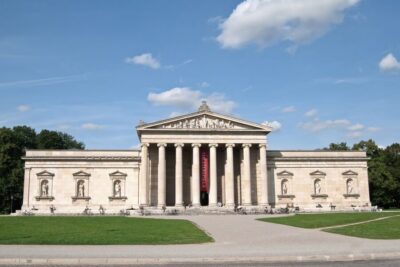
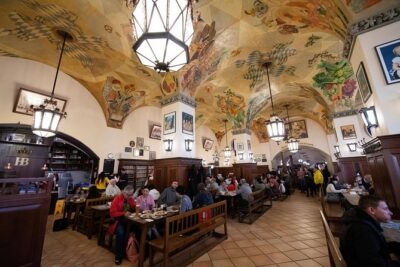
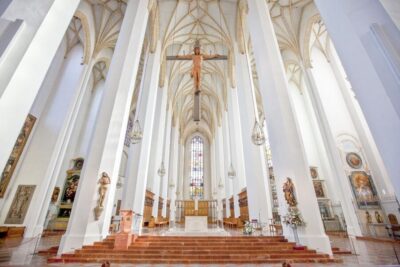
Old Town & Viktualienmarkt City Walk in German
Read our review →
Munich Ghosts and Spirits Evening Walking Tour
Read our review →
Browse the lists this tour appears in