
Review · BERLIN WALKING TOURS
Berlin: Alternative Berlin Walking Tour
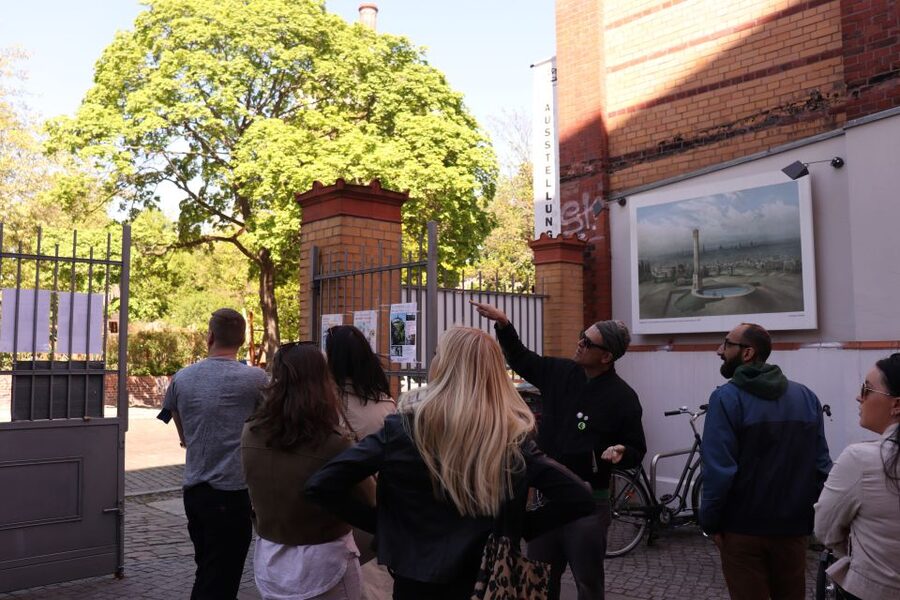
Berlin’s best stories often hide in plain sight. This four-hour walk follows the city’s alternative side through Mitte, Kreuzberg, Prenzlauer Berg, and Friedrichshain, linking street art, migration, music, politics, cafés, and everyday Berlin life. I like the way it moves beyond the usual World War II and Cold War narrative, and I especially like the mix of local food, underground art, canals, urban farms, and neighborhood stories.
The tour’s strongest asset is its guides. Rhys, Reece, Jake, Jonathan, Damien, Antonio, Ben, and A.D. are praised for humor, energy, and personal insight into Berlin. The main drawback is pace: you walk for four hours, sometimes use public transport, and may need an AB ticket. If mobility is an issue, or you prefer slow museum-style sightseeing, this may feel demanding.
Key points to know before booking
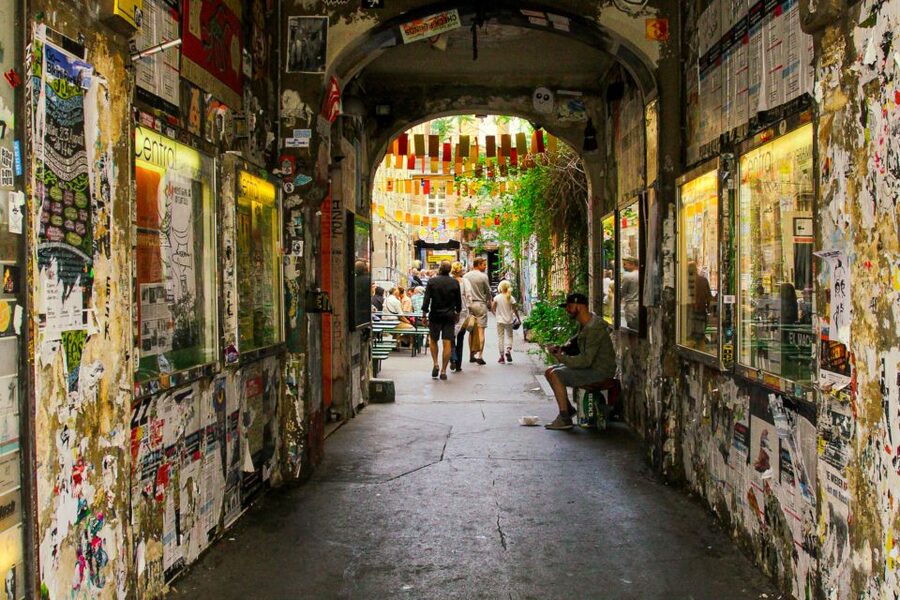
- Alexanderplatz is only the starting point: You meet outside Vapiano by the TV Tower, then quickly move into Berlin’s less obvious corners.
- Mitte and Kreuzberg reveal different Berlins: The route compares former East Berlin culture, Turkish Kreuzberg, street art, music, migration, and social change.
- Food is part of the story: Currywurst, döner, Prater Beer Garden, and local refreshment stops help explain how Berlin’s culture developed.
- The route changes with art and local conditions: The exact underground galleries, farms, canals, and creative spaces can vary, so bring an open mind rather than a fixed checklist.
- Plan for public transport: An AB ticket may be needed, and some visitors find a day ticket easier than buying several short rides.
- Bad weather does not cancel the experience: Tours run all year, so comfortable shoes and weather-ready clothing matter.
Why this is not a standard Berlin sightseeing walk
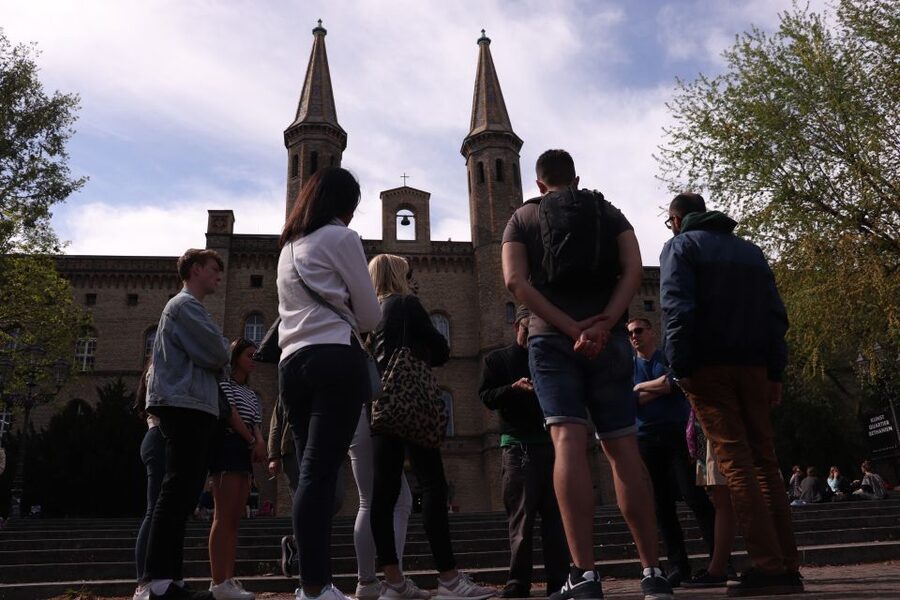
Most first visits to Berlin focus on grand political subjects: the Wall, Hitler’s bunker, Checkpoint Charlie, and the museums of Museum Island. Those places matter, but they explain only part of the city.
This tour asks a different question: how did Berlin become a place where squats, clubs, immigrant neighborhoods, graffiti, queer culture, political protest, and old beer gardens sit beside official monuments and glossy new developments?
I like that approach because Berlin’s identity is not found only in its famous buildings. It also appears in reused spaces, community projects, record shops, cafés, murals, food stalls, and streets where different groups have made room for themselves.
The guide connects these details to the city’s divided past. You hear how East and West Berlin developed different habits, how reunification changed neighborhoods, and how artists, musicians, activists, migrants, and young people shaped the city after the Wall fell.
The tone is informal, but the subject matter is serious. The best guides use jokes and personal stories without turning Berlin’s difficult past into a party trick. Rhys is repeatedly praised for keeping a group interested for the full four hours, while Jake and Jonathan are noted for combining humor with clear explanations. That matters on a long walking tour. Good delivery can turn a string of facts into a story you remember.
A few more walks around Berlin worth a look
- Discover Berlin Half-Day Walking Tour
★ 5.0 · 9,624 reviews - Berlin City walk Government District and Places of Democracy
★ 4.7 · 8,467 reviews - Berlin: Third Reich & Cold War Guided Walking Tour
★ 4.9 · 8,378 reviews
Starting at Alexanderplatz and moving through Mitte
The meeting point is outside Vapiano by the Alexanderplatz TV Tower. Alexanderplatz is one of Berlin’s most recognizable spaces, but it is not the final character of the tour. It works more as a clear meeting point before the group heads into the city’s more layered neighborhoods.
The first guided section takes place in Mitte and lasts about an hour. Mitte means middle, and it sits at the center of Berlin both geographically and historically. Here, the tour can set up the larger themes: East and West, old and new, official culture and unofficial culture, polished streets and rougher creative spaces.
You may hear about former Jewish communities, Berlin’s changing immigrant population, art spaces, cafés, and the ways people have reused buildings and empty lots. The advertised route can include underground galleries and community-funded urban farms, though exact stops may change with the current art and tour route.
That flexibility is useful in Berlin. Creative spaces open, close, move, or change purpose. A fixed route could miss the point. The city’s alternative culture is not locked inside one museum. It keeps shifting.
Mitte also gives the guide a chance to explain how Berlin’s design culture grew. The city has been recognized as UNESCO’s first City of Design, and this tour looks at design in a broad sense: not only architecture, but also murals, public projects, reused structures, gardens, and the way residents claim space.
Do not expect a long stop at each place. This is a moving conversation rather than a series of formal site visits. You will get context and photo opportunities, but the route may not provide time to study every mural or browse every shop.
Kreuzberg: migration, music, food, and street art
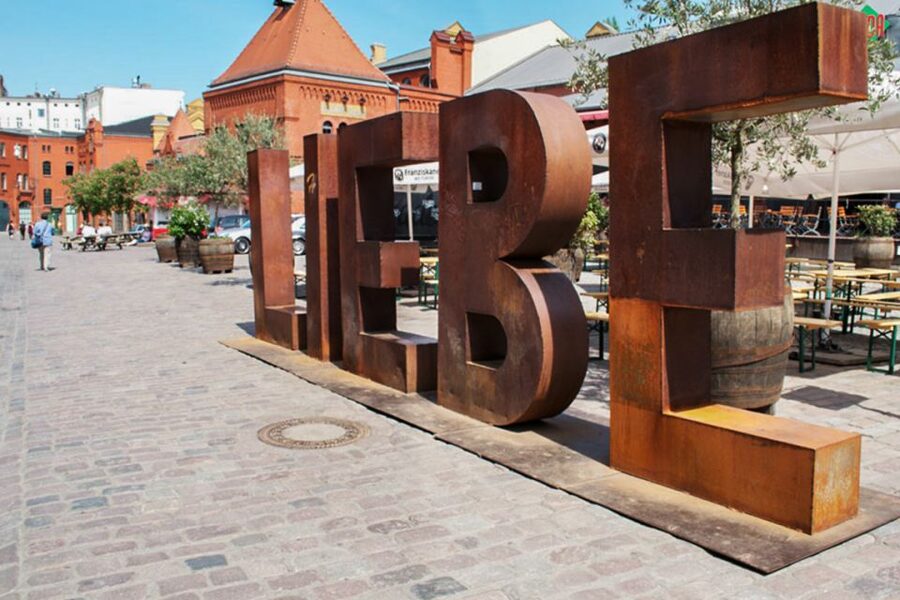
The Kreuzberg section takes around two hours and is the heart of the tour. Kreuzberg is one of the clearest places to see Berlin’s multicultural character, especially through Turkish neighborhoods, street food, music, nightlife, political art, and long-running alternative communities.
The tour explains the connection between migration and Berlin’s food culture. Döner is part of that story, as is currywurst, one of the city’s best-known fast foods. One stop may include a local fast-food place for currywurst, although food is not presented as a full included meal. That small detail is valuable because it connects a familiar snack to the city’s working-class and migrant cultures.
The guide may also discuss the origins of Berliner Currywurst and döner, along with the history of Prater Beer Garden. These are not random food facts. They show how Berlin’s everyday culture is built from local traditions and arrivals from elsewhere.
You may pass murals, tags, large-scale street art, punk-related sites, record shops, and former squats. Some of these places can look rough or unimportant if you walk past alone. With a good guide, you learn why a wall, courtyard, or reused building matters.
The strongest part of this section is the connection between art and politics. Berlin’s graffiti is not just decoration. It can mark ownership, resistance, memory, humor, neighborhood identity, or an argument about who gets to use the city.
Several guides are praised for explaining individual artists and musicians rather than making vague comments about Berlin being creative. That level of detail makes the route more useful. You are not simply told that Kreuzberg is alternative. You learn how particular people and movements helped make it that way.
The tour also includes discussion of African communities, Berlin’s former Jewish communities, and the city’s gay culture. These subjects broaden the story beyond the familiar image of Berlin as a place of punk and techno. You see how several communities have shaped the city, sometimes in cooperation and sometimes amid conflict over space, housing, and social change.
Canals, urban farms, and Berlin’s reused spaces
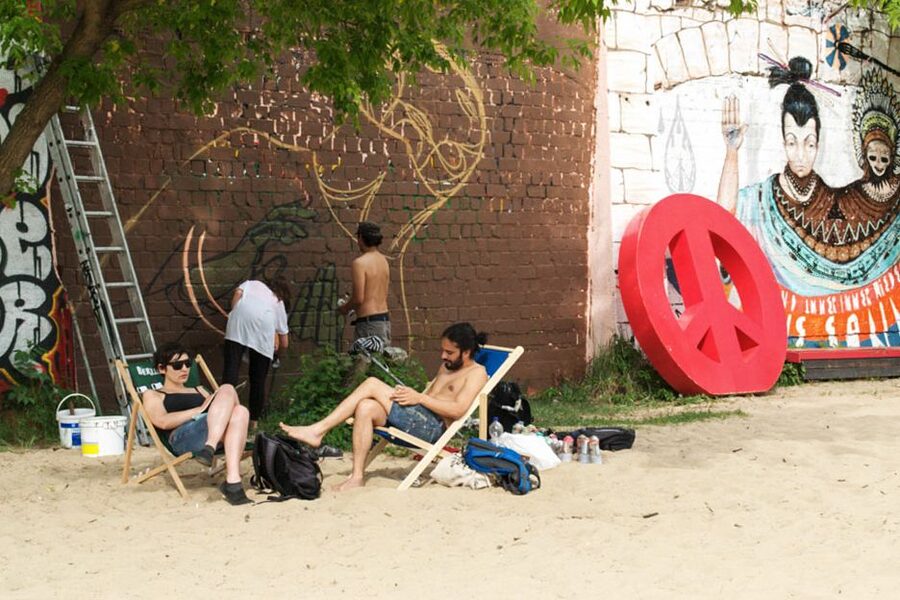
One reason this experience feels different from a conventional city walk is its attention to spaces that do not look important at first glance.
Relaxing canals, community-funded urban farms, small galleries, and repurposed buildings show another side of urban life. These places help explain why Berlin can feel both open and improvised, even in dense neighborhoods.
The urban farms are especially useful for understanding local activism. A community-funded project says something about how residents want their neighborhood to work. It may be a response to vacant land, rising rents, food concerns, or the simple wish for shared green space. The tour does not treat these sites as polished attractions. Their value is in the story of how people made them happen.
Canals offer a change of pace after busy streets and crowded walls. They also help you see that Berlin’s open spaces are part of its identity. The city is not only blocks of apartments and former industrial buildings. Water, courtyards, gardens, and informal gathering spots are part of the experience too.
The route may include an African beach bar and market connected with Berlin’s music scene. That stop brings together music, migration, nightlife, and food in a setting that is more relaxed than a formal cultural institution.
Because the tour runs in all weather, these outdoor parts can feel very different in July and January. A January group faced snow and freezing temperatures, yet the guide adapted the route and kept people moving. That is encouraging, but it does not make warm clothing optional. Wear shoes with good grip, carry water, and bring a rain layer.
Same streets, a different way to see them:
- Berlin: Discover Berlin Walking Tour
★ 4.9 · 5,998 reviews - Berlin’s Best: 2 Hour Walking Tour Third Reich and the Cold War
★ 5.0 · 5,486 reviews - Berlin: Hidden Backyards Guided Walking Tour
★ 4.8 · 5,360 reviews - Explore Berlin: See All The Iconic Sights & Some Hidden Gems
★ 5.0 · 4,429 reviews
Friedrichshain and the final stretch
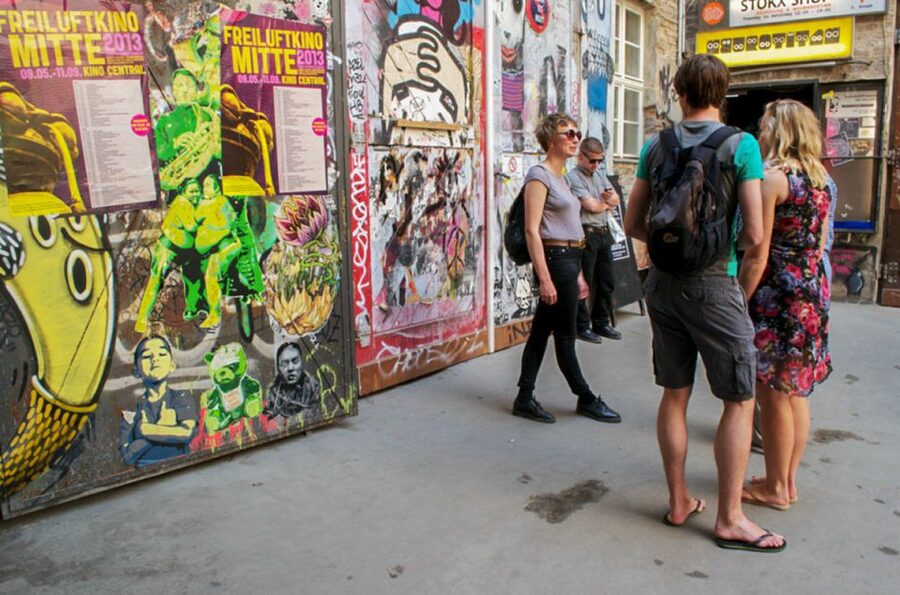
The tour finishes in Friedrichshain. That ending makes sense because Friedrichshain is closely linked with Berlin’s creative, nightlife, and alternative scenes. It also gives you a useful base for continuing your own exploration after the walk.
You may finish with a list of places to revisit, such as a café, bar, market, record shop, gallery, or neighborhood food stop. Guides often provide local suggestions for lunch and later activities. The final location is not simply a drop-off point. It can help you plan the rest of your day.
The route crosses several districts rather than staying in one compact area. That lets you compare local styles and social histories, but it also means the tour is not a gentle stroll. You will cover a fair amount of ground and may use trains or trams between sections.
One useful improvement would be a planned halfway break. A four-hour walk can make a bathroom stop and short rest important, especially for solo visitors or anyone carrying bags. There are refreshment breaks, but you should not assume you will have a full meal or a long sit-down pause.
The guides make the biggest difference
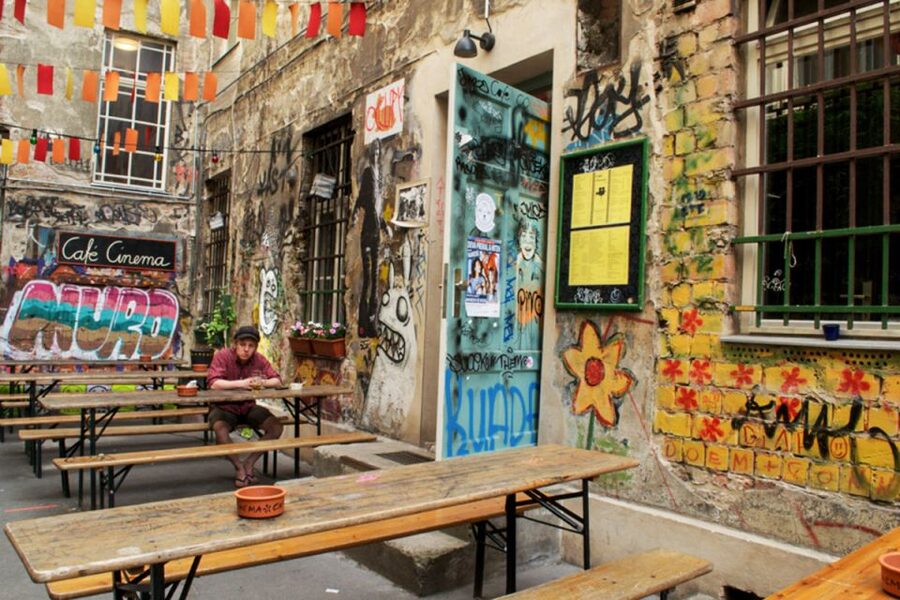
The most consistent praise goes to the guides. Rhys is frequently described as funny, energetic, and deeply invested in Berlin. Reece is praised for bringing the city to life through stories about artists, musicians, housing, and neighborhood change.
Jake is noted for adapting well to snow and keeping the group warm and engaged. Jonathan receives praise for explaining complicated political and cultural subjects in a clear, approachable way. Damien is described as both well-spoken and good-humored, while Antonio handled a group of about 15 people with energy and care.
The names change because the tour is not built around one permanent personality. That means your experience may depend partly on who leads your departure. Still, the repeated pattern is reassuring: the guides are expected to tell stories, answer questions, and connect places to wider ideas rather than recite a script.
Their personal links to Berlin can also add something special. A.D.’s own experience and long connection with the city helped explain cultural exchange and social change in a way that felt more immediate. Ben brought the perspective of someone who had lived in Berlin for 17 years. Those personal angles can make the city feel less like a textbook.
The group atmosphere matters too. The tour attracts people from different countries, and several accounts describe lively conversation between stops. If you enjoy asking questions and comparing experiences, that can be a real benefit. If you want silence and private sightseeing, a group walk may feel too social.
Is $29 good value for four hours?

At $29 per person, the price is fair for a four-hour guided experience, especially when you consider the range of districts covered and the local context provided. You are paying less for entrance tickets and more for access to stories you would probably miss while walking alone.
The value is strongest if you are curious about Berlin’s social history, art, food, migration, music, and political culture. A guide can point out a seemingly ordinary wall or building and explain why it matters. That kind of context is difficult to reproduce with a map app.
The price is less attractive if you want a short list of major monuments, formal museum access, or a slow architecture tour. This is not designed to replace the main memorials and museums. Instead, it adds a cultural layer after you have seen, or alongside, the standard sights.
An AB metro ticket may be required depending on the route. You can buy one in advance through BVG or at a station, or choose the option that includes the ticket. If the route uses several rides, a day ticket may be simpler than buying separate tickets. Check the transport option carefully before you go.
Free cancellation up to 24 hours before the start and the option to reserve now and pay later make the booking fairly flexible. The tour is in English only, so you should be comfortable listening to a full afternoon of English conversation.
Who will enjoy this tour most?
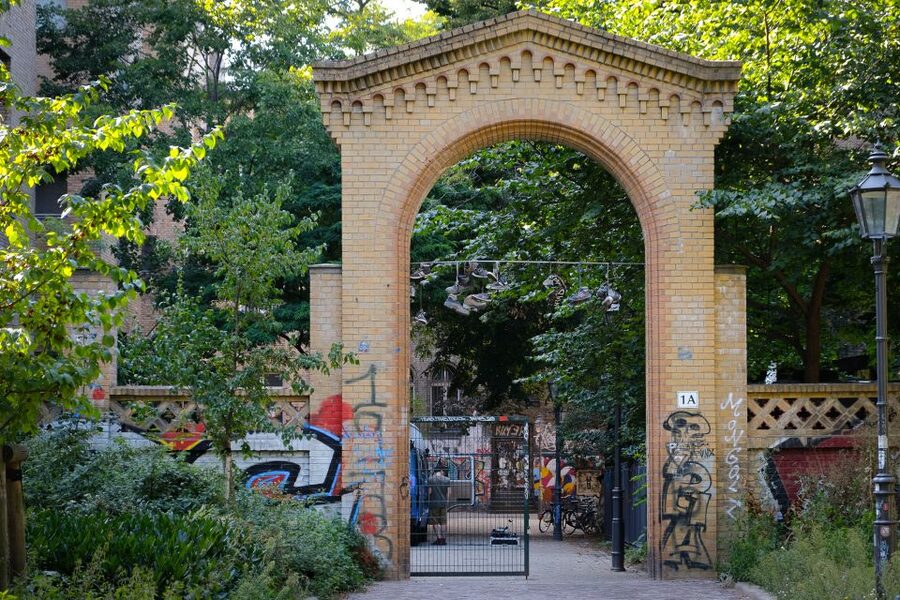
I would choose this walk early in a Berlin stay if you want help deciding where to return later. The guide can introduce you to neighborhoods, food stops, bars, galleries, and music-related places before you spend your remaining days exploring on your own.
It suits:
- First-time visitors who want more than the standard political sights
- Repeat visitors who have already seen the Wall and major museums
- People interested in street art, punk, music, migration, queer culture, and urban activism
- Solo visitors who enjoy meeting an international group
- Curious eaters who want context for currywurst and döner
- Anyone who likes lively storytelling rather than a formal lecture
It is less suitable if you have mobility limits, dislike walking for several hours, or need regular seated breaks. One account specifically describes the pace as fast and not ideal for people with mobility issues.
You also need to accept that alternative Berlin is not always tidy or comfortable. Some places may look worn, political, improvised, or controversial. That is part of the point, but it may not match your idea of a relaxing sightseeing tour.
Should you book the Alternative Berlin Walking Tour?
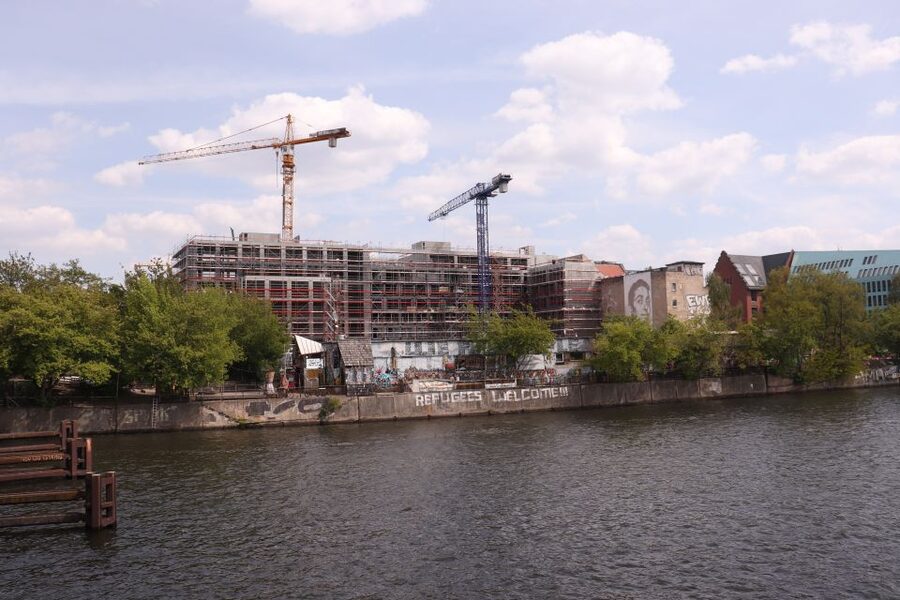
Book it if you want to understand why Berlin feels different from many European capitals. The tour connects currywurst, Turkish food, graffiti, former squats, canals, urban farms, gay culture, African music spaces, and East-West history into one readable story.
I especially recommend it for repeat visitors and curious first-timers who have already set aside time for the main memorials. At $29, the tour offers strong value because it gives you local context, practical neighborhood ideas, and access to places you might pass without noticing.
Skip it if you want a short, gentle route focused on famous landmarks. For everyone else, bring good shoes, prepare for changing weather, allow for public transport, and go ready to look twice at the ordinary parts of Berlin.
FAQ
Where does the Berlin Alternative Walking Tour start?
It starts at Vapiano in front of the Alexanderplatz TV Tower.
Where does the tour finish?
The tour finishes in Friedrichshain, Berlin.
How long does the tour last?
It lasts four hours, including guided walking and any public transport used along the route.
What language is the tour in?
The live tour guide speaks English.
Do I need a public transport ticket?
You may need an AB metro ticket, depending on the current route. You can bring your own ticket, buy one at a station, or book the option that includes BVG transport.
Does the tour operate in bad weather?
Yes. Tours run throughout the year and in all weather conditions, so dress for the forecast and wear comfortable walking shoes.
Just added around Berlin
- Berlin Walking Tour★ 4.5 · 378 reviews
- Small Group Walking Tour of East Berlin with a French Guide★ 5.0 · 176 reviews
- Berlin Street Art Walking Tour – Off The Grid★ 5.0 · 270 reviews
- Berlin Highlights Private Guided Walking Tour★ 4.5 · 89 reviews
- Private Walking Tour: World War 2 and Cold War Sites in Berlin★ 5.0 · 230 reviews
- East Meets West: Berlin Food Culture & Street Art★ 5.0 · 157 reviews
- Kreuzberg Berlin: Off the Beaten Track PRIVATE Walking Tour★ 5.0 · 128 reviews
- The History of Berlin: WWII PRIVATE Walking Tour With Locals★ 5.0 · 209 reviews
Berlin Walking Tours, compared.
Berlin City walk Government District and Places of Democracy
Read our review →
Berlin’s Best: 2 Hour Walking Tour Third Reich and the Cold War
Read our review →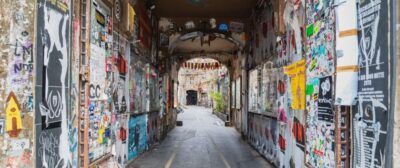
Explore Berlin: See All The Iconic Sights & Some Hidden Gems
Read our review →
Third Reich Berlin: Hitler and WWII Walking Tour
Read our review →Browse the lists this tour appears in