
Review · BERLIN WALKING TOURS
Berlin: David Bowie & 1970s Berlin Guided Walking Tour
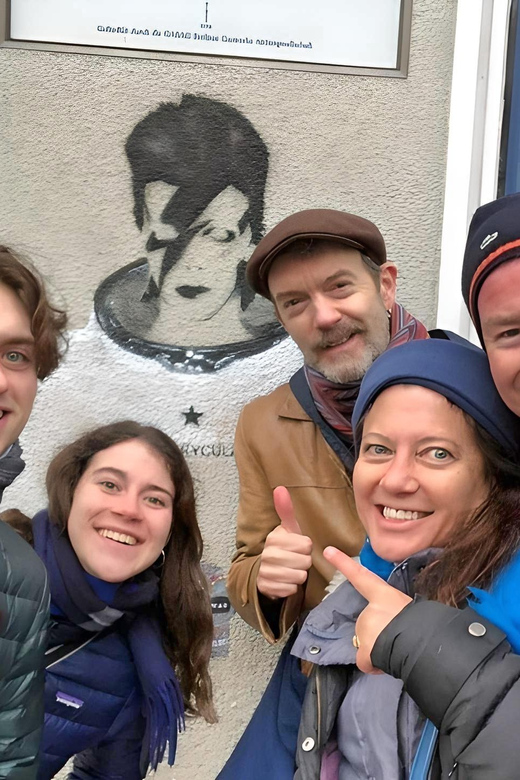
Berlin’s music scene still hums. This three-hour tour follows David Bowie’s West Berlin years through recording studios, former clubs, cafés, Cold War landmarks, and the neighborhoods that shaped Low, Heroes, and Lodger. I especially like the mix of music and city history, plus the use of photos, video, and song excerpts to give each stop a clear sense of place. The main drawback is that you will need public transport, and the route covers enough ground to require sturdy shoes and some planning.
I also like that this is led by academics, historians, journalists, art critics, and published authors rather than a guide reading from a basic script. Guides such as Dan, Lee, Ronen, Martin, and Klaus have been praised for adding humor, lesser-known stories, and useful Cold War context. At $135 per person, it is not cheap, so the value depends on how much you want a focused Bowie experience rather than a general Berlin walk.
Key points about Bowie’s Berlin
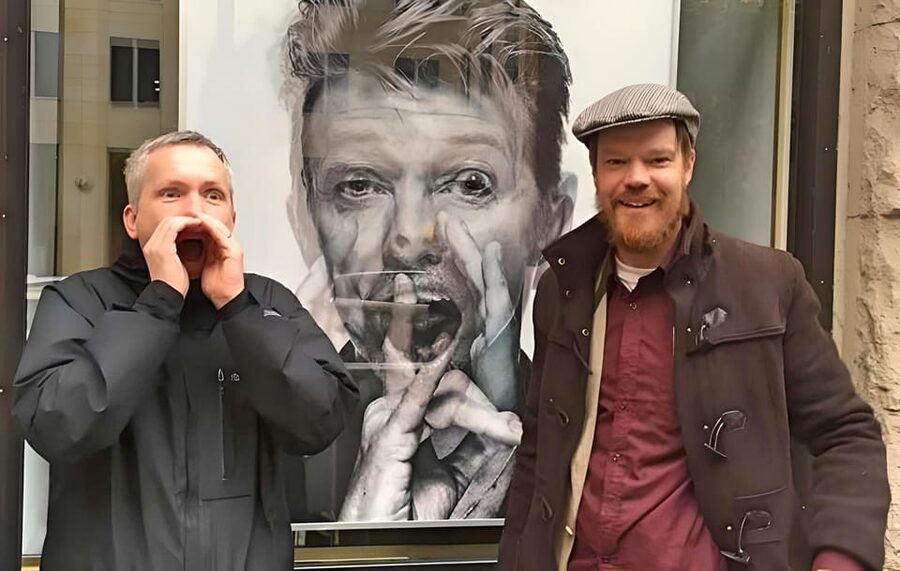
- A moving three-hour route: You follow Bowie’s trail across several parts of West Berlin, using trains, buses, and footpaths.
- Hansa Studios and the Berlin Wall: The tour connects the recording place and Cold War setting behind Bowie’s most famous Berlin-era work.
- Bowie and Iggy Pop: You see the former flat shared by Bowie and Iggy Pop, along with places tied to their social life.
- Music used on location: Guides may play excerpts from Heroes and Low while explaining the places and events linked to the songs.
- More than a fan pilgrimage: Stops such as the Tränenpalast, Topography of Terror, and Anhalter Bahnhof add political and social context.
- A practical tip: Buy a Berlin day transit pass before the tour if possible, and arrive about 10 minutes early.
Why Bowie found the right city in 1976
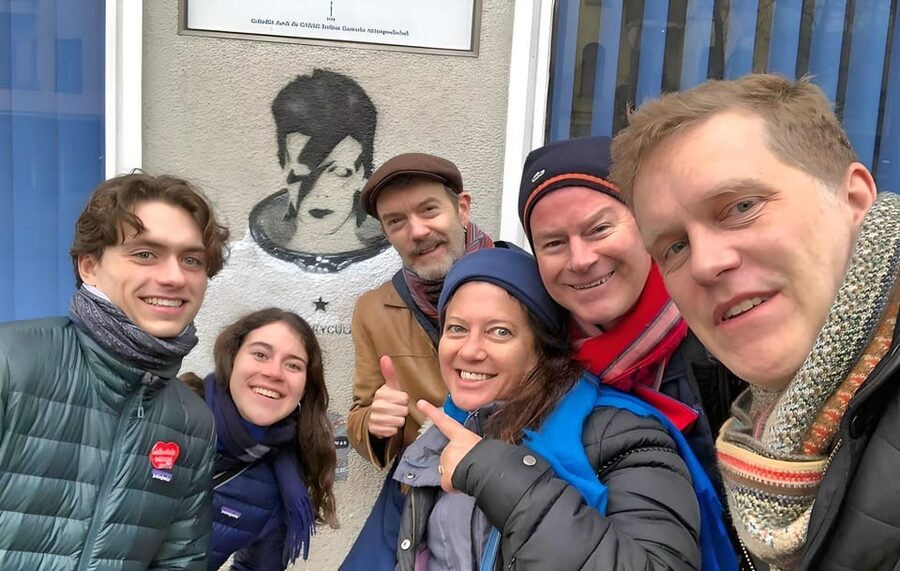
David Bowie arrived in Berlin in 1976 at a time when West Berlin felt cut off, tense, and creatively restless. The city was an island surrounded by East Germany, and its divided streets, unusual nightlife, and permissive arts scene gave Bowie a setting very different from the polished music centers he had known.
This tour works best when it treats Berlin as more than a backdrop. You hear about Bowie, but you also learn how the city’s Cold War mood, clubs, artists, musicians, and daily pressures affected the work made here. That wider frame is why the experience can suit someone who knows only a few Bowie songs.
The focus is strongest on the period around Low and Heroes, with Lodger included as part of the Berlin trilogy. I would not book it expecting a concert, museum exhibition, or a tour of intact 1970s interiors. Berlin has changed, and some places are now marked by ordinary streets, newer buildings, plaques, or changed businesses. The guide’s storytelling is what ties those fragments together.
More Guided Walks in Berlin:
- Berlin: Third Reich & Cold War Guided Walking Tour
★ 4.9 · 8,378 reviews - Berlin: Hidden Backyards Guided Walking Tour
★ 4.8 · 5,360 reviews - Berlin: City Street Art Guided Walking Tour
★ 4.8 · 1,051 reviews
Starting at Ständige Vertretung near the Spree
The listed meeting point is Ständige Vertretung at Schiffbauerdamm 8, a memorabilia-filled café in central Berlin. It is a sensible place to begin because you can arrive, check in, and get oriented before the route moves through the city.
The tour may have a different starting point depending on the option you choose, so check your booking details carefully. Arrive around 10 minutes early. That small buffer matters here because the route uses public transport and the group needs to move together.
The published stops include Bertolt-Brecht-Platz and the Tränenpalast. These opening locations help shift the tour from Bowie trivia to Berlin’s divided-city story. You can expect the guide to explain the setting, connect it to the political mood of the period, and establish why West Berlin felt so different from most European capitals.
Bertolt-Brecht-Platz and the Tränenpalast
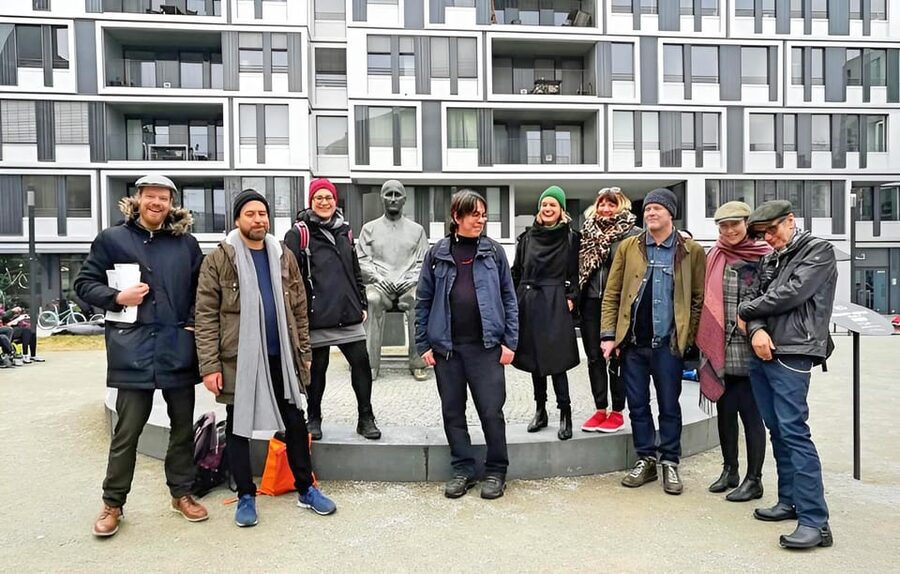
Bertolt-Brecht-Platz places the tour in Berlin’s theatre and literary world. It is a useful early reminder that Bowie’s Berlin was not only about rock clubs. Writers, performers, artists, and political pressures all formed part of the city’s creative climate.
The Tränenpalast, or Palace of Tears, adds a sharper edge. This former border crossing became associated with tearful farewells between people who could cross the border and those who could not. Even if the stop is brief, it gives you a clearer sense of the emotional weight carried by Berlin’s checkpoints and divided neighborhoods.
This is one reason I would recommend taking a general Berlin or Wall tour before, or alongside, the Bowie walk if you have time. You do not need prior knowledge, but the Bowie story has more force when you understand the city’s division. One participant specifically found the Bowie tour even more useful after already taking a Berlin history tour.
Anhalter Bahnhof and Martin-Gropius-Bau
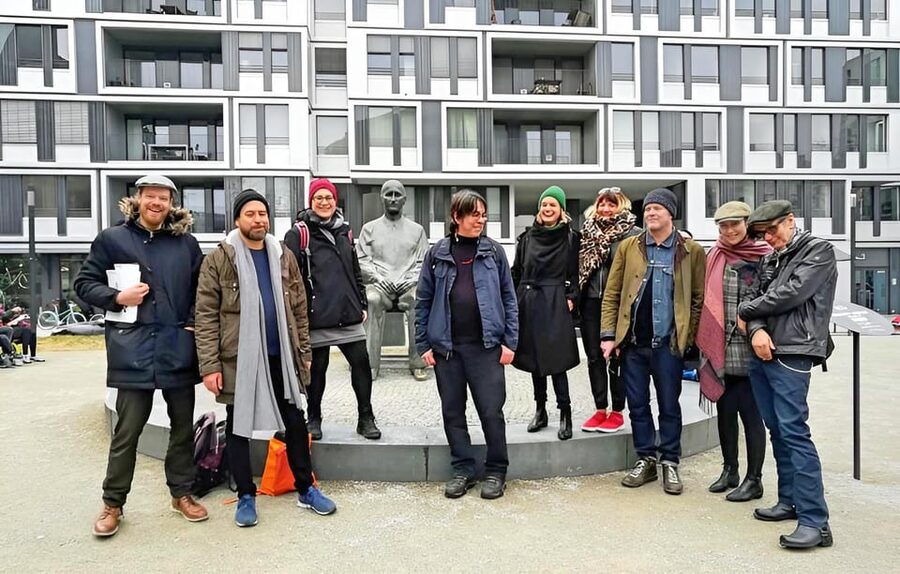
The route then reaches Anhalter Bahnhof, the remains of a once-important railway station. Its damaged shell offers a direct reminder of the destruction and changes that shaped Berlin long before Bowie arrived.
From there, Martin-Gropius-Bau brings the tour into Berlin’s museum and exhibition district. The point is not simply to admire a building. These stops help show the overlap between Bowie’s interests and the city’s wider arts culture.
Expect the guide to keep the story moving rather than give you a long formal lecture at each place. Past participants particularly valued guides who linked Bowie’s life to other cultural figures, including Christopher Isherwood. One guide even made a special stop at Isherwood’s former apartment for a fan who mentioned his work. That suggests some flexibility, although you should not assume every extra stop will be possible.
A few more walks around Berlin worth a look
- Discover Berlin Half-Day Walking Tour
★ 5.0 · 9,624 reviews - Berlin City walk Government District and Places of Democracy
★ 4.7 · 8,467 reviews - Berlin: Discover Berlin Walking Tour
★ 4.9 · 5,998 reviews - Berlin’s Best: 2 Hour Walking Tour Third Reich and the Cold War
★ 5.0 · 5,486 reviews
Topography of Terror and the weight of Berlin’s past
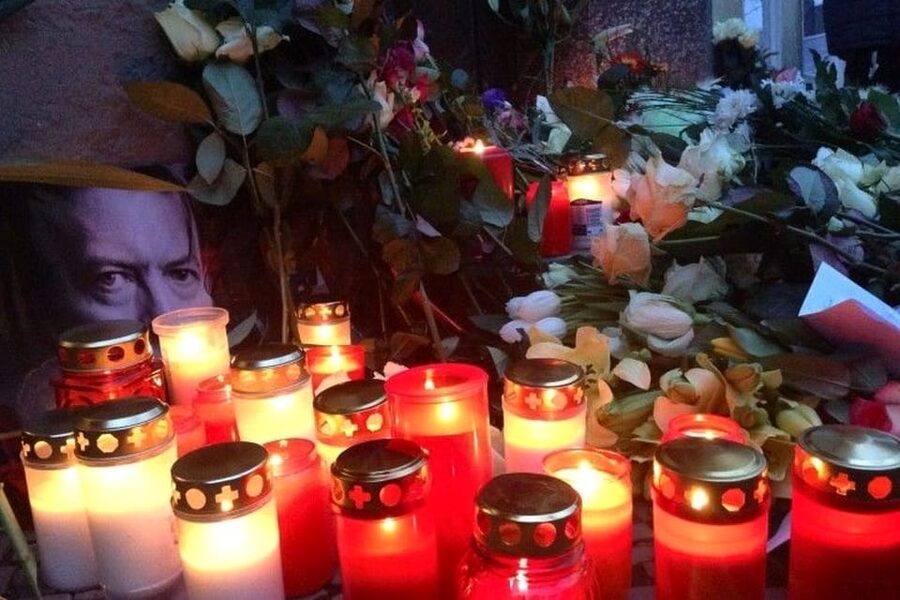
The Topography of Terror sits on the former site of Nazi institutions. It is a serious historical stop, and its presence makes the route broader than a celebrity walk.
The tour covers several difficult chapters of Berlin’s past, including dictatorship, war, division, and the Cold War. That can feel like a lot within three hours, but it also prevents the Bowie story from becoming too tidy. Bowie did not arrive in a blank creative playground. He arrived in a city marked by trauma and political tension.
I appreciate this part of the route because it gives substance to the music. The songs from the Berlin period are not presented as abstract studio experiments. The guide shows you the city around them, then explains how its mood and social conditions shaped the way people lived and made art.
Hansa Studios and the Berlin Wall
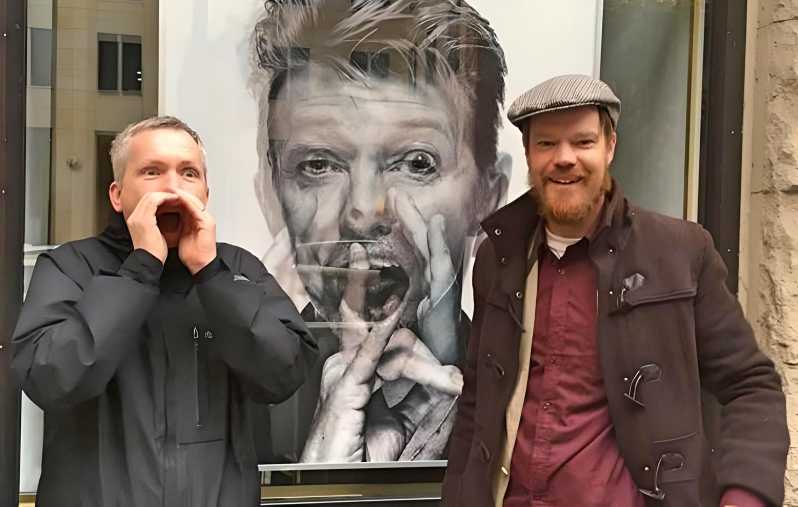
Hansa Studios is the emotional center of the tour. This is where Bowie recorded key Berlin-era music, and where the physical setting becomes closely linked to the sound.
You stroll by the studios rather than enter a working recording session. That distinction matters. The value is in standing near the place and hearing what happened there, while the guide connects the studio to the nearby Wall and to the atmosphere of the period.
Guides have used photos, video clips, and music excerpts to bring this section to life. Hearing part of Heroes or Low while looking toward the places tied to the recording gives the music a sharper sense of location. One of the strongest ideas in the tour is the connection between the studio and the Wall, a physical reminder of the tension surrounding the musicians.
This stop can be especially powerful for longtime Bowie fans. It can also work for newcomers because the guide explains the setting rather than assuming you already know every recording detail.
KaDeWe and West Berlin consumer culture
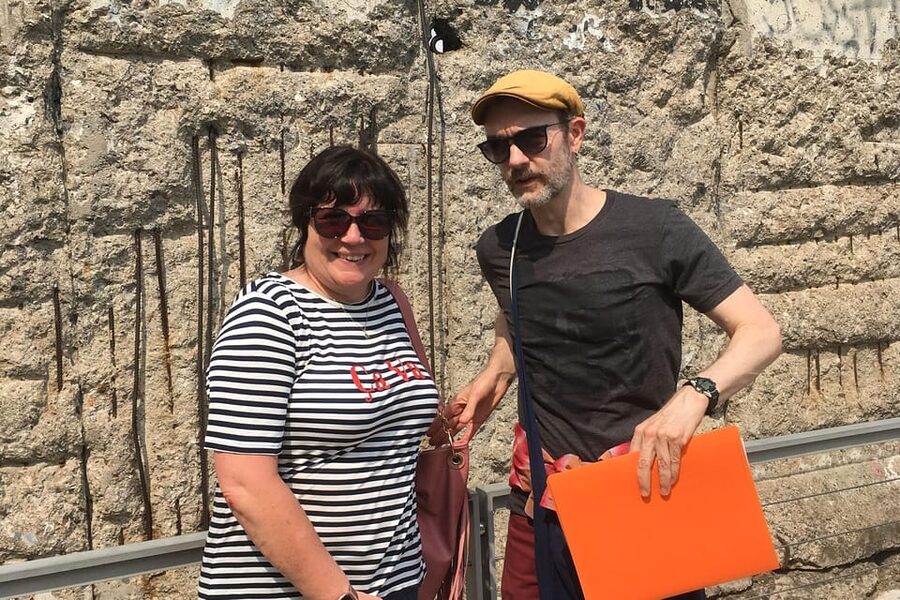
KaDeWe, the famous department store, offers a different view of Bowie’s Berlin. After the political weight of the Wall and Topography of Terror, this stop points to the West Berlin of shopping, display, and everyday urban life.
The contrast is useful. Bowie’s West Berlin was not only shadowy clubs and artistic struggle. It also had ordinary commercial spaces and familiar city routines. Seeing KaDeWe in the route helps build a fuller picture of the environment in which Bowie lived.
Do not expect the tour to spend the whole stop shopping or browsing inside the store. Its purpose is historical and cultural. If you want time to explore KaDeWe properly, plan to return later. The tour has a lot of ground to cover and cannot function as both a shopping visit and a music history walk.
Bahnhof Zoo and the former Dschungel Club

Zoologischer Garten Station, commonly called Bahnhof Zoo, takes you into the decadent heart of West Berlin. It was an important transport hub and part of the city’s nightlife zone.
The former Dschungel Club is one of the places that gives the tour its social texture. You learn about the clubs Bowie and Iggy Pop frequented, the people around them, and the late-night culture that made West Berlin attractive to musicians.
Some places are no longer operating as they did in the 1970s. That is not a flaw, but it does shape the experience. You are often looking at a present-day street and using the guide’s explanation, images, and memories to reconstruct the earlier scene.
This section suits people who want the human side of Bowie’s Berlin. It is less about recording dates and more about where he went, who he encountered, and how the city’s nightlife fed his work.
The former flat shared with Iggy Pop
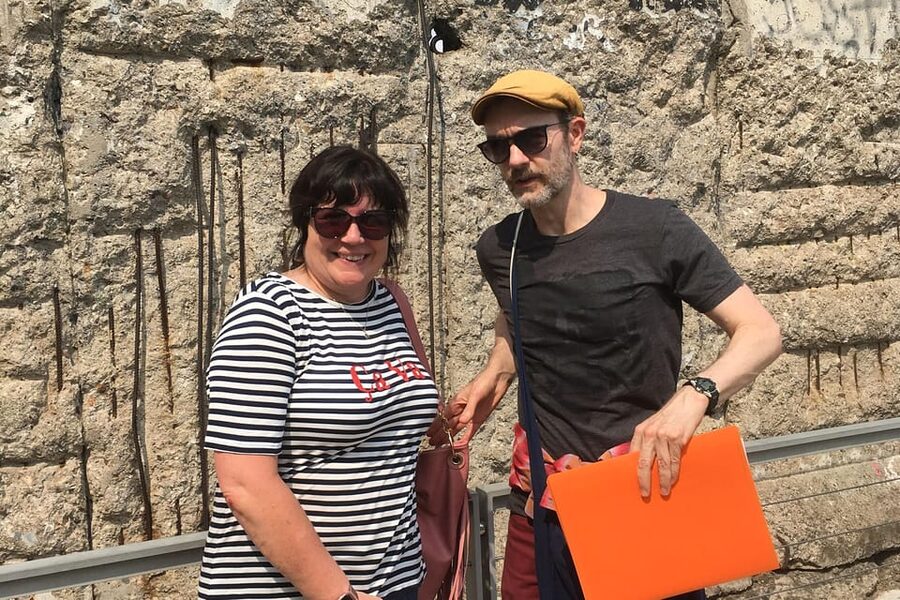
One of the most anticipated stops is Bowie’s former home, the flat he shared with Iggy Pop. It gives the tour a personal center after the larger public sites.
You should treat this as an exterior visit. The attraction is the address, the neighborhood, and the stories connected with the building, not access to a private interior. The guide explains the daily world around Bowie and Iggy rather than presenting the place as a preserved museum.
Several people have described the apartment stop as especially moving because it turns a famous period into something ordinary. Bowie and Iggy were not simply names attached to albums. They lived in a real neighborhood, walked its streets, and tried to maintain a normal routine while making important music.
If you are a serious fan, this may be the moment you value most. If you are not, the stop still works because it shows how close the artistic story was to normal residential Berlin.
Café Neues Ufer and the final stretch
Neues Ufer Café is associated with Bowie’s Berlin social life and gives the route a relaxed closing point. A café stop makes sense after several hours of history, music, transport, and walking.
The exact end point matters for your plans, but the information provided does not give a fixed finish for every tour. One participant wished they had known the ending location earlier so they could plan a meal. I would avoid scheduling a tight reservation immediately afterward.
The route may finish with a final Bowie story, a last music excerpt, or a short discussion of what remains from the 1970s. The guides have sometimes allowed extra time, but you should plan around the advertised three hours rather than count on an extension.
How much walking and public transport to expect
This is called a walking tour, but it is not one continuous walk. The stops are spread across Berlin, so you use the U-Bahn, S-Bahn, and bus several times, as well as walking between locations.
Public transport is not included. If you already have a Berlin visitor pass, you are set. If not, buy a day metro pass before arriving if you can. The guide can help you purchase one at the first station, but doing it in advance saves time for the whole group.
Wear sturdy, supportive shoes. The route covers a lot of ground, and Berlin weather can change quickly. Dress for rain, cold, or wind depending on the season. One participant noted that the tour was cut short because of cold and an early flight, so weather is not a minor detail.
The transport element is also useful. By the end, you will have practiced moving between parts of Berlin with a guide nearby. Several people found that helped them feel more confident using buses and trains independently afterward.
The guides make or break the experience
The advertised guide profile is unusually strong. Professors, doctoral students, historians, journalists, art critics, and published authors lead the tours. That does not mean every guide gives the same tour, but it explains why the best experiences feel more like a thoughtful cultural walk than a standard sightseeing circuit.
Dan has been praised for bringing together Bowie, German history, art, music, and humor. Lee is known for lively delivery, photos, video, and a willingness to make the experience personal. Ronen has been praised for building a clear story across different parts of the city, while Martin has been described as patient, friendly, well prepared, and considerate.
Other named guides include Klaus, Rachel, and Nadav. You may not be able to request a specific person, so book for the subject rather than for a guaranteed guide. If you are booking a private option, it is worth asking about guide availability before you pay.
The strongest guide will do more than recite facts. They will explain why a place mattered, play music at the right moment, answer questions, and connect Bowie to Berlin’s wider cultural life. That personal delivery is the main reason the tour earns its price.
Is $135 per person a fair price?
At $135 per person, this is a premium experience. The fee covers a three-hour tour with a specialist guide, not public transport, food, drinks, or hotel pickup.
I think the price can be fair for a private or very small group, especially if Bowie is one of your main reasons for visiting Berlin. You are paying for a focused route, specialist research, transport planning, visual material, and the chance to ask questions rather than follow a large general tour.
The value is weaker if you have only casual interest in Bowie or if your budget is tight. You can visit many Berlin music-related places independently, but you would lose the organized story and the guide’s historical context.
Also check the booking requirement carefully. One solo customer reported having to pay for two tickets, which made the tour expensive. The experience is advertised for private or small groups, but the minimum booking may vary by option.
Free cancellation up to 24 hours before the start and reserve-now-pay-later booking make it easier to fit into a changing itinerary. Those policies do not reduce the price, but they do lower the risk of booking too early.
Who should book this tour?
I would choose this tour if you want to understand the connection between Bowie’s music and the city where he made it. It suits devoted fans, couples planning a music-focused Berlin visit, and anyone interested in how art responds to political pressure.
It is also a good choice for a mixed group. Parents of a major Bowie fan have enjoyed the Berlin history and city context even without the same level of musical knowledge. The route gives nonfans enough background to follow the story.
I would be cautious if you dislike public transport, cannot walk for three hours, or want access inside recording studios and private buildings. The tour is not a museum visit, and much of its power comes from the guide explaining places that have changed.
FAQ
How long is the David Bowie Berlin tour?
The tour lasts three hours.
What language is the tour conducted in?
The live tour guide speaks English.
Where does the tour meet?
The stated meeting point is Ständige Vertretung, a memorabilia-filled café at Schiffbauerdamm 8, 10117 Berlin. The starting point can depend on the selected option, so check your booking details.
Does the tour include public transport?
No. You need to pay for public transport separately. A Berlin day metro pass is advised, and the guide can help you buy one at the first station if needed.
Which Bowie albums are covered?
The tour focuses on the Berlin period that inspired Low, Heroes, and Lodger.
Will I see Hansa Studios?
Yes. Hansa Studios is one of the listed stops, and the guide explains its connection to Bowie’s Berlin recordings.
Does the tour visit Bowie’s former home?
Yes. The route includes Bowie’s former home and the flat he shared with Iggy Pop. The information provided describes this as a visit to the location, not an interior tour.
Can I cancel the booking for a refund?
You can cancel up to 24 hours in advance for a full refund. Reserve-now-pay-later booking is also available.
Should you book it?
Book it if Bowie’s Berlin years matter to you, or if you want a music tour that also explains the city’s Cold War setting. The mix of Hansa Studios, the Wall, the former flat, clubs, cafés, and serious historical sites gives the experience more substance than a simple list of celebrity addresses.
Skip it if you want a low-cost, easygoing stroll with no transit or if you need a fixed finish time. For everyone else, $135 buys a focused afternoon with strong guides, useful visual material, and a thoughtful route through the Berlin that helped shape Bowie’s most adventurous music.
Just added around Berlin
- Berlin Walking Tour★ 4.5 · 378 reviews
- Small Group Walking Tour of East Berlin with a French Guide★ 5.0 · 176 reviews
- Berlin Street Art Walking Tour – Off The Grid★ 5.0 · 270 reviews
- Berlin Highlights Private Guided Walking Tour★ 4.5 · 89 reviews
- Private Walking Tour: World War 2 and Cold War Sites in Berlin★ 5.0 · 230 reviews
- East Meets West: Berlin Food Culture & Street Art★ 5.0 · 157 reviews
- Kreuzberg Berlin: Off the Beaten Track PRIVATE Walking Tour★ 5.0 · 128 reviews
- The History of Berlin: WWII PRIVATE Walking Tour With Locals★ 5.0 · 209 reviews
Berlin Walking Tours, compared.

Berlin City walk Government District and Places of Democracy
Read our review →

Berlin’s Best: 2 Hour Walking Tour Third Reich and the Cold War
Read our review →

Explore Berlin: See All The Iconic Sights & Some Hidden Gems
Read our review →
Third Reich Berlin: Hitler and WWII Walking Tour
Read our review →Browse the lists this tour appears in