
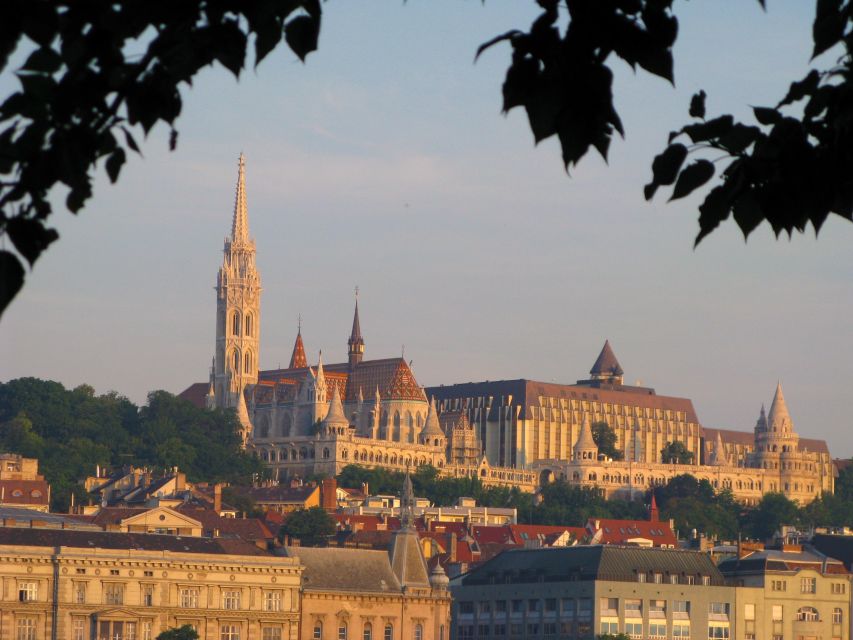
Review · BUDAPEST WALKING TOURS
Budapest: 3-Hour Walking Tour of Pest with a Historian
Pest tells Budapest’s story at street level. This three-hour walk pairs major landmarks with local history, from the Danube Promenade and Gresham Palace to Heroes’ Square and the Millennium Underground. I especially like the small group limit of 10 and the included visit inside St. Stephen’s Basilica, since both make the tour feel more personal and useful than a quick photo stop. The main consideration is the amount of ground covered: you will walk a lot, and the schedule may feel brisk if you want long, quiet visits at every sight.
The tour also earns points for its human side. Guides such as Judit, Barbara, Monica, Andrea, Raymond, Greg, and Gergely Molnár have been praised for explaining Hungary’s past alongside modern life, politics, food, and everyday customs. The guide matters greatly here, so your experience may vary slightly in tone, but the format gives you plenty of room to ask questions.
Key points at a glance
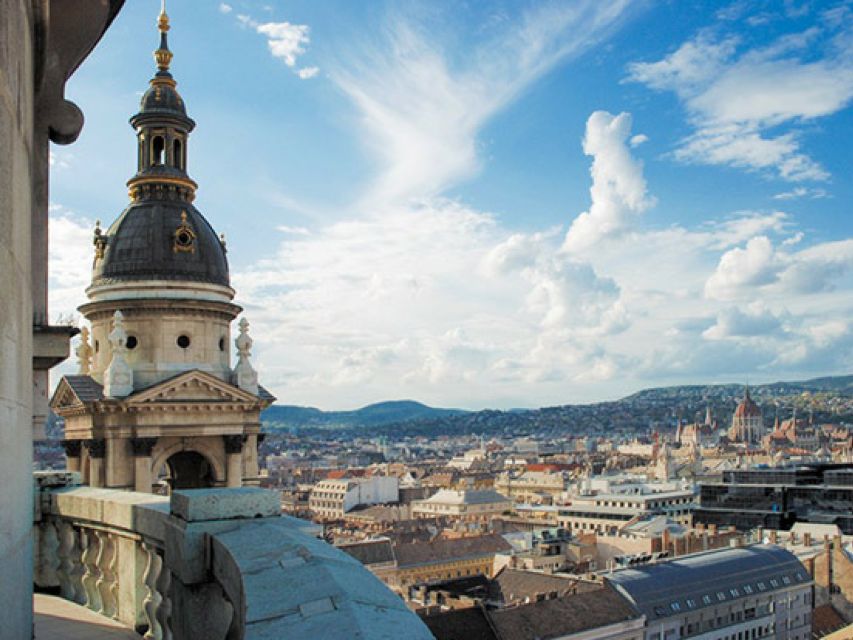
- St. Stephen’s Basilica from the inside: Your entrance ticket is included, giving you time to see Budapest’s largest church beyond its impressive exterior.
- A ride on Europe’s oldest continental underground: The Millennium Underground adds a short but memorable transport experience to the walking route.
- Heroes’ Square with 1,000 years of Hungarian history: The statues and monuments become easier to understand with a historian’s explanation.
- Andrássy Avenue on foot: This UNESCO World Heritage street connects grand architecture, cultural institutions, and the city’s historic metro.
- A small group capped at 10 people: You can ask direct questions and hear the guide without fighting through a crowd.
- A useful first-day orientation: The route links central sights and helps you decide where to return on your own.
Starting at Erzsébet Square in central Pest
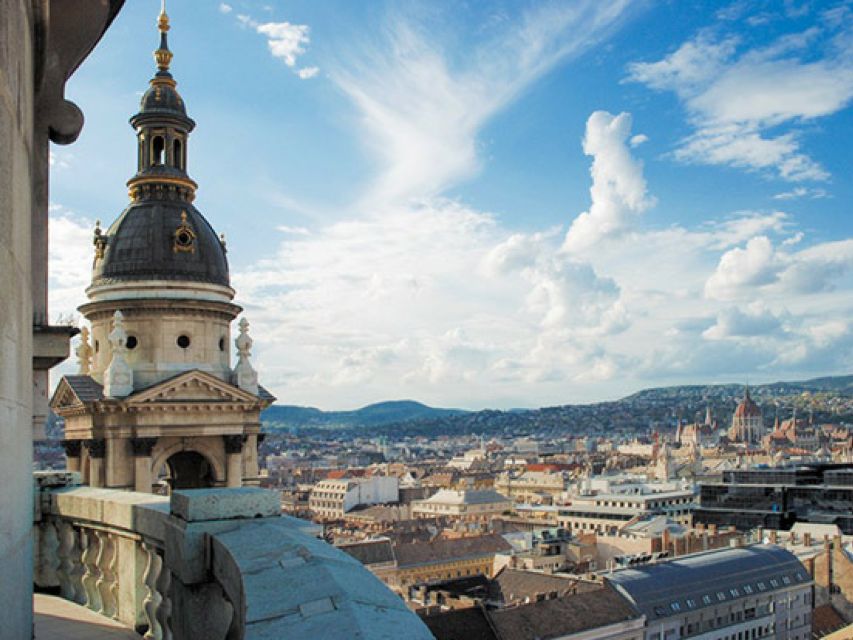
The meeting point is in front of the Kempinski Hotel Corvinus Budapest at Erzsébet tér 7, facing the Ferris wheel. This is a practical place to begin because Deák Ferenc tér, one of Budapest’s key transport hubs, is nearby.
You can reach the area by the M1, M2, or M3 metro lines, as well as several buses and trams. Arrive with a little time to spare so you can locate the hotel and the Ferris wheel without rushing. The tour is conducted in English, and the group is limited to 10 participants.
That small size is one of the best features of the experience. A historian can adjust explanations, take questions, and sometimes adapt the route to the group’s interests. A past solo participant even received a flexible alternative meeting arrangement, though you should not count on that every time.
The tour lasts three hours, so expect an efficient introduction rather than a leisurely day of museum visits. You will see many important places, but the value comes from the connections between them.
A few more walks around Budapest worth a look
- 3-Hour Orientation Walking Tour of Buda and Pest
★ 4.8 · 1,834 reviews - Budapest: 3-Hour Grand City Tour and Castle Walk
★ 4.3 · 1,437 reviews - Budapest 3-Hour Walking Tour in Italian
★ 4.6 · 217 reviews
The Danube Promenade and Budapest’s grand center
The opening section introduces central Pest and brings you toward the Danube Promenade. This is a good place to begin because Budapest’s identity is tied closely to the river and to the two-sided nature of the city.
Your guide explains the difference between Pest and Buda, including the different character often associated with residents on either side of the Danube. The tour is not only about old buildings. It also addresses what it is like to live in Budapest today, giving you a modern frame for the historic streets.
From the river area, the route takes in the Art Nouveau decoration of Gresham Palace and the Hungarian Academy of Sciences. These stops help show how central Budapest developed as a grand European capital, especially during the period when Hungary was part of the Austro-Hungarian Empire.
You will not receive a full architectural lecture at every doorway, nor should you expect to enter each building. Instead, the guide uses the streets and façades as a way to explain the city’s growth, politics, and changing ambitions. That approach works well if you want context without spending the entire afternoon inside museums.
Zrínyi Street and St. Stephen’s Basilica
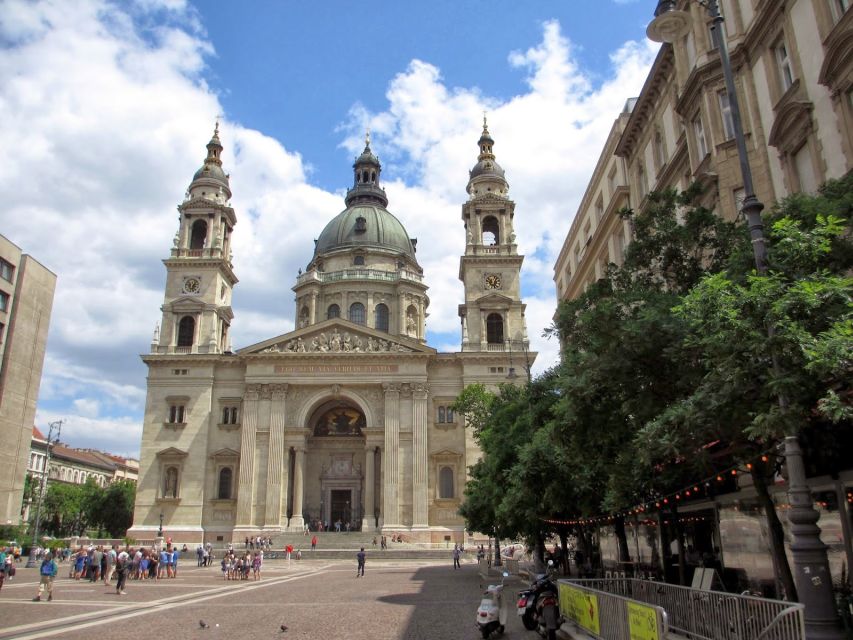
The walk continues along Zrínyi Street, where cobblestones and sightlines lead toward St. Stephen’s Basilica. The route gives you a chance to shift from broad city history to specific details about Budapest’s central quarter.
St. Stephen’s Basilica is the major interior visit on this tour. Your entrance ticket is included, and that matters because the building deserves more than an exterior photograph. It is Budapest’s largest church, and the guide can place it within the city’s religious, national, and architectural story.
The basilica is also a practical midpoint in the tour. After several outdoor stops, you get a change of setting and a chance to focus on one major building rather than absorb another view while walking. Still, the visit is part of a larger route, not a dedicated church tour, so do not expect an extended examination of every chapel or artwork.
I like this balance. You receive an included admission to a key sight, but the tour does not spend all three hours in one place. If you already plan to visit the basilica independently, the ticket has less added value, though the guide’s explanation can still improve the visit.
Andrássy Avenue, the Opera, and the Millennium Underground
From the basilica area, the group heads toward Andrássy Avenue. This major boulevard is a UNESCO World Heritage site and one of the most enjoyable sections to walk because it links architecture, culture, and transport history in a single route.
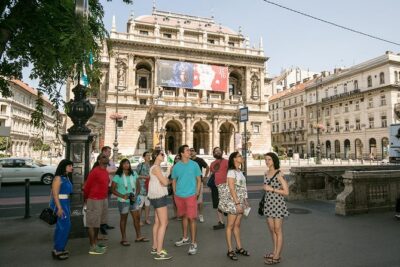
The Hungarian State Opera is among the featured sights. The tour focuses on the exterior and the avenue’s setting, so you should not assume an Opera House performance or interior admission is included. The point is to understand how the boulevard fits into Budapest’s grand urban plan.
Then comes one of the tour’s most distinctive elements: a ride on the Millennium Underground. This is the oldest underground railway on the European continent, and the short journey adds variety to a route that otherwise relies on walking.
The subway ticket or tickets are included. That removes a small practical nuisance and lets you focus on the experience itself. The underground ride is not simply a way to save time. It connects the avenue to Heroes’ Square while showing how Budapest embraced modern public transport during its great period of urban development.
This is also where the tour feels particularly well planned. You walk through the city above ground, then use a historic metro line to continue the story. The transport is part of the sightseeing rather than a dull transfer.
Same streets, a different way to see them:
- Budapest: Buda Castle Walk with Saint Stephen’s Hall
★ 4.5 · 3,012 reviews - Big Bus Budapest Hop-On Hop-Off Bus and Walking Tour
★ 3.5 · 2,206 reviews - Budapest: Buda Castle District Walking Tour
★ 4.6 · 2,108 reviews - Budapest City Landmarks Walking Tour in 2 Hours
★ 5.0 · 2,048 reviews
Heroes’ Square and a thousand years of Hungary
Heroes’ Square is the grand finale of the route. Its statues represent important figures from Hungarian history, and the open space provides a clear setting for the country’s national story.
A thousand years of history is a lot to fit into a short explanation. One guide is credited with giving a rapid overview of Hungary’s past near the beginning of a tour, which can help make later stops easier to follow. You will hear about major periods including the Austro-Hungarian Empire, the Second World War, and the Communist era.
The square is a powerful place for that discussion because the monuments present history in a formal, national way. A good guide can help you see both the pride behind the memorials and the complicated events they represent.
This section may be the most useful for anyone who knows little about Hungary. Without context, the statues can look like a row of unfamiliar names. With explanation, they become part of a long story about kingship, national identity, outside powers, war, and political change.
The limitation is time. Heroes’ Square is a place where you could easily pause for photographs and read every detail, but the group still needs to keep moving. If you want a slow visit to the nearby cultural sites, plan to return later.
What the historian guide adds
The strongest part of this experience is the guide’s role. The tour is designed around conversation, not a recorded script. You can ask about history, current affairs, local habits, food, or how life in Hungary has changed.
Judit has been praised for explaining both the past and present in a warm, personal way. Barbara has helped first-time visitors with ideas about what to see and where to eat. Monica has used stories from her own upbringing in Hungary to add a more personal angle, while Andrea has been credited with making the city’s streets feel connected to the country’s major historical periods.
Other guides associated with the experience include Raymond, Greg, Gergely Molnár, Noemi, and others. Their styles will differ, but the repeated strength is clear: the tour works best when you engage with the guide and ask the questions you actually care about.
That might mean asking how Pest differs from Buda, what changed during the Communist period, or which local sweets you should try. One guide even included a taste of two popular sweets during a particularly flexible outing. You should not book this as a formal food tour, but small local touches may appear when the guide has time and the group’s interests allow.
The personal approach is especially useful for visitors who want more than dates and architectural labels. You get the official story, but you can also ask how history affects daily life now.
Pace, walking, and the small-group format
Three hours is long enough to cover a large section of Pest but short enough to fit into a busy Budapest itinerary. The pace has been described as comfortable and well judged, with enough time for explanations without making the group feel stuck at every corner.
You should still wear comfortable shoes. The route includes city streets, cobblestones, outdoor squares, and stretches of avenue walking. The Millennium Underground breaks up the walking, but it does not turn the experience into a vehicle tour.
The group limit of 10 is important. A historian can speak in a normal voice, notice questions, and make small adjustments when the group is interested in a particular subject. In quiet periods, the tour may even operate with only one participant, though that is not something you can assume when booking.
Weather also matters. Much of the experience takes place outdoors, and rain or cold can make the route less pleasant. One visitor still enjoyed the tour in poor weather because the guide kept the storytelling engaging, but bring suitable clothing and accept that the outdoor portions are central to the experience.
What the $57 price delivers
At $57 per person, this is not the cheapest way to see central Budapest. You are paying for a live historian, a small group, entry to St. Stephen’s Basilica, subway tickets, and a carefully connected route across Pest.
The value is strongest if you are new to Budapest and want a clear framework early in your stay. Instead of paying separately for a short orientation, basilica admission, and transport, you receive all three within one guided experience.
It is also good value for solo visitors and couples who prefer conversation over a large coach tour. The guide can answer personal questions, and the compact group makes it easier to request suggestions for later meals or sightseeing.
The value is weaker if you want long interior visits, extensive free time, or a slow photographic walk. The tour covers a lot, so you are buying interpretation and orientation rather than hours at each attraction.
Free cancellation up to 24 hours before the start and the option to reserve now and pay later make it easier to fit the tour around changing plans. The available starting times should be checked when you book.
Who will get the most from this Pest walk?
I would choose this tour for a first visit to Budapest, especially if you have only a few days. It gives you a working map of central Pest and introduces the city’s major historical turning points before you explore on your own.
It also suits anyone who likes to ask questions. The guide is willing to discuss Hungarian history, politics, culture, and current life, so you do not have to stick to prepared sightseeing topics.
History fans will appreciate the progression from the Austro-Hungarian period to the Second World War and Communist era. Architecture lovers will enjoy the contrast between Gresham Palace, the Academy of Sciences, the basilica, the Opera, and Andrássy Avenue.
Families and older visitors should consider the walking distance and cobblestones. The tour is not described as accessible, and the amount of walking may not suit every mobility level. Since the format is outdoors for much of the time, weather can also affect comfort.
You may want something else if your main goal is the Buda Castle district, a dedicated food tour, a thermal bath visit, or extensive museum time. This experience concentrates on Pest and gives only a broad introduction to each major stop.
Should you book the Budapest Pest walking tour?
Book it if you want a smart first look at Budapest with a real historian, especially when you value conversation and context. The included basilica ticket, subway ride, and small group add practical value, while Heroes’ Square and Andrássy Avenue give the tour a strong finish.
Skip it if you prefer to explore at your own slow pace or already know central Pest well. For most first-time visitors, though, the three-hour format is a useful investment. You see the essential sights, learn how Hungary’s past still shapes the present, and finish with enough ideas for the rest of your stay.
FAQ
How long is the Budapest Pest walking tour?
The tour lasts three hours.
What language is the tour conducted in?
The live tour guide speaks English.
Where does the tour meet?
The meeting point is in front of Kempinski Hotel Corvinus Budapest at Erzsébet tér 7, facing the Ferris wheel.
How can I reach the meeting point?
You can reach the meeting point by the M1, M2, or M3 subway lines at Deák Ferenc tér. Several buses and trams also serve the area.
Is entrance to St. Stephen’s Basilica included?
Yes. The entrance ticket to St. Stephen’s Basilica is included in the tour price.
Are subway tickets included?
Yes. The subway ticket or tickets needed for the tour are included.
How large is the group?
The tour is limited to 10 participants.
Just added around Budapest
- Budapest: Street Art and Underground Movements Walking Tour★ 5.0 · 365 reviews
- Jewish Quarter of Budapest Walking Tour★ 4.7 · 369 reviews
- Budapest 3-Hour Walking Tour in Italian★ 4.6 · 217 reviews
- Budapest: Buda Castle District Walking Tour with a Historian★ 4.9 · 867 reviews
- Budapest: Walking Tour to the Shoes Memorial and Parliament★ 4.7 · 151 reviews
- Budapest: Jewish History Guided Walking Tour with Historian★ 4.8 · 205 reviews
- Budapest: Castle District Walking Tour★ 4.8 · 223 reviews
- Budapest Guided Food Walking Tour with Drinks Included★ 4.8 · 472 reviews
Budapest Walking Tours, compared.
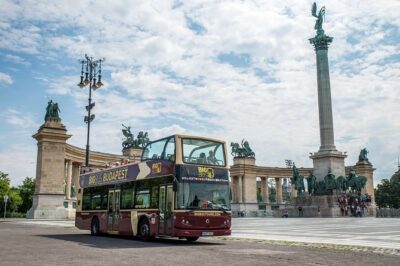
Big Bus Budapest Hop-On Hop-Off Bus and Walking Tour
Read our review →
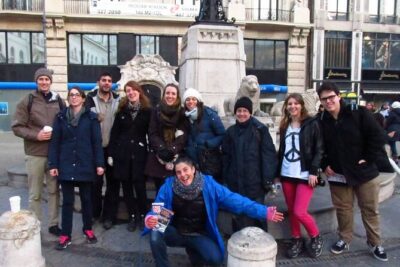
3-Hour Orientation Walking Tour of Buda and Pest
Read our review →

Budapest All in One Small Group Walking Tour with Strudel Stop
Read our review →Browse the lists this tour appears in