
Review · GERMANY WALKING TOURS
Hamburg: Crimes of St. Pauli Guided Walking Tour
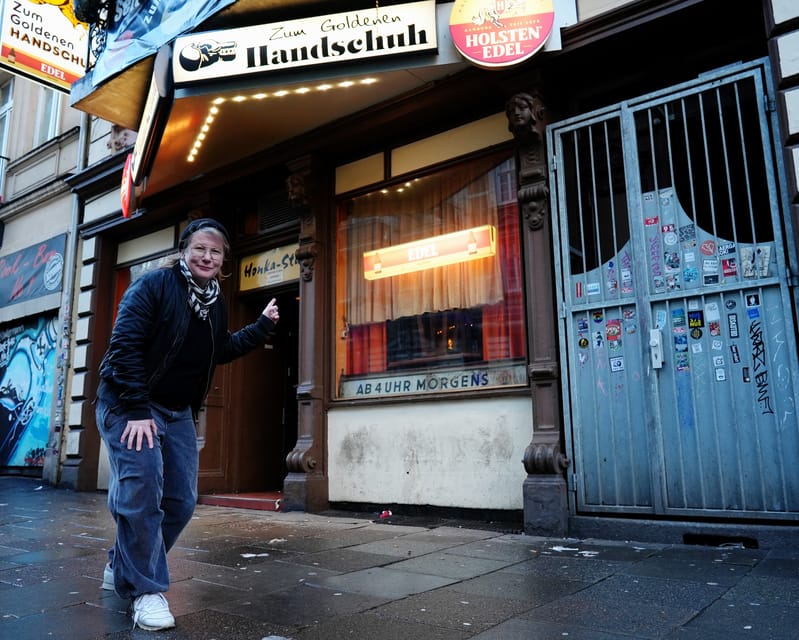
Crime left fingerprints on St. Pauli. This two-hour walk uses real cases, local anecdotes, and the streets around the Reeperbahn to show how murder, prostitution, and organized fights shaped one of Hamburg’s best-known districts. I like the focus on true local stories and the chance to trace the steps of figures such as Fritz Honka and Mucki Pinzner. I also like that the guide connects old crimes with the way St. Pauli has changed. The main caution is that the most important cases may be treated briefly, especially if your main interest is forensic detail or the victims’ backgrounds.
This is an 18-and-over German-language tour, priced at $29 per person and led by the St. Pauli Office. Guides bring the material to life with insider anecdotes. Malte has been praised for making the walk lively, while Olivia has shown flexibility with private groups and unwanted topics. You should register 15 minutes early at Wohlwillstraße 1, then expect an outdoor walk through a district whose nightlife history can be as grim as it is colorful.
Key points at a glance
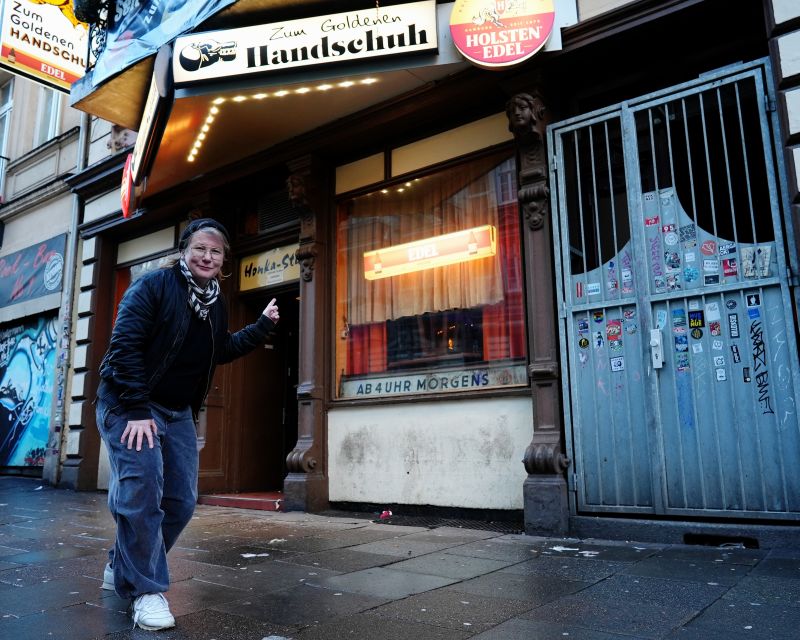
- Fritz Honka and Mucki Pinzner: Follow the paths linked to two notorious figures from St. Pauli’s criminal past.
- The 1980s pimp wars: See places tied to violent conflicts that helped define the district’s reputation.
- A walk through changing St. Pauli: Learn how the Reeperbahn survived and changed after decades of crime.
- German-language guiding: The tour is conducted in German, so a solid grasp of the language matters.
- A serious adult subject: Murder, prostitution, and violent crime make this unsuitable for children under 18.
- Strong value for the right audience: At $29 for two hours, it works best if true crime and local social history are your main interests.
Why St. Pauli’s criminal past matters

St. Pauli is often reduced to a few easy labels: nightlife, neon, sailors, clubs, and the Reeperbahn. This walk asks you to look behind those signs. It treats crime not as a side story, but as one force that helped shape the district and the way Hamburg remembers it.
That approach gives the tour more weight than a standard stroll past bars and entertainment venues. You are not simply seeing where people go out at night. You are hearing how murder cases, prostitution, pimps, and organized violence affected the image of St. Pauli and left marks on streets that have since been cleaned up or repurposed.
The wording of the experience is important: some of these events are difficult to remember, and some parts of the area have been scrubbed away. That means you may not see dramatic physical evidence at every stop. Instead, the guide helps you connect present-day streets with events that are no longer obvious.
I like that contrast. St. Pauli’s past has not been preserved as a neat museum display. Much of it has been absorbed by ordinary city life. A sign, corner, or building may look unremarkable until the guide explains what happened there.
More Guided Walks in Germany:
- Berlin: Third Reich & Cold War Guided Walking Tour
★ 4.9 · 8,378 reviews - Berlin: Hidden Backyards Guided Walking Tour
★ 4.8 · 5,360 reviews - Bamberg: Guided Walking Tour
★ 4.6 · 3,202 reviews
Starting at Wohlwillstraße and entering St. Pauli
Your meeting point is the St. Pauli Office at Wohlwillstraße 1, where you should register 15 minutes before the tour begins. That early check-in matters because the walk starts from an office rather than from a major landmark that is impossible to miss.
Once the group sets off, the guide’s job is to provide the missing context. The experience is less about collecting famous sights and more about reading the district through its stories. You will be shown locations connected with investigated crimes, then told what made each place significant.
The walking format suits this subject. St. Pauli’s past is tied to specific streets and venues, so a talk in a conference room would lose much of the effect. Moving from place to place lets you see how close these locations are to the wider nightlife district.
Do not expect a polished sightseeing route with a long list of postcard views. The appeal is the atmosphere and the connection between place and event. Some stops may feel ordinary at first. That is part of the point. The horror is more unsettling when it is attached to a real street rather than presented as a distant story.
Following Fritz Honka’s disturbing trail
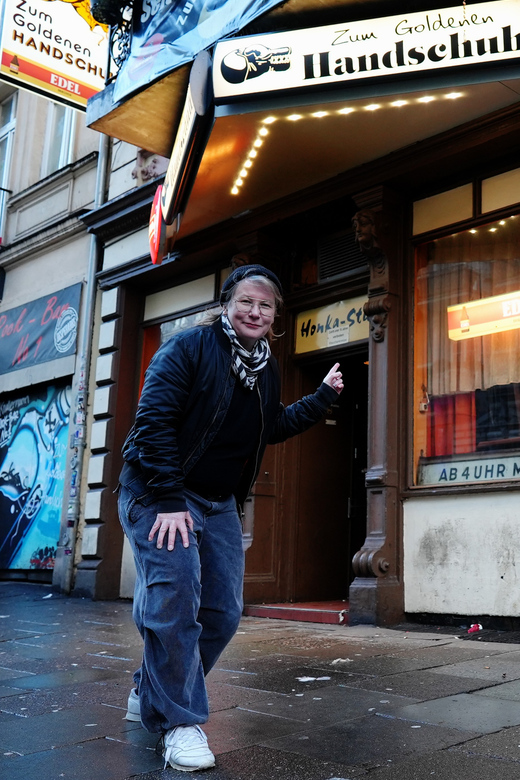
Fritz Honka is one of the central figures in this experience. His story is presented as that of a murderous psychopath, and the tour traces places connected with his crimes.
This section is likely to be the most compelling part for visitors interested in criminal cases rather than nightlife history. Walking through the locations gives the story a physical setting. You can begin to understand how a case that sounds removed from everyday life took place within a working urban district.
At the same time, you should set your expectations carefully. The tour may not provide a long case-file treatment of every victim or every investigation detail. One private tour participant found the Honka material too brief and felt that the victims’ backgrounds received almost no attention. That is a fair warning if you want a detailed account of the crimes, police work, or the lives of those affected.
I would see this portion as a street-level introduction, not a full true-crime lecture. The guide gives the case a location and a human scale, but the exact balance between Honka, other murders, and the district’s broader nightlife history can vary.
Mucki Pinzner and the world around the harbor
Mucki Pinzner is another criminal figure whose footsteps are included. His name helps show that St. Pauli’s criminal history was not built around one isolated case. The tour places different people and events within a larger story of vice, power, and street-level control.
The value here comes from the connection between individual criminals and the district around them. St. Pauli has long been linked with sailors, nightlife, prostitution, and the port economy. Those conditions created a setting where different groups competed for influence and money.
The guide’s anecdotes are especially useful in this part of the walk. They add color and local detail that a short written account cannot provide. An experienced guide can explain how a person’s reputation fit into the neighborhood, rather than simply listing crimes and dates.
The limits are similar to those in the Honka section. You should not assume that every stop will receive equal time or that the guide will cover every known detail. The format is built around storytelling as you walk, so the amount of detail depends on the guide, the group, and the questions being asked.
A few more walks around Germany worth a look
- Discover Berlin Half-Day Walking Tour
★ 5.0 · 9,624 reviews - Berlin City walk Government District and Places of Democracy
★ 4.7 · 8,467 reviews - Munich: Third Reich & WWII Walking Tour
★ 4.6 · 6,181 reviews - Berlin: Discover Berlin Walking Tour
★ 4.9 · 5,998 reviews
The 1980s pimp wars and Reeperbahn power struggles
The 1980s pimp wars are among the clearest reasons to choose this tour. You will visit places connected with violent conflicts between rival figures in St. Pauli’s red-light district.
This topic adds a layer of organized power to the tour. Murder stories can focus attention on one person. The pimp wars show how competition, territory, and control shaped the district over time. They also help explain why the Reeperbahn gained such a tough reputation.
I find this part useful because it connects crime to the physical character of the area. The Reeperbahn was not simply a collection of entertainment venues. It was also a place where money and authority were contested. The tour shows how those struggles became part of the public identity of St. Pauli.
Some people will find this section more engaging than the individual murder cases because it has a wider social frame. Others may find it less satisfying if they want a carefully ordered account of one crime from beginning to end. Again, this is a walking tour, so the guide is shaping a broad picture rather than presenting a formal case study.
The stories can be grim, and the subject is not softened into a harmless nightlife tale. That directness is a strength for adults who want the darker side of Hamburg. It may be too much for anyone hoping for a light introduction to St. Pauli.
Seeing how the Reeperbahn changed
The Reeperbahn has survived its troubled past, and the tour uses that change as part of its story. You will hear how parts of the district have been erased, altered, or given a new public image, even though the old events still affect how people see St. Pauli.
This is where the walk moves beyond crime trivia. A good local history tour should explain not only what happened, but why the place matters now. Here, the past becomes a way to understand the gap between the polished image of a nightlife center and the harder reality that came before it.
You may notice that some locations do not look dramatic. A site connected with a notorious event can now seem routine. That can make the stories more powerful, but it also means you need to listen closely. The physical scene alone will not tell you what happened.
The guide’s anecdotes are central. One participant described Malte as a guide with strong insider knowledge who made the tour lively. That is the kind of delivery this experience needs. Without clear storytelling, a walk through ordinary streets could feel like a string of grim names. With a good guide, those streets gain meaning.
The guide makes or breaks the experience
This tour depends heavily on the person leading it. The material is dark, local, and sometimes complicated. A guide must explain the cases clearly without turning suffering into cheap entertainment.
Malte has received particular praise for his lively delivery and strong local insight. That suggests the walk can feel personal and engaging rather than like a memorized script. The inclusion of anecdotes is another plus, since small local details often make a place easier to understand.
Olivia has also shown a useful quality: flexibility. During a private outing created by weather-related cancellations, she asked which subjects the participants wanted to keep or leave out. That is considerate, especially on a tour dealing with murder and the red-light district.
Still, flexibility can cut both ways. If the group is more interested in the Reeperbahn and prostitution than in one particular murder case, the guide may spend less time on that case. If you have one subject you care about most, ask about it during the walk rather than assuming it will receive the largest share of the two hours.
The experience is in German only. You do not need perfect academic German, but you should be comfortable following spoken explanations, crime-related vocabulary, and local names. If you cannot follow German well, the tour’s value will drop sharply because the locations alone provide little information.
How much walking and detail to expect
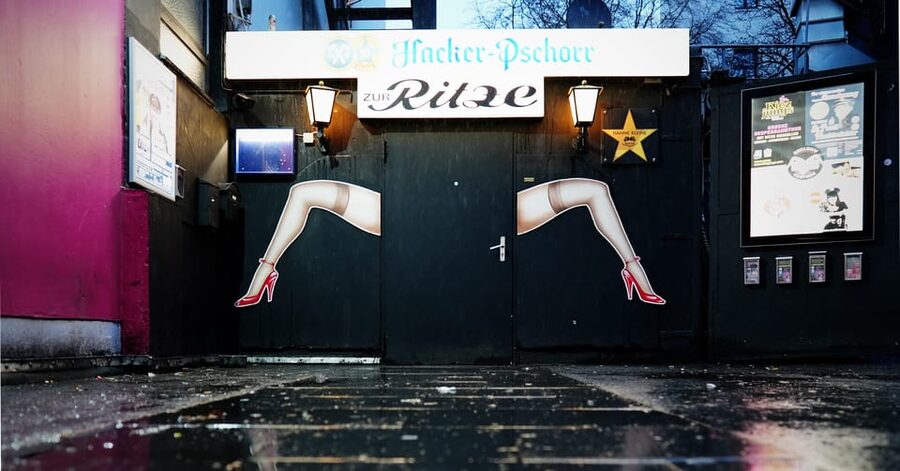
The tour lasts two hours, long enough to cover several locations without taking up half your day. You should plan for an outdoor walking experience rather than a seated presentation. The supplied information does not specify the exact distance, number of stops, or group size, so you should check the current starting details when booking.
The timing is a good fit for a first or second day in Hamburg. It can give you a more thoughtful frame for later exploring around St. Pauli. You may also prefer it after seeing the district once on your own, since you will recognize more of the places the guide discusses.
Weather can affect the experience. A private outing was arranged when weather conditions led other participants to cancel, so the tour clearly takes place outdoors and conditions can influence attendance. Dress for the forecast and be prepared to spend the full two hours on the streets.
There is no hotel pickup or drop-off. Food and drinks are also not included. Those omissions are reasonable for a short city walk, but you should arrange your own transport to the meeting point and plan any meal separately.
Is $29 a fair price?
At $29 per person, I consider this a fair price if you are genuinely interested in St. Pauli’s criminal history. You are paying for two hours with a local guide, access to stories tied to specific places, and a point of view that would be hard to assemble from a general city guide.
The value is not in the number of attractions. This is not a bargain sightseeing loop that covers ten major landmarks. Its worth comes from the subject and the interpretation. If the Reeperbahn, organized crime, and true crime are high on your Hamburg list, the price is sensible.
The value is weaker if you mainly want architecture, music history, or a general introduction to Hamburg. You may spend much of the walk hearing about subjects that do not interest you. One participant who cared more about the murders than the red-light district found the balance disappointing, even while appreciating the guide’s willingness to adjust the content.
The free cancellation option up to 24 hours before the tour and the reserve-now, pay-later choice add practical flexibility. They matter if your Hamburg schedule is still moving around. They do not change the basic question: book it for the content, not simply because it is an easy way to see St. Pauli.
Who should book this St. Pauli walk?
I would recommend it to adults who enjoy true crime, local history, and tours that examine uncomfortable parts of a city. It also suits you if you have already seen the obvious Reeperbahn sights and want to understand what shaped the district’s reputation.
It is a good choice for visitors who value a local guide’s stories more than a formal museum display. The guide can respond to the group, add anecdotes, and connect locations in a way that a printed account cannot.
I would be cautious if you want detailed victim biographies, police procedure, or a full account of every case. The Honka material, in particular, may feel too short for someone focused mainly on the murders. You should also skip it if German is not a language you can follow comfortably.
Children under 18 are not suitable for this experience. The themes include murder, prostitution, and violent conflicts, so this is an adult outing in both its rules and its subject matter.
Final decision: book it for the stories, not the sights
Book this tour if you want to see St. Pauli through its crimes, power struggles, and erased memories. The strongest features are the real locations, the 1980s pimp wars, the Fritz Honka and Mucki Pinzner stories, and guides such as Malte who can make difficult material vivid.
Skip it if you want a broad Hamburg orientation or a detailed forensic study of one case. The tour covers a century of grim events in only two hours, so some subjects will be handled quickly.
For the right audience, $29 buys a memorable way to read the Reeperbahn. Just arrive early at Wohlwillstraße 1, bring enough German to follow the guide, and expect an honest look at a district whose past has not vanished simply because parts of it have been cleaned up.
FAQ
Where does the Crimes of St. Pauli tour begin?
The tour begins at the St. Pauli Office at Wohlwillstraße 1, 20359 Hamburg.
How early should I arrive?
You should register at the St. Pauli Office 15 minutes before the tour starts.
How long does the tour last?
The walking tour lasts two hours.
What language is the tour conducted in?
The live tour guide conducts the experience in German.
Is the tour suitable for children?
No. Children under 18 are not suitable for this tour.
What subjects does the walk cover?
The walk covers St. Pauli’s criminal history, including Fritz Honka, Mucki Pinzner, investigated crime scenes, the 1980s pimp wars, and the Reeperbahn’s troubled past.
Are hotel transfers included?
No. Hotel pickup and drop-off are not included.
Are food and drinks included?
No. You need to arrange food and drinks separately.
Can I cancel the booking?
Yes. You can cancel up to 24 hours in advance for a full refund. You can also reserve the tour and pay later, subject to the booking terms.
Just added around Germany
- Berlin Walking Tour★ 4.5 · 378 reviews
- Small Group Walking Tour of East Berlin with a French Guide★ 5.0 · 176 reviews
- Berlin Street Art Walking Tour – Off The Grid★ 5.0 · 270 reviews
- Berlin Highlights Private Guided Walking Tour★ 4.5 · 89 reviews
- Private Walking Tour: World War 2 and Cold War Sites in Berlin★ 5.0 · 230 reviews
- East Meets West: Berlin Food Culture & Street Art★ 5.0 · 157 reviews
- The History of Berlin: WWII PRIVATE Walking Tour With Locals★ 5.0 · 209 reviews
- Kreuzberg Berlin: Off the Beaten Track PRIVATE Walking Tour★ 5.0 · 128 reviews
Germany Walking Tours, compared.
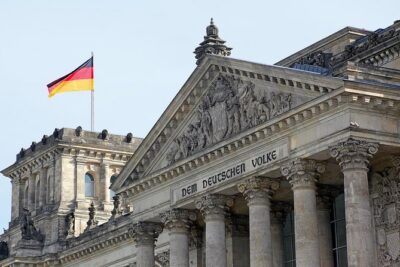
Berlin City walk Government District and Places of Democracy
Read our review →
Berlin’s Best: 2 Hour Walking Tour Third Reich and the Cold War
Read our review →

Explore Berlin: See All The Iconic Sights & Some Hidden Gems
Read our review →Browse the lists this tour appears in