
Review · STREET ART WALKING TOURS
Lisbon: Street Art Walk
Lisbon rewards those who look up. This three-hour street art walk takes you through Graça, Mouraria, and historic Alfama, where murals, stencils, paste-ups, and small surprises appear on walls, stairways, and side streets. I like the private or small-group format, capped at 10 people, and I like that the guide is an artist himself, not simply someone reading facts from a card. The main drawback is the climbing: Lisbon is famously up and down, and this walk is not suited to anyone with mobility problems.
You meet at Coreto da Graça, outside Desgraça Restaurant at Largo da Graça, then set off with a local guide known as Mr. Red. Much of the praise attached to this experience centers on Igor, who is described as passionate, funny, and deeply involved in Lisbon’s art scene. One note on the schedule: three hours can feel long if you prefer a quick look at murals rather than stories, techniques, and neighborhood context.
Key points at a glance
- Artist-led insight: Mr. Red is an artist, and many bookings identify the guide as Igor, with one listing naming Iwan.
- Graça as the starting point: Explore one of Lisbon’s most rewarding old neighborhoods for large-scale murals and small works.
- Major names on the route: Look for work connected with Obey Giant, Vhils, Bordalo II, Add Fuel, Mário Belem, Aka Corleone, Ozearv, and Daniel Eime.
- Fresh art matters: Caracol da Graça and Rua Josefa de Obidos may reveal recently painted work, sometimes with artists at work.
- More than a mural hunt: The walk links street art to Alfama, Lisbon’s old neighborhoods, and the rules of the street art scene.
- A small souvenir included: You receive an artistic keepsake at the end of the walk.
Starting at Largo da Graça, with Lisbon below you
Largo da Graça is a practical place to begin. Meet your guide in front of the Coreto da Graça, the bandstand at the square, near Desgraça Restaurant. Arrive 10 minutes early so you can find the exact meeting point without rushing.
The setting gives you an immediate sense of Lisbon’s character. You are in an old neighborhood, not a purpose-built art district, so the walk begins with the city’s everyday texture: worn facades, steep streets, traditional buildings, and walls claimed by new work. That contrast is part of the appeal. Street art here is not separated from normal life. It shares space with homes, shops, traffic, laundry, and passing residents.
Your guide’s role matters from the first few stops. A local artist can explain more than who painted a wall. You can learn about materials, methods, permission, style, and the uneasy line between commissioned art, tagging, and unauthorized work. Several people who took the walk especially valued learning the difference between street art and graffiti. That distinction helps you look at Lisbon with a sharper eye for the rest of your visit.
The group size is another plus. Private tours and small groups are available, with groups of up to 10 people. That gives you a better chance to ask about a particular artist or technique, and it makes it easier to stop in narrow streets without blocking the whole pavement.
More Street Art Walking Tours in Lisbon:
- Lisbon: Kickstart Street Art Walking Tour
★ 4.9 · 717 reviews - London: Street Art and Graffiti Guided Walking Tour
★ 4.9 · 1,354 reviews - Berlin: City Street Art Guided Walking Tour
★ 4.8 · 1,051 reviews
Graça’s walls and the artists behind them
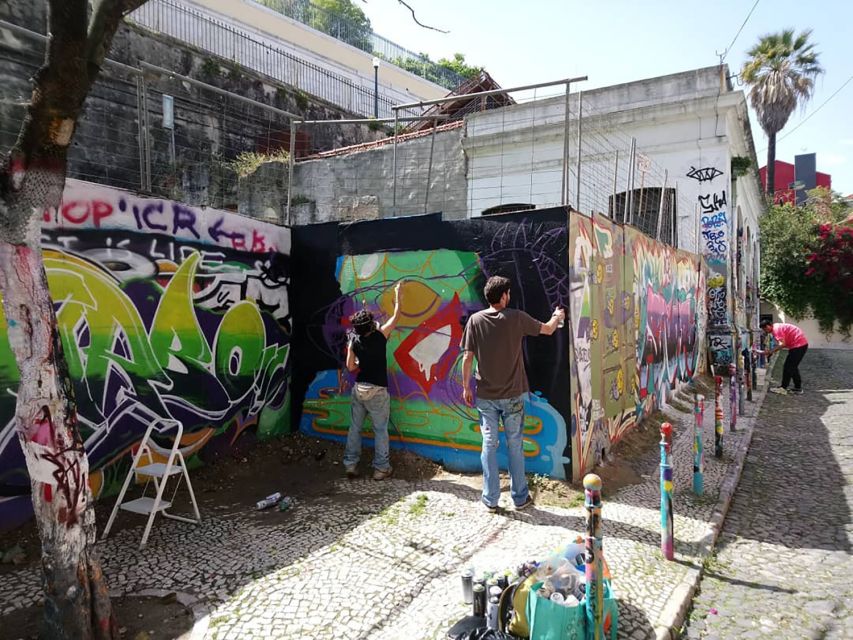
Graça is the heart of the walk. Rather than moving from one famous mural to another along a fixed sightseeing route, you search the neighborhood for art in both obvious and secret places. Keep your eyes at different levels. A large wall may grab you first, but a small stencil near a doorway or a painted utility box can reward a slower look.
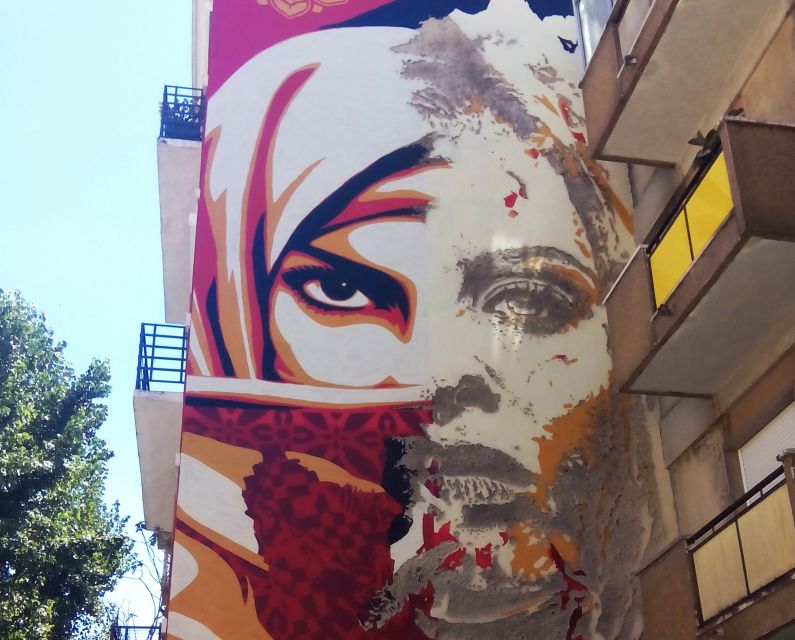
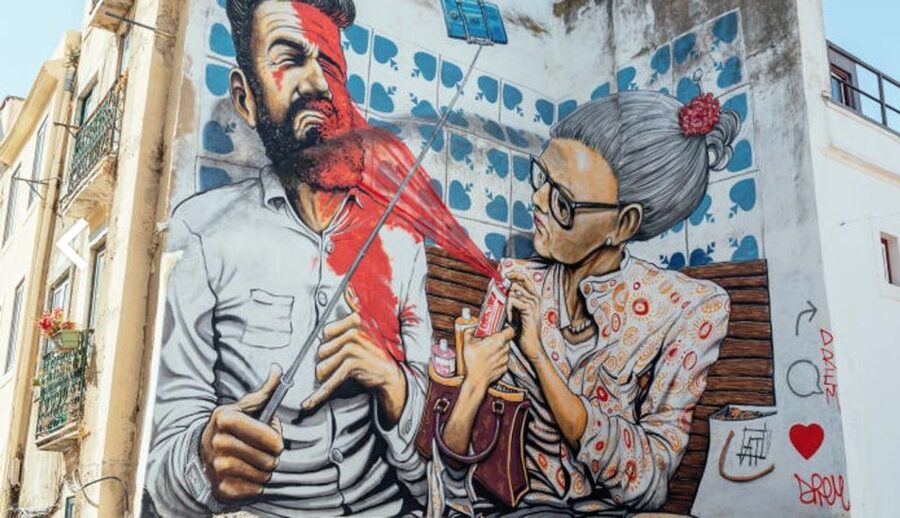
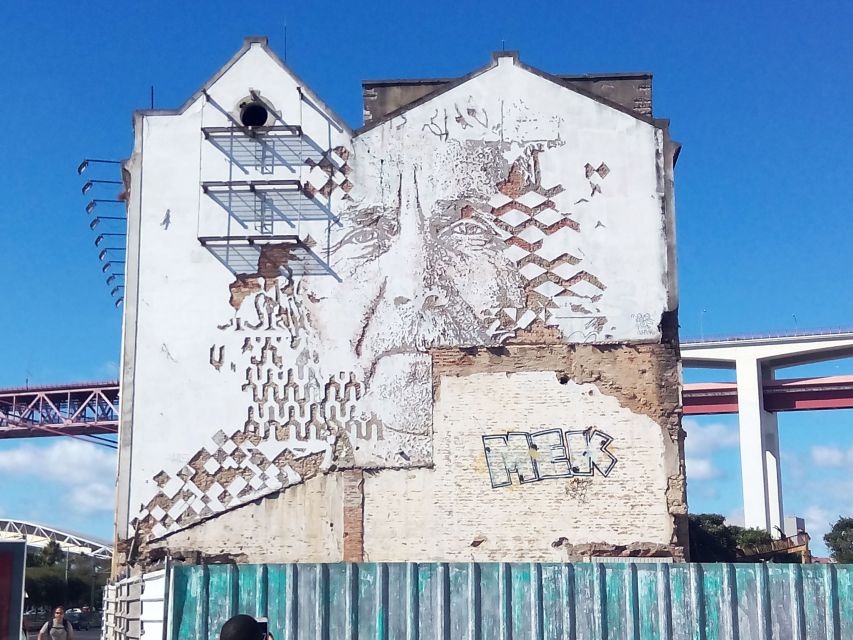
The named artists give the walk plenty of range. Obey Giant brings a recognizable graphic language and strong political edge. Vhils is known for working into walls rather than simply painting across them, so a guide can help you notice how the surface itself becomes part of the image. Bordalo II’s work, when included, adds another useful point of comparison because discarded materials can become part of the artwork.
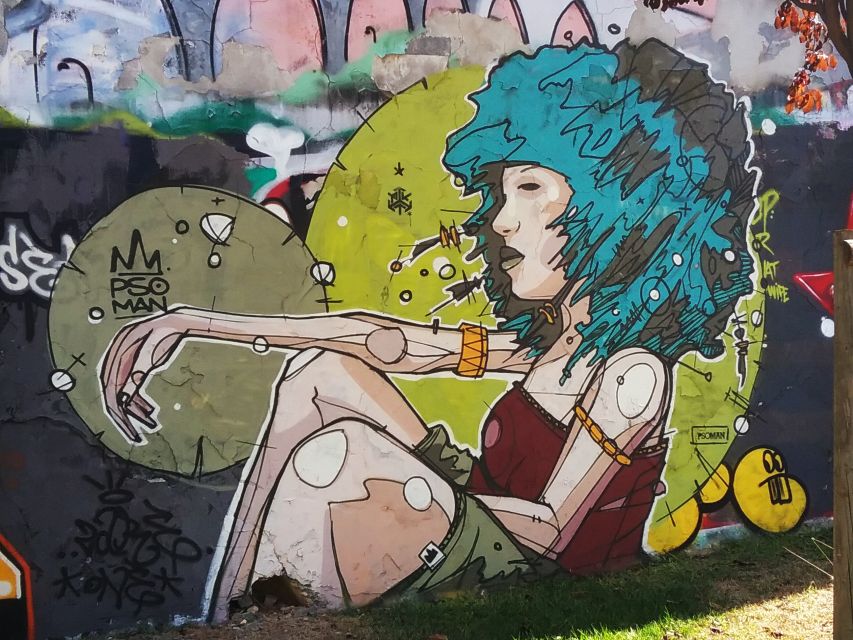
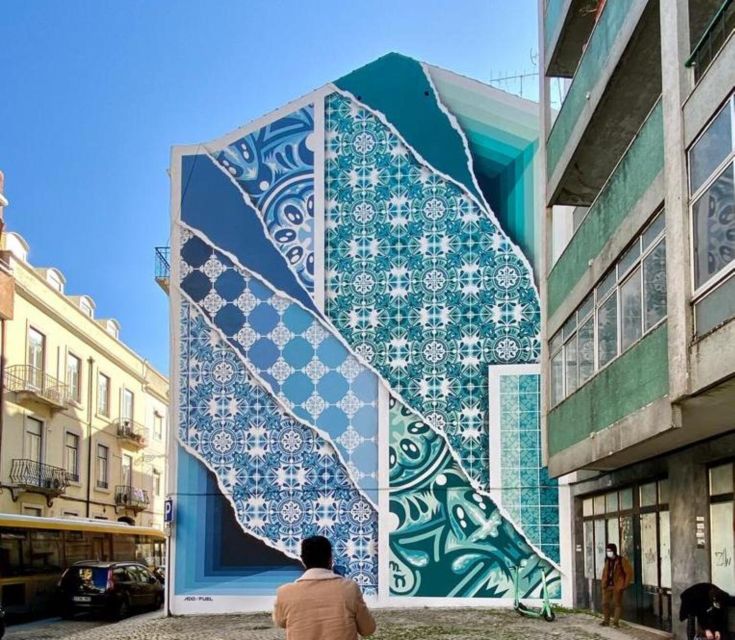
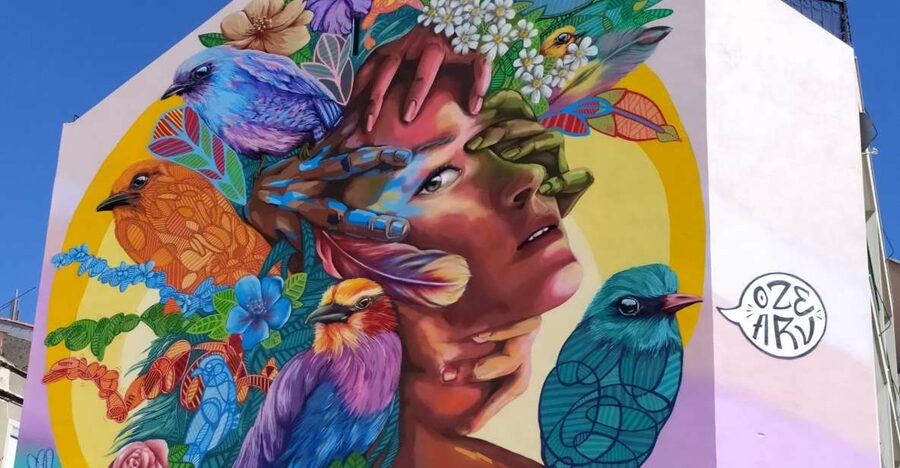
You may also encounter work by Add Fuel, Mário Belem, Aka Corleone, Ozearv, and Daniel Eime. The benefit of seeing several artists in one walk is that you can compare choices instead of treating every painted wall as the same thing. One work may rely on color and pattern. Another may use portraiture, lettering, texture, or found material.
I would not book this expecting a museum-style collection where every piece is guaranteed to be in perfect condition. Street art changes. Paint fades, buildings are renovated, and another artist may cover an older work. That uncertainty is not a flaw in the experience, but it does mean your exact route and the art you see can shift.
Caracol da Graça and freshly painted work

Caracol da Graça is one of the more appealing stops because it can show you street art in motion. The area is known for fresh work, and there is a chance you may see artists painting if the timing is right. That possibility gives the tour a living quality that a standard mural checklist cannot provide.
You should keep expectations sensible. The tour cannot promise that an artist will be working during your visit, and fresh paint is never guaranteed. Still, the stop is useful even when nobody is holding a spray can. Your guide can explain how a wall changes over time and why a piece that looks permanent may have a short life.
Rua Josefa de Obidos is another place to watch for recently painted art. The route’s appeal comes partly from these less predictable locations. You are not only photographing the most famous wall in town. You are also learning how to spot new work and where Lisbon’s art scene is currently active.
This is where comfortable shoes become essential. You will be walking on uneven streets and climbing through old neighborhoods. Wear clothes you can walk in, bring sunglasses and sunscreen, and leave large bags and luggage behind.
The old neighborhoods of Alfama and Mouraria
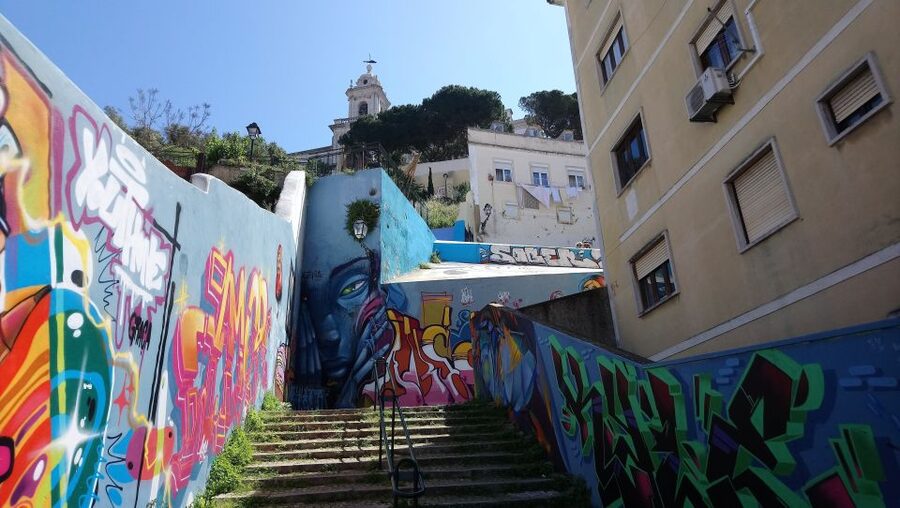
The walk also gives you an overview of Lisbon’s historic area, including Alfama and Mouraria. These districts add important context because street art makes more sense when you see where it lives. Old streets and newer murals sit close together, creating a visual conversation between inherited buildings and present-day expression.
The tour does not include entrance fees to monuments or galleries, and it is not designed as an indoor art museum visit. That is useful to understand before booking. You are paying for access to outdoor works, local interpretation, and places that may be difficult to find on your own.
Mouraria and Alfama are also where the walk’s physical demands become clear. Lisbon’s slopes are not a minor detail. You should be ready for repeated uphill and downhill sections, stairs, and the general effort of moving through old streets. Anyone with a mobility impairment should choose a different way to explore the city.
The reward is a better sense of how art fits into the city rather than sitting apart from it. The guide can connect a mural to the surrounding neighborhood and explain the social rules of the scene. One particularly useful point is that street artists cannot assume their work will remain untouched. A piece may be tagged, altered, painted over, or removed as buildings change.
A few more walks around Lisbon worth a look
- Lisbon: History, Stories and Lifestyle Walking Tour
★ 4.8 · 10,902 reviews - Best of Lisbon Small-Group Guided Walking Tour
★ 5.0 · 4,869 reviews - Lisbon: Food and Wine Small Group Walking Tour
★ 4.9 · 4,082 reviews - Best of Lisbon Walking Tour: Rossio, Chiado & Alfama
★ 4.9 · 2,700 reviews
The International Women’s Day art gallery
A special stop can include the street art gallery created for International Women’s Day 2025. This is a good example of why a street art walk can offer more than a list of famous male names. A themed gallery gives you a chance to consider how public art can address identity, representation, and shared space.
Because the work is connected to a specific year, you should understand that this stop may change over time. Street art is temporary by nature, and a 2025 project may not look the same during a later visit. Even so, the idea behind the stop remains valuable: the tour pays attention to current projects as well as established artists.
Your guide can also help you separate the artist’s intention from your own reaction. You do not need to like every piece. The point is to see how the work was made, what it may be saying, and how it interacts with the wall and neighborhood around it.
What an artist-guide adds to the walk
The strongest part of this experience is the guide. The guide is described as Mr. Red and as an artist, while much of the available feedback names Igor. One booking mentions Iwan, so if the guide’s identity matters to you, confirm the current guide when you reserve.
Igor receives especially strong praise for his enthusiasm, personality, and ability to explain both the art and the wider city. The useful distinction here is between knowing names and knowing a scene. A guide can point to Vhils or Obey Giant, but a working artist can also discuss technique, artistic choices, local rules, and the risk of losing a piece after it is painted.
You should also expect plenty of conversation. The walk is not simply a quiet photo stop every few minutes. Stories about artists, motives, techniques, and the difference between tagging and street art are part of the experience. Some people will find that the three hours pass quickly. If you prefer a short, brisk tour, the length may feel excessive.
The guide may also share additional tips, films, and social media accounts connected with the art scene. That is useful if street art is a major interest for you and you want to keep exploring after the walk.
Is $40 a fair price?
At $40 per person, the walk is fairly priced if you want interpretation rather than a self-guided search. You are paying for three hours, a private guide or small group, local knowledge, access to hard-to-find spots, and an artistic souvenir. There are no monument or gallery admissions included, but none are central to the experience.
The value improves if you are new to Lisbon’s street art. Without a guide, you might find a few famous works but miss the smaller pieces, fresh locations, and stories behind them. You also may not know which artists are important or how to read the difference between a commissioned mural and a quick tag.
For a group of friends or family members, a private option can make the price easier to justify. You can ask more questions and set a comfortable pace within the limits of a three-hour route. Solo visitors should weigh the cost against their interest level. If you already follow the artists closely and prefer exploring alone, a self-guided walk may be enough. If you want local access and explanation, $40 is reasonable.
Free cancellation up to 24 hours ahead and the option to reserve now and pay later add useful flexibility. Hotel pickup and drop-off are not included, so you must reach Largo da Graça on your own.
Who will enjoy this most?
I would recommend this walk to anyone who likes art, photography, city neighborhoods, or the way modern culture appears in old places. It also suits people who have already seen Lisbon’s major sights and want a different view of the city.
Families with older children may enjoy the visual variety, though the climbs and three-hour length may test younger children. The tour is also a good choice if you prefer a guide who talks with you rather than leading a large crowd from one stop to the next.
You should skip it if you want a flat route, a short outing, or guaranteed access to a particular mural. The walk is not recommended for people with mobility impairments, and large bags or luggage are not allowed.
Practical advice before you go
Wear shoes with good support. Lisbon’s cobbled slopes are hard work in thin soles, especially when you are stopping often and looking in every direction.
Bring sunscreen, sunglasses, and comfortable clothing. Keep your hands free for photographs and note-taking, and do not arrive carrying luggage. The tour is outdoors, so conditions can affect your comfort.
Arrive at least 10 minutes early at the Coreto da Graça. Check the starting time when you book, since the available schedule can vary.
Most important, look up and down. Murals may occupy a full wall, while smaller pieces sit close to street level. The walk trains you to notice both.
Should you book the Lisbon Street Art Walk?
Book it if you want Lisbon explained through its walls, not just its monuments. The combination of Graça, Mouraria, Alfama, secret corners, fresh work, and an artist-guide gives the walk a clear purpose. The repeated praise for Igor’s energy and art knowledge also suggests that the guide can make the difference between a pleasant stroll and a genuinely useful introduction to the scene.
Think twice if you dislike hills or prefer a tightly timed two-hour outing. Three hours is generous, and one person found it longer than necessary. For most art-minded visitors who can handle the climbs, I would choose this over wandering alone. You leave with a better eye for Lisbon’s public art, a few local leads, and a small artistic souvenir to remember the walk.
FAQ
How long is the Lisbon Street Art Walk?
The walk lasts three hours.
Where does the tour meet?
Meet your guide in front of the Coreto da Graça at Largo da Graça, in the Graça neighborhood. The meeting point is in front of Desgraça Restaurant.
What language is the tour conducted in?
The live tour guide speaks English.
How many people can join the tour?
Private and small-group options are available. Groups can include up to 10 people.
Is the tour suitable for people with mobility impairments?
No. The tour is not recommended for people with mobility impairments because Lisbon has many uphill and downhill sections.
What should I bring?
Bring comfortable shoes, sunglasses, sunscreen, and comfortable clothing. Large bags and luggage are not allowed.
What happens if I need to cancel?
You can cancel up to 24 hours in advance for a full refund. You can also reserve now and pay later.
Just added around Lisbon
- Small Group Walking Tour of Belém★ 4.9 · 80 reviews
- Lisbon Tram No. 28 Ride & Walking Tour★ 4.1 · 766 reviews
- Lisbon: Walking Tour in the Center (Max 12 Participants)★ 5.0 · 741 reviews
- Lisbon Through the Eyes of a Local – Food and Walking Tour★ 4.9 · 141 reviews
- Lisbon: Private Boat Trip, Guided Walking Tour, Bike & Tram★ 4.8 · 116 reviews
- Lisbon: Helicopter Ride, Boat Trip, & Old Town Walking Tour★ 4.7 · 480 reviews
- Lisbon: Kickstart Street Art Walking Tour★ 4.9 · 717 reviews
- Lisbon: Food & Wine Walking Tour Through Baixa★ 4.9 · 287 reviews
Street Art Walking Tours, compared.


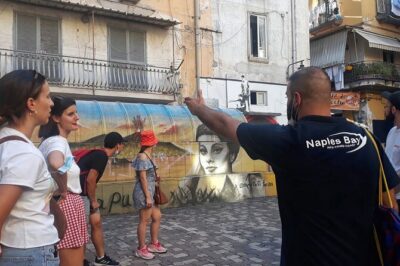
Naples Spanish Quarters Walking Tour Street Art, Folklore & Sweet
Read our review →
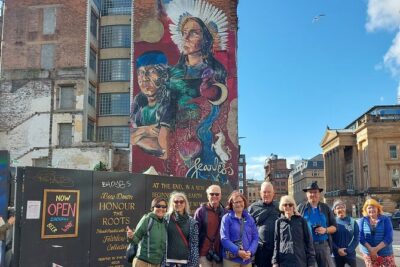

NYC: Brooklyn Graffiti & Street Art Walking Tour in Bushwick
Read our review →
Browse the lists this tour appears in