
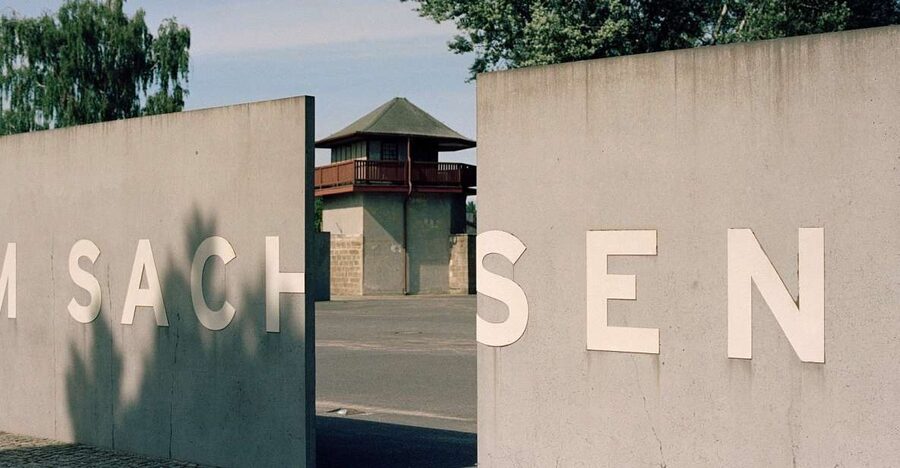
Review · BERLIN WALKING TOURS
Sachsenhausen Memorial: Walking Tour from Berlin
Sachsenhausen makes history feel close. This six-hour visit takes you from Berlin to a former Nazi concentration camp built as a model for the wider camp system. I like the three-hour guided walk, which gives the site time to speak, and I like the focus on architecture, forced labor, resistance, and postwar Soviet detention. The main drawback is the demanding schedule: there is a lot of walking, no meal stop, and the subject matter is painfully grim.
The guides are a major part of the experience. Recent feedback gives special praise to Fabio, Soleil, Lorenzo, and Andrea for clear storytelling, empathy, and strong command of dates and detail. You should also note the price of $511 per group of up to six, plus transport and the memorial donation. That can make sense for a private group, but it is a steep bill if your party is small.
Key points before you go
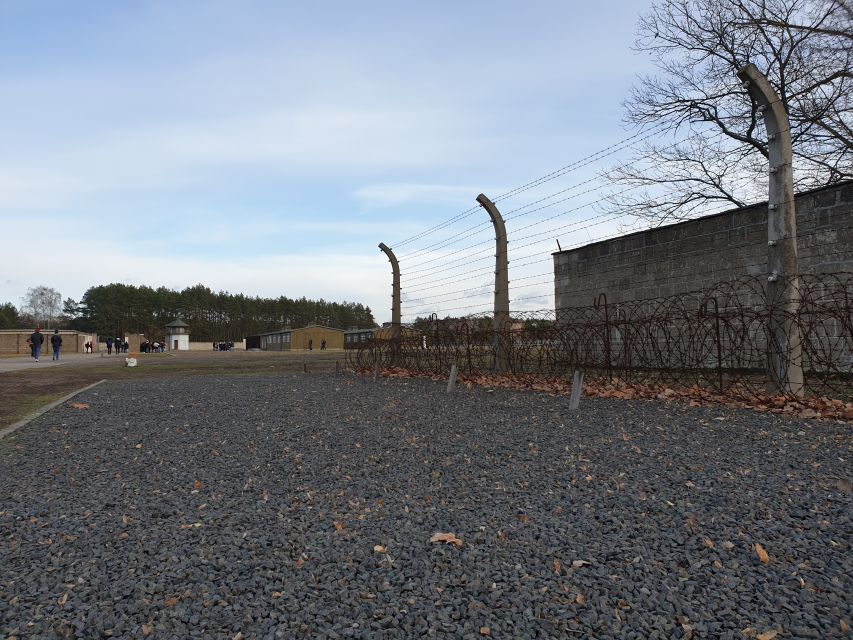
- Sachsenhausen was designed as a model SS camp: The layout and buildings were planned to enforce obedience and control.
- The visit includes three and a half hours at the memorial: You have time for Tower A, the roll-call square, prison barracks, the former kitchen, and Station Z.
- You travel by S-Bahn from Berlin: The ride to Oranienburg takes about 40 minutes, followed by local walking.
- You need a Berlin ABC transport ticket: The ticket is not included, and the tour asks you to buy a 24-hour ABC pass.
- Bring food, but do not plan to eat at the memorial: There is no lunch stop, and eating is not permitted on the site.
- Expect a serious, physically active day: Comfortable shoes and weather-ready clothing are essential.
Why Sachsenhausen matters so much
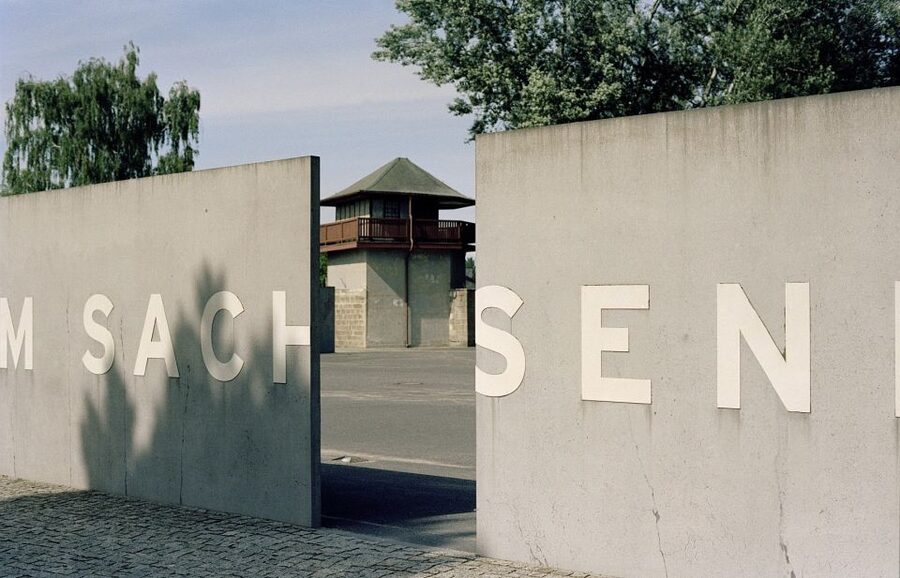
Sachsenhausen was built in 1936, only a few kilometers north of Berlin, then the center of Nazi power. Its location was not random. The camp was close enough to the capital to serve as a training and administrative center for the SS.
The Nazis also used Sachsenhausen as a model. Its design helped shape the camp system elsewhere. That makes this visit different from simply walking through a preserved prison. You are looking at a place where architecture, surveillance, labor, punishment, and propaganda were joined into one system.
At first, political opponents were imprisoned here. Later, the prisoner population included Sinti and Roma, Jews, prisoners of war, and Jehovah’s Witnesses. More than 40,000 people died under starvation, disease, violence, forced labor, and other horrific conditions.
A guide helps connect the physical remains to the system behind them. Without that context, a barracks or watchtower can look like an empty structure. With explanation, you begin to understand how the camp was organized to strip people of privacy, choice, and dignity.
The tour also looks beyond the camp walls. You learn about private industry using prisoner labor, the training of SS guards, and the way Nazi propaganda tried to hide or justify the machinery of terror. That wider view is one of the strongest reasons to choose a guided visit.
A few more walks around Berlin worth a look
- Discover Berlin Half-Day Walking Tour
★ 5.0 · 9,624 reviews - Berlin City walk Government District and Places of Democracy
★ 4.7 · 8,467 reviews - Berlin: Third Reich & Cold War Guided Walking Tour
★ 4.9 · 8,378 reviews
Starting in Berlin and catching the train
Your meeting point depends on the option you select, so check your booking details carefully. Arrive at least 15 minutes before the scheduled start. The group will most likely take a train leaving about five minutes after the official start time, and late arrivals cannot be accommodated.
The journey from Berlin to Oranienburg takes around 40 minutes. You travel together by S-Bahn, which gives the guide a useful chance to explain the day ahead and set the historical frame before you reach the memorial.
You must buy your own public transport ticket. The required choice is a 24-hour ticket for Berlin’s ABC zones. This is an easy detail to miss, and arriving without the correct ticket can create a needless problem at the start of an already tightly timed day.
The train ride is also a good time to eat something. Bring a sandwich, fruit, or another simple meal because there is no lunch stop during the activity. Food is not allowed at the memorial, so finish your meal before entering the site or save it for the return journey.
Oranienburg and the walk to the memorial
Oranienburg is the nearest station to Sachsenhausen. From there, the group continues on foot, with about 20 minutes of walking listed for the route.
This part is practical rather than scenic. You are moving from a normal town into a place built for imprisonment and mass death. That change in setting can feel unsettling, even before you reach the main entrance.
The activity involves a great deal of walking overall. You will walk through the memorial, between buildings, across open spaces, and back toward transport at the end. Wear comfortable shoes with good support. The tour runs in all weather, so bring suitable clothing for rain, wind, cold, or sun.
Tower A and the roll-call square
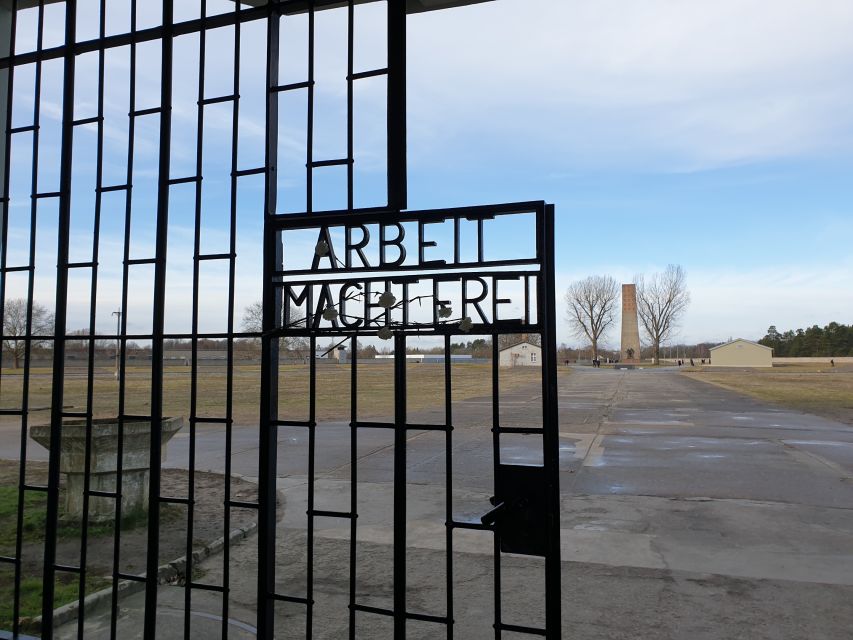
The guided visit begins in the central part of Sachsenhausen, including Tower A and the roll-call square. These are key places for understanding how the camp worked.
The main entrance was not simply a doorway. It was part of a system of control. The camp’s design gave the SS a commanding view of the prisoners’ area, while the prisoners were forced into carefully managed routines.
The roll-call square was used for long counts and public discipline. Prisoners could be kept standing for hours, often in harsh weather. The guide explains how these rituals turned time, space, and exhaustion into instruments of power.
Here, the site’s architecture becomes part of the story. The layout was designed to make authority visible and escape nearly impossible. The point was not only to imprison people physically, but also to create a daily sense that the SS controlled every movement.
Same streets, a different way to see them:
- Berlin: Discover Berlin Walking Tour
★ 4.9 · 5,998 reviews - Berlin’s Best: 2 Hour Walking Tour Third Reich and the Cold War
★ 5.0 · 5,486 reviews - Berlin: Hidden Backyards Guided Walking Tour
★ 4.8 · 5,360 reviews - Explore Berlin: See All The Iconic Sights & Some Hidden Gems
★ 5.0 · 4,429 reviews
Forced labor, punishment, and prison barracks
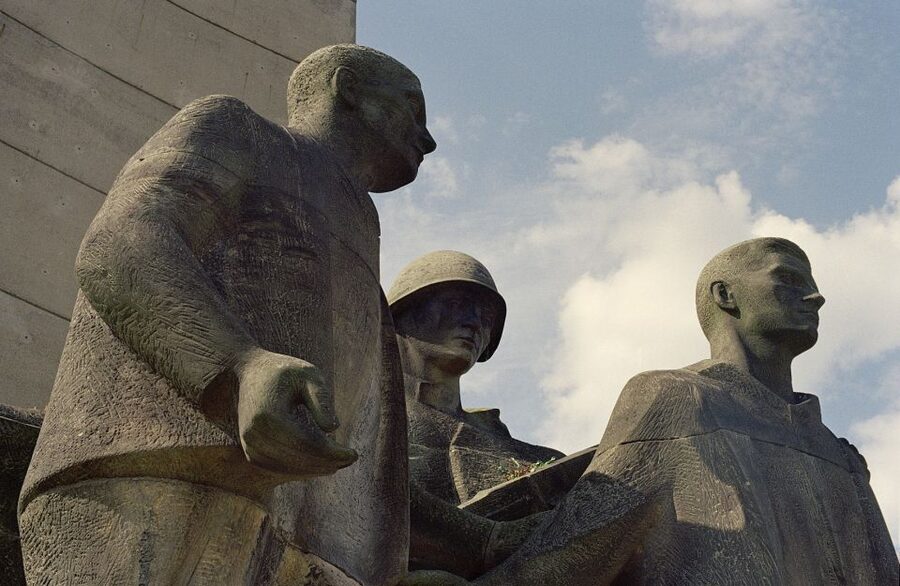
The tour then moves through the systems that governed daily life. Forced labor was central to the camp. Prisoners were treated as a source of labor for the Nazi state and for private companies.
You learn about punishment, discipline, and the ways prisoners tried to survive within a system designed to break them. The guide also discusses resistance, which is important because the story is not only one of suffering. Prisoners made efforts to preserve solidarity, dignity, and opposition even under extreme conditions.
The prison barracks and detention areas show how the camp operated at close range. The subject matter can be emotionally heavy, especially when the guide connects the buildings to survivor testimony and personal accounts.
Medical experimentation rooms are also included in the visit. These spaces require a respectful approach. The point is not to seek shock, but to understand how medicine was corrupted by Nazi ideology and the total power given to the SS.
The former kitchen and its museum displays
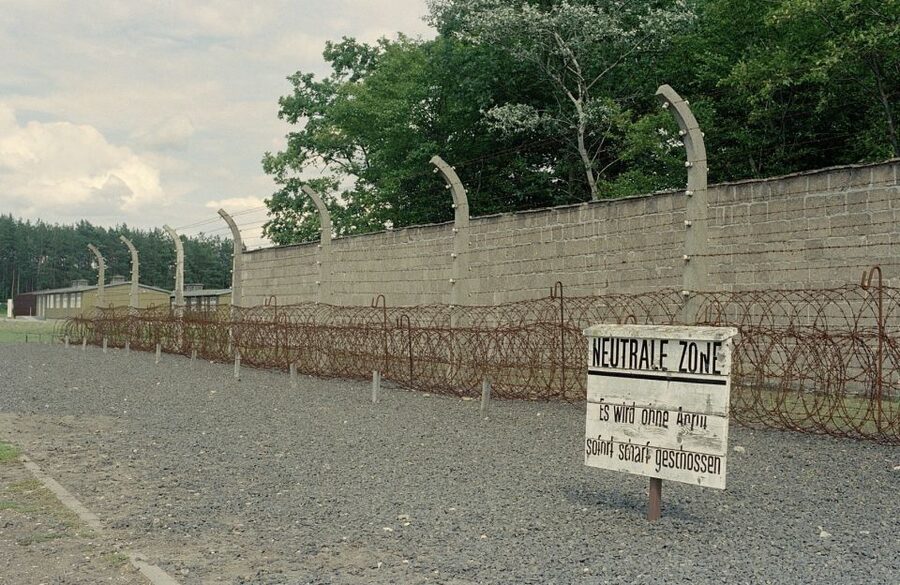
The former kitchen now serves as a museum. This gives you a chance to move beyond the open camp layout and examine historical material in a more focused setting.
The kitchen is a useful stop because food was never just food in the camp system. Hunger, inadequate rations, and disease were part of the conditions that caused so many deaths. The building helps explain how basic needs could be manipulated as part of punishment and control.
The museum setting also supports the guide’s use of research and survivor testimony. The strongest part of the day is often the connection between a document, a personal account, and the physical place where events occurred.
Station Z and the camp’s killing machinery
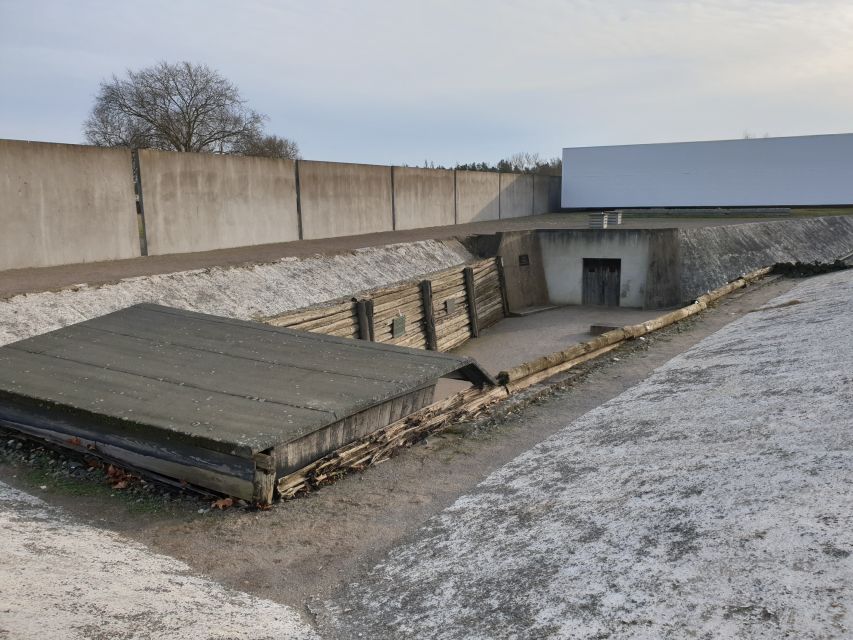
Station Z marks the site of the crematoriums and gas chamber. This is one of the most difficult sections of the visit.
A good guide handles this area with care. The tour explains what stood here and how it fit into the Nazi system without turning the visit into a spectacle. You should expect a quiet, serious atmosphere.
This stop also makes clear that Sachsenhausen was connected to a much wider program of persecution and extermination across Nazi-occupied Europe. The camp’s history cannot be separated from the larger Nazi system, even though the visit focuses on this particular site.
You may find the memorial especially demanding here. It is sensible to give yourself time, listen at your own pace, and recognize that you do not need to force a reaction. The experience is valuable because it asks you to face evidence and testimony, not because it offers an easy emotional payoff.
The final years and the Soviet special camp
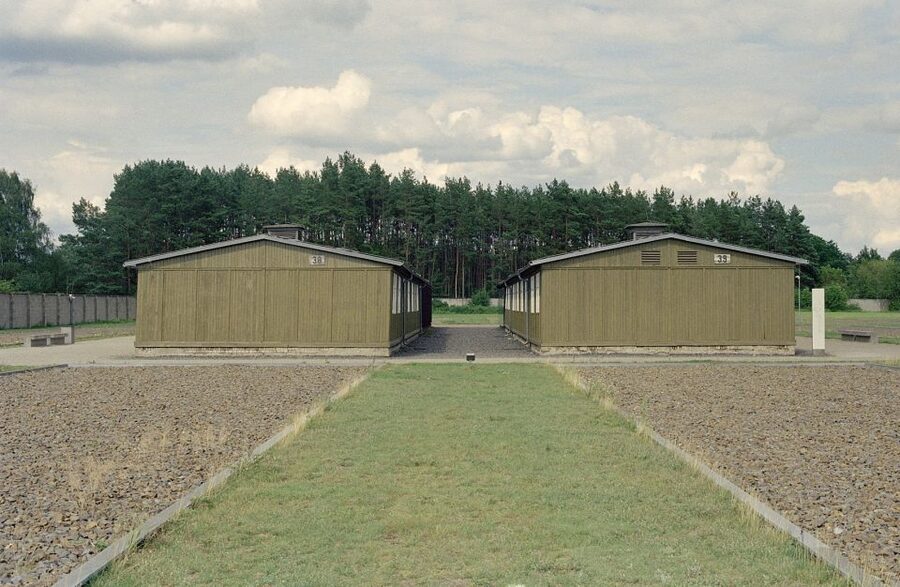
The tour does not stop in 1945. After the war, under Soviet occupation, Sachsenhausen continued as a special camp.
Thousands of people were detained there, including former Nazis, political opponents, and civilians. Hunger and disease caused many deaths. This later chapter matters because it shows how a place built for detention continued to function under a different regime.
The postwar history can complicate the way you think about memorial sites. Sachsenhausen is not only a place connected to Nazi crimes. It is also a place with a second period of imprisonment and death. The guide helps place both periods in context without treating them as interchangeable.
You also hear about the death marches at the end of the war. These forced evacuations formed part of the final phase of the camp’s history, when prisoners were driven away as Allied forces approached.
What the guides add to the day
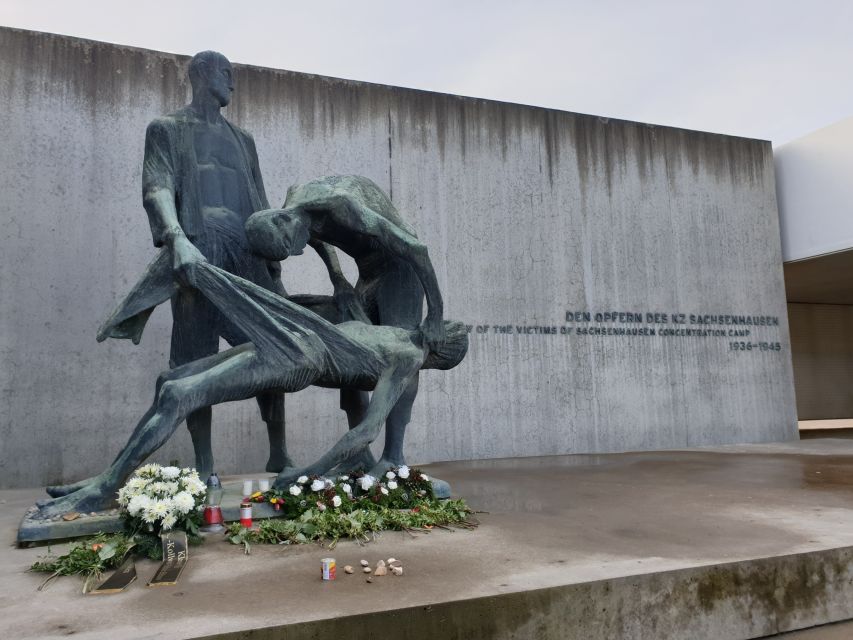
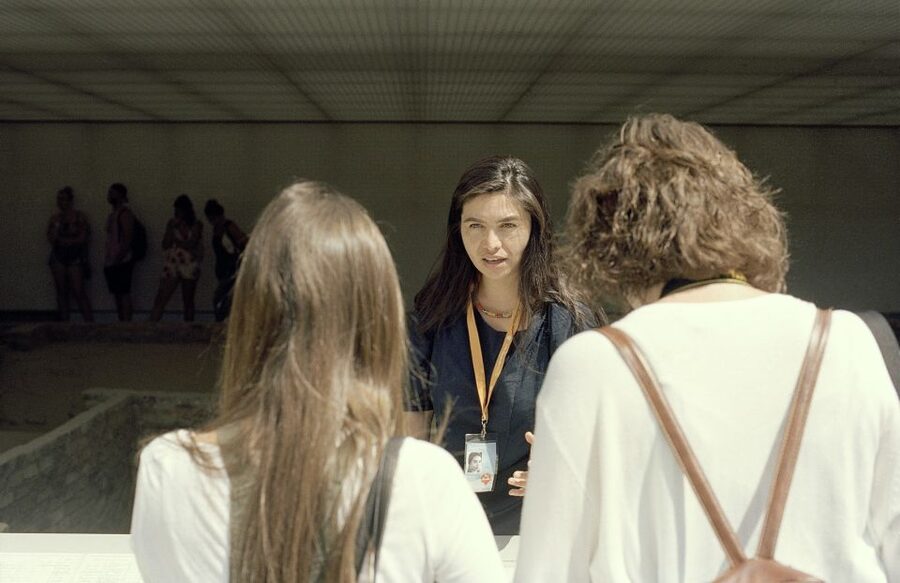
The guides are not just there to point out buildings. They provide the dates, connections, and human accounts that turn a large open site into a comprehensible historical place.
The strongest praise in the available feedback goes to guides who combine facts with restraint. Fabio was singled out for making the camp feel present through his storytelling. Soleil was praised for empathy and for helping visitors understand material that some had never studied before. Lorenzo received high marks for dates, detail, and a broad view of the period, while Andrea was described as engaging and precise.
Guide quality can vary by language and date, so check which language option you are booking. The activity information lists French, Italian, and English live guides, while the included details also refer to Italian or Spanish options. That inconsistency is worth confirming before payment.
Groups can be as large as 25 people, although a private group is available. A smaller group usually makes it easier to hear, ask questions, and stay connected during the walk. If the $511 price applies to a private group of six, the value improves when the cost is shared among the full party. For one or two people, compare the price with other memorial tours before booking.
Timing, food, clothing, and practical comfort
Six hours is a realistic length for this outing. About 40 minutes are spent going each way by train, with additional walking between Oranienburg and the memorial. The guided portion at Sachsenhausen lasts about three and a half hours, which is long enough to cover the principal areas without reducing the visit to a quick look.
Bring:
- Comfortable walking shoes
- Food and drinks for the train journey
- A 24-hour Berlin ABC public transport ticket
- Clothing suitable for the forecast
Smoking, alcohol, drugs, and nudity are not allowed. You must also pay a mandatory €3 donation in cash at the meeting point. The donation goes to the memorial.
The weather matters more than you might expect because much of the visit takes place outdoors. Rain, cold, or strong sun can make an already tiring day harder. Dress in layers and take the clothing advice seriously.
Who should book this Sachsenhausen tour?
I would choose this tour if you want historical explanation rather than a quick independent visit. It suits people who want to understand how Nazi dictatorship worked, how the SS used space and labor, and how the camp fit into a wider system.
It is also a good choice if you prefer to avoid arranging the train journey alone. The group travels together from Berlin, and the guide provides structure from the meeting point through the return.
You should think twice if you want a light sightseeing day. Sachsenhausen is emotionally severe, and the three-hour memorial walk is physically demanding. Families and younger visitors should consider their readiness for material about imprisonment, forced labor, medical experimentation, gas chambers, and mass death.
The tour can also work well for someone who has studied the period but wants to connect written history with a real place. The architecture and surviving locations add a level of understanding that a city museum cannot fully provide.
Is the $511 price good value?
At $511 for a group of up to six, this is not a budget excursion. If six people share the cost, the price becomes easier to justify, especially if you value a private group and a guide who can answer questions throughout the day.
The price does not include Berlin ABC transport tickets or the €3 memorial donation. Factor those into your total before deciding. You also need to provide your own lunch.
For a larger shared group, the value depends heavily on the guide and the language option. The best feedback focuses on guides who are prepared, empathetic, and engaging, which matters greatly at a site this complex. The one clear criticism in the available feedback concerned transport organization feeling somewhat scattered, so do not expect a completely effortless door-to-door outing.
Free cancellation up to 24 hours before departure and the reserve-now, pay-later option reduce some booking risk. Still, confirm the meeting point, language, and group format before committing to the price.
Should you book it?
Book this Sachsenhausen tour if you want a serious, well-explained memorial visit and prefer traveling from Berlin with a guide. The strongest reasons are the long on-site visit, the focus on the camp’s design and wider system, and the guides’ reported strength in handling painful material with care.
Skip it if your schedule cannot absorb six hours, if you dislike long walks, or if you are looking for a casual half-day outing. If you do go, arrive early, buy the ABC ticket, bring food for the train, carry €3 in cash, and prepare yourself for a quiet day of difficult history.
FAQ
How long does the Sachsenhausen tour take?
The full activity lasts about six hours, including travel from Berlin, the guided visit, walking between locations, and the return train.
How do I get to Sachsenhausen from Berlin?
The group travels by S-Bahn from Berlin to Oranienburg, which takes about 40 minutes. You then walk to the memorial, with about 20 minutes listed for that part of the route.
Is public transport included?
No. You must buy your own public transport ticket. A 24-hour ticket covering Berlin’s ABC zones is recommended.
Is there an extra fee at the memorial?
Yes. Every participant must pay a mandatory €3 donation in cash at the meeting point. The full amount is donated to the Sachsenhausen Memorial.
Can I eat during the tour?
You should bring food for the train journey because there is no lunch stop. Eating is not permitted at the memorial site.
What should I wear?
Wear comfortable shoes and clothing suitable for all weather conditions. The activity includes substantial walking and takes place in all weather.
Which languages are available?
The activity information lists live guides in French, Italian, and English. Other included-language details refer to Italian or Spanish options, so confirm the language for your selected booking.
Can I stay at the memorial after the guided visit?
Yes. After the guided portion, you may remain longer to explore the memorial on your own. The group returns to Berlin together, but you are welcome to continue independently.
Just added around Berlin
- Berlin Walking Tour★ 4.5 · 378 reviews
- Small Group Walking Tour of East Berlin with a French Guide★ 5.0 · 176 reviews
- Berlin Street Art Walking Tour – Off The Grid★ 5.0 · 270 reviews
- Berlin Highlights Private Guided Walking Tour★ 4.5 · 89 reviews
- Private Walking Tour: World War 2 and Cold War Sites in Berlin★ 5.0 · 230 reviews
- East Meets West: Berlin Food Culture & Street Art★ 5.0 · 157 reviews
- Kreuzberg Berlin: Off the Beaten Track PRIVATE Walking Tour★ 5.0 · 128 reviews
- The History of Berlin: WWII PRIVATE Walking Tour With Locals★ 5.0 · 209 reviews
Berlin Walking Tours, compared.
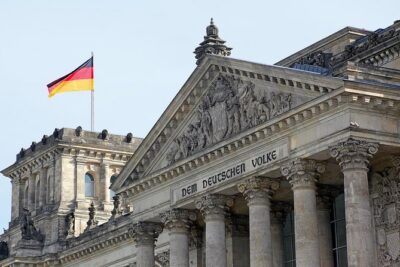
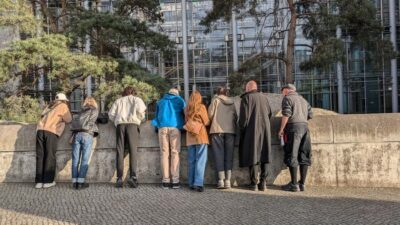
Berlin City walk Government District and Places of Democracy
Read our review →
Berlin’s Best: 2 Hour Walking Tour Third Reich and the Cold War
Read our review →
Explore Berlin: See All The Iconic Sights & Some Hidden Gems
Read our review →
Third Reich Berlin: Hitler and WWII Walking Tour
Read our review →Browse the lists this tour appears in