
Review · TOKYO WALKING TOURS
Tokyo: Asakusa Walking Tour with Sensoji Temple Visit
Tokyo reveals its older face in Asakusa. This two-hour walk links the Thunder Gate, Sensoji Temple, traditional shopping streets, and lively food lanes, giving you a useful first look at one of the city’s most atmospheric districts. I especially like the clear route and the chance to see both Buddhist and Shinto traditions in one morning.
The guides are the real strength. Aya, Keiko, Hiroko, Glenda, Polina, and others are repeatedly praised for explaining customs in easy English, answering questions, and offering practical food tips. The main consideration is the pace: two hours goes quickly, so you will see the key sights rather than explore every corner or spend long inside the temple grounds.
Key things to know before you book
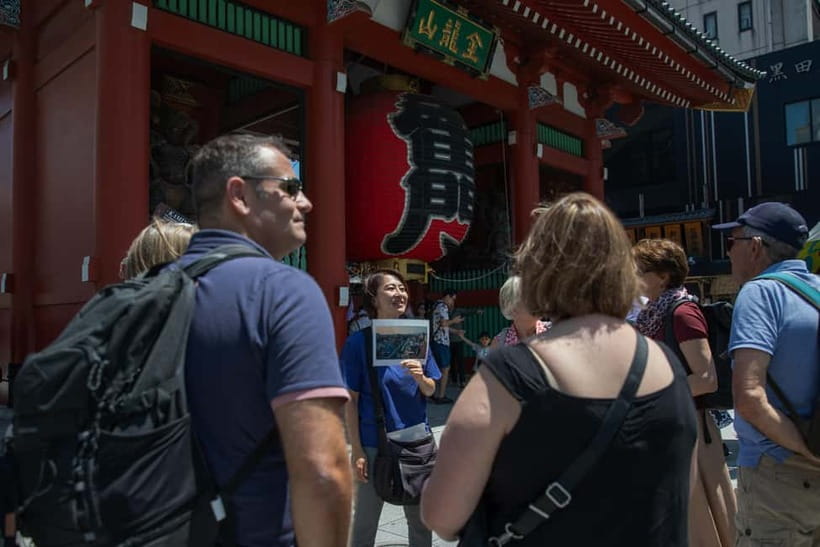
- Kaminarimon starts the story: Meet in front of the Thunder Gate, near Tokiwado Kaminari-okoshi Honpo, where the guide holds a tour sign.
- Sensoji is the main event: You get time for photos, temple details, incense rituals, cultural explanation, and some free time.
- Two faiths appear on one route: The walk includes Sensoji Temple and nearby Asakusa Shrine, a useful introduction to Buddhism and Shinto.
- The tour finishes near food: Hoppy Street and Shin-Nakamise Shopping Street put you close to restaurants and local snacks.
- English guidance is central: The tour is offered in English, and past guide names include Aya, Keiko, Hiroko, Glenda, Polina, Loc, and Miyu.
- The price is modest: At $22 per person, you are paying mainly for context, orientation, and local recommendations rather than admission tickets.
Why Asakusa makes a smart first stop in Tokyo
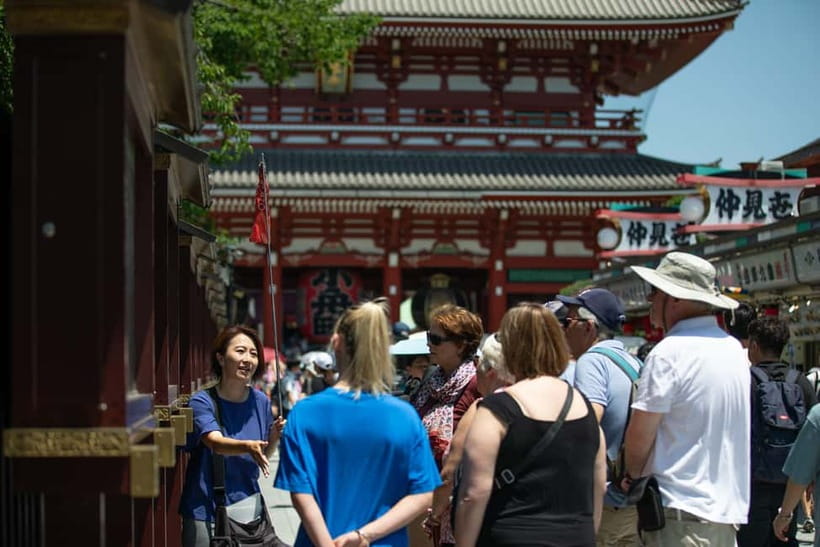
Tokyo can feel huge and hard to read when you first arrive. Asakusa offers a more manageable introduction. Here, a famous temple, old commercial streets, small food shops, and local religious sites sit within an easy walking area.
The district also helps you understand that Tokyo is not only glass towers, crowded train stations, and neon signs. Asakusa has plenty of modern city energy, but its strongest appeal comes from older customs and landmarks that still shape daily life.
I like this tour most as an opening activity during a Tokyo stay. The guide can explain what you are looking at before you visit other temples, shrines, or historic neighborhoods on your own. Several guides also share suggestions for restaurants and places to visit later, which adds practical value beyond the two-hour route.
The tour has earned a 4.8 rating from 1,583 reviews, with especially strong praise for the guides’ English, warmth, patience, humor, and ability to explain Japanese culture. That pattern matters. The buildings are worth seeing on their own, but the right explanation helps you notice why people wash, pray, burn incense, bow, or move through the temple grounds in particular ways.
A few more walks around Tokyo worth a look
- Tokyo Tsukiji Fish Market Food and Culture Walking Tour
★ 5.0 · 3,184 reviews - Tokyo: Imperial Palace and Shogun Historical Walking Tour
★ 5.0 · 2,251 reviews - Tokyo: Shinjuku Local Bar and Izakaya Guided Walking Tour
★ 4.9 · 1,794 reviews
Meeting at the Kaminarimon Thunder Gate
The walk begins at Kaminarimon, the large entrance gate to Sensoji. Your guide waits on the left side of the gate, near Tokiwado Kaminari-okoshi Honpo, holding a sign.
Arrive early. The instructions are clear that the guide cannot hold the group for late arrivals, and this is a poor place to scramble around looking for a meeting point. The gate area can be busy, so give yourself enough time to find the correct side and spot the sign.
The first guided section lasts about 10 minutes. That may sound brief, but Kaminarimon is a good place to set the scene. The gate is known as the Thunder Gate and serves as the dramatic entrance to Sensoji. Its size and central location make it one of Asakusa’s easiest landmarks to recognize.
This is also where a guide helps. You can take a photograph in seconds, but an explanation gives the gate more meaning. You begin to see it not simply as a photogenic entrance, but as the opening to a religious and commercial path that has shaped Asakusa for generations.
Walking Nakamise Street with a guide
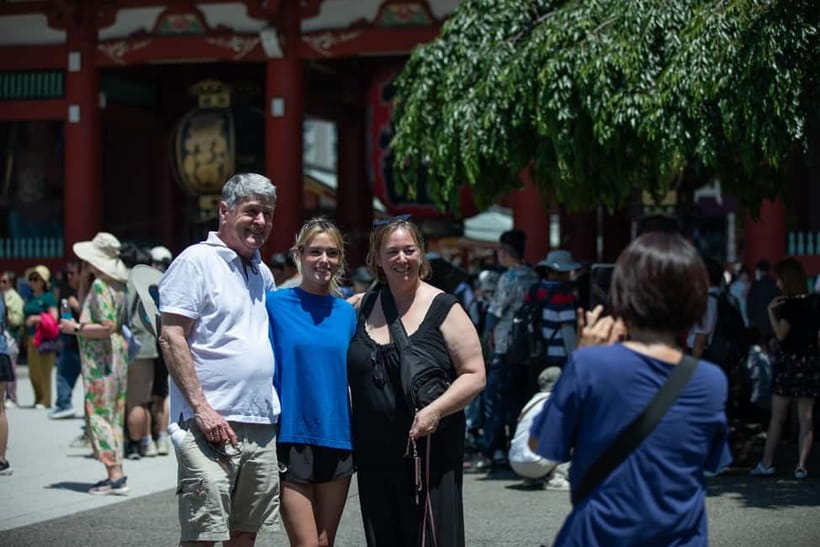
From Kaminarimon, you continue down Nakamise Shopping Street. The guided visit lasts about 15 minutes.
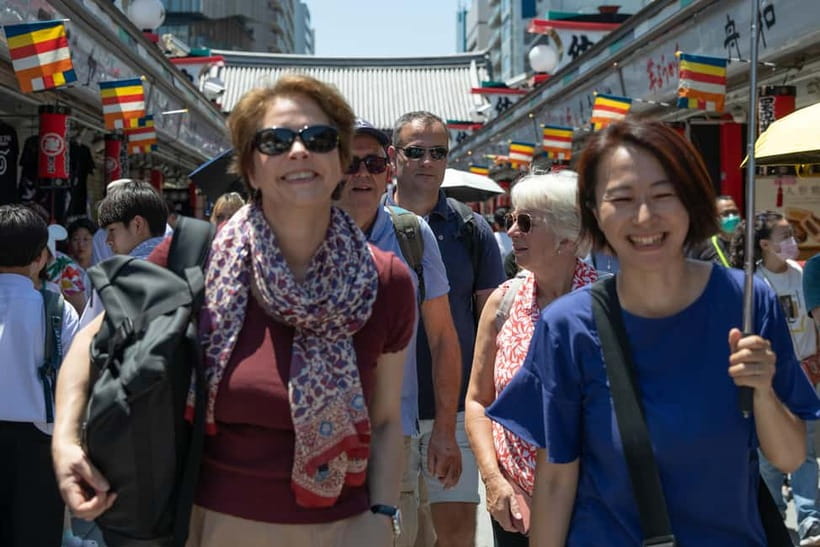
Nakamise is one of Japan’s oldest shopping centers, and its role is easy to understand. It leads directly toward Sensoji while lining the route with small shops selling traditional crafts, souvenirs, snacks, and other local goods. This is one of the most enjoyable parts of the walk because the street connects sightseeing with ordinary shopping.
You will not have time to inspect every shop in detail. That is the tradeoff. The tour gives you orientation and background, then you can return later if something catches your eye.
The guide can also help you separate useful local products from the usual tourist purchases. Several guides are praised for recommending food and shops, so keep a note on your phone if you hear something you want to try later. The route finishes near enough to restaurants that you can easily continue your own exploration after the tour.
Nakamise can also be crowded, so stay close to the guide and pay attention when the group moves. The two-hour format works because the route keeps going. It is not designed as a slow shopping morning.
Sensoji Temple, incense, and time to look around
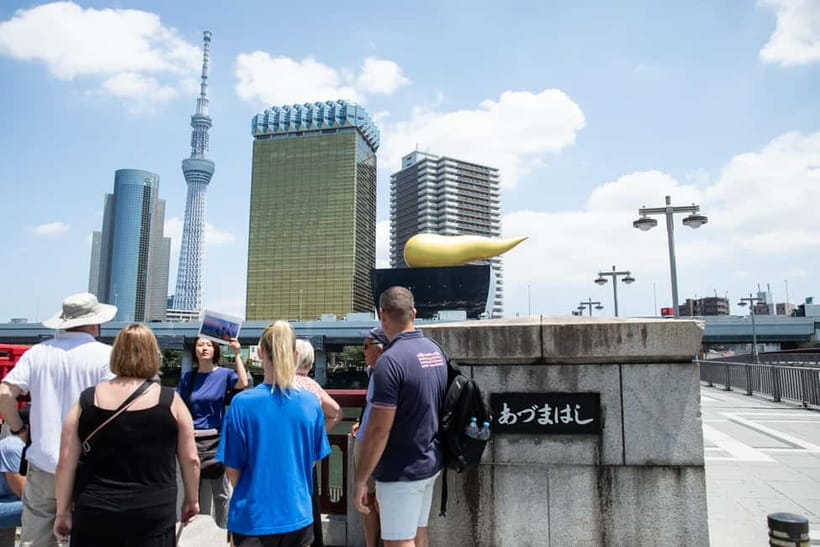
Sensoji receives the longest scheduled stop, about 30 minutes. You have a guided visit, a photo stop, and free time.
Sensoji, also called Asakusa Kannon, is Tokyo’s oldest-established Buddhist sanctuary. Its importance is not just architectural. The temple is a working religious site, and the guide explains the customs that you see around you.
You can look closely at the temple’s details, take photographs, and take part in incense-burning rituals. The incense is not merely a decorative feature. It is part of the religious experience, and your guide can explain how to approach these traditions respectfully.
The time here is well judged for a first visit. Thirty minutes gives you enough space to listen, look, and take photographs without turning the stop into a long lecture. Still, do not expect a detailed examination of every building or artwork. Sensoji deserves more time if you have a strong interest in religious art or architecture.
The guides receive particularly warm praise at this stop. Aya is described as explaining the temple’s history, architecture, traditions, and miracles in a way that kept the group engaged. Other guides, including Keiko, Hiroko, and Glenda, are praised for answering questions and making the subject accessible to families and teenagers.
One useful detail from the guide style is the effort to include everyone. Keiko is praised for making sure people could hear, adjusting the pace, answering many questions, and engaging a fourteen-year-old in the group. That suggests this is not a silent march from gate to gate. You can ask questions and expect the guide to make room for different interests.
Same streets, a different way to see them:
- Tokyo: Tsukiji Fish Market Food and Walking tour
★ 5.0 · 1,724 reviews - Tokyo: Tsukiji Fish Market Guided Walking Tour
★ 4.9 · 1,397 reviews - Tokyo Castle & Imperial PalaceーShogun Walking Tour
★ 4.7 · 1,068 reviews - Shibuya Meltdown Nightlife Tour: All-You-Can-Drink Bar Hopping
★ 5.0 · 1,058 reviews
Asakusa Shrine and the value of seeing both faiths
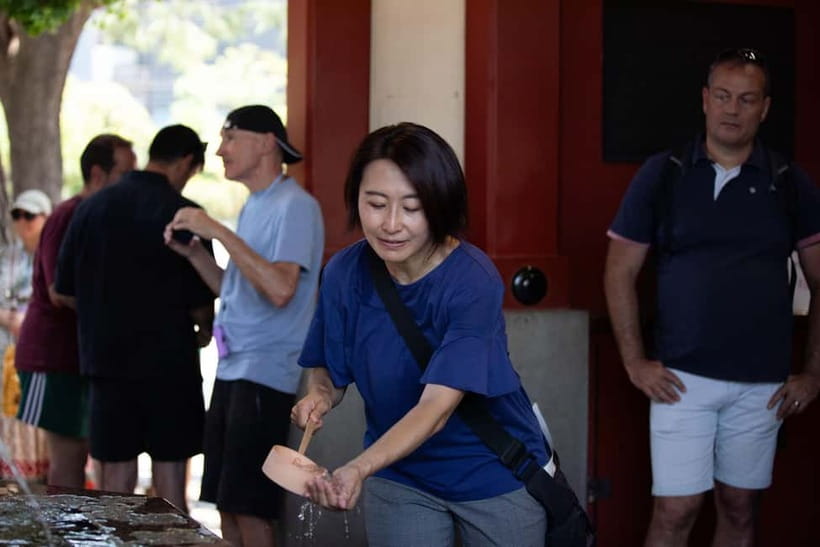
The next stop is Asakusa Shrine, with about 20 minutes for a visit, photos, and explanation.
Seeing Asakusa Shrine after Sensoji gives the walk an important point of contrast. Sensoji is Buddhist, while Asakusa Shrine is Shinto. You do not need prior religious knowledge to follow the explanation, and the guide can help you notice differences in customs, symbols, and purpose.
This pairing is one of the best reasons to choose a guided walk instead of simply visiting Sensoji alone. On your own, you might photograph both places without understanding why they belong to different traditions. The guide connects the sites and shows how Japanese religious life contains both Buddhist and Shinto elements.
The 20-minute stop is long enough for a calm explanation and photographs. As with the temple, it is not a specialist study of every feature. If you want to linger, you may need to return later after the tour.
Hoppy Street and the food side of Asakusa
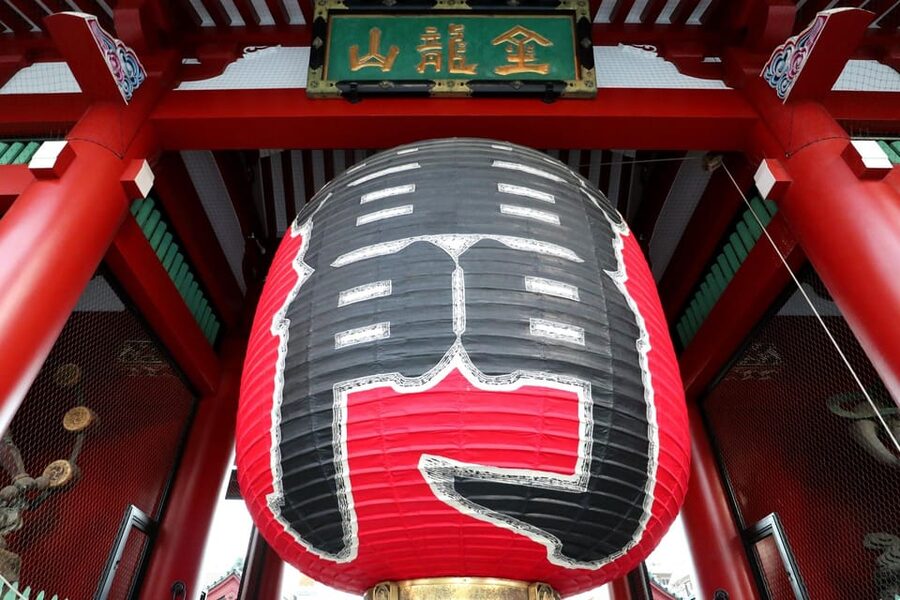
Hoppy Street gets about 10 minutes. This is a short stop, but it shifts the mood from formal religious sites to the neighborhood’s food and drinking culture.
The street is known for its eateries, and the guide gives you a quick look at a side of Asakusa that many visitors miss when they focus only on Sensoji. You are not promised a meal or food tasting as part of the $22 price, so think of this as an introduction and a place to mark for later.
This is where the tour’s timing becomes useful. Guides often finish by lunchtime and share restaurant suggestions in the area. If you want to eat nearby, the walk gives you a few ideas before you have to choose a table on your own.
The stop is brief, so anyone hoping for a full food tour should choose a different activity. This experience is primarily a history and culture walk with food-area orientation, not a tasting program.
Shin-Nakamise and the walk to Azuma Bridge
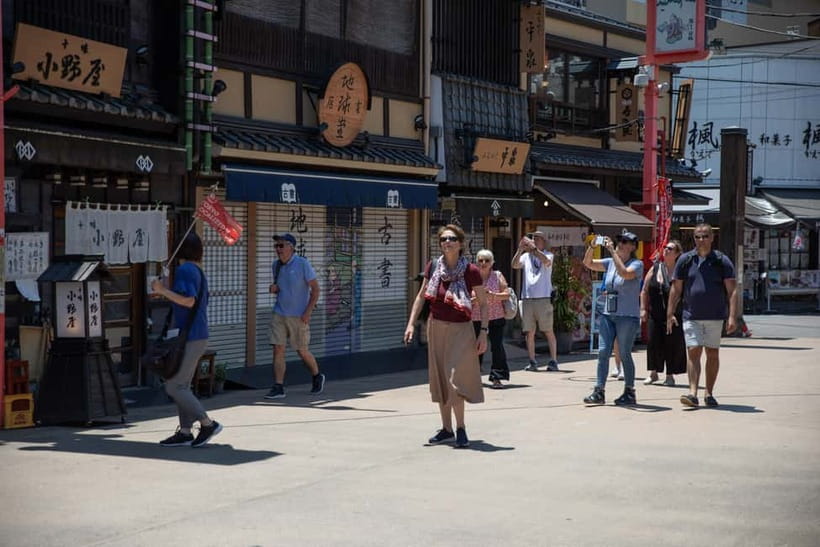
The final shopping stop is Shin-Nakamise Shopping Street, also known as 浅草新仲見世商店街. The guided visit lasts about 10 minutes.
This adds another layer to the commercial side of Asakusa. After seeing the temple approach at Nakamise, you get a look at a different shopping street with local stores and places to eat. The route shows that Asakusa is not just a preserved historic quarter. It is also a functioning neighborhood.
The tour ends at Azuma Bridge. Ending here gives you a clear finish rather than dropping you back at the temple entrance. You can use the location as a new starting point for exploring, taking photographs, or finding lunch, depending on your plans.
The walk between stops is part of the value. You see how the religious center connects to shopping lanes and everyday streets. That kind of connection is difficult to pick up from a quick temple visit alone.
What the guides add to the experience
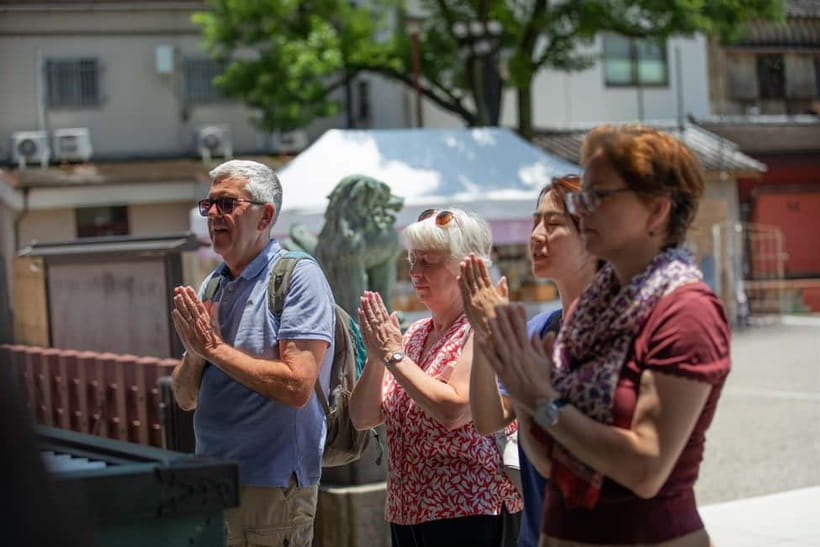
The strongest praise goes to the people leading the walks. Aya is repeatedly described as friendly, clear, and generous with local tips. Keiko is praised for patience, humor, strong English, and careful attention to the whole group. Hiroko receives similar praise for her explanations and for making sure everyone feels included.
Glenda is described as fun and well informed about Japanese history and culture. Polina receives praise for explaining both historical subjects and modern food options. Loc is praised for being punctual and explaining Asakusa clearly, while Miyu is noted for her humor and ability to answer questions.
The names may change depending on the departure, but the pattern is useful: this experience depends heavily on the guide. A good guide turns a familiar sightseeing route into a lesson in customs, religion, food, and local life.
Several guides also offer ideas for the rest of your Japan trip. That can be especially helpful if this is your first day in Tokyo and you still need to understand where to eat or what kinds of places deserve more time.
Is $22 a fair price for two hours?
At $22 per person, this is good value if you want explanation and orientation. The main attractions are public places, so you are not paying for a major entry ticket. You are paying for a local English-speaking guide who keeps the walk moving and explains what you might otherwise miss.
The price makes the tour easy to justify for first-time visitors, families, and anyone who prefers context over simply taking photographs. It is less useful for you if you already know Asakusa well or prefer to move independently at your own speed.
The walk includes no stated food tastings, private transport, or special access. Wear comfortable shoes, expect to walk for the full two hours, and bring your own spending money if you want snacks or souvenirs along the way.
The tour is wheelchair accessible, which is an important advantage. Still, the route passes through shopping streets and busy public areas, so you may want to confirm the current meeting and route details when booking if you have specific mobility needs.
Free cancellation is available up to 24 hours before the start time, and you can reserve now and pay later. Those terms are useful when building a Tokyo schedule around weather, jet lag, and changing plans.
Who should book this Asakusa walk?
I would recommend it to first-time visitors who want a clear introduction without spending half a day on a formal lecture. Families should also consider it, especially because guides such as Keiko have been praised for adjusting explanations for children and teenagers.
It suits anyone curious about religion, architecture, local customs, shopping streets, and Japanese food culture. It is also a good choice near the beginning of a Japan trip because the guide may suggest places to eat and help you understand other cultural sites you will see later.
You may want to skip it if you have already explored Sensoji and Asakusa in detail, or if you want a food-focused experience with tastings. You should also know that the route is compact and scheduled. You get a useful overview, not hours of free time at every stop.
Should you book the Sensoji and Asakusa tour?
Book it if you want Asakusa to make sense quickly. The route covers the major landmarks, includes both Buddhist and Shinto sites, and finishes near food streets where you can continue on your own.
The best reason to choose it is the guide-led context. At $22, the walk offers a practical introduction to Tokyo’s traditional side, with enough free time for photographs and questions. Arrive early at Kaminarimon, keep the rest of your day flexible for lunch, and treat the tour as your orientation to Asakusa rather than the final word on the district.
FAQ
How long does the Asakusa walking tour last?
The tour lasts two hours.
Where does the tour begin?
It begins in front of Kaminarimon, or the Thunder Gate. The guide waits on the left side near Tokiwado Kaminari-okoshi Honpo and holds a sign.
Where does the tour finish?
The tour finishes at Azuma Bridge.
Which language is the tour offered in?
The live tour guide leads the experience in English.
Does the tour visit Sensoji Temple?
Yes. Sensoji Temple is a main stop, with a guided visit, photo time, and free time for about 30 minutes.
Does the tour include Asakusa Shrine?
Yes. The route includes a guided visit and photo stop at Asakusa Shrine for about 20 minutes.
Is the tour wheelchair accessible?
Yes, the activity is listed as wheelchair accessible.
Can I cancel the booking for a full refund?
Yes. You can cancel up to 24 hours in advance for a full refund.
Just added around Tokyo
- Tokyo: Tsukiji Market Walking Tour & Sushi Cooking Class★ 4.6 · 122 reviews
- Tokyo: Dark Side of Tokyo Shinjuku Red Light Walking Tour★ 4.7 · 862 reviews
- Tokyo: Shinjuku Nightlife & Secret Backstreets Walking Tour★ 4.8 · 229 reviews
- Tokyo: Shibuya Highlights Walking Tour★ 4.8 · 601 reviews
- Tokyo: Shibuya Highlights Walking Tour & Secret View Spot★ 4.9 · 196 reviews
- Tokyo: Shinjuku Bar Hopping & Night Walking Tour★ 4.6 · 137 reviews
- Tokyo: Private Custom Walking Tour with Local Guide★ 4.9 · 350 reviews
- Tokyo: Shibuya Crossing & Hidden Streets Walking Tour★ 4.8 · 128 reviews
Tokyo Walking Tours, compared.
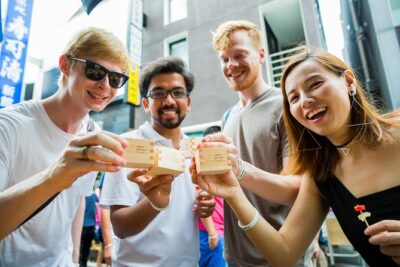
Tokyo Tsukiji Fish Market Food and Culture Walking Tour
Read our review →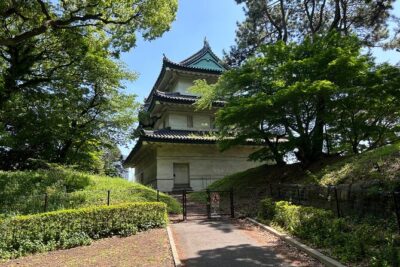
Imperial Palace and Shogun Historical Walking Tour
Read our review →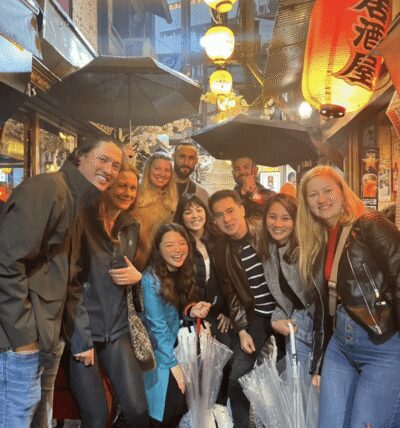
Shinjuku Local Bar and Izakaya Guided Walking Tour
Read our review →

Tokyo Castle & Imperial PalaceーShogun Walking Tour
Read our review →
Shibuya Meltdown Nightlife Tour: All-You-Can-Drink Bar Hopping
Read our review →
Browse the lists this tour appears in