
Review · HIDDEN GEMS WALKING TOURS
Paris: Montmartre Hidden Gems and Highlights Walking Tour
Montmartre rewards curious walkers. This 90-minute tour links famous sights with tucked-away corners, art stories, food traditions, and fine views over Paris. I especially like the stop at the last vineyard in Paris and the way the route connects artists such as Van Gogh and Renoir with the streets around them. I also like that the guide shares food pointers, from cheese to charcuterie, rather than treating Montmartre as only a postcard backdrop. The main catch is the terrain: there are no stairs on the route, but you will walk uphill on narrow, sometimes crowded streets.
The tour begins at the I Love You Wall and finishes near Place du Tertre and La Bonne Franquette. Guides including Linda, David, Heidi, Sam, Paula, Sara, and others have been praised for clear storytelling, humor, patience, and useful local advice. At $37 per person, it is a fair price if you want an informed introduction to Montmartre, though you should budget extra time for entering Sacré-Cœur or stopping for food afterward.
Key points to know before you go
- The route begins at the I Love You Wall: A colorful art installation showing the words I Love You in more than 300 languages.
- You visit Montmartre’s only remaining vineyard: It is one of the area’s most unusual sights and easy to miss without a guide.
- The walk combines famous and lesser-known stops: Expect the Moulin de la Galette, Rue des Abbesses, unusual art, Place du Tertre, and Sacré-Cœur.
- Sacré-Cœur is an exterior stop on the tour: Entry is free when the basilica is open, but the visit inside is self-guided.
- The hill matters: The route avoids stairs but includes slopes, narrow streets, and busy sections.
- The tour ends near a historic restaurant: La Bonne Franquette has connections with artists including Van Gogh and Monet.
Why this short Montmartre walk works
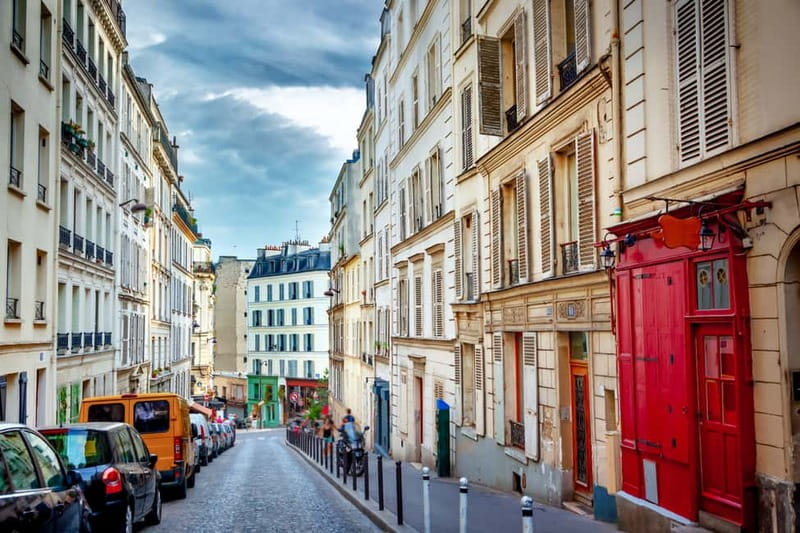
Montmartre can feel confusing at first. The streets rise sharply from the lower neighborhood, and the most famous sights are scattered between cafés, apartment buildings, souvenir shops, churches, studios, and quiet lanes. A guided walk gives you a route through that jumble without turning the neighborhood into a checklist.
The tour is especially useful if you want context. You do not simply see the Moulin de la Galette or Sacré-Cœur, then move on. You hear how art, food, religion, village life, and Parisian entertainment overlap in this corner of the city.
At 90 minutes, the experience is short enough to fit into a busy Paris day. It also gives you time to continue exploring on your own. I would treat it as an orientation walk, not a complete day in Montmartre.
The tone depends on the guide, but the available guide feedback is unusually consistent. Linda is praised for answering questions and keeping the group together. David is described as clear and entertaining. Heidi receives high marks for art history and local stories, while Sam is noted for good pacing on the hills and a lively sense of humor. Paula is praised for warmth, energy, and practical recommendations.
That variety matters because Montmartre works best when the guide brings personality to the streets. The strongest guides do not simply recite dates. They explain why a particular corner mattered and help you notice details you might otherwise pass.
More Hidden Gems Walking Tours in Paris:
- Montmartre Hidden Gems and Scenic Highlights Walking Tour
★ 5.0 · 2,684 reviews - Paris: Montmartre Food Tasting Walking Tour with Secret Dish
★ 4.8 · 107 reviews - Paris: Montmartre hidden gems walking Tour with Local Guide
★ 4.9 · 78 reviews
Starting at the I Love You Wall
The meeting point is in front of Saint-Jean de Montmartre church at 19 Rue des Abbesses. Look for the guide holding an orange ExperienceFirst sign. This is a useful detail because Rue des Abbesses is an active part of Montmartre, and a clear sign makes the group easier to spot.
The first major stop is the I Love You Wall, a public artwork displaying I Love You in more than 300 languages. It is a fitting introduction to the neighborhood: romantic, artistic, photogenic, and a little crowded at popular times.
This stop is not only for a quick photograph. It gives the guide a chance to talk about how public art shapes Montmartre’s identity. The wall also sets the mood for a route that moves between famous cultural references and smaller visual surprises.
You may hear lively discussion about other art and film references in the neighborhood. One past tour even sparked a debate about the identity of a woman shown in an artwork, with different ideas involving Rita Hayworth and Dalida. That sort of moment is part of the pleasure here. Montmartre is full of images, stories, and legends that invite conversation.
Rue des Abbesses and the village feel
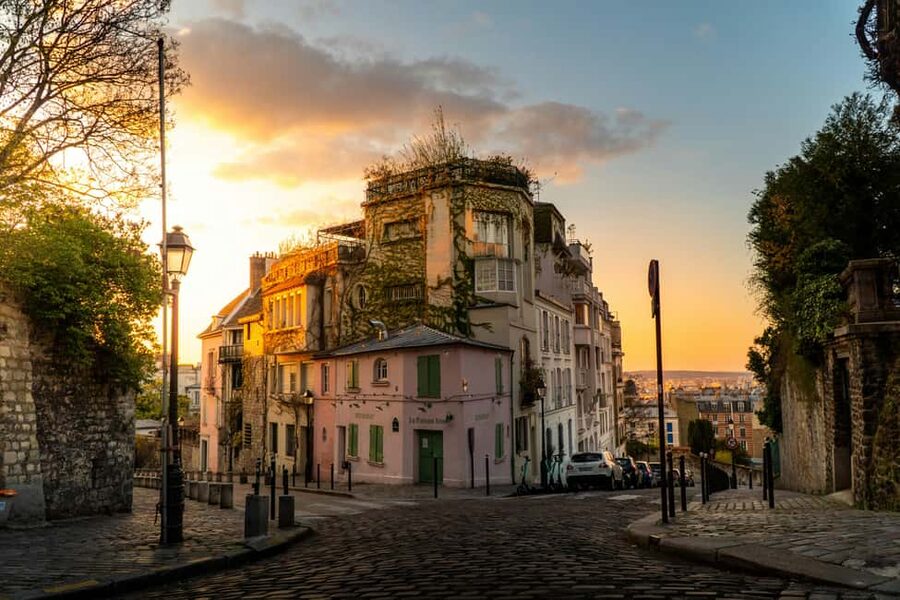
From the starting area, the walk continues through Montmartre’s winding streets, including the historic Rue des Abbesses. This is where the tour begins to feel less like a march between monuments and more like a walk through a lived-in Paris neighborhood.
The route introduces you to local food culture, including cheese and charcuterie. Food talk is valuable here because Montmartre is not just about painters and basilicas. Small food shops, cafés, terraces, and old restaurants help explain how the area functions today.
Do not expect tastings to be included. Food and drinks are not part of the $37 price, so you will need to pay separately if you want to stop for a snack or meal. Still, practical food advice can save you from choosing a restaurant only because it has a good view or a prominent location.
The neighborhood is also a reminder that Montmartre has changed. Its artistic reputation draws large crowds, but it remains a residential area with ordinary streets and daily routines. A good guide helps you notice both sides.
Moulin de la Galette and Montmartre’s art story
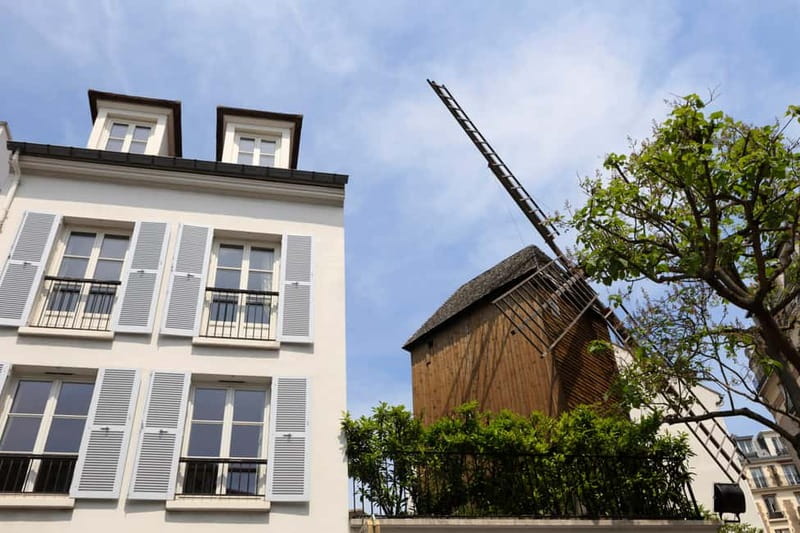
The Moulin de la Galette is one of the tour’s important artistic stops. Renoir painted the famous scene associated with it, and the windmill helps connect Montmartre’s modern streets with its earlier identity as a place of dancing, food, and rural escape.
The site is worth seeing even if you are not an art specialist. It shows why Montmartre attracted artists. The hill once felt separate from central Paris, and its entertainment venues offered a different atmosphere from the grand boulevards below.
The tour also connects the district with artists such as Van Gogh. That connection becomes more meaningful when you walk the same streets and see the buildings, slopes, and changing viewpoints that shaped the area’s appeal.
If you love art, this is likely the strongest part of the walk. Past participants with an interest in painting particularly praised guides who could explain the artists and their surroundings. If art history is not your priority, the stories still give the streets more character than a simple sightseeing route.
More City Highlights Walking Tours in Paris:
- Paris: Montmartre Highlights Walking Tour with a Local Guide
★ 4.9 · 2,318 reviews - Paris: Montmartre Must-See Walking Tour with a Local Guide
★ 4.9 · 661 reviews - Paris: Le Marais Highlights Guided Small Group Walking Tour
★ 4.7 · 169 reviews - Historic Charleston Guided Sightseeing Walking Tour
★ 5.0 · 6,216 reviews
The vineyard, a quiet surprise on the hill
Montmartre’s last remaining vineyard is one of the most distinctive stops. It is easy to miss if you are moving quickly toward Sacré-Cœur, yet it offers a reminder that this hill was once more village-like than urban.
The vineyard is not presented as a major wine-tasting stop. You should see it as a small piece of Montmartre’s local identity. It adds texture to the tour and breaks up the sequence of churches, paintings, and tourist squares.
This is one of the places where a guide earns the price of admission, even though the tour itself is a walking experience rather than a ticketed attraction. Without local direction, you might pass nearby and never realize what you were looking at.
The stop also helps explain Montmartre’s appeal. The neighborhood is famous because it feels layered. You can move from a crowded tourist street to a quiet patch of vines, then turn a corner and find one of Paris’s grandest basilicas.
Reaching Sacré-Cœur and the Paris view
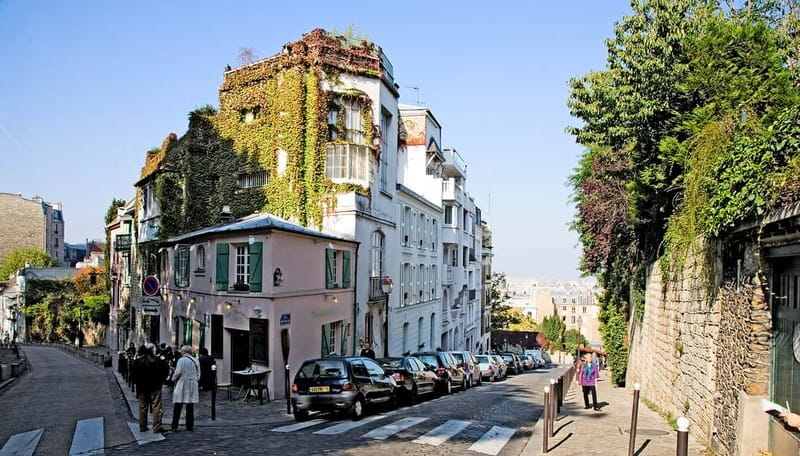
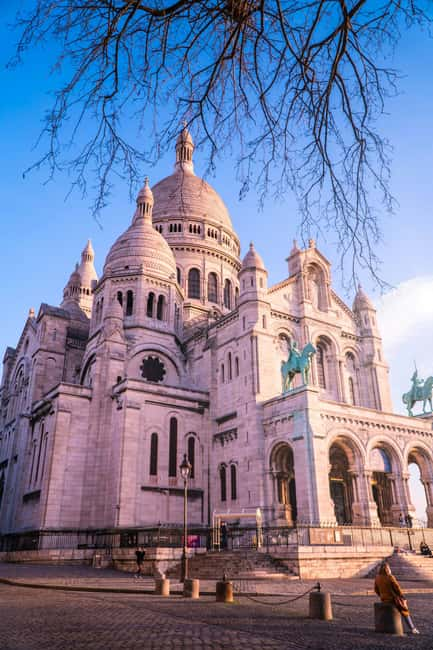
The route climbs toward Sacré-Cœur Basilica, the white-domed landmark at the top of Montmartre. The walk avoids stairs, but do not mistake that for flat ground. You will still handle several hills, and the narrow streets can become busy.
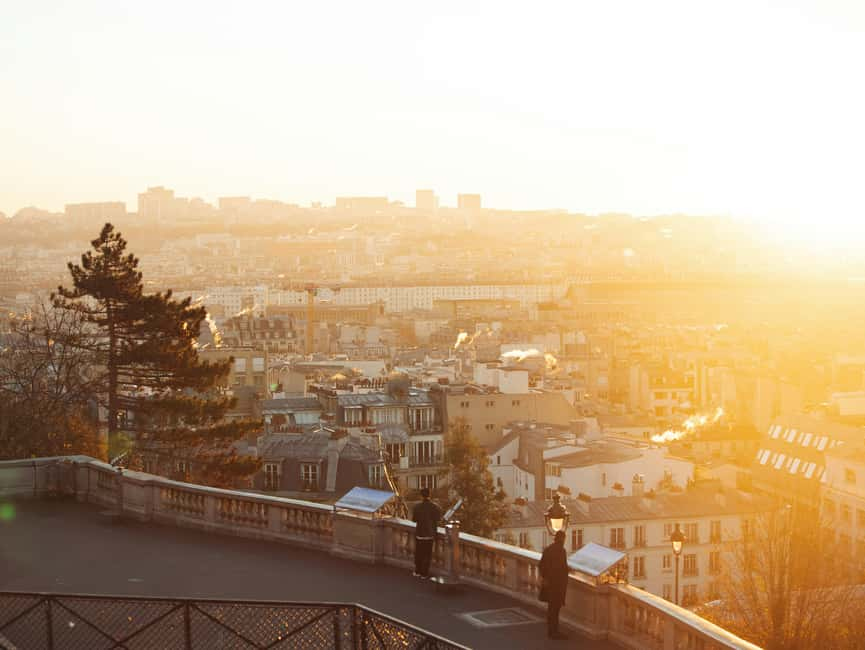
The hilltop view is one of the tour’s main rewards. From around the basilica, you can look across Paris and get a clear sense of the city’s broad scale. The view is particularly useful early in a Paris visit because it helps you understand where Montmartre sits in relation to the rest of the city.
The tour passes the exterior of Sacré-Cœur rather than providing a guided interior visit. Entry is free when the basilica is open, and you can go inside afterward on your own. Your guide will point out what to see, but the basilica visit is not included in the 90-minute guided portion.
That arrangement has both advantages and limits. You keep the tour moving and avoid spending the group’s time inside. On the other hand, if the interior is your main reason for visiting, you need to plan extra time and check that it is open.
The exterior itself is impressive, with its striking 19th-century design and hilltop position. Still, the crowd around the basilica can be substantial. Keep personal belongings secure and stay aware of where the group is headed.
Place du Tertre and the artists
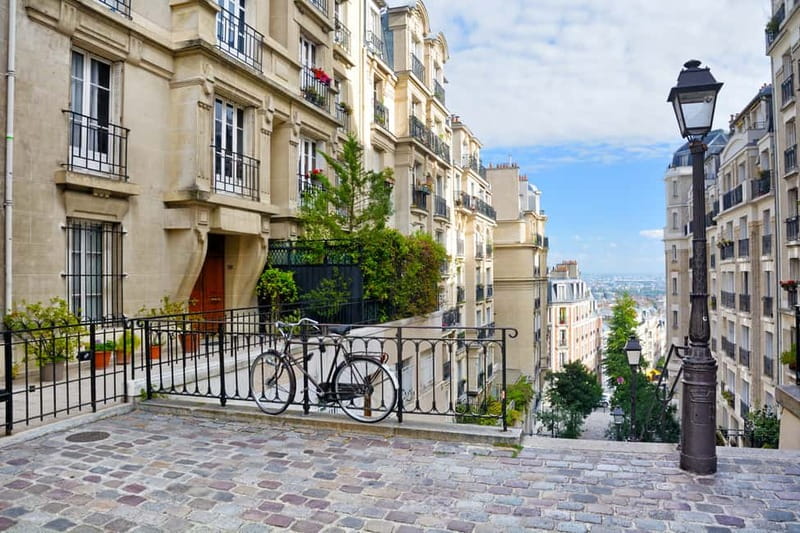
After Sacré-Cœur, the route takes you around the basilica toward Place du Tertre. This square is known for its artists, portrait painters, cafés, and terraces. It is one of the most recognizable corners of Montmartre, but it can also be busy and commercial.
A guide helps you read the square rather than simply pass through it. You can learn how the artists fit into Montmartre’s long creative tradition and why this small plaza became such a powerful symbol of the area.
The atmosphere changes during the day. At busy times, you may need to stay close to the guide while moving through the square. If you want a portrait, coffee, or meal, treat that as a separate activity after the walk. The tour does not include food or drinks.
Place du Tertre is best approached with realistic expectations. It is lively and attractive, but it is not an untouched artists’ village. The value is in seeing the setting and understanding its role in Montmartre, not in expecting a quiet, private square.
Finishing at La Bonne Franquette
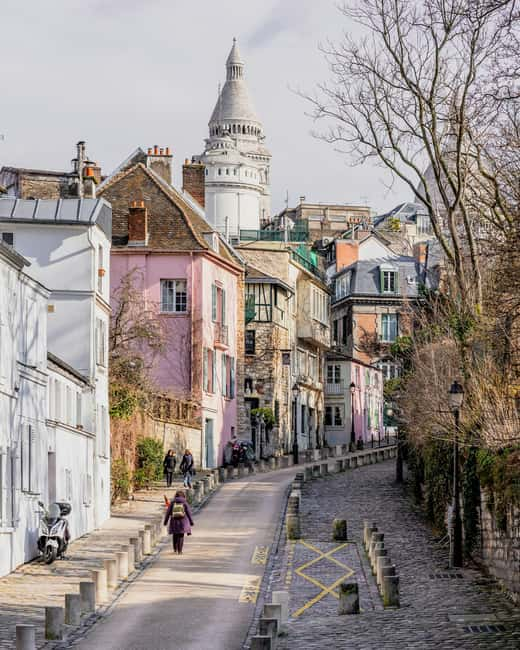
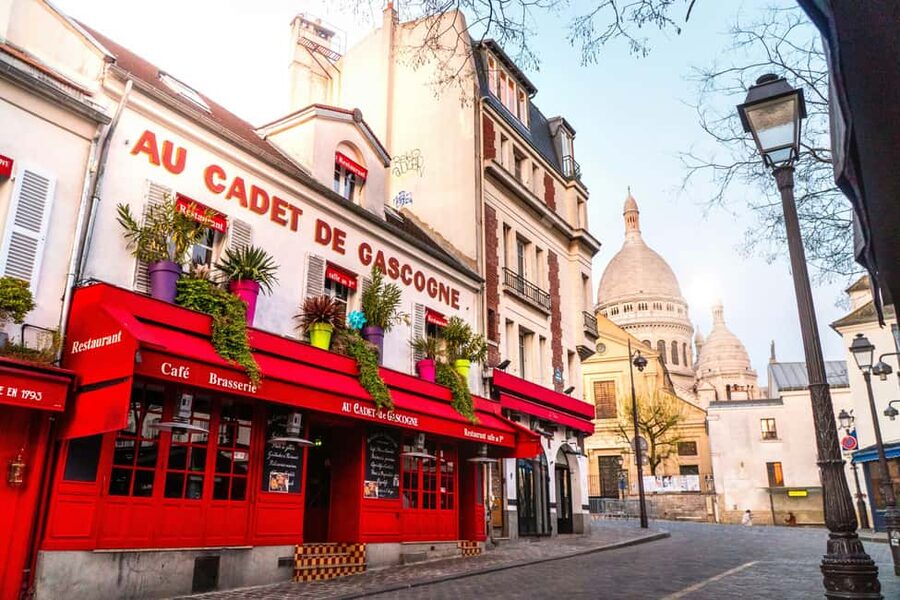
The tour ends at La Bonne Franquette, a historic restaurant associated with artists including Van Gogh and Monet. This makes a sensible final stop because it brings together the tour’s main themes: food, painting, old Montmartre, and the social life of the neighborhood.
You are free to step inside and order traditional French food, but dining is not included. Ending here gives you an easy choice. You can continue eating in Montmartre, walk downhill, or stay nearby for more sightseeing.
I like this ending because it leaves you with a practical next step. Rather than finishing at a random street corner, the route concludes beside a restaurant with a clear connection to the area’s artistic past.
Pace, hills, and who should book
The tour suits first-time visitors who want a structured introduction to Montmartre. It also works for repeat visitors who have seen Sacré-Cœur but have not explored the vineyard, art references, and smaller streets with a guide.
The pace has generally been praised as comfortable. One past participant specifically found it manageable for an 83-year-old parent, while another praised the guide for pacing the uphill walk without exhausting the group. That said, comfort depends on your own mobility and the day’s crowds.
The official route has no stairs, but it is not wheelchair suitable. You need to feel confident walking hills and navigating narrow streets. Wear comfortable shoes, and do not schedule a demanding activity immediately afterward if hills are difficult for you.
The tour is a good match for:
- First-time visitors to Paris
- Art lovers and fans of Van Gogh or Renoir
- People who prefer stories to silent sightseeing
- Families and mixed-age groups able to walk uphill
- Repeat visitors seeking less obvious Montmartre sights
It is less suitable if you want a long interior visit at Sacré-Cœur, a food tasting, or a completely flat route.
Is $37 a fair price?
At $37 per person, the tour offers reasonable value for 90 minutes with an English-speaking guide. You are paying for the route, local interpretation, and the chance to notice places that are easy to overlook, not for museum entry or a meal.
The value is strongest when the guide is engaging. Names such as Linda, David, Heidi, Sam, Paula, Sara, and Valerie have been associated with strong storytelling, humor, helpful answers, and local suggestions. You should still remember that guide quality can vary from one departure to another.
The price is less attractive if you already know Montmartre well and prefer to wander without a schedule. It is also not the right choice if you expect a full historical lecture or guided access inside Sacré-Cœur.
Free cancellation up to 24 hours ahead and the option to reserve now and pay later make the booking relatively flexible. Check the available start times, arrive at Saint-Jean de Montmartre with comfortable shoes, and allow extra time after the tour for the basilica interior or a meal.
Should you book this Montmartre walk?
Book it if you want a lively introduction to Montmartre’s art, streets, food culture, vineyard, and hilltop views in one compact outing. The strongest reason to choose it is the guide-led context, especially if you are visiting the neighborhood for the first time.
Skip it if your priority is a private experience, a flat route, included tastings, or a full guided visit inside Sacré-Cœur. For most able walkers, though, $37 is a fair exchange for a well-paced orientation and a few corners you might otherwise miss.
FAQ
How long is the Montmartre walking tour?
The listed duration is 90 minutes.
Where does the tour meet?
Meet in front of Saint-Jean de Montmartre church at 19 Rue des Abbesses, 75018 Paris.
How do I find the guide?
The guide will be holding an orange sign marked ExperienceFirst.
What language is the tour in?
The live guided tour is in English.
Is food included?
No. Food and drinks are not included in the tour price.
Does the tour enter Sacré-Cœur Basilica?
The route passes the exterior. You may enter the basilica on your own afterward when it is open, and entry is free.
Does the tour include stairs?
The route does not include stairs, but it does include hills and narrow, sometimes busy streets.
Is the tour suitable for wheelchair users?
No. The experience is not suitable for wheelchair users.
Can I cancel for a refund?
Yes. You can cancel up to 24 hours in advance for a full refund.
Just added around Paris
- The Official Emily in Paris Locations Walking Tour★ 4.9 · 383 reviews
- Paris: Montmartre Food Tasting Walking Tour with Secret Dish★ 4.8 · 107 reviews
- Paris: Emily Inspired Walking Tour★ 4.9 · 312 reviews
- Saint-Germain: Gourmet Chocolate & Pastry Walking Food Tour★ 4.8 · 495 reviews
- Paris: Walking Tour of Montmartre★ 4.7 · 470 reviews
- Paris: Ghosts, Legends & Mysteries Evening Walking Tour★ 4.5 · 241 reviews
- Paris: Walking Tour with Notre Dame or Ste-Chapelle Access★ 4.4 · 198 reviews
- Paris Top Sights Half Day Walking Tour with a Fun Guide★ 4.9 · 92 reviews
Hidden Gems Walking Tours, compared.
Dublin Highlights and Hidden Gems Guided Walking Tour
Read our review →
Explore Berlin: See All The Iconic Sights & Some Hidden Gems
Read our review →
Kyoto Geisha Walking Tour: Gion District & Hidden Gems
Read our review →
Ben Youssef, Secret Garden, & Souks Walking Tour
Read our review →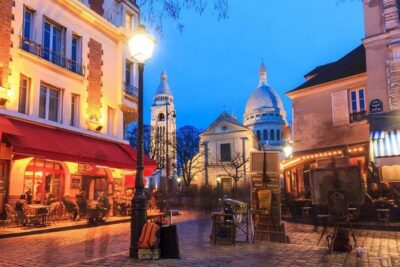
Montmartre Hidden Gems and Scenic Highlights Walking Tour
Read our review →
Guided Walking Tour of City Highlights & Hidden Gems
Read our review →
Paranormal Night Walking Tour & Secret Backstreets
Read our review →Browse the lists this tour appears in